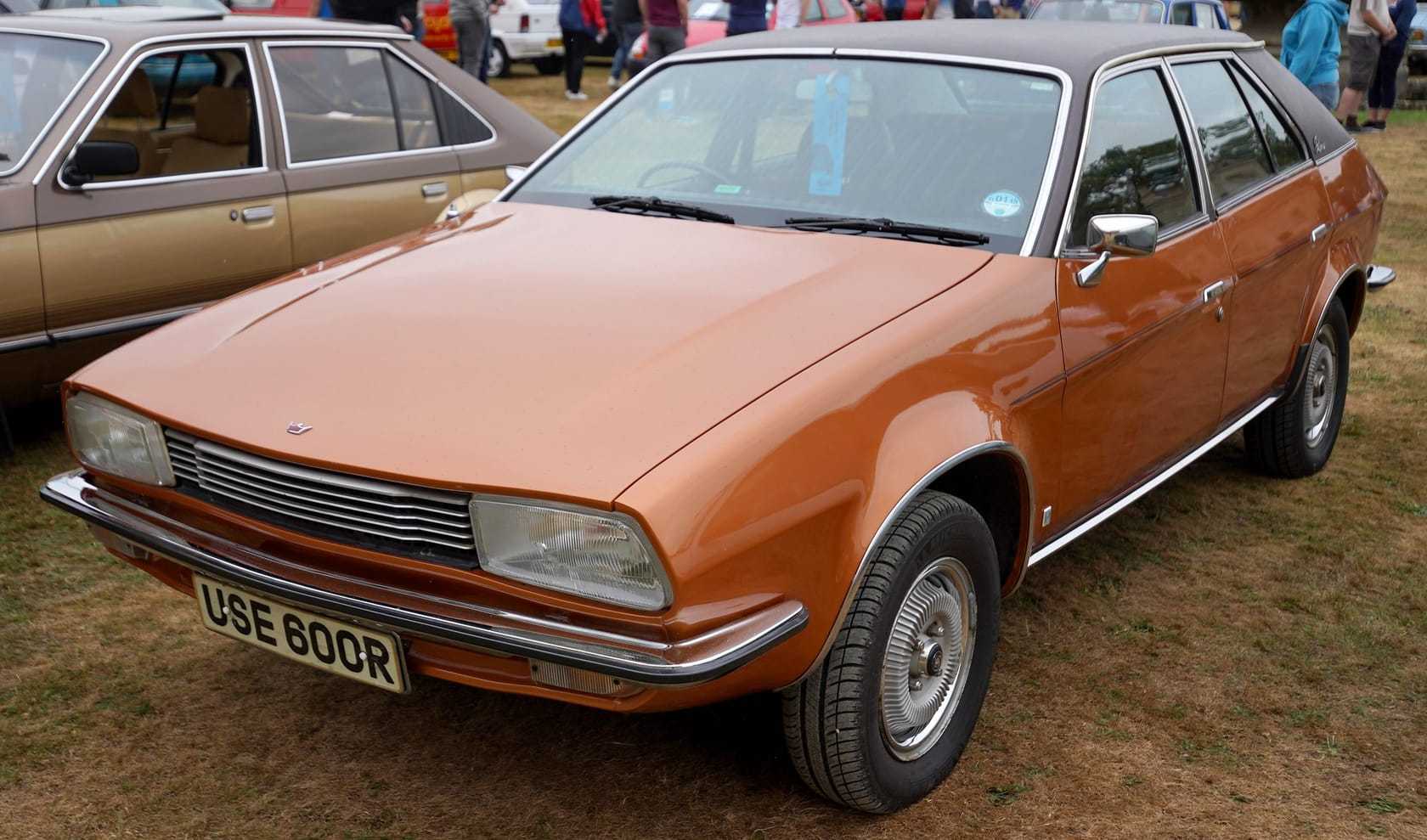
British Leyland was created in 1968 from the merger of British Motor Holdings (Austin, Morris, MG, Riley, Wolseley) and Leyland Motors (Triumph, Rover, Jaguar, plus the truck business) on the explicit assumption that combining nearly every British car maker into a single nationally-significant industrial concern would let them out-volume Ford and out-engineer everyone else in Europe. That assumption did not survive contact with the 1970s. By the end of the decade, BL had been part-nationalised, had lost both the Marina and the Princess to the Cortina and the Cavalier respectively, and was four years away from selling Jaguar back to the private market. The Marina and the Princess were the two big bets at the centre of that decade-long unwind, and both are now worth a second look as British classics under £10,000.
What BL was trying to do
The mid-1970s family-saloon market in Britain ran about 800,000 new cars a year, split mainly between the Ford Cortina, the Vauxhall Victor and later the Cavalier, the Hillman Avenger, the Morris Marina, the Austin Allegro, and the Austin Princess. BL had the biggest dealer network, the biggest set of factories, the deepest engineering bench, and the broadest engine range of any of the competitors. Cortina-class volume was the single most important sector by units, and BL needed to win it.
The plan was two cars. The Marina would handle the conventional rear-drive saloon and estate end of the market, with the cheap running costs and the simple engineering that the trade had always wanted from BMC. The Princess would handle the more ambitious front-drive, large-cabin, modern-suspension end, sitting above the Marina and below the Rover SD1. Between them, BL’s product plan reckoned, the Marina-Princess pair would take 30 to 35 per cent of UK Cortina-class volume by 1978.
The actual number in 1978 was closer to 22 per cent and falling.

What went wrong with the Marina
The Morris Marina was launched in April 1971 on a development budget that was small even by BL standards. The front suspension was a torsion-bar layout adapted from the 1948 Morris Minor. The engines were existing A-series and B-series units. The body was styled by Roy Haynes, recently recruited from Ford. The whole car was brought to market in just over three years from clean sheet to showroom. The result was a saloon that road testers consistently ranked behind the Cortina, the Avenger, and eventually the Chevette, with handling that was vague at the limit and a chassis that never quite settled.
What the Marina got right: it was cheap, the engines were durable, the dealer network was huge, and the bodywork was reasonably easy to repair. It sold over a million units. What it got wrong: the chassis decisions taken in 1969 to save money on suspension development meant the car was already behind the class at launch and could not catch up.

What went wrong with the Princess
The Austin Princess was the opposite kind of mistake. Where the Marina was rushed and conservative, the Princess was ambitious and considered. Hydragas suspension, transverse front-wheel drive, Harris Mann’s distinctive wedge styling, and a packaging job that gave more cabin space than the Cortina in a shorter overall car. By engineering standards, the Princess was the most modern British family car of 1975.
Then BL gave it a separate boot lid. The wedge profile suggested a hatchback; the Princess shipped as a saloon. Every competitor in the segment was moving to hatchbacks: the Chrysler Alpine in 1975, the Vauxhall Cavalier in 1981, the new Cortina Mk4 in 1976. The Princess was already a fifth-door car shape with a third-door tailgate, and the buying public read this exactly as the commercial misjudgement it was. BL eventually fixed it in 1982 with the Austin Ambassador hatchback conversion, by which time the platform was seven years old and the segment had moved on.

The cars that beat them
Three competitors stood out in the BL pair’s underperformance, and each represents a piece of period engineering worth a closer look in its own right.
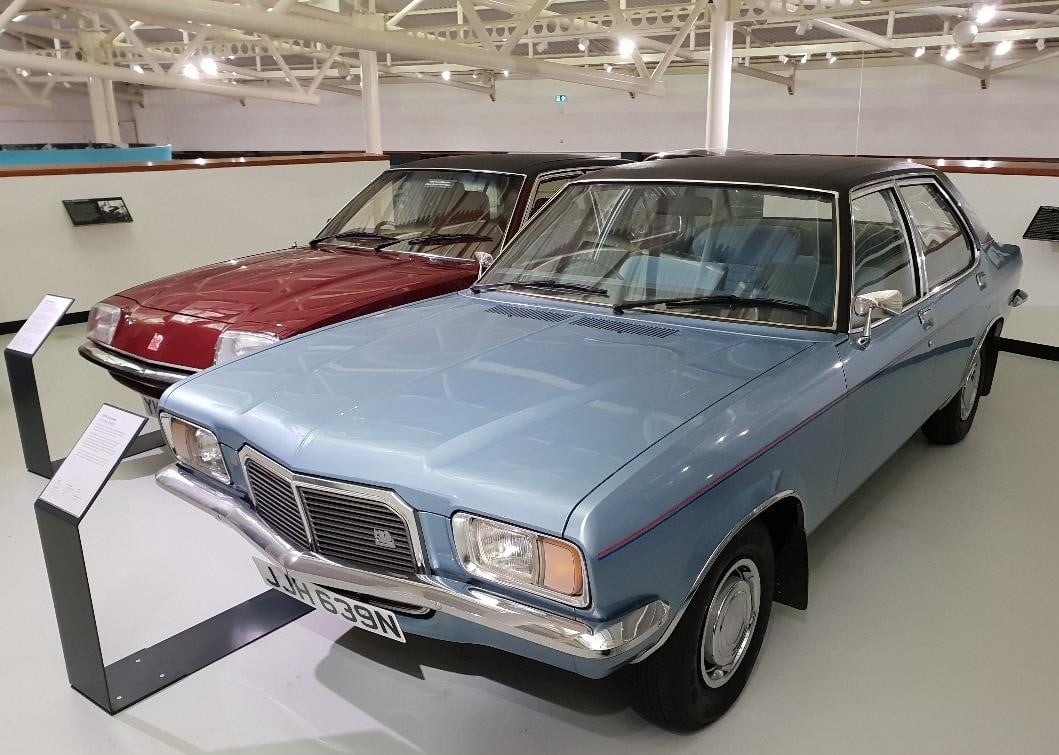
The Vauxhall Victor (1957–1976) was the elder statesman of the segment, by 1971 already on its fifth generation, the FE, with the slant-four engine and the larger-bodied estate that the Ventora six-cylinder made into a proper budget executive car. The Victor’s history covers more of post-war Britain than any of its competitors and it ended exactly when the Cavalier took the GM mainstream forward.
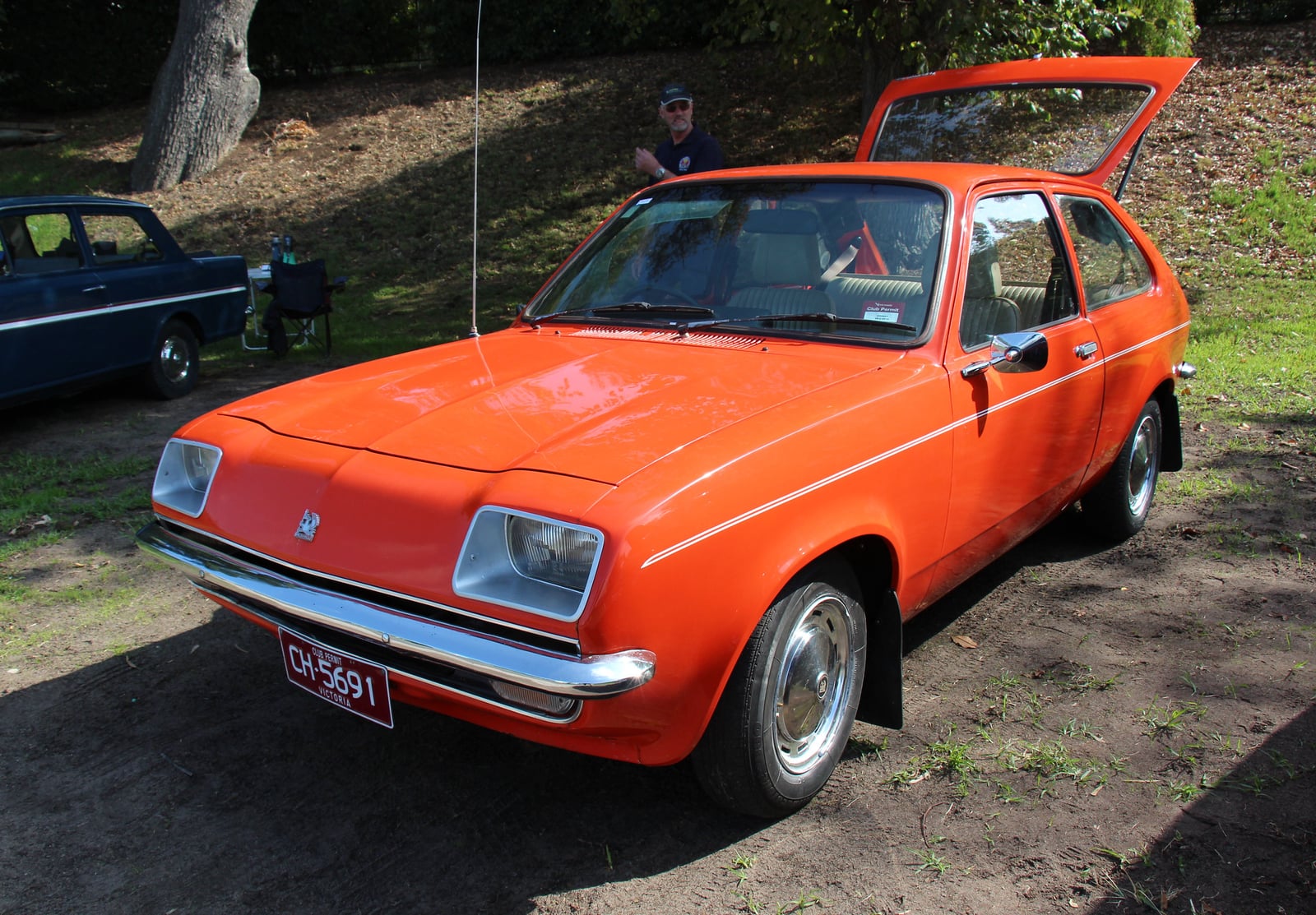
The Vauxhall Chevette (1975–1984) was the car that beat Ford to the small-family-hatchback market in 1975. Cheap, reliable, briefly UK’s top-selling new car in 1978, and the rally homologation HS won the British Open Rally Championship in 1979 against works Escorts. The Chevette is the car the BL Allegro should have been.
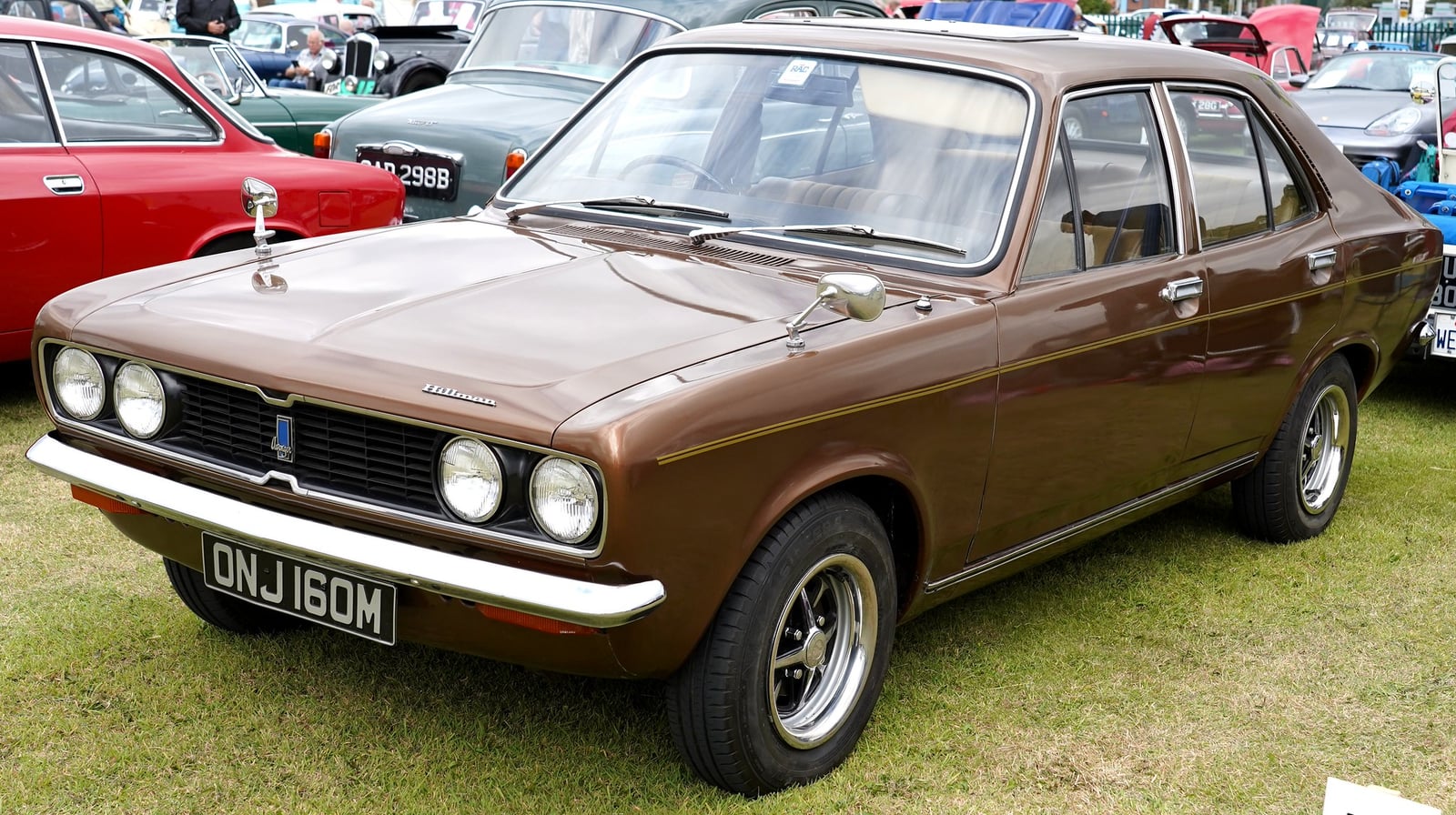
The Hillman Avenger (1970–1981) is the car Rootes Group built when it was still trying to be a serious small-saloon manufacturer, and the badge changed three times across its production run (Hillman, then Chrysler, then Talbot) as Chrysler’s European operation collapsed and Peugeot bought the wreckage. The Avenger handled better than the Marina from day one, and the Tiger rally homologation cars of 1972 and 1973 are now £25,000-plus classics in their own right.
For the broader story of how British Leyland came together and why it fell apart, see the British Leyland glossary entry. For the wider decade that contained all five of these cars, see British classic cars of the 1970s, and for what came next (the Ital, Ambassador, and Talbot Avenger ran on into the early 1980s) see British classic cars of the 1980s. Both sit inside the wider decade-by-decade guide.
Why they’re worth a second look today
The Marina and Princess are now both cheap classics, with usable saloons starting under £3,000 and concours examples rarely reaching £8,000. That is unusual. The 1970s have moved up in the British classic market over the last decade as MGB and TR6 prices set the floor and prosaic family saloons follow. Cortina Mk3 values doubled between 2018 and 2024. Avenger Tiger values tripled. Yet the BL pair has lagged, partly because of the period reputation problem and partly because the cars are genuinely rarer than the comparable Cortina or Chevette and the auction market relies on visibility.
The case for buying one today comes down to three things.
First, the engineering is more interesting than the period reputation suggests. The Princess’s Hydragas suspension is a genuine piece of British innovation and rides better than anything modern on a B-road. The Marina’s B-series 1.8 is the same engine as the MGB and has 70 years of service knowledge behind it. Both cars are fundamentally fixable in a driveway.
Second, parts supply is good. Because BL shared engines and running gear across so many models, A-series 1.3 parts come through Mini channels, B-series 1.8 parts come through MGB channels, and O-series parts come through Maestro channels. Body panels are the bottleneck on both, but the owners’ clubs have been arranging re-manufactured batches of the worst rust panels for years.
Third, the cars are interesting period documents in a way the more polished competitors are not. The Marina explains how BL’s product planning worked. The Princess explains how BL’s engineering ambition outran its commercial judgement. The Cortina Mk3 explains how Ford built efficient mainstream cars, which is a less specifically British story.
For under £10,000 you get a piece of the most consequential decade in British motor industry history, a parts supply chain that still works, and a car that almost nobody at a classic show will dismiss as obvious. The BL family saloons are not the cars BL needed them to be in 1975. They are very good cars to own in 2026.


