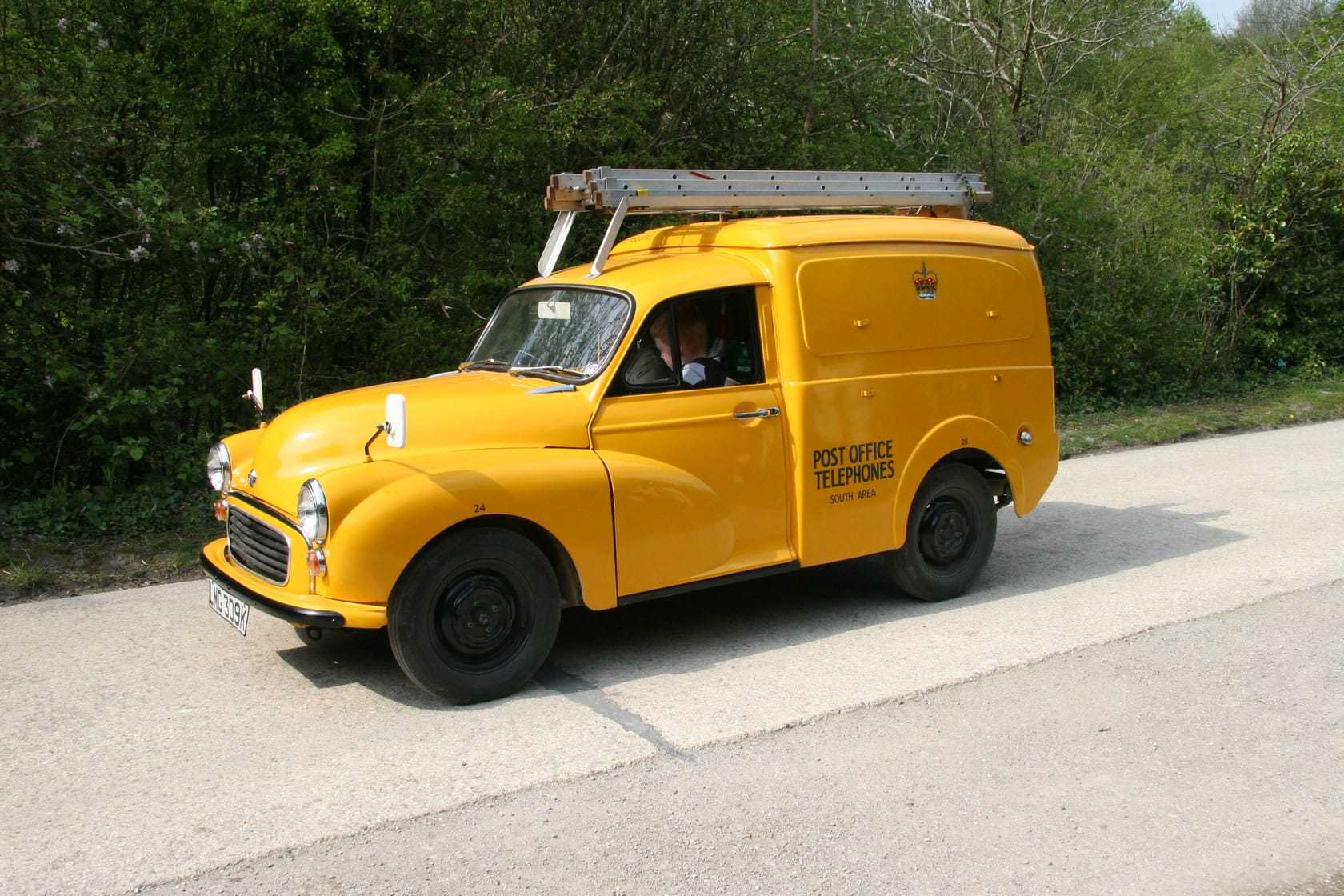
For most of the twentieth century the van was the most ignored vehicle on the road. It delivered the post, carried the tools, ran the shop, and was worked until it died, at which point it was scrapped without a second thought. Nobody kept vans. That is precisely why the survivors now matter: a clean, original classic van is far rarer than the saloon it was based on, and the nostalgia attached to these working vehicles has turned them into some of the most sought-after classics Britain has.
Why classic vans are collectable now
The appeal of a classic van is mostly nostalgia, and it is a powerful kind. These were the vehicles in the background of ordinary British life, and people remember them with real affection: the red Post Office van at the gate, the ice-cream van on a summer evening, the camper the family holidayed in. A restored classic van taps directly into that memory in a way a restored saloon often does not.
There is a practical side too. Many classic vans share their mechanicals with far more common saloons, so parts and knowledge are easy to come by. The bodies are simple. And a van offers something a car cannot: space. Owners use them as mobile advertising for a business, as day vans and campers, as show vehicles in period livery, and as characterful load- carriers that happen to be tax and MOT exempt once old enough.
The catch is condition. Vans led hard lives, were rarely garaged, and rusted accordingly, so genuinely solid original examples are scarce and restored ones often hide a lot of replaced metal. Survival, not mechanical complexity, is what makes a good one hard to find.

Liveries, campers and conversions
Two things set the classic-van world apart from the car world. The first is livery. A van’s value is tangled up with what it says on the side: a genuine period Post Office, GPO Telephones or brewery livery, or an honest local trade name that has been on the van since new, adds history a repaint cannot, and many owners research and reinstate the livery their van actually wore. The second is the conversion trade. Vans became campers, ambulances, ice-cream vans, mobile shops and breakdown trucks, and those conversions, once just a working life, are now often the most interesting and valuable survivors. A coach-built ice-cream van or an original camper conversion carries its own following, its own shows and its own price structure.
Both points push the same way when buying: provenance matters. A van with a documented working history, in the livery it earned, will always be the more interesting machine than a generic repaint, and usually the better investment too.

The cars worth knowing
The Morris Minor van is the classic British small van. Built on the Morris Minor’s underpinnings from 1953, it was bought in enormous numbers by the General Post Office, whose red Minor vans became a national fixture, and by countless small businesses. Over 300,000 Minor commercials were built, yet a clean original is now a prized thing, especially in genuine Post Office livery.
The Bedford CF is the larger story. Launched in 1969 to replace the long-running Bedford CA and to take on the Ford Transit, it became one of the default medium vans of 1970s and 1980s Britain. Its real classic following comes from what was built on it: Dormobile campers, ambulances, ice-cream vans, and motorhomes, which is where most surviving CFs are found today.

Where they sit
Classic vans are the honest, unglamorous end of the British classic world, and increasingly the fashionable one. As saloon values have climbed, buyers have looked to the working vehicles that shared their mechanicals and found them cheaper, rarer, more useful, and richer in nostalgia. A van also tends to be the friendliest thing at a show, the one with the doors open and a story attached.
For the decades these vehicles belong to, see British classic cars of the 1960s, British classic cars of the 1970s, and British classic cars of the 1980s, part of the decade-by-decade guide.

More photos


