Why British tractors matter
The single most important idea in the history of the farm tractor was British. Harry Ferguson’s three-point hydraulic linkage, the system that lets an implement be carried by the tractor and have its depth and draft controlled automatically, was developed in Northern Ireland and England and first reached the world in large numbers on the Ferguson TE20 from 1946. The “Ferguson System”, as it was called, was so obviously right that it became the international standard, and almost every tractor built since carries a version of it. That is a rare thing: a piece of British engineering that the entire world simply adopted.
Around that idea grew a real industry. The Ferguson tractor and its Massey Ferguson successors were built in Coventry in vast numbers. Ford built the rugged Fordson Major at Dagenham, a tractor that did the heavy work on British farms through the 1950s. And David Brown built well-engineered tractors at Meltham in Yorkshire, the same company that, almost as a side venture, owned Aston Martin and gave the DB in DB5 its initials. The Massey Ferguson 135 that followed sold by the hundred thousand and became the tractor a whole generation of farmers learned on.

The tractors worth knowing
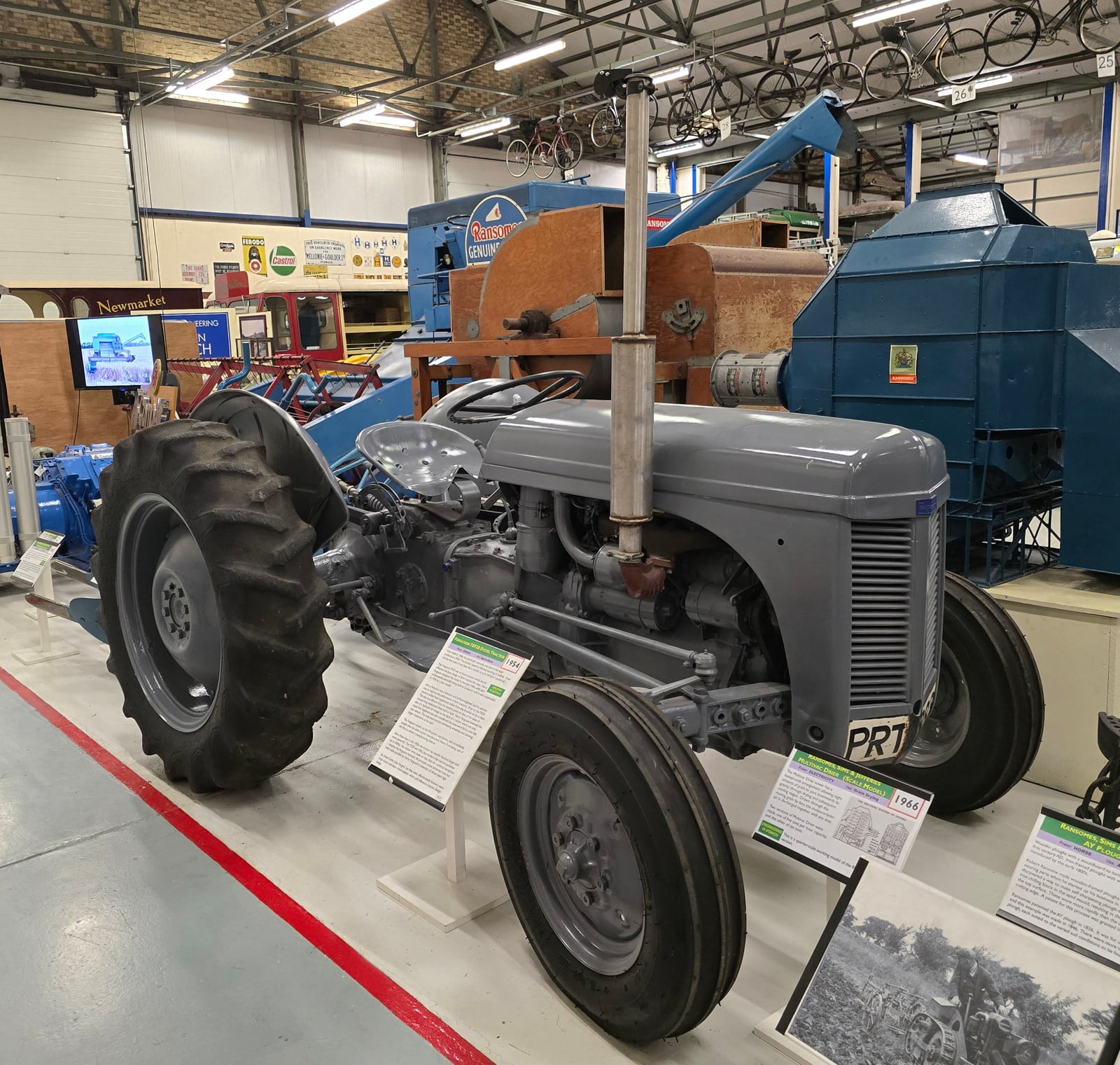
The Ferguson TE20, the “little grey Fergie”, is where the modern tractor really begins. Over half a million were built in Coventry between 1946 and 1956, most of them exported, and it brought the Ferguson System to ordinary farms at a price they could afford. More than any other single machine, it is the one that mechanised the small British farm.
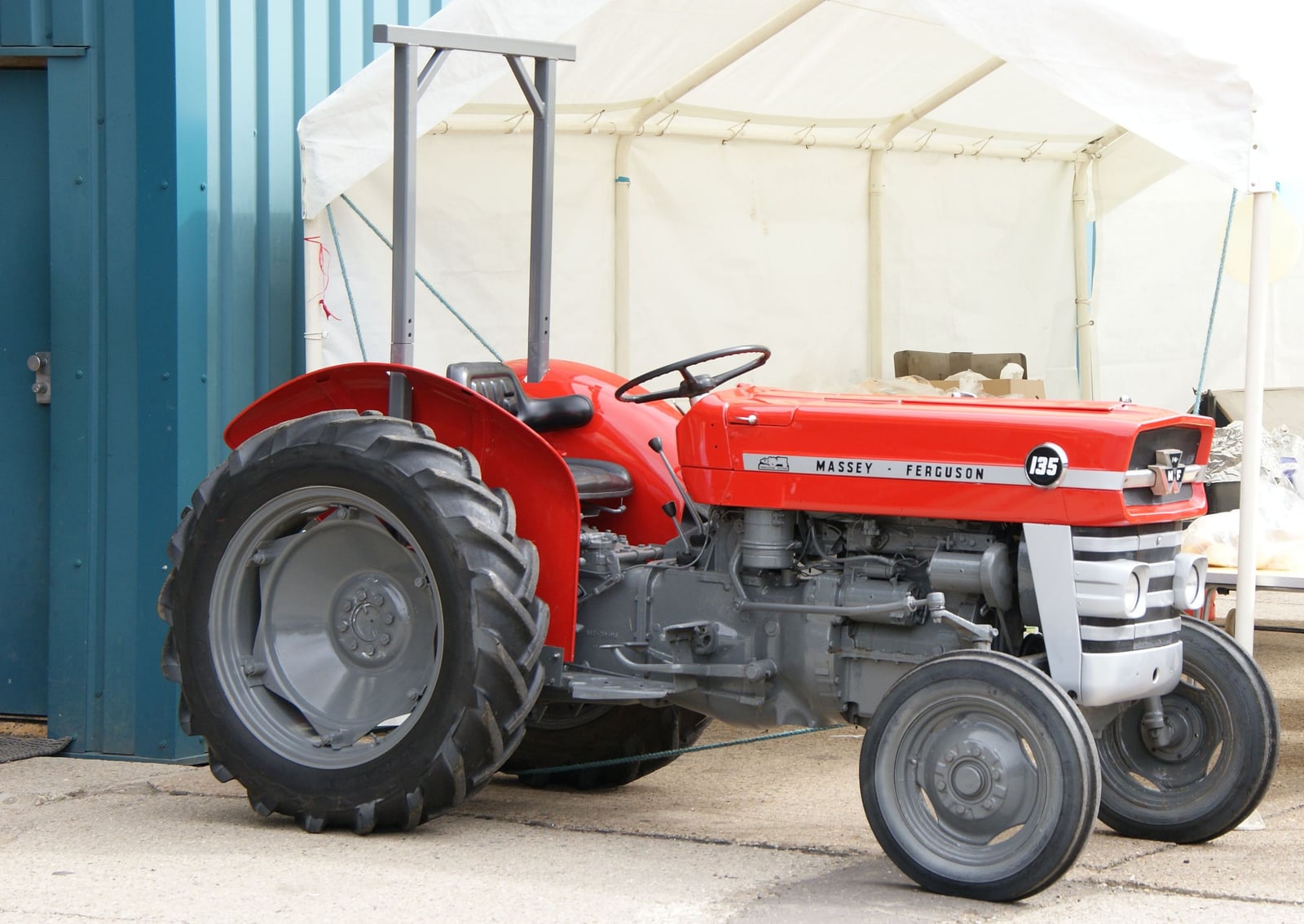
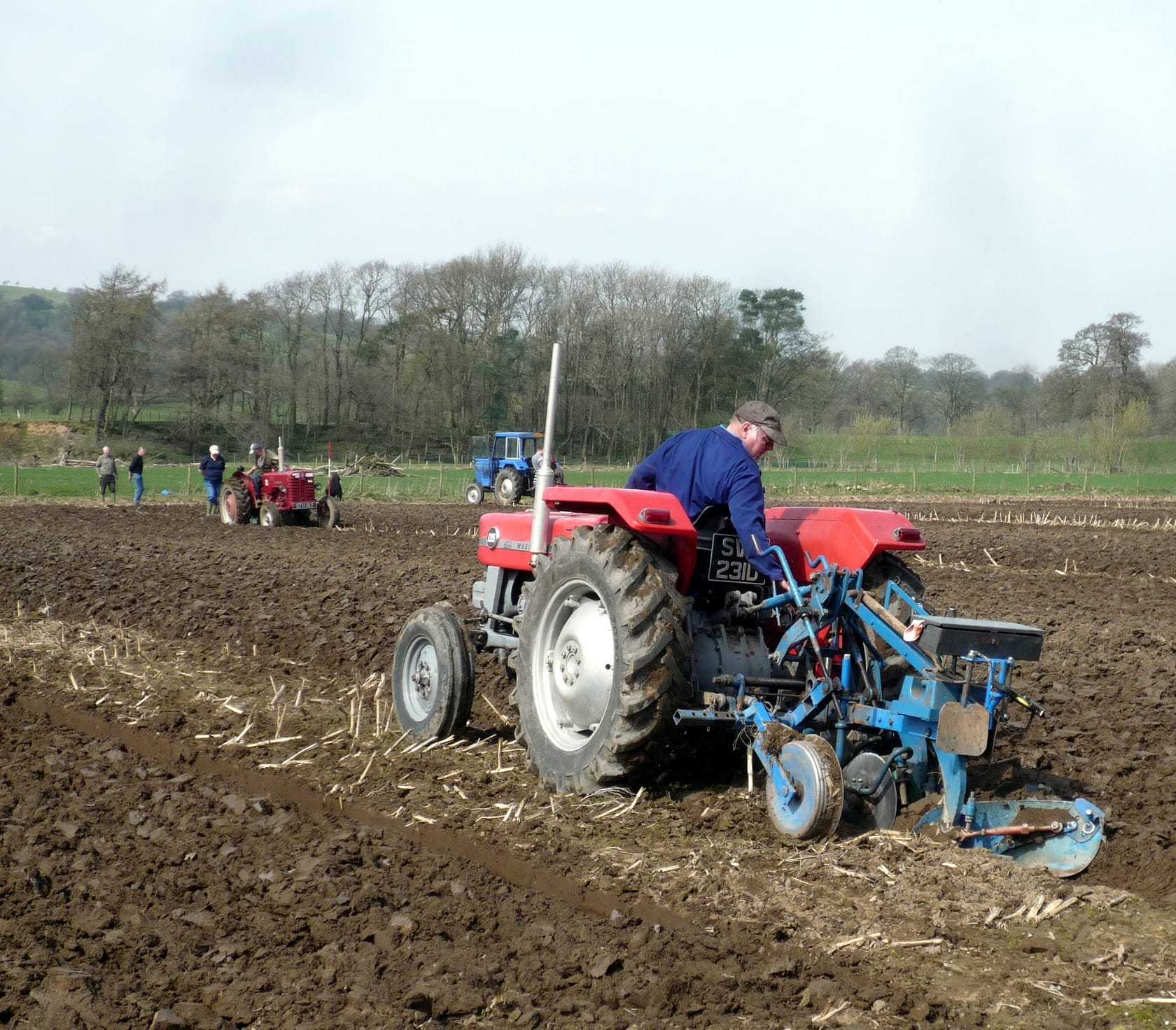
The Massey Ferguson 135 is the tractor most people picture when they picture a tractor. Launched in 1964 and built into the late 1970s, with over four hundred thousand made at Coventry, it was simple, tough, and almost impossible to wear out, which is exactly why so many are still working today and why it is the classic tractor most often bought to restore.
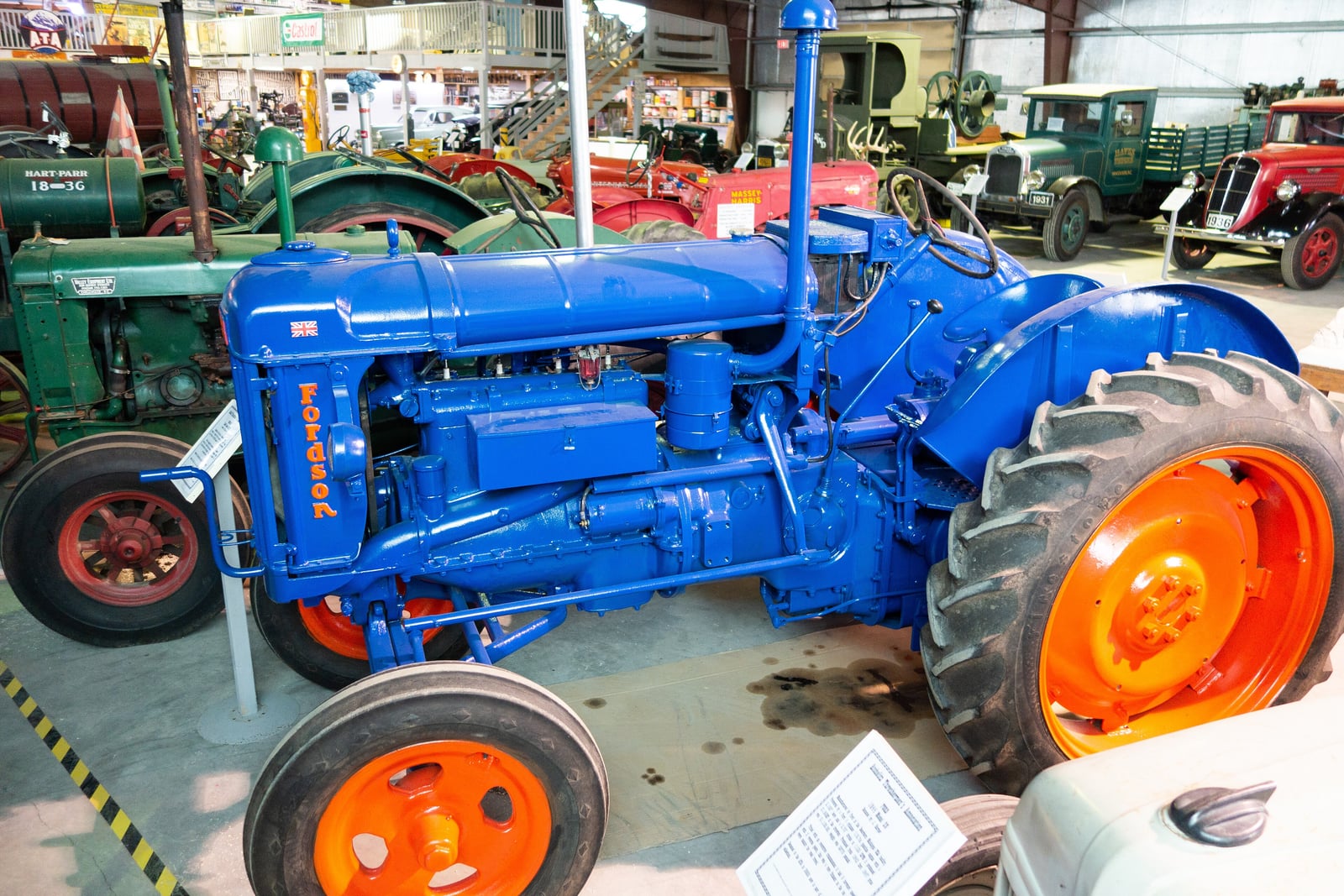
The Fordson Major is the heavyweight of the group: a big, simple, immensely strong Ford built at Dagenham, first as the post-war E27N and then as the diesel New Major, Power Major, and Super Major. It was the tractor that did the ploughing on the larger British farm, and a good one is still a genuinely useful machine.
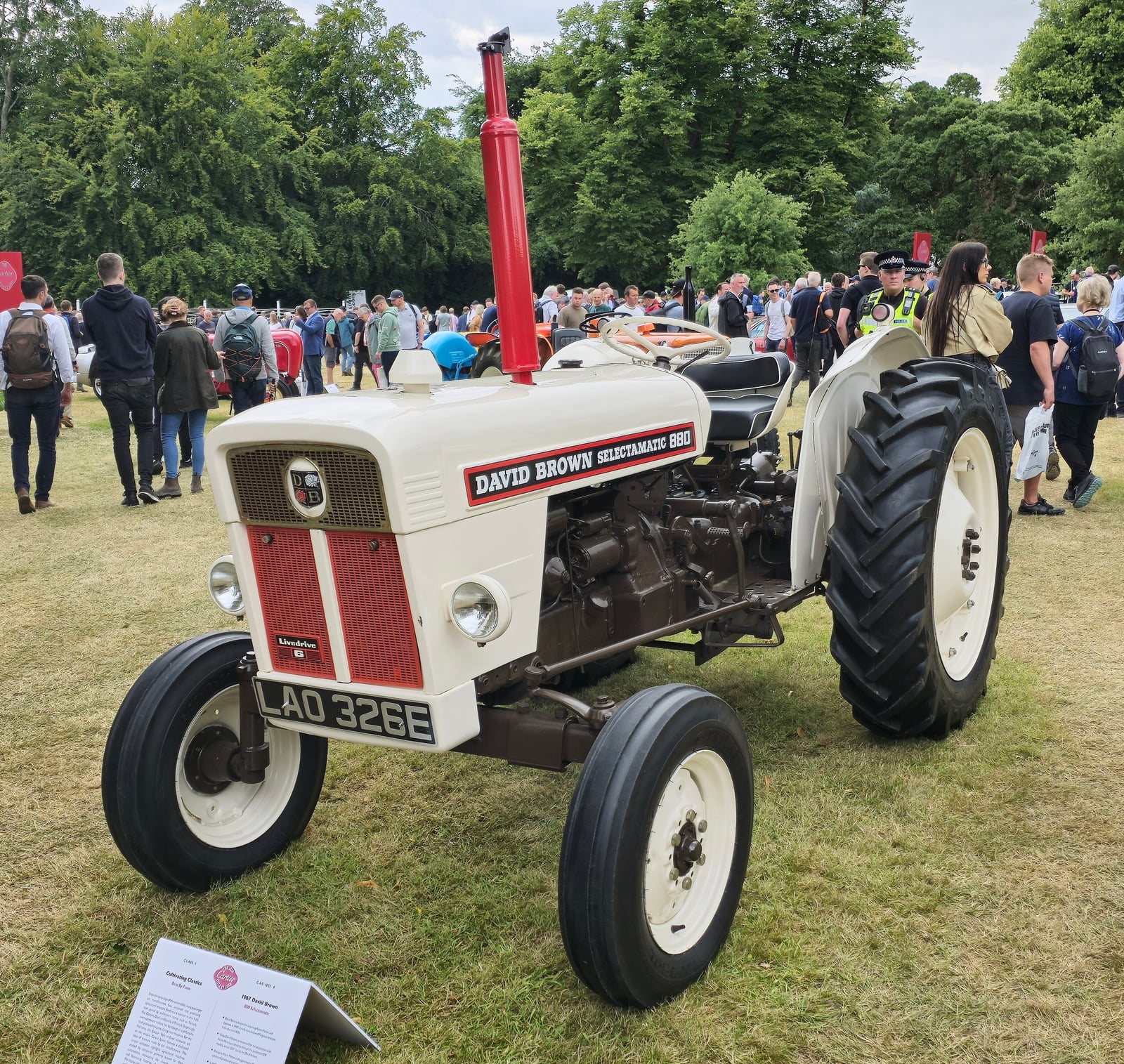
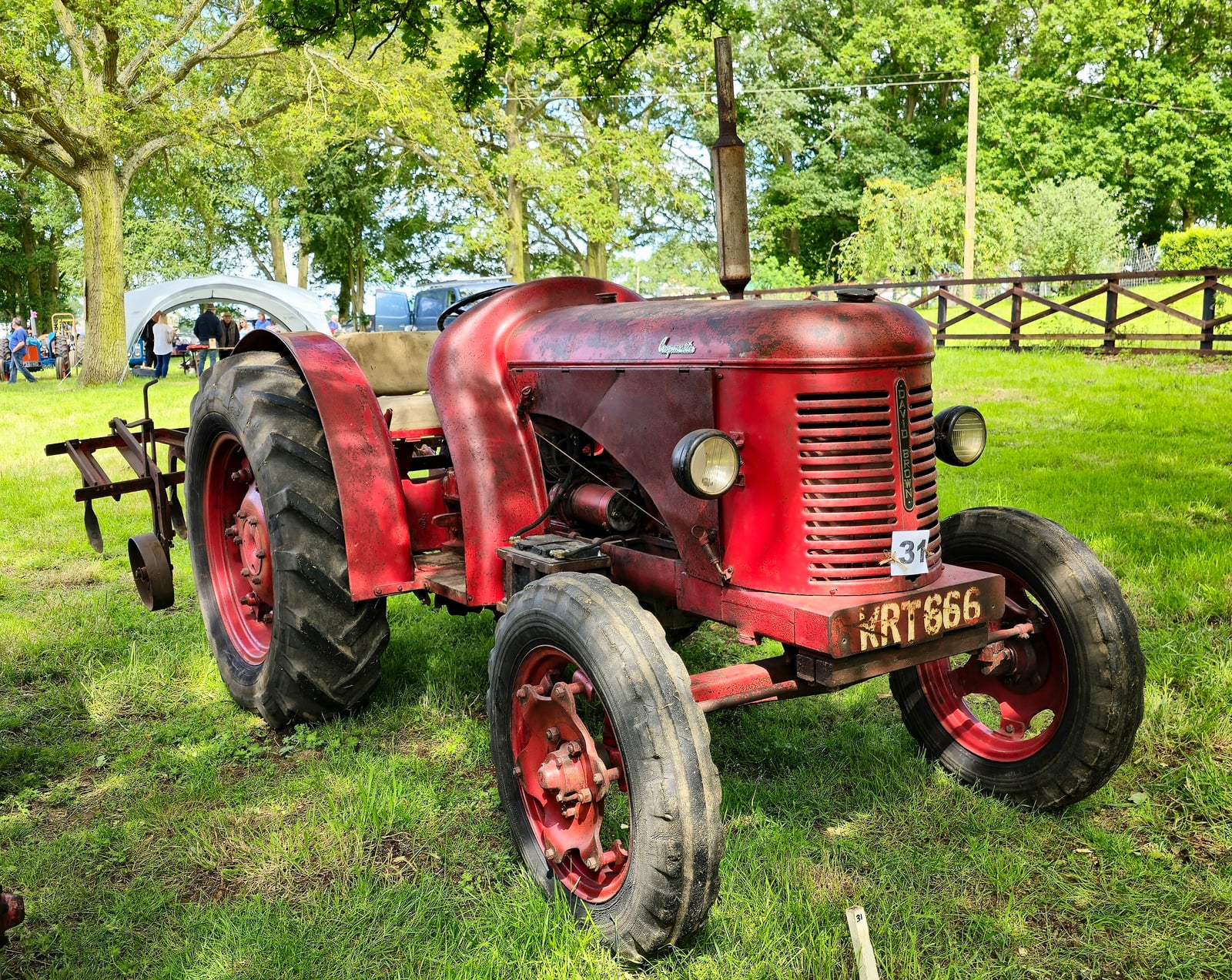
David Brown is the connoisseur’s choice: a Yorkshire firm of gear-makers that built consistently well-engineered tractors from the 1936 Ferguson-Brown through the Cropmaster, the Implematic, and the handsome Selectamatic range, before the brand passed to Case in 1972 and ended in 1988.
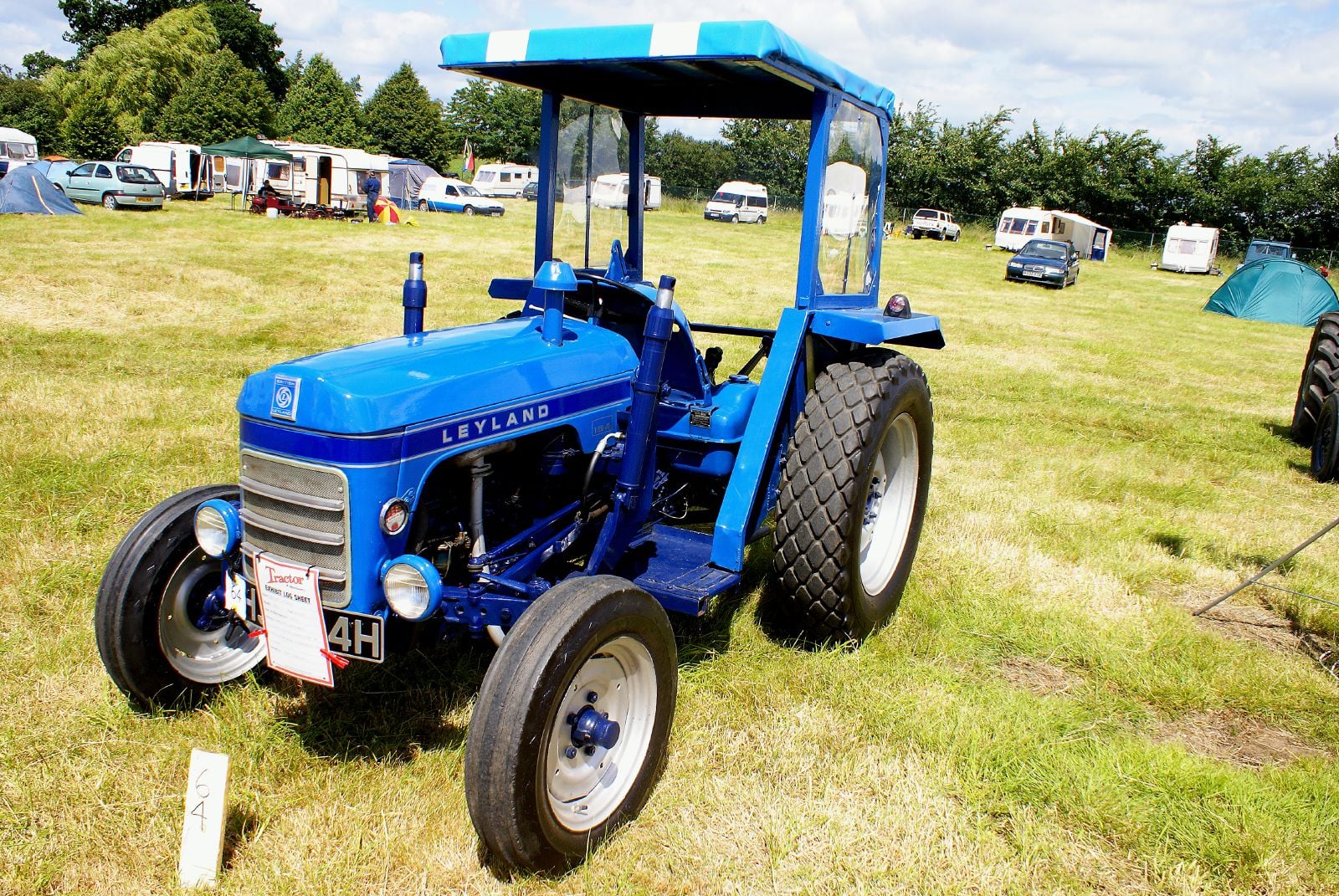
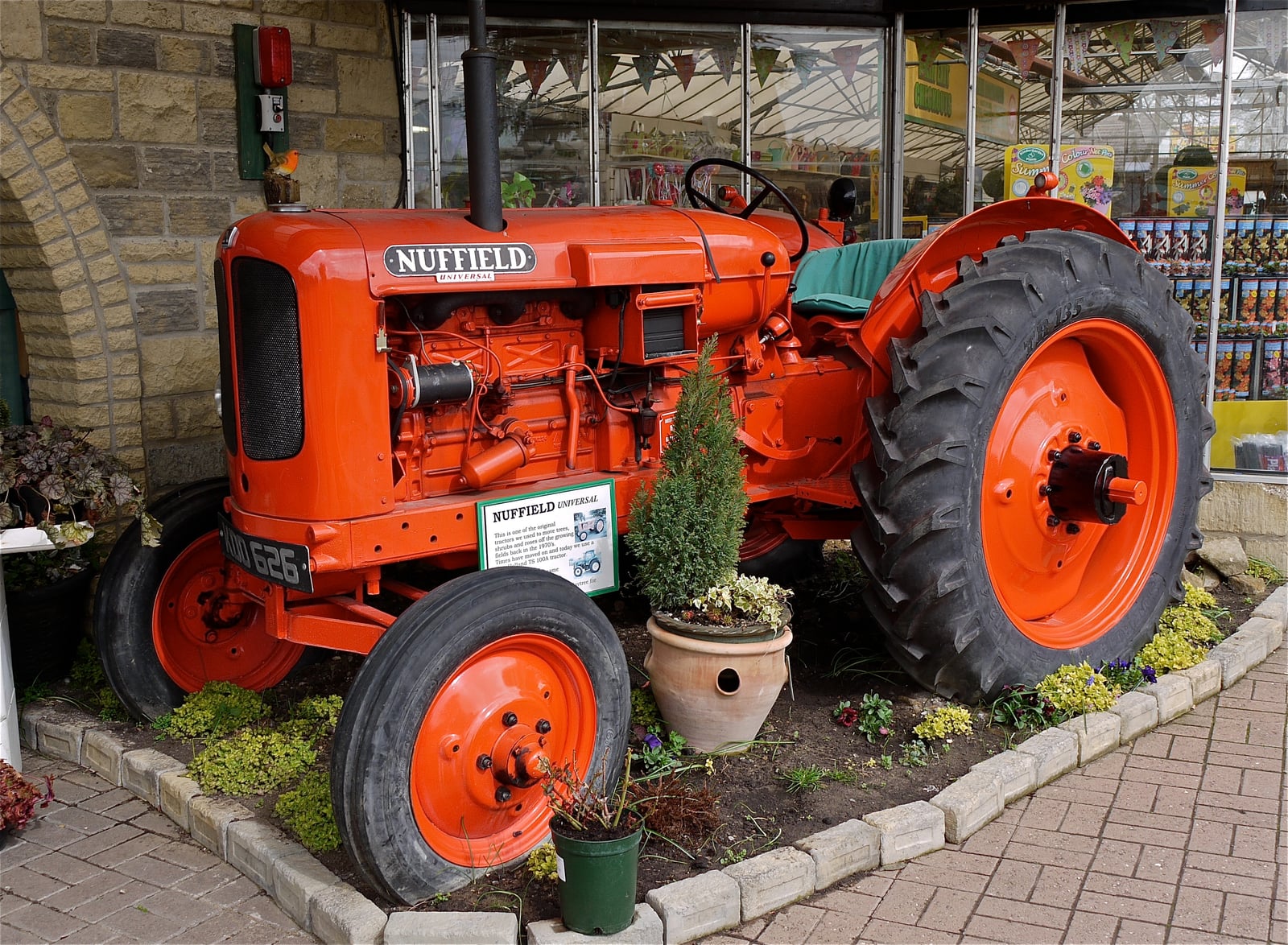
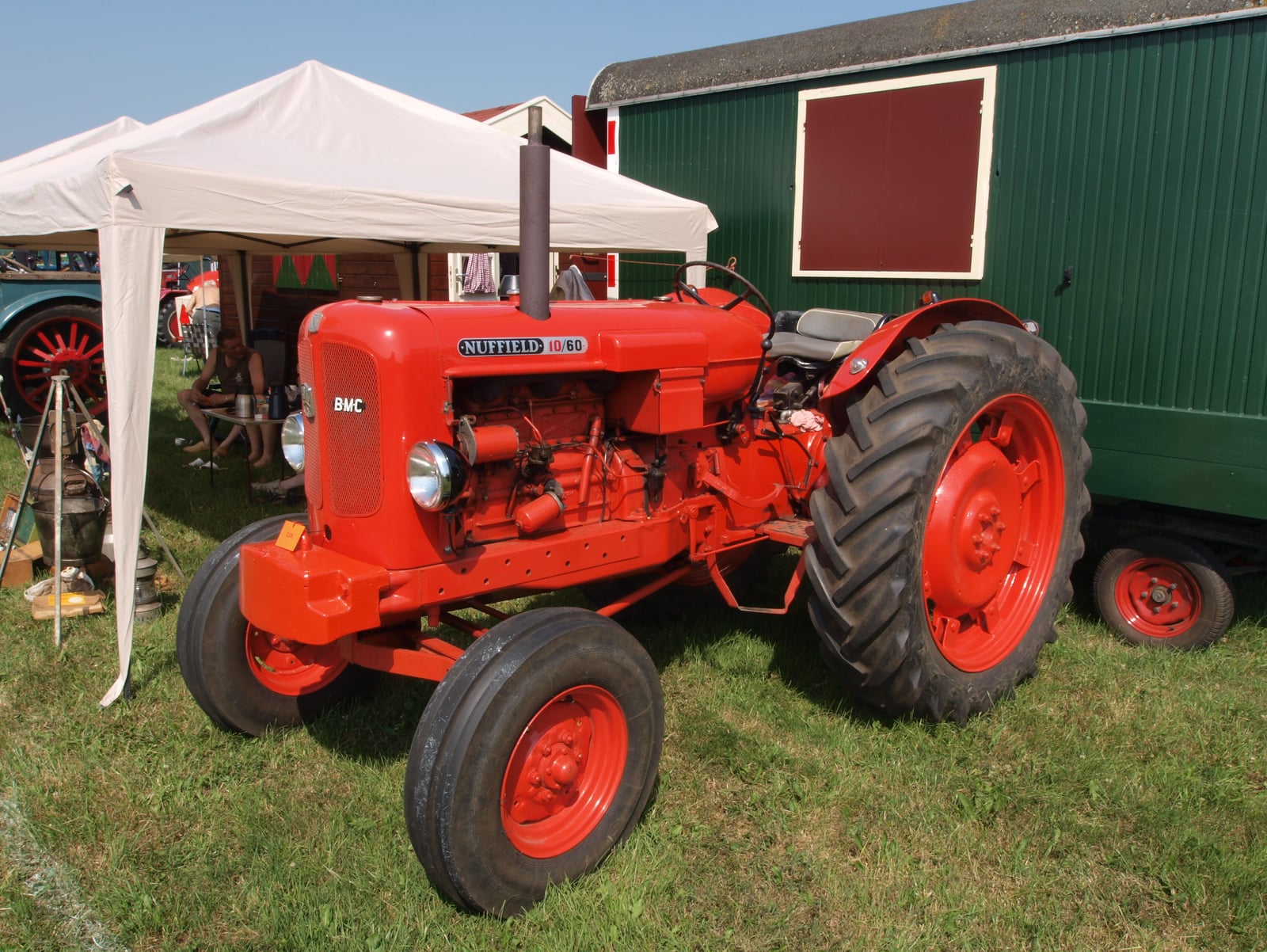
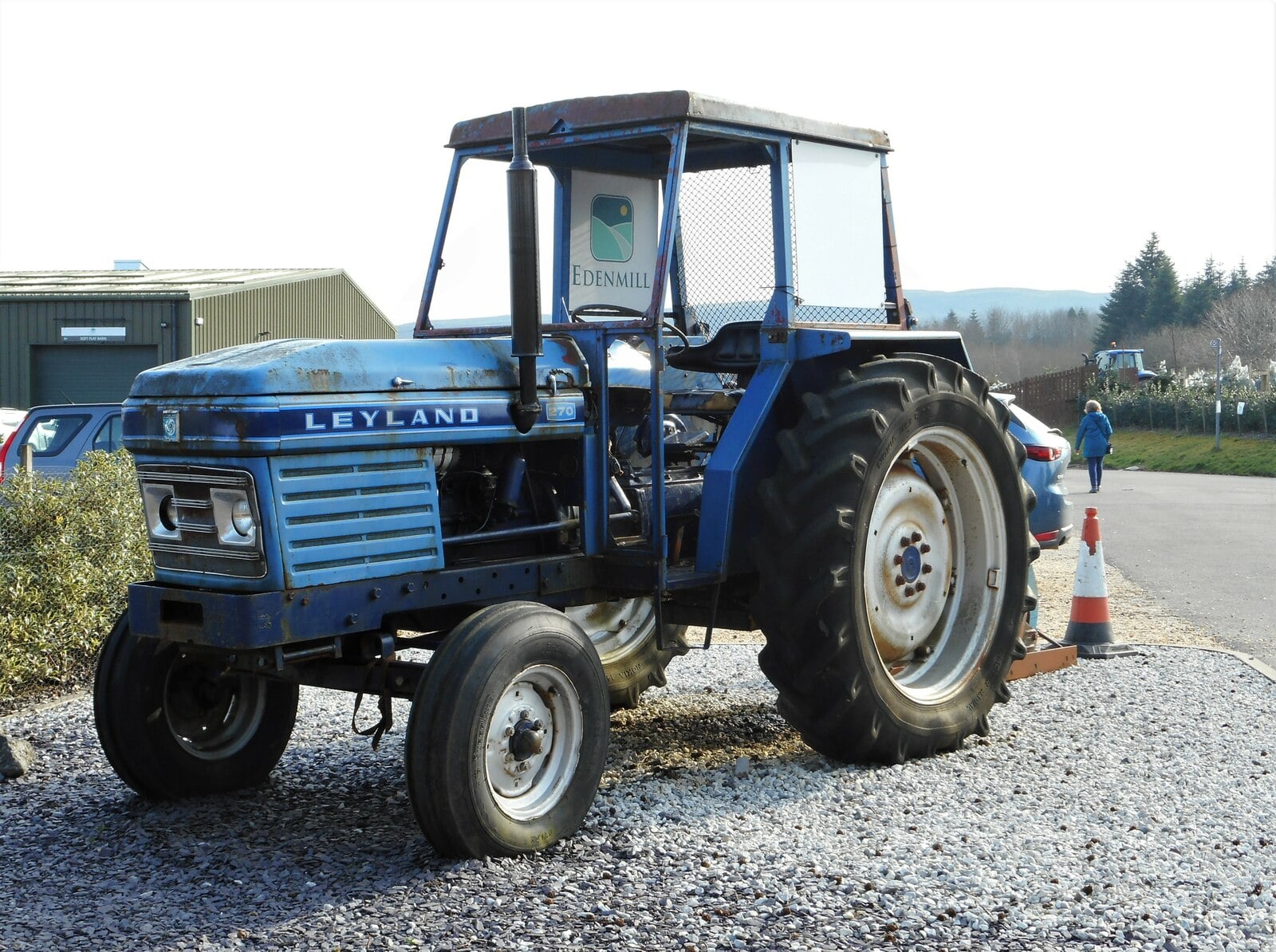
Two more marques no account of the British tractor can leave out, and they are really one story. The orange Nuffield was built by the Morris car empire under Lord Nuffield himself, a distinctive machine with a car-and-lorry engine and, on the later models, the first ten-speed gearbox on a British tractor. In 1969 the Nuffield became the blue Leyland, the same tractor in British Leyland’s corporate colours, built at Bathgate in Scotland until 1982. Between them they run from post-war optimism to the troubled end of British Leyland, and both are among the most affordable ways into the hobby today.

Why the survivors are collected now
Tractors were tools, used hard and scrapped without ceremony when they wore out, which is exactly why good originals are valued now. A vintage tractor is a direct link to the way the country fed itself, and the people who restore them often grew up with the same model on a family farm. The vintage-tractor world is large and active: ploughing matches, working days, road runs, and the tractor lines at county shows and events like the Great Dorset Steam Fair draw enormous crowds.
They are also approachable classics. Most are mechanically simple, parts for the popular models are still made, and the same forty-year principle that defines a historic vehicle in Britain applies to tractors as much as to cars. A Massey Ferguson 135 or a little grey Fergie can be bought for the price of a modest used car, worked on at home with ordinary tools, and used at shows for years, which makes them one of the most rewarding ways into the classic world.
For a buyer, three companion guides carry the practical detail: which machine to choose in the best classic tractors to buy, what the market actually pays in classic tractor values, and who made what in old tractor brands, from Fordson and Ferguson to the County and Doe conversions.
For the practical side of running an older machine, see owning and running a classic tractor. And for the wider story these tractors belong to, the same post-war decades that produced them produced Britain’s classic cars as well.

More photos