Every guide on the site
All 290 guides, organised by marque, by type of car, by decade, plus a reference section. Each area opens with an overview, with the model and reference pages listed beneath it.
290 guides Last updated 19 September 2026
Recently published
Newest guidesThe latest additions to the site, newest first. Each guide also appears in its own section below.
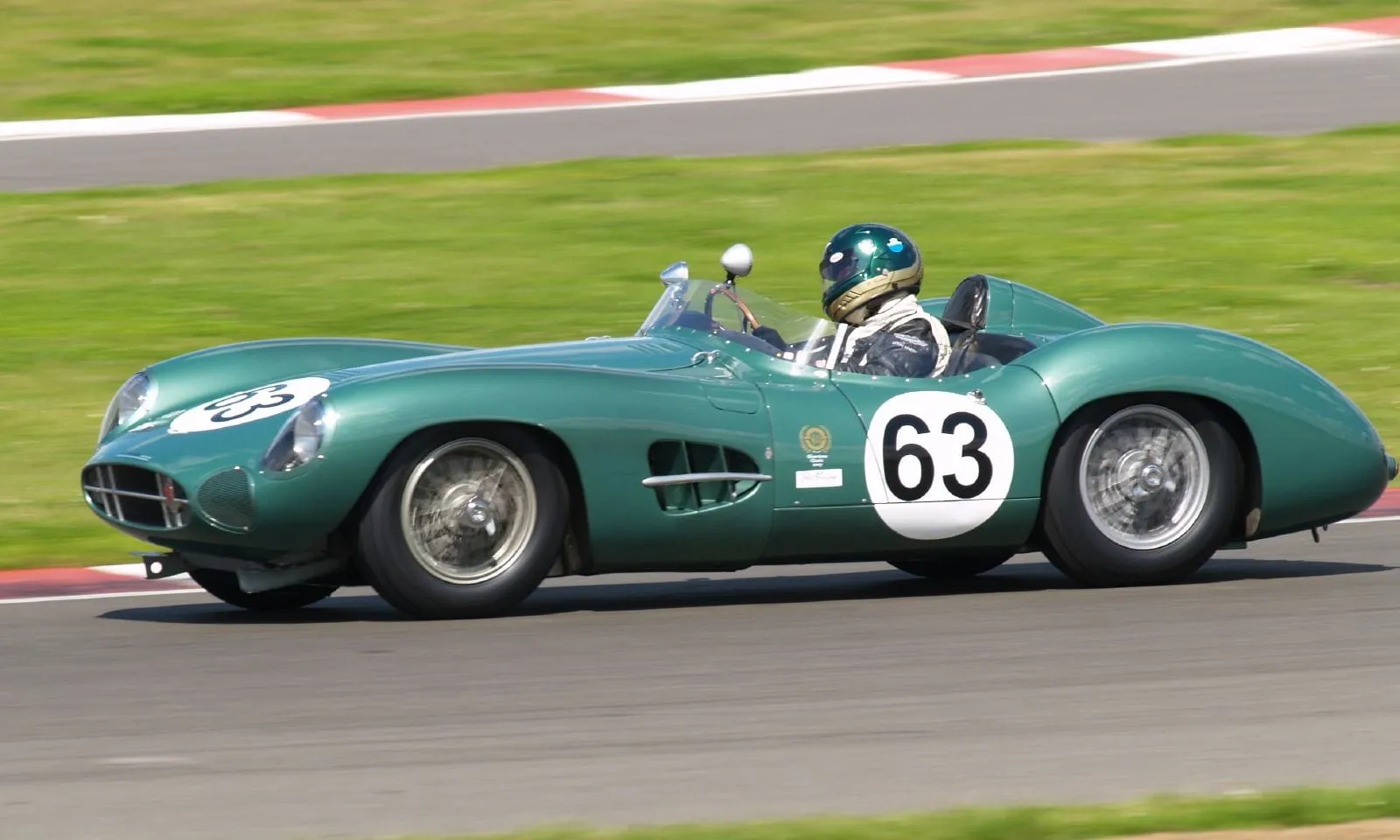
The records held by British cars, with the verified numbers behind each one. The smallest production car ever made, the fastest, the longest-lived and the most expensive at auction.
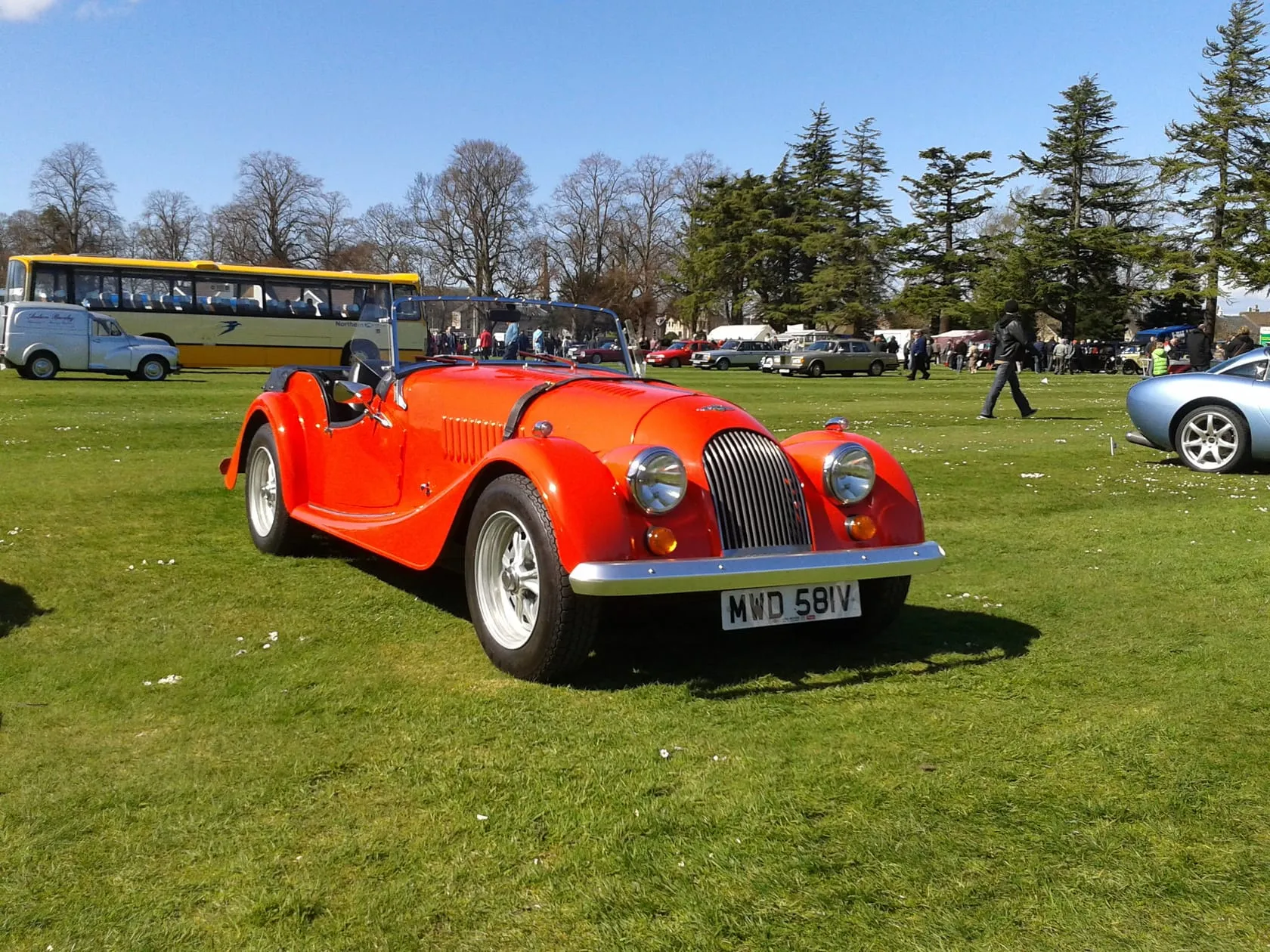
The Morgan 4/4 stayed in production for eighty-two years, the longest run of any car nameplate anywhere, changing engines with the decades while the ash-framed car around them barely changed at all. A guide to the series, the Ford years, buying checks and values.
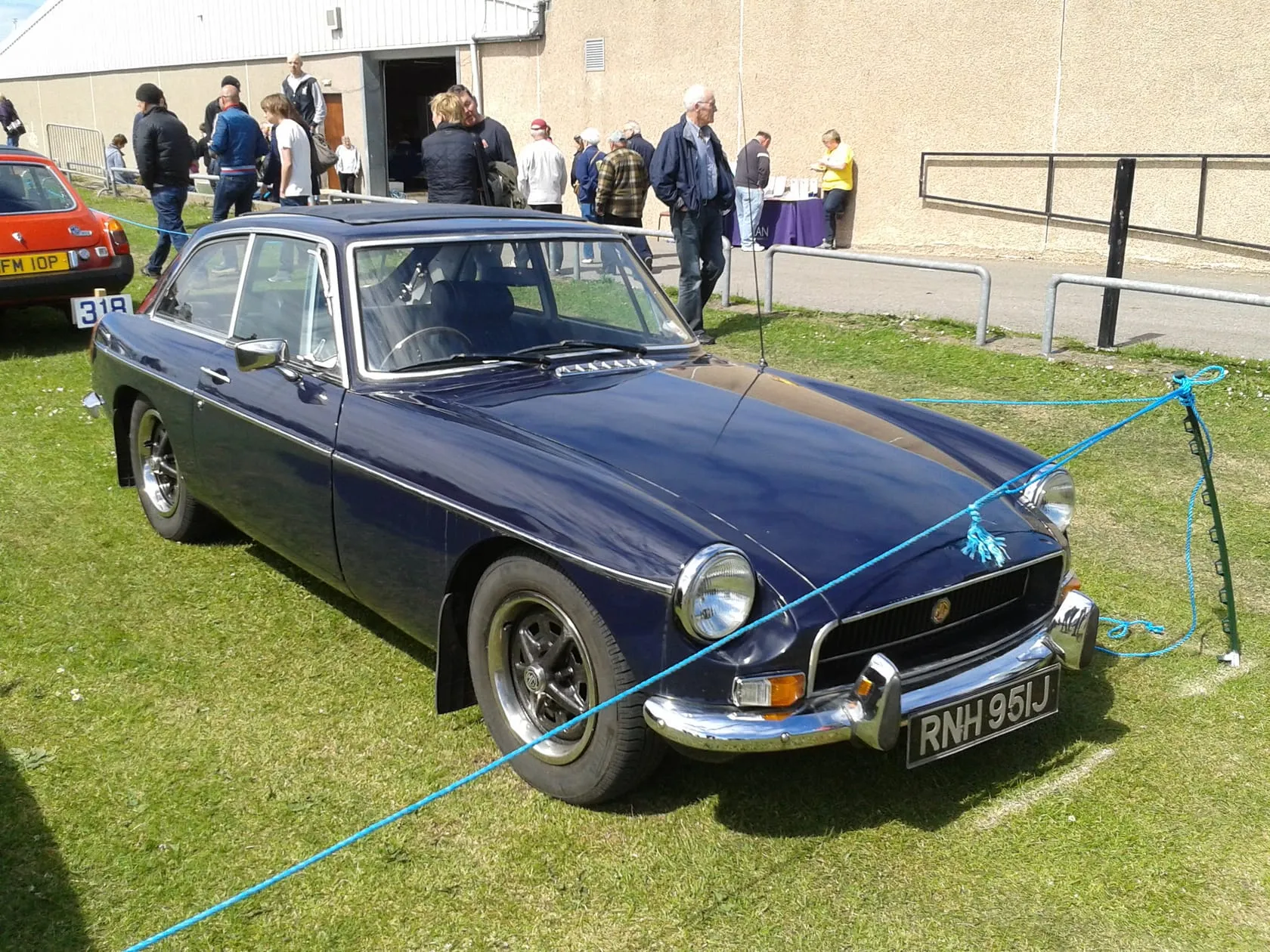
A private seller is not a shop, and the law knows it. Which consumer protections fall away, which three rules still bind you, why selling an unroadworthy car is an offence whoever you are, the DVLA steps that end your liability, and the payment habits that keep the money.
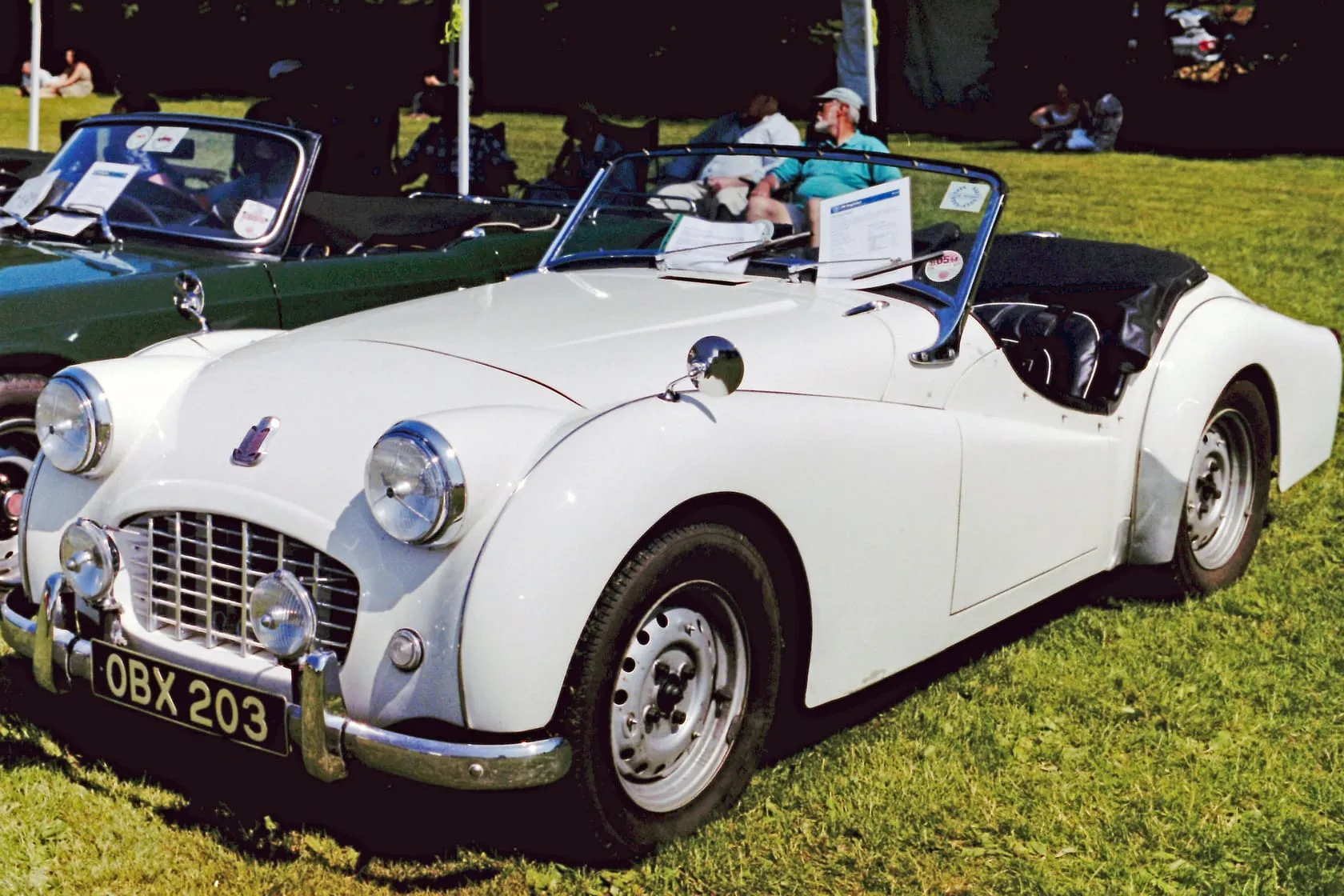
The late TR3B sells for more than the TR3A, and the early small-mouth car for a little less. Triumph TR3 values across 490 recorded auction sales, what the works cars made, how the TR3 compares with the TR2, TR4 and MGA, and why it is cheaper in real terms than it was fifteen years ago.
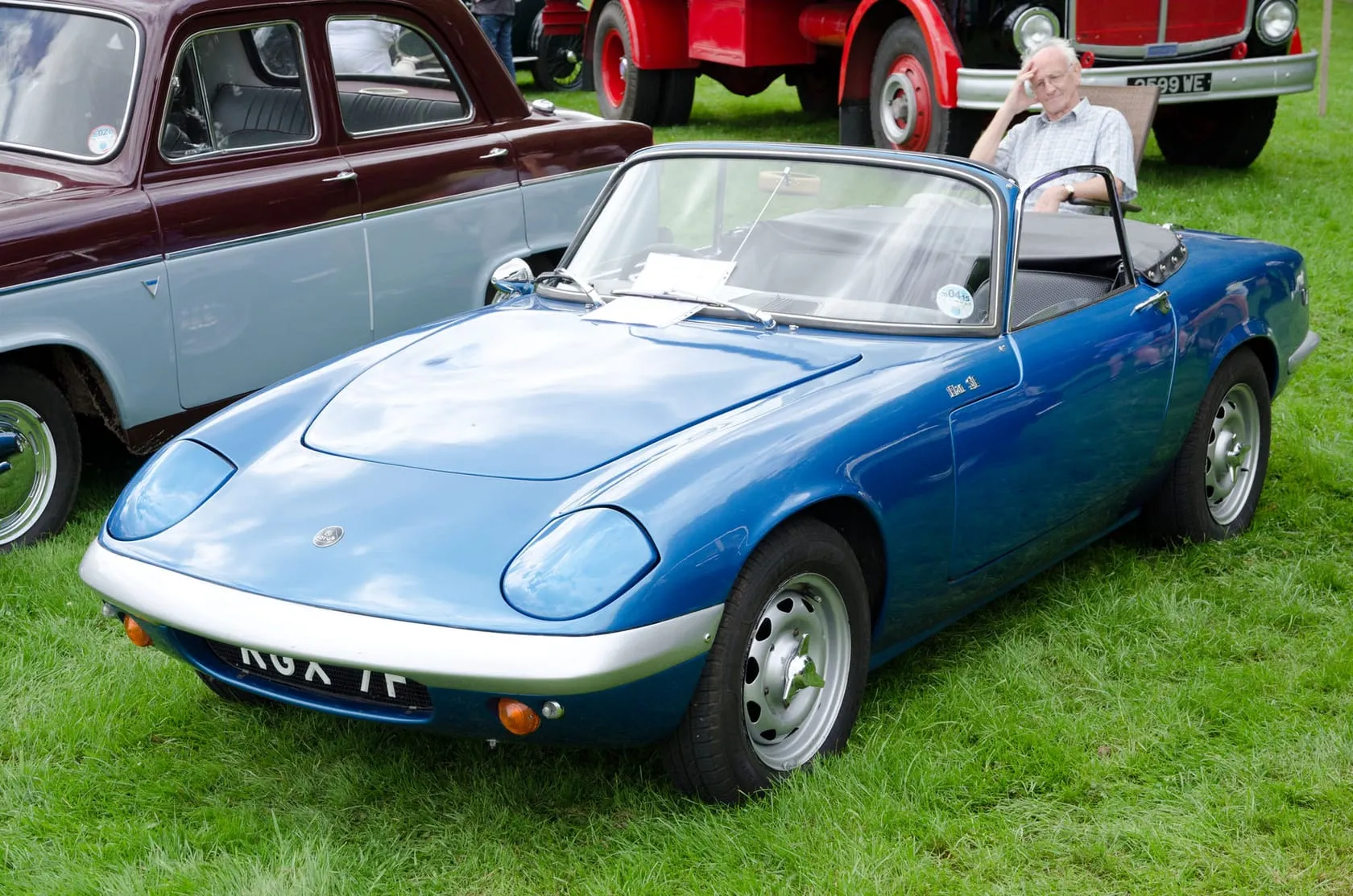
Fifteen years standing still in cash is two-fifths gone in real terms. Lotus Elan prices from 498 recorded auction sales, why the Sprint sells for a third more than the earlier two-seaters and the +2 for a third less, what a 26R racer and the Emma Peel car made, and where the front-drive M100 sits.
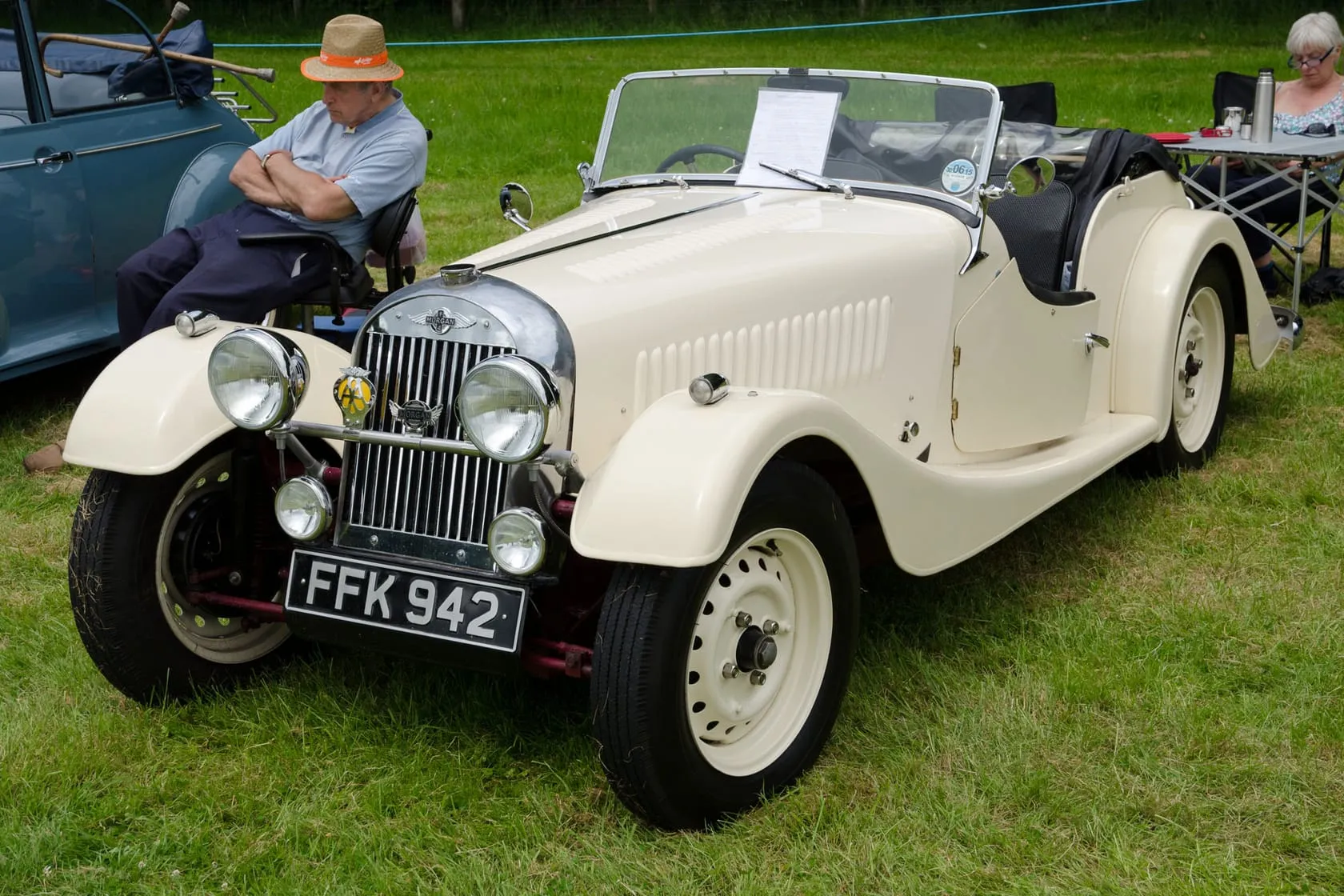
Morgan has built sports cars in Malvern since 1910, ash frames and sliding pillars carried from the vintage age into the present, and its classic 4/4, Plus 4 and Plus 8 remain the most usable route into pre-war-flavoured motoring. A guide to the classic Morgans we cover and the family firm behind them.
By marque
99 guidesIn-depth guides to a single marque: the history, the model range, what to look for when buying, and what they are worth.
Ford
31 guides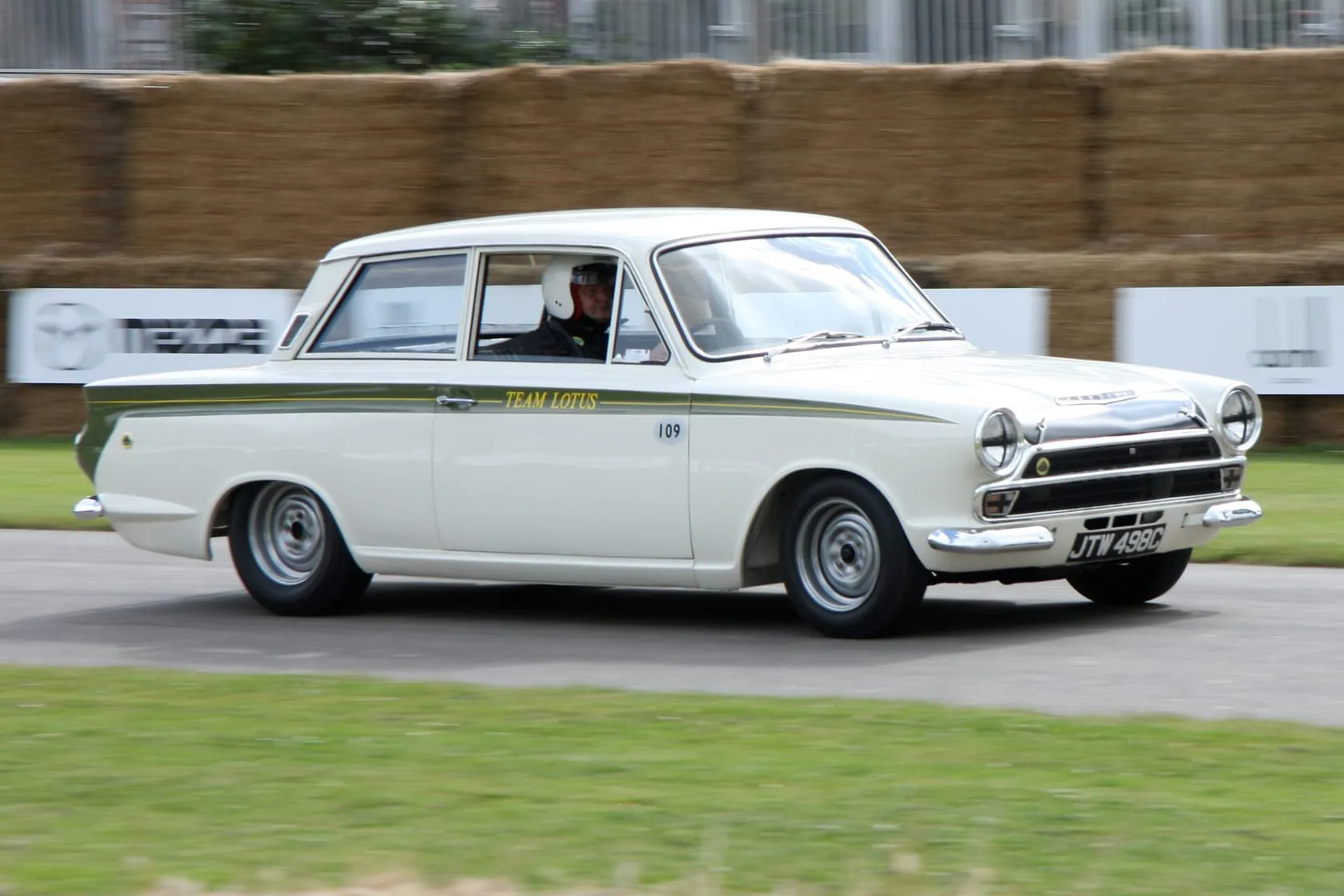
Ford of Dagenham built the cars that put Britain on wheels, from the Cortina that led the sales charts for a decade to the rally-bred Escorts and the executive Granada. A guide to the classic British Fords worth knowing, what they are like to own now, and where each one sits in the story.
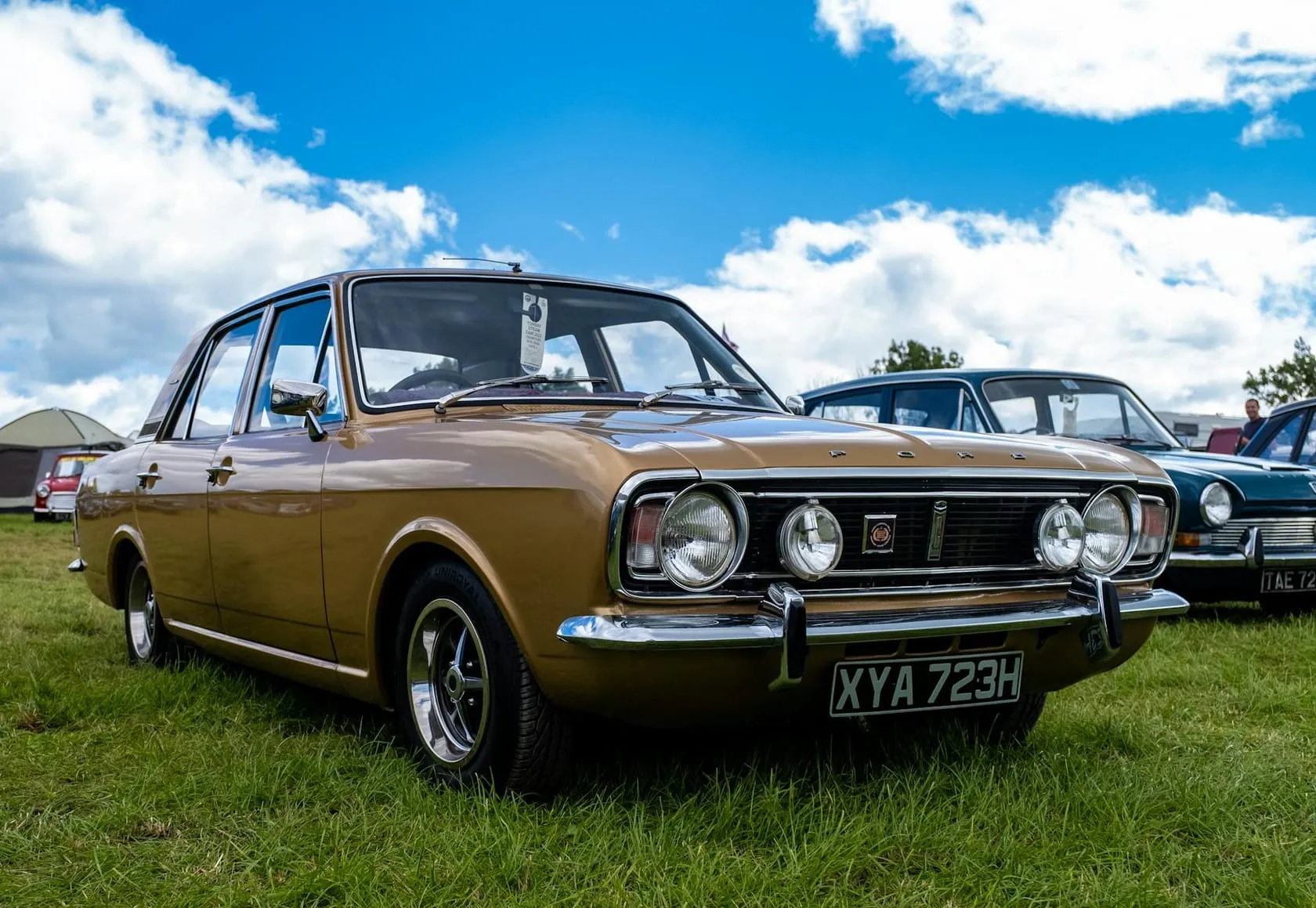
The Ford Cortina was Britain's best-selling car for much of the 1960s and 70s, five generations of family saloon that defined the company car park and the family driveway, from the sporting Lotus Cortina to the everyday GLs. A guide to the Mk1 to Mk5, how the generations differ, the fast Cortinas, and what to check before buying one.
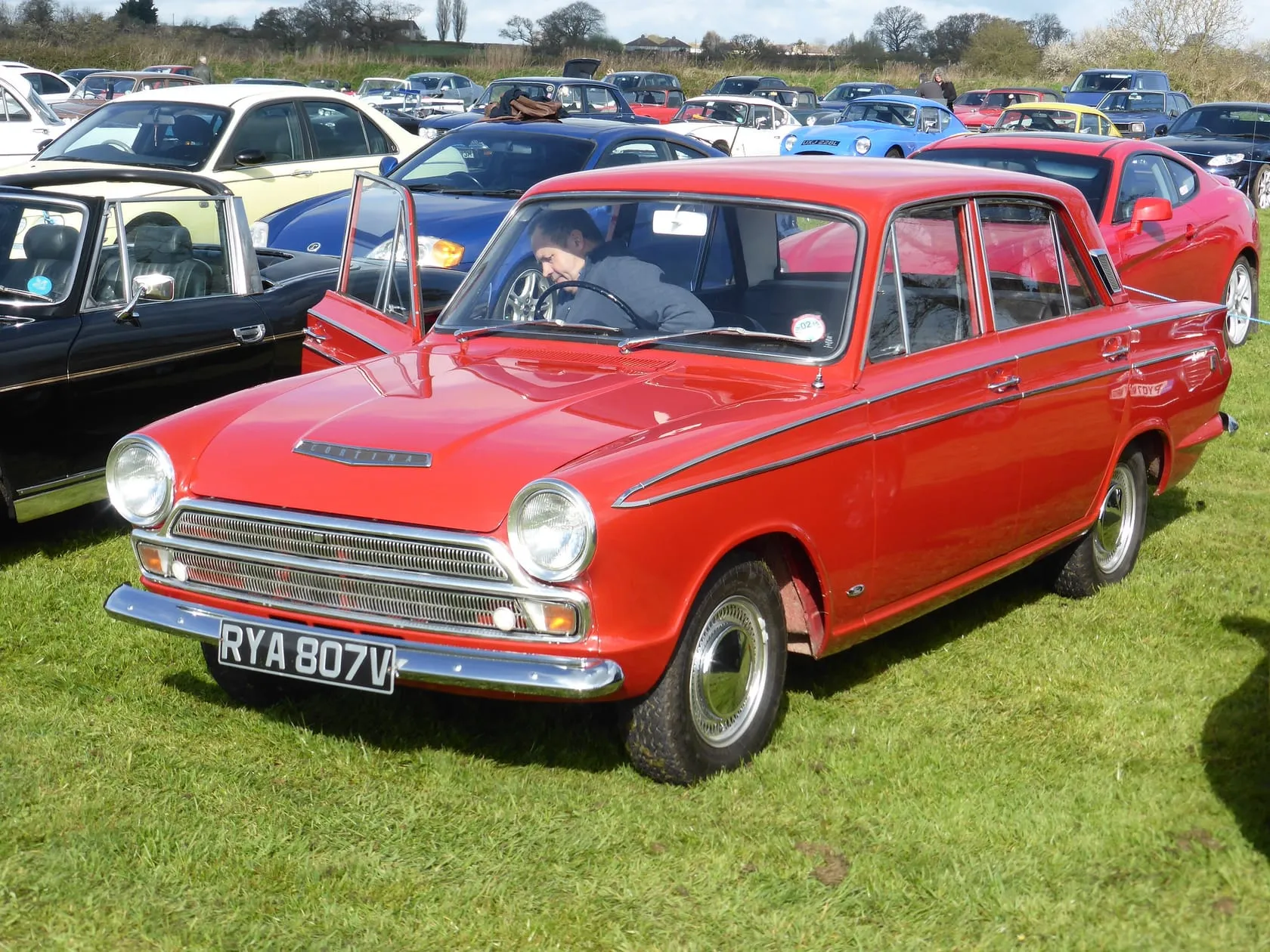
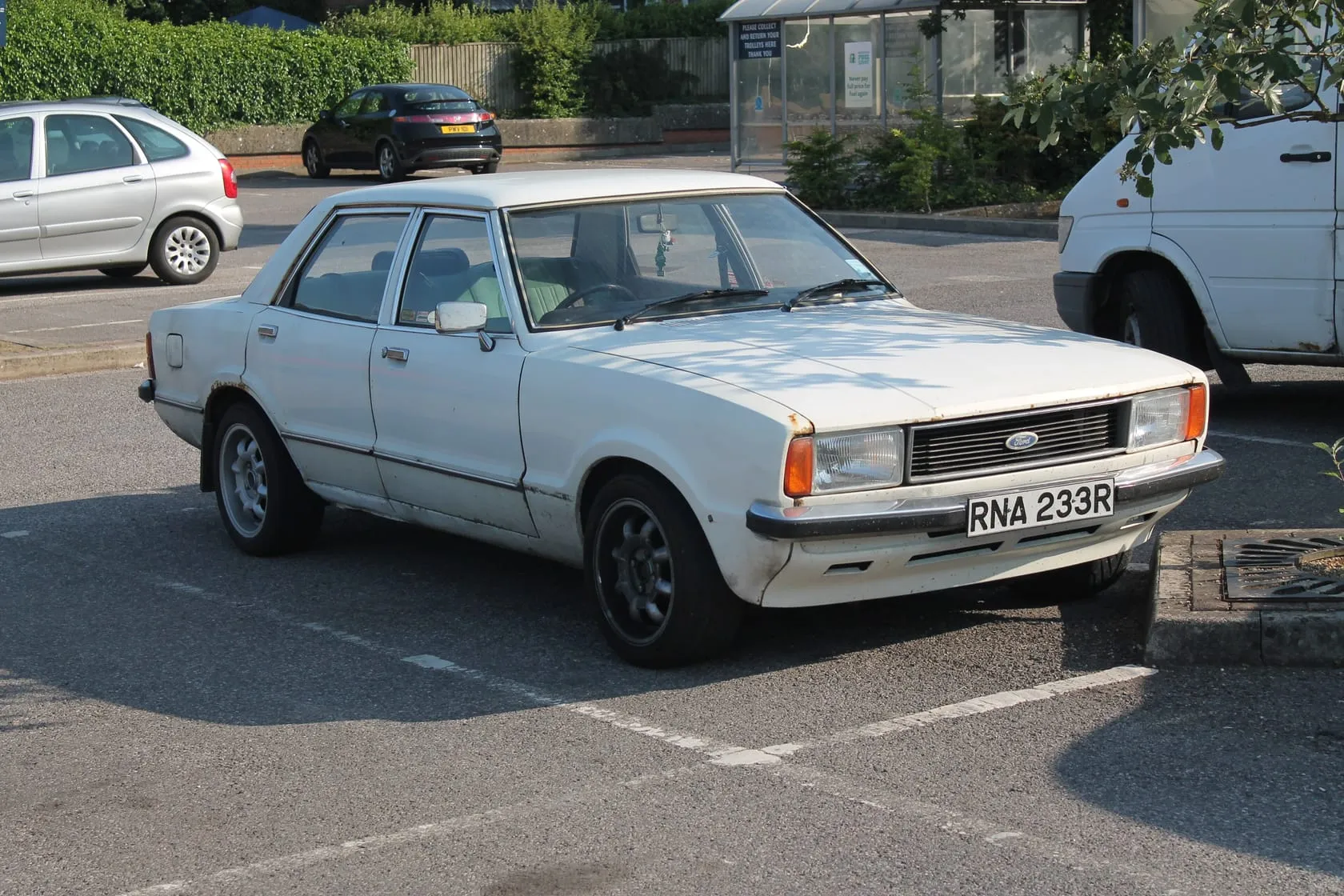
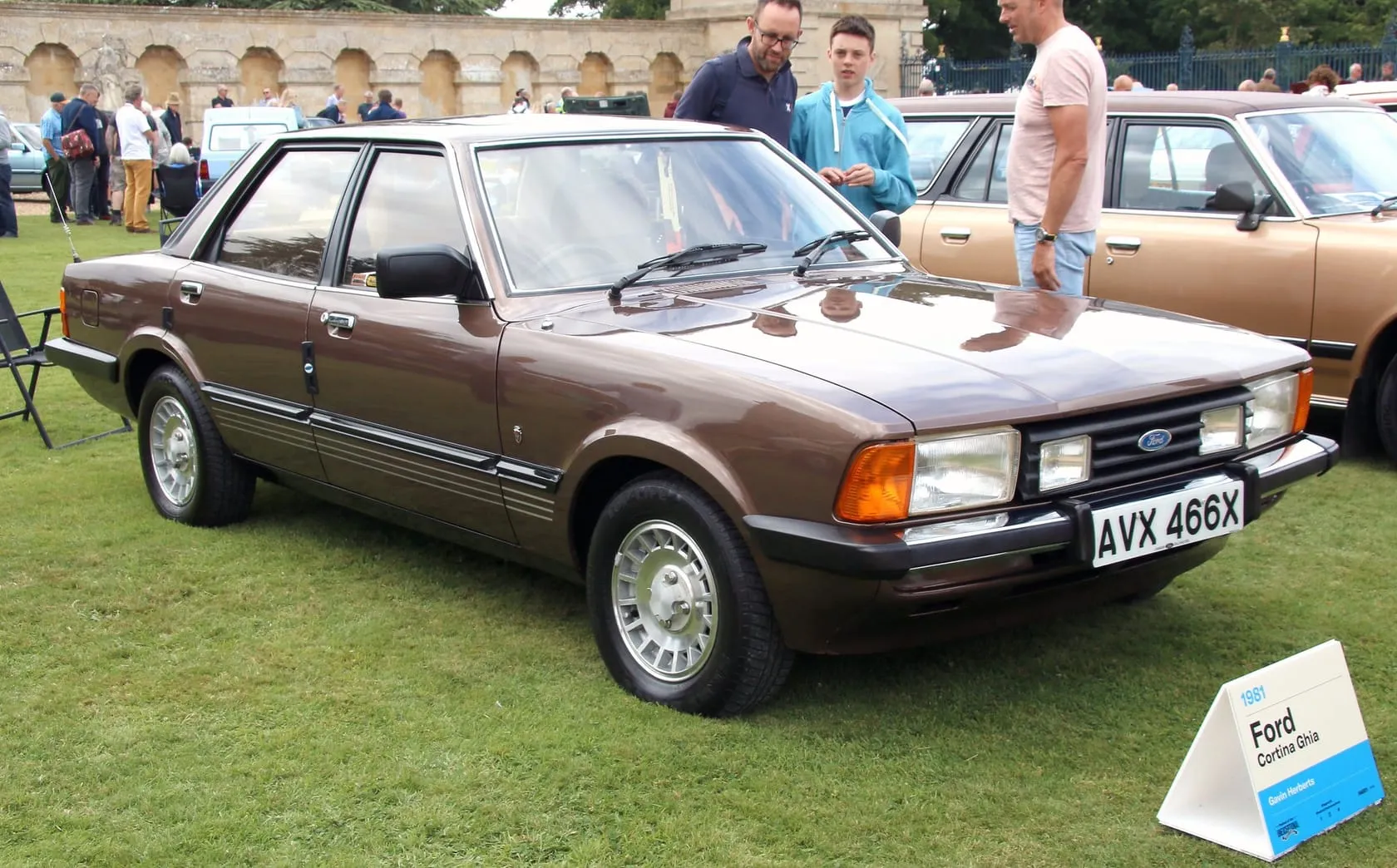
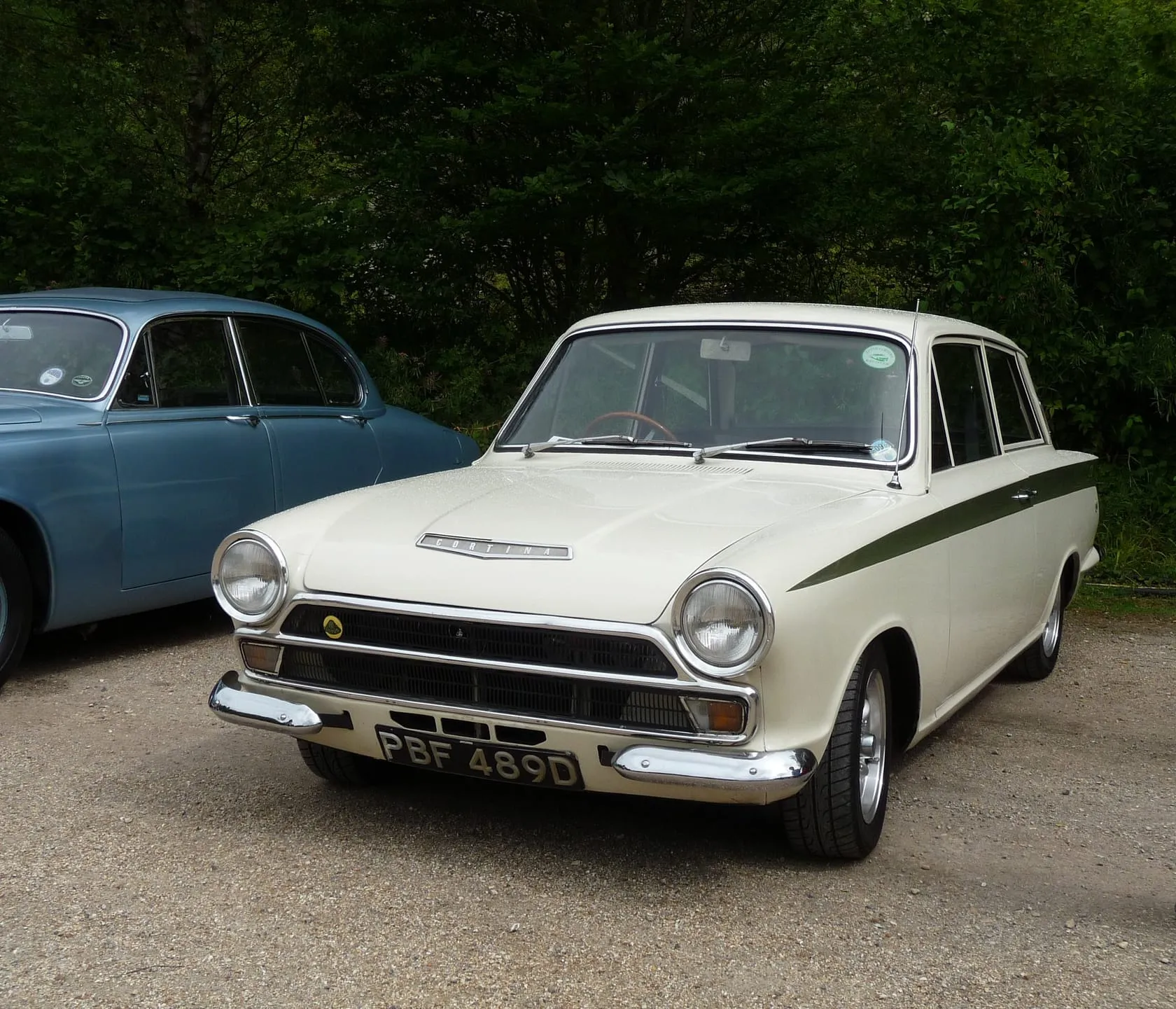
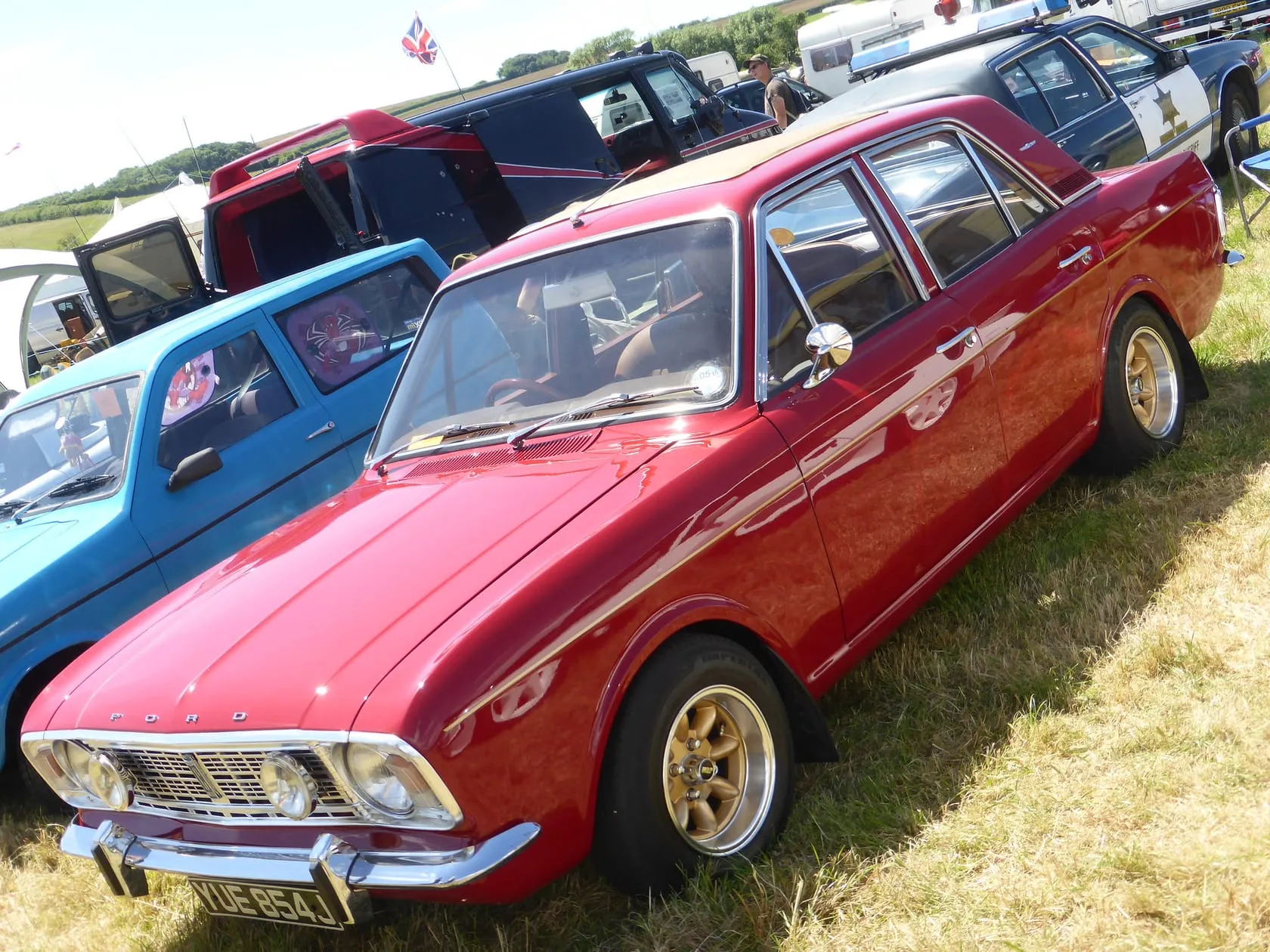
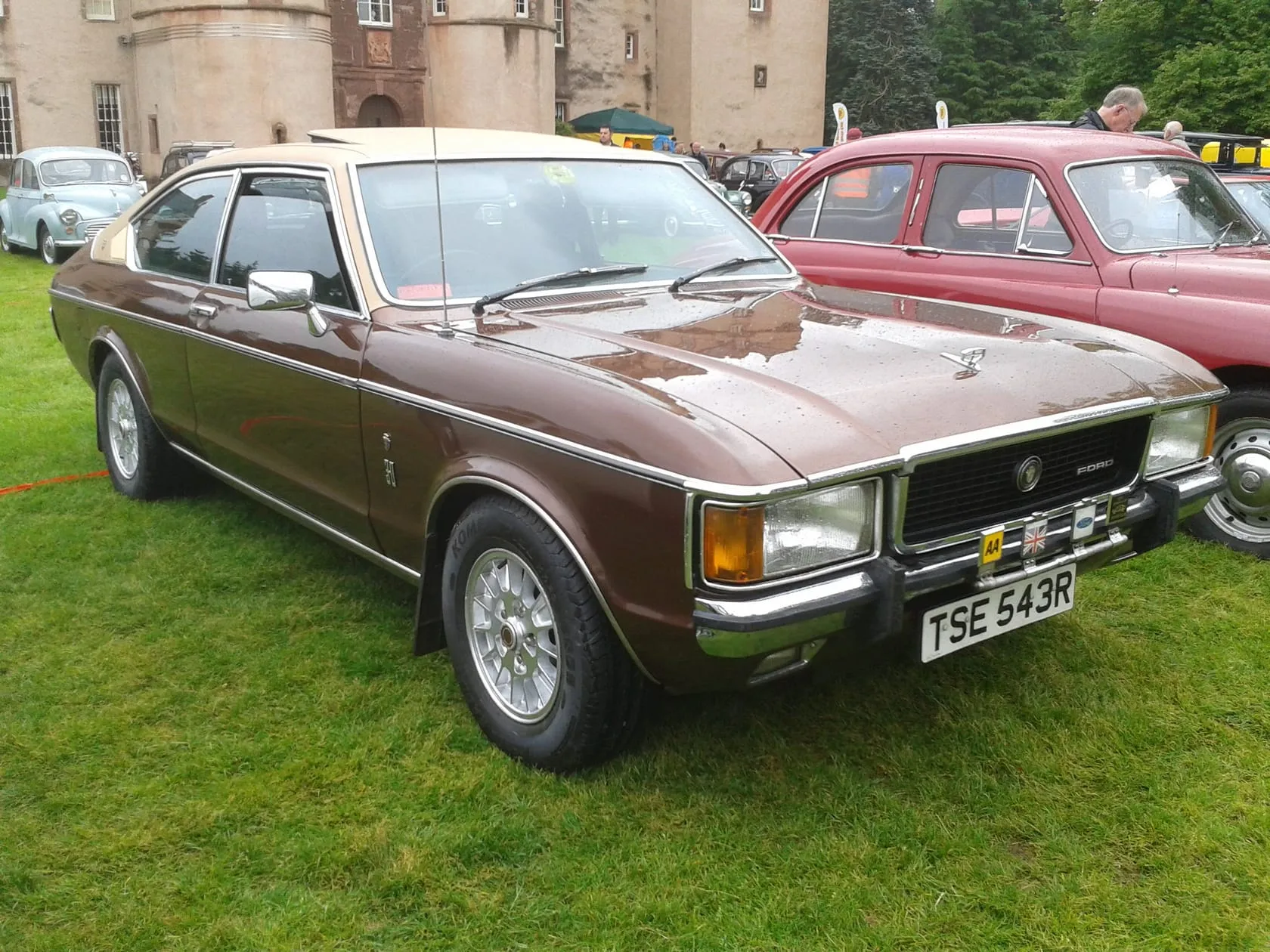
The Ford Granada was Ford's big executive saloon and coupe for over two decades, from the Mk1 made famous by The Sweeney to the aerodynamic, Car-of-the-Year Mk3 and its 24-valve Cosworth flagship. A guide to the three generations, the Granada and Scorpio names, what to look for, and what they are worth.
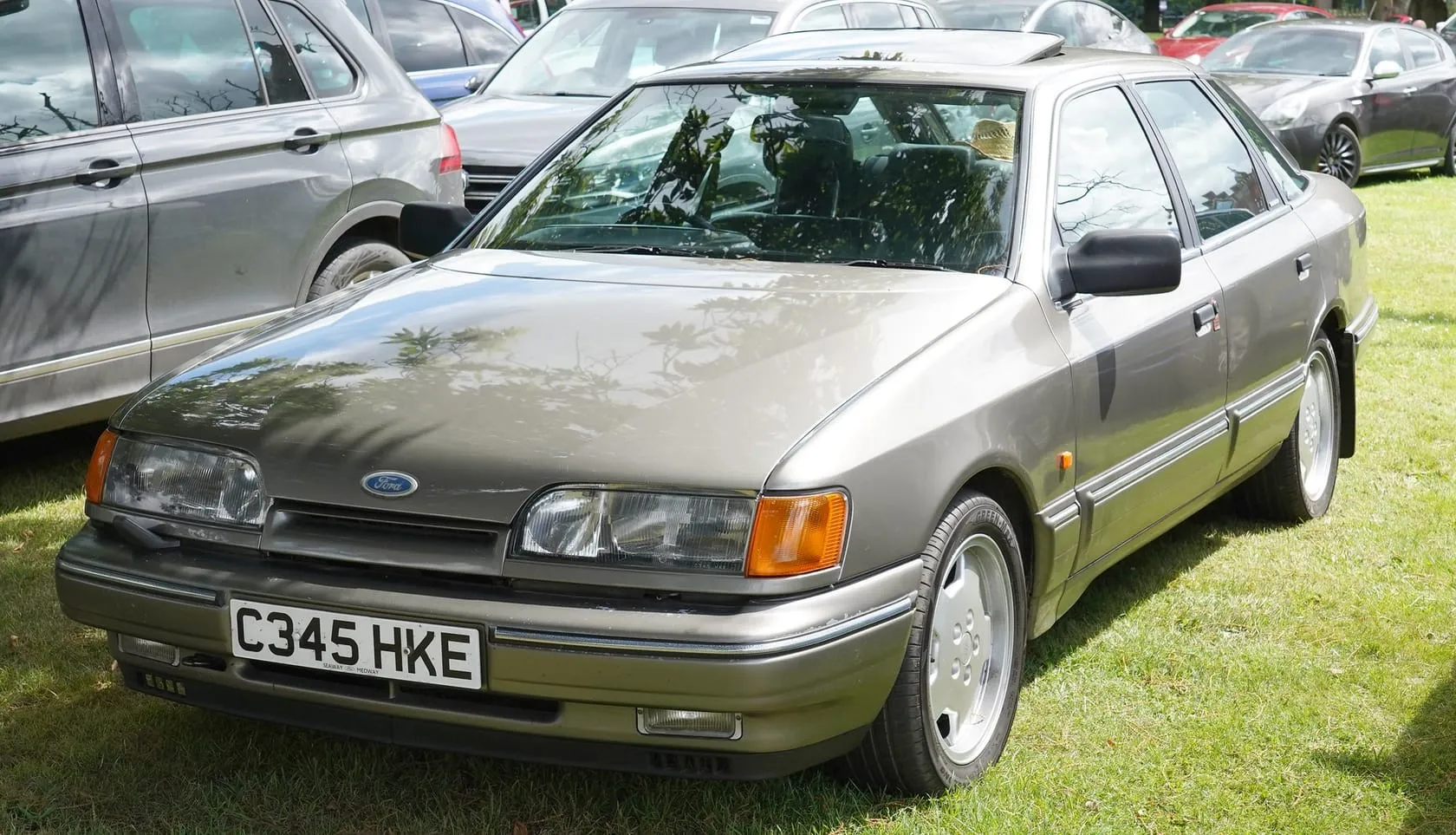
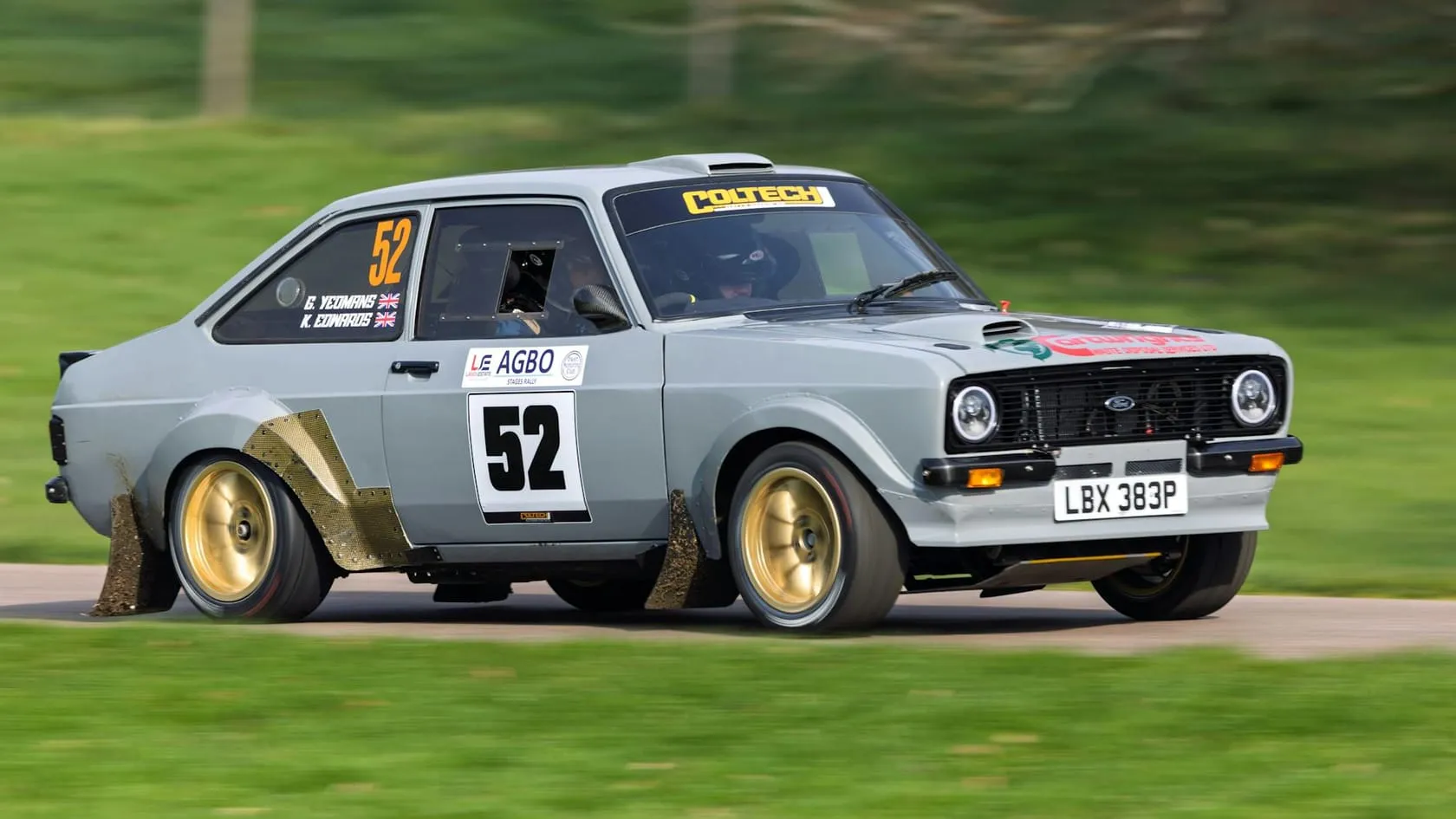
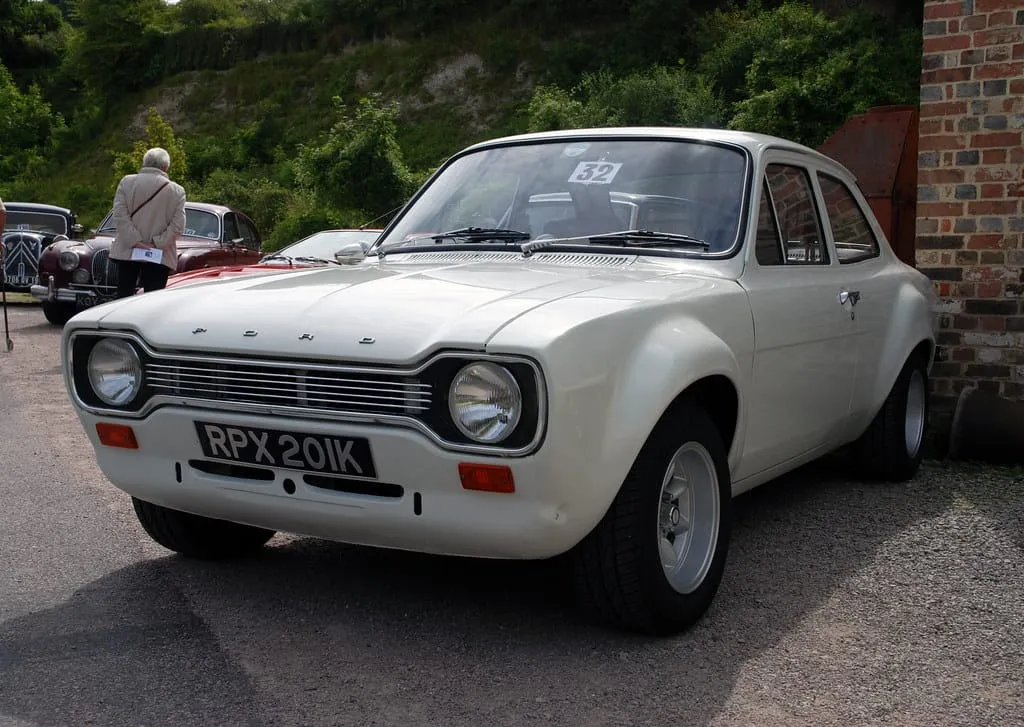
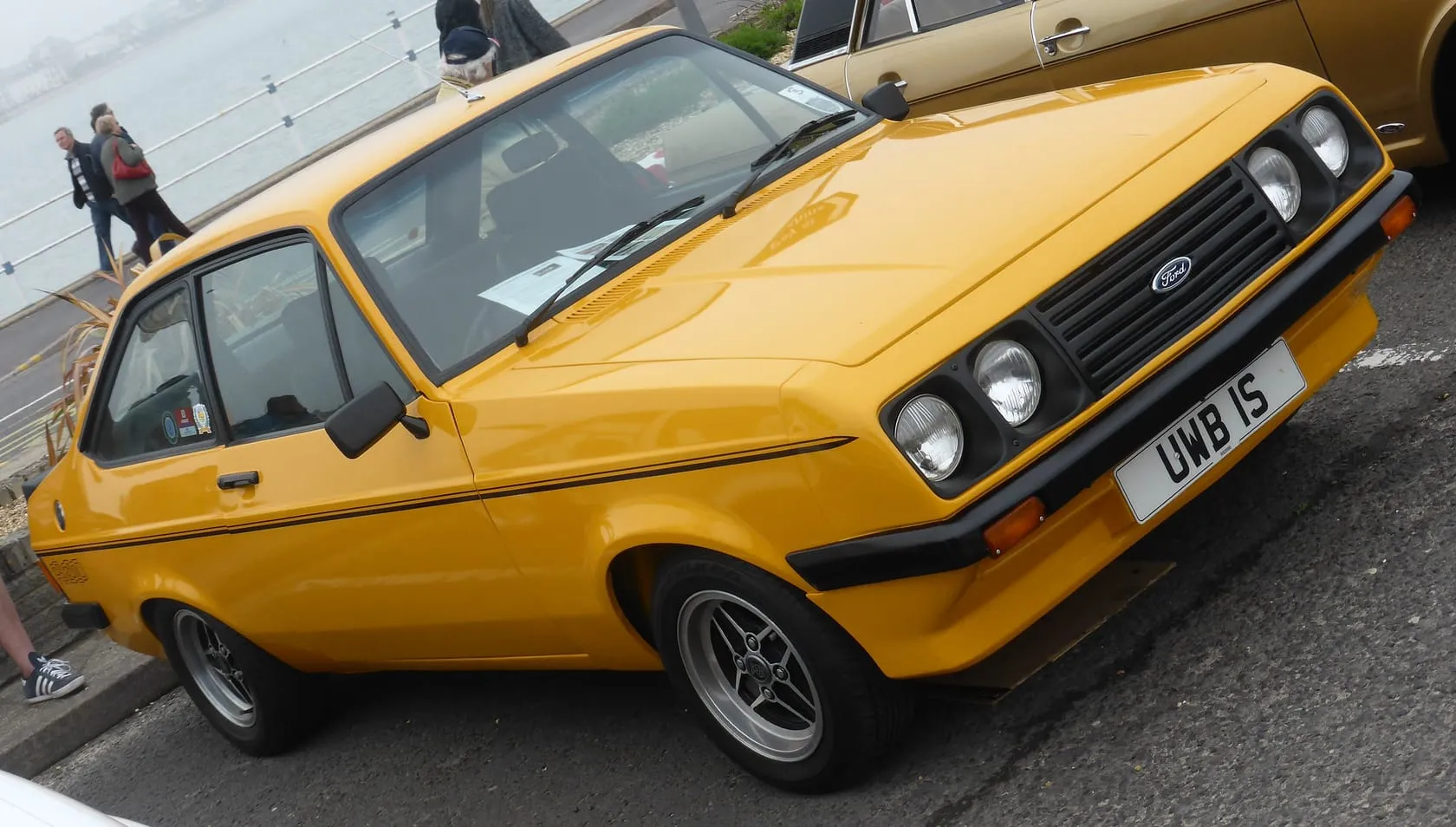
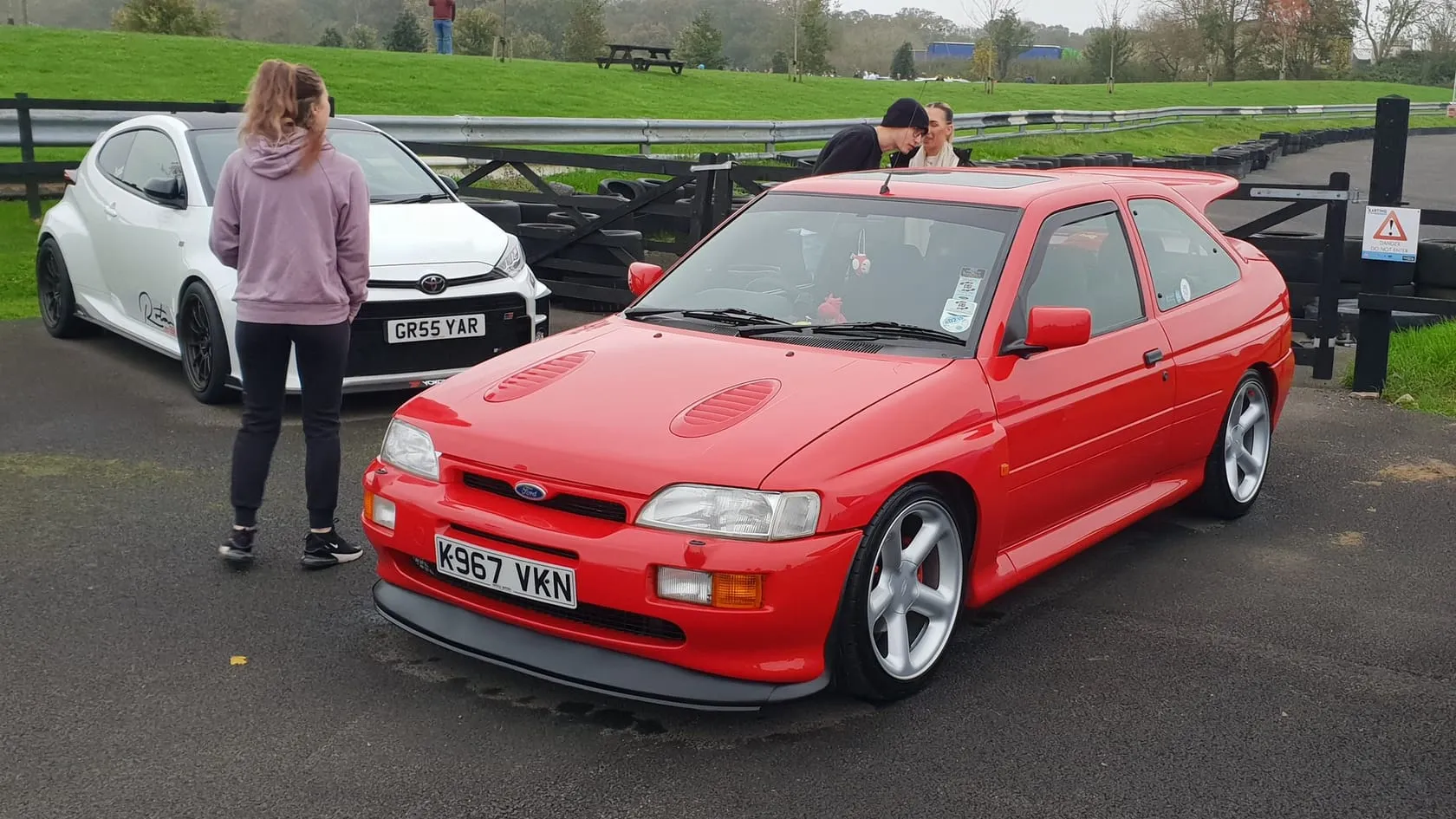
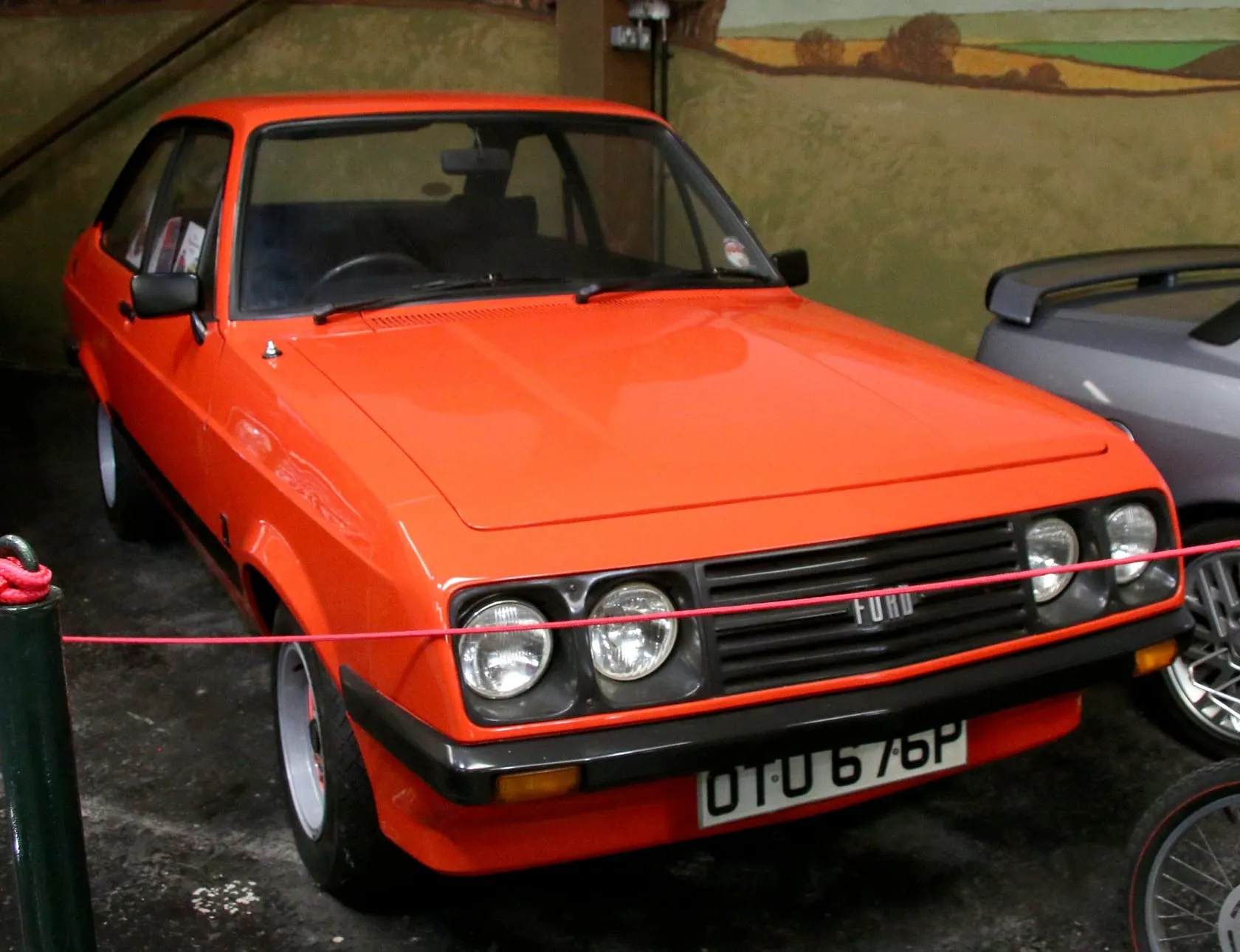
The classic Ford Escort ran across six generations from 1968 to 2000, from the rear-drive rally cars to the front-drive hot hatches and the mighty RS Cosworth. A guide to the Mk1 to Mk6, how the generations differ, the everyman saloons and the celebrated fast Escorts, the booted Orion, and what to look for when buying.
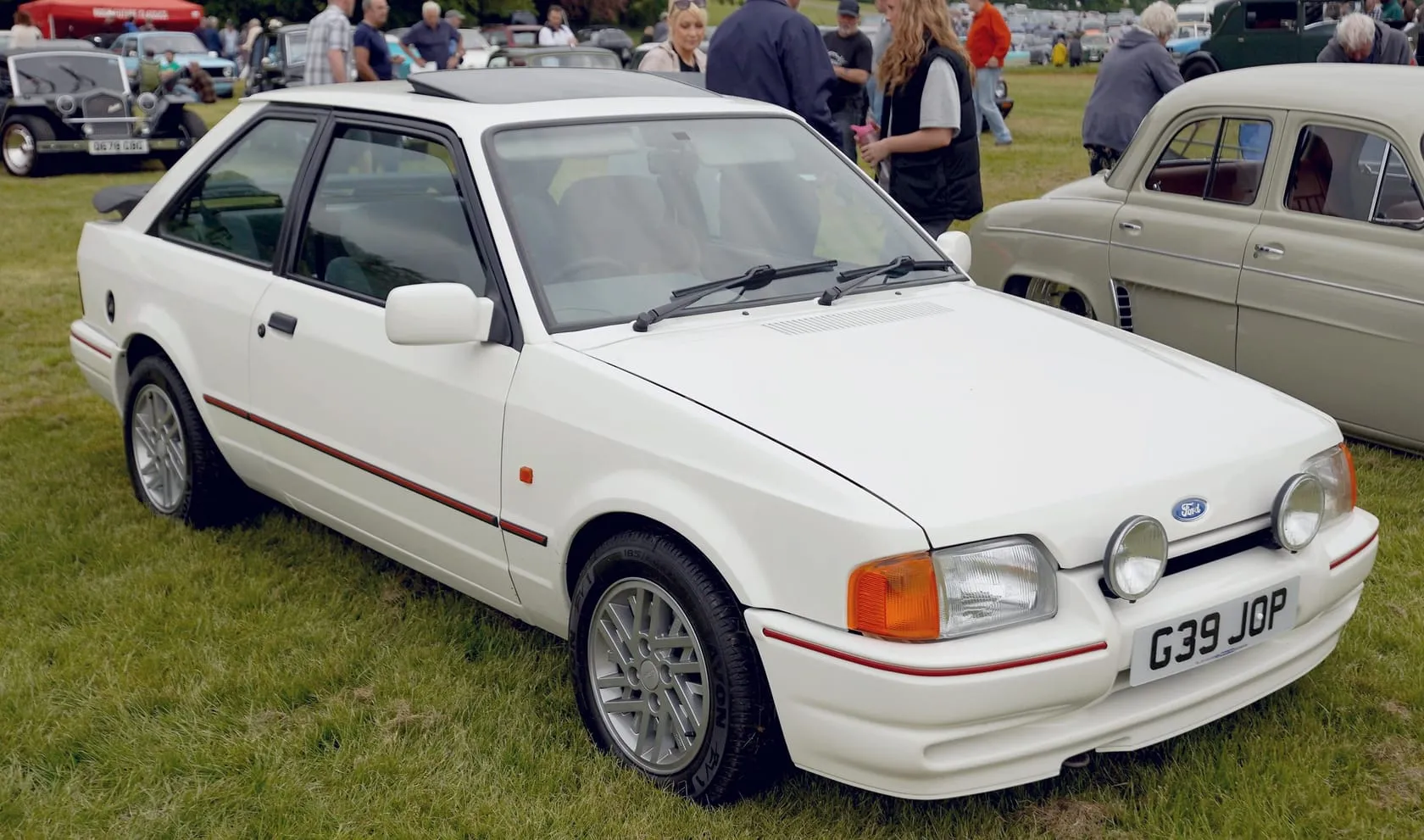
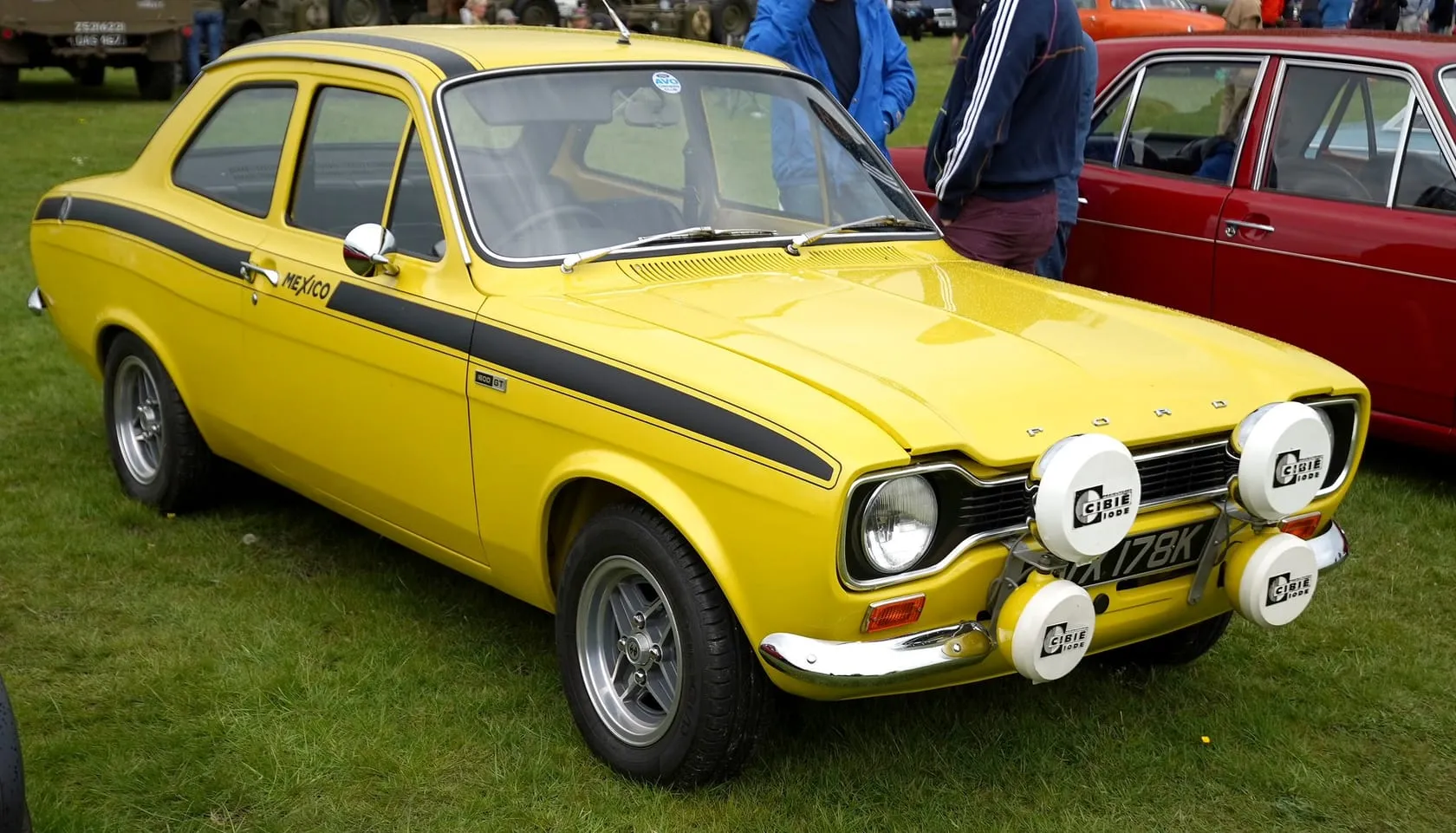
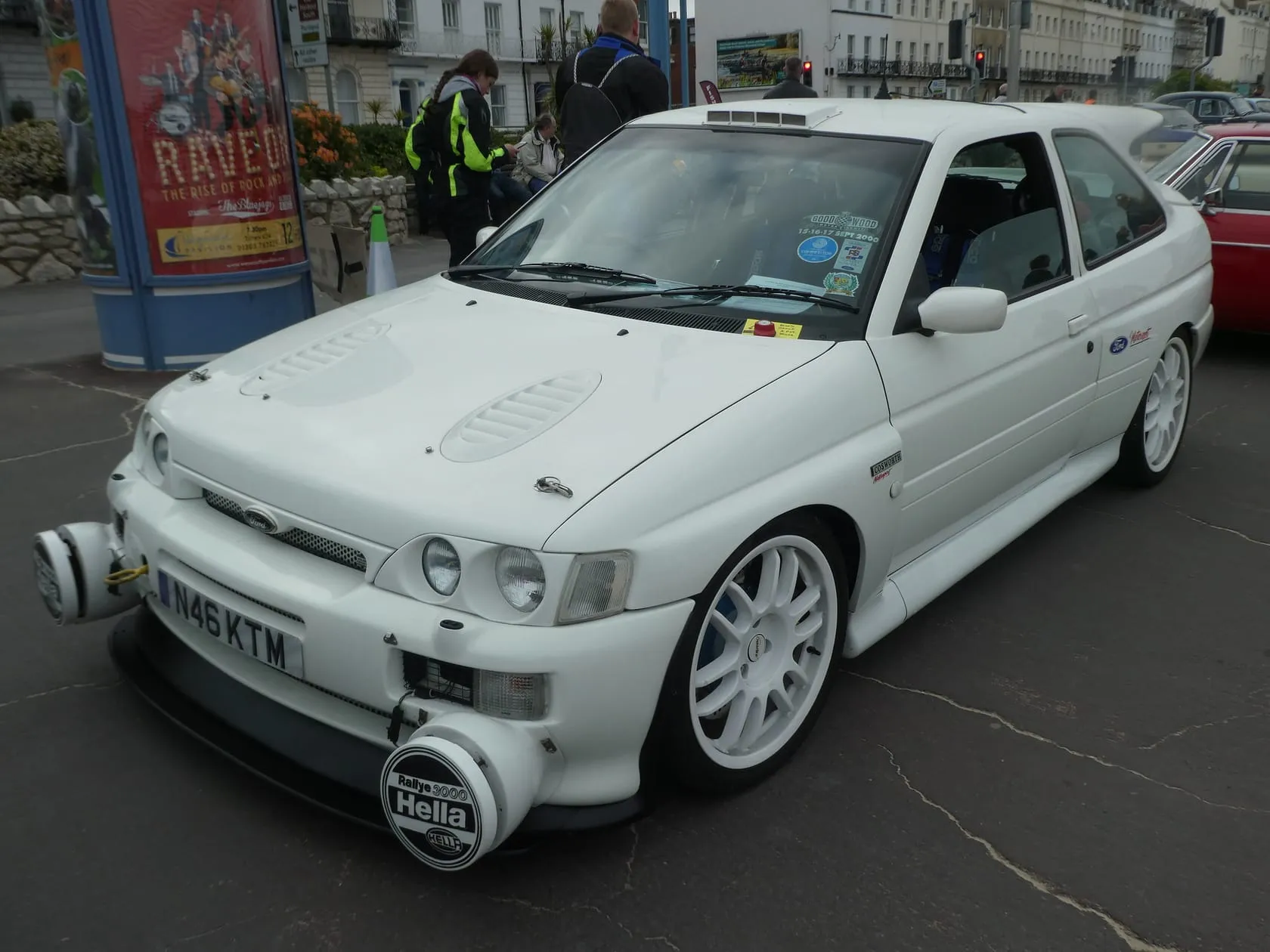
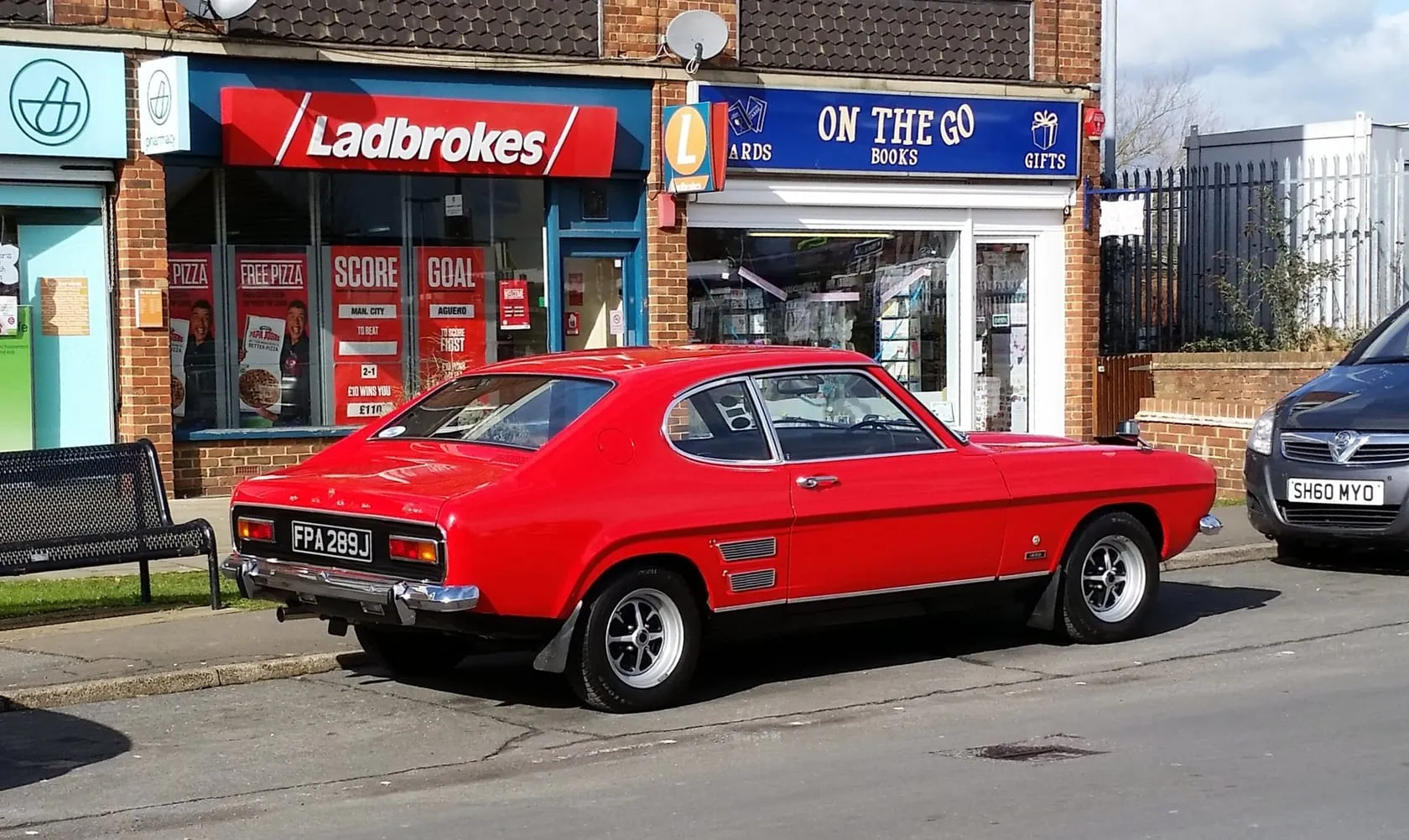
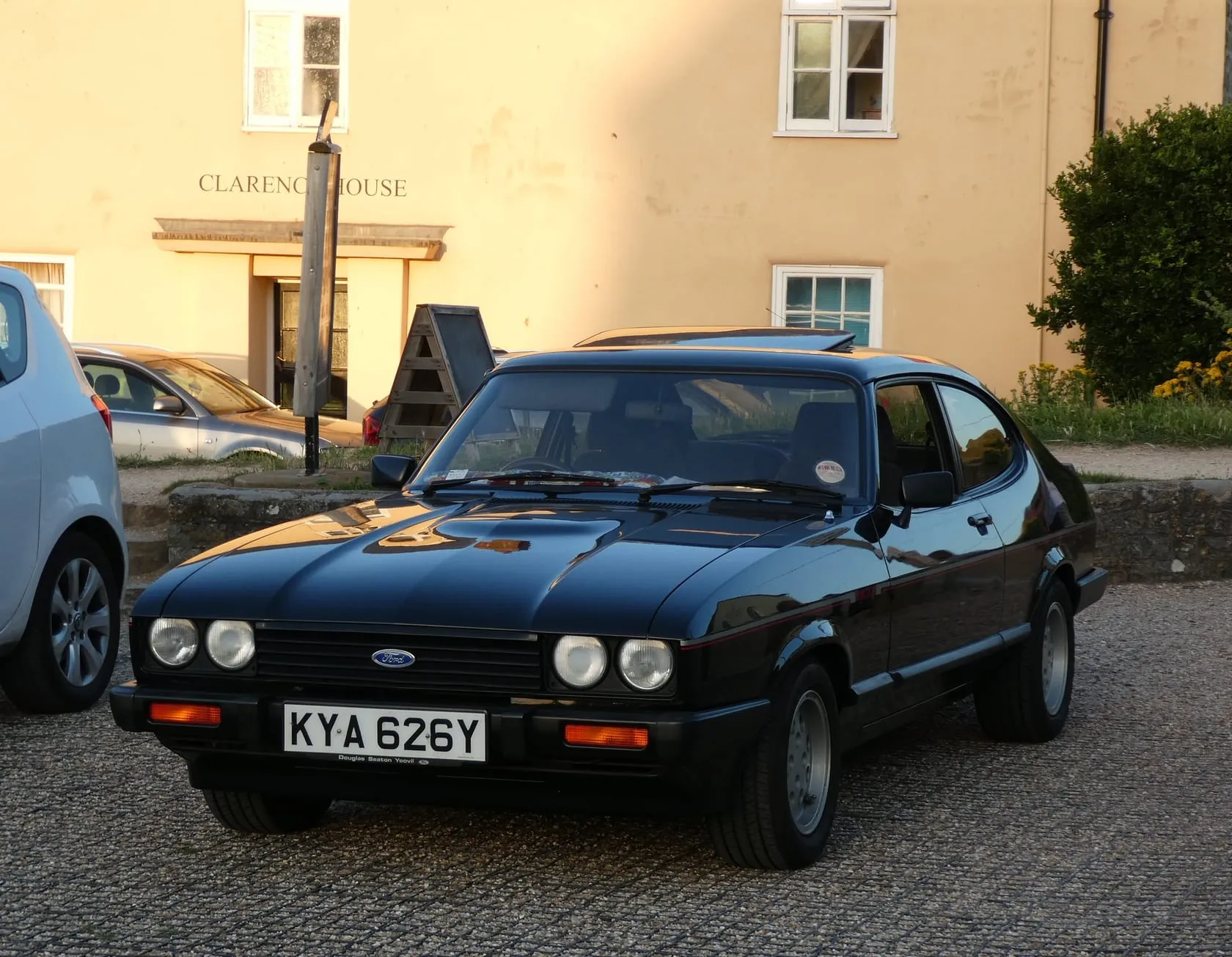
The classic Ford Capri was Europe's answer to the Mustang, an affordable fastback coupe that sold nearly two million and became a 1970s and 80s icon. A guide to the Mk1, Mk2 and Mk3, the V6 cars, the 2.8 Injection and the RS models, how it differs from the new electric Capri, and what to look for when buying one.
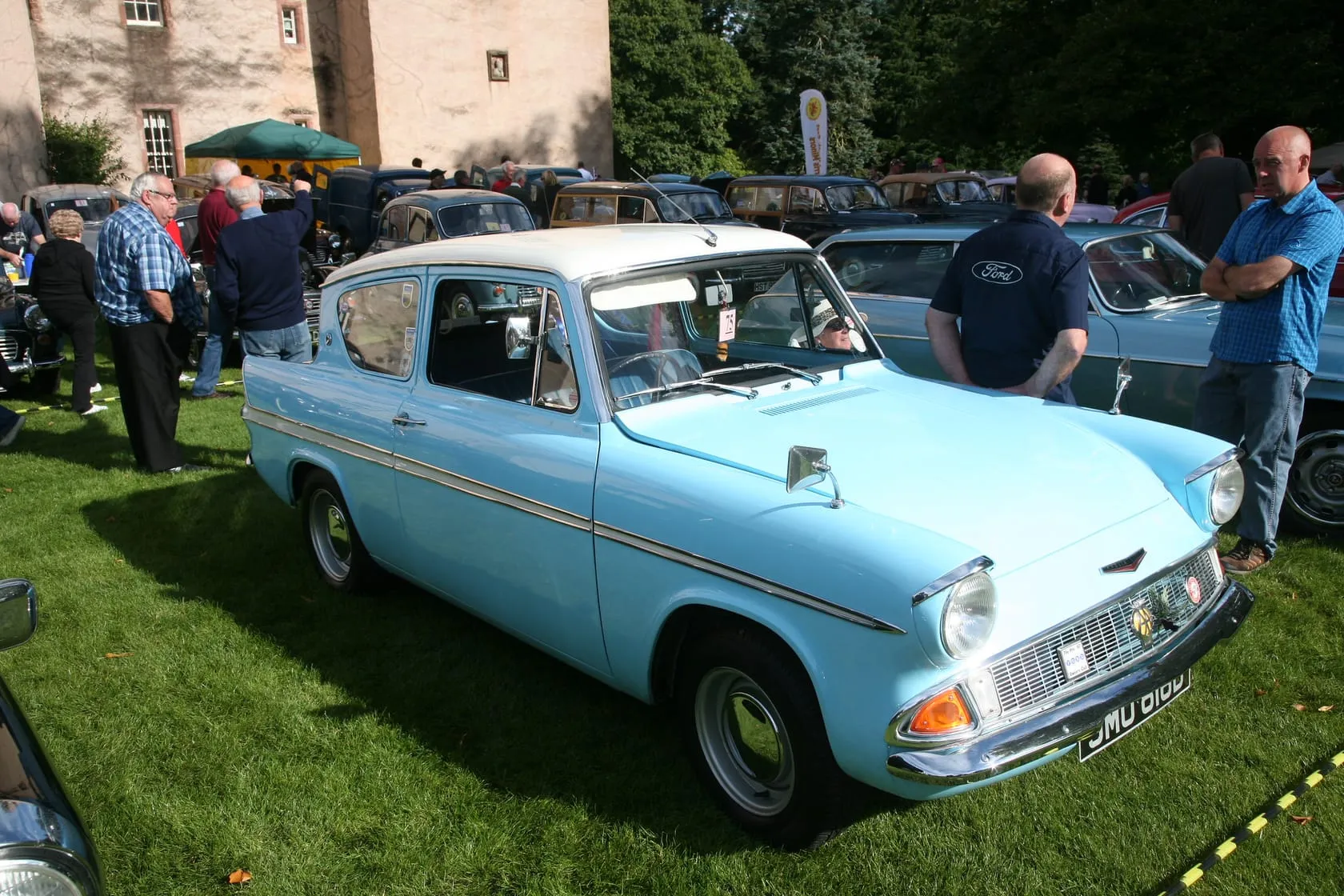
The Ford Anglia 105E put more than a million British families on the road, and is remembered for two things, its reverse-rake rear window and, decades later, its starring role as the flying car in Harry Potter. A guide to the 105E and 123E, the first of the Kent engines, what they are like to own, and what they are worth.
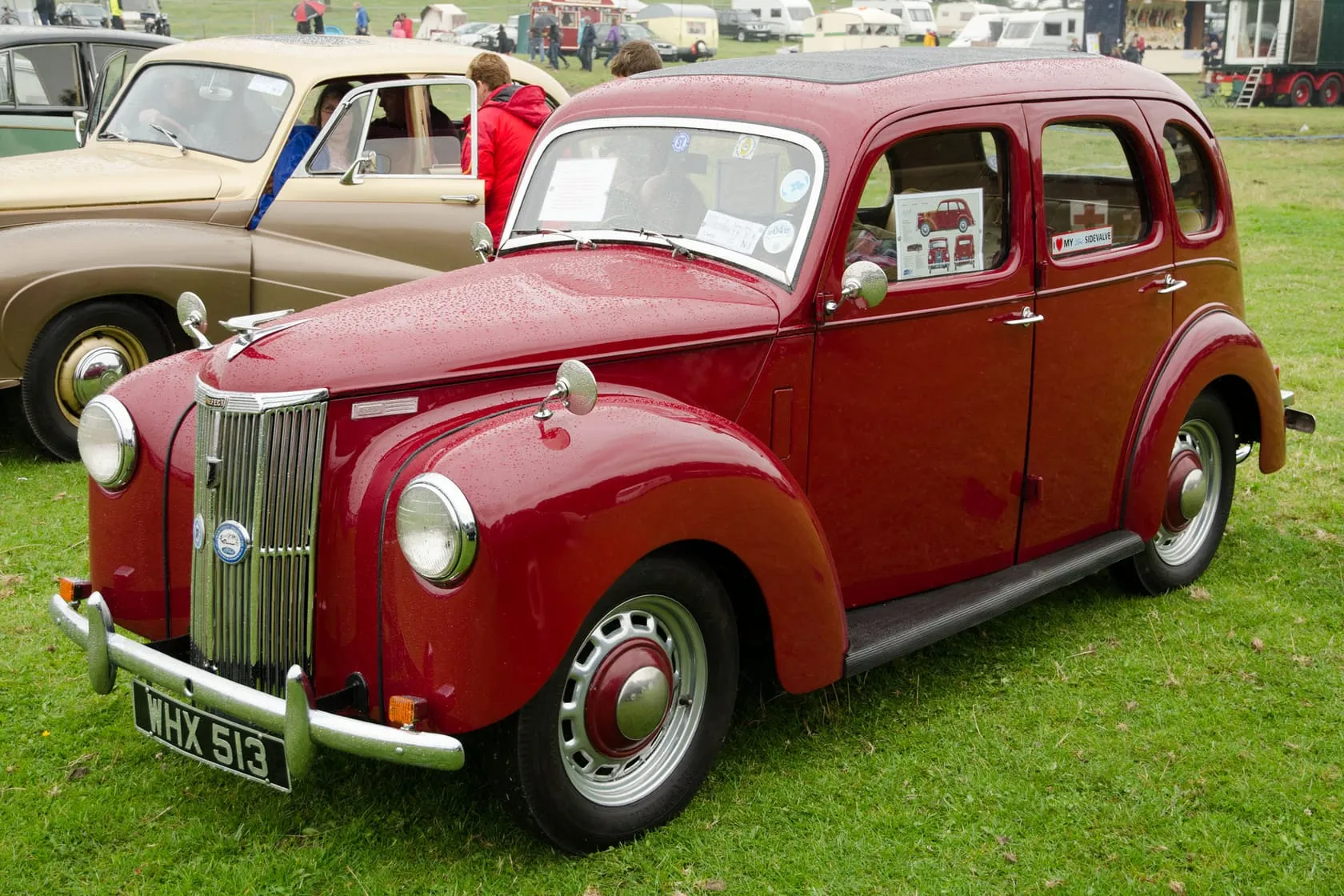
The Ford Prefect was Ford UK's upmarket small saloon for over two decades, from the upright "sit up and beg" pre-war cars to the modern 100E of the 1950s. Cheap, tough and built in huge numbers, it put Britain on the road, and lent its name to a Hitchhiker's Guide character. A guide to the models, owning one, and values.
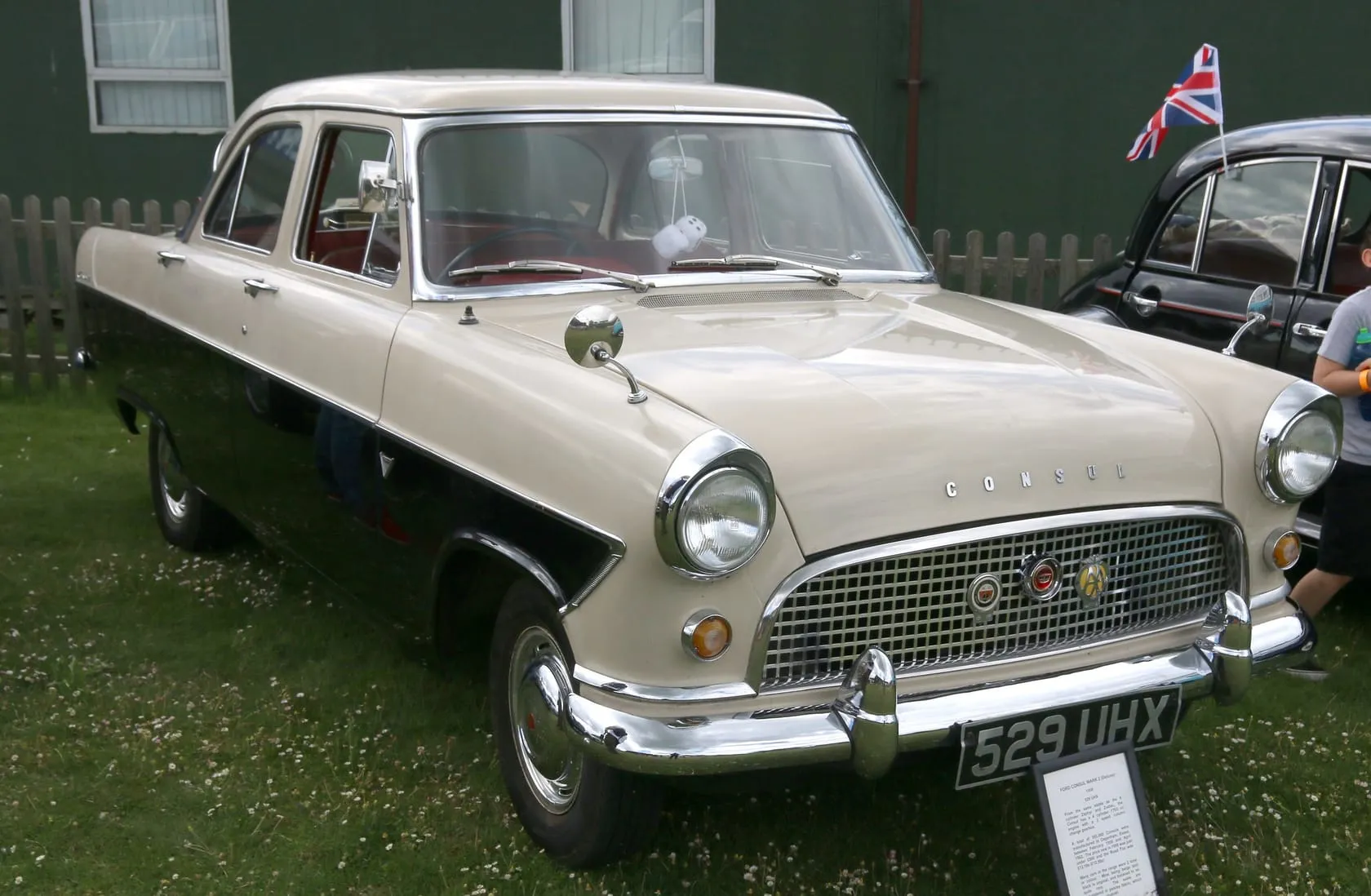
The Ford Consul was the four-cylinder base of Ford of Britain's big-saloon range, and with its Zephyr sister it was the first British Ford built with modern unitary construction. A guide to the Mk1 and Mk2 Consul, the Three Graces, the later use of the Consul name, what to look for and what they are worth.
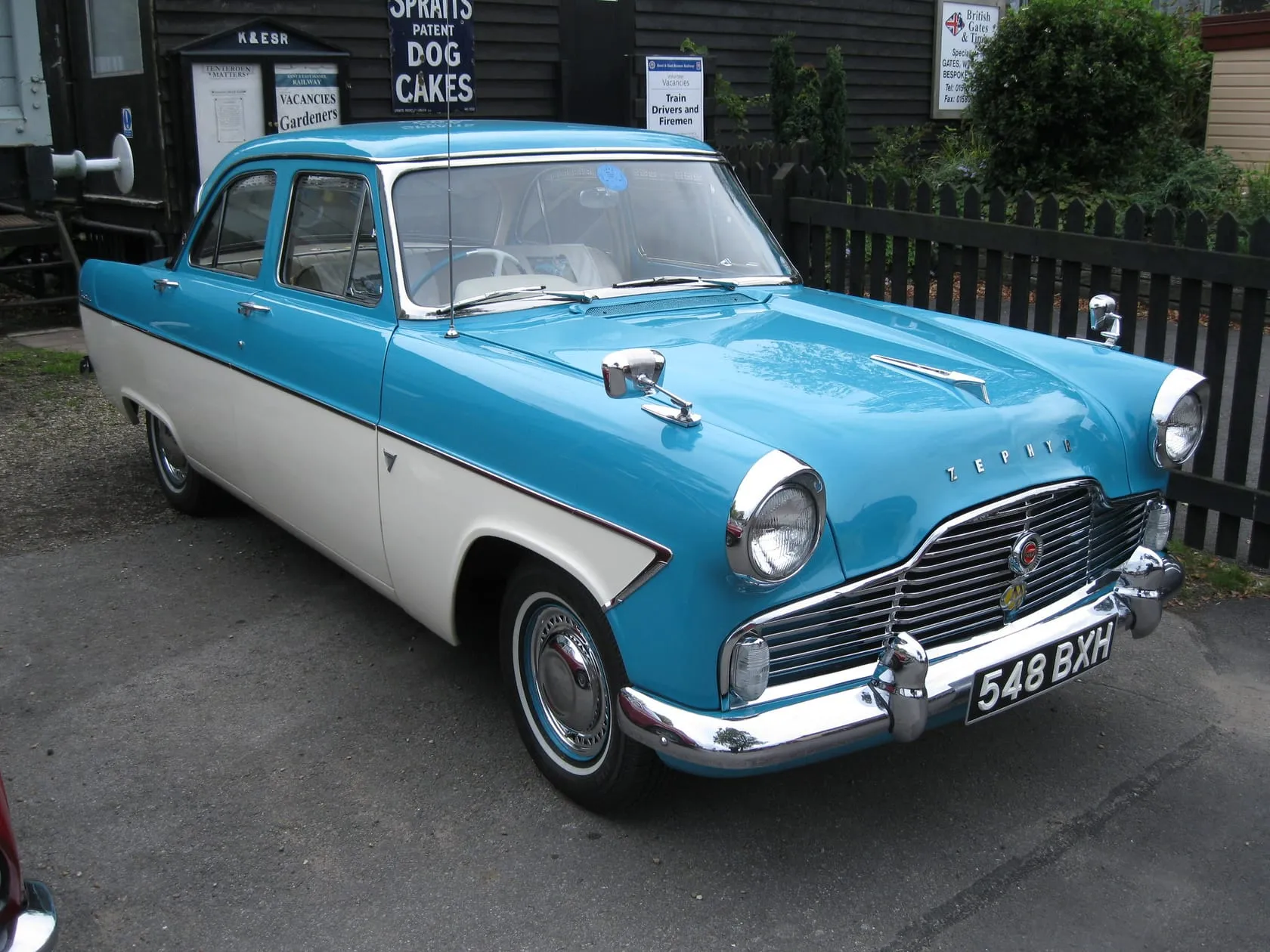
The Ford Zephyr was the six-cylinder heart of Ford of Britain's big-saloon range, quick and spacious for its day, and famous as the patrol car of the BBC series Z-Cars. A guide to the four generations from the finned Three Graces to the big V6 Mk4, how it relates to the Consul and Zodiac, what to look for, and what they are worth.
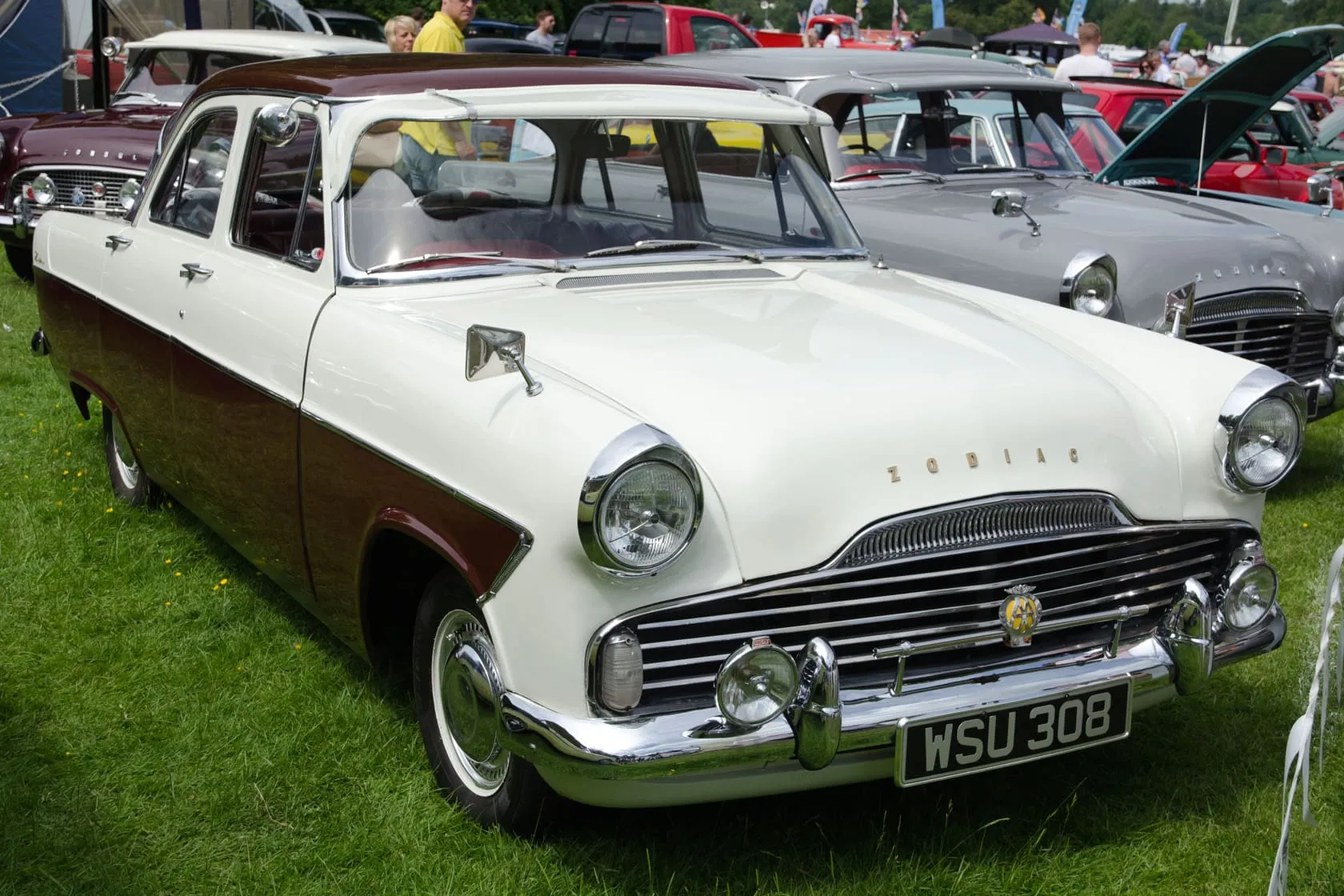
The Ford Zodiac was the top of Ford of Britain's big-saloon range, the upmarket, six-cylinder flagship above the Consul and Zephyr. From the finned Mk2 to the huge V6-engined Mk4, it offered American-style space and brightwork at a British price. A guide to the four generations, what to look for, and what they are worth.
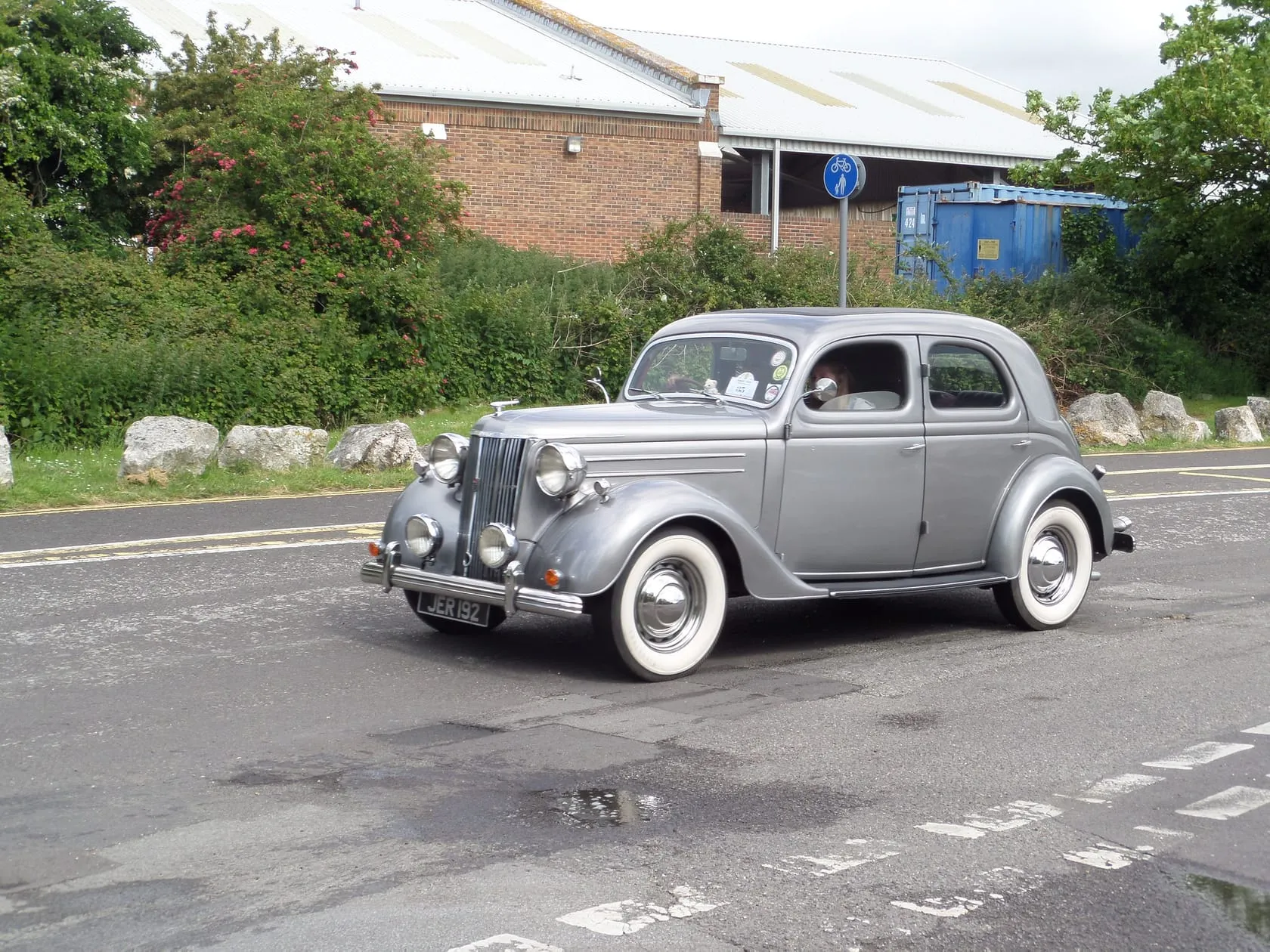
The Ford V8 Pilot put America's flathead V8 in a stately pre-war British body and became austerity Britain's unlikely V8 flagship, beloved of police forces, farmers and the wedding trade ever since. A guide to the Pilot's story, the flathead engine, the pick-ups and woodies, buying checks and values.
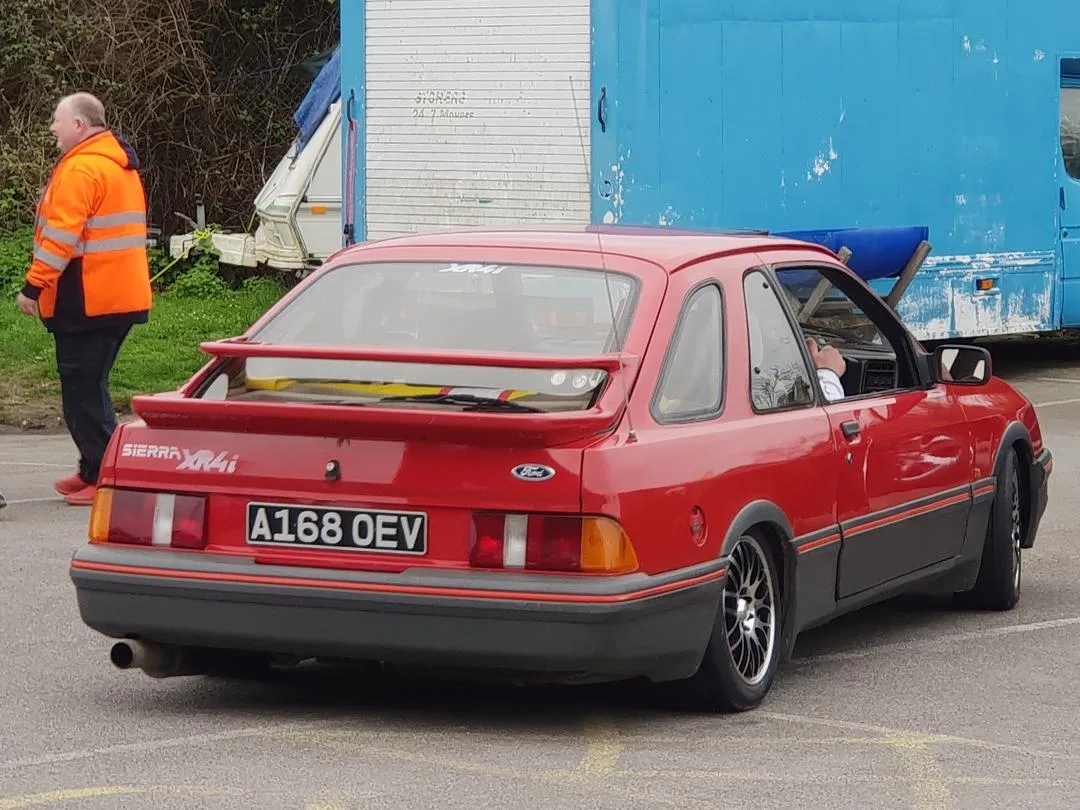
The Ford Sierra replaced the best-selling Cortina with aerodynamic styling Britain nicknamed the jellymould, and slowly won the country over across 1.3 million UK sales. A guide to the ordinary Sierras, the XR4i and XR4x4, the Sapphire saloons, why survivors are so rare, buying checks and values.
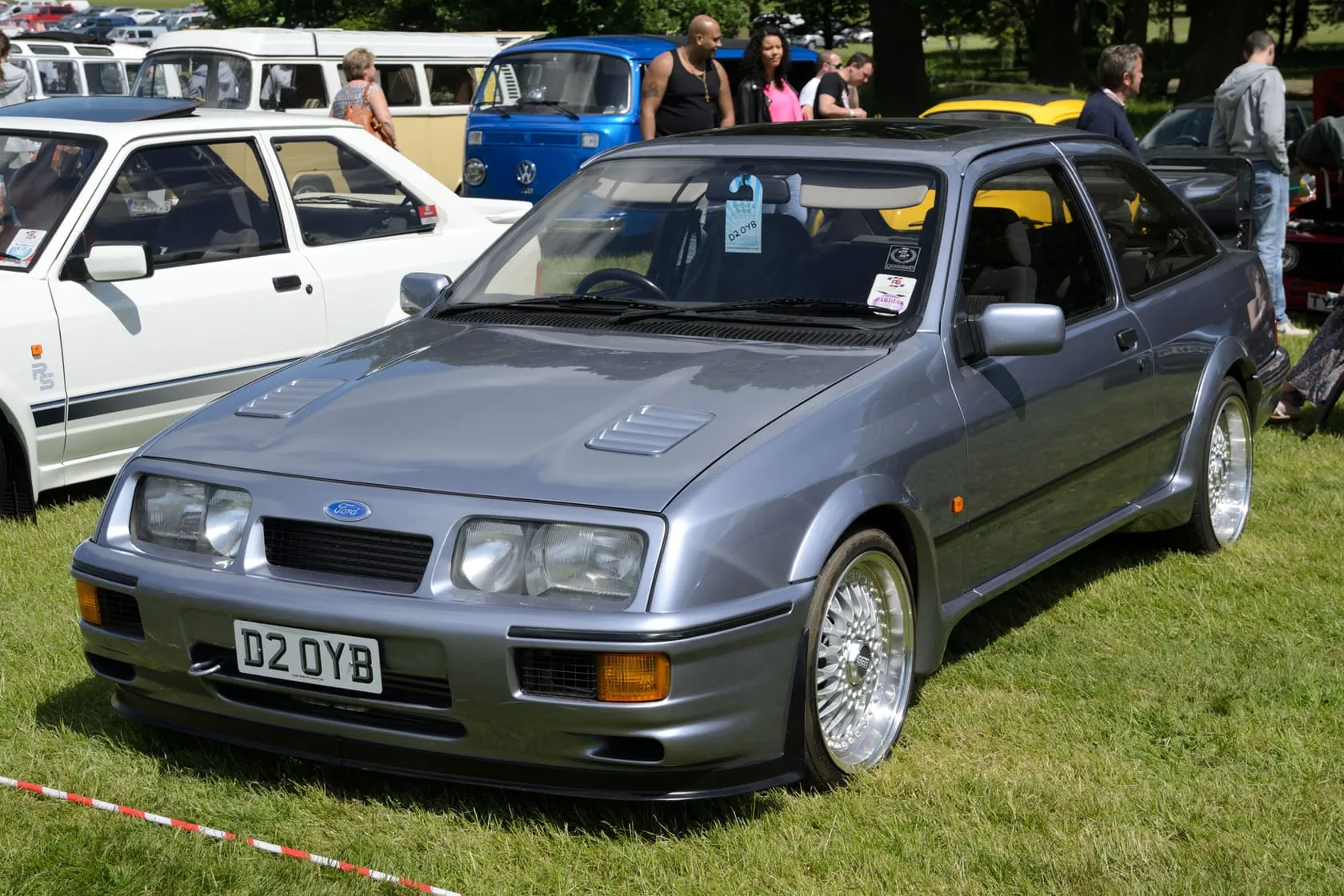
The Ford Sierra RS Cosworth turned an ordinary family Ford into a Group A touring-car weapon, with a turbocharged Cosworth engine, a whale-tail wing and, in RS500 form, near-unbeatable race performance. A guide to the three-door, the RS500, the Sapphire and the 4x4, the theft and cloning problem, and what to look for when buying one.
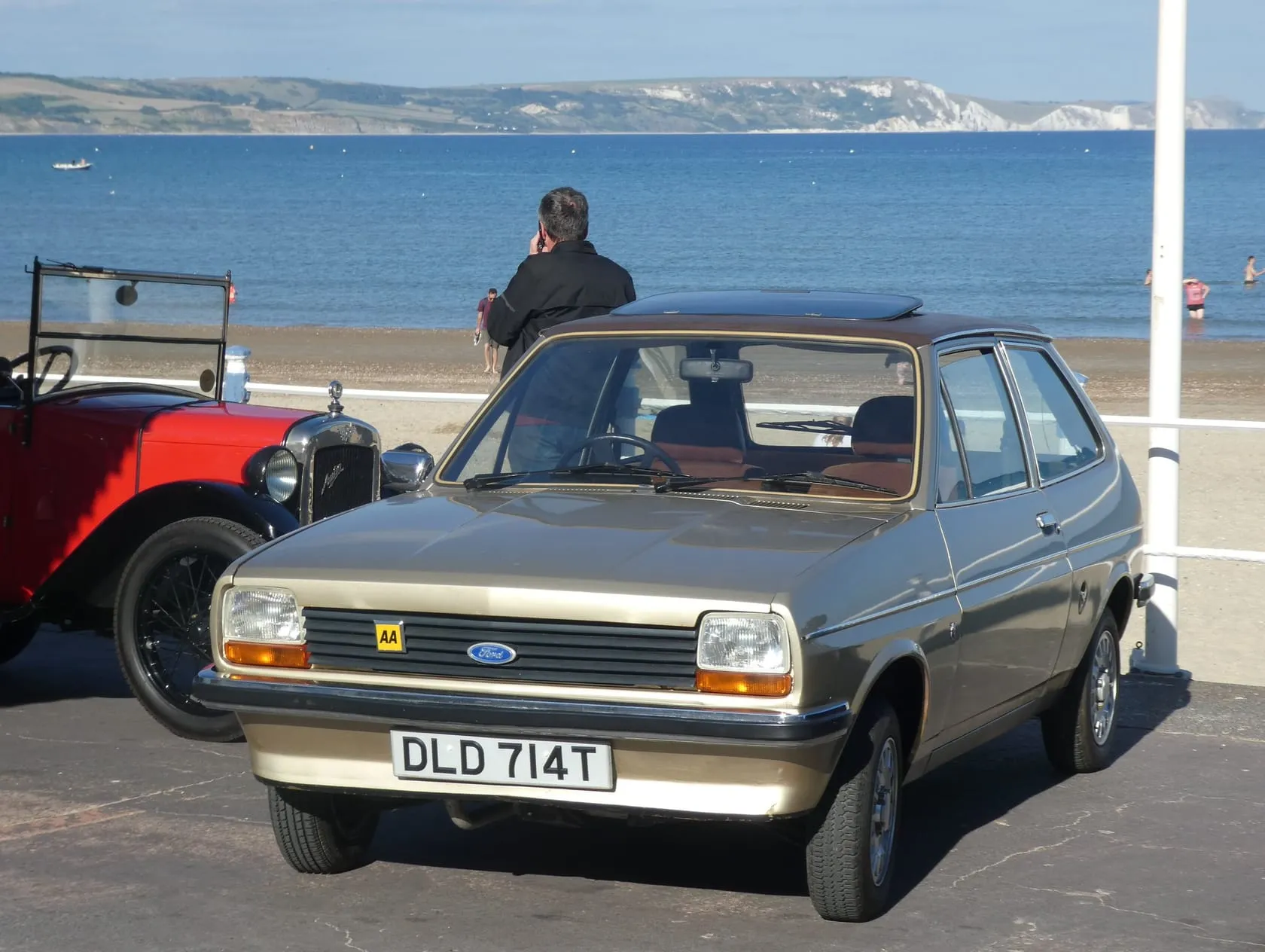
The Ford Fiesta Mk1 was Ford's first front-wheel-drive small car, a clean-sheet supermini that sold a million inside three years and founded a nameplate that ran nearly half a century. A guide to the Mk1's story, the XR2 and Supersport, why survivors are so scarce, what to check, and what one costs today.
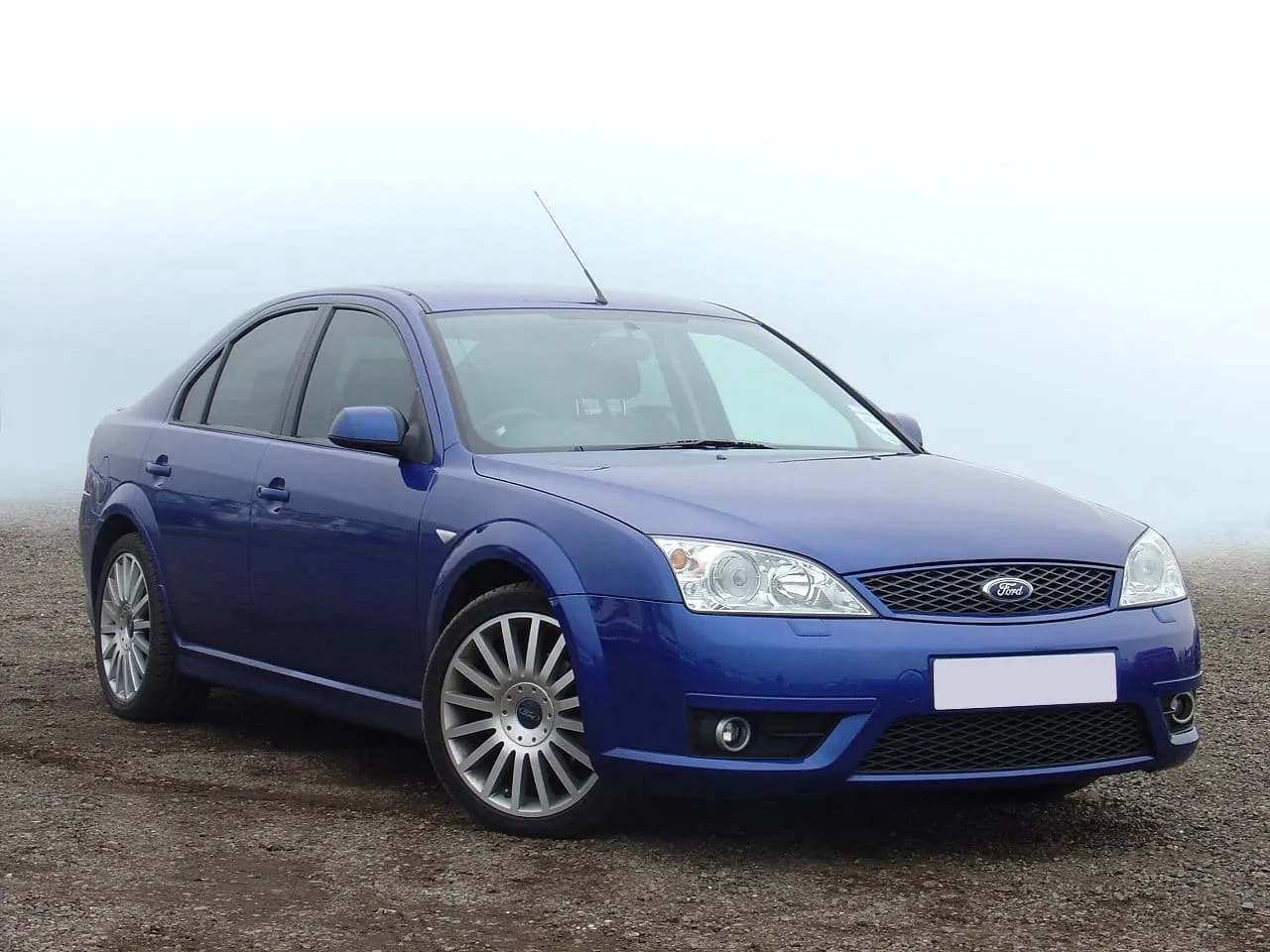
The Ford Mondeo ST220 put a 223 bhp 3.0 V6, a six-speed gearbox and Recaro seats into the Mk3 Mondeo and turned a rep's saloon into a car worth keeping. A guide to the ST220 and the Mk2 ST200 that preceded it, the saloon, hatchback and estate, the ST TDCi, what goes wrong, and what they are worth.
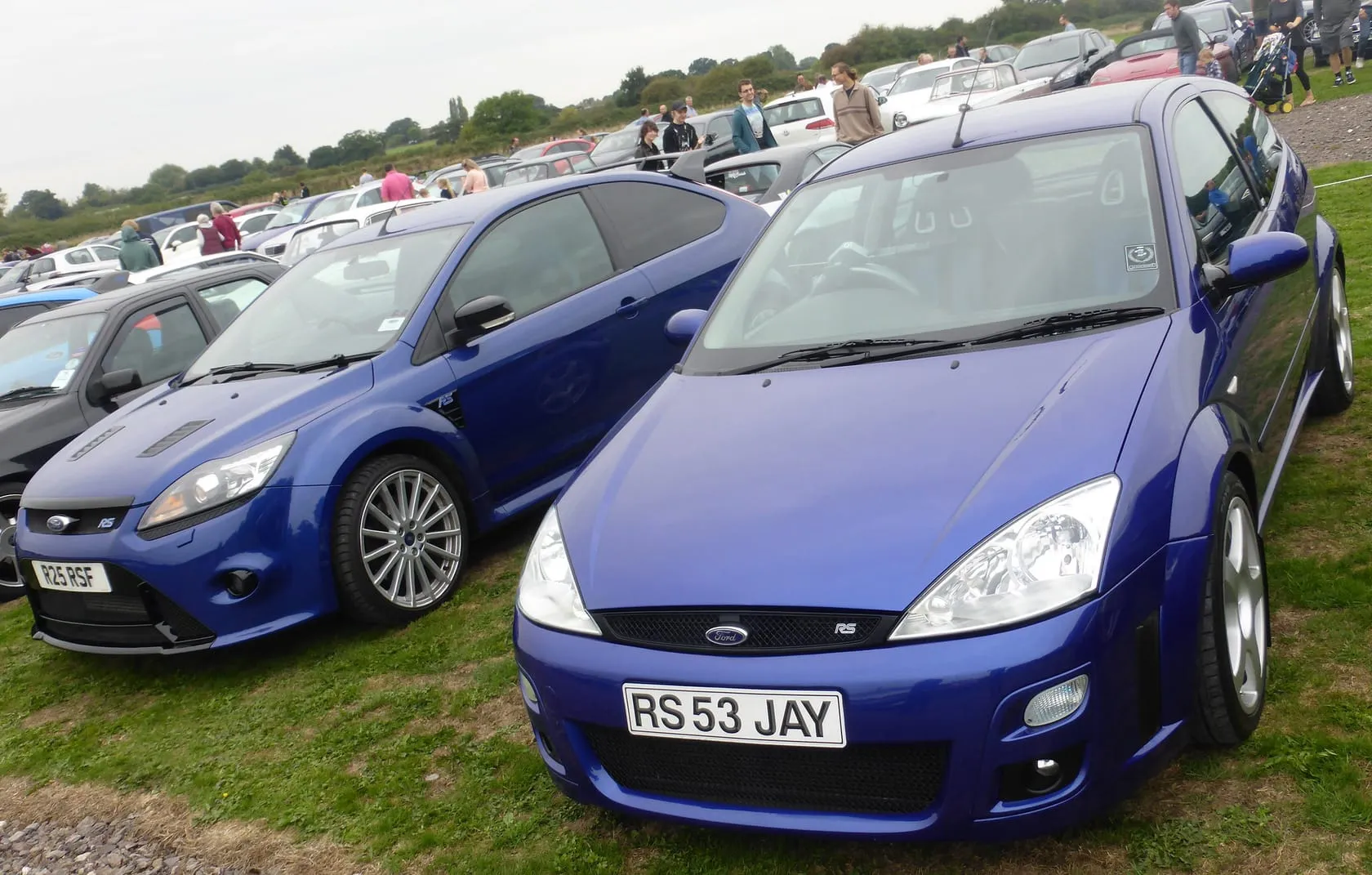
The Ford Focus RS is the fast Ford of the twenty-first century, three generations of it from the 4,501-car Mk1 of 2002 to the 345 bhp four-wheel-drive Mk3 of 2016, with the matte-black RS500 between and the ST170 and ST before them. A guide to what each one is, how they drive, what to check, and what the sale rooms pay now that the first cars are classics.
From the rear-wheel-drive rally Escorts to the Capri V6, the XR hot hatches and the mighty Sierra Cosworth, the classic fast Fords are some of the most loved and fastest-rising British classics. A plain-English guide to the main families, how they differ, what they cost, how to choose, and how to avoid a cloned car.
Triumph
21 guides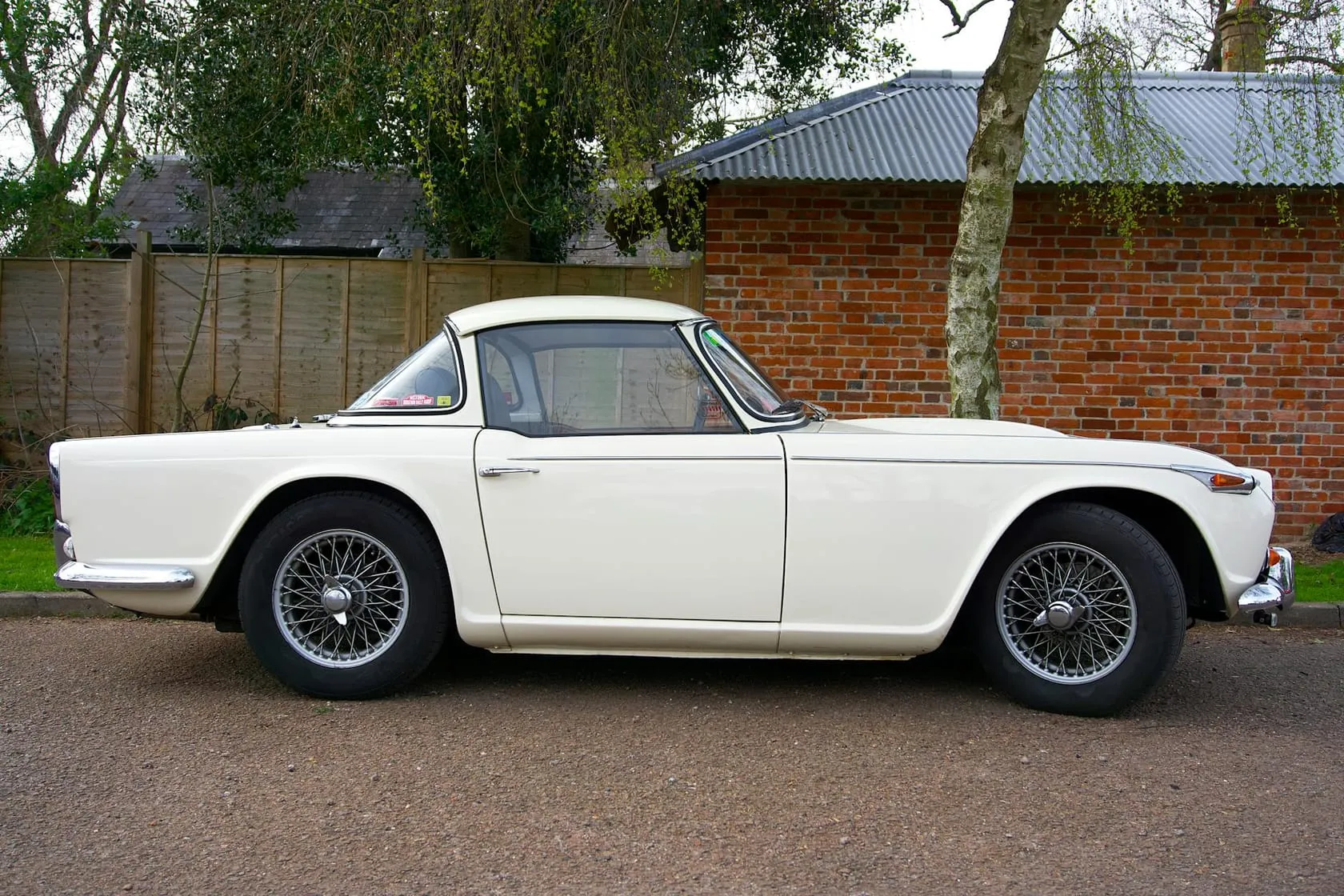
Triumph put sports-car motoring within reach of ordinary British drivers, from the cheap-and-cheerful Spitfire and Herald to the muscular TR sports cars, the V8 Stag and the clever Dolomite Sprint. A guide to the classic Triumphs worth knowing, the marque's Coventry-to-British-Leyland story, and why a good one is one of the friendliest ways into classic ownership.
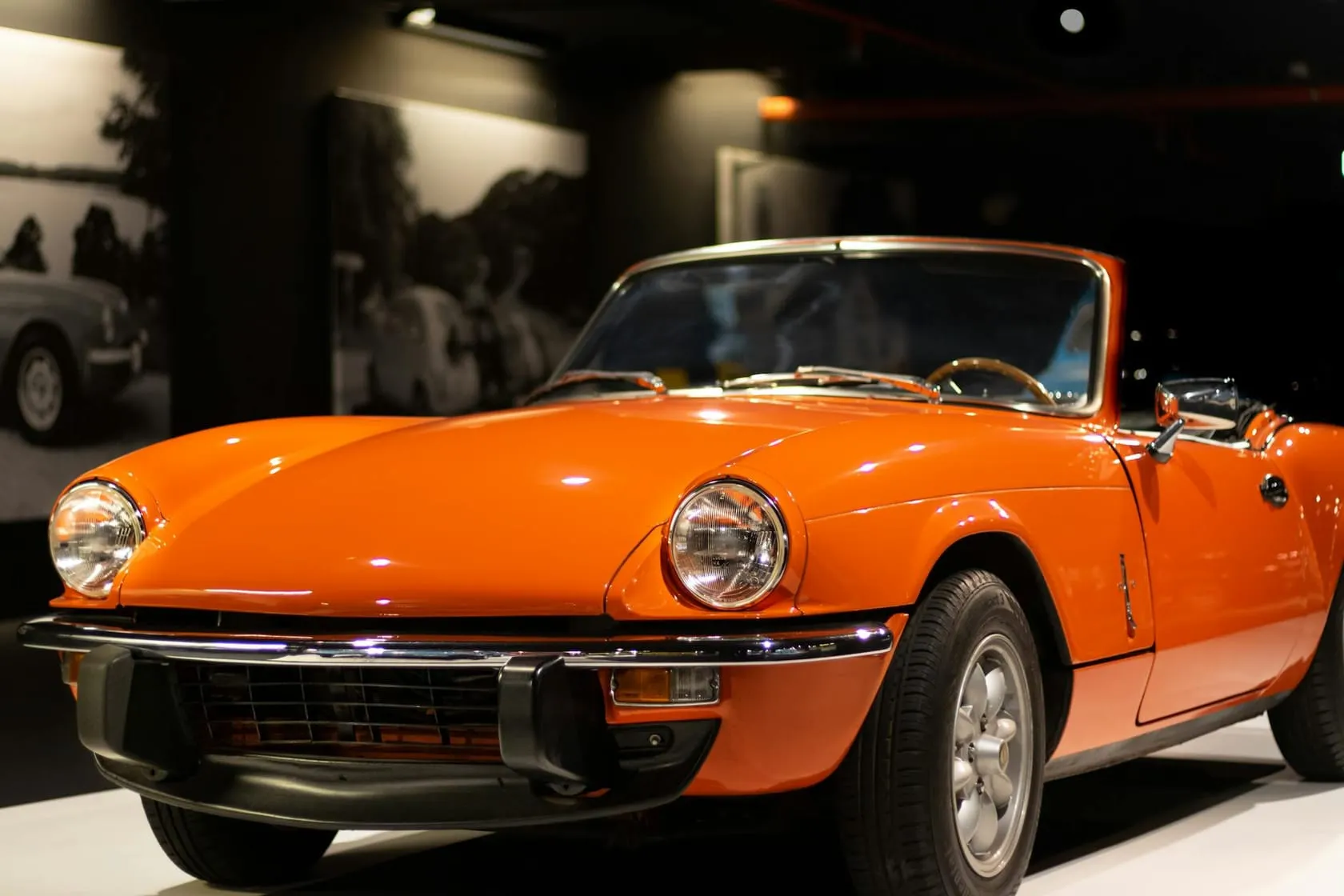
The Triumph Spitfire was the affordable open sports car that put a real roadster within reach of ordinary buyers, an MG Midget rival with a forward-tilting bonnet and a tight turning circle. A guide to the five marks, the swing-axle handling and its fix, what to look for, and why it is still one of the cheapest ways into classic British sports-car ownership.
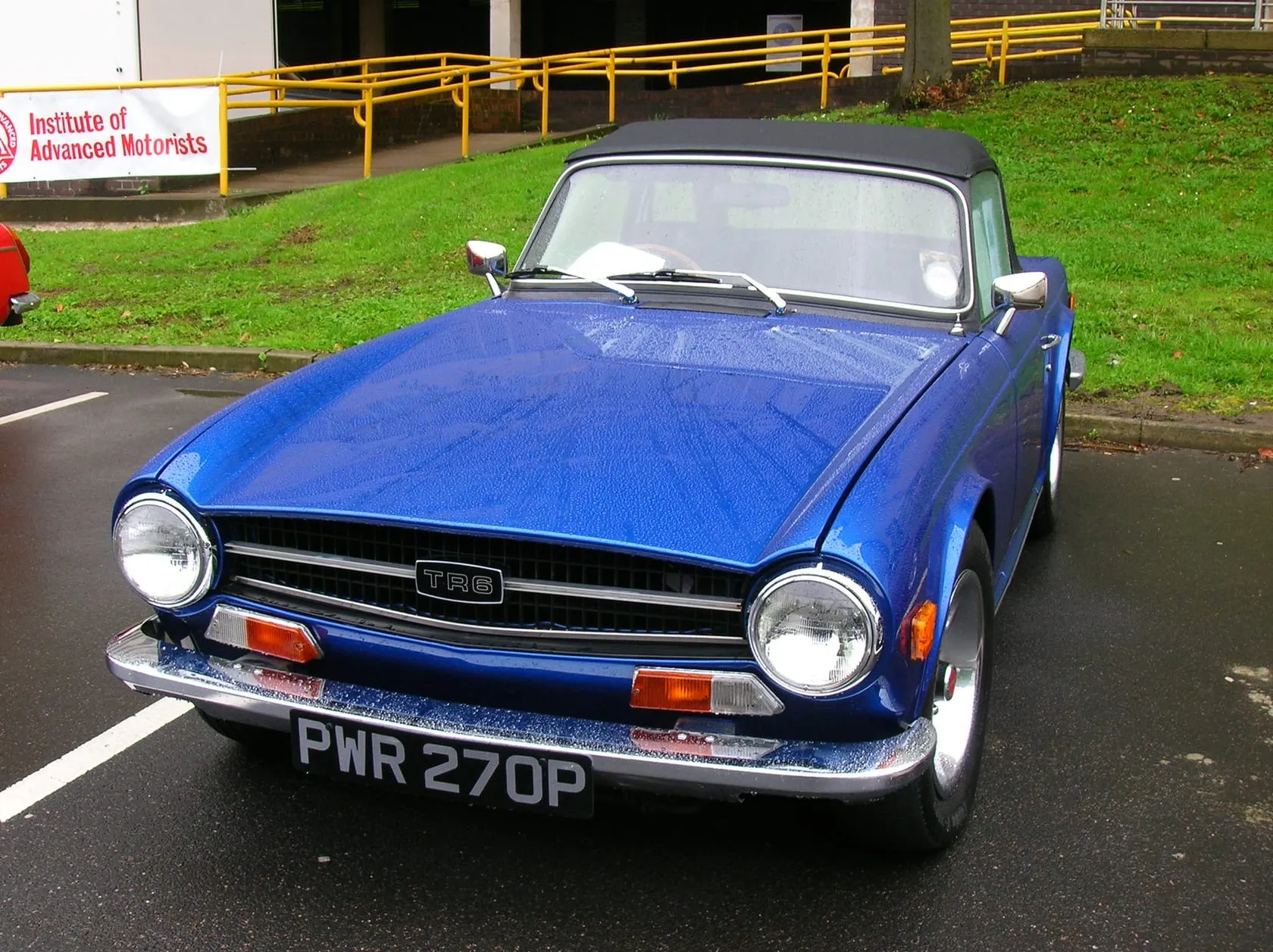
The Triumph TR6 was the best-selling TR and the last of the traditional separate-chassis British sports cars, a muscular Karmann-restyled roadster with a 2.5-litre straight-six and, on home-market cars, Lucas fuel injection. A guide to the PI-versus-carburettor cars, the CP and CR distinction, and the buying checks that matter most.
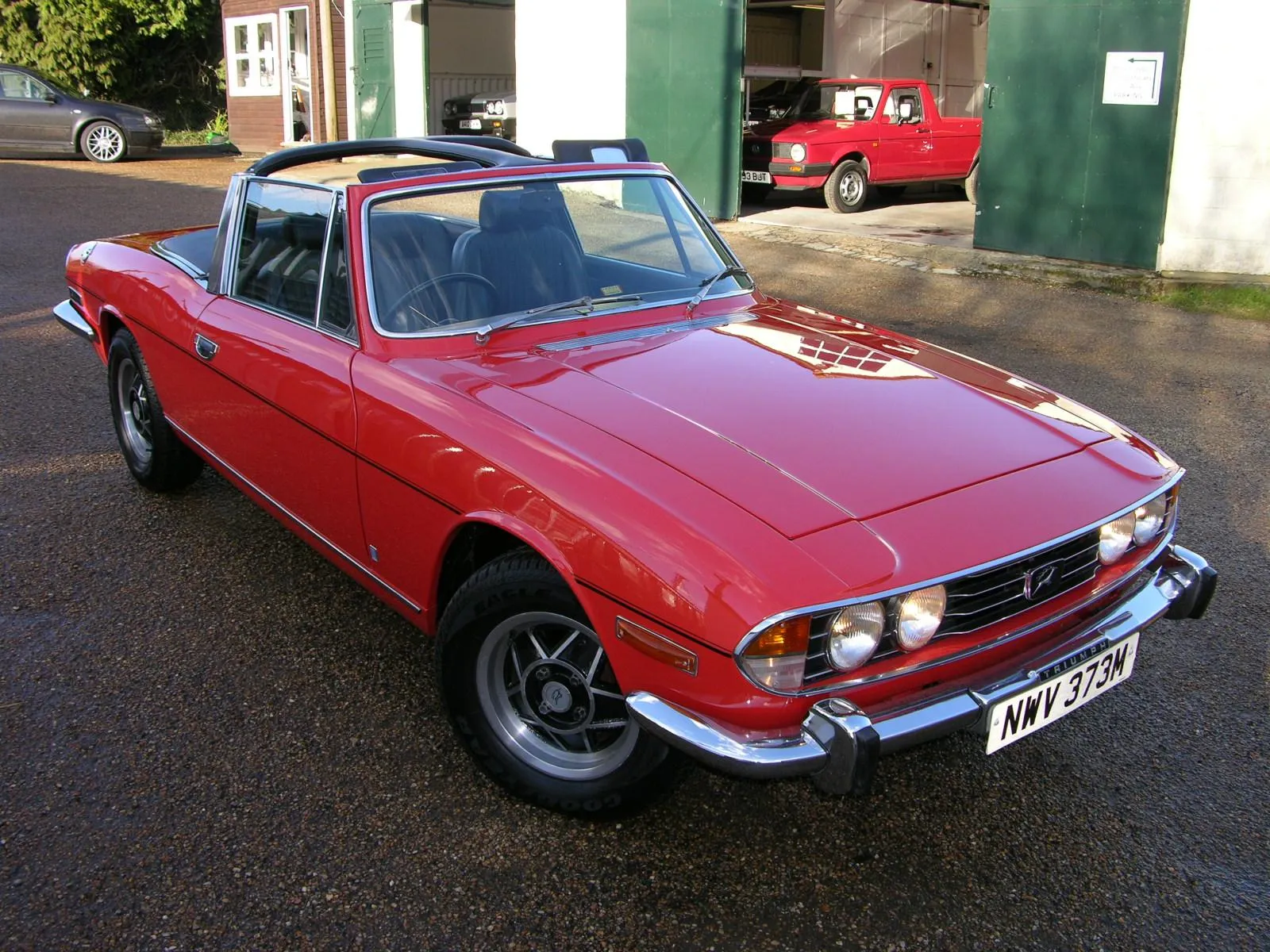
The Triumph Stag was a glamorous Michelotti-styled 2+2 convertible with a bespoke 3.0-litre V8, conceived to rival the Mercedes SL but undone by a notorious cooling problem. A guide to the engine saga and why it overheated, what a properly sorted car is like, and what to look for when buying one now the reputation has been rehabilitated.
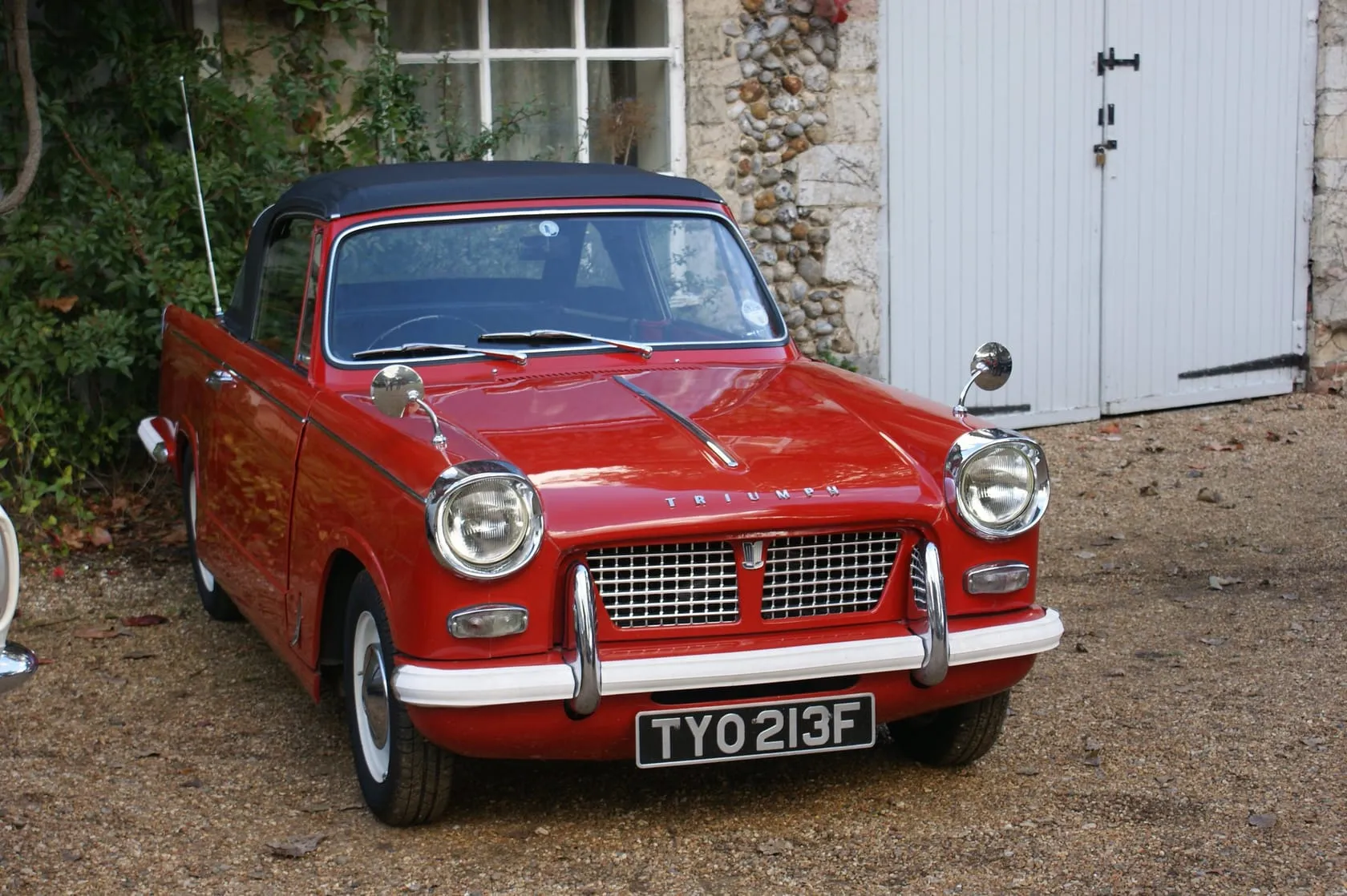
The Triumph Herald was the charming, infinitely fixable small car whose separate bolt-together chassis, born of a body-supply crisis, saved Standard-Triumph and spawned the Spitfire, Vitesse and GT6. A guide to the 948, 1200, 12/50 and 13/60, the famous turning circle and tilt-forward bonnet, what to look for, and what they are worth.
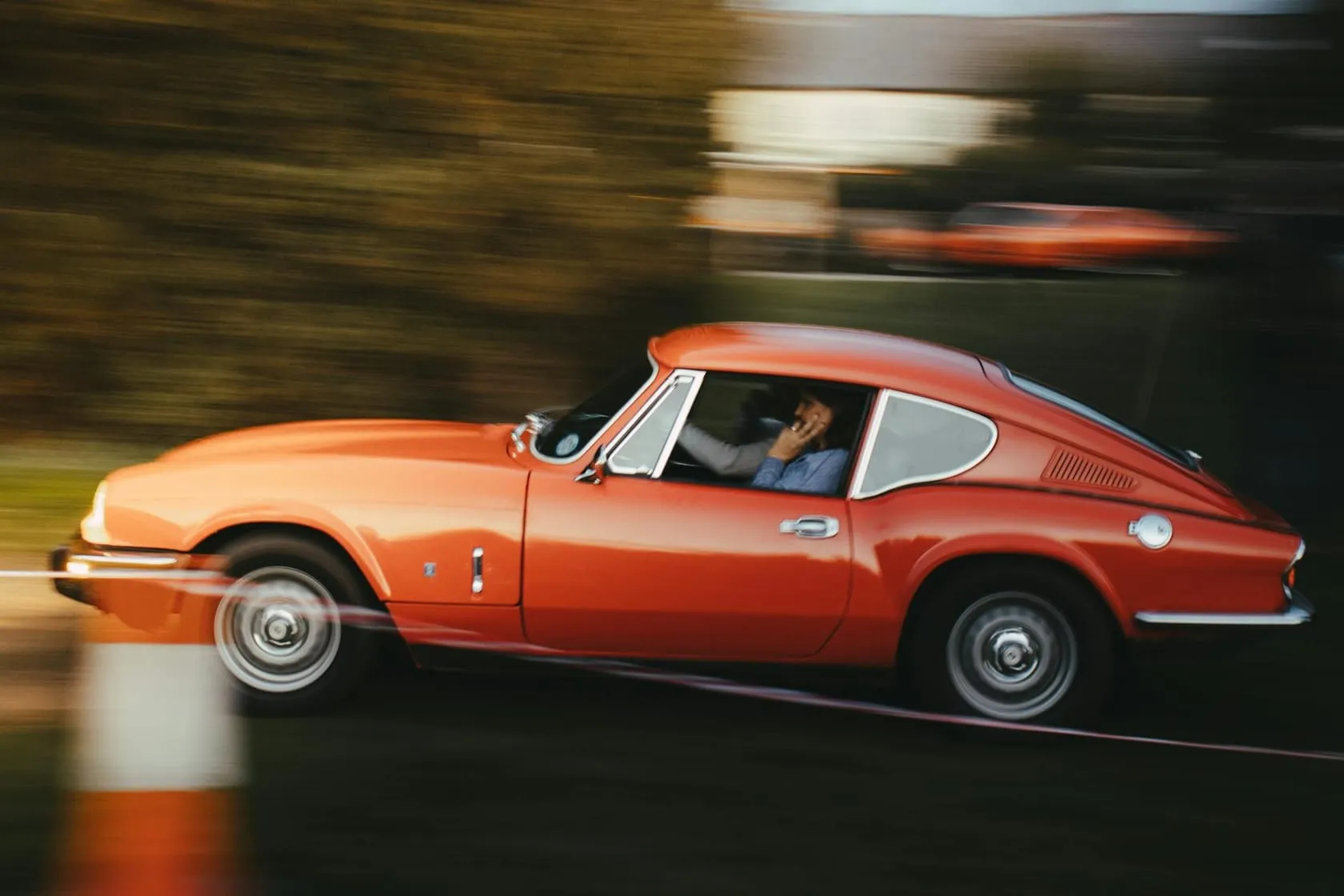
The Triumph GT6 was a handsome six-cylinder fastback coupe on the Spitfire platform, nicknamed the baby E-Type, whose tricky swing-axle handling was famously cured by the Rotoflex rear suspension of the Mk2. A guide to the three marks, the handling saga, the Rotoflex fix, and what to look for when buying one.
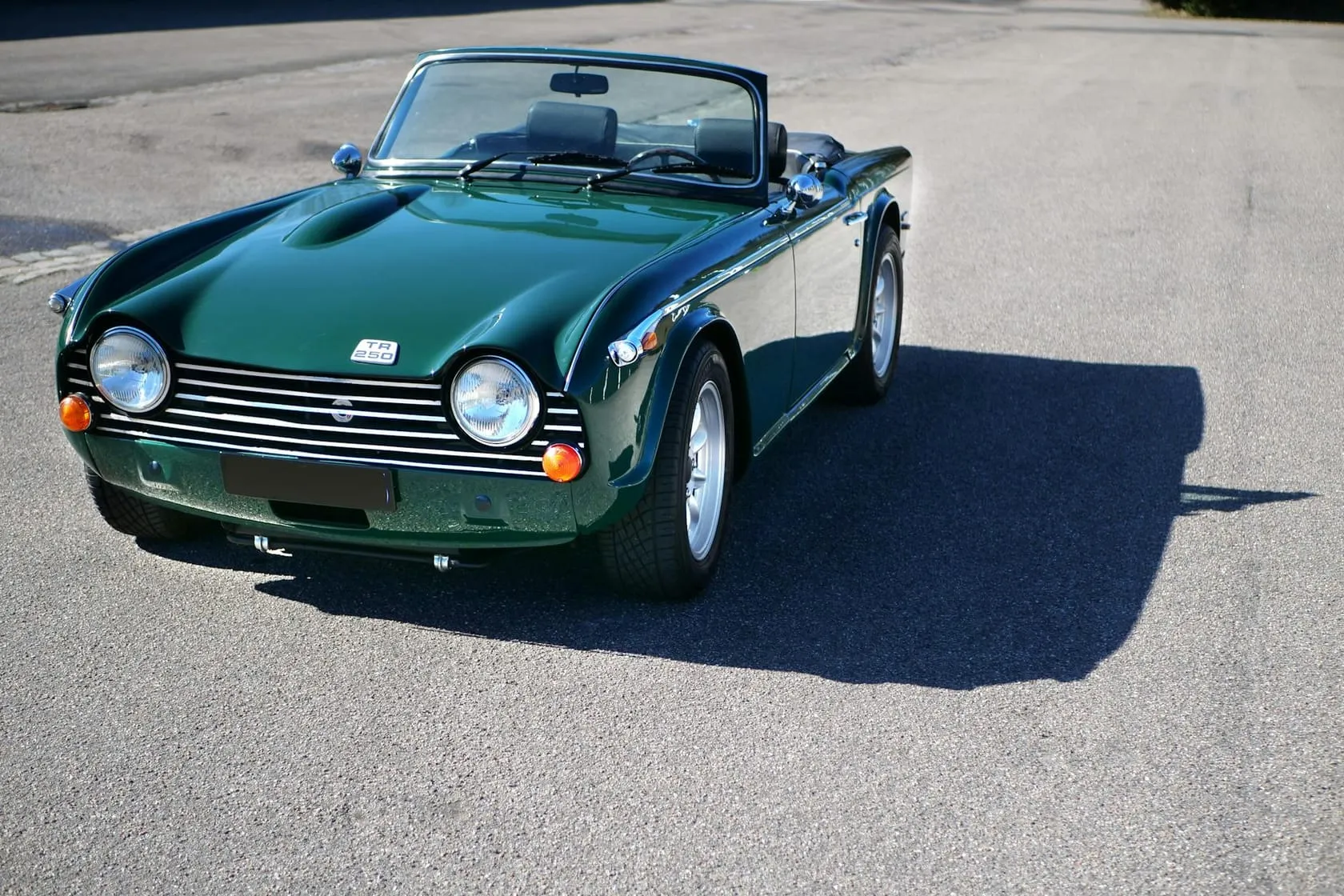
The Triumph TR4 brought modern Michelotti styling, rack-and-pinion steering and the clever Surrey-top removable roof to the rugged TR sports-car line, and the TR4A added independent rear suspension. A guide to the two cars, their place in the TR story, and what to look for when buying one.
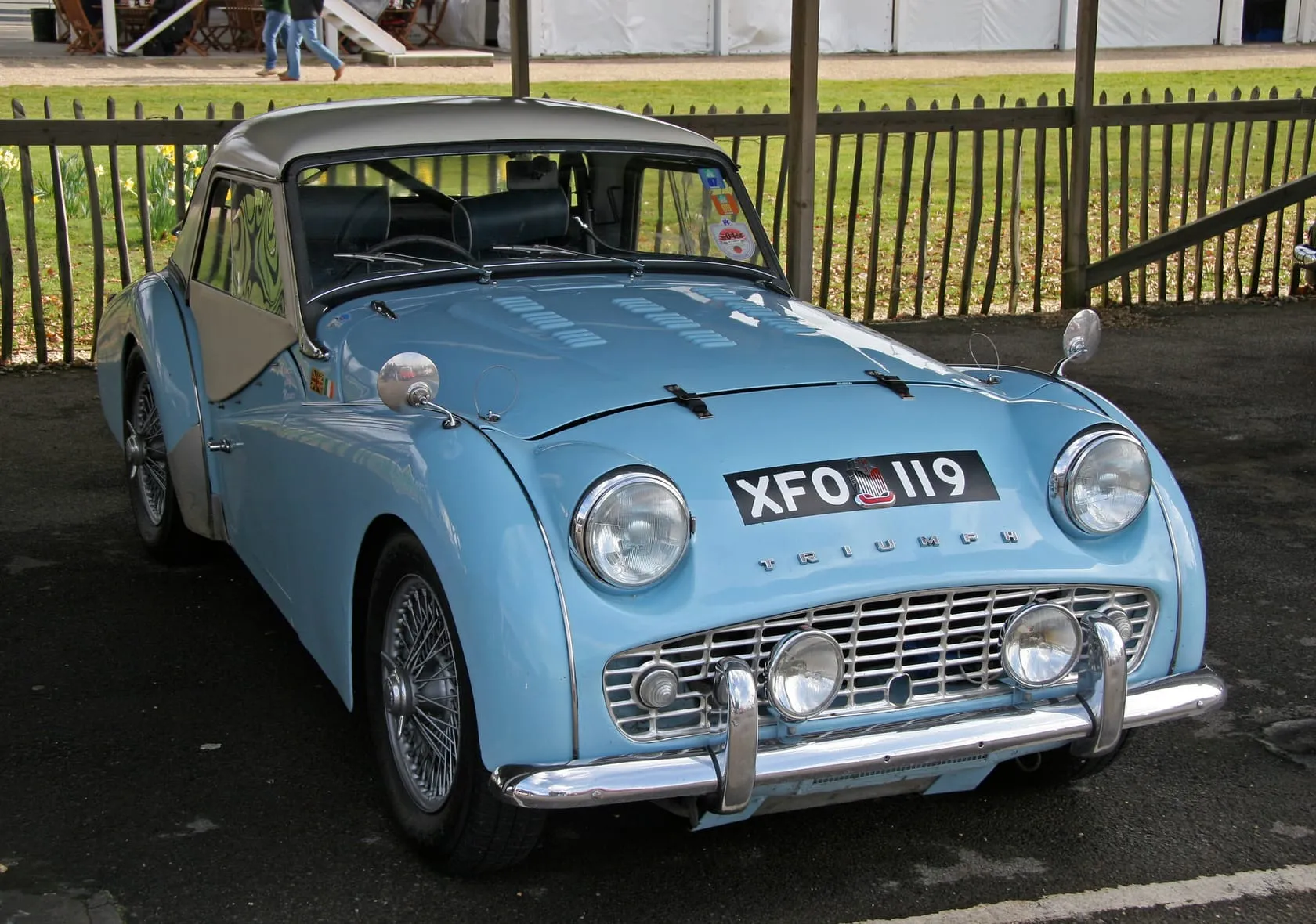
The Triumph TR3 was the rugged side-screen sports car that made Triumph's name in America, and in 1956 it became the first British series-production car fitted with front disc brakes. A guide to telling the TR3, TR3A and TR3B apart, what they are like to drive, and what to check when buying.
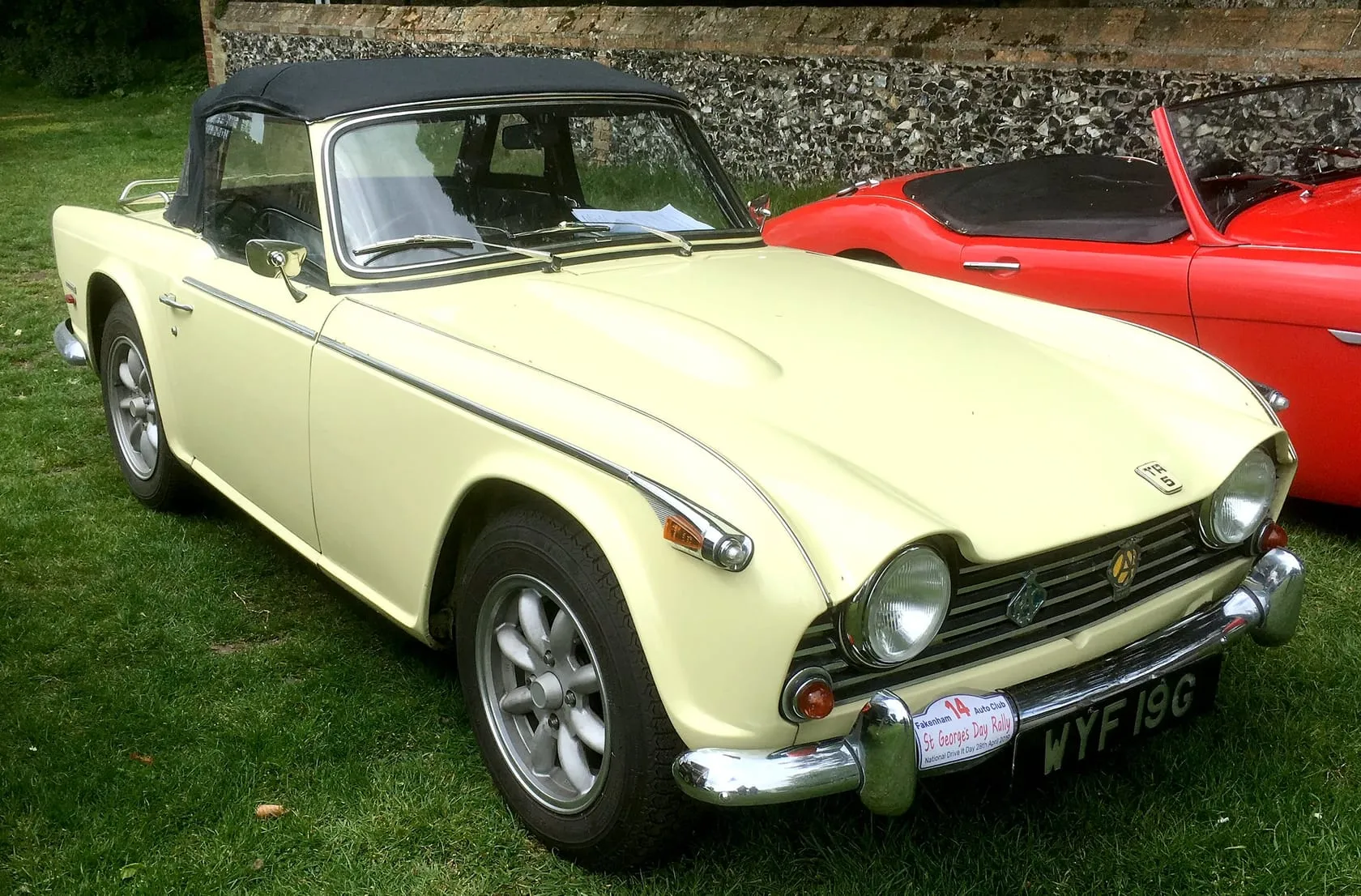
The Triumph TR5 was built for barely a year and only 2,947 were made, which makes it the rarest of the mainstream TRs and one of the most valuable. It was the first six-cylinder TR, with 150 bhp from a Lucas fuel-injected 2.5-litre straight-six wrapped in the familiar TR4 body. A guide to the TR5 versus the American TR250, what to look for, and what they are worth.
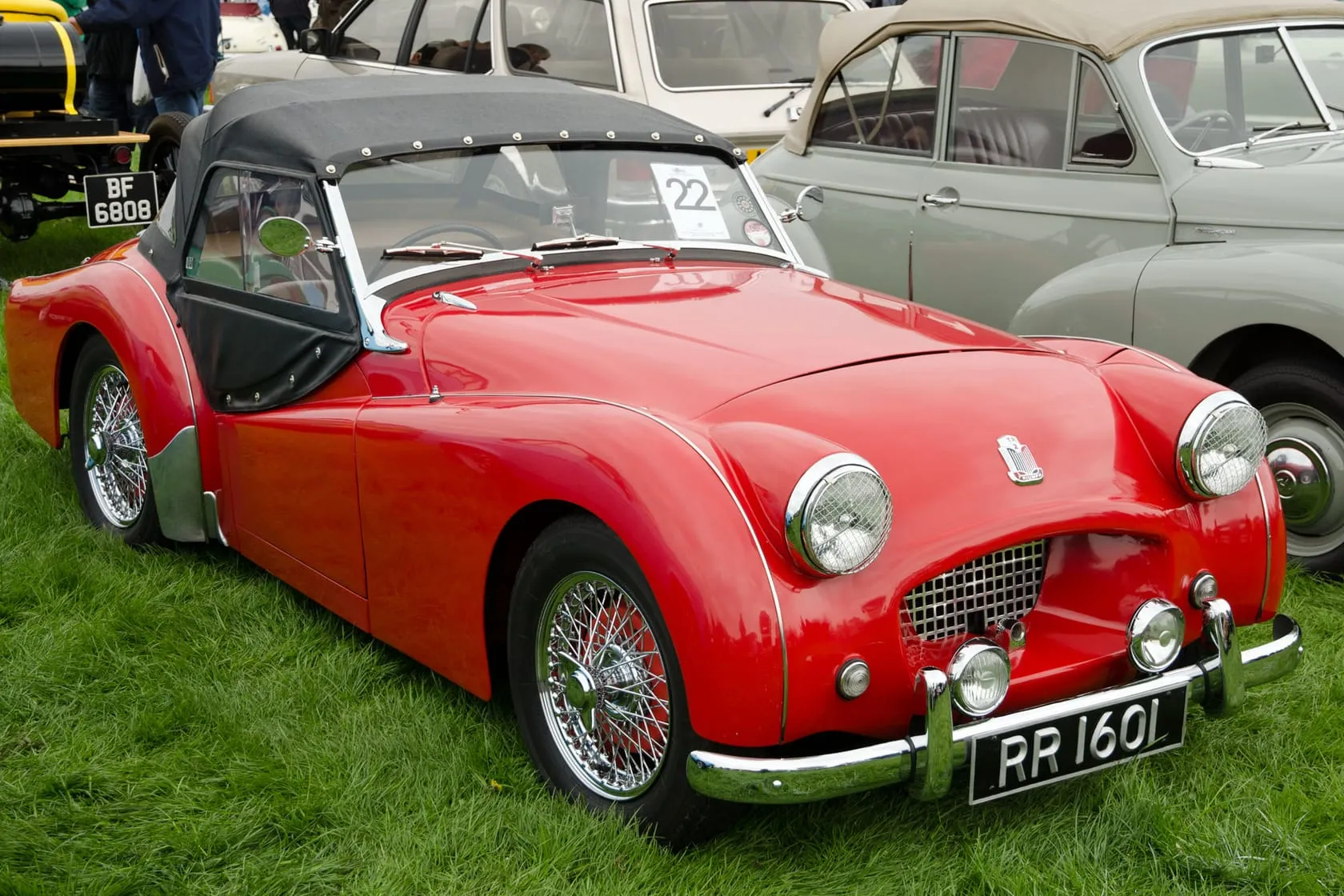
The Triumph TR2 launched the TR sports-car line in 1953 and made its name on a single claim, that it was the cheapest production car of its day able to top 100 mph. A rugged, basic, separate-chassis roadster with a torquey Standard four, it is now the rarest and most vintage-feeling of the side-screen TRs. A guide to the long-door and short-door cars, owning one, and values.
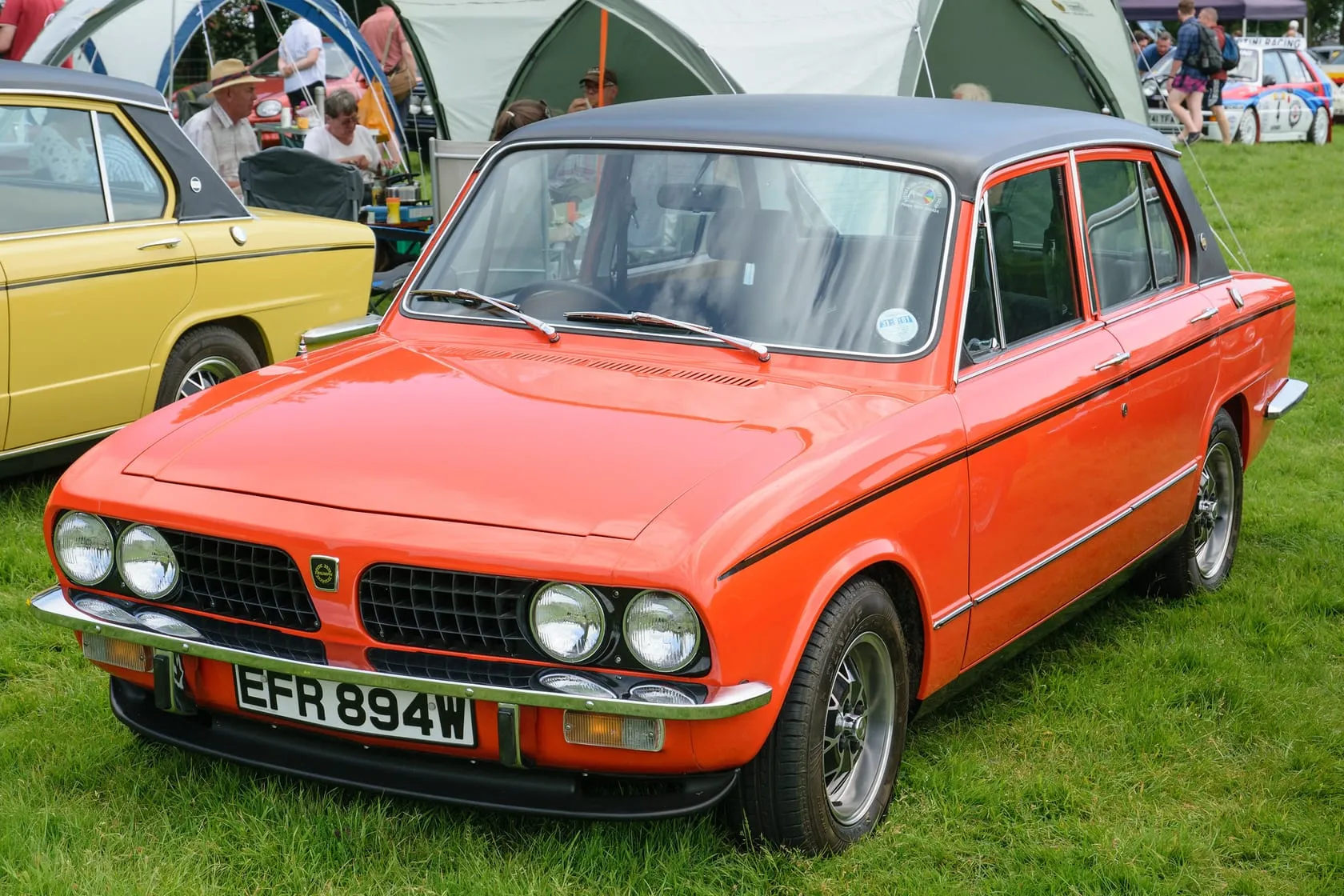
The Triumph Dolomite Sprint was British Leyland's answer to the BMW 2002, a compact sporting saloon whose clever single-cam 16-valve engine reached the mass market a decade ahead of the rest, and the first British car with alloy wheels as standard. A guide to the engineering, the racing success, what to look for when buying, and what they are worth.
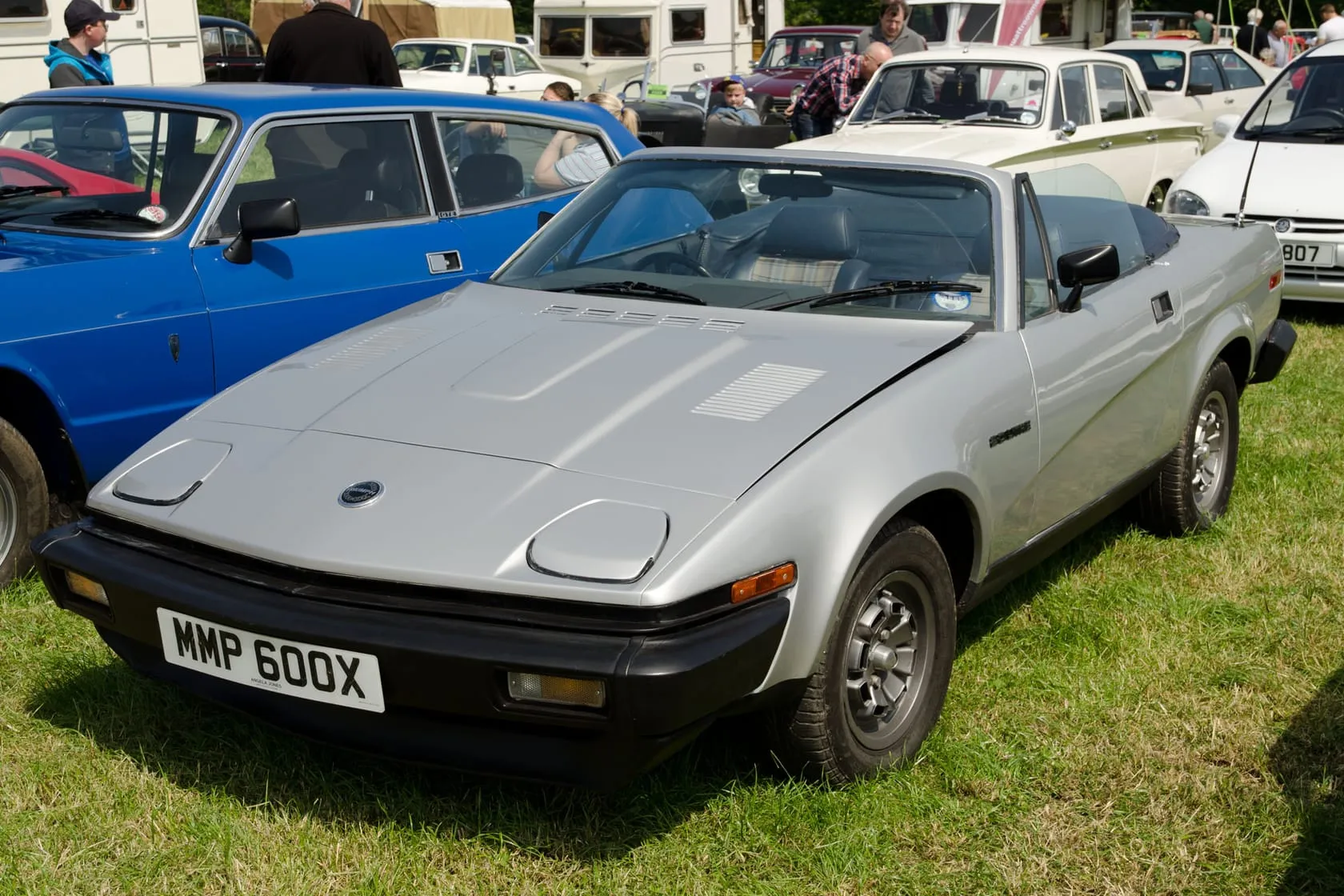
The Triumph TR7 dropped the TR formula for a sharp Harris Mann wedge and became the best-selling TR of all, and the Rover-V8 TR8 gave the line its farewell muscle. A guide to coupe and convertible, the factories and the quality story, the rare TR8, and what to check before buying one.
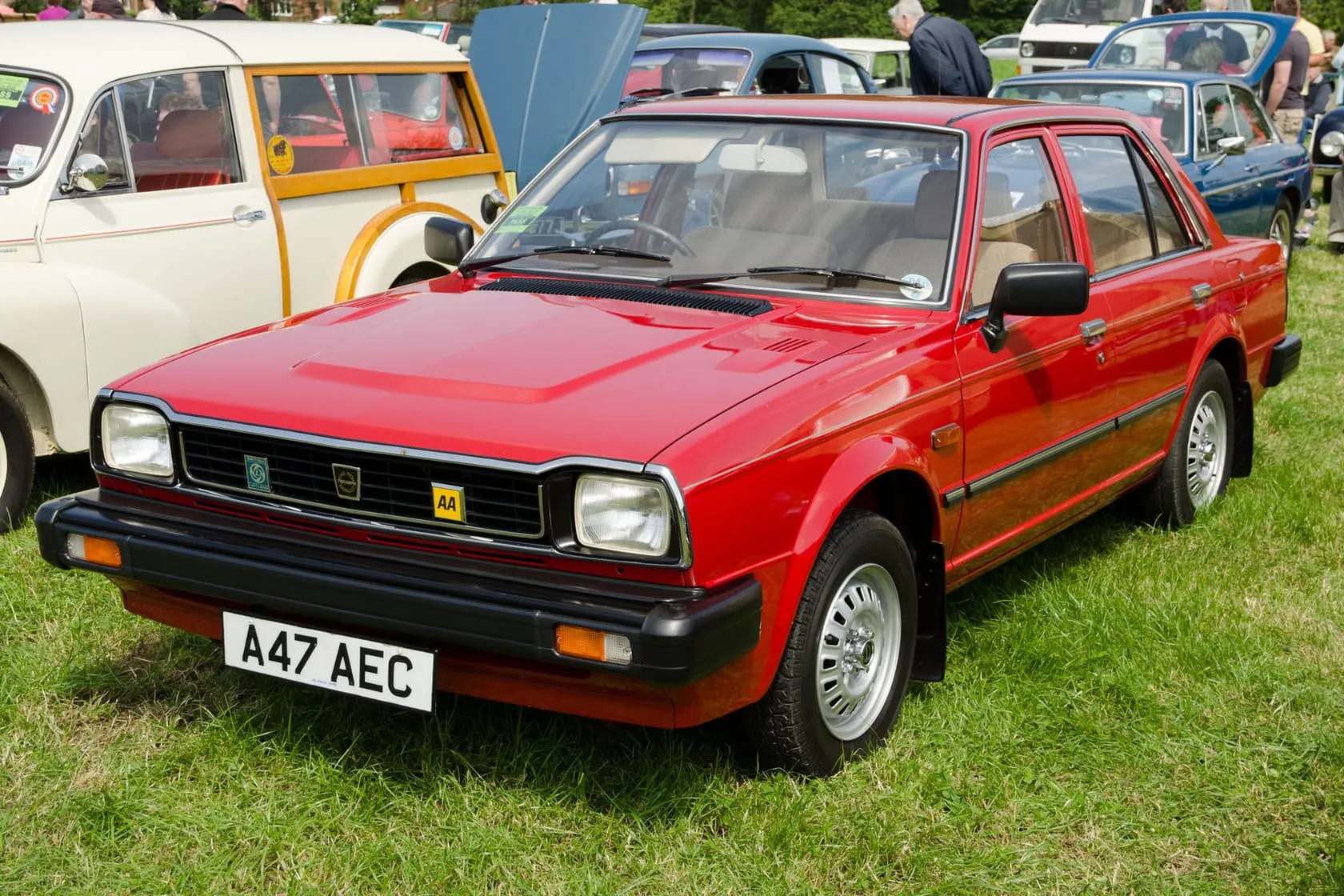
The Triumph Acclaim was a Honda Ballade built by British Leyland at Cowley, the deal that began the Honda-Rover era and the last car ever to wear the Triumph badge. A guide to the Acclaim's unlikely story, the trims and Triomatic, why so few survive, buying checks and values.
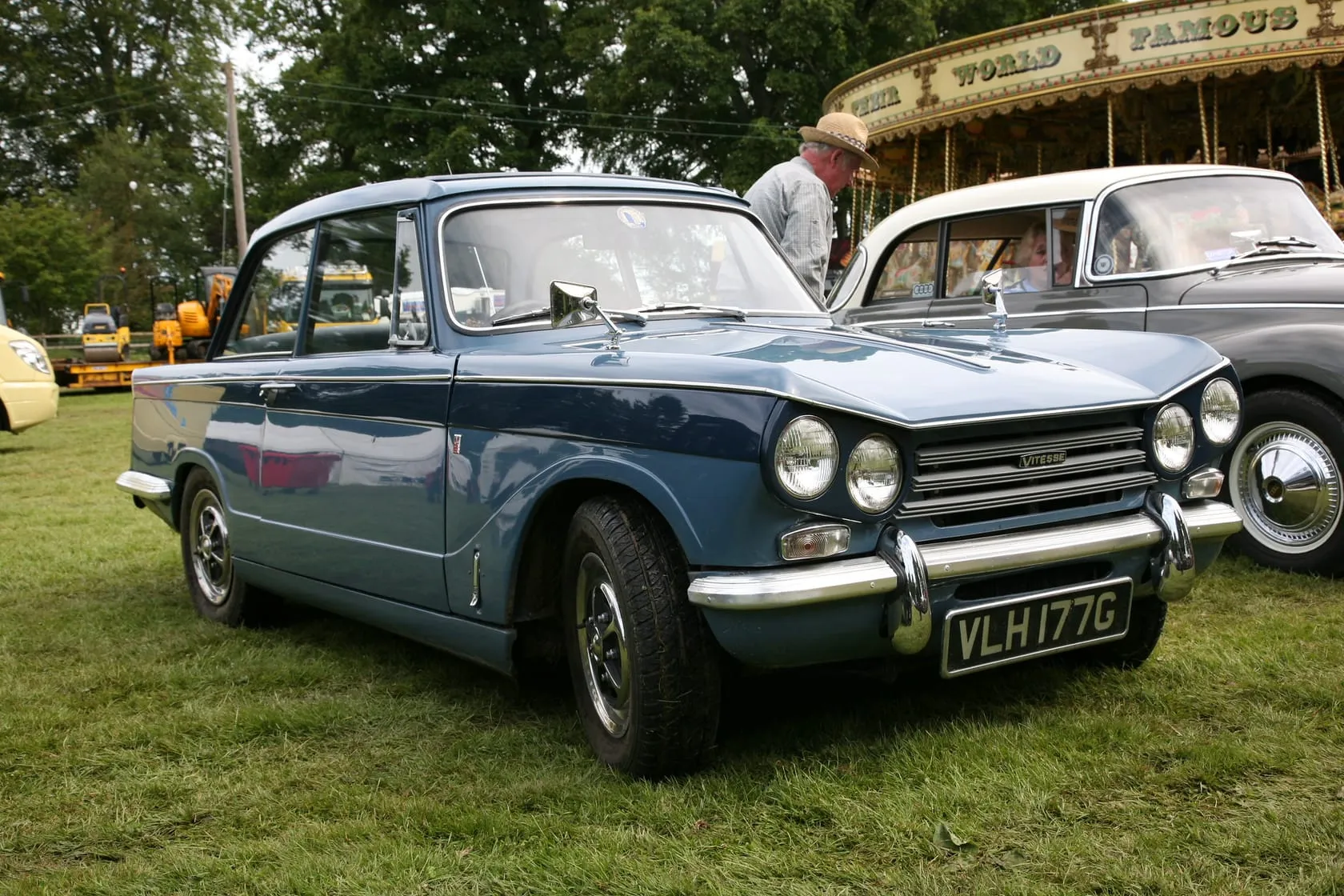
The Triumph Vitesse dropped a smooth six into the Herald's bolt-together chassis, wore a four-lamp slant-eyed face and became Britain's most affordable six-cylinder convertible. A guide to 1600 and 2-Litre, the swing-axle saga and its Mk2 cure, saloon versus convertible, buying checks and values.
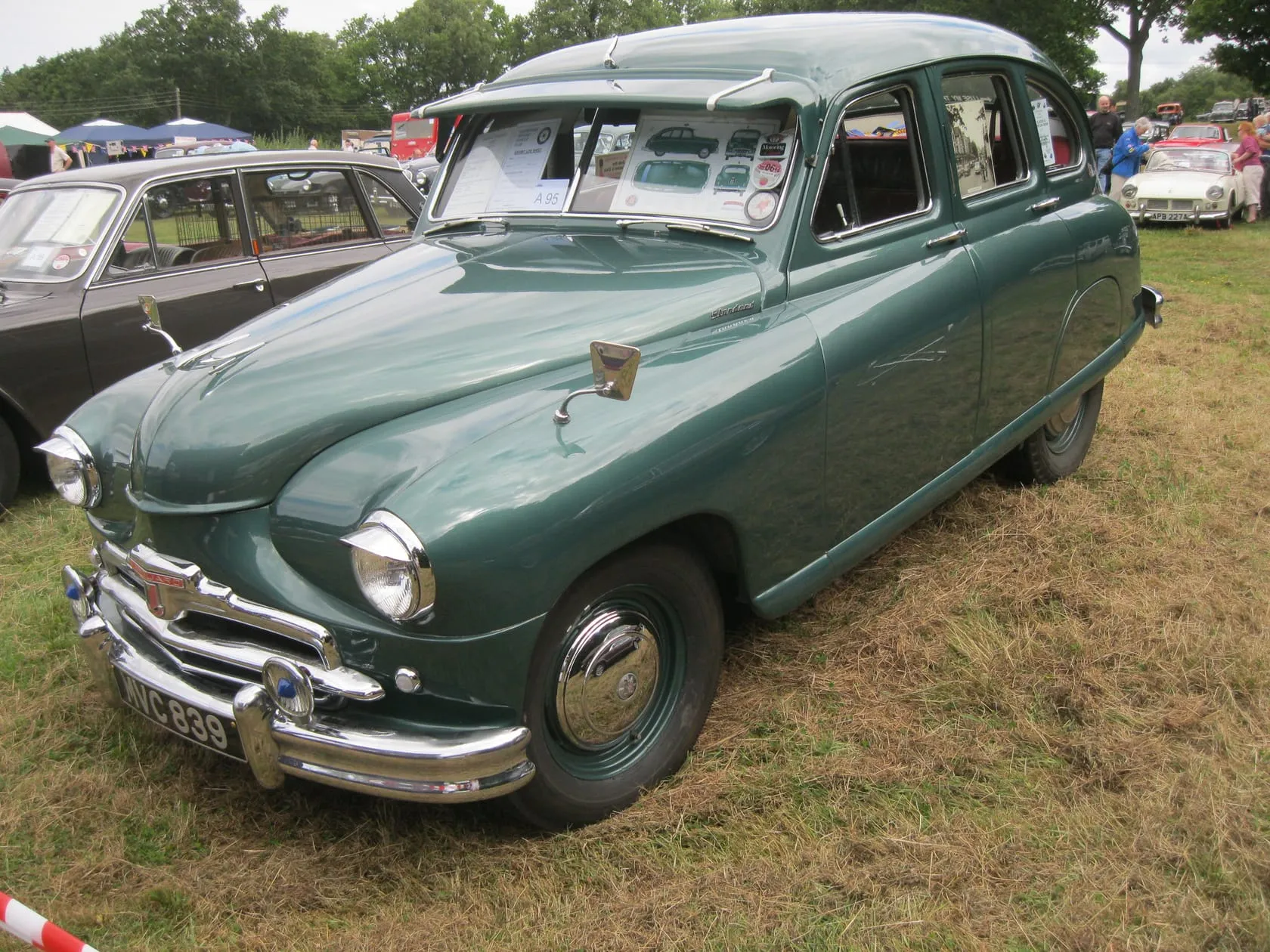
The Standard Vanguard was post-war Britain's one-model gamble, a beetle-backed export machine whose wet-liner engine also powered the Ferguson tractor and the Triumph TR sports cars. A guide to the three phases, the Standard name's fate, the Triumph connection, what to check when buying, and what a Vanguard costs today.
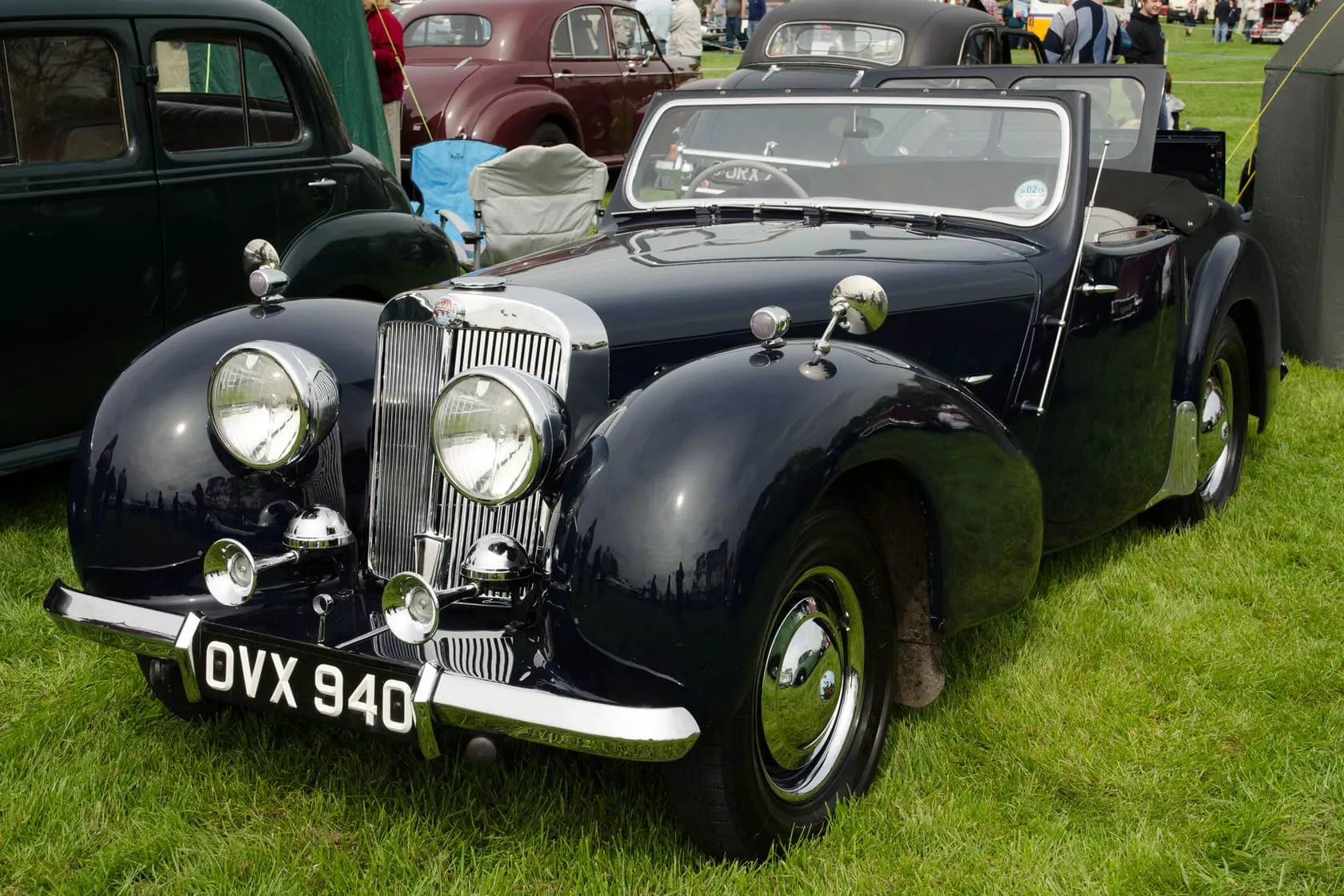
The Triumph Roadster of 1946 carried the last production dickey seat in the world, borrowed its engines from Jaguar and the Vanguard, and found lasting fame as Bergerac's car. A guide to the 1800 and 2000 Roadsters, the television legend, buying checks and values.
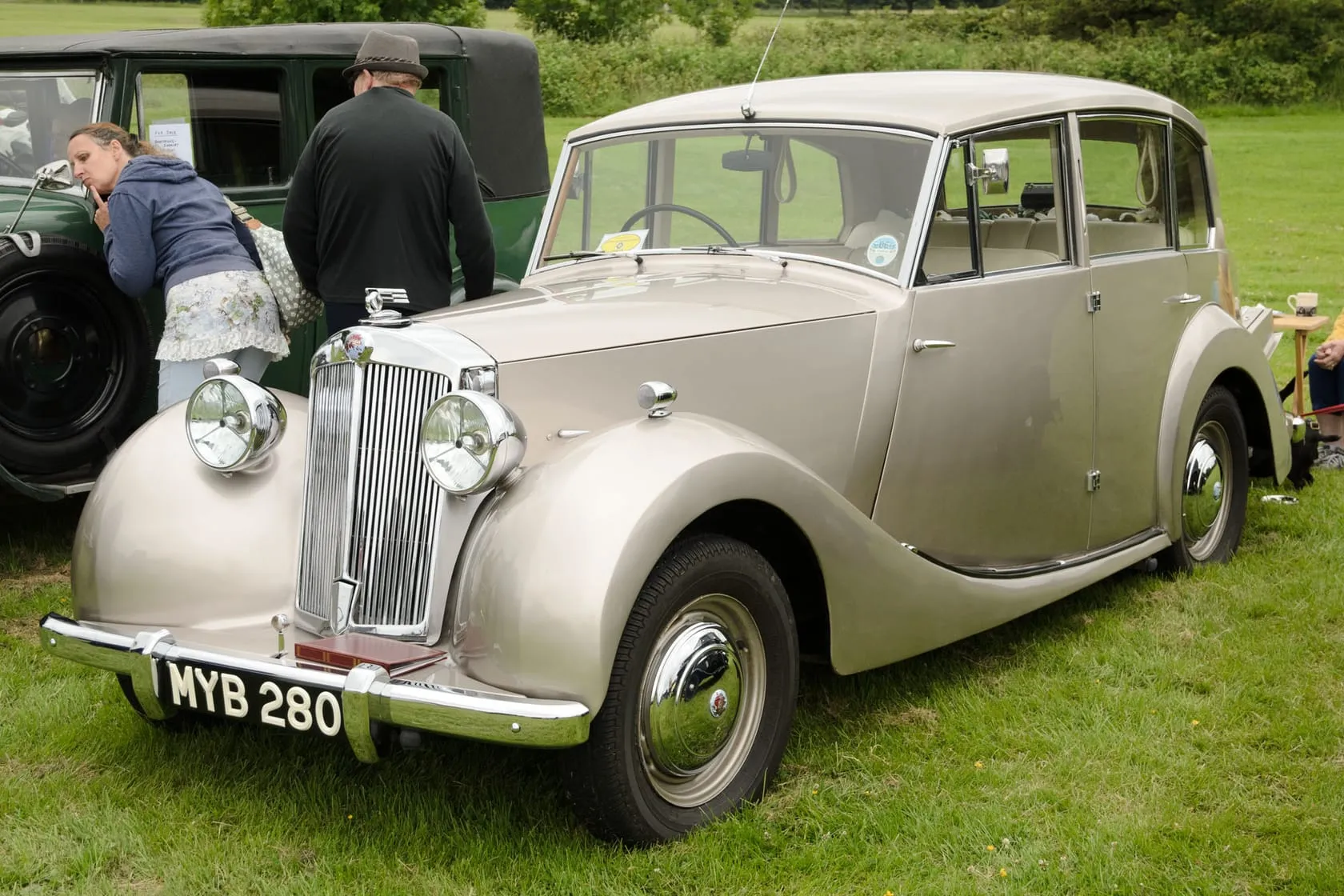
The Triumph Renown dressed sturdy Vanguard mechanicals in coachbuilt razor-edge styling that looked like a Bentley at a fifth of the price. A guide to the razor-edge saloons, the 1800 that started it, the rare limousine, buying checks and values.
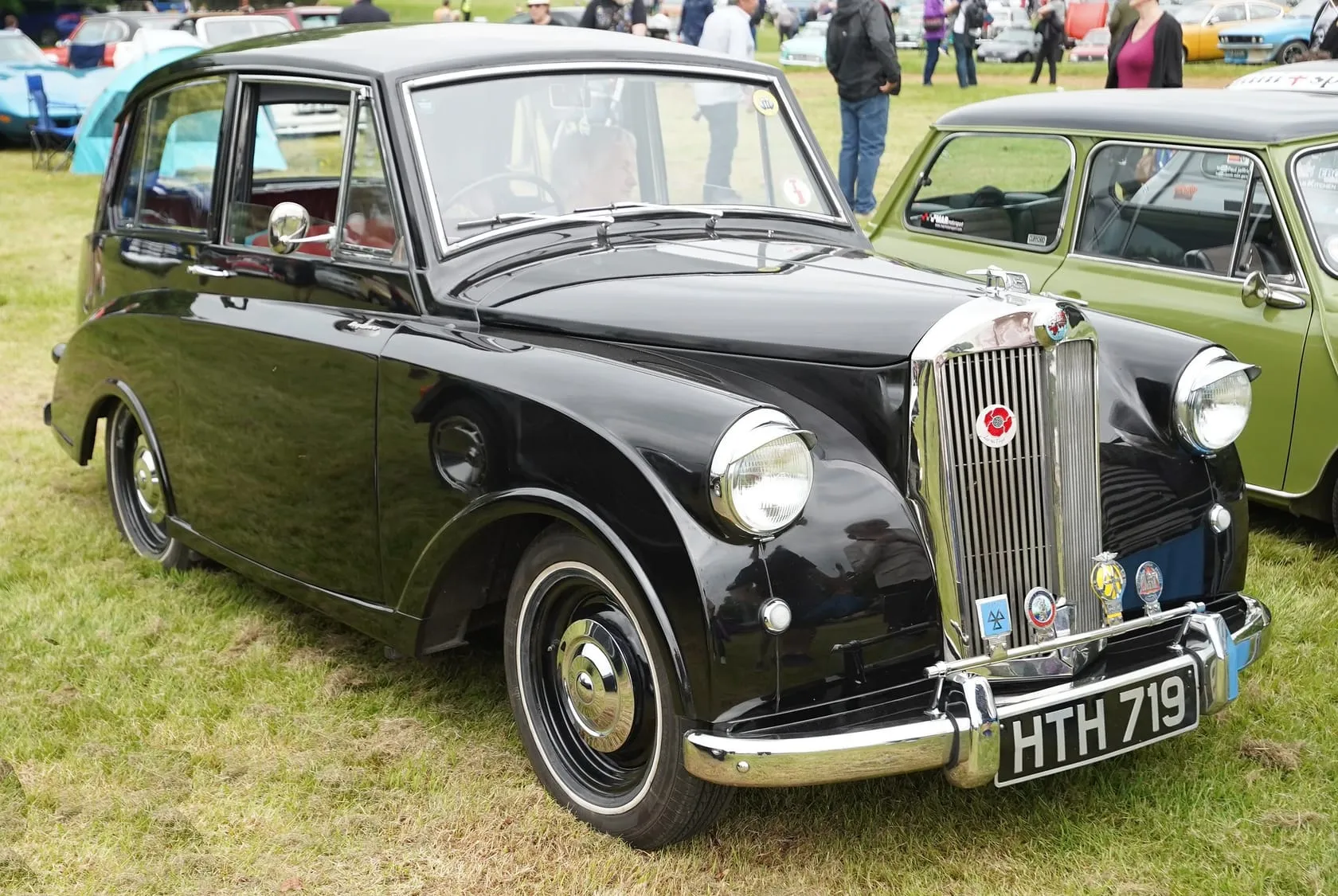
The Triumph Mayflower shrank razor-edge limousine styling onto a ten-horsepower small car, aimed it at America and became one of the most argued-about shapes in British motoring. A guide to the little razor-edge, its transatlantic gamble, buying checks and values.
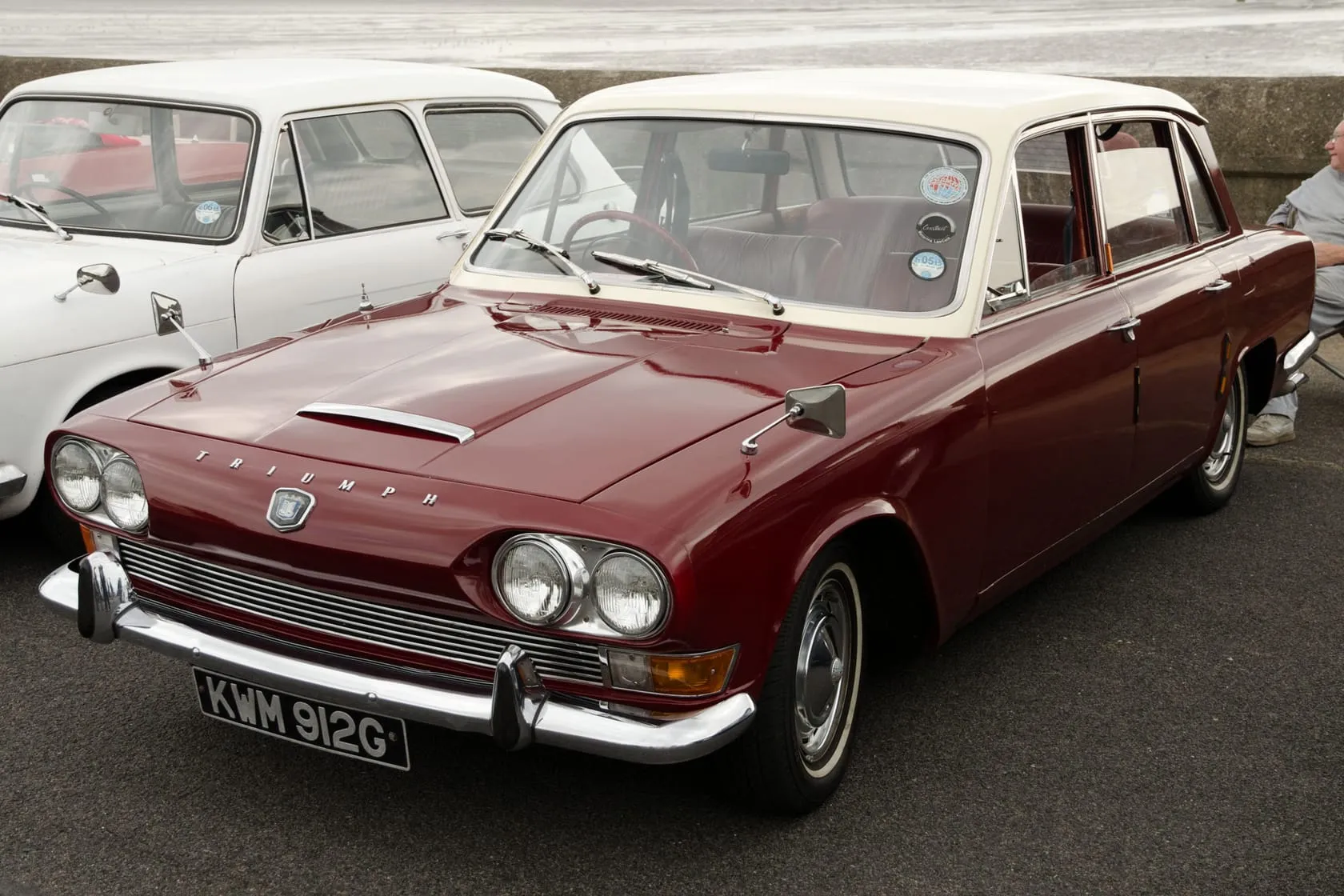
The Triumph 2000 launched in the same October week as its great Rover rival and between them they invented the British executive saloon. A guide to the Michelotti 2000 and 2500 family, the pioneering PI, the estates and rally cars, buying checks and values.
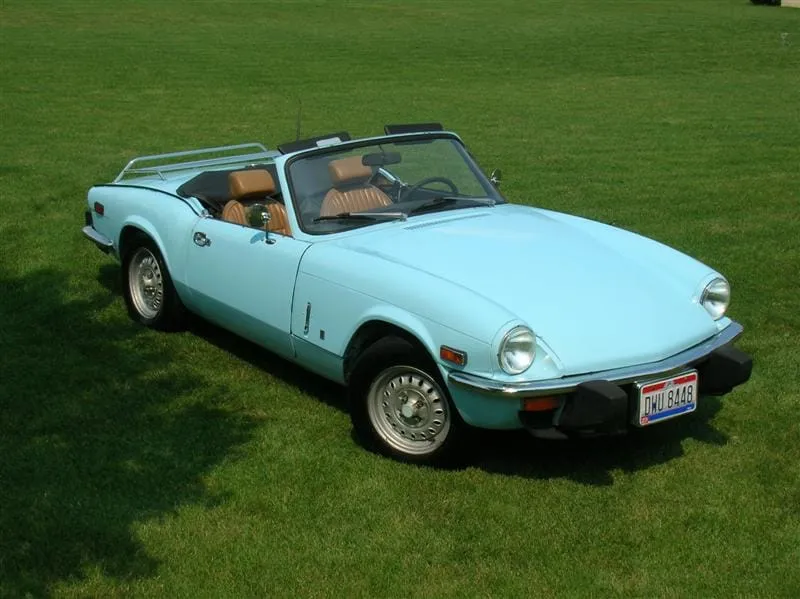
One of the best reasons to own a classic Triumph is how well it is supported. A practical guide to Triumph parts availability by model, the kinds of specialists and club spares schemes that serve the marque, what restoration involves for the separate-chassis cars and the trickier engines, and how the cars are insured.
The classic Triumph TR roadsters run from the side-screen TR2 of 1953 to the muscular TR6 of the 1970s, and they are very different cars to live with. A plain-English guide to the differences between the TR2, TR3, TR4, TR4A, TR5 and TR6, what each is like to own, what they cost, and how to choose the right one.
Jaguar
17 guides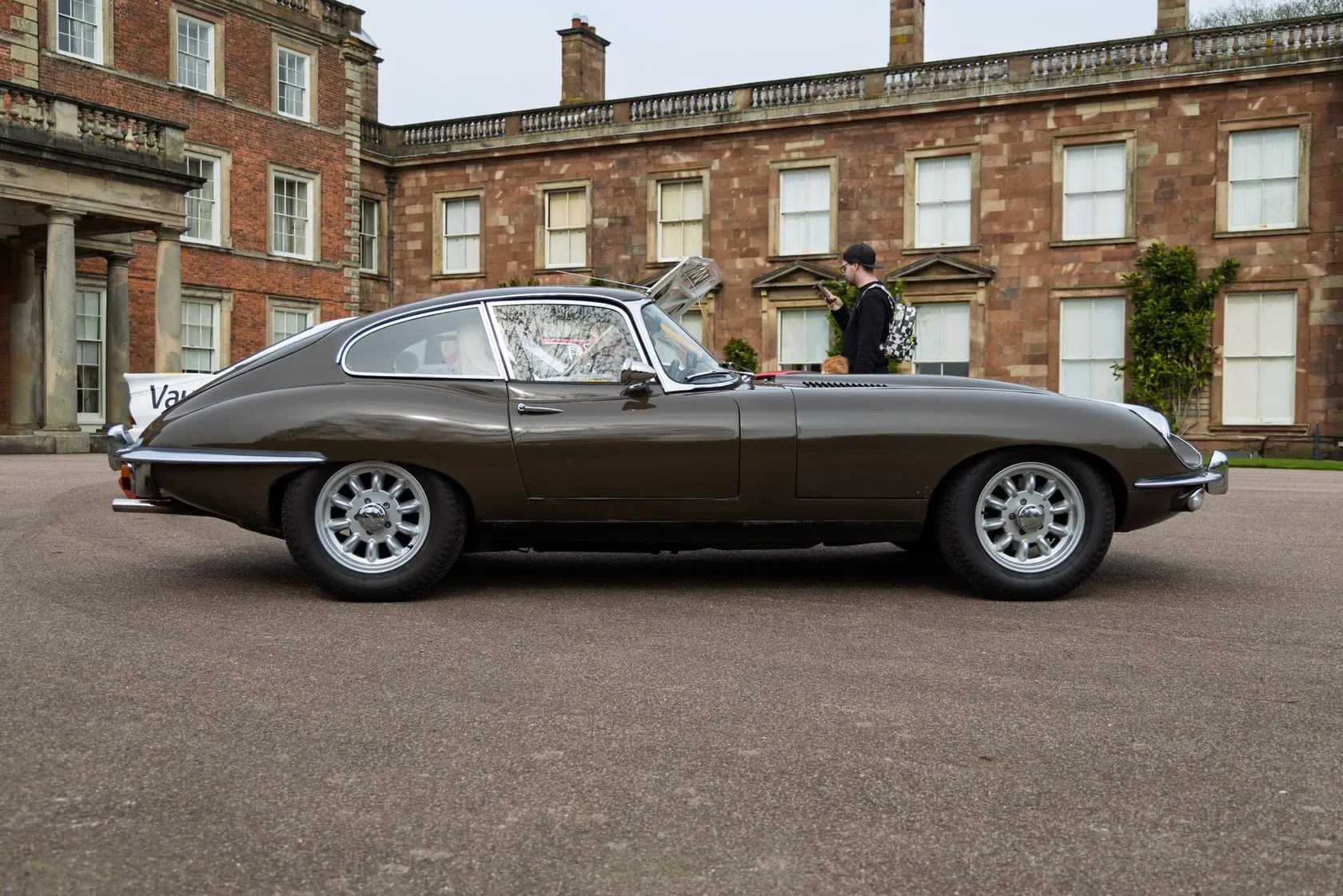
Jaguar built cars that looked and felt like they cost twice the money, from the XK120 and the E-Type to the Mk2 and the XJ6, and won Le Mans along the way. A guide to the classic Jaguars worth knowing, what each one is like to own and run now, and where it sits in the marque's story.
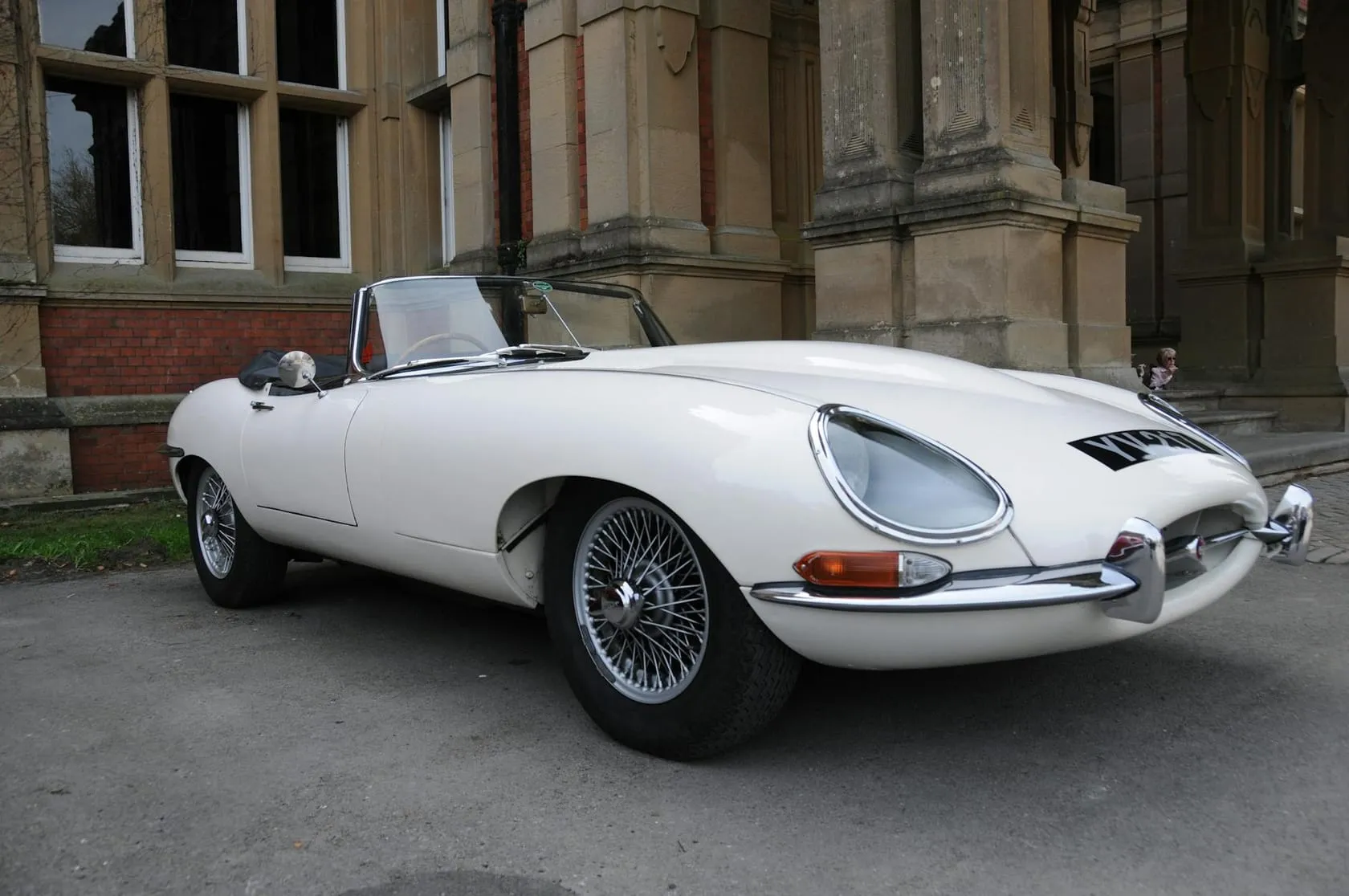
The Jaguar E-Type was the most beautiful car of its age and one of the fastest, and it ran from the covered-headlamp Series 1 to the V12 Series 3 across fourteen years. The development story, the differences between the series, the myths sorted from the facts, and what the survivors are like to buy now.
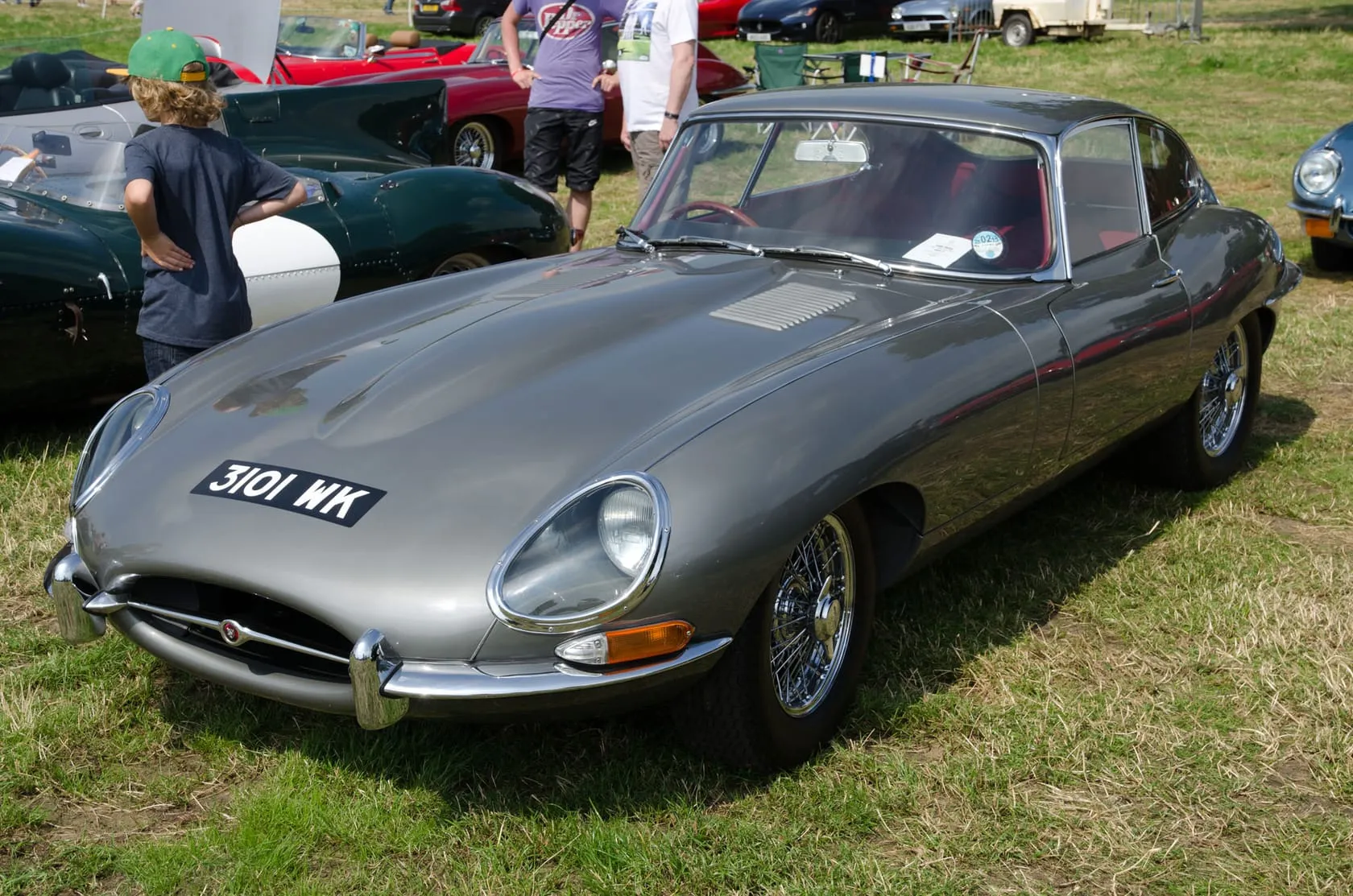
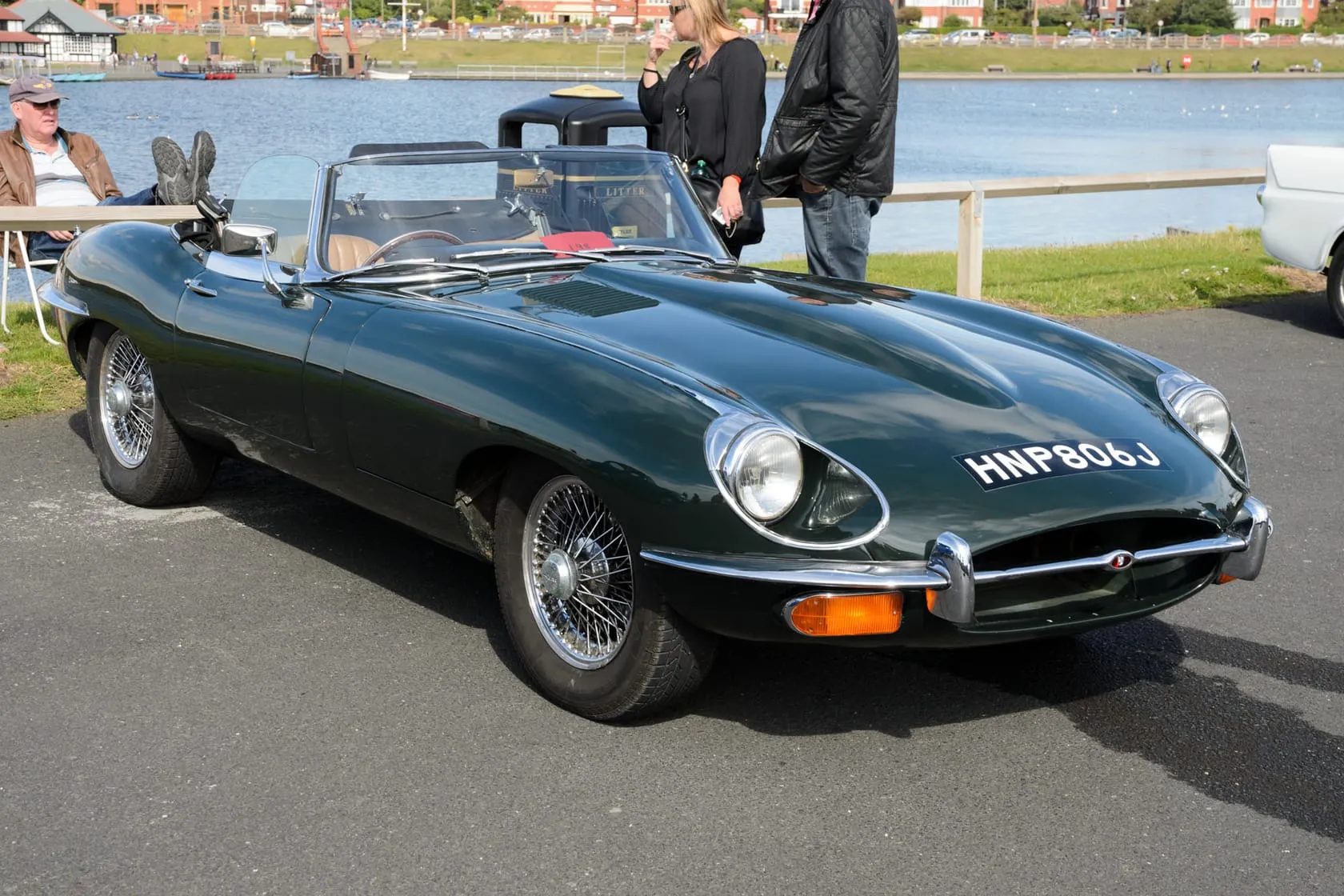
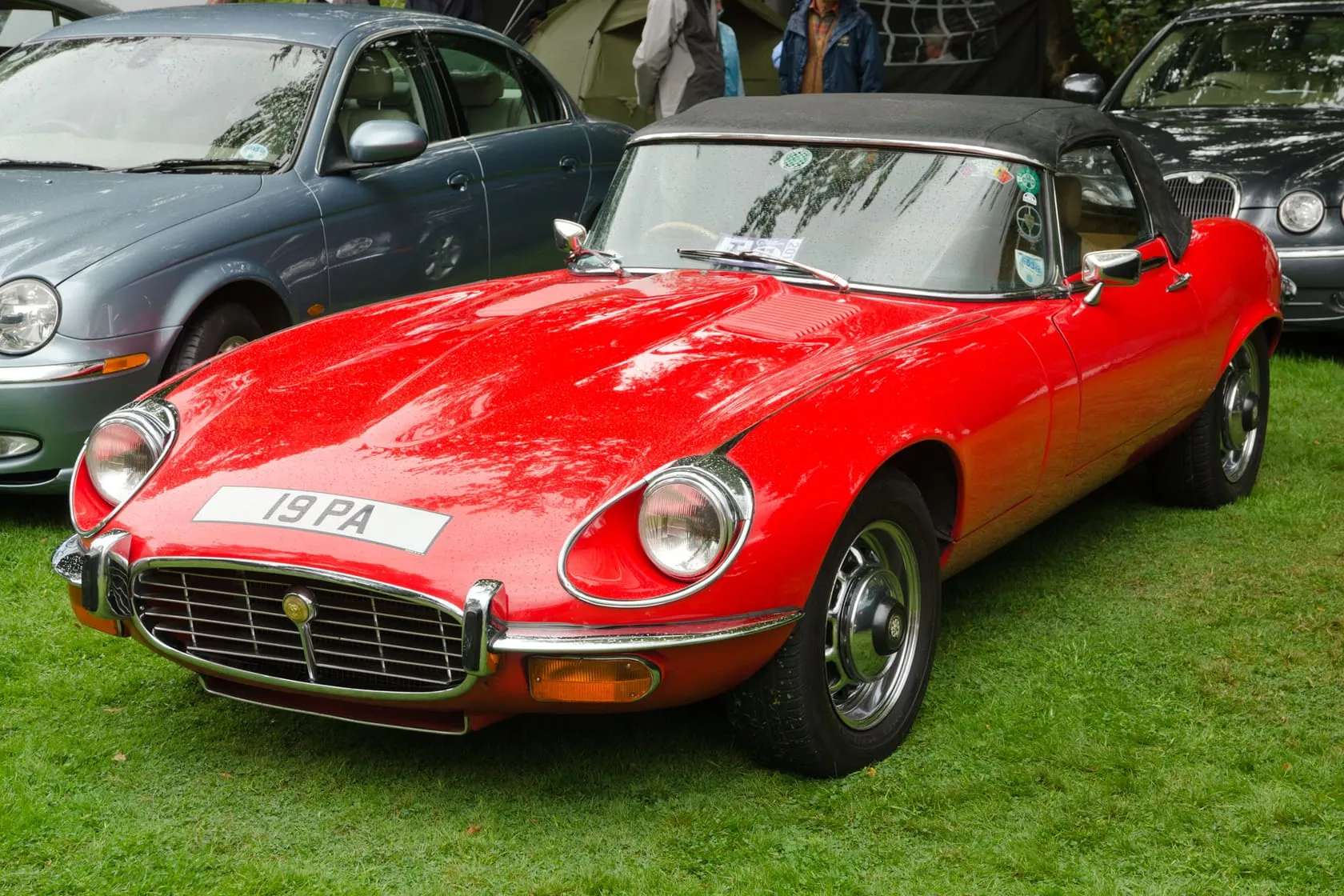
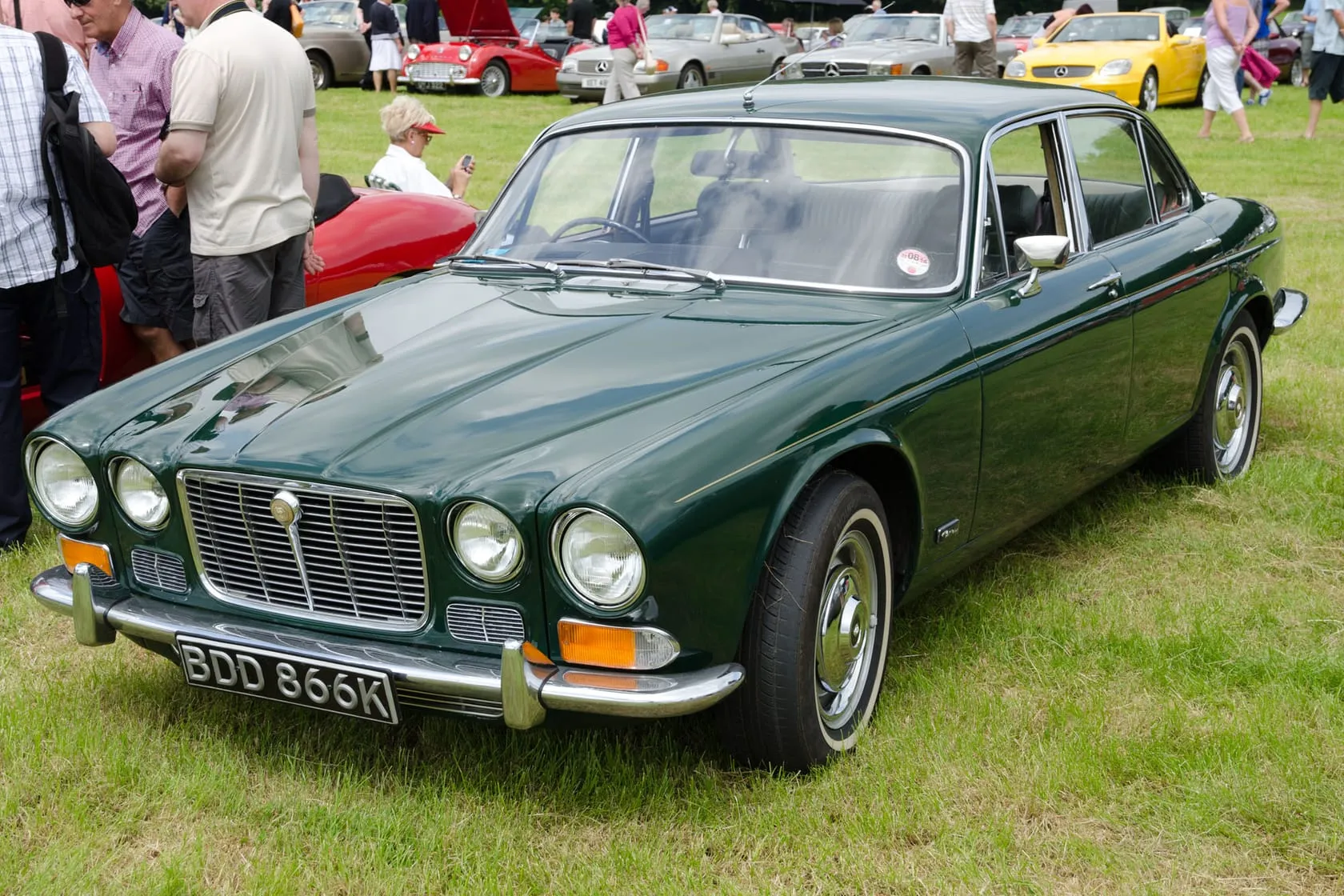
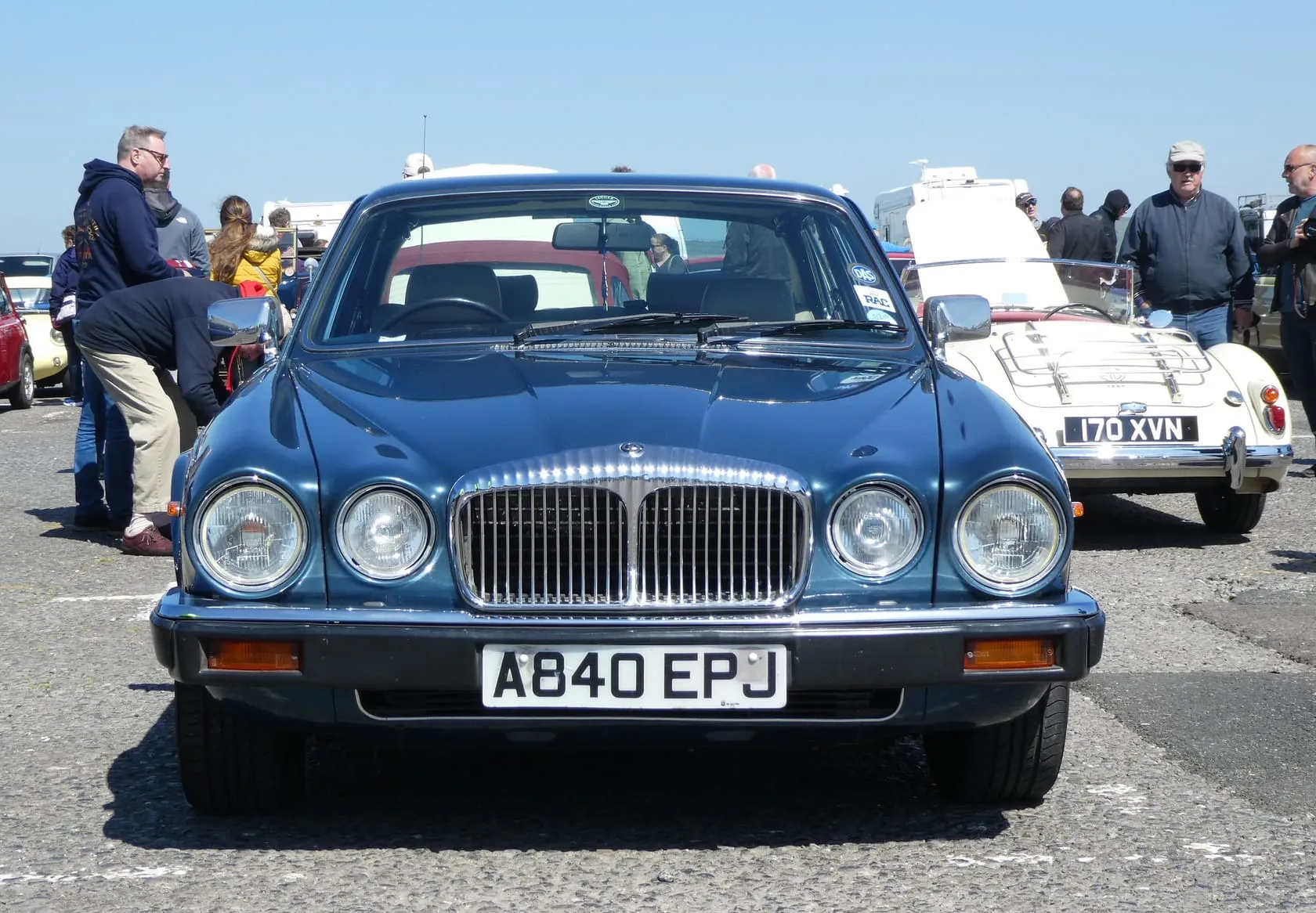
The XJ6 of 1968 replaced Jaguar's entire saloon range with one car, and the period press could not find anything that drove better at any price. The three series, the smooth XK six and the V12, the Daimler siblings, and what to look for when buying the last Jaguar saloon designed under William Lyons.
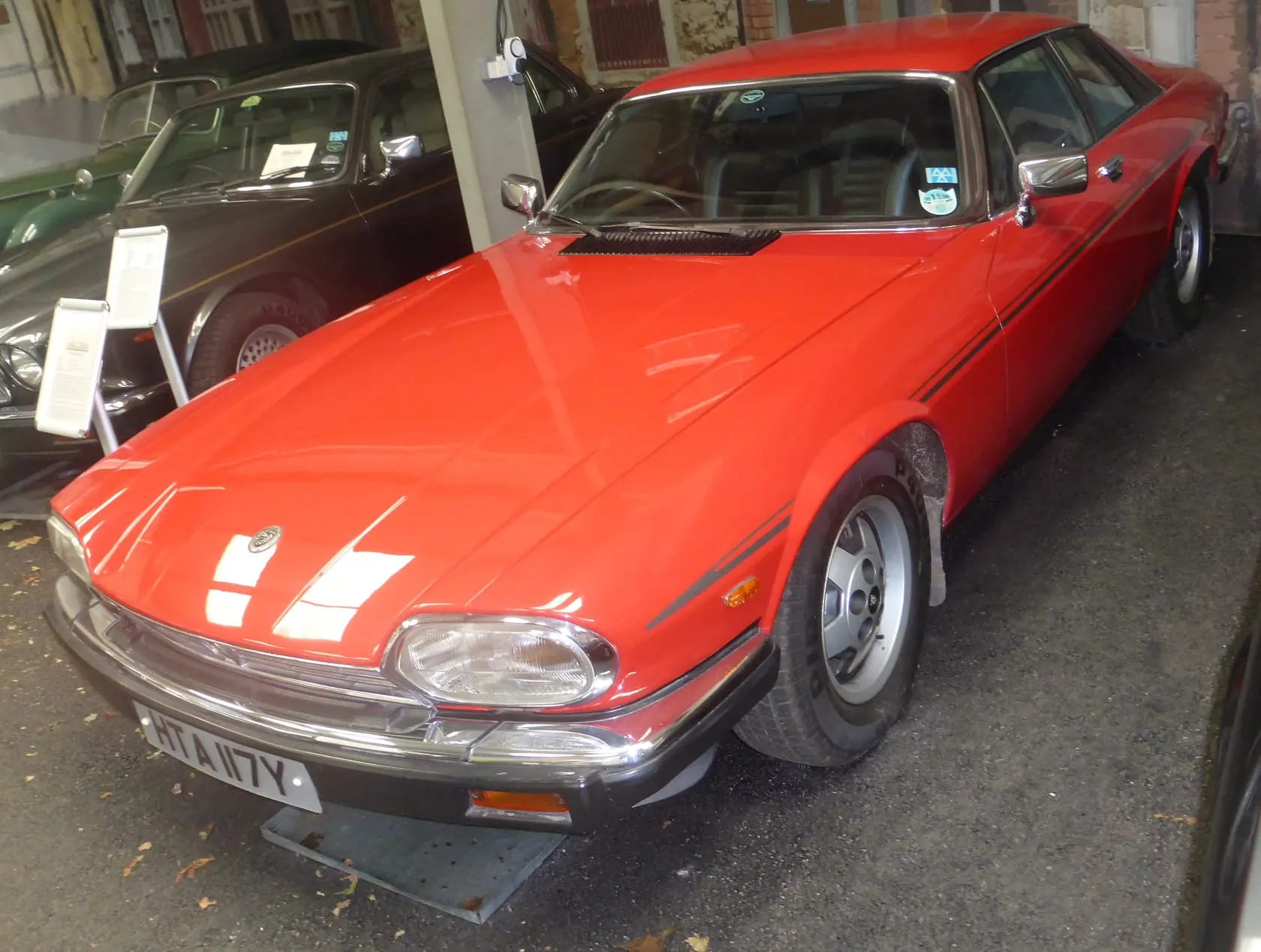
The XJS was never meant to be an E-Type, and the long, controversial grand tourer divided opinion at launch before time turned it into a sought-after classic. The V12 and the six, the cabriolet and the convertible, the TWR racing cars, and what to look for when buying one now.
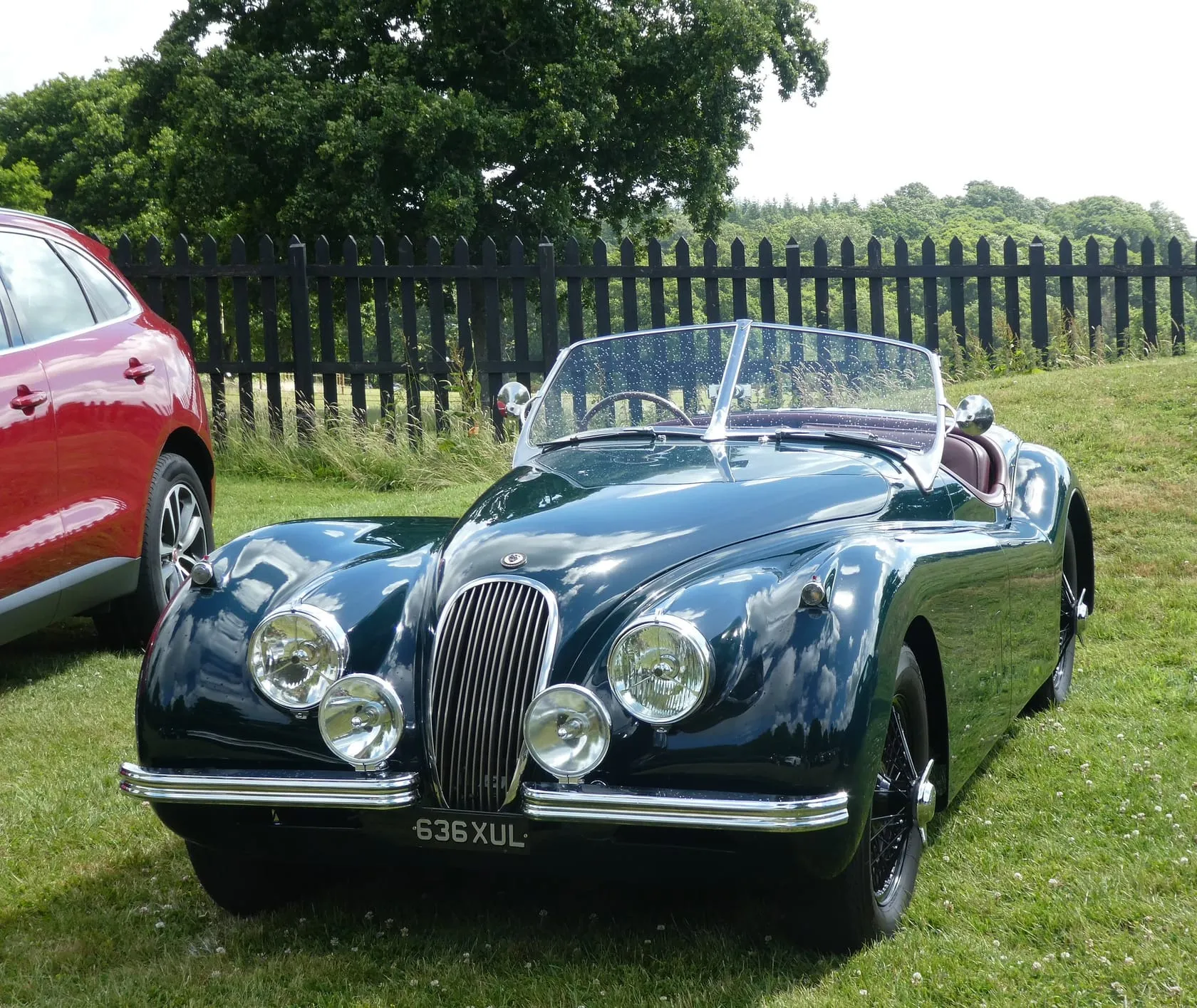
The XK120 was meant to be a low-volume showcase for Jaguar's new twin-cam engine and became a sensation, billed as the fastest production car in the world. The Jabbeke speed runs, the aluminium and steel cars, the body styles and the famous XK engine, and what to look for when buying one.
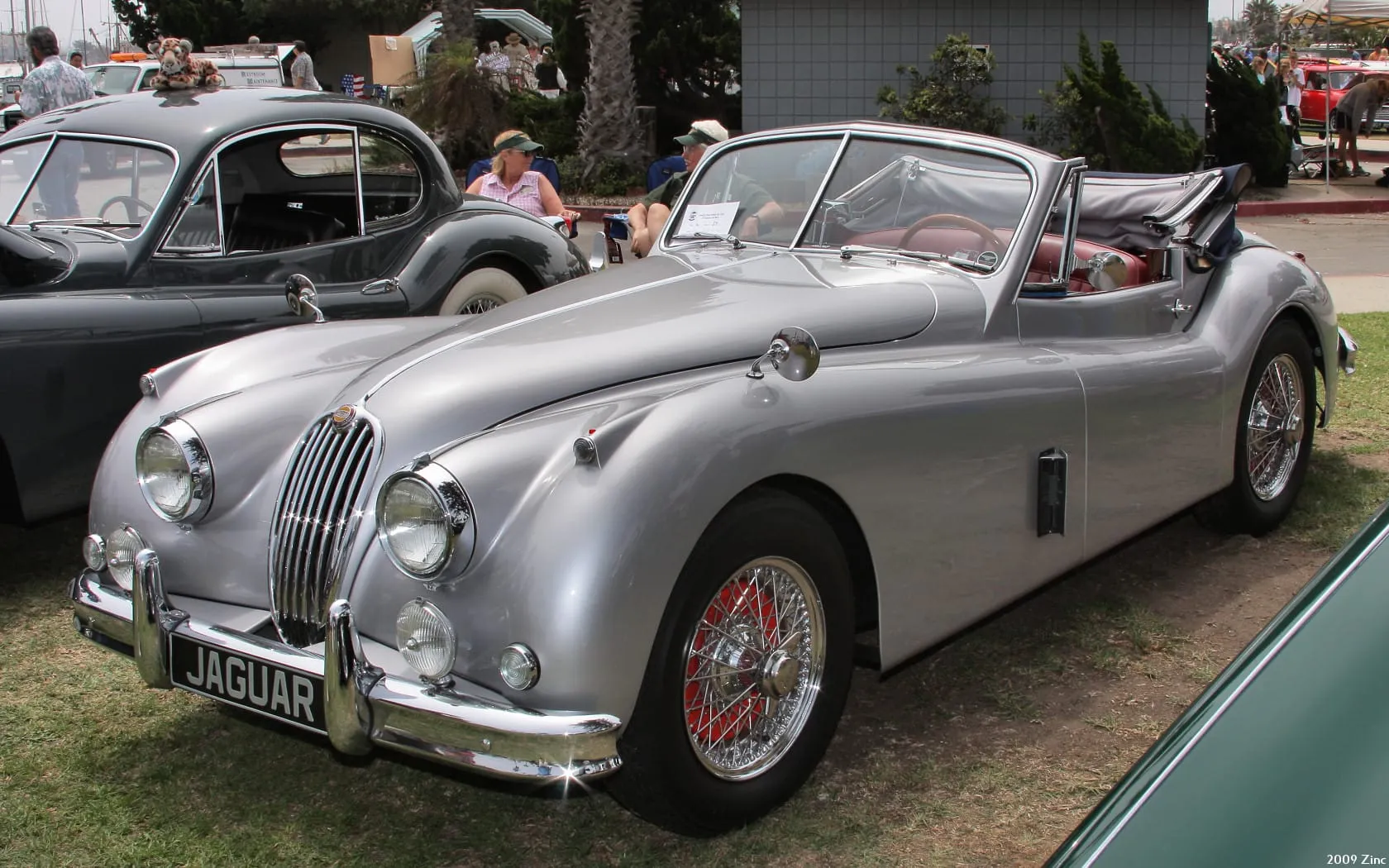
The Jaguar XK140 took the sensational XK120 and fixed everything owners had grumbled about, rack-and-pinion steering, cabin room, cooling, without losing the looks or the pace. A guide to the roadster, drophead and fixed head coupe, the SE upgrades, what year XK to avoid and why, and what to check before buying one.
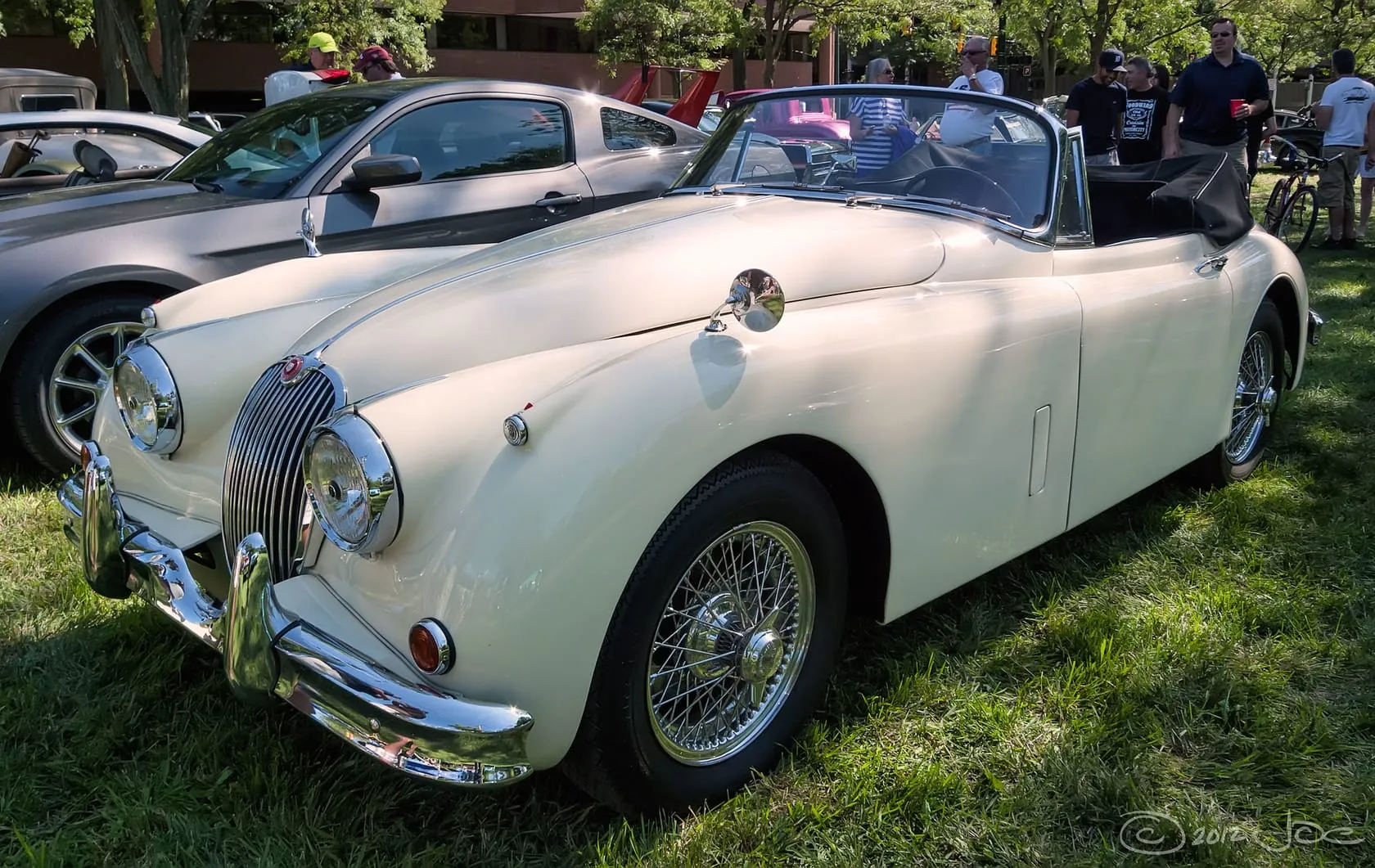
The Jaguar XK150 closed the XK story with four-wheel disc brakes, a wider modern body and, in 3.8 S form, the pace that previewed the E-Type. A guide to the 3.4 and 3.8 cars, the S models, how the 150 differs from the XK140, what to check when buying, and what one costs today.
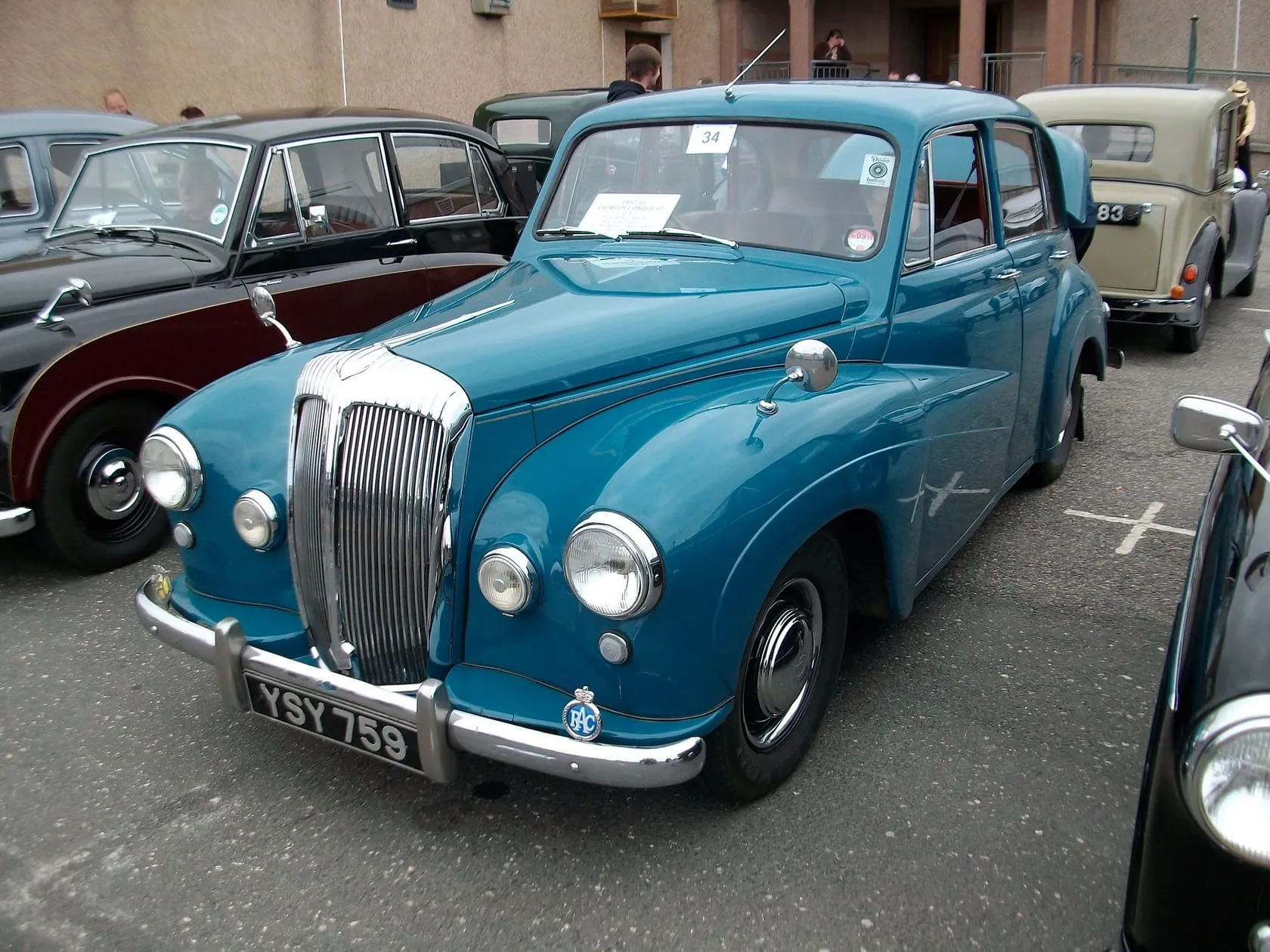
The Daimler Conquest was the grand old marque's mid-1950s bid for the professional classes, a dignified 2.4-litre saloon with Daimler's silken preselector transmission, plus the quicker Century and a startling roadster. A guide to the range, the famous name, what to check when buying, and what a Conquest costs today.
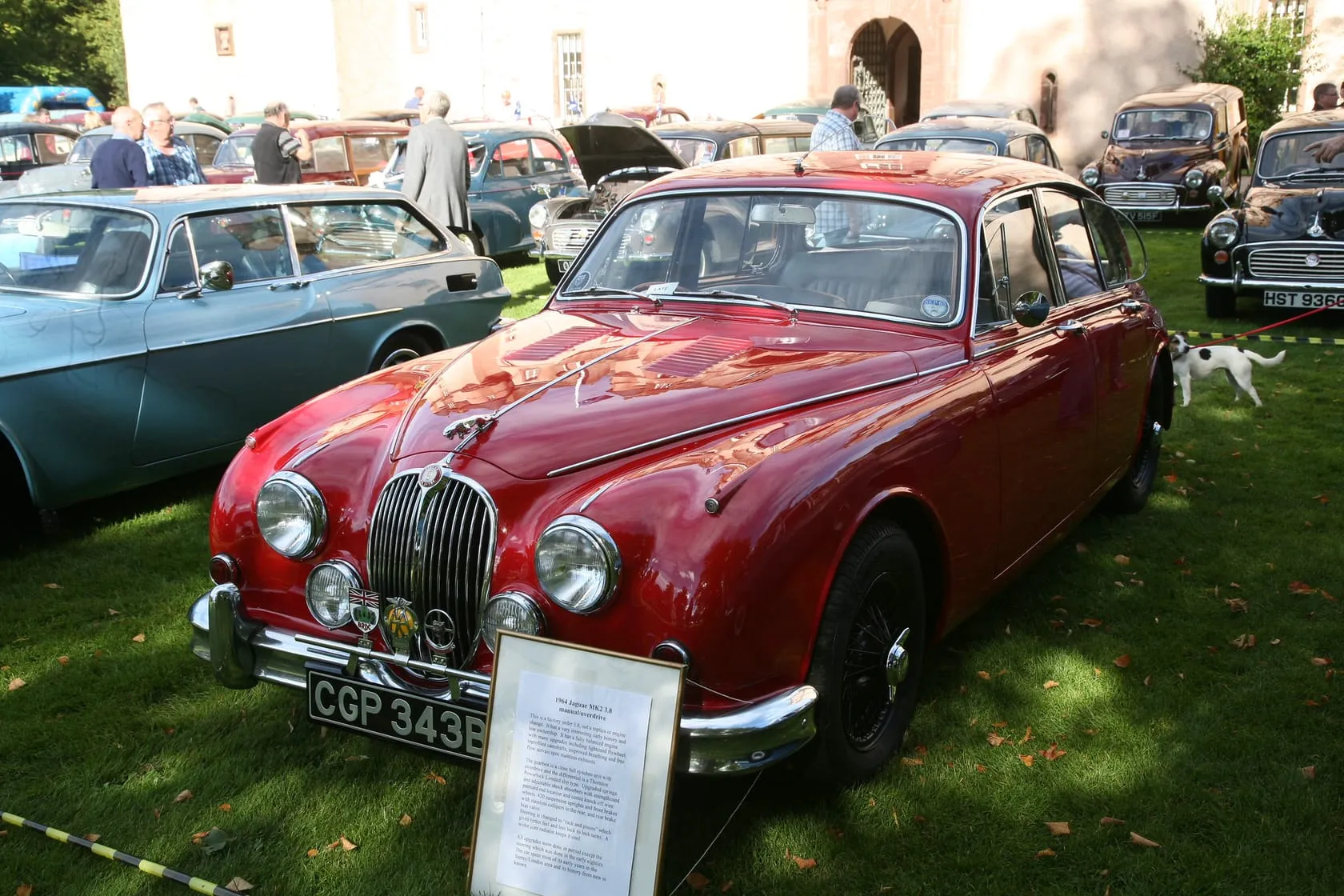
The Mk2 was the compact sports saloon that, in 3.8 form, would see off most sports cars of its day, and it became the definitive 1960s Jaguar, beloved of bank managers, getaway drivers and saloon racers alike. The engines, the Coombs racers, the run-out cars, and what to look for when buying one.
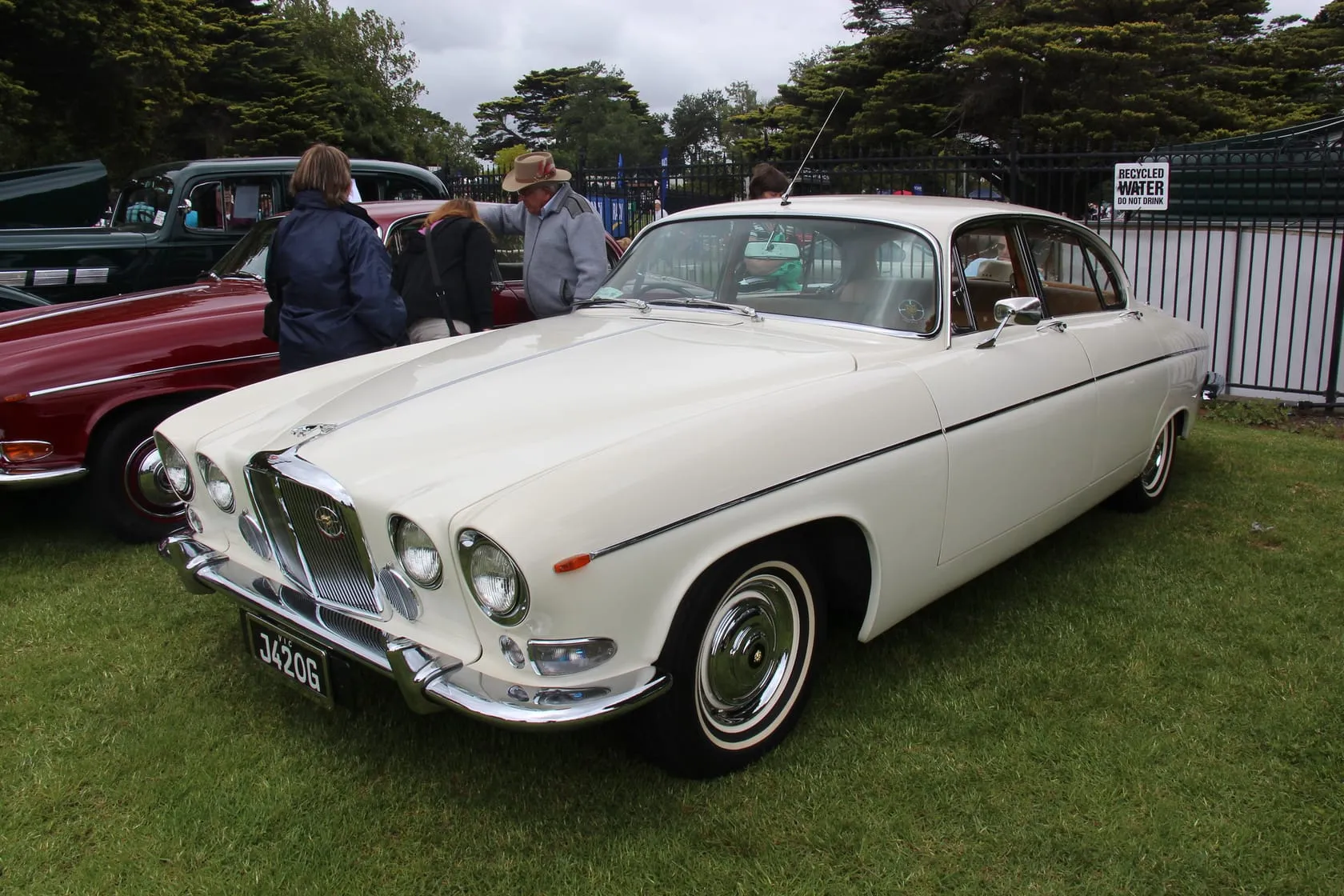
The Jaguar Mk X was the widest car Britain had ever put into production, an E-Type-engined limousine-sized saloon built for America that became the 420G in 1966. A guide to the Mk 10 and 420G, the confusingly-named compact 420, what they are like to run, and what to check before buying one.
The Jaguar XJ series began in 1968 as the saloon that replaced Jaguar's entire range and stayed the company's flagship for four decades. This overview decodes the family, Series 1 to 3, the coupe, the XJ40 and the X300/X308, links to our detailed guides on each, and explains which classic XJ suits which buyer.
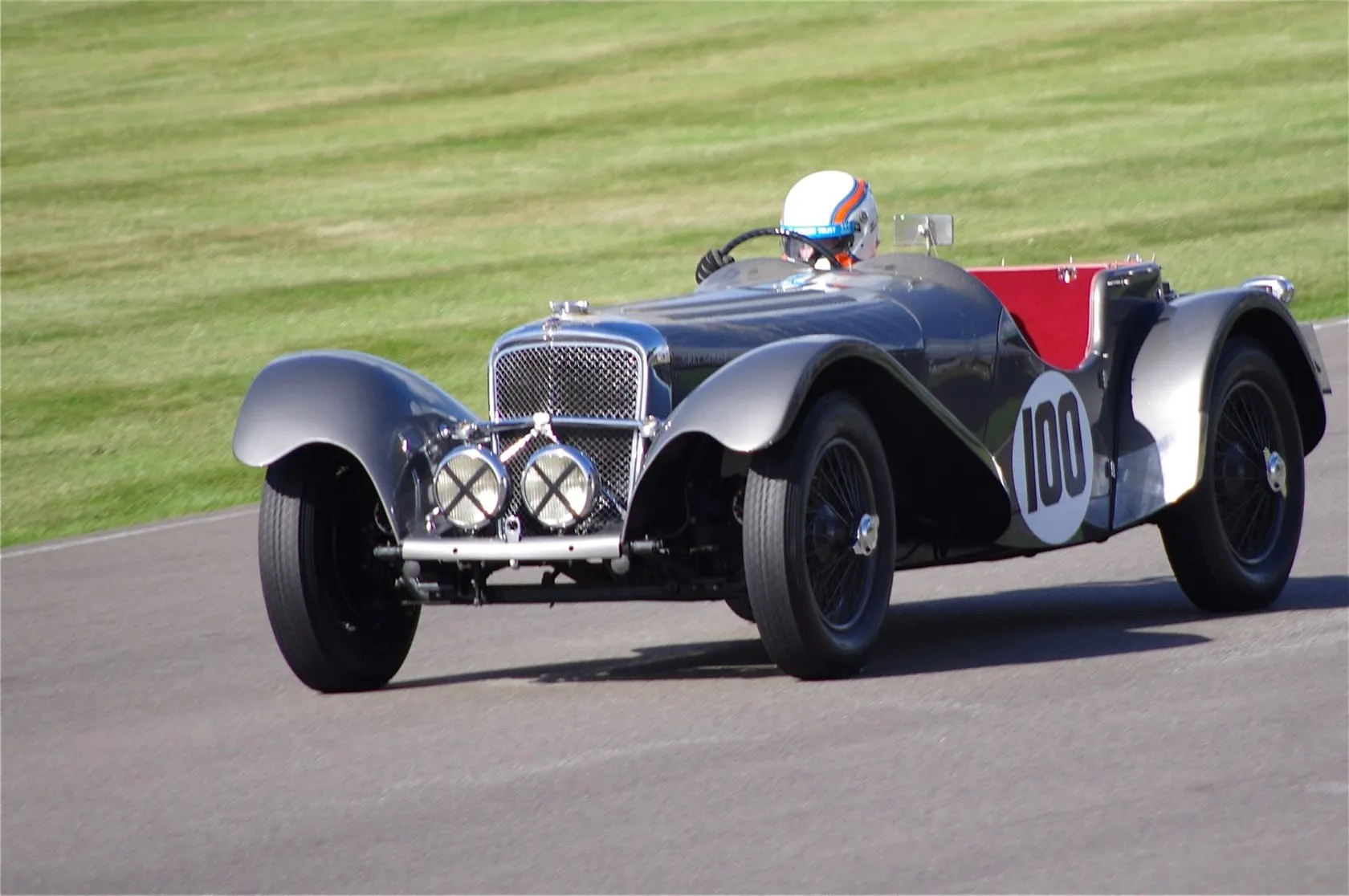
The SS Jaguar 100 was William Lyons' pre-war sports car, a short, fast open two-seater whose name claimed a genuine 100 mph and which carried the Jaguar name from 1936. A guide to the SS 100, the SS Jaguar saloons, the replica question, and what they are worth.
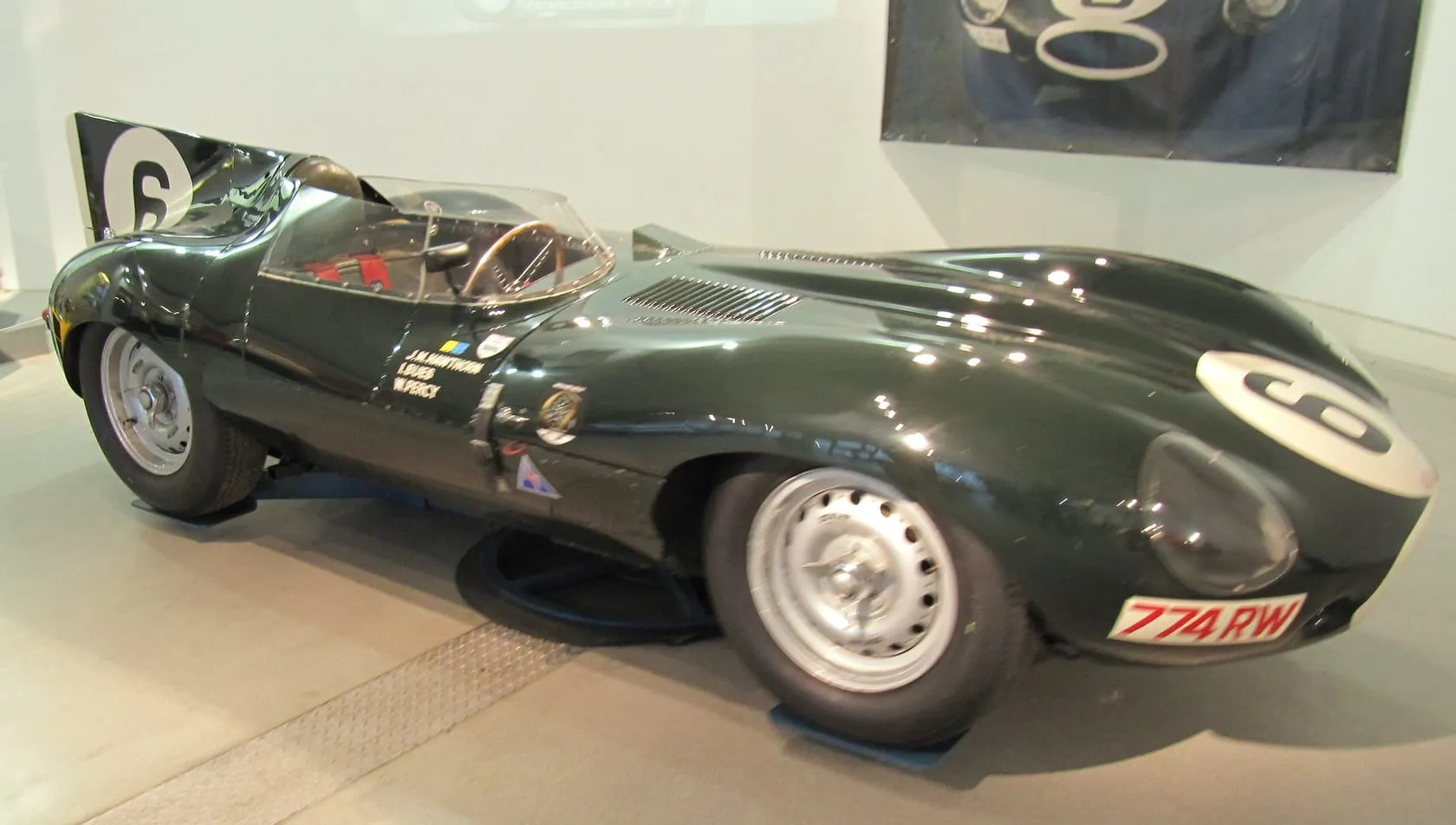
The Jaguar C-Type and D-Type won Le Mans five times in seven years, pioneered disc brakes and aviation monocoques, and became some of the most valuable British cars ever sold. A guide to both racers, the XKSS, the continuation cars and the replica industry that keeps the shapes on the road.
Mini
11 guides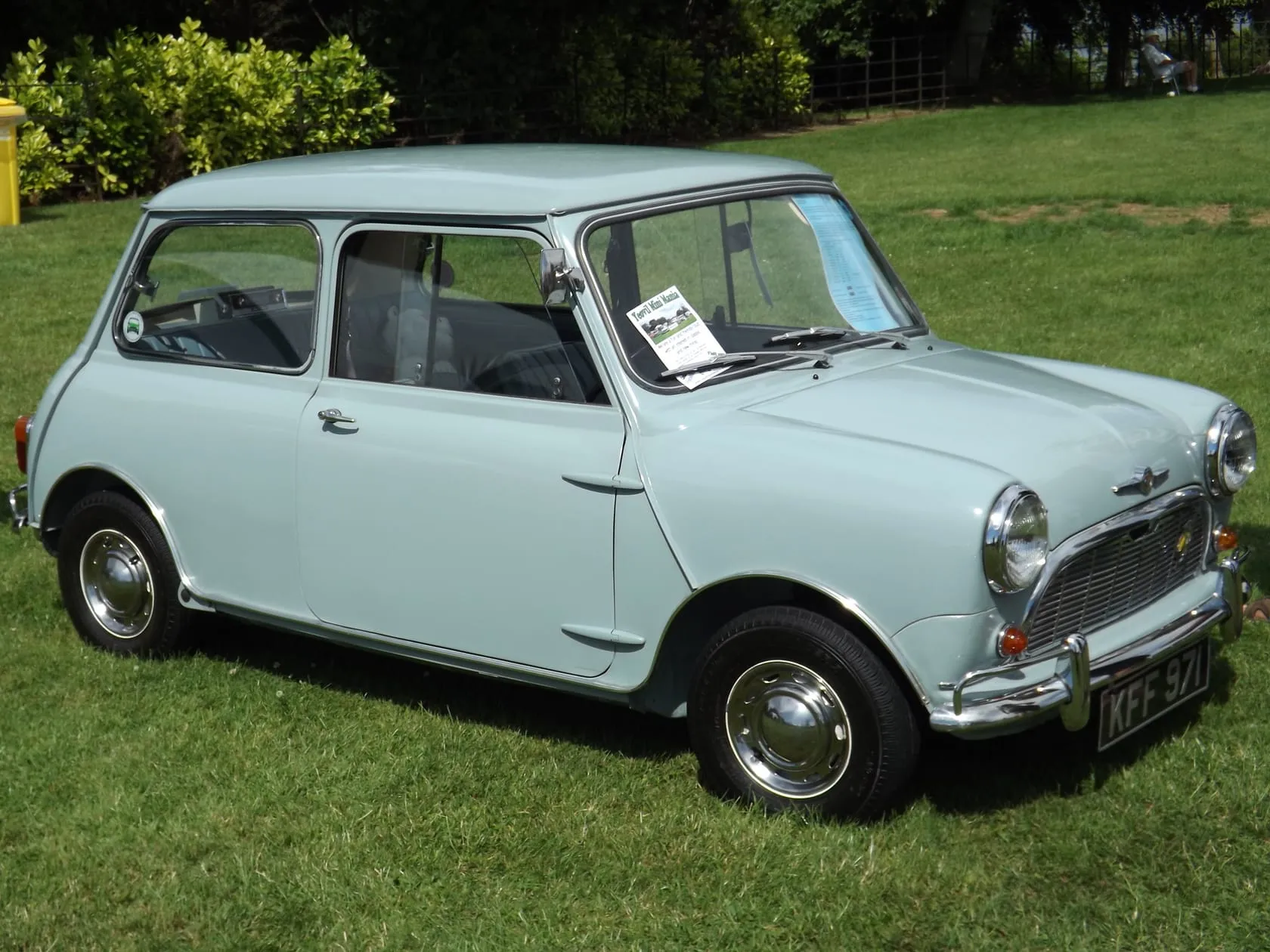
The classic Mini was the most influential small car ever built and one of the best-loved British classics of all. Alec Issigonis's 1959 design put four people in a ten-foot car, won the Monte Carlo Rally and ran for forty-one years. A guide to the standard Mini, the Cooper, the Clubman, the Traveller, the Moke and the rest, what they are like to own, and what they are worth.
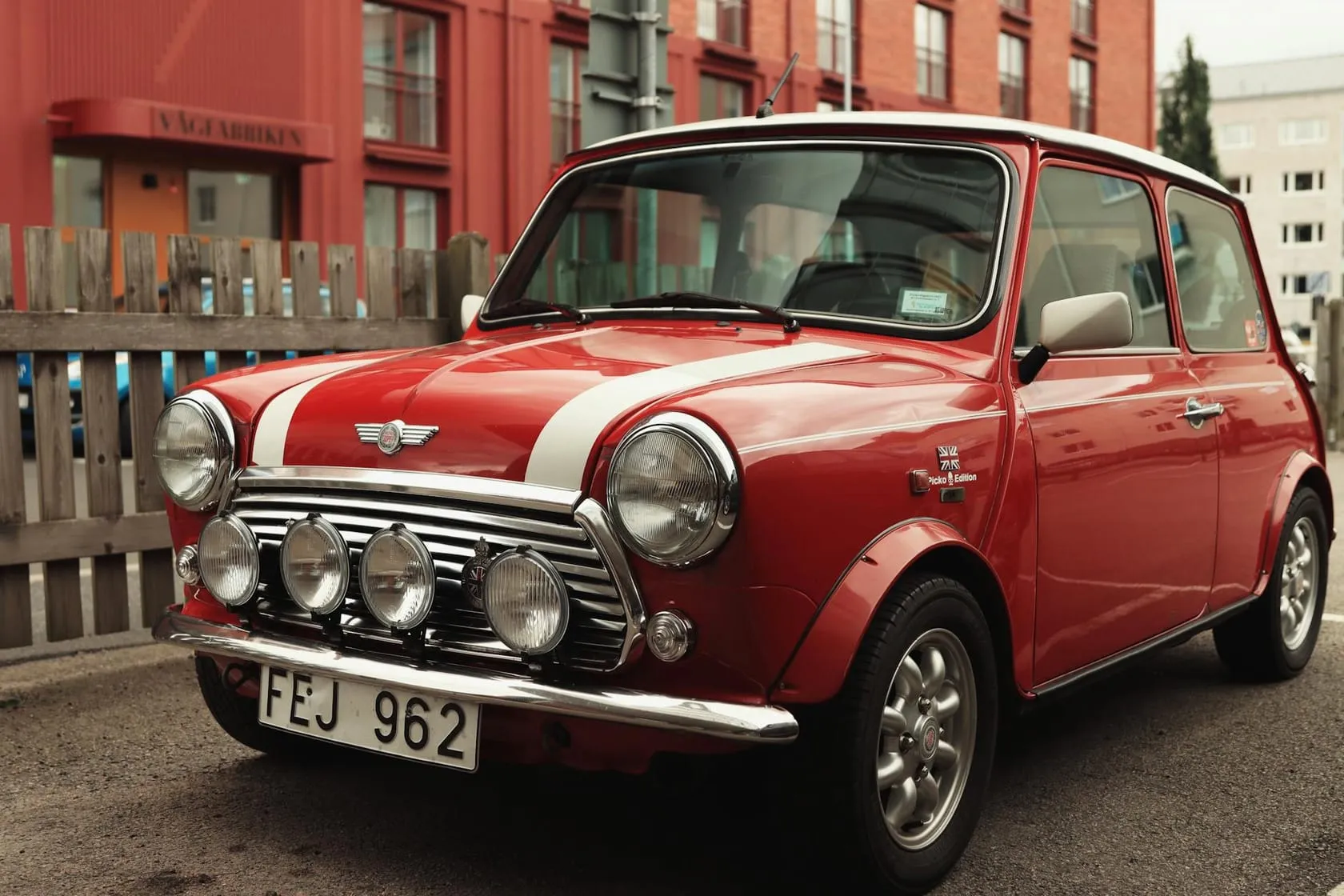
The Mini Cooper turned Alec Issigonis's economy car into a giant-killer, and the Cooper S won the Monte Carlo Rally three times. A guide to the 1960s Cooper and Cooper S, the 1990s revival, how to tell a genuine car from a clone, and what to look for when buying one.
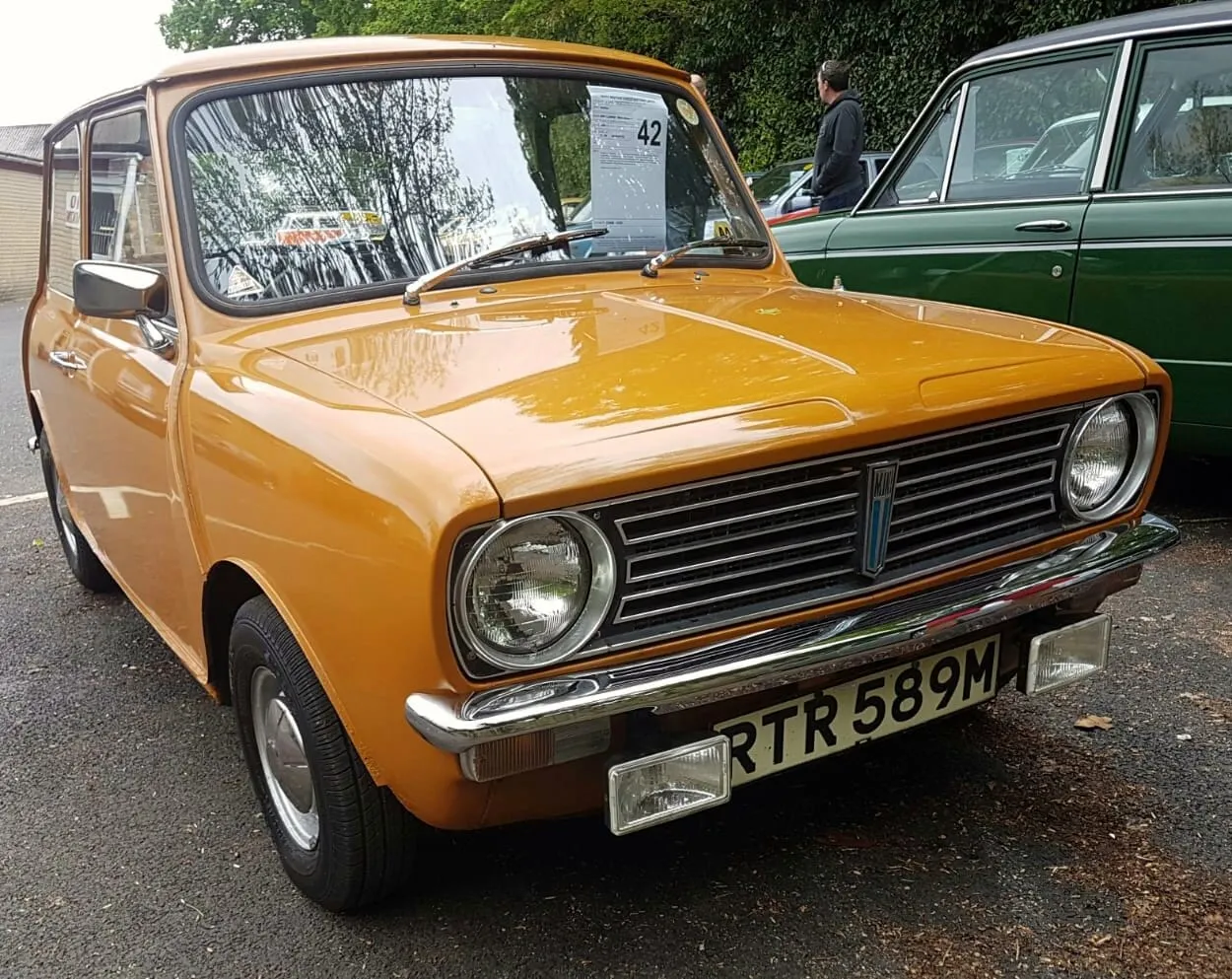
The Mini Clubman gave Issigonis's car a longer, squared-off nose for the 1970s, and the 1275GT version took over from the Cooper S as the affordable performance Mini. A guide to the Clubman saloon and estate, the 1275GT, what to look for, and what they are worth now.
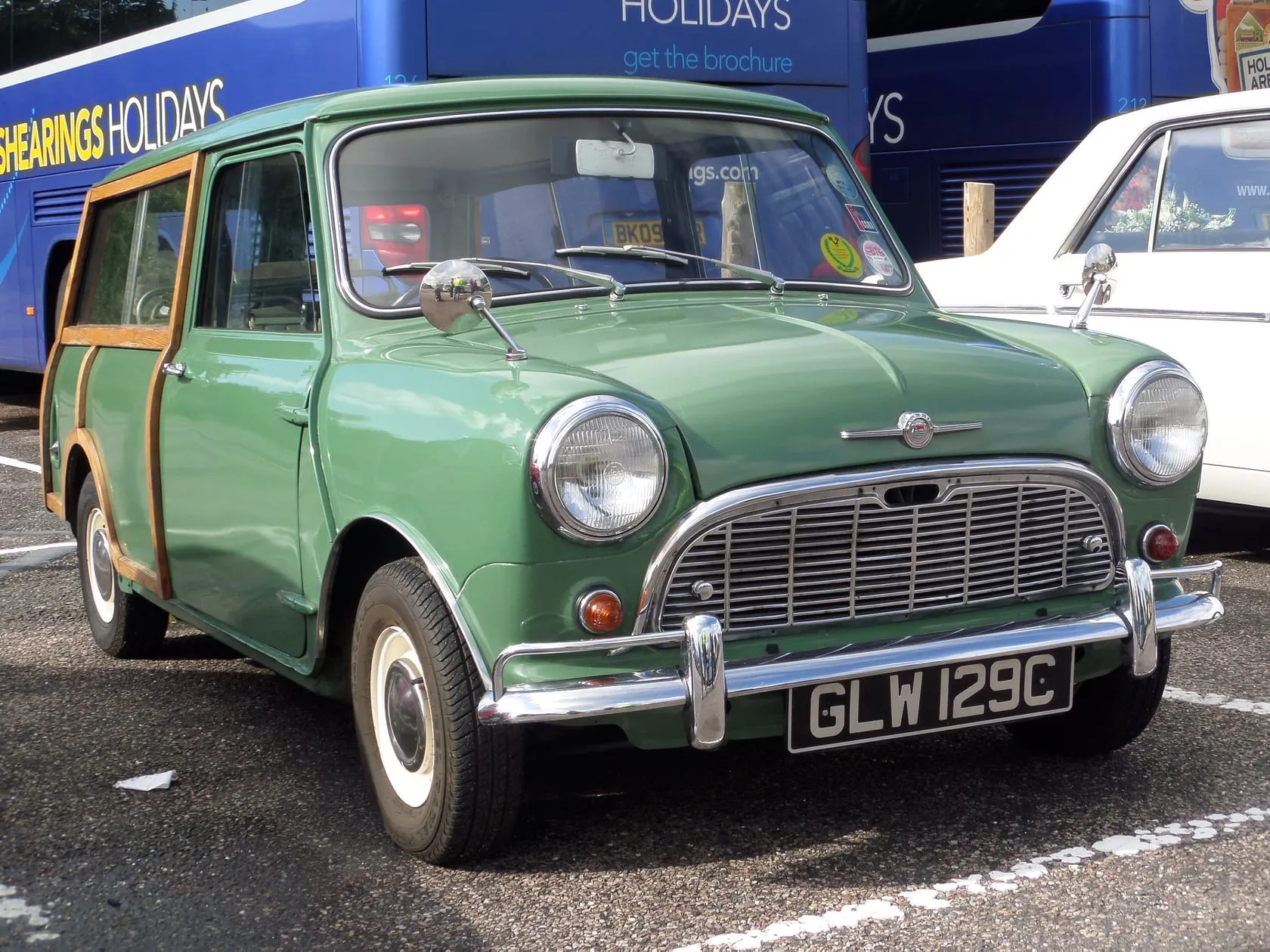
The Mini Traveller and its Austin Countryman twin were the estate versions of the Mini, the early ones framed in decorative timber like a miniature Morris Minor Traveller. A guide to the woody Mini, the Traveller and Countryman badges, what to look for, and what they are worth.
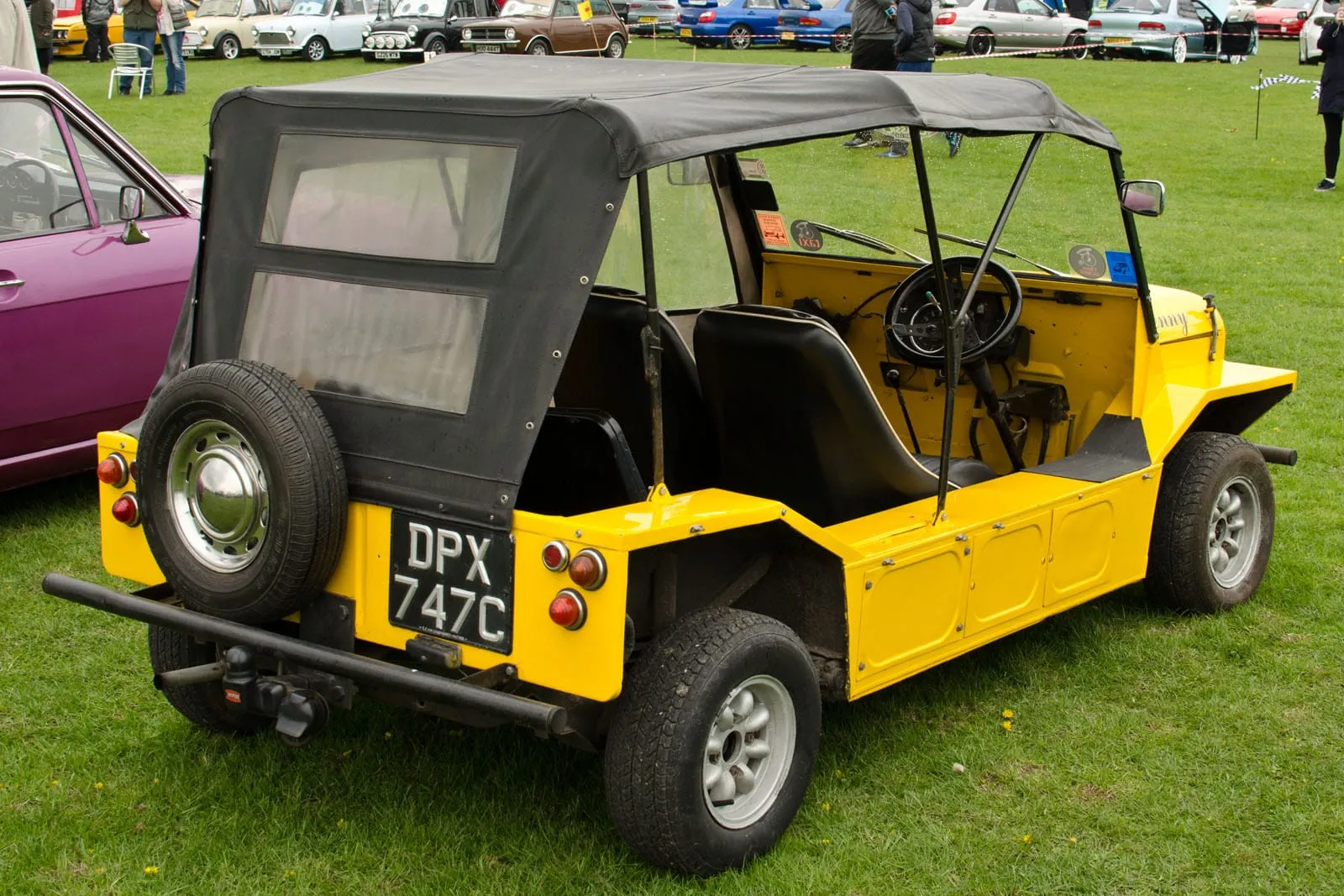
The Mini Moke began as a failed military vehicle and became a doorless, open-topped fun car beloved on beaches and film sets. A guide to the British, Australian and Portuguese Mokes, its screen fame, and what to look for when buying one.
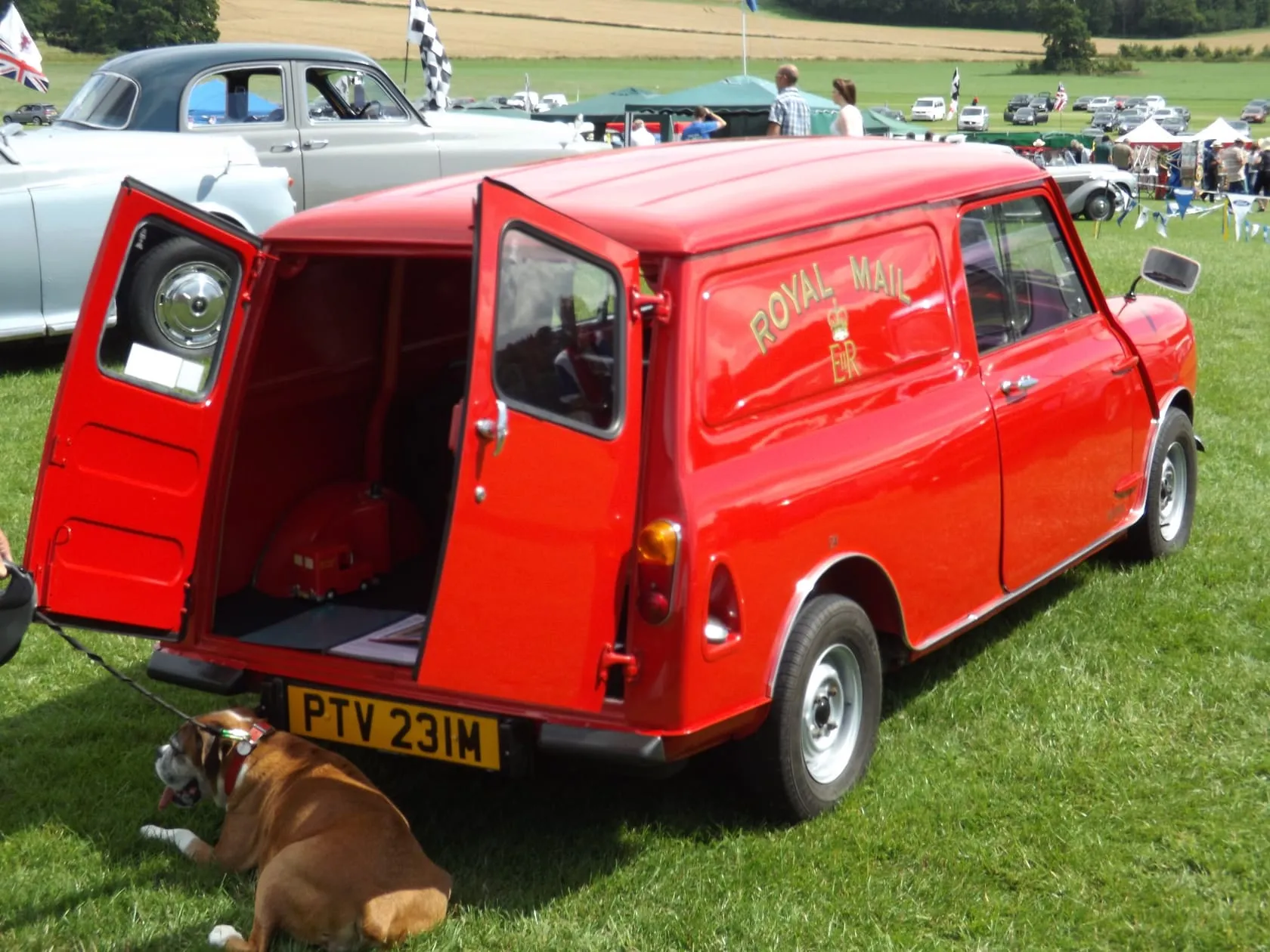
The Mini Van and Mini Pick-up were the commercial members of the Mini family, cheap, economical workhorses built on the longer estate wheelbase that sold by the hundred thousand. A guide to the van and the pick-up, why they survived so long, what to look for, and what they are worth now.
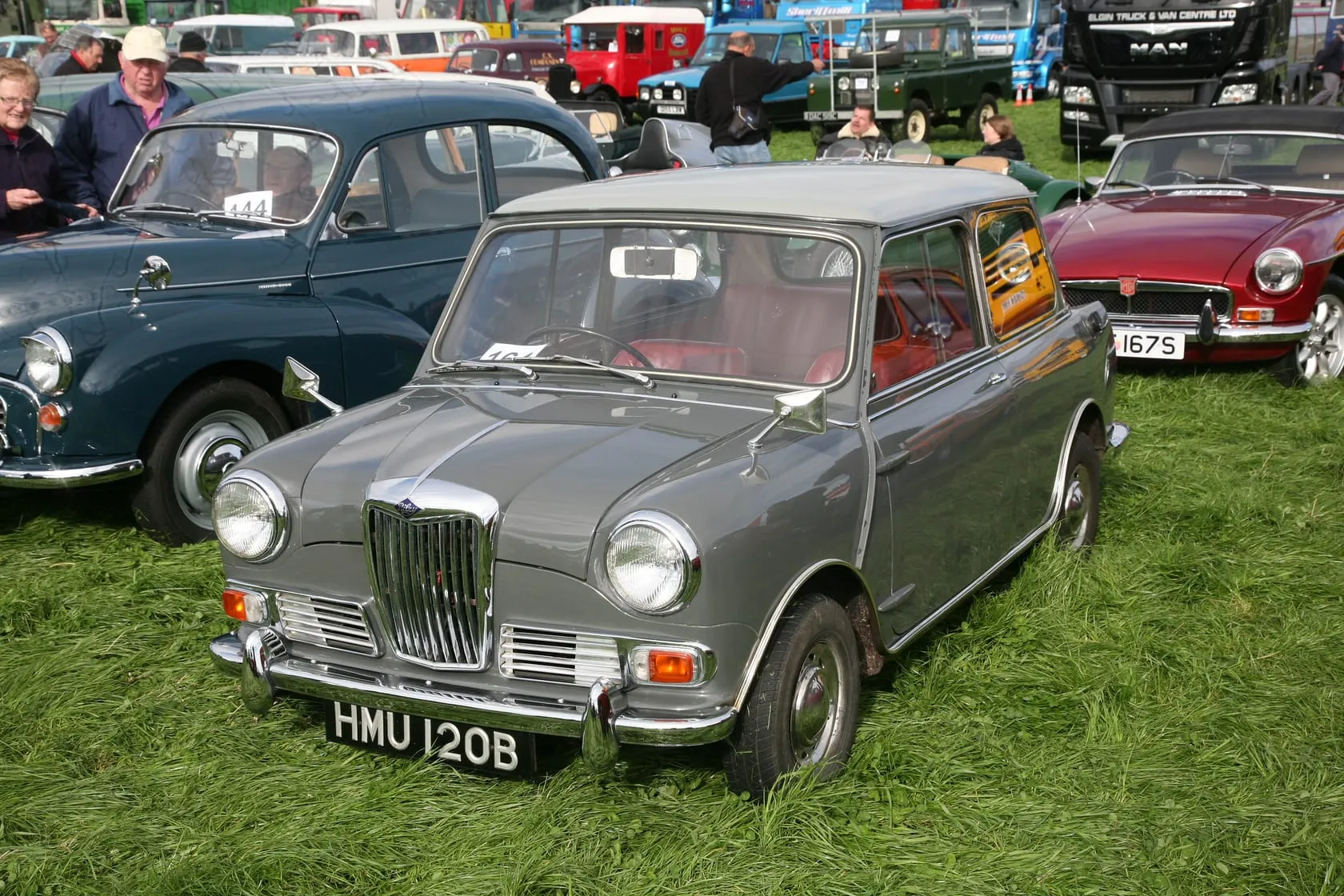
The Riley Elf and Wolseley Hornet were the upmarket Minis, the same little car given a longer boot, a traditional grille and a walnut-trimmed cabin. A guide to the two badge-engineered luxury Minis, how they differ, what to look for, and what they are worth.
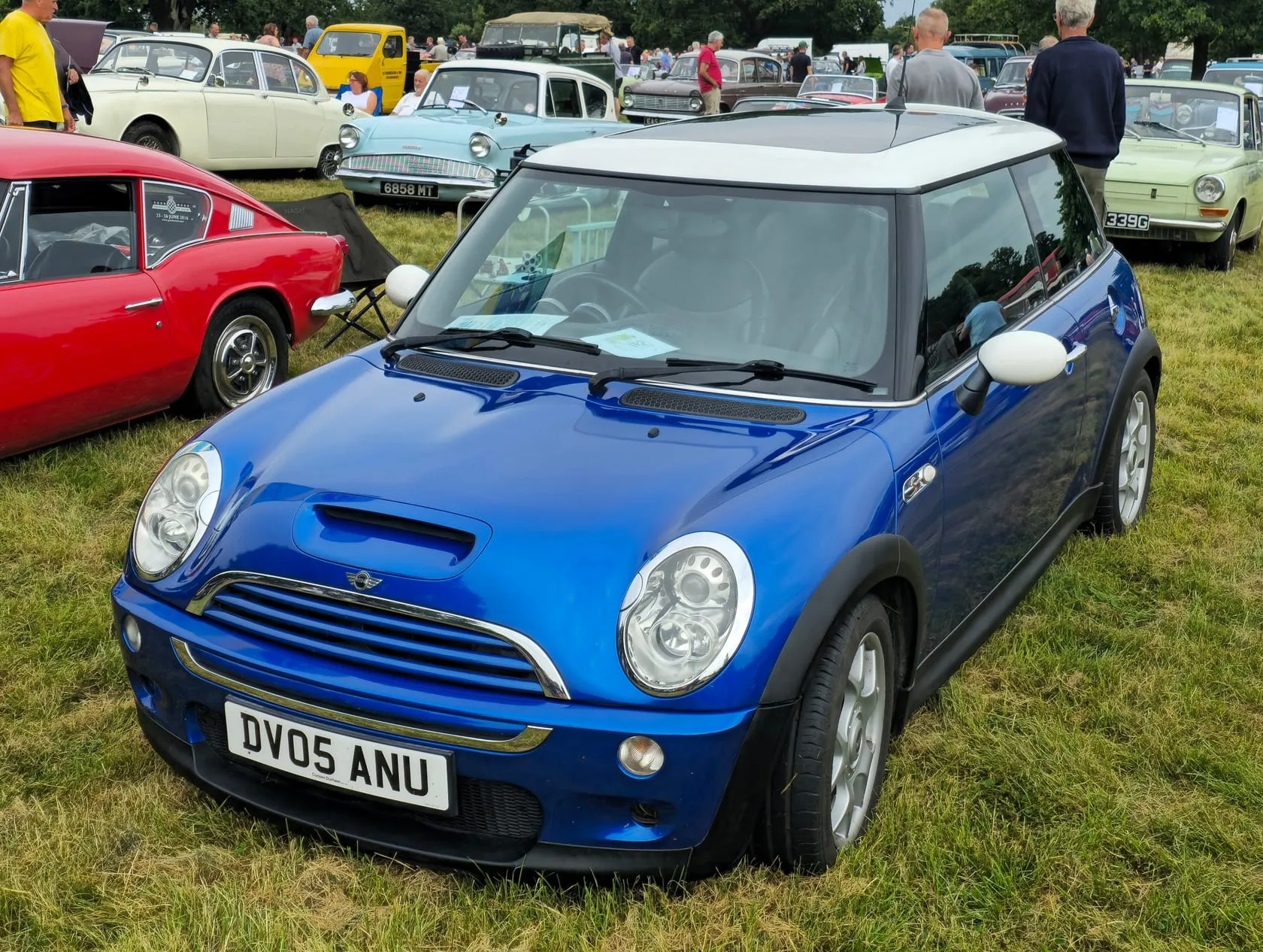
The MINI Cooper S R53 put an Eaton supercharger on the first BMW-era MINI and made a 163 bhp hot hatch out of it, built at Cowley and sold from 2002 to 2006. A guide to the R50 it grew from, the 2004 facelift, the John Cooper Works kits and the 2006 GP, what goes wrong, and what they are worth now that the first of them are classics.
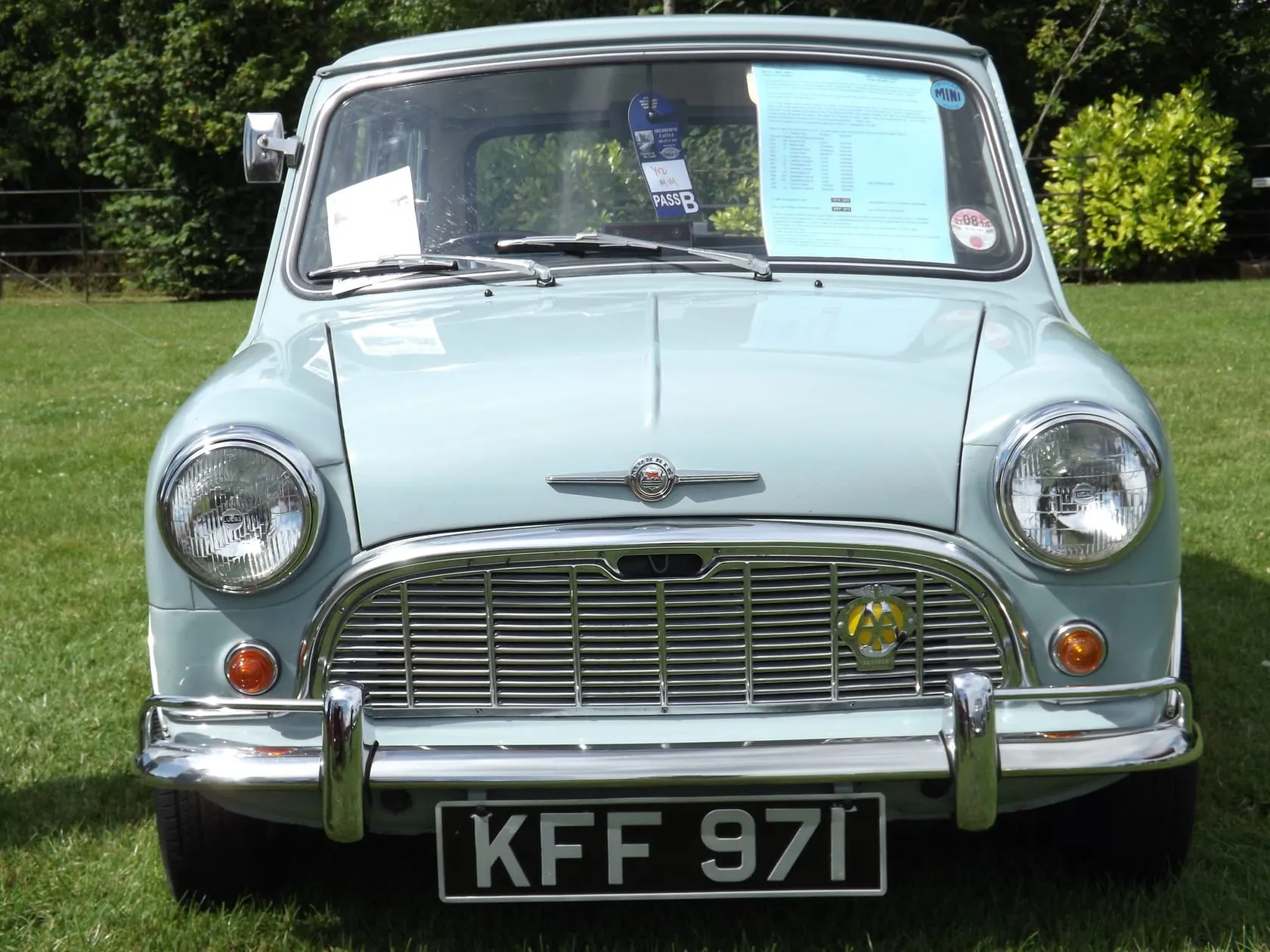
Which classic Mini should you buy, and what should you check before you do? A plain-English guide to choosing between the standard Mini, the Cooper, the Clubman, the Traveller, the Moke and the rest, where these cars rust, the mechanical points to check, and how to avoid a cloned Cooper.
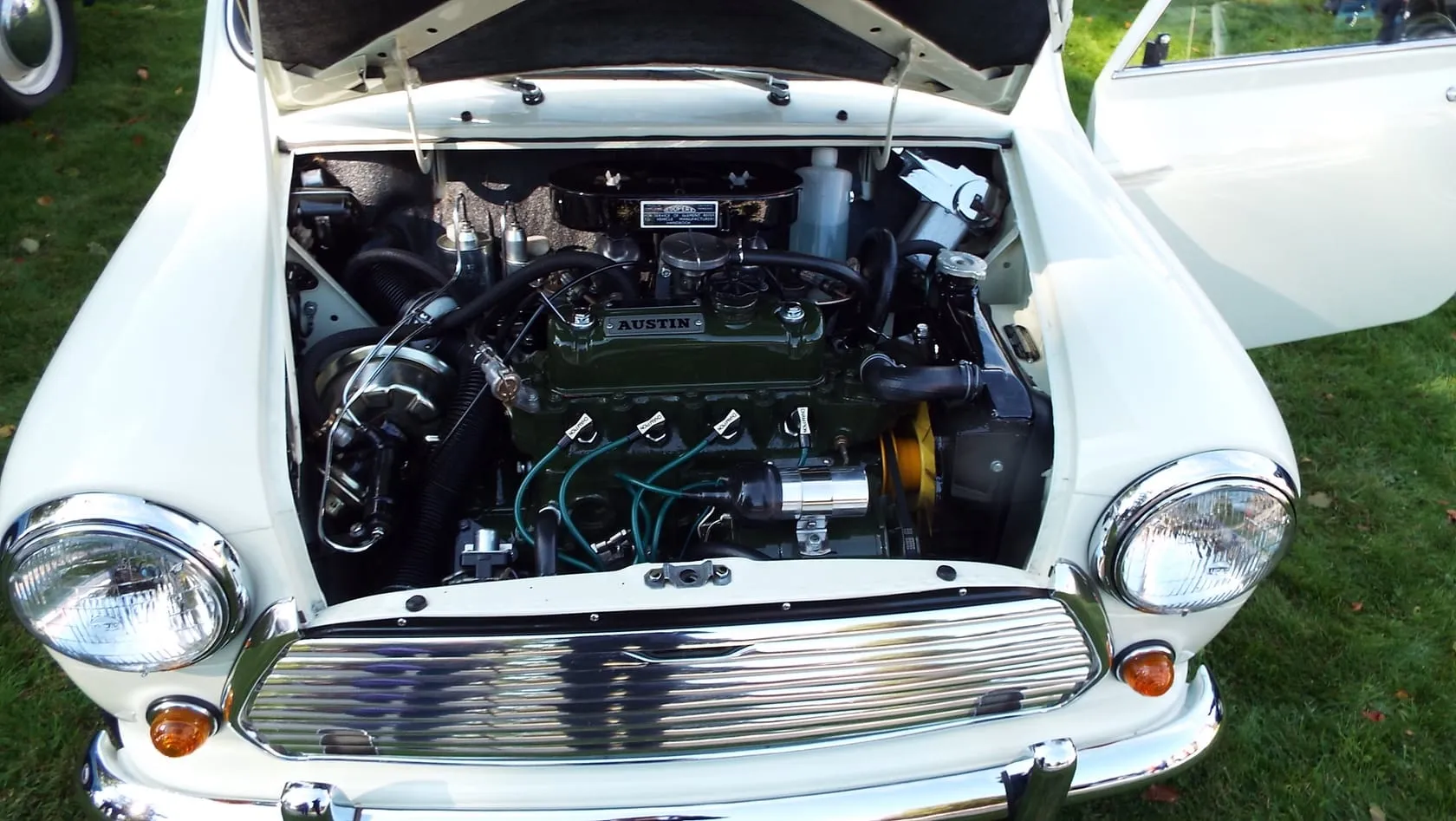
The classic Mini is one of the best-supported classics in the world, with almost every part remanufactured, from a service kit to a complete bodyshell. A practical guide to Mini parts availability, panels and bodywork, mechanical and trim parts, and the club and specialist network that keeps these cars running.
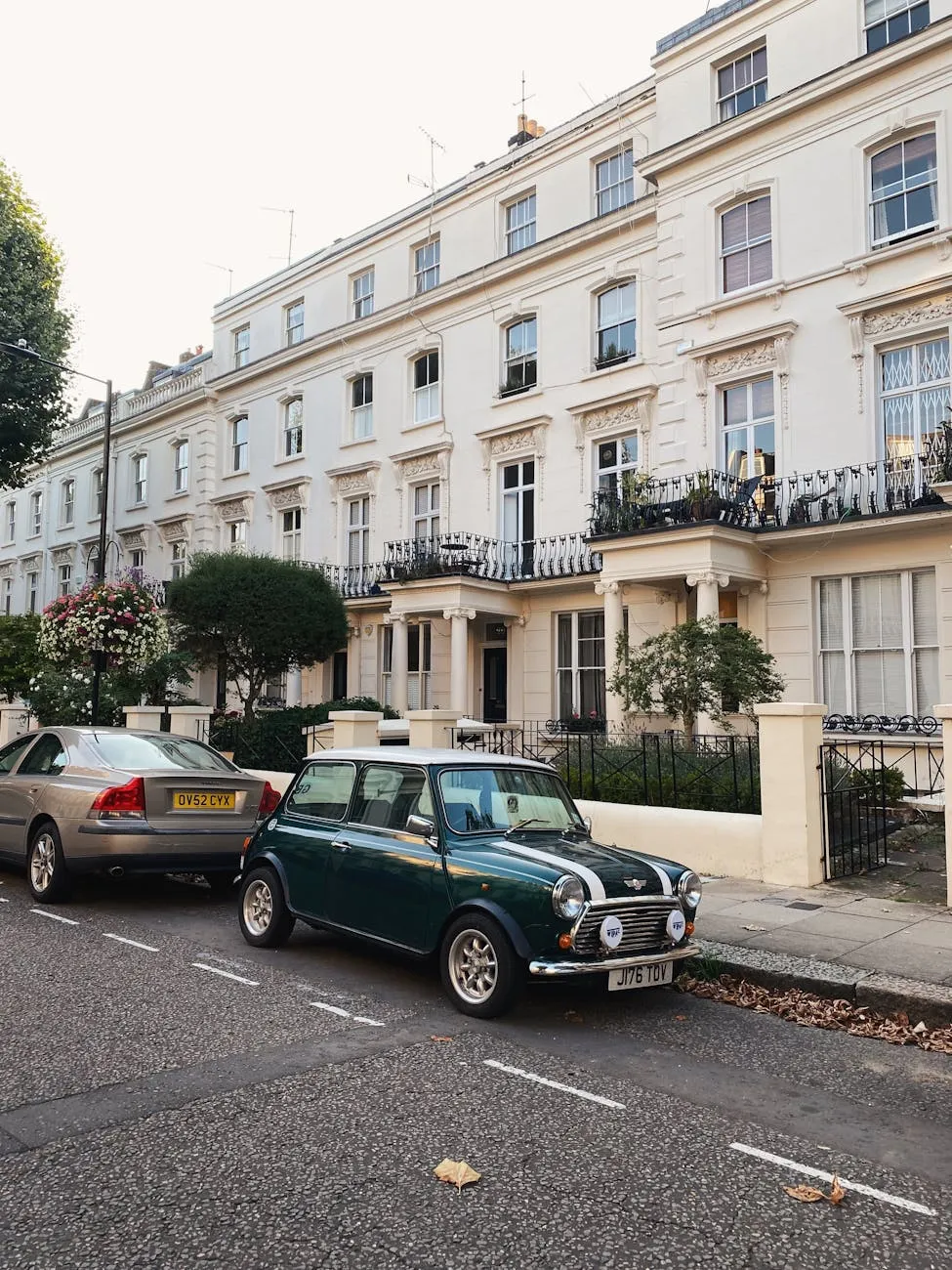
Across its long life the classic Mini wore dozens of special and limited editions, from the 1979 1100 Special to the Mary Quant Designer, the anniversary cars and the 1990s Cooper revivals. A guide to the most notable Mini special editions, why there were so many, and whether they are worth more.
Land Rover
10 guides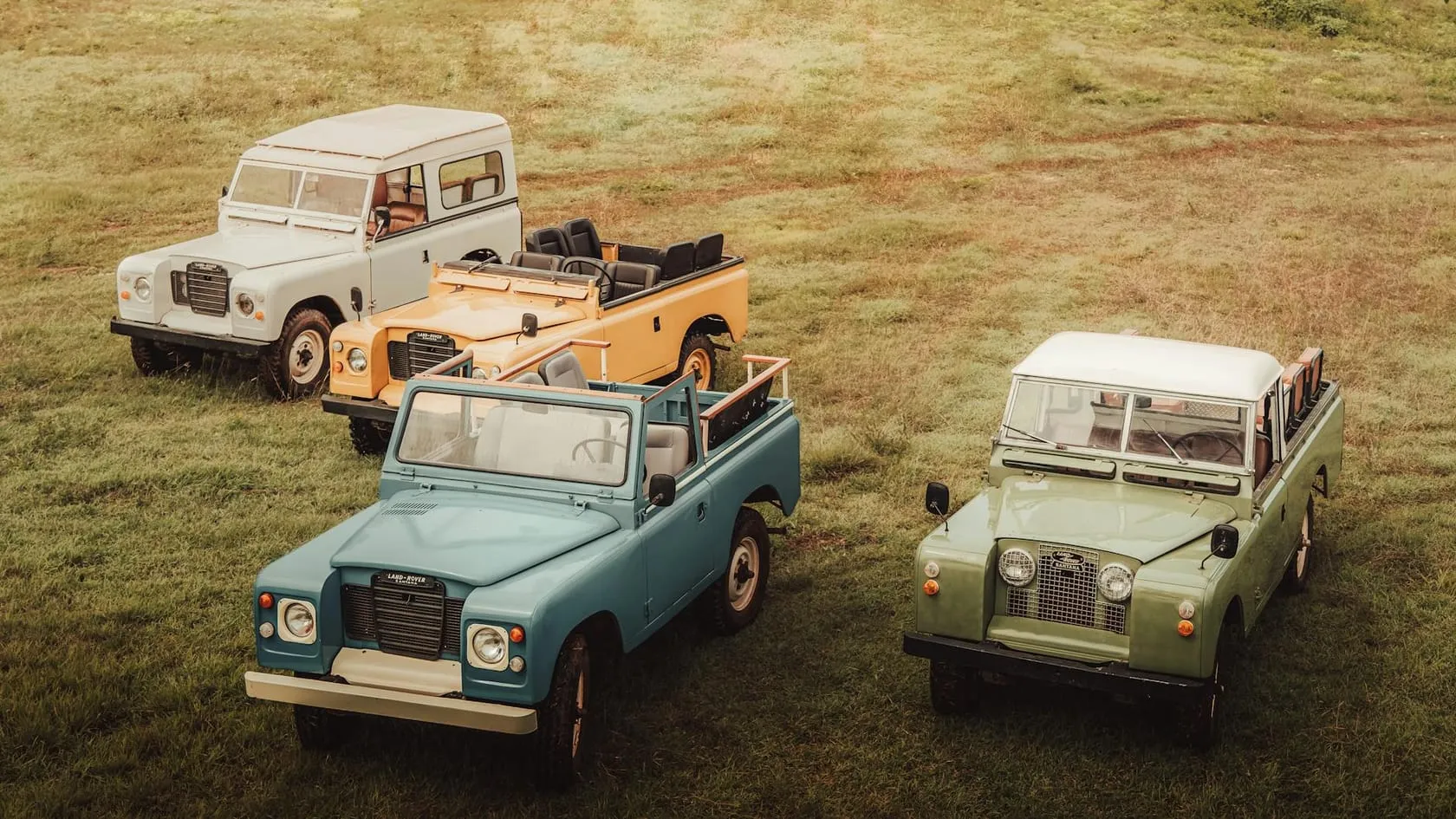
Land Rover began in 1948 as a stop-gap farm vehicle and became one of the most enduring shapes in motoring. A guide to the classic Land Rovers worth knowing, from the leaf-sprung Series I, II and III through the long-lived Defender to the original Range Rover, the Solihull story, and why a good one is among the most usable and restorable classics you can own.
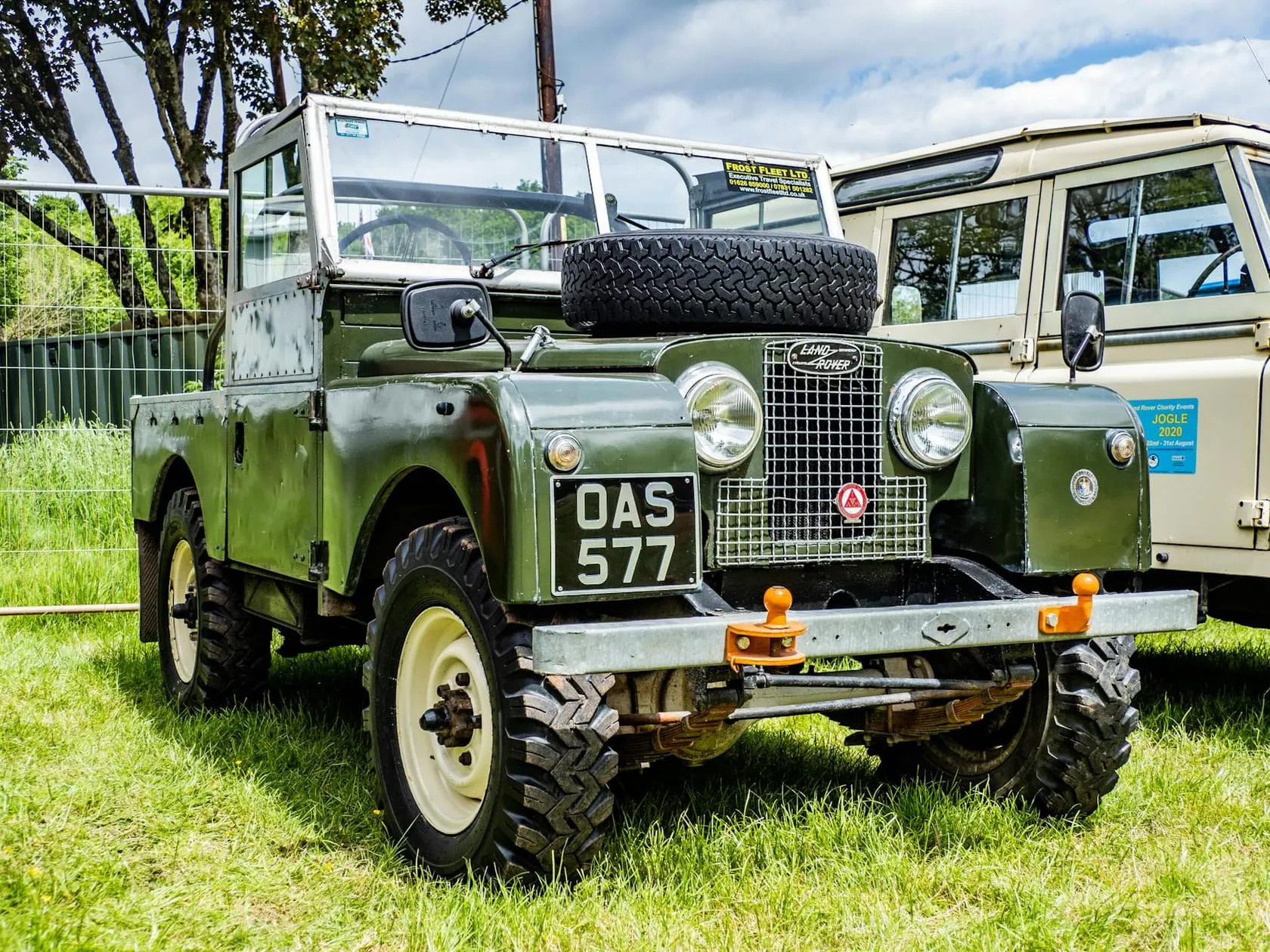
The Land Rover Series I is the spartan, aluminium-bodied original that started it all in 1948. A guide to the 80, 86 and 88 inch cars, the petrol and diesel engines, the early freewheel four-wheel drive, what to look for when buying, and why the earliest cars are now so valuable.
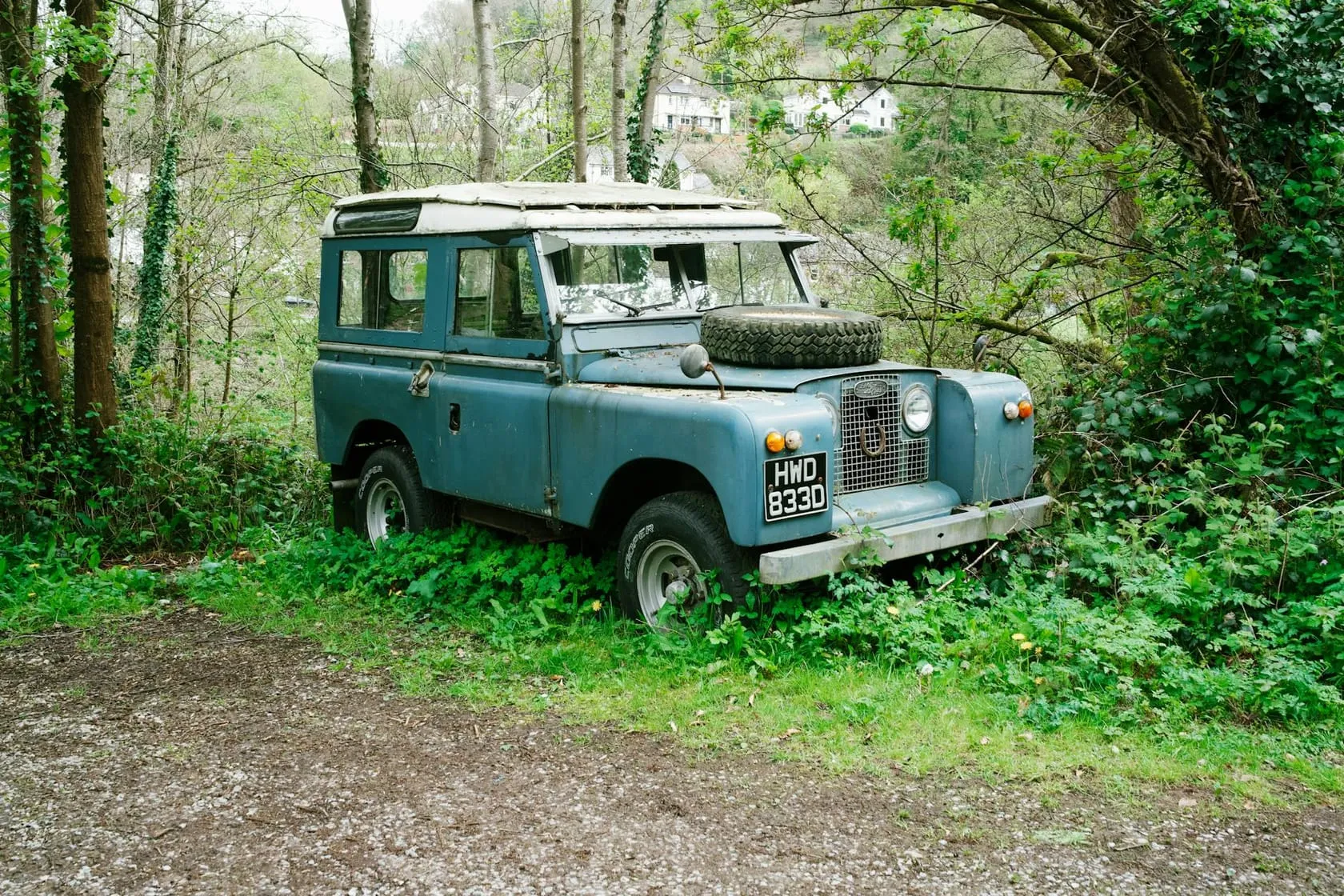
The Land Rover Series II and IIA gave the marque its enduring 2.25 engine and its familiar barrel-side shape, and the IIA is widely held to be the toughest Series of all. A guide to the 88 and 109 inch cars, the engines, the famous headlamp move to the wings, and what to look for when buying one.
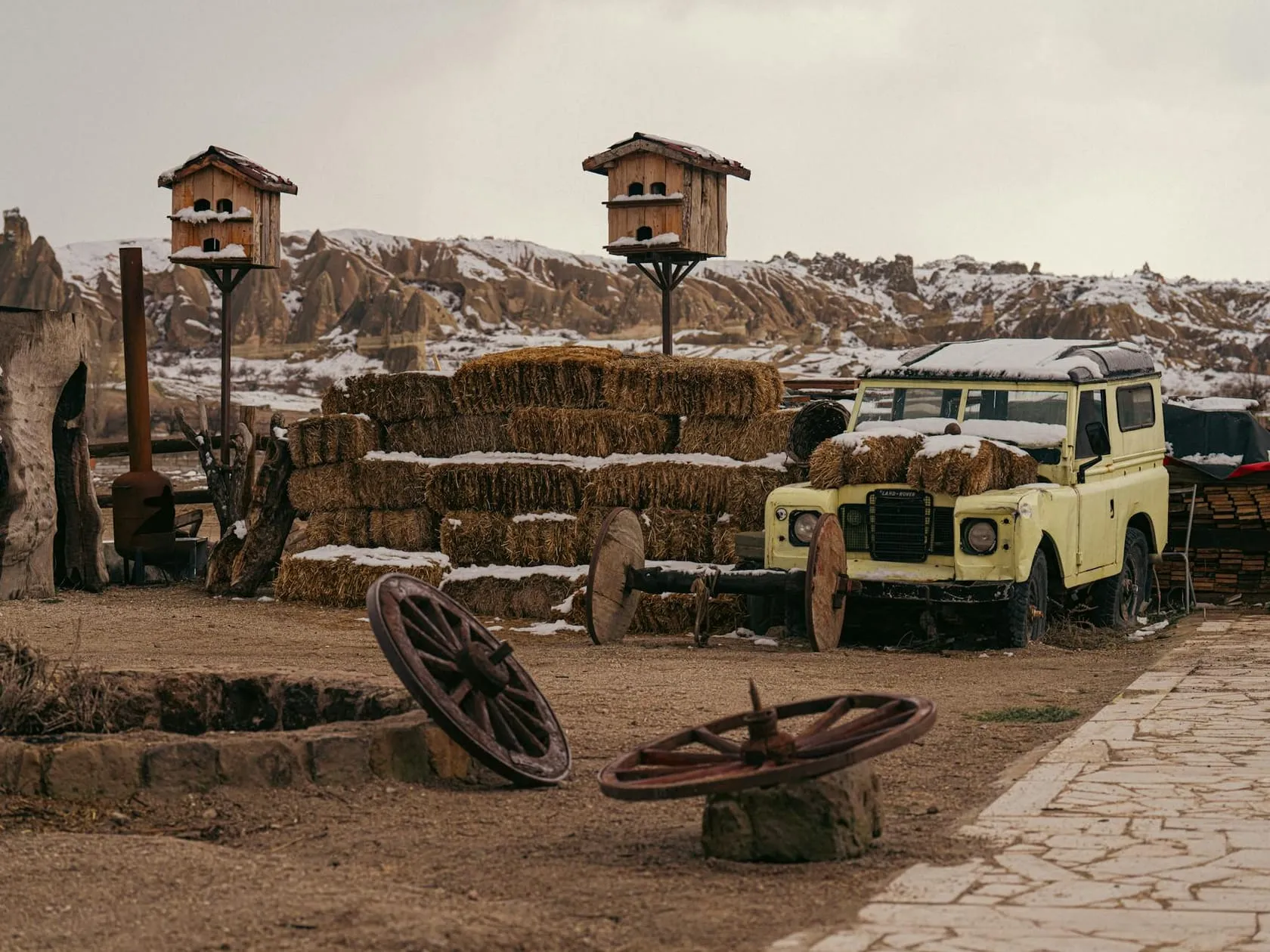
The Land Rover Series III was the most numerous Series of all, recognised by its plastic grille and the first all-synchromesh gearbox. A guide to the 88 and 109 inch cars, the engines including the Stage 1 V8, the Lightweight, what to look for when buying, and why it is the most affordable way into a Series Land Rover.
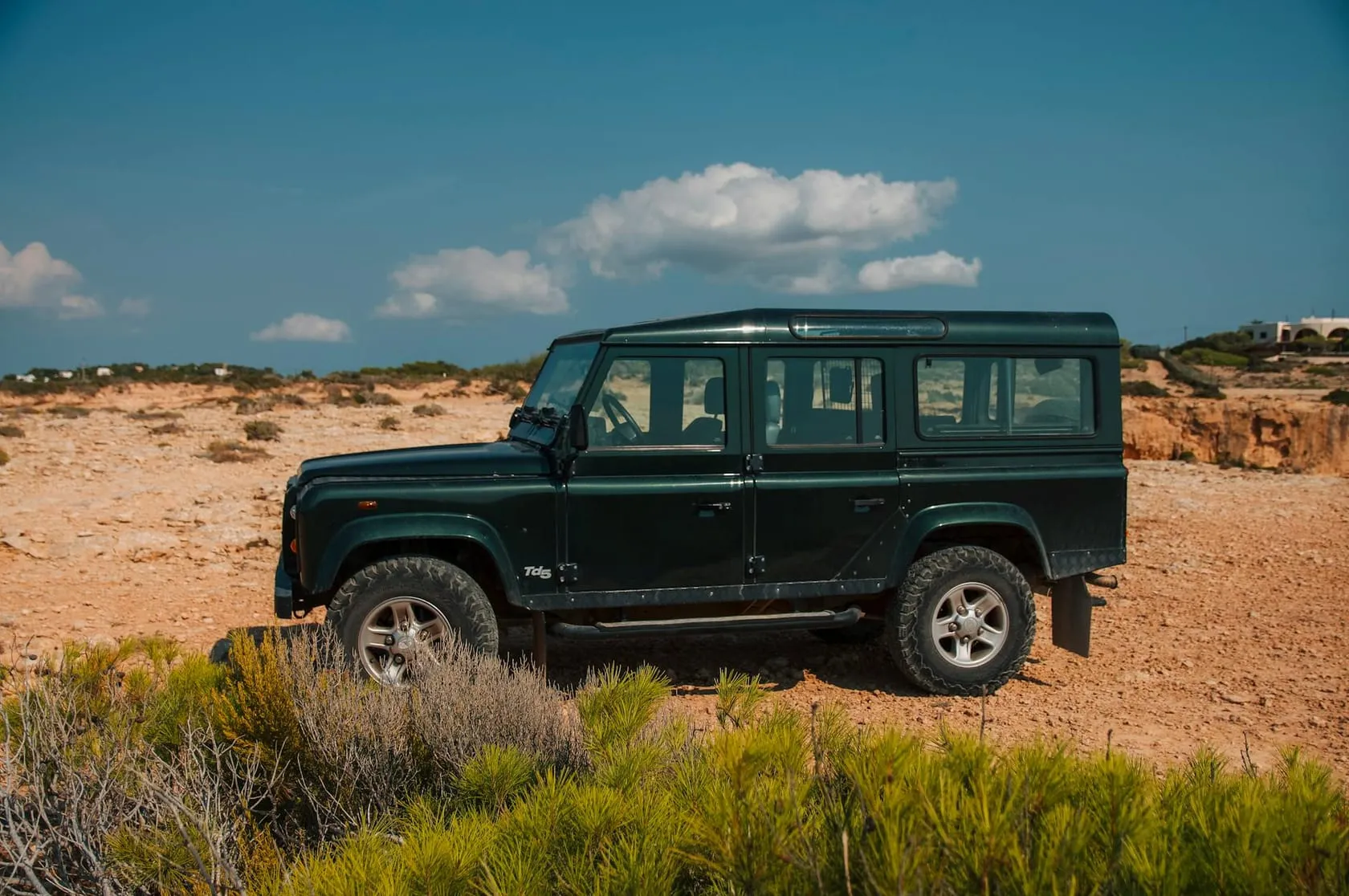
The Land Rover Defender ran from 1983 to 2016, the coil-sprung successor to the Series that became one of the most recognisable shapes on earth. A guide to the One Ten, Ninety and 130, the engines from the Tdi to the Td5 and Puma, and what to look for when buying, including chassis rot and theft.
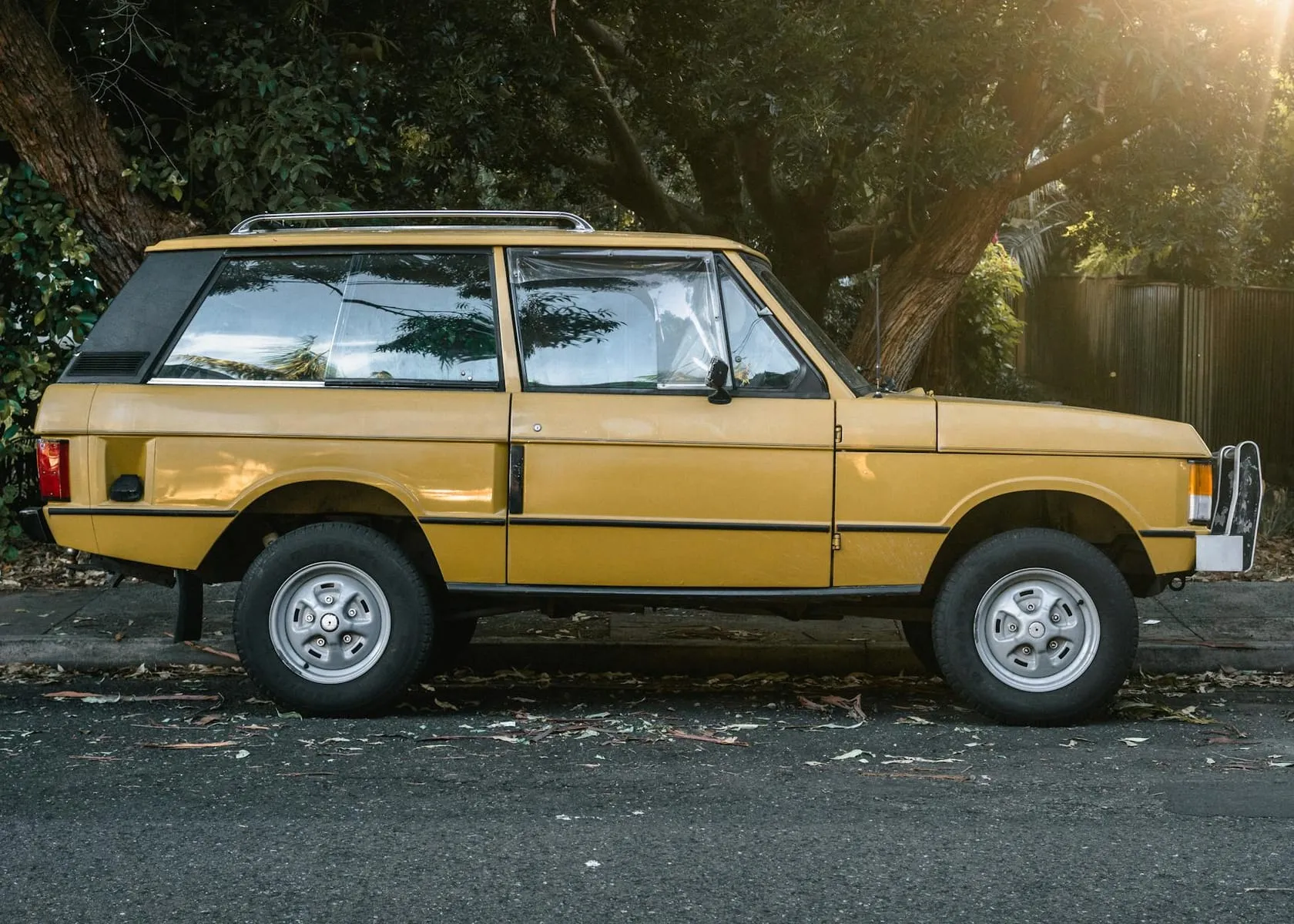
The original Range Rover, now called the Range Rover Classic, was not the luxury car it became but a more comfortable, road-capable companion to the working Land Rover. A guide to the two-door and four-door cars, the Rover V8 and the diesels, the Vogue and CSK, what one is like to live with, and what to look for when buying.
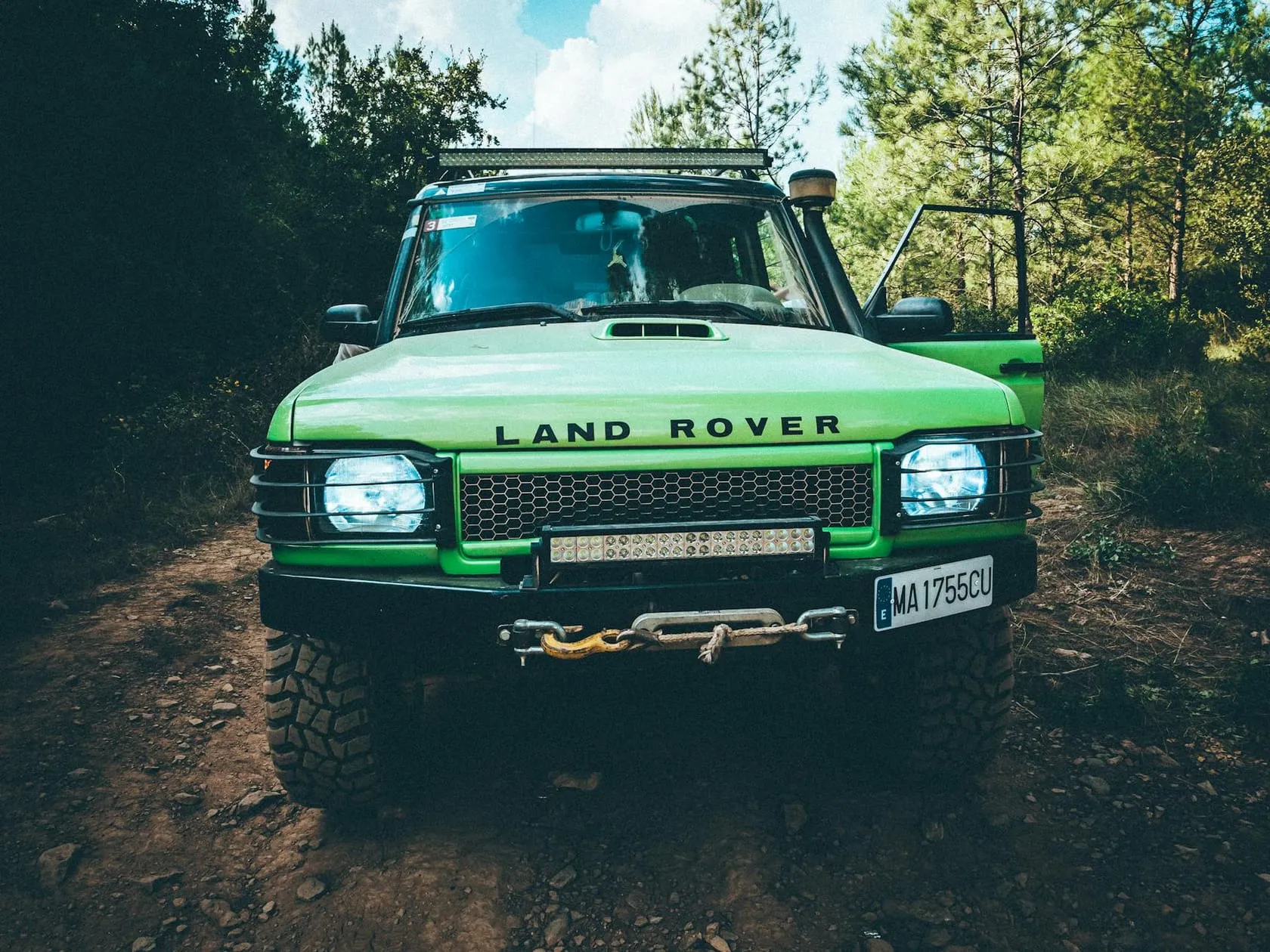
The Land Rover Discovery of 1989 put Range Rover engineering under a family-priced body and invented the everyday Land Rover, and the original Discovery 1 is now a classic in its own right. A guide to the 200Tdi and 300Tdi eras, the V8s, the Camel Trophy years, what rusts, and what to check before buying one.
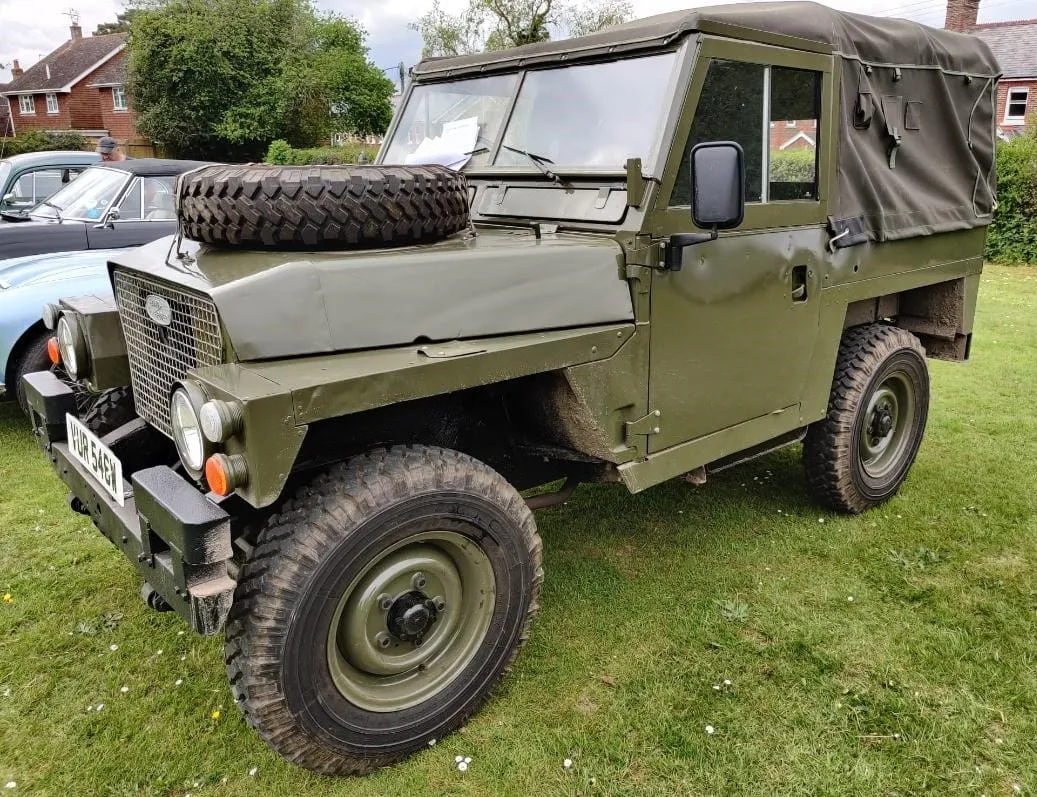
The Land Rover Lightweight was built to be slung under a helicopter, stripped and narrowed until a Series Land Rover could fly. A guide to the Airportable half-ton, the 101 Forward Control and the wider military family, ex-MOD buying checks and what to know before owning one.
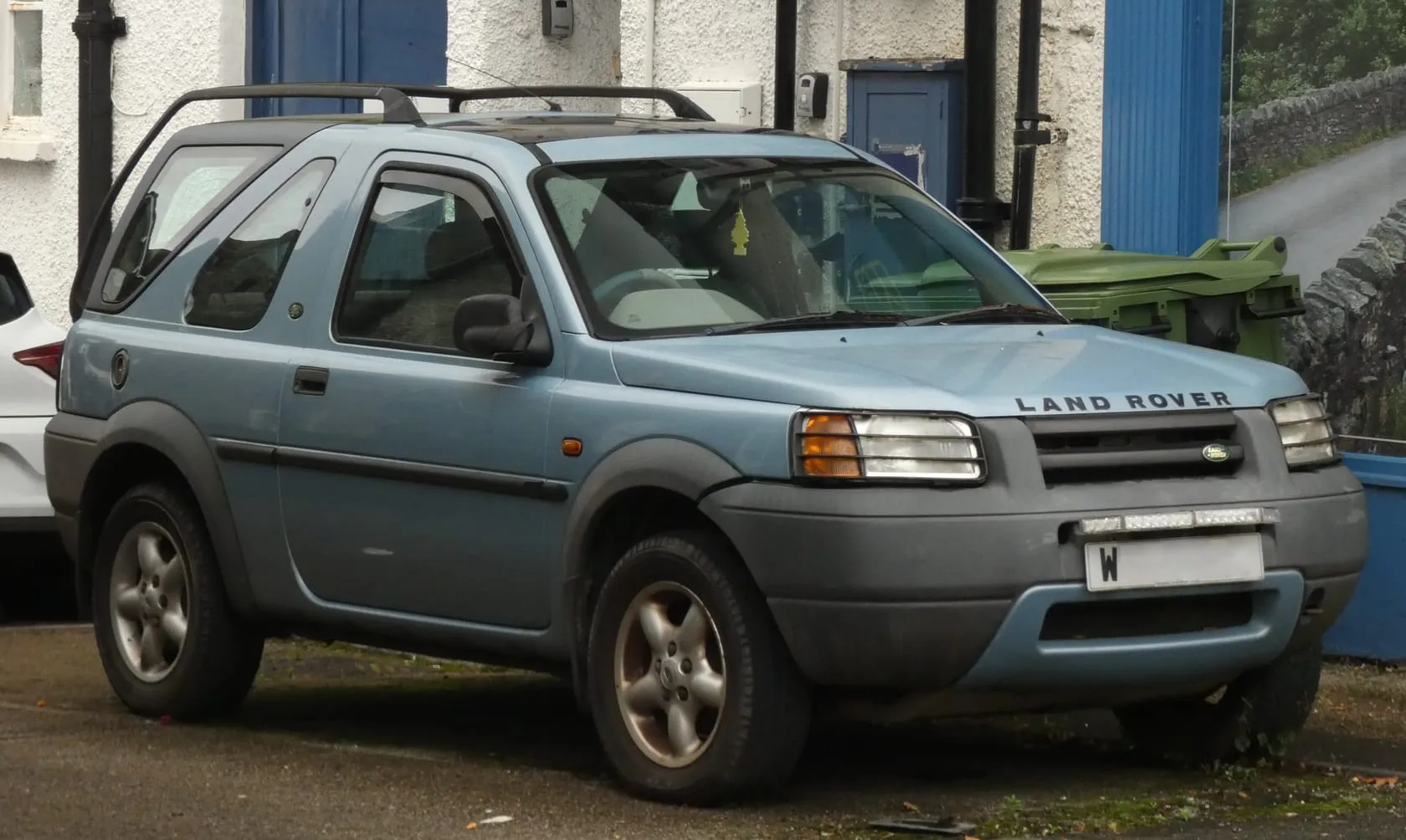
The first Land Rover Freelander was a monocoque, transverse-engined soft-roader built at Solihull from 1997 to 2006, and for five years Europe's best-selling 4x4. A guide to the 1.8 K-series, the L-series and Td4 diesels and the KV6, the three-door Softback and the five-door, the 2003 facelift, the famous faults, and what a survivor is worth now that the first ones are classics.
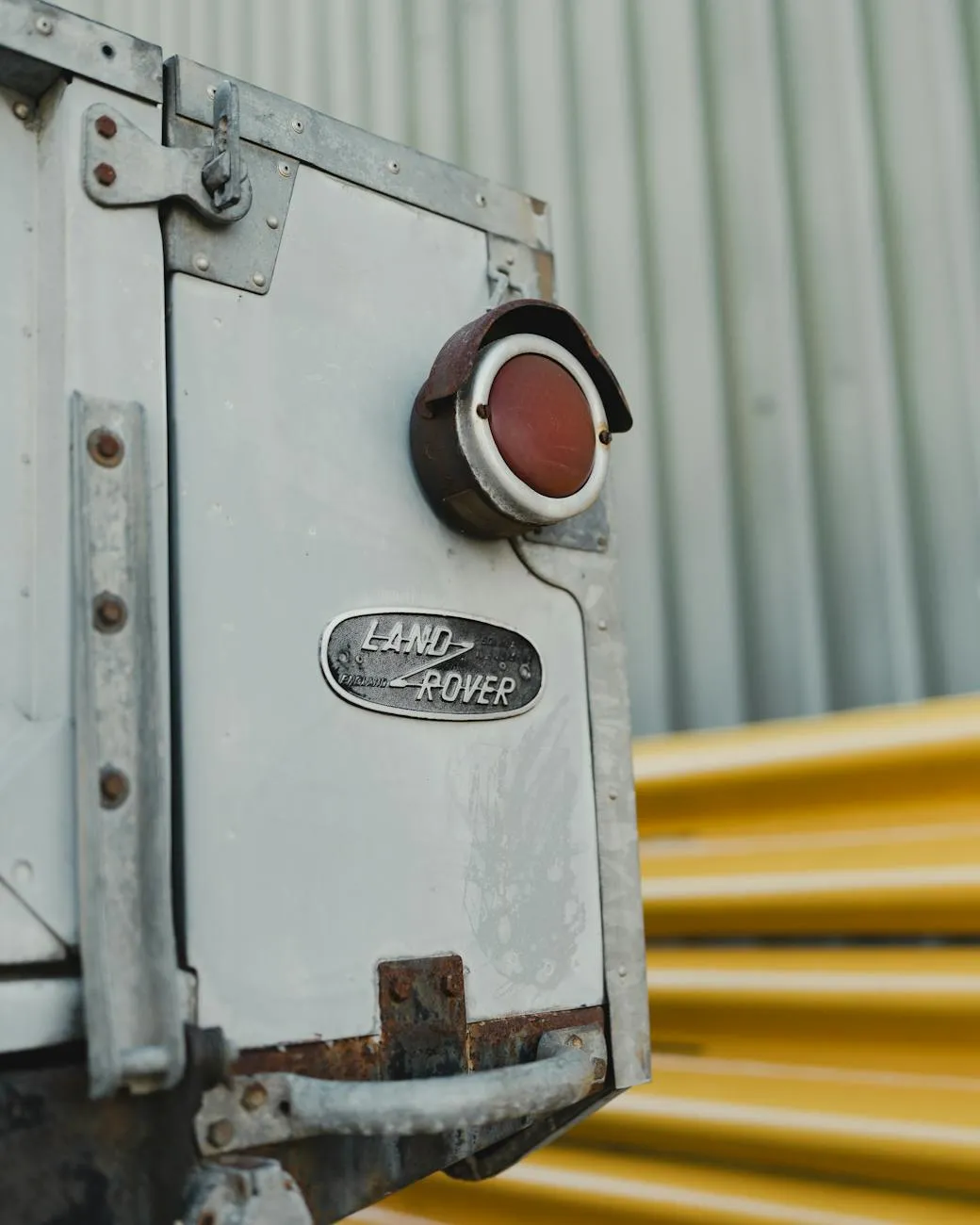
Classic Land Rovers are among the most restorable vehicles on the road, thanks to body-on-frame construction, bolt-on aluminium panels and exceptional parts supply. A practical guide to the chassis and bulkhead corrosion that defines them, parts availability across the range, what restoration involves, running costs, and how the cars are insured.
MG
9 guides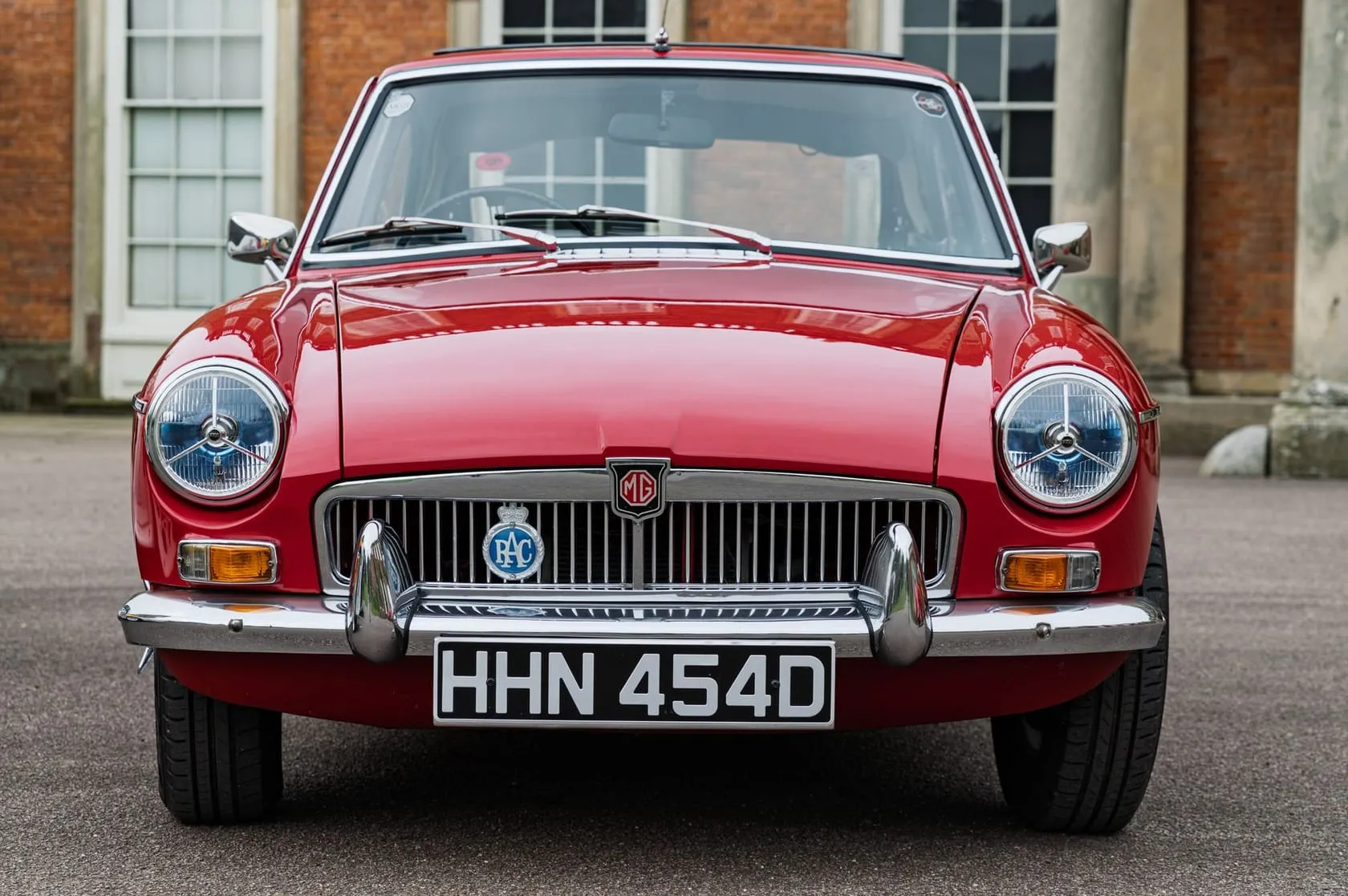
MG built some of the most loved and most affordable sports cars Britain ever made, from the pretty MGA and the half-million-selling MGB to the cheap-and-cheerful Midget and the six-cylinder MGC. A guide to the classic MGs worth knowing, the Morris Garages-to-Abingdon story, and why a good one is still one of the friendliest ways into classic ownership.
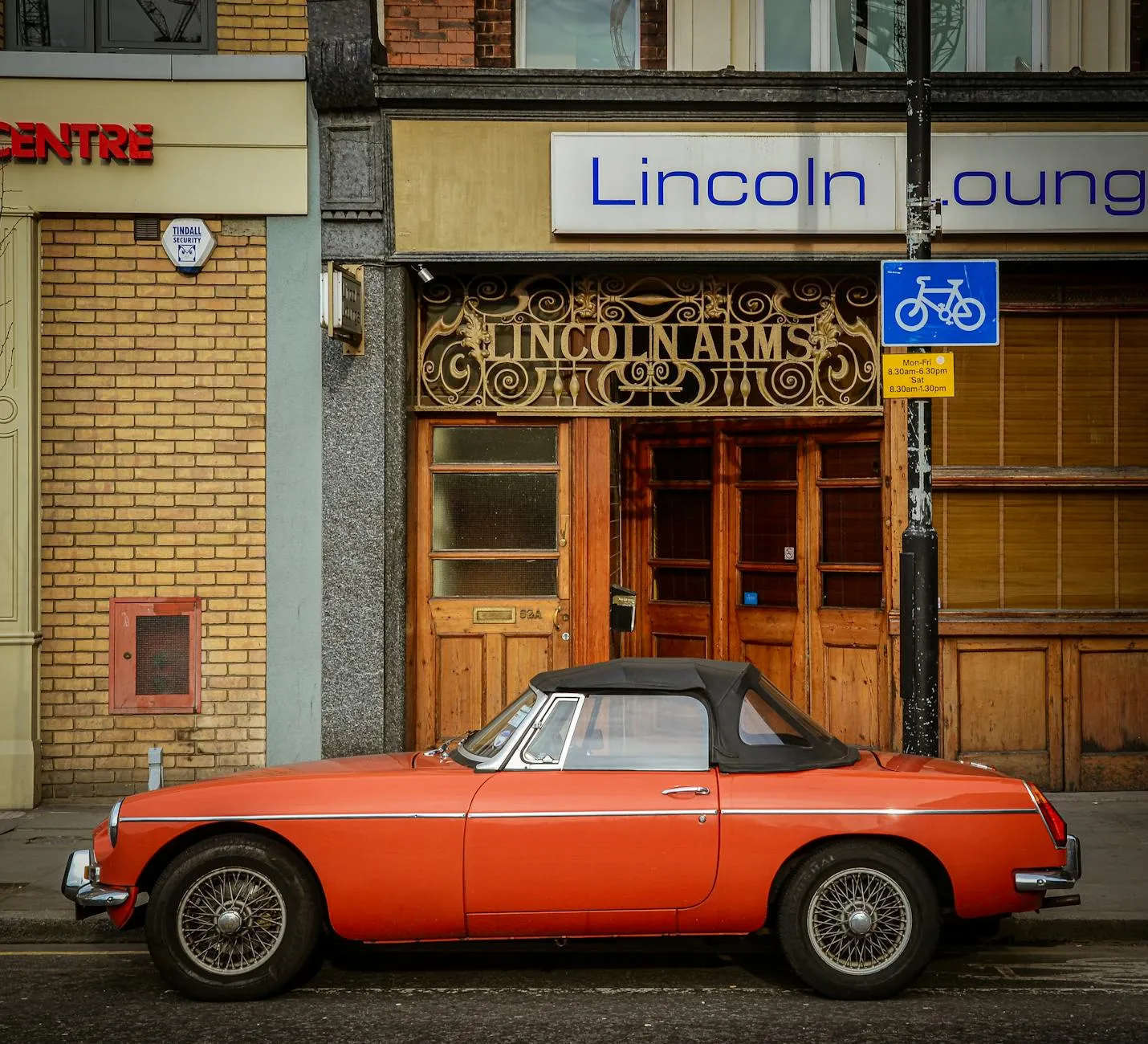
The MG MGB was the modern monocoque roadster that sold more than half a million and became, for years, the best-selling sports car in the world. A guide to the 1.8-litre B-series, the three-bearing and five-bearing engines, the all-important chrome-bumper versus rubber-bumper divide, and the checks that matter before buying one.
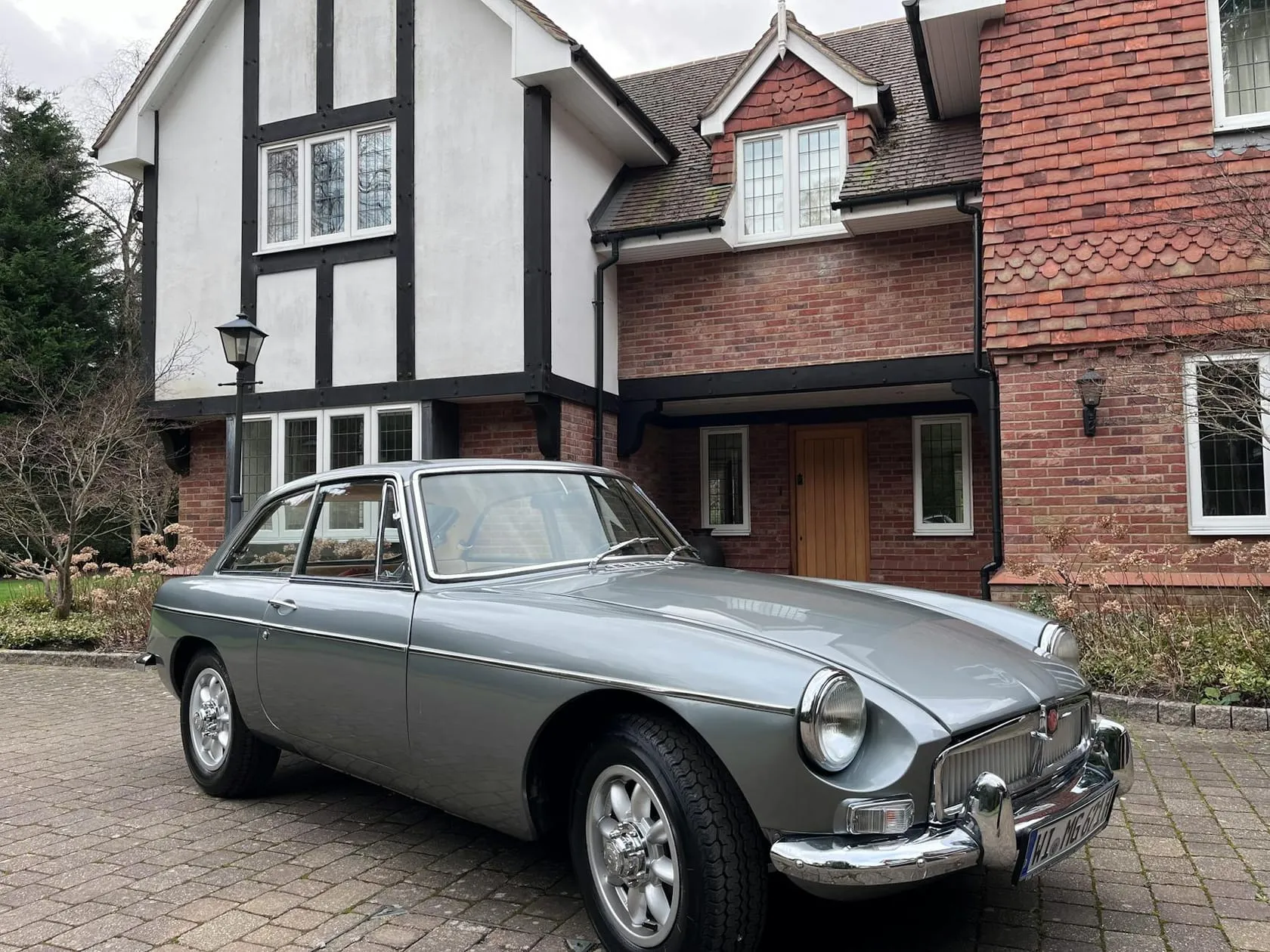
The MG MGB GT added a handsome Pininfarina-styled fastback roof and a practical hatchback to the MGB, making a refined 2+2 that is one of the most underrated classics there is, and the rare MGB GT V8 gave it real pace. A guide to how the GT differs from the roadster, the V8, and what to watch for when buying.
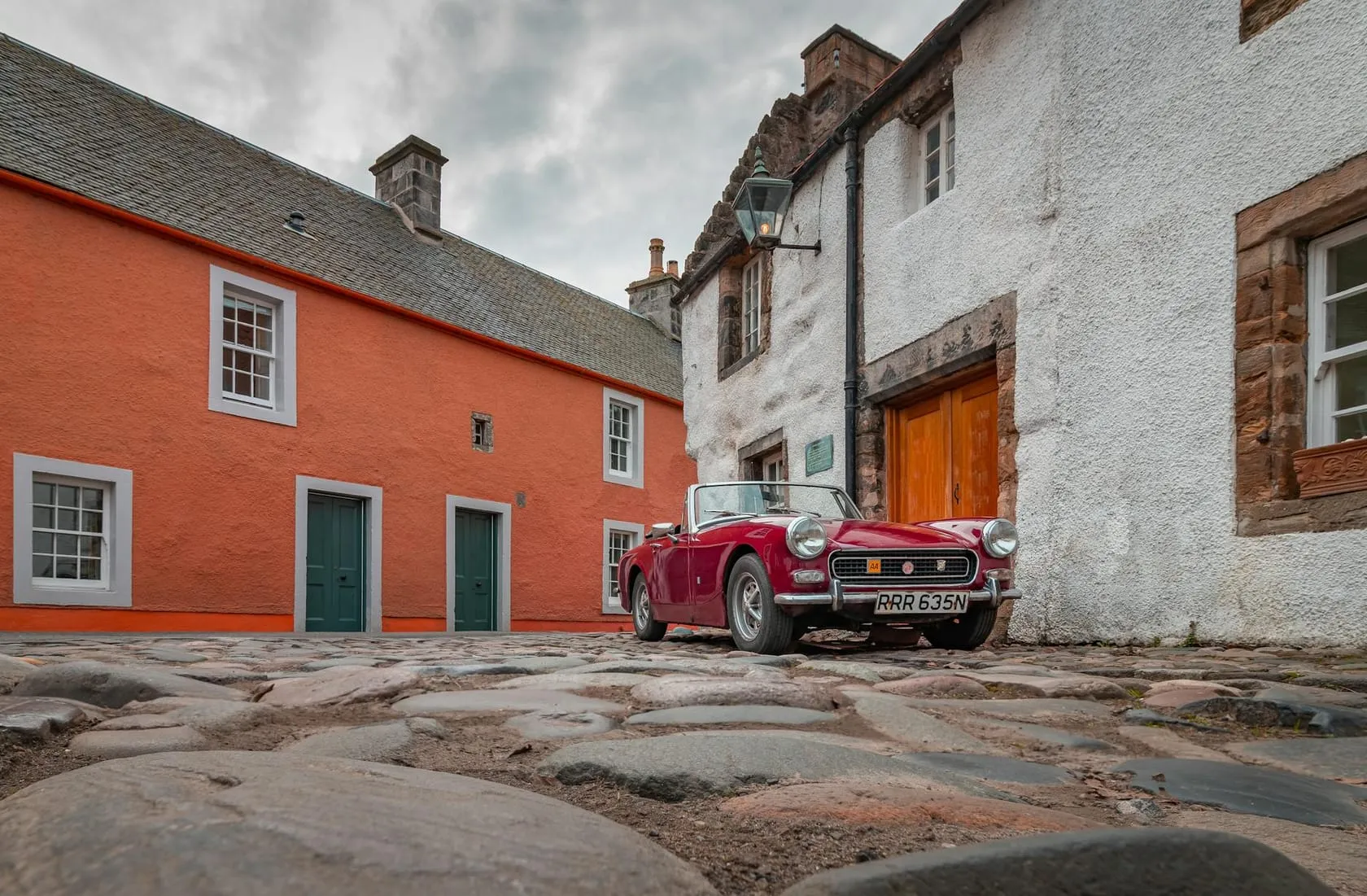
The MG Midget was the tiny, nimble, affordable roadster built alongside its near-identical twin the Austin-Healey Sprite, and the cheapest way into classic MG ownership. A guide to the marks and engines, the curious 1500 that used a Triumph engine, the chrome and rubber bumper cars, the round and square arches, and what to look for when buying.
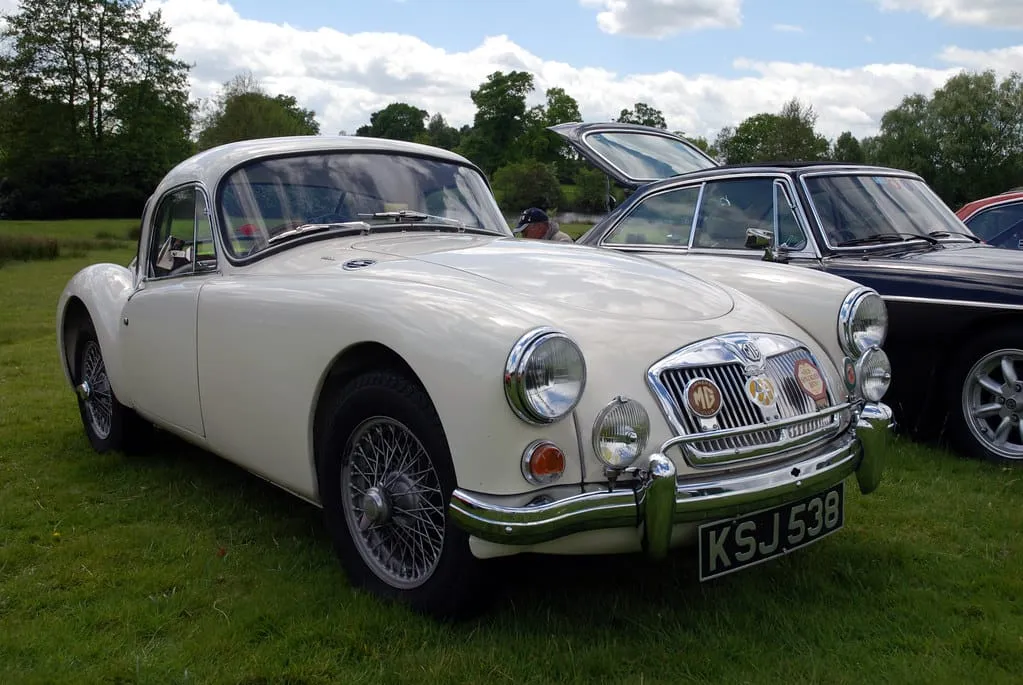
The MG MGA was the sleek, aerodynamic sports car that swept away MG's upright pre-war look, sold over a hundred thousand almost entirely for export, and remains the prettiest of the affordable classic MGs. A guide to the 1500, 1600 and 1600 MkII pushrod cars, the rare and troubled Twin Cam, and what to look for when buying one.
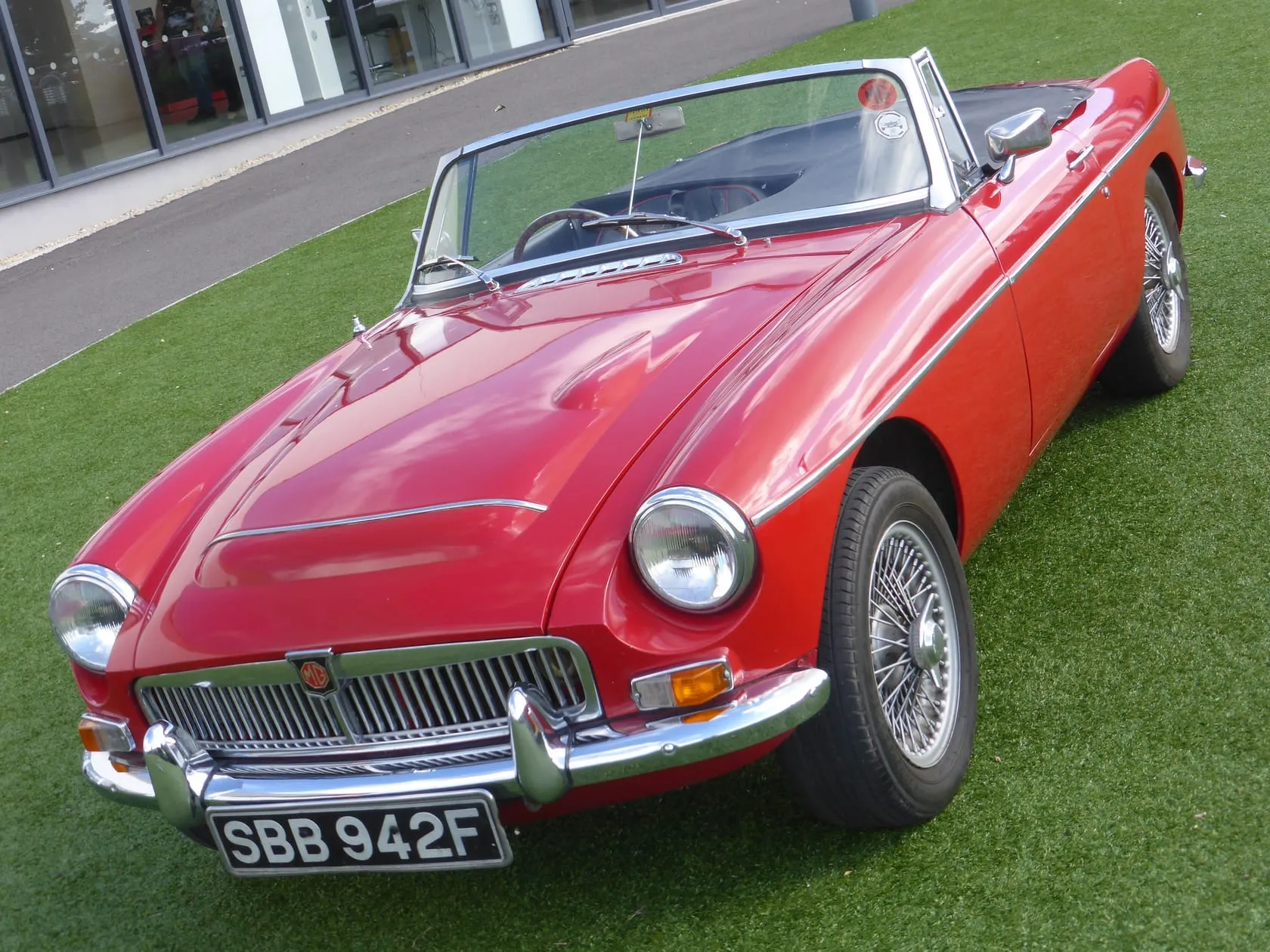
The MG MGC was the MGB given a 3.0-litre straight-six, conceived as a replacement for the big Austin-Healey 3000 and damned in period for nose-heavy handling. A guide to the redesigned six-cylinder engine, the truth about the handling reputation, the roadster and GT, what to look for when buying, and why a sorted MGC is now a sought-after grand tourer.
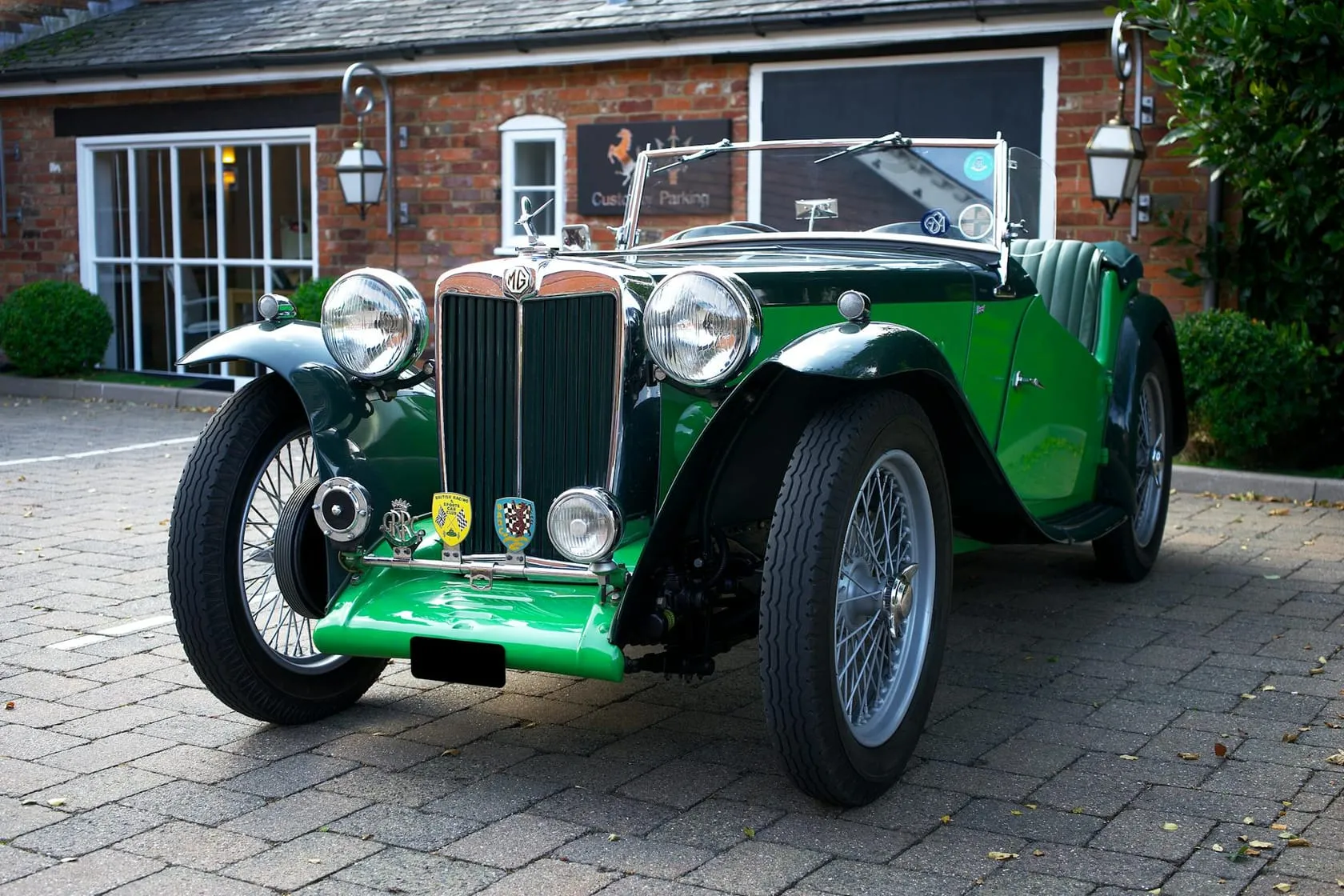
The MG T-Series, from the pre-war TA and TB through the TC that opened America to the TD and TF, was the classic folded-body British sports car on an ash frame. A guide to the T-types, what separates them, what one is like to own, and what to look for when buying.
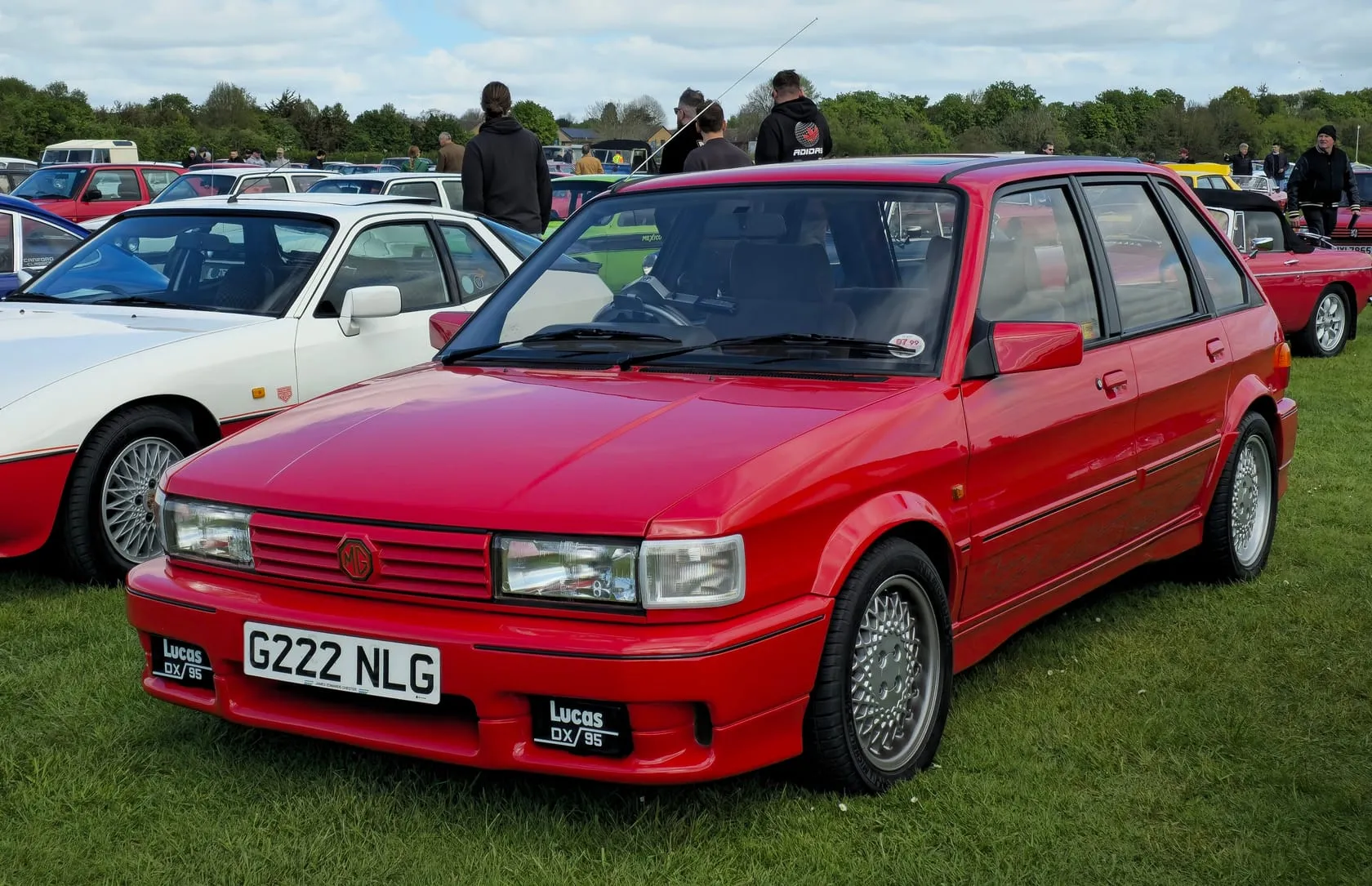
The MG Maestro put the octagon on Austin's family hatchback, first with the troublesome twin-carb 1600, then the 115 bhp 2.0 EFi, and finally the 152 bhp Tickford-finished Maestro Turbo of 1989, the fastest production MG there had been. A guide to the whole Maestro family, what survives, what to check, and what the handful of sale-room results say a good one is worth.
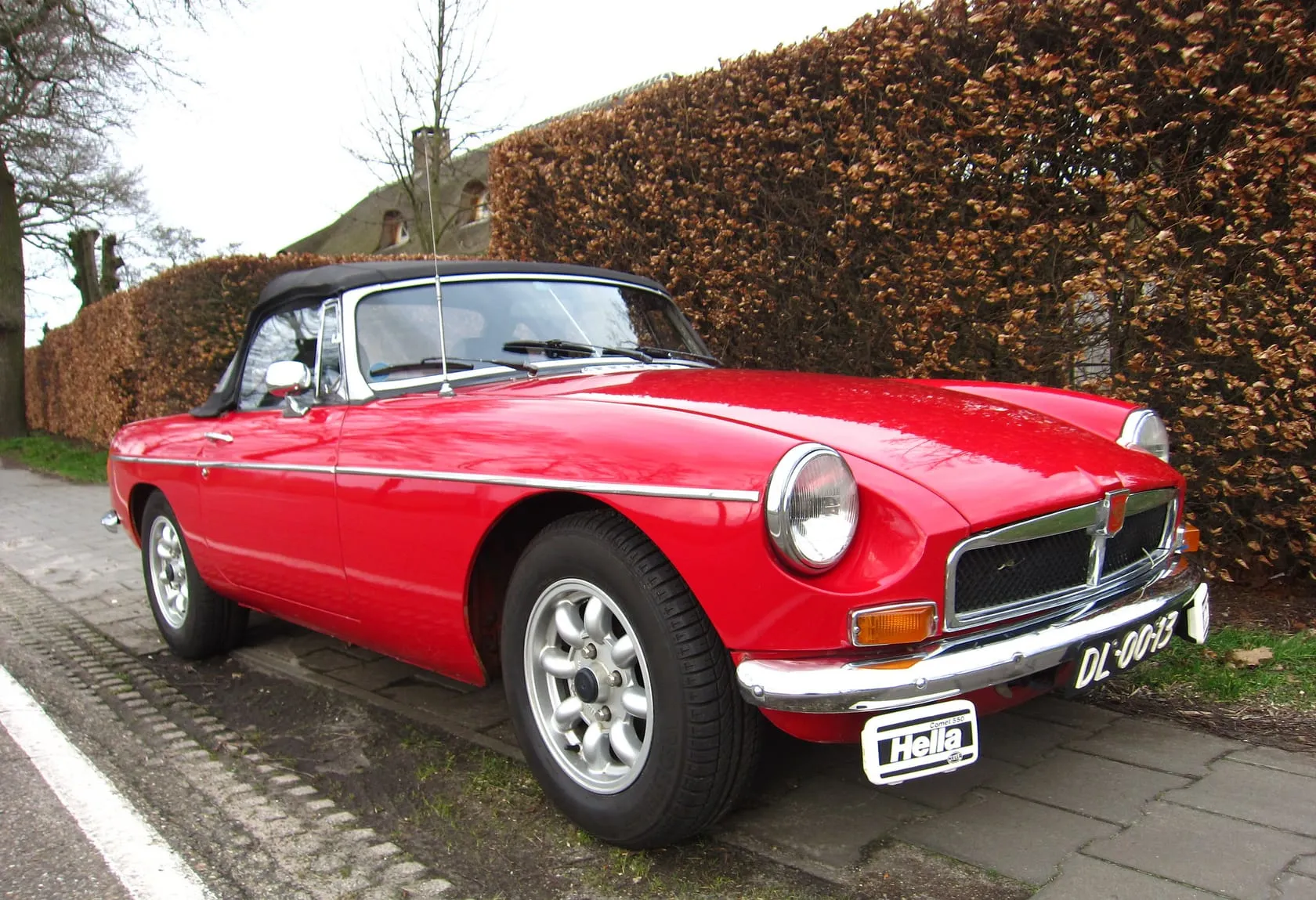
Classic MGs are among the best-supported old cars on the road. A practical guide to MG parts availability by model, the specialists and club spares that serve the marque, what restoration involves for the monocoque and separate-chassis cars, and how the cars are insured.
By type of car
96 guidesClassics grouped by what they are rather than who built them, from 1970s family saloons to farm tractors.
Classic Tractors
11 guides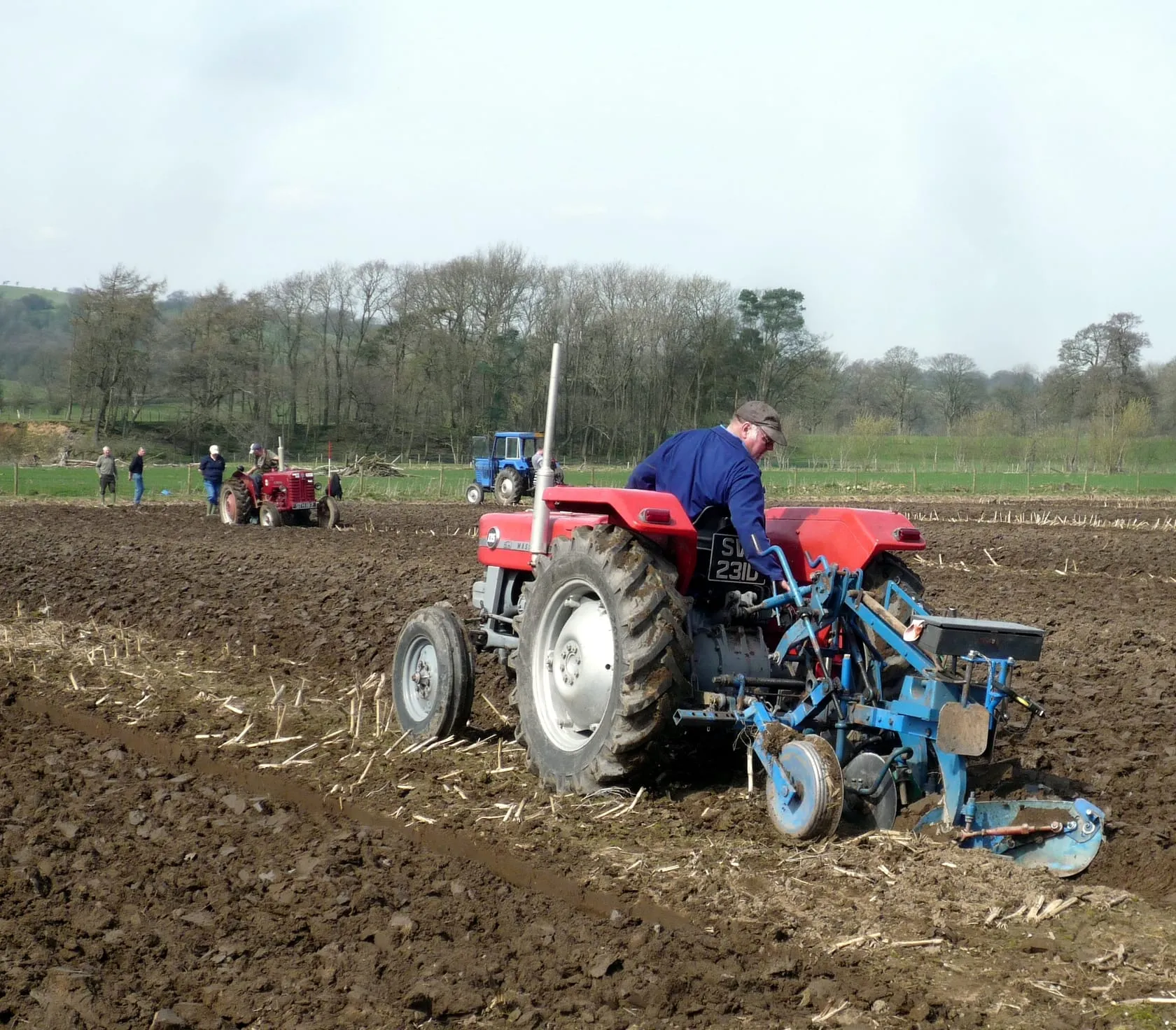
From Harry Ferguson's revolutionary little grey Fergie to the half-million Massey Ferguson 135s that worked farms across three continents, Britain built some of the most important tractors in the world. A guide to the classic and vintage British tractors worth knowing, why they changed farming, and why the survivors are now collected, shown, and restored.
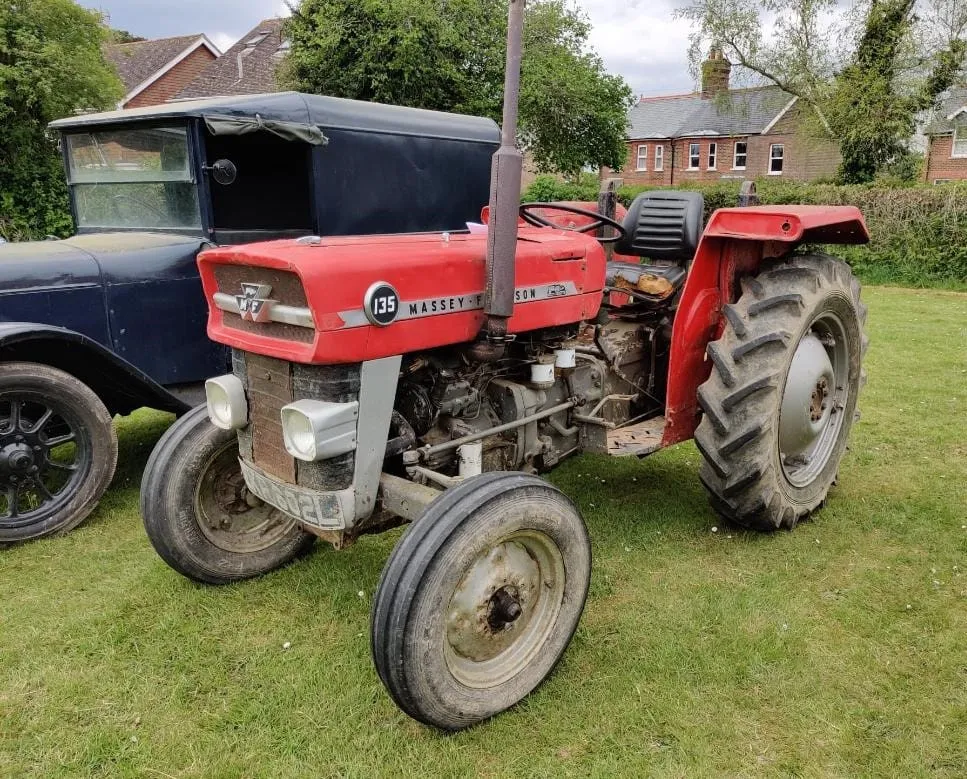
The Massey Ferguson 135 is the most recognisable classic tractor in Britain, over 400,000 built at Coventry from 1964, simple, tough, and still working farms and shows today. Its history, the Perkins and Continental engines, the Multi-Power transmission, what to check when buying, and what a good one is worth.
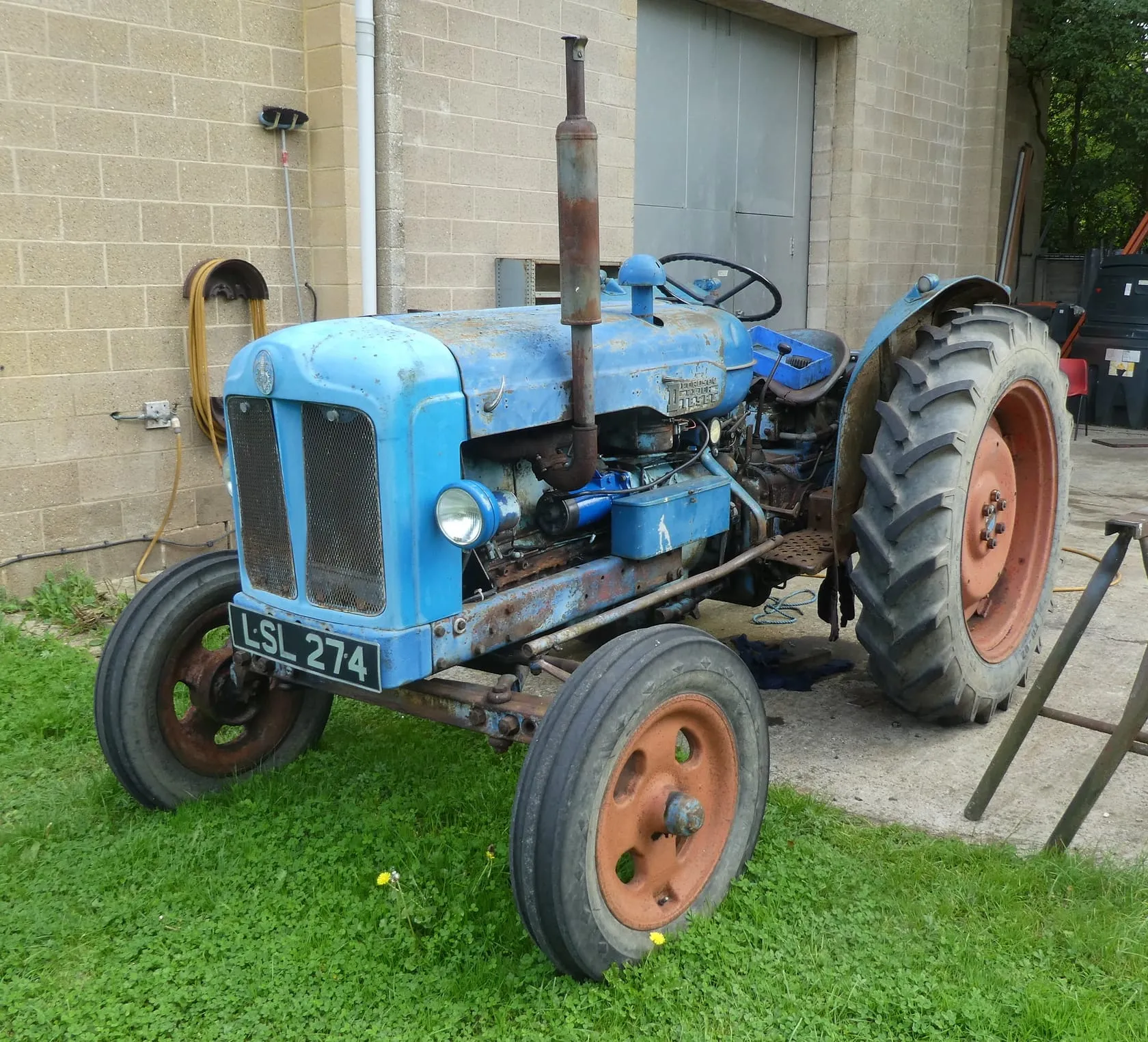
The Fordson Major is the heavyweight British classic tractor, built by Ford at Dagenham from the post-war E27N to the diesel New Major, Power Major and Super Major of 1952 to 1964. Its history, the engines, the difference between the E27N and the New Major, what to check when buying, and what one is worth.
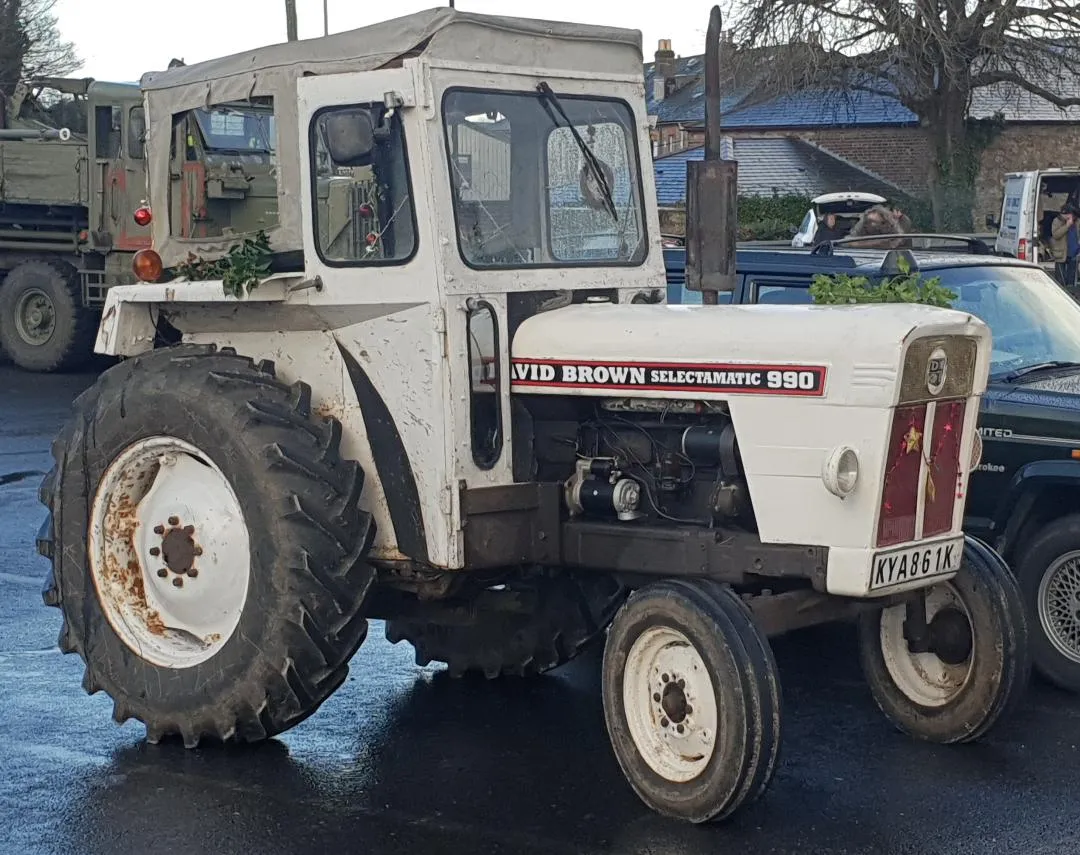
David Brown built well-engineered classic tractors at Meltham in Yorkshire from the 1936 Ferguson-Brown to the Selectamatic range, and the same company owned Aston Martin, giving the DB in DB5 its initials. The history, the Cropmaster, Implematic and Selectamatic models, the Aston Martin connection, what to look for when buying, and values.
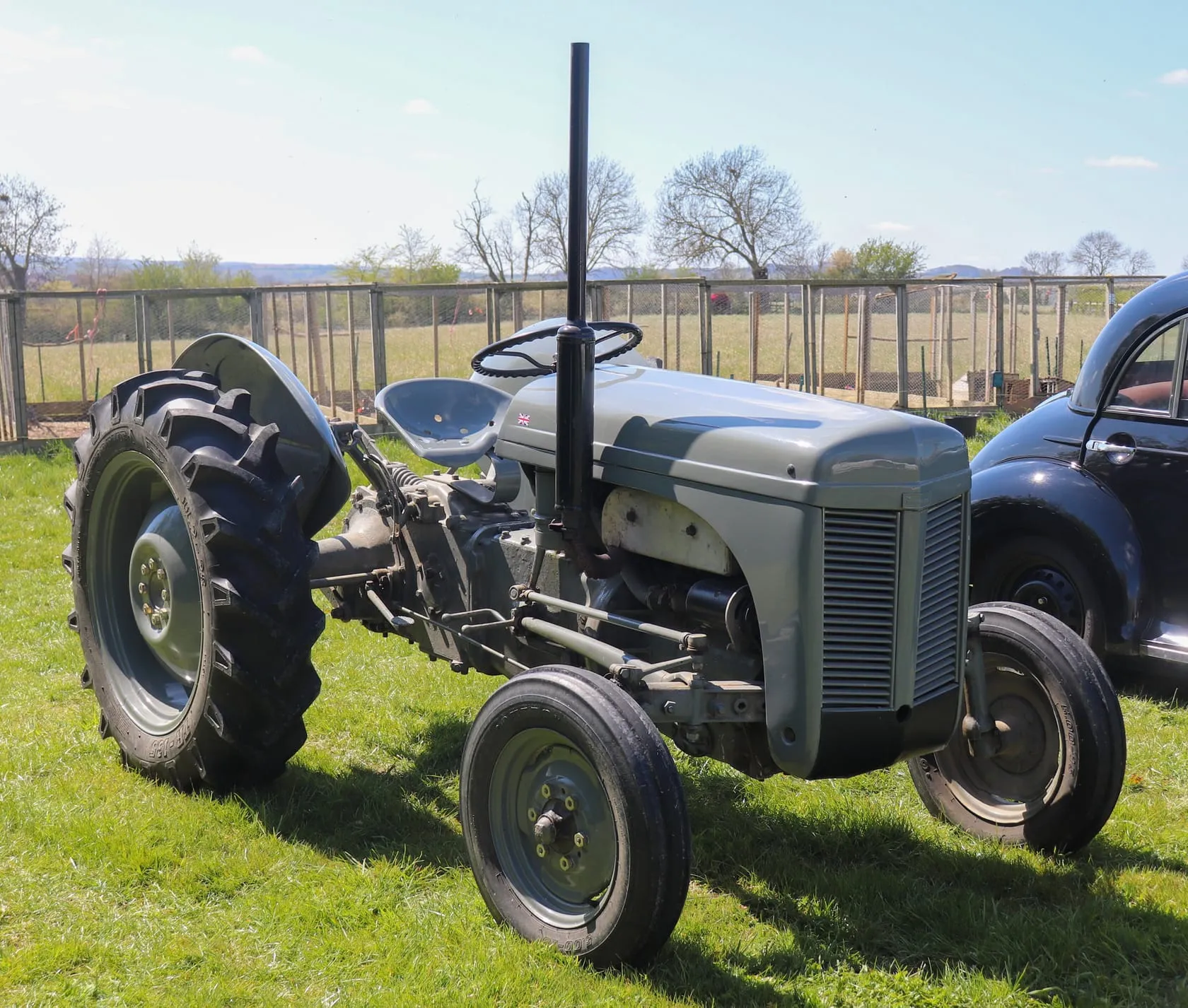
The Ferguson TE20, the "little grey Fergie", is the tractor that brought Harry Ferguson's three-point hydraulic system to the world. Over half a million built in Coventry from 1946. Its history, the Ford handshake and the famous lawsuit, the petrol, TVO and diesel engines, what to check when buying, and what one is worth.
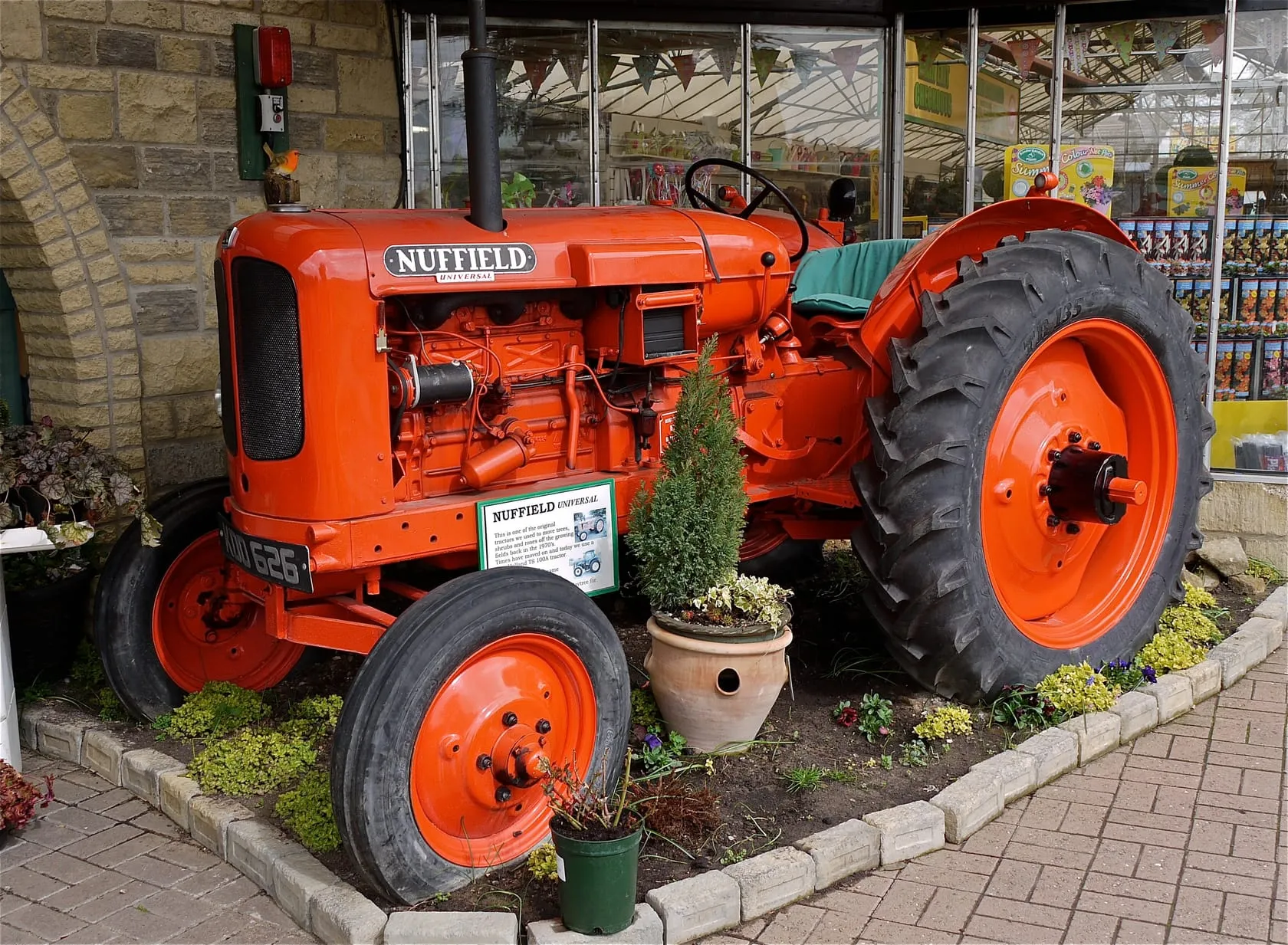
Nuffield built bright orange tractors from 1948, made by the Morris car empire under Lord Nuffield himself. A guide to the old Nuffield tractors worth knowing, from the Universal M3 and M4 to the ten-speed 10/60 and the 4/65, the move to Bathgate, what to look for when buying, and what a vintage Nuffield is worth.
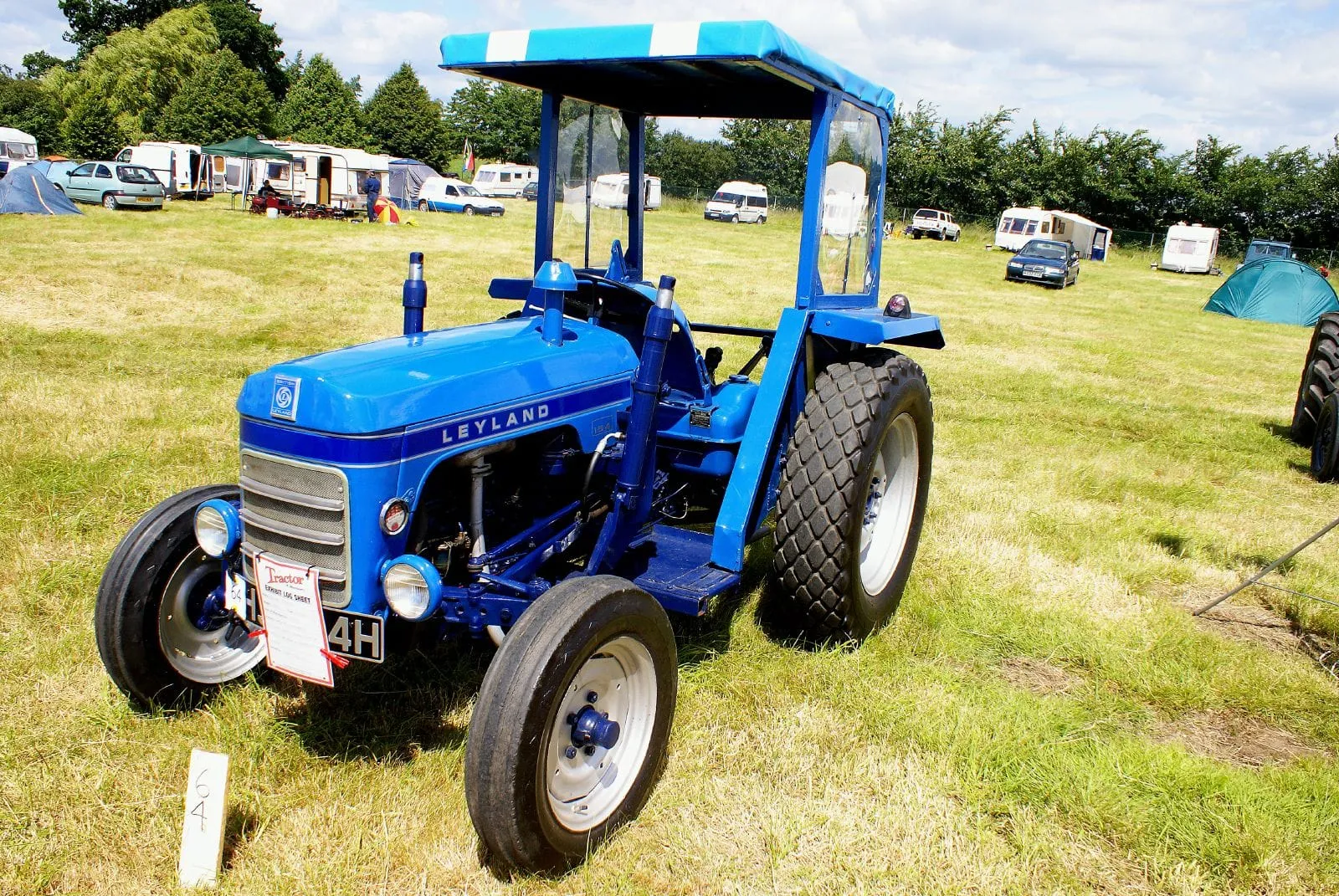
The blue Leyland tractors grew straight out of the orange Nuffields in 1969 and were built at Bathgate in Scotland until 1982. A guide to the old Leyland tractors worth knowing, from the compact 154 to the synchro models and the big 2100, the British Leyland story, what to look for when buying, and what a vintage Leyland is worth.
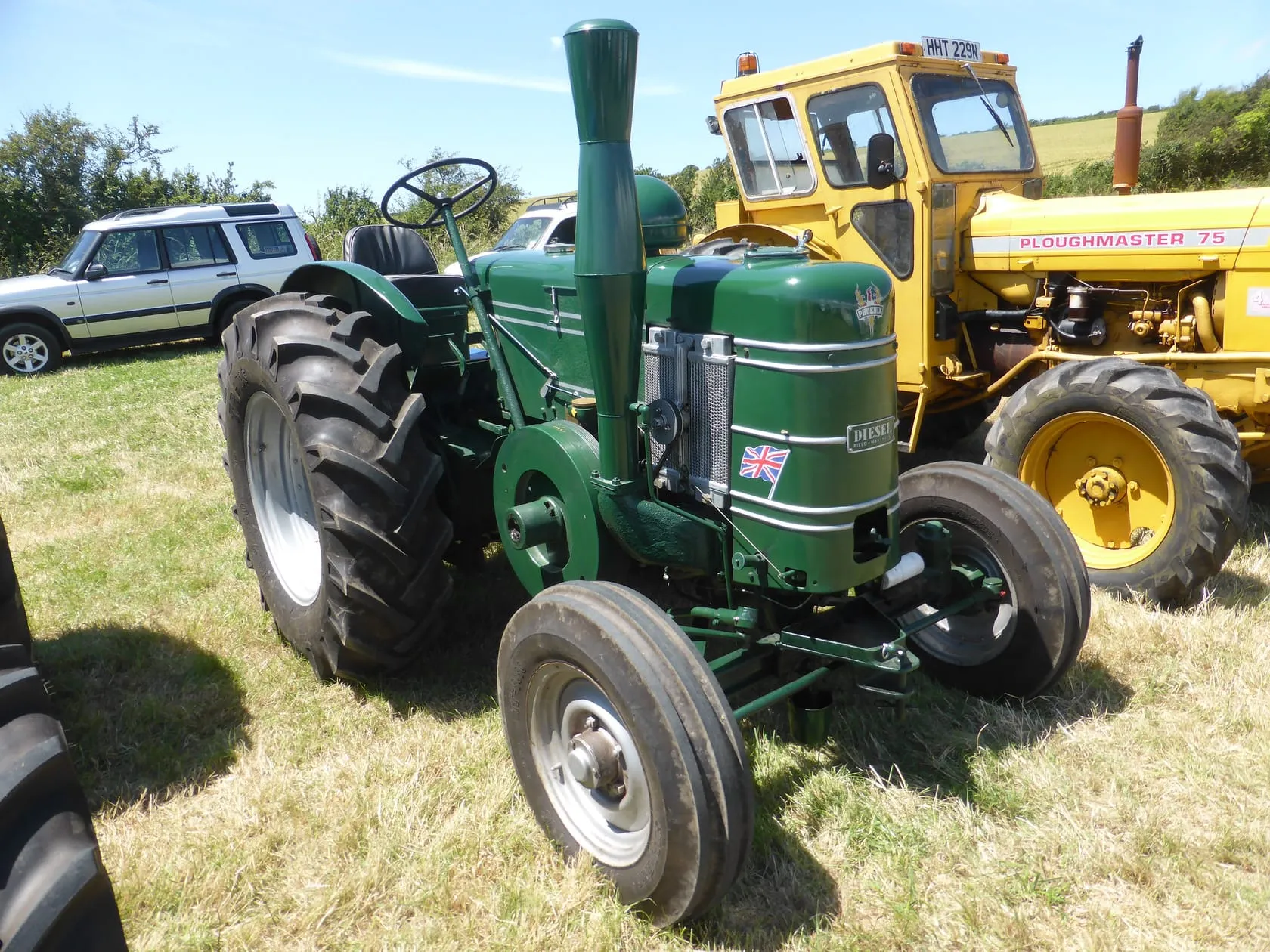
A practical, plain-English guide to owning a classic or vintage tractor in Britain. How to register an old tractor with the DVLA, the historic tax class and the forty-year rule, why tractors are MOT exempt, the licence and rules for driving one on the road, the red-diesel question that catches people out, and what to look for when buying and running one.
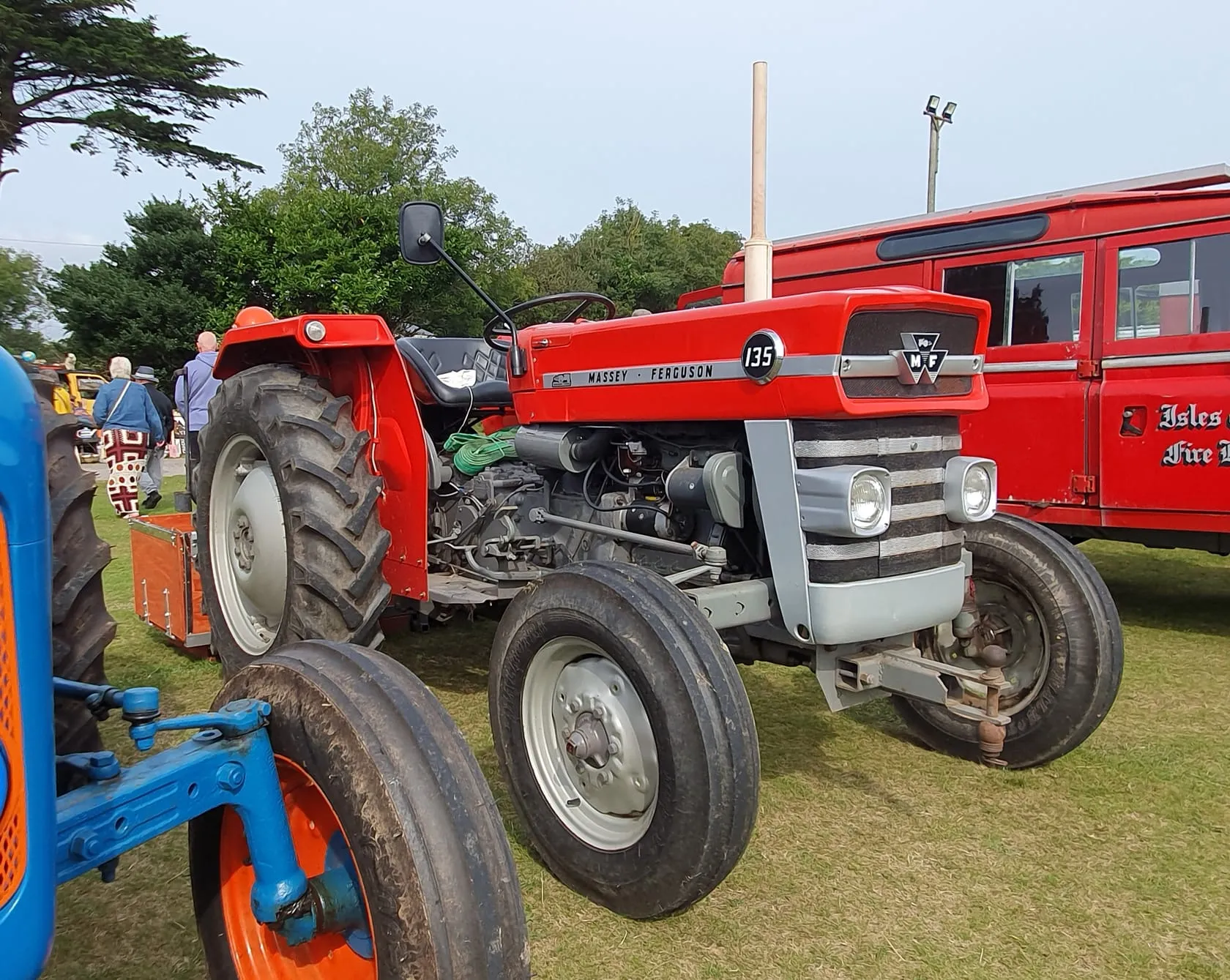
What is an old tractor actually worth? A plain-English guide to classic and vintage tractor values in Britain, model by model, from £1,500 Ferguson TE20s to five-figure County conversions, what drives the price of the same model up or down, where tractors actually change hands, and why values have been rising.
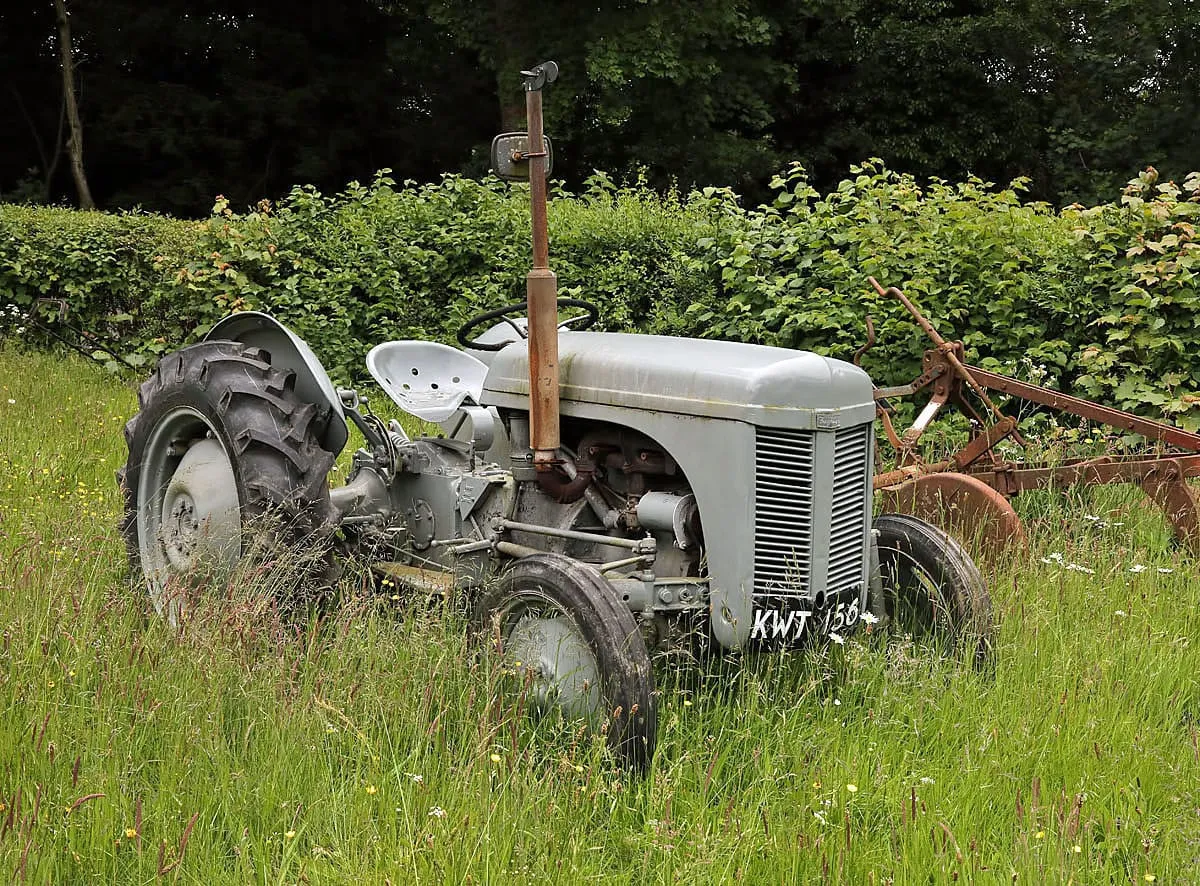
Which classic tractor should you actually buy? Honest recommendations by budget and intent, from the Ferguson TE20 and Massey Ferguson 135 to the underrated Nuffields and Leylands, what each is like to own, what to check before handing over money, and which machines to leave for the specialists.
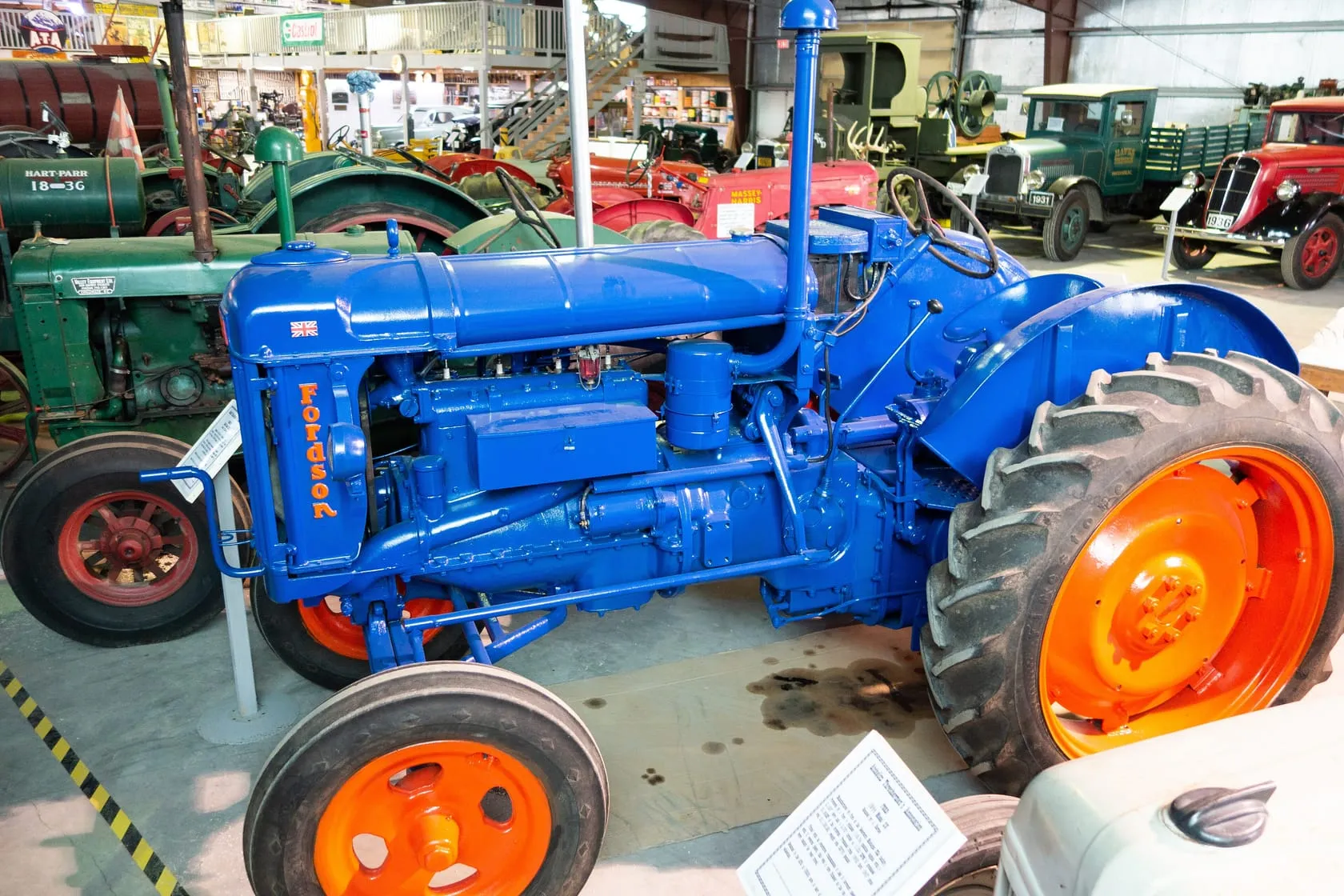
A guide to the old tractor brands you meet at every British rally and in every farmyard memory, who made what, when, and what became of them, from Fordson, Ferguson and Massey Ferguson to David Brown, Nuffield, Leyland and Field Marshall, plus the conversion specialists and the world names alongside them.
Austin
10 guides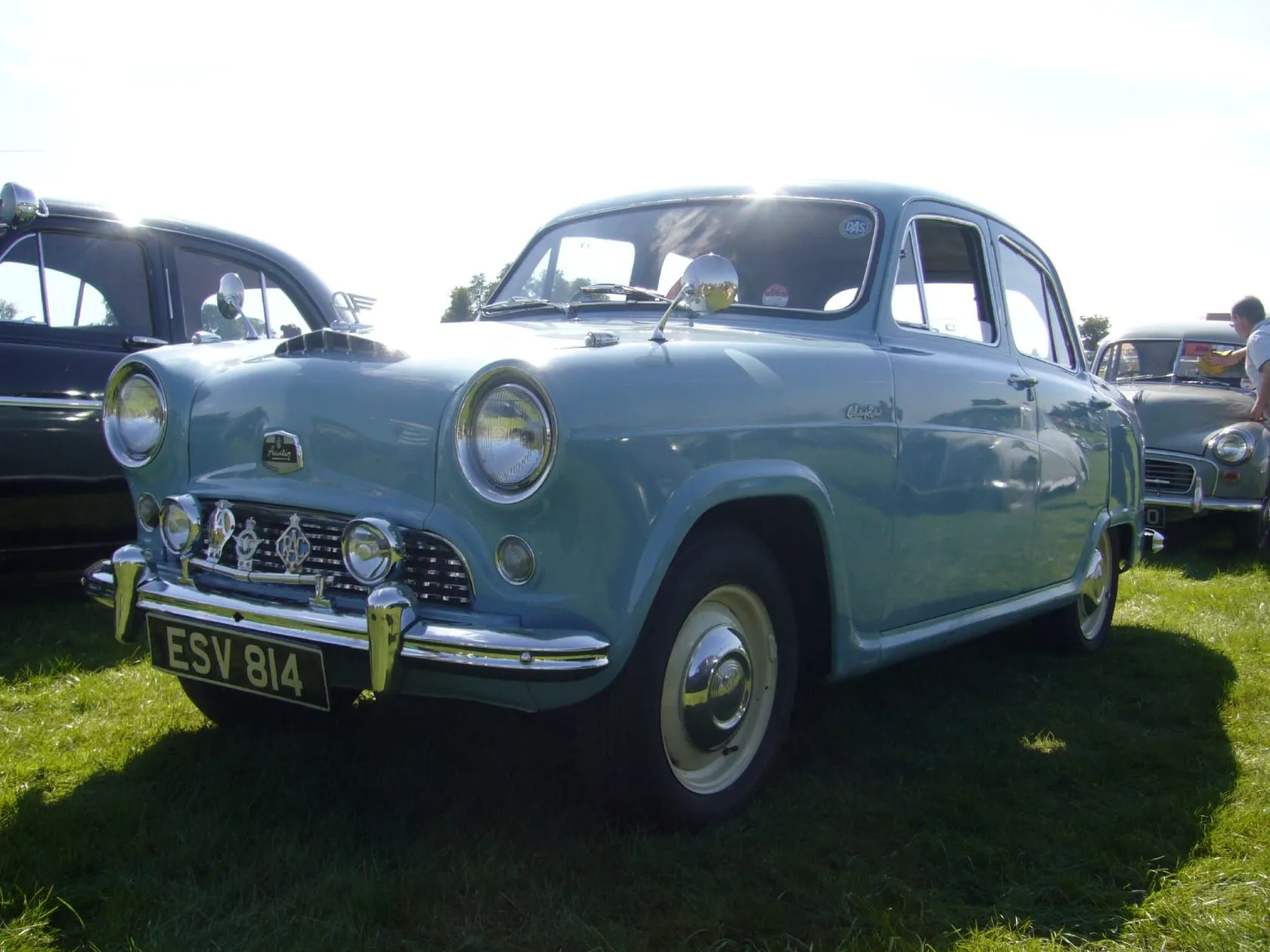
Austin built cars at Longbridge for over eight decades, from the Seven that motorised middle-class Britain to the A35, the Farina Cambridges and the Allegro. A guide to the classic Austins we cover, what became of the company, and what its survivors are like to own today.
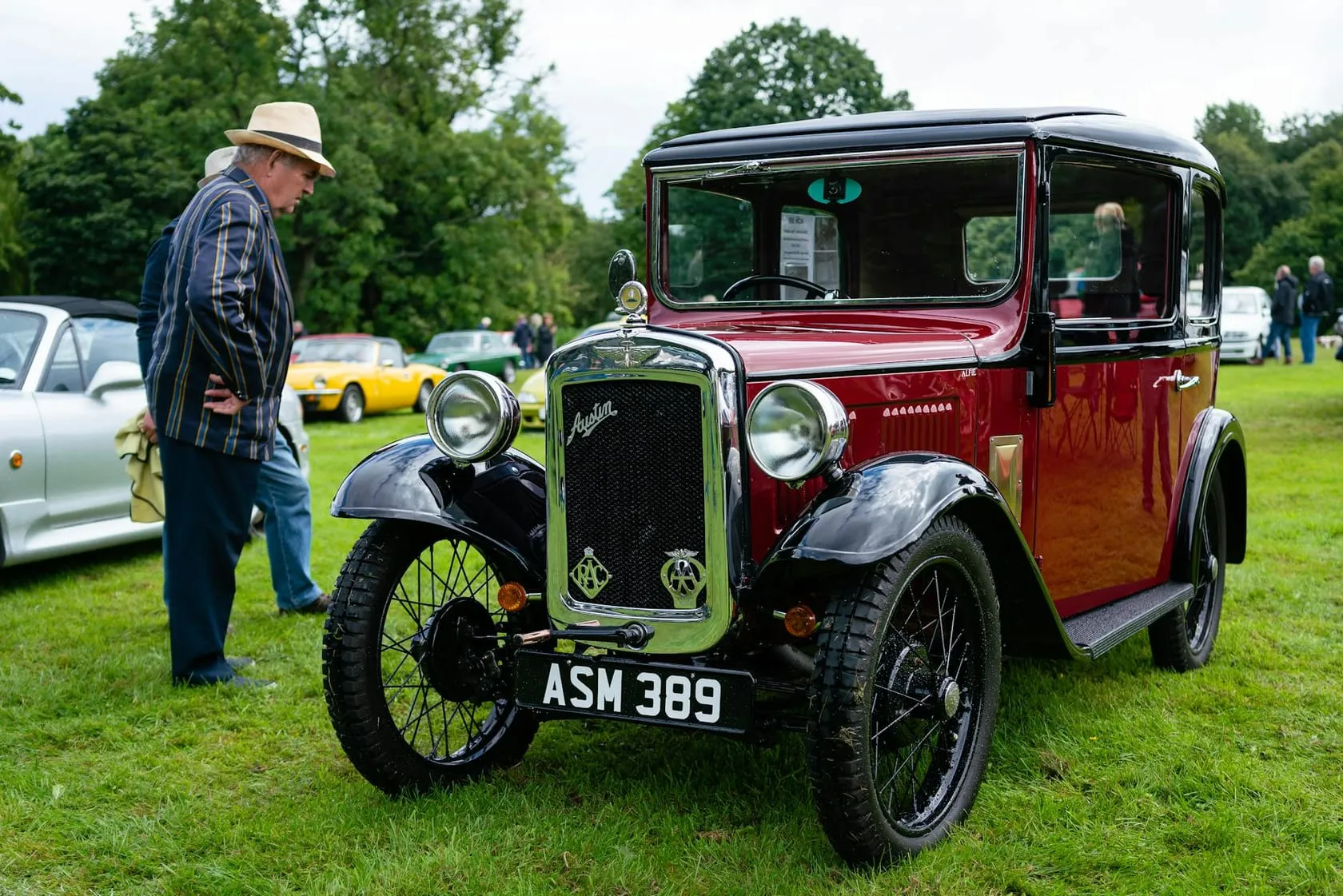
The Austin Seven was the small, cheap car that put middle-class Britain on four wheels, built from 1922 to 1939 in every form from the open Chummy to the Ruby saloon and the sporting Ulster. A guide to the many Sevens, the model that seeded BMW and Lotus, and what to look for when buying one.
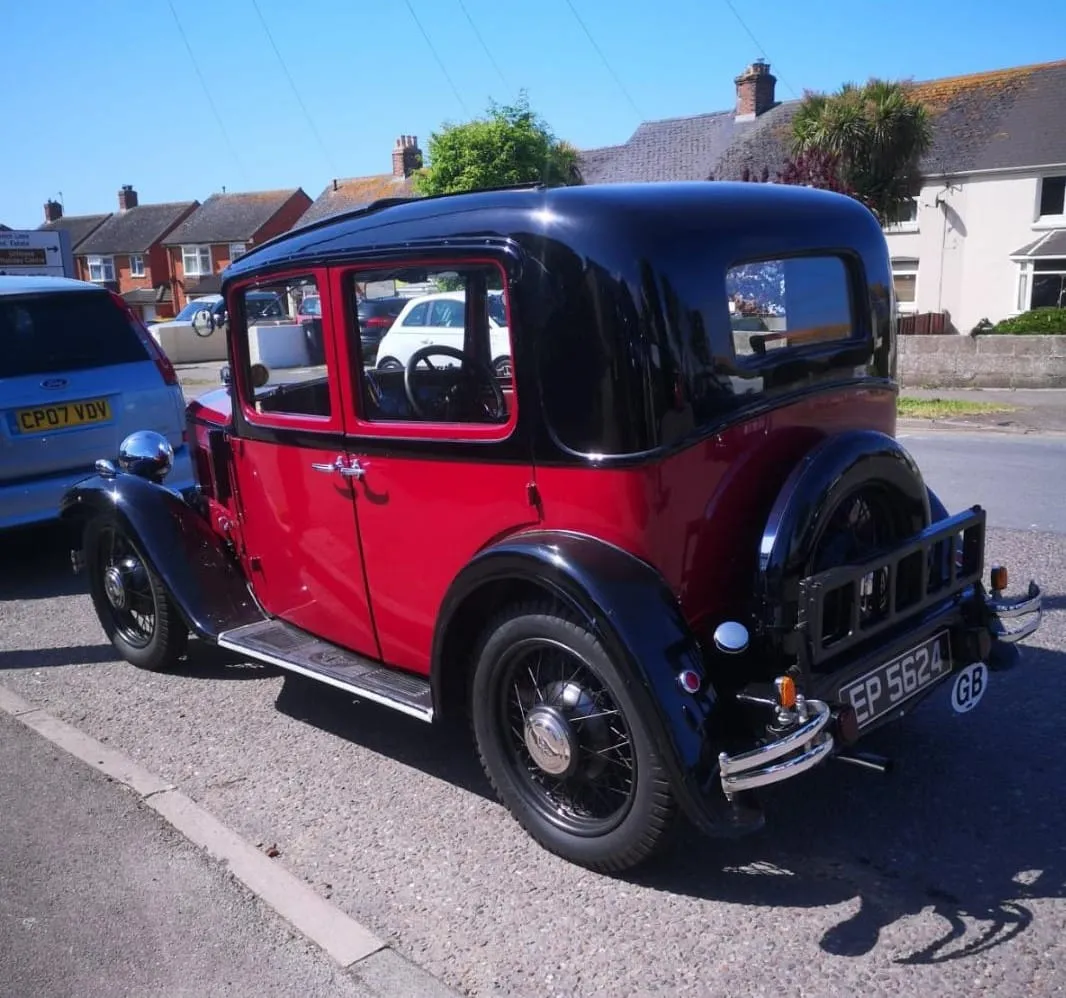
The Austin Ten was Longbridge's family car for the 1930s and quietly out-sold everything else Austin made, running from the 1932 Ten-Four through the Lichfield, Sherborne and Cambridge to the wartime Tilly and the post-war GS1. A guide to the variants, the war years, buying checks and values.
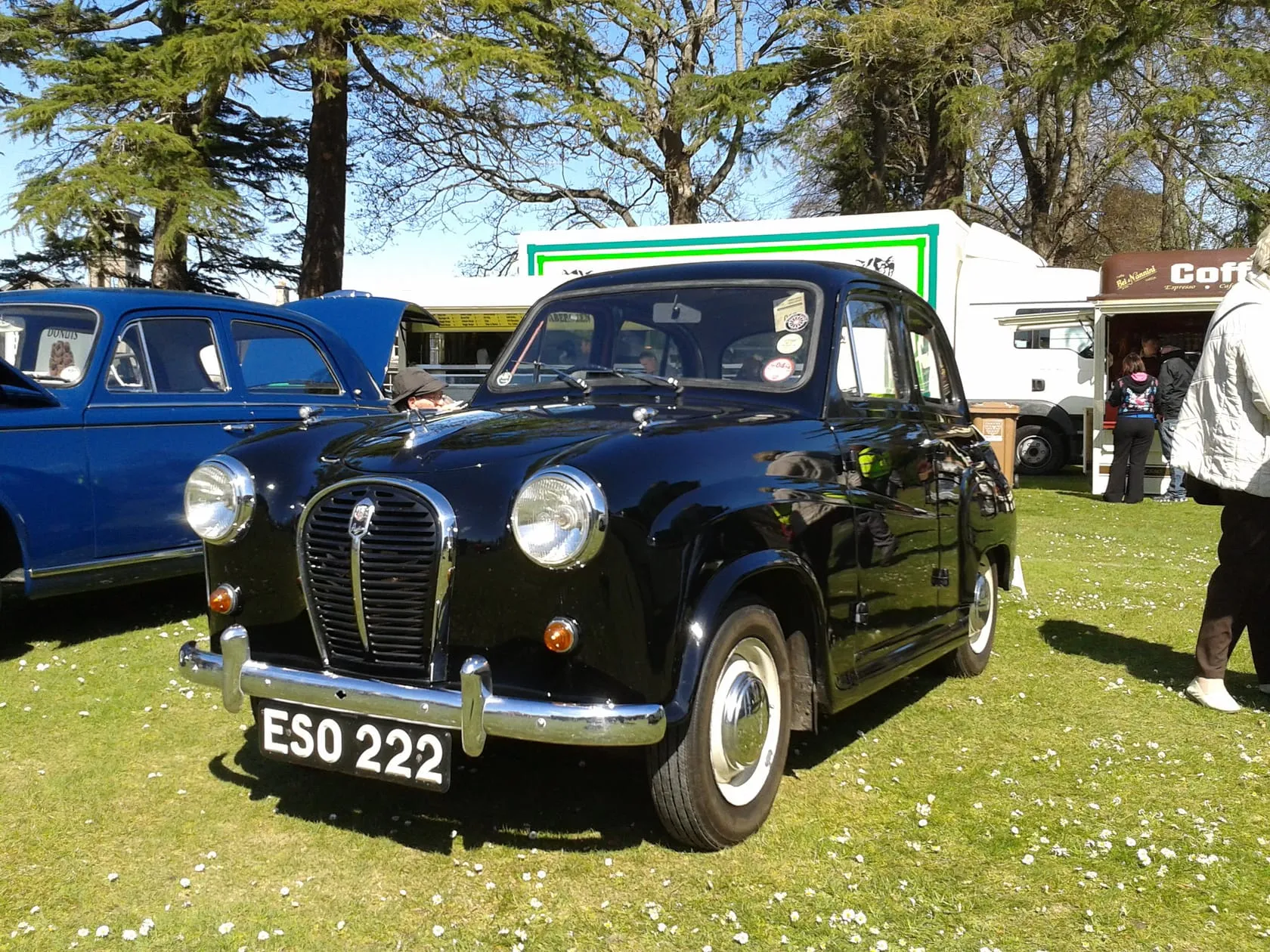
The Austin A30 was Longbridge's answer to the Morris Minor and its first unitary car, launched as the New Austin Seven; the improved A35 became one of the definitive small cars of the 1950s and, later, a giant-killing historic racer. A guide to both cars, the vans and Countrymen, the racing scene, and what to check before buying one.
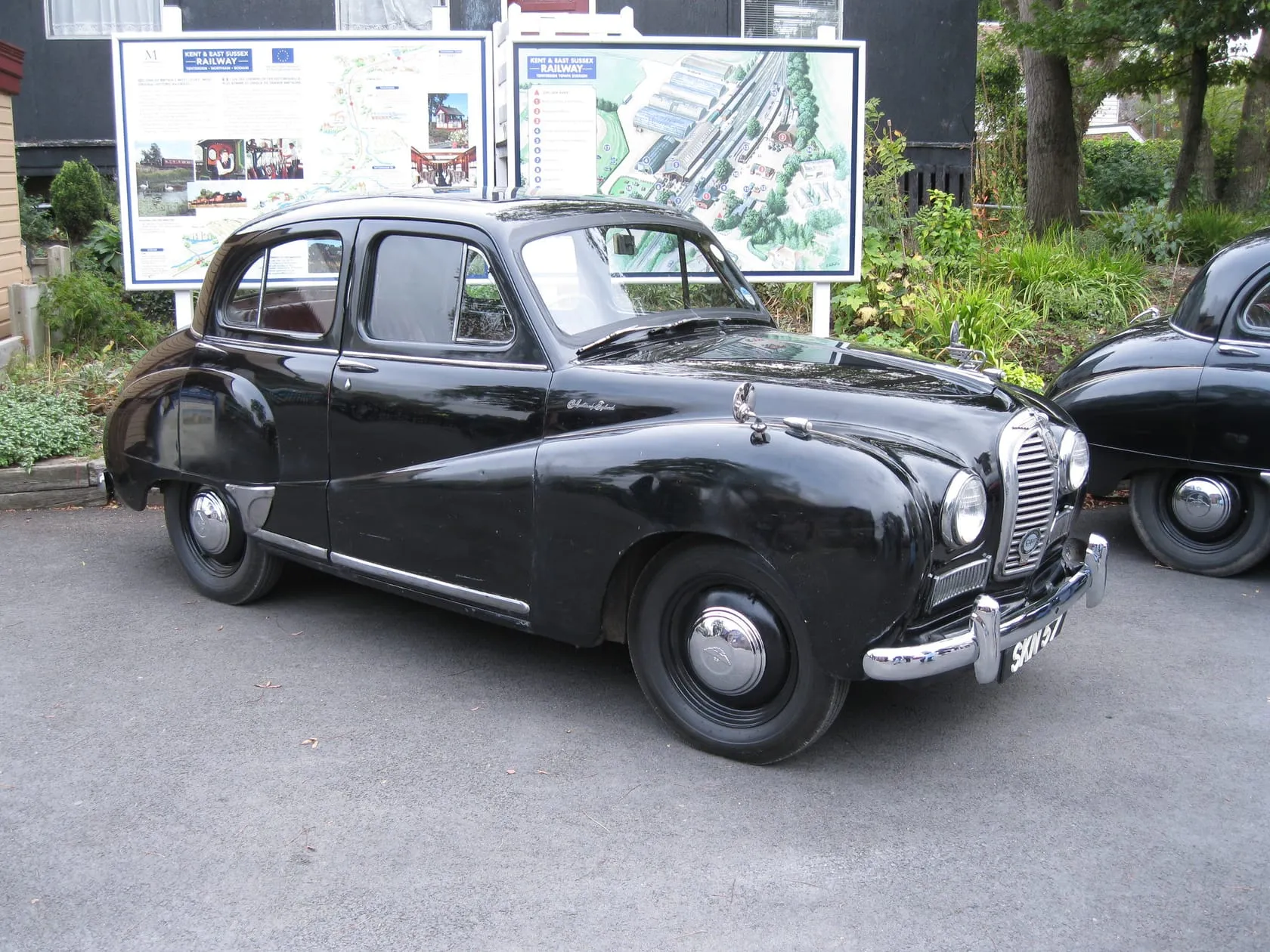
The Austin A40 badge covered twenty years of small Austins, the export-drive Devon, the rounded Somerset, the Jensen-bodied Sports and the Farina that quietly invented the modern hatchback shape. A guide to the whole family, buying checks and values.
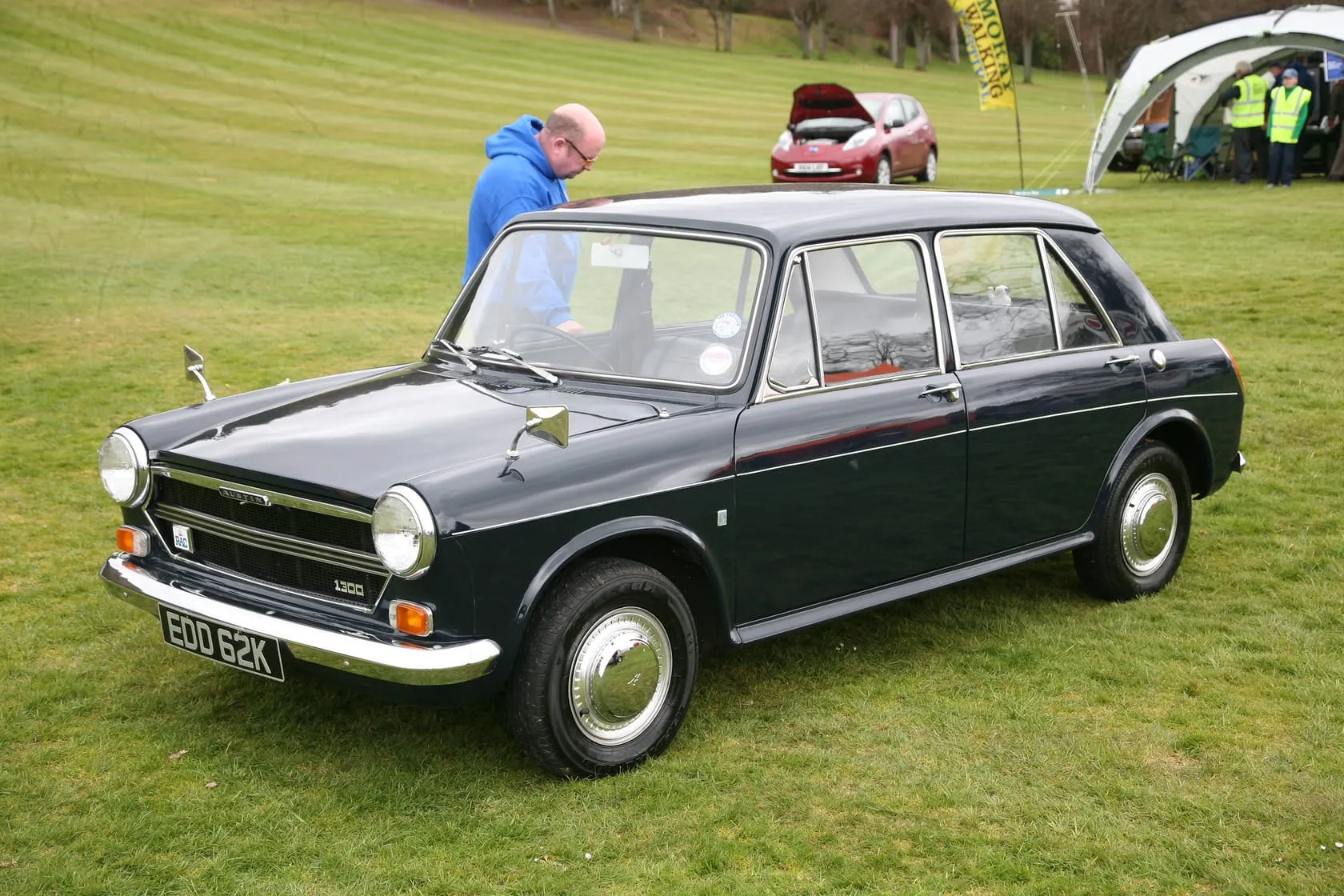
The BMC 1100 and 1300 outsold every other car in Britain for most of a decade, wearing Austin, Morris, MG, Riley, Wolseley and Vanden Plas badges, then vanished from the roads and from memory. A guide to the ADO16 family, the badges decoded, the Hydrolastic ride, what survives, buying checks and values.
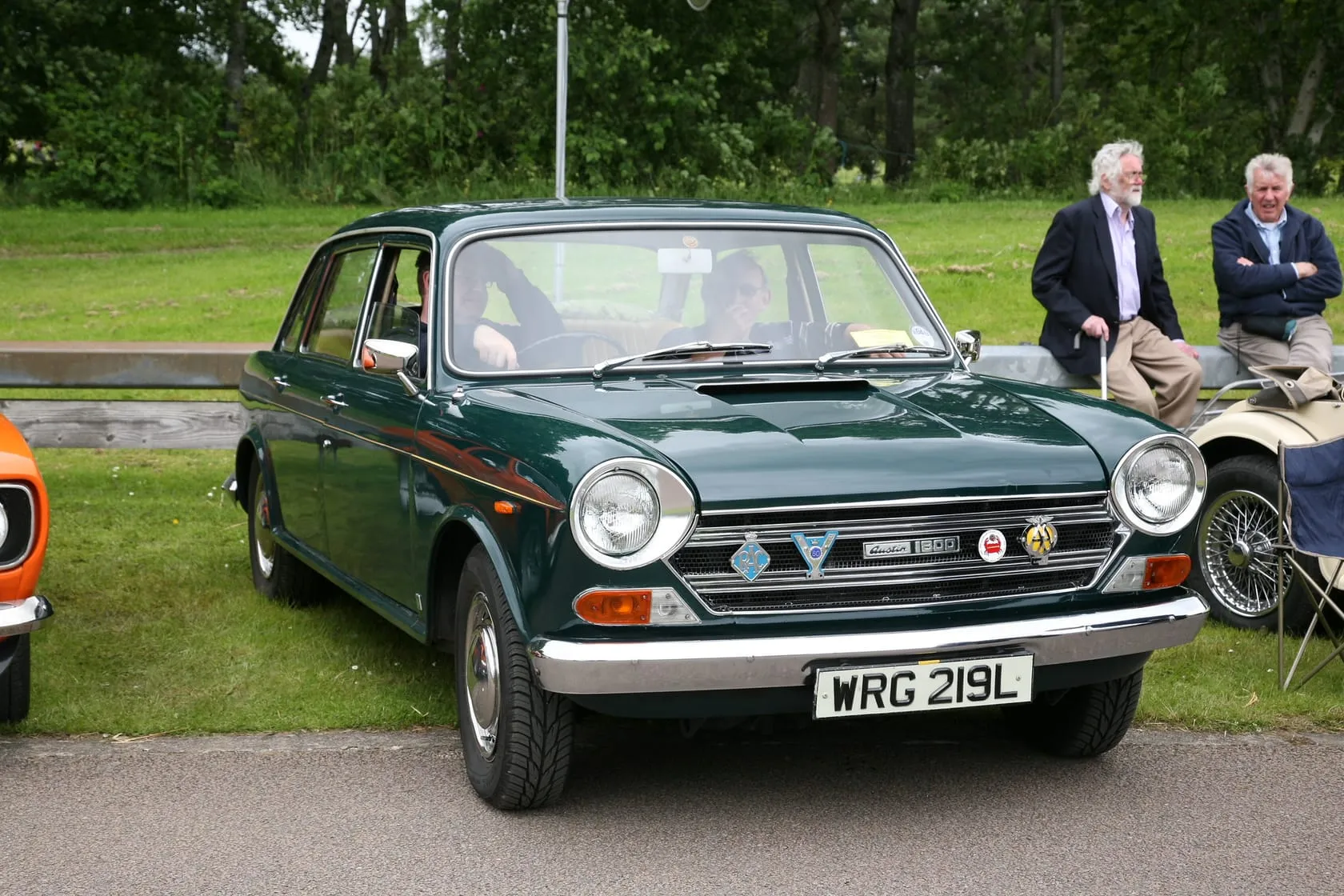
The Austin 1800 scaled Issigonis packaging up to family-Rover size, earned the Landcrab nickname for its wide stance, won Car of the Year and then astonished everyone by thriving in marathon rallies. A guide to the Austin, Morris and Wolseley versions, the S and the rally cars, buying checks and values.
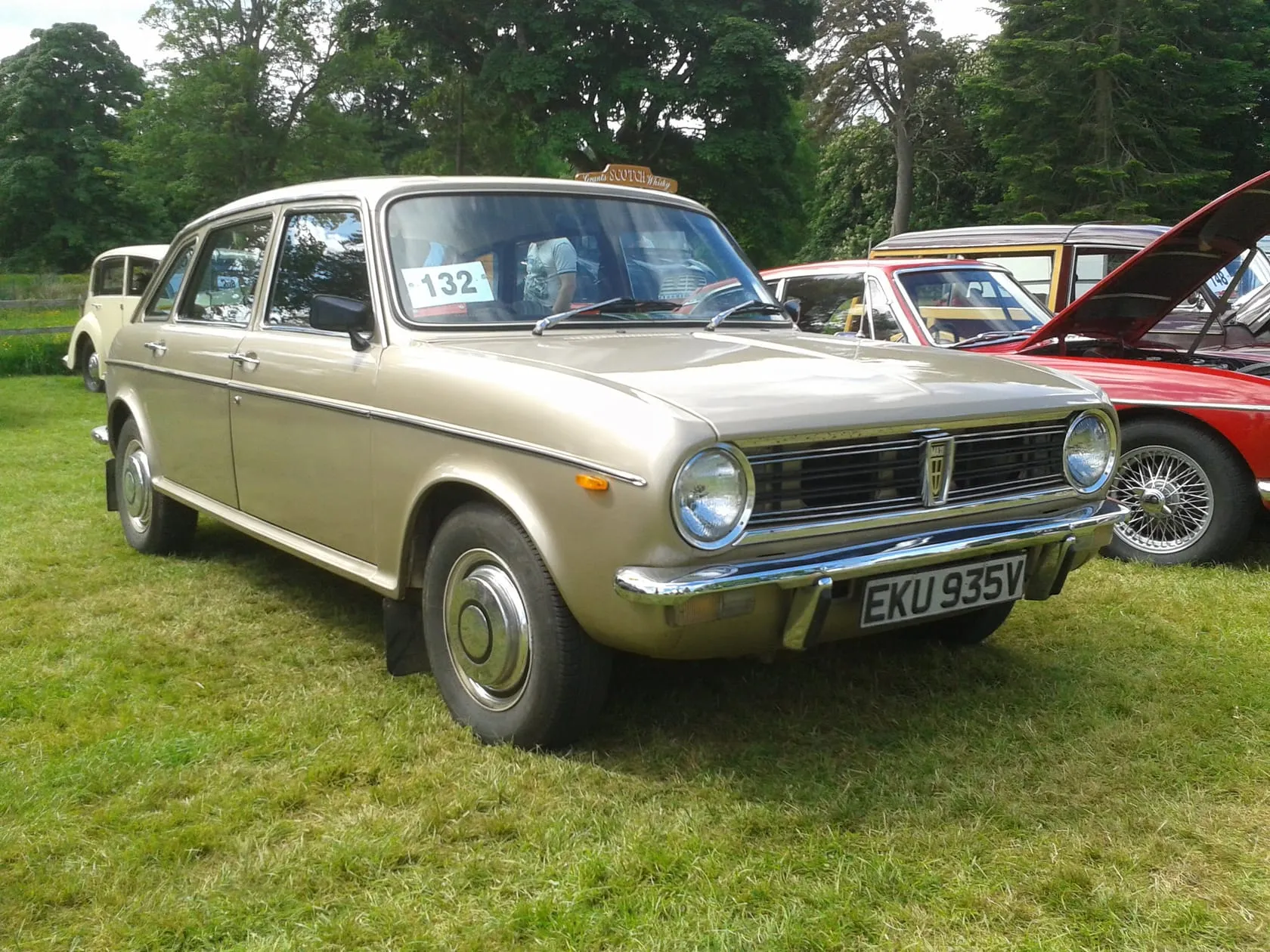
The Austin Maxi gave Britain its first five-door hatchback and five-speed gearbox in one 1969 package, then spent twelve years being mocked for the details while rivals copied the idea. A guide to the Maxi story, the E-series engines and that gearchange, the World Cup Rally cars, buying checks and values.
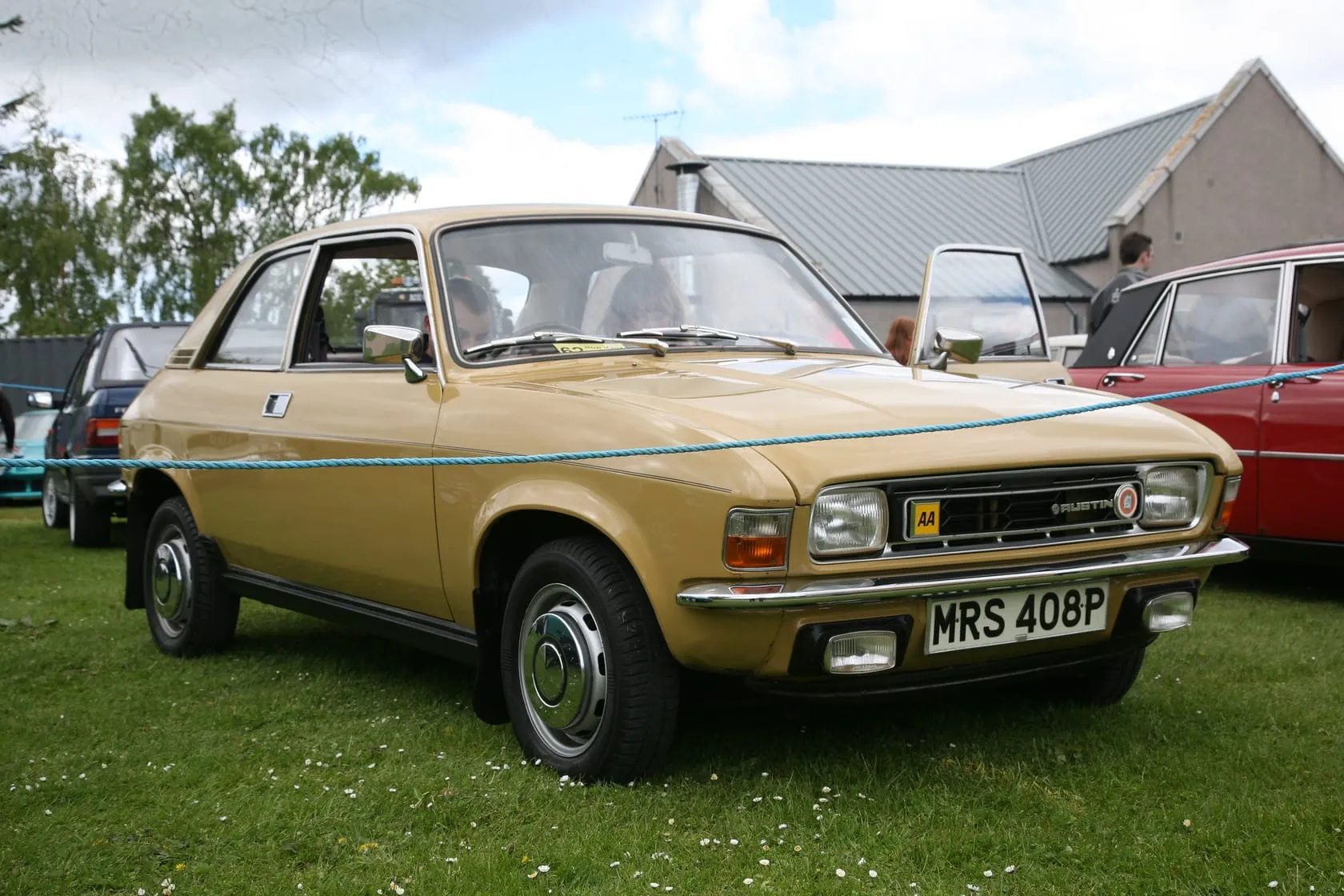
The Austin Allegro spent decades as the punchline of British motoring, the round car with the square steering wheel. The real story is stranger and kinder, taking in a lost wedge design, Hydragas suspension, the Vanden Plas 1500 and a survivor scene that adores it. A guide to the range, the reputation, buying checks and values.
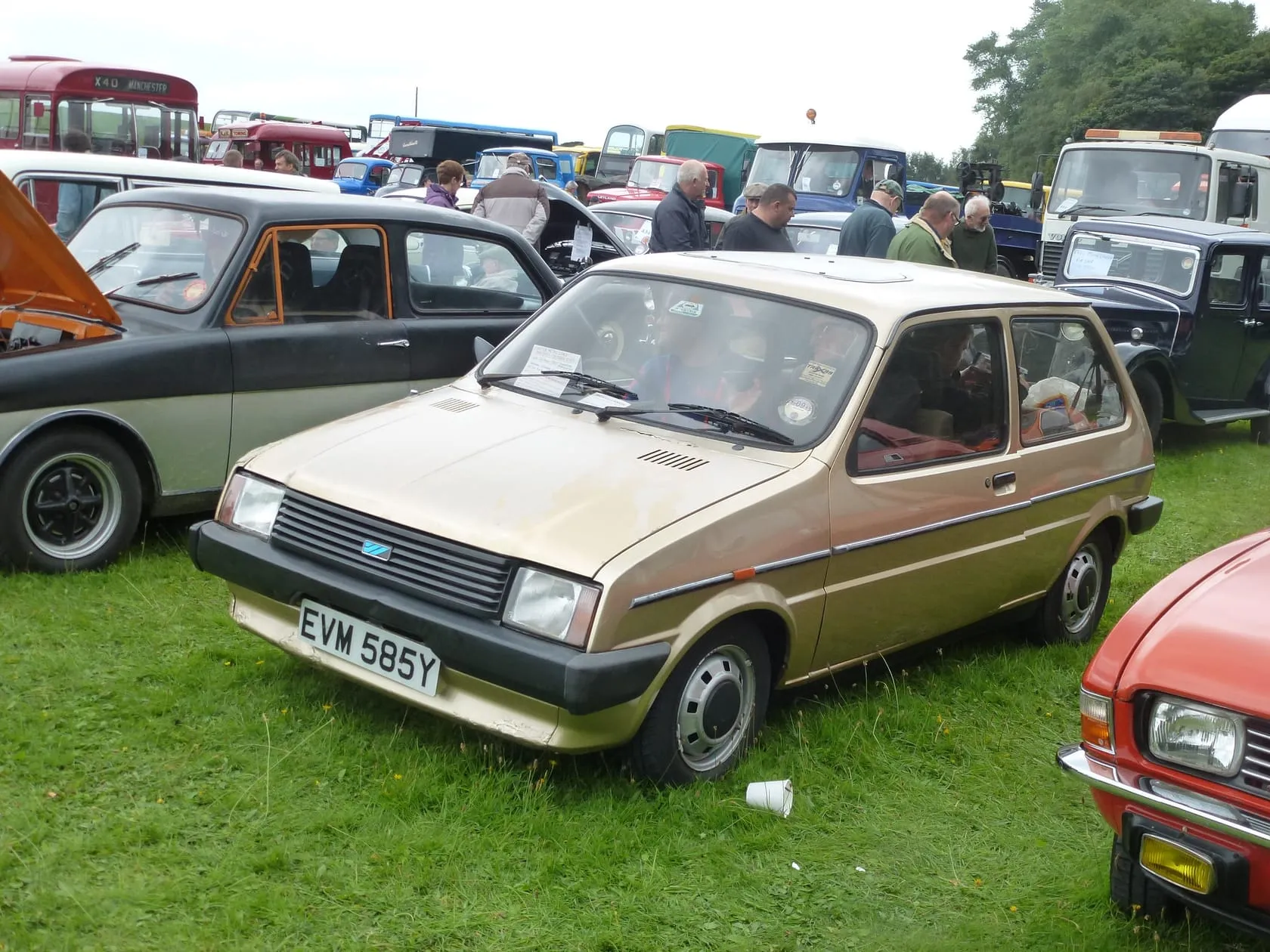
The Austin Metro carried British Leyland's survival on its back in 1980 and delivered, selling past two million across Austin, MG and Rover eras, with the Group B 6R4 as its unhinged rally cousin. A guide to the Metro's generations, the MG versions, the 6R4, why survivors vanished, buying checks and values.
Lotus
9 guides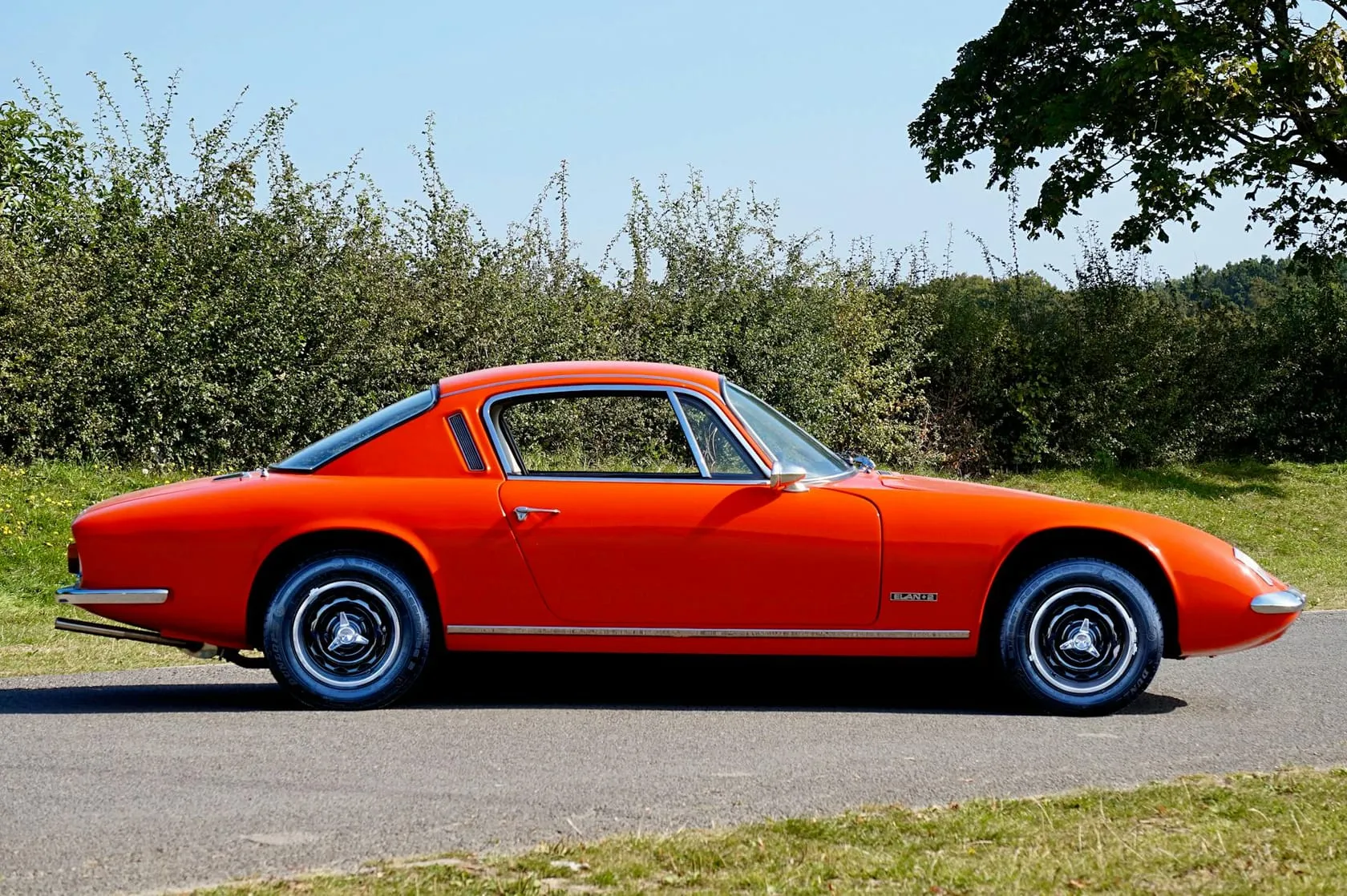
Lotus built Britain's cleverest sports cars from a philosophy Colin Chapman put in one line, simplify, then add lightness, and won seven Formula One constructors' titles while doing it. A guide to the classic Lotus road cars we cover, from the Eleven and Elan to the Esprit, Excel and the outrageous Lotus Carlton, what each is like to own and what they are worth.
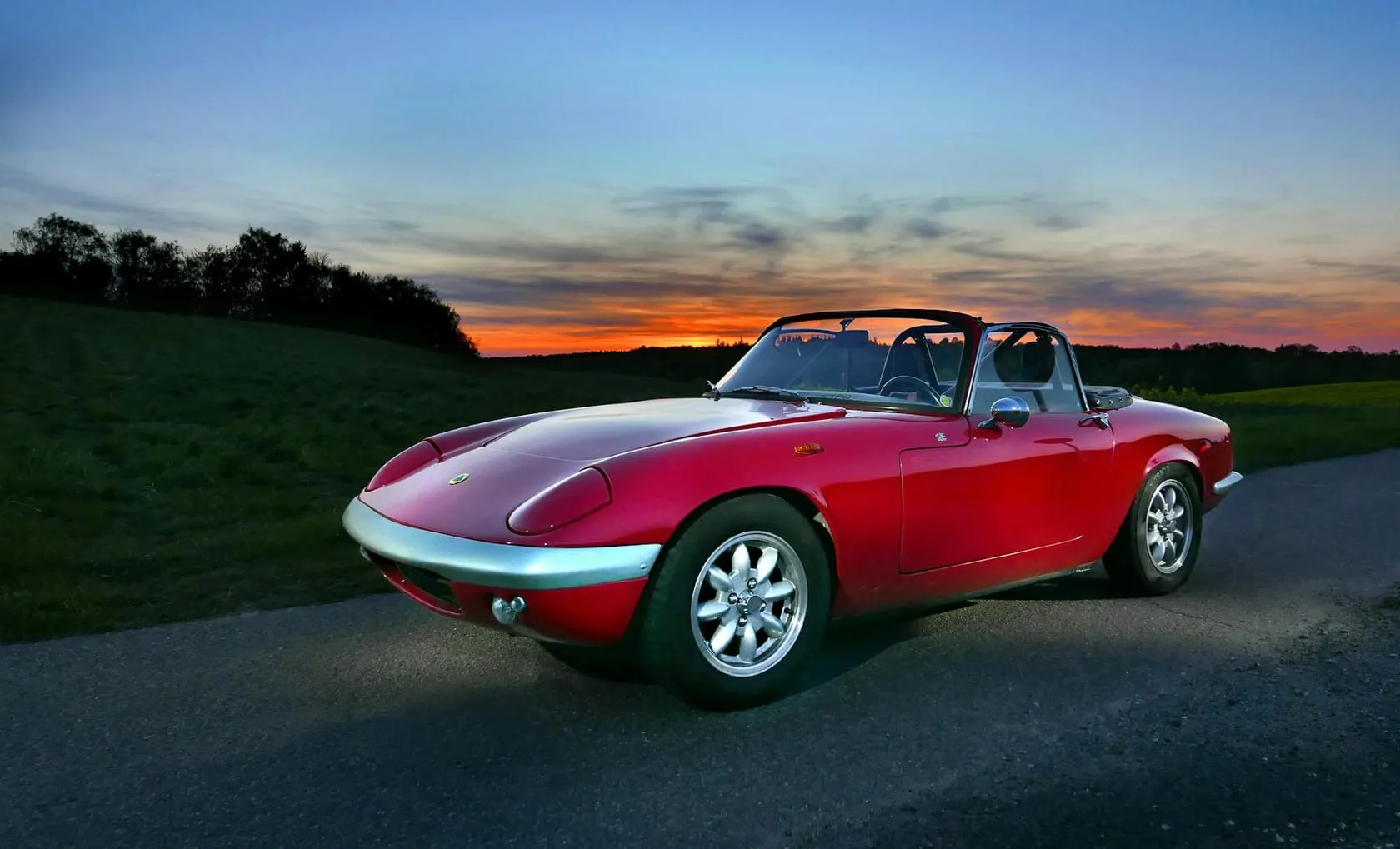
The Lotus Elan paired a steel backbone chassis with a glassfibre body and the twin-cam engine, weighed barely 700 kilograms, and redefined sports-car handling for good. A guide to the S1 to Sprint, the +2 four-seater, the Emma Peel fame, what to check on chassis and twin-cam, and what an Elan costs today.
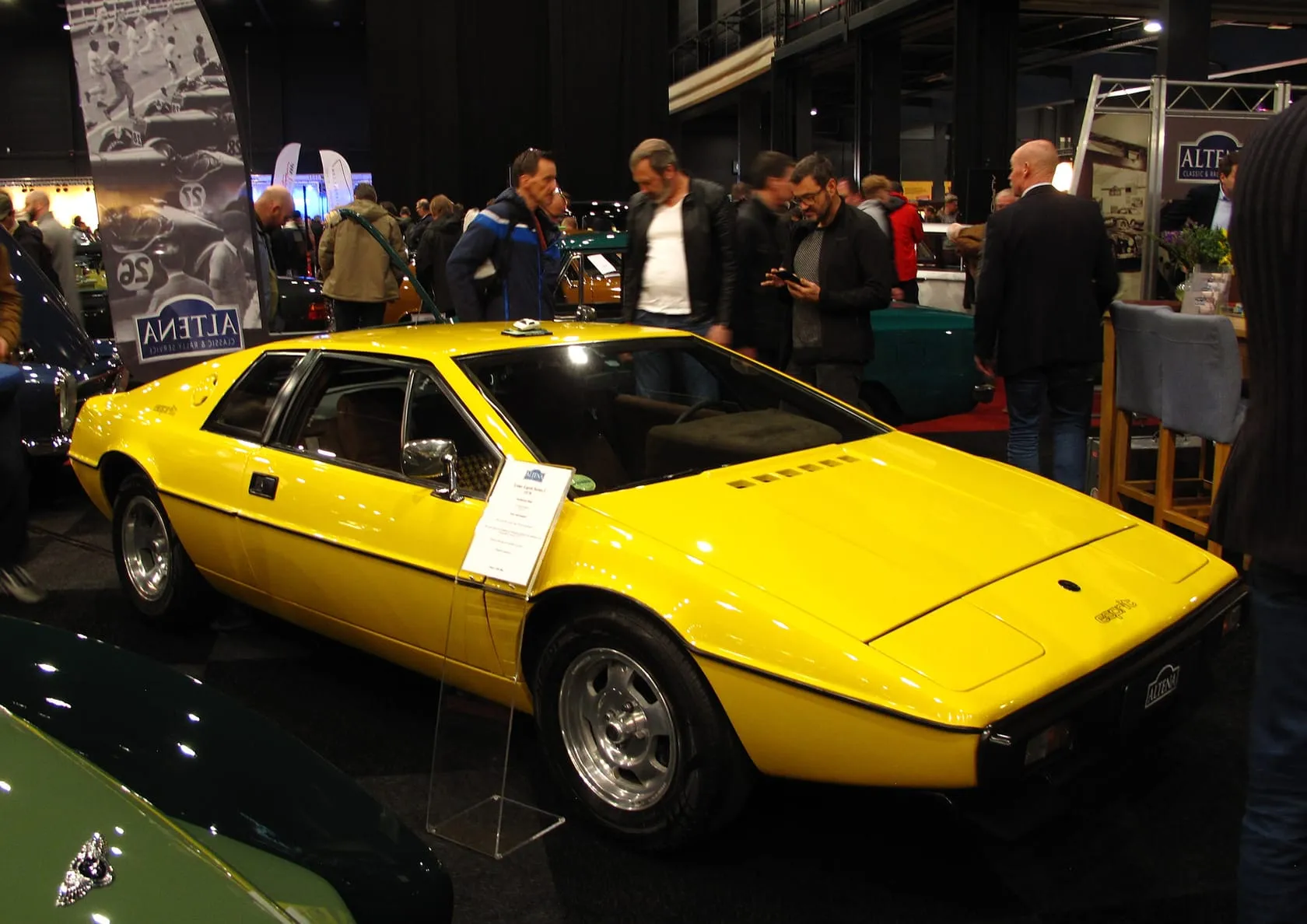
The Lotus Esprit wore Giugiaro's sharpest wedge over a backbone chassis, drove underwater in The Spy Who Loved Me, and matured through turbocharging into a genuine supercar rival. A guide to the Giugiaro and Stevens eras, the Bond fame, the Turbo, what to check when buying, and what an Esprit costs today.
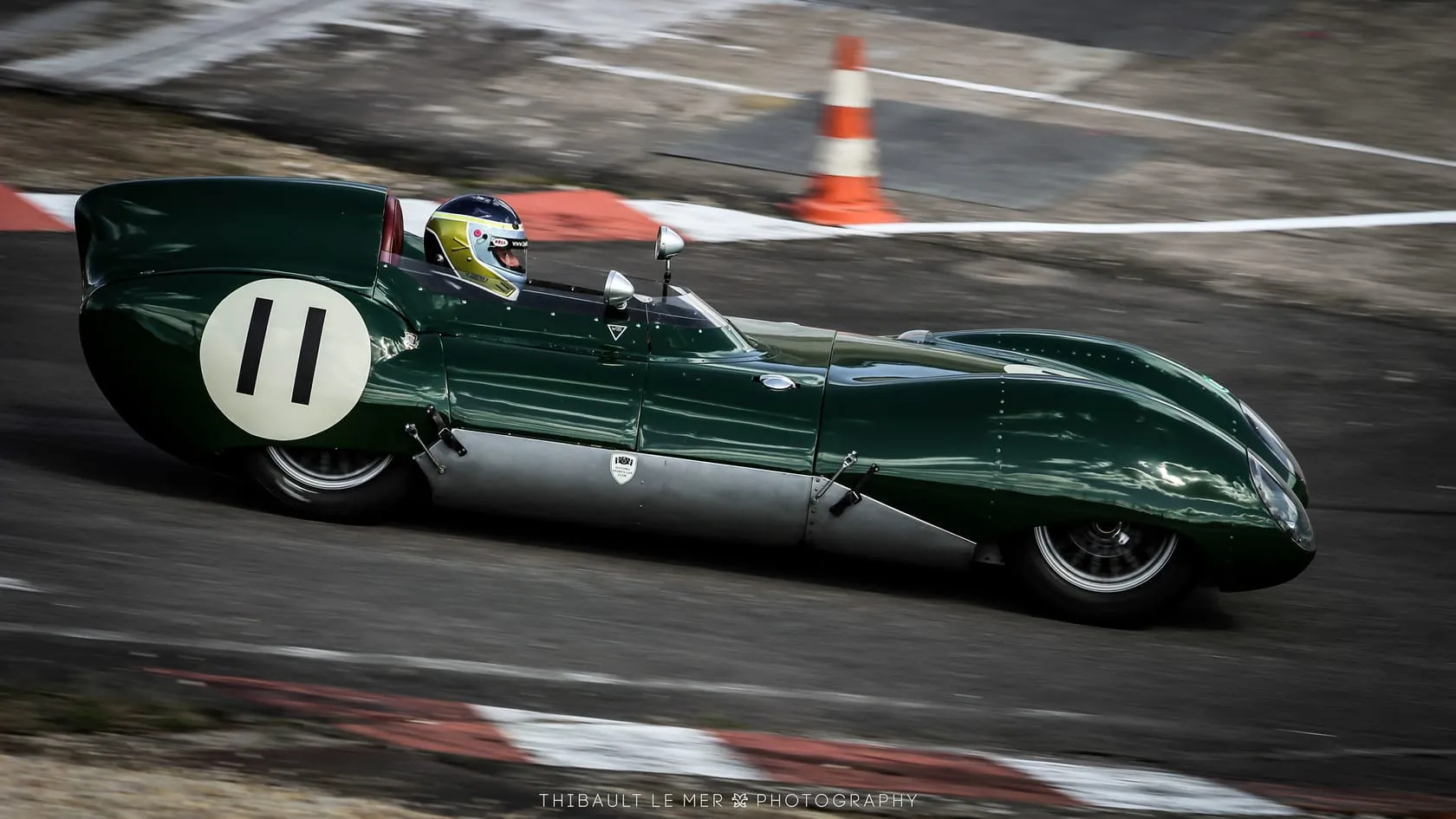
The Lotus Eleven was Colin Chapman's 1950s masterpiece, a featherweight, aerodynamic sports racer that took class honours at Le Mans and turned Lotus from a specials builder into a marque. A guide to the Eleven's engineering, its Le Mans record, Series 1 and 2, the replica question, and what genuine cars are worth.
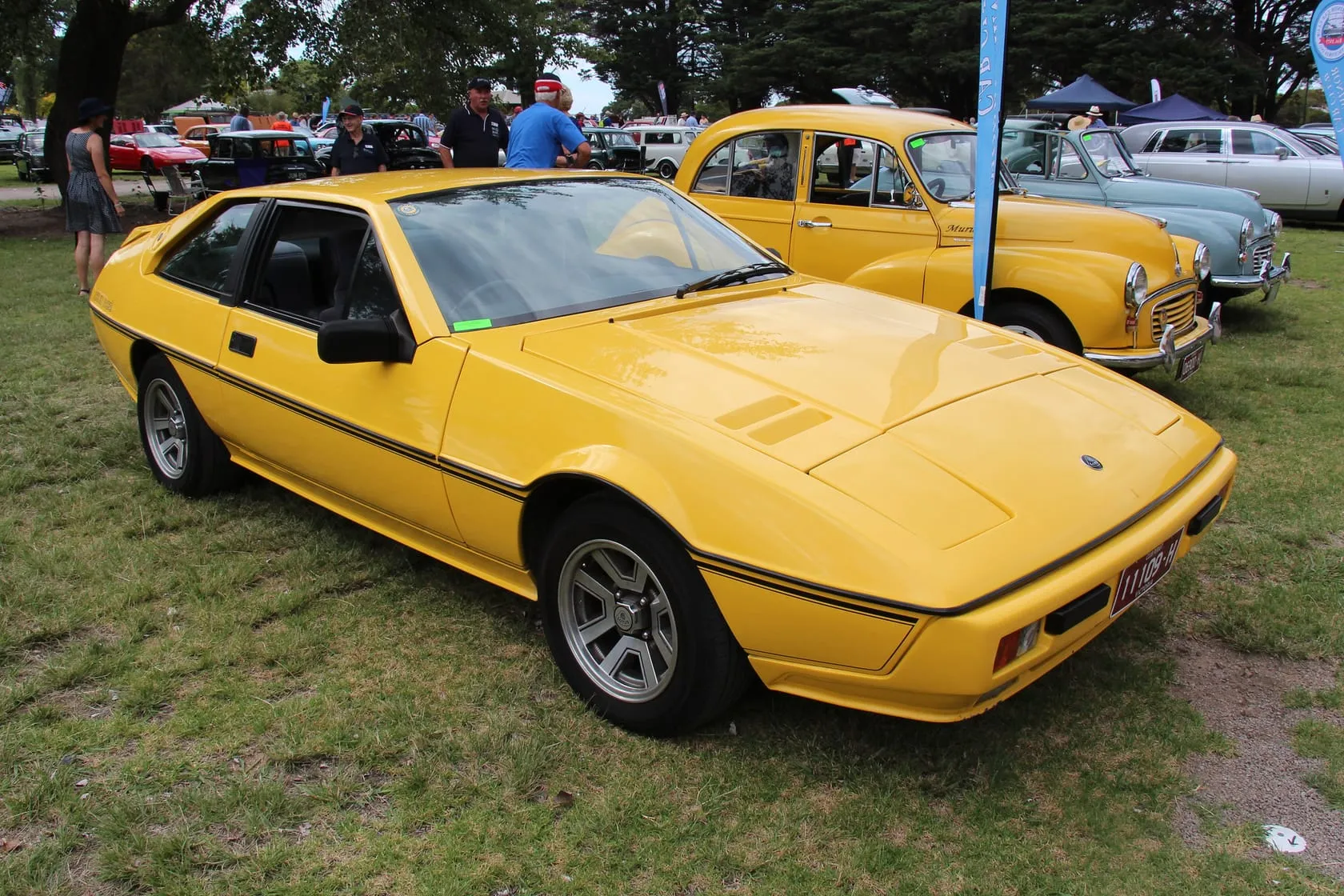
The Lotus Excel took the Elite and Eclat's wedge four-seater idea and rebuilt it with Toyota running gear into the most usable classic Lotus of all, then depreciated into the marque's great bargain. A guide to the Excel and the Eclat before it, the Toyota partnership, what to check when buying, and why it costs so little.
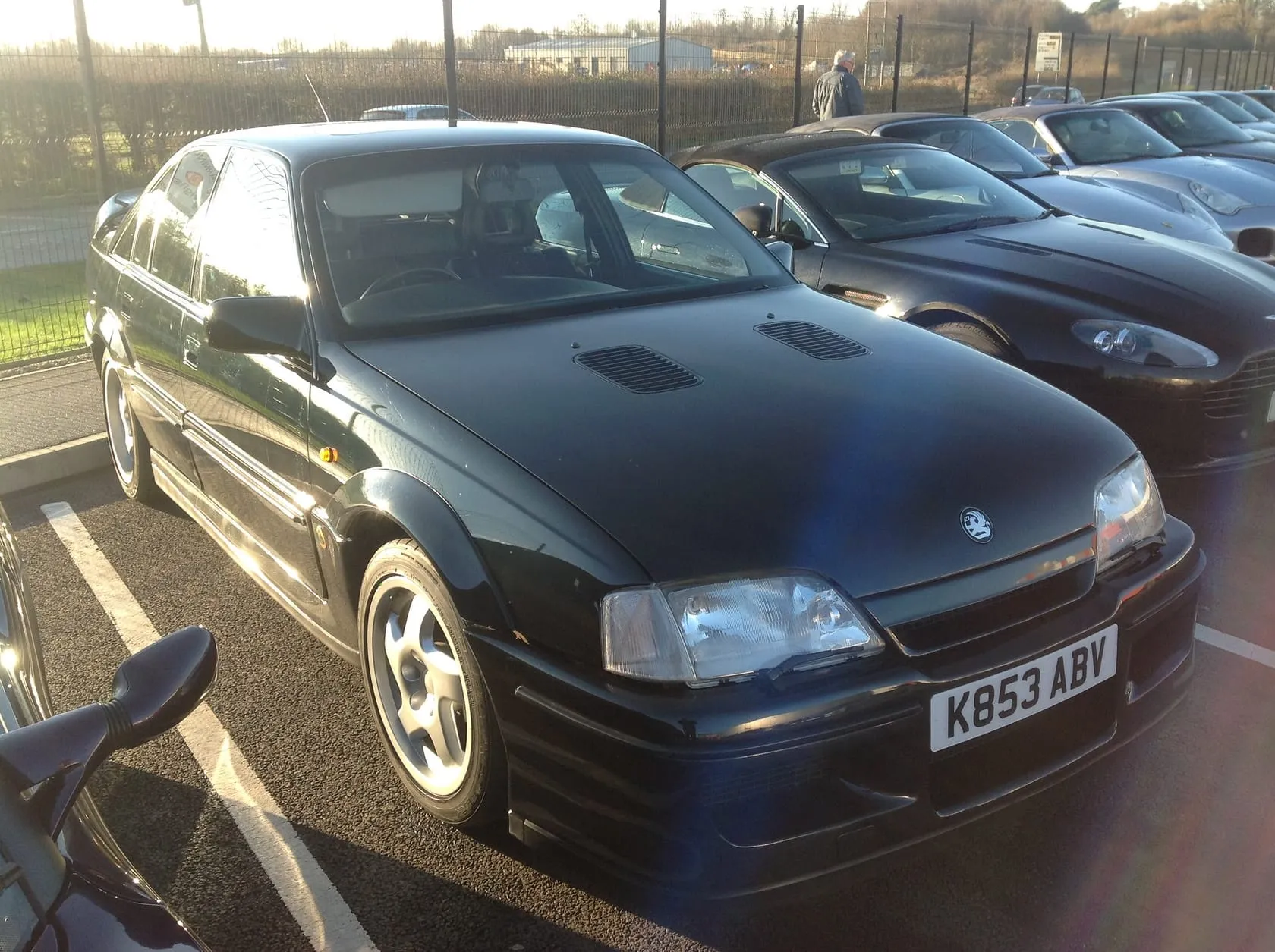
The Lotus Carlton was a Vauxhall saloon rebuilt by Lotus around a twin-turbo straight-six, 377bhp, 176mph, faster than contemporary Ferraris with five seats, and so quick the press and Parliament called for it to be banned. A guide to how it was built, the ban campaign, the famous crime spree, what to check, and what one costs now.
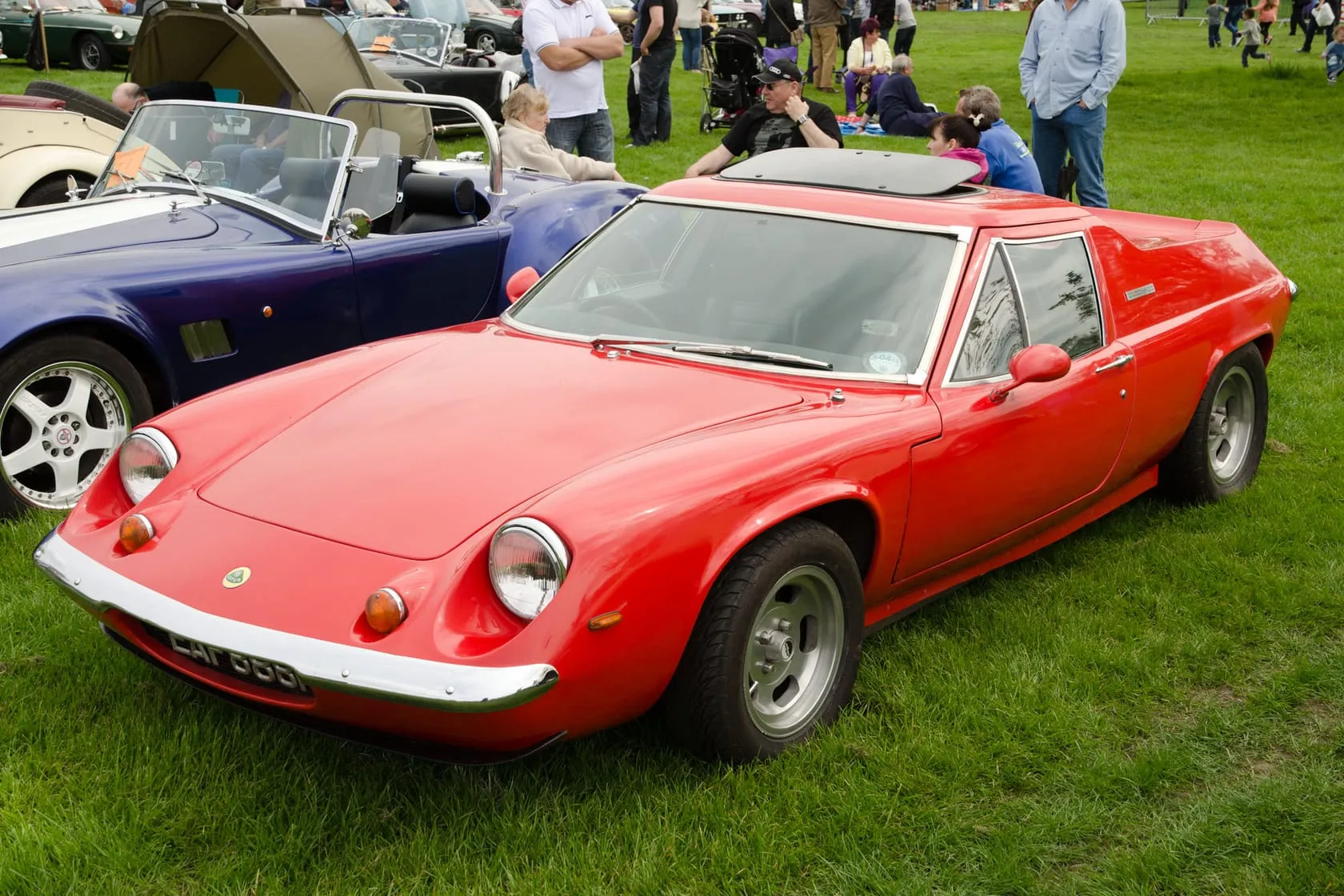
The Lotus Europa put a mid-mounted engine in a road car years before the supercar establishment, wrapped it in a shape mocked as a bread van and gave it handling nothing at the price approached. A guide to the S1, S2, Twin Cam and Special, buying checks and values.
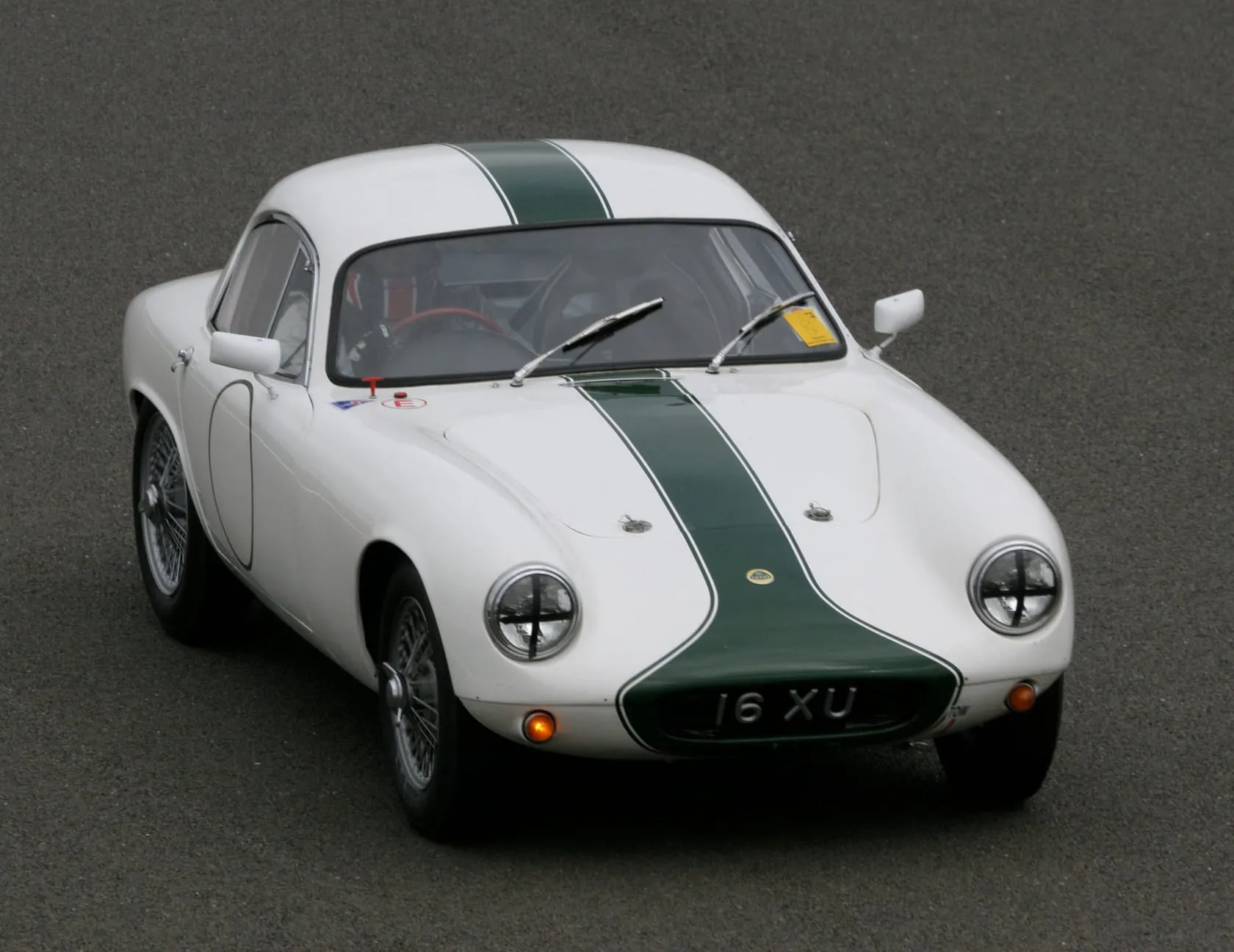
The Lotus Elite was the world's first glassfibre monocoque, a 660-kilogram coupe that cut through the air like nothing else in 1957 and won its class at Le Mans six years running. A guide to the Type 14, the Climax engine, the racing record, buying checks and values.
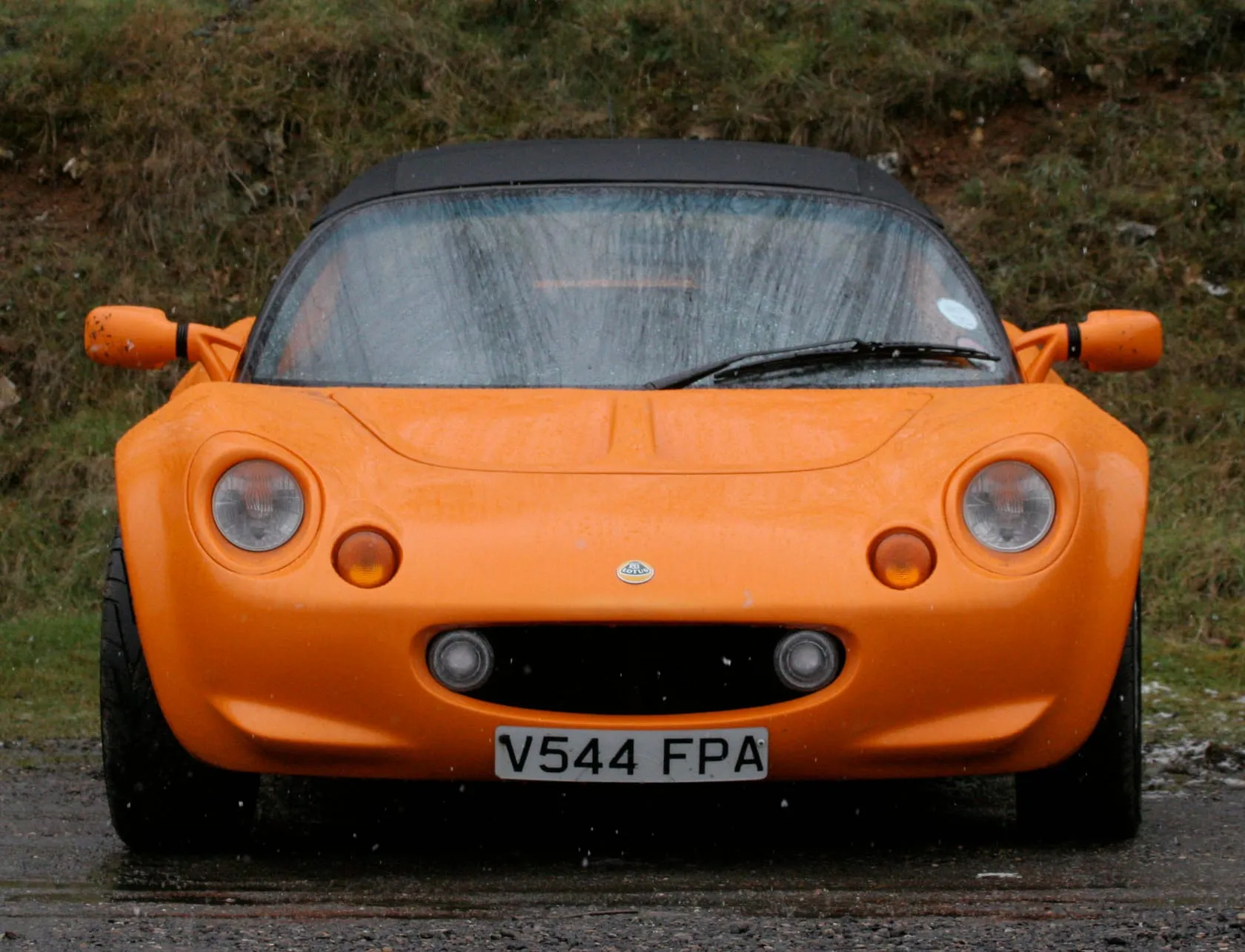
The Lotus Elise put a glassfibre body on a bonded aluminium chassis that weighed 68 kilograms, gave it 118 bhp and 725 kilograms, and saved the company for twenty-five years. A guide to the S1, S2 and S3, the 111S and the Cup cars, what an Elise is like to live with, what to check, and what the sale rooms pay now that the first cars are classics.
Kit & Component Cars
7 guides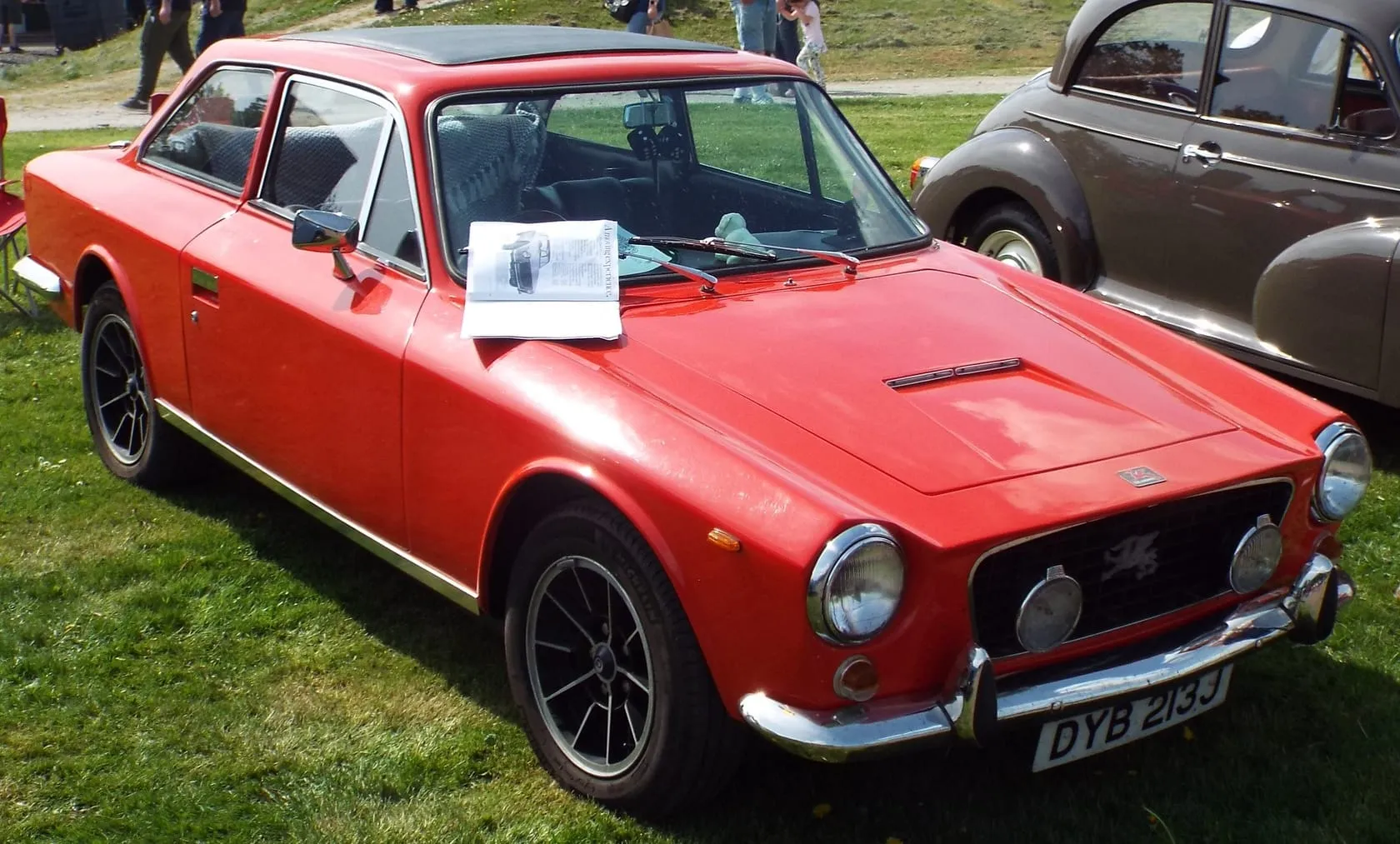
Britain built more kit and component cars than any country in the world, mostly because of a tax loophole. A guide to the British kit-car makers worth knowing, from Gilbern and Ginetta to Dutton and Robin Hood, how the cars are registered today, and why a good one is now a genuine and affordable classic.
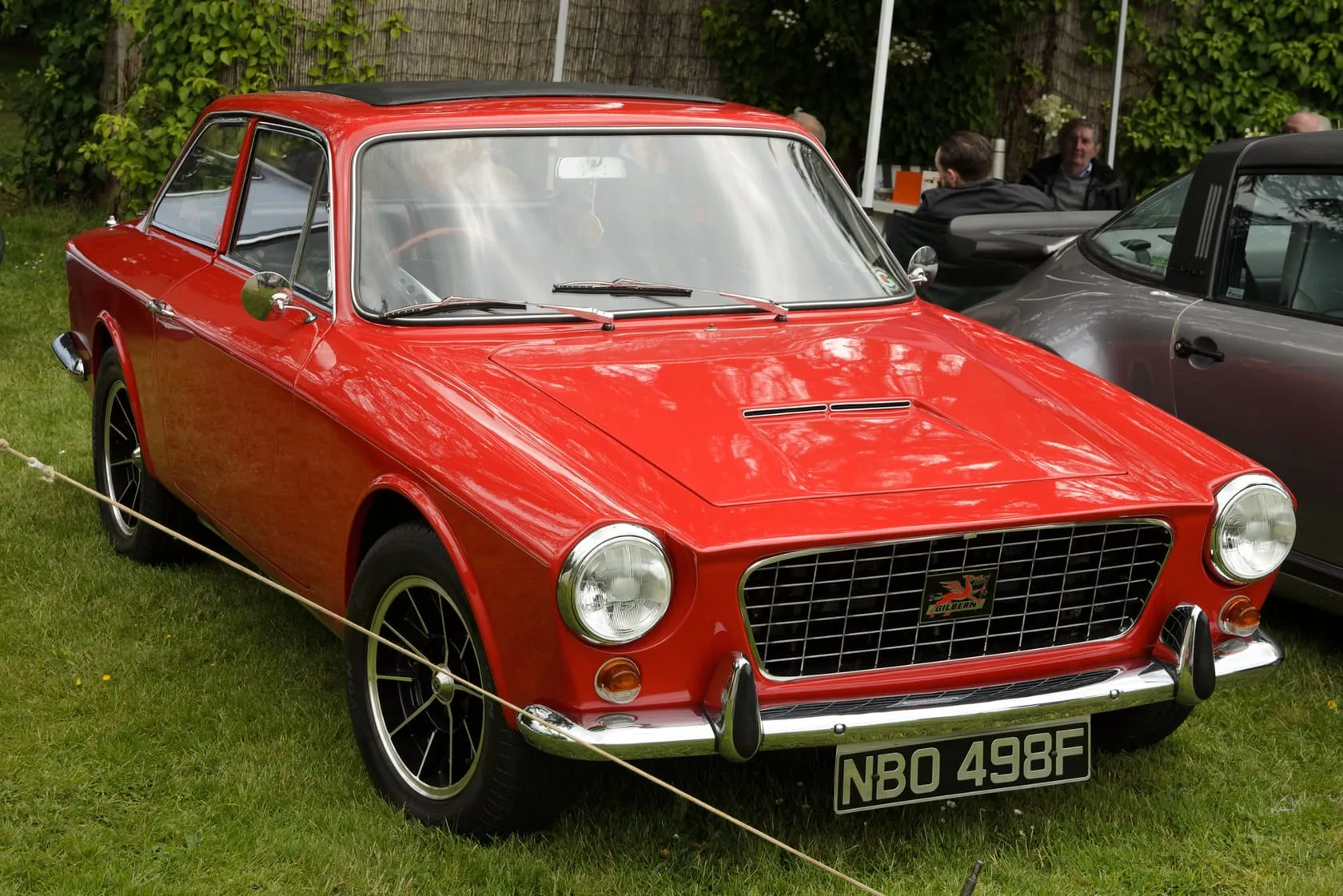
Gilbern was the only series-production car ever wholly built in Wales, a glass-fibre grand tourer that grew from a Pontypridd butcher's loft into a proper V6 GT. A guide to the GT, Genie and Invader, the butcher-and-engineer story, the royal owner, what to look for when buying, and what they are worth.
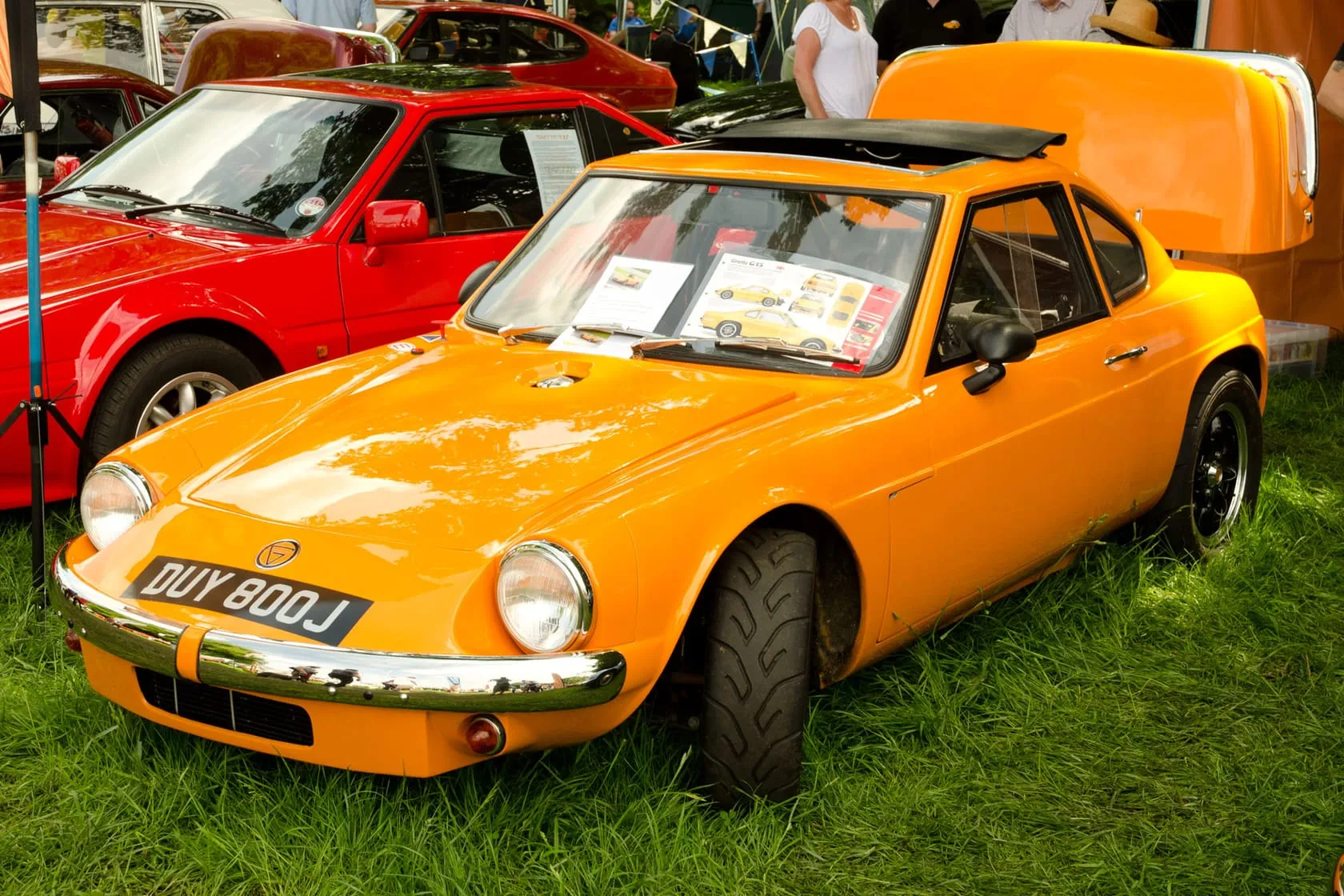
The Ginetta G15 was a tiny, light, rear-engined glass-fibre coupe built by the Walklett brothers in Essex around the all-alloy Hillman Imp engine, sold in kit form to dodge purchase tax, and the most successful of the classic Ginettas before the 1973 VAT change ended it. A guide to the history, the cars, what to look for, and what they are worth.
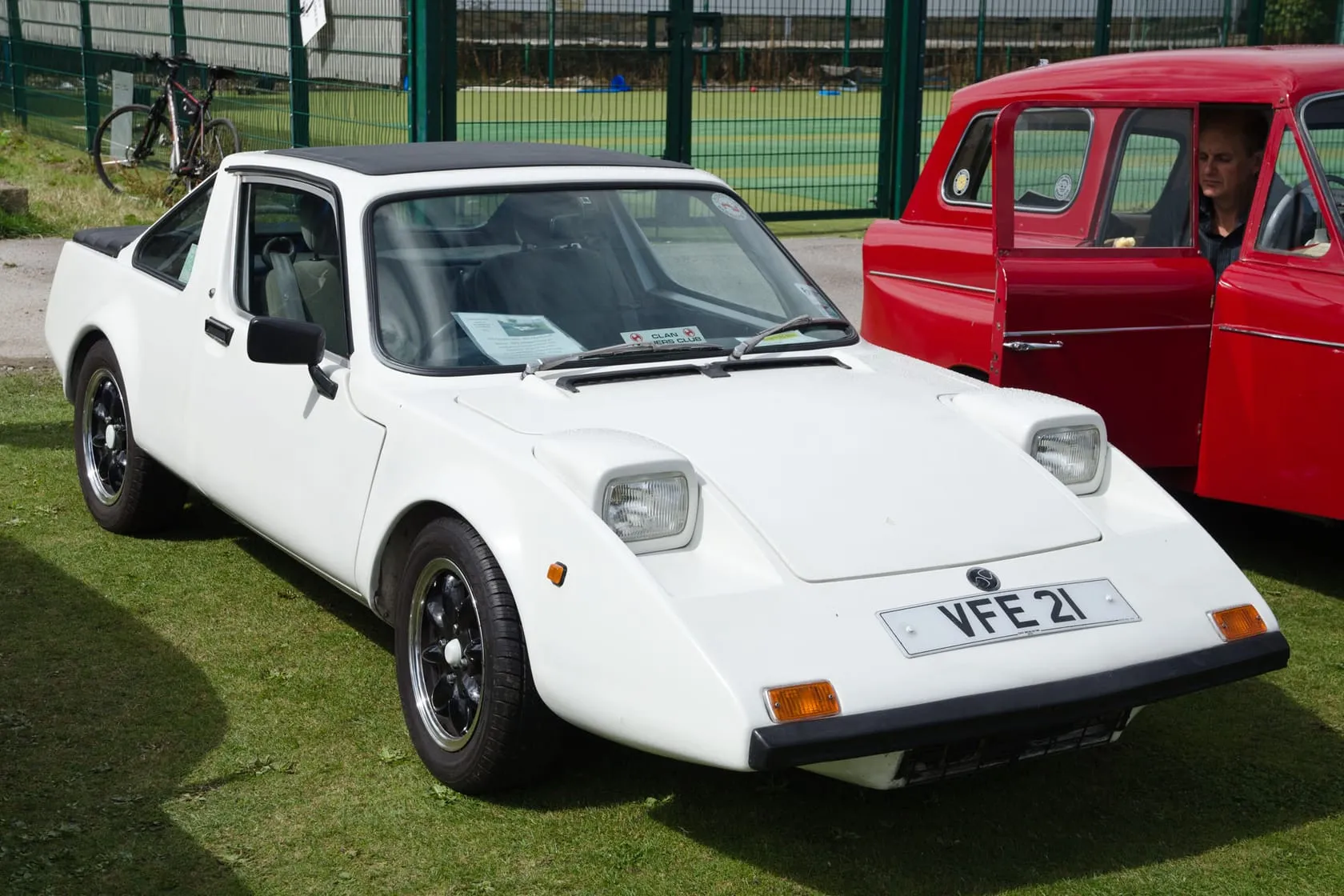
The Clan Crusader was a tiny rear-engined glass-fibre coupe designed by ex-Lotus engineers, built around Hillman Imp mechanicals in County Durham, and so strongly made it passed a 30 mph crash test almost no kit-car maker even attempted. It was selling well when the 1973 tax change killed it. A guide to the history, the cars, what to look for, and what they are worth.
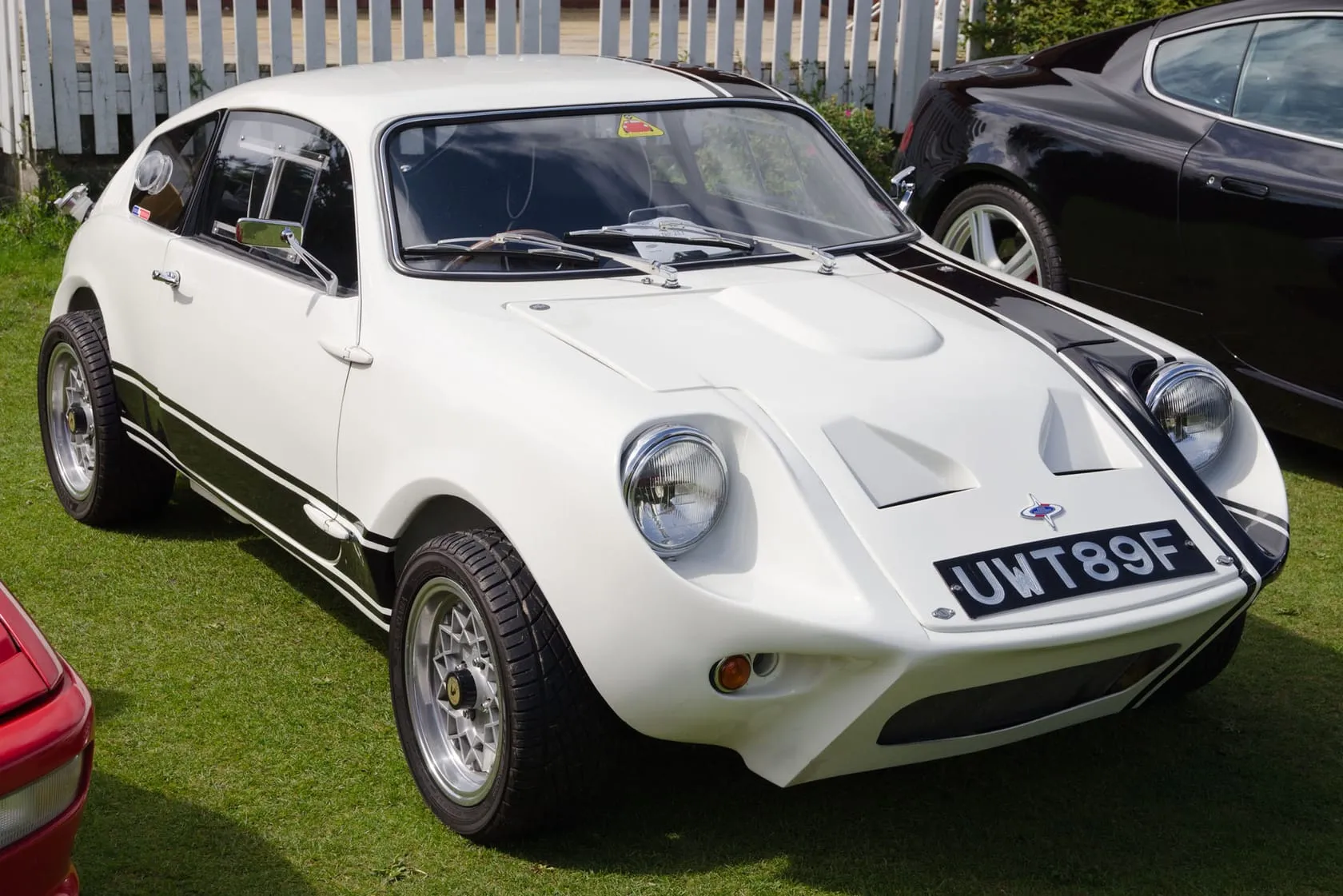
The Mini Marcos is a tiny glass-fibre monocoque coupe built on Mini subframes, sold mostly as a kit, and famous as the only British car to finish the 1966 Le Mans 24 Hours. A guide to its tangled origins, the Le Mans car that was stolen and found again, the model lineage, what to look for, and what they are worth.
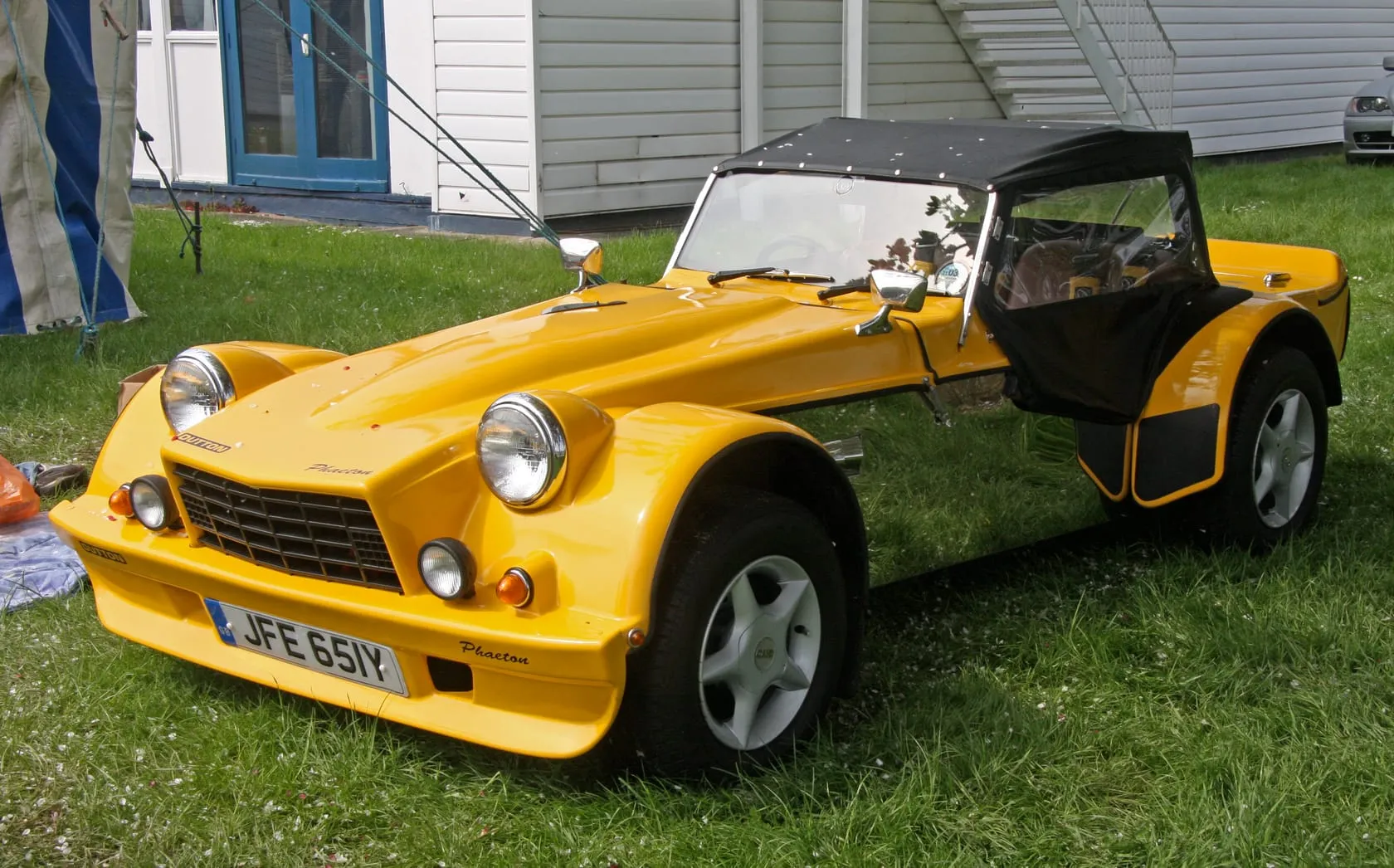
Dutton was reckoned the most prolific kit-car maker in the world, building cheap glass-fibre sports cars and estates on Triumph and then Ford Escort running gear, and once beat Ford in the High Court for the right to keep calling one of its cars the Sierra. A guide to the models, the famous lawsuit, what to look for when buying, and what they are worth.
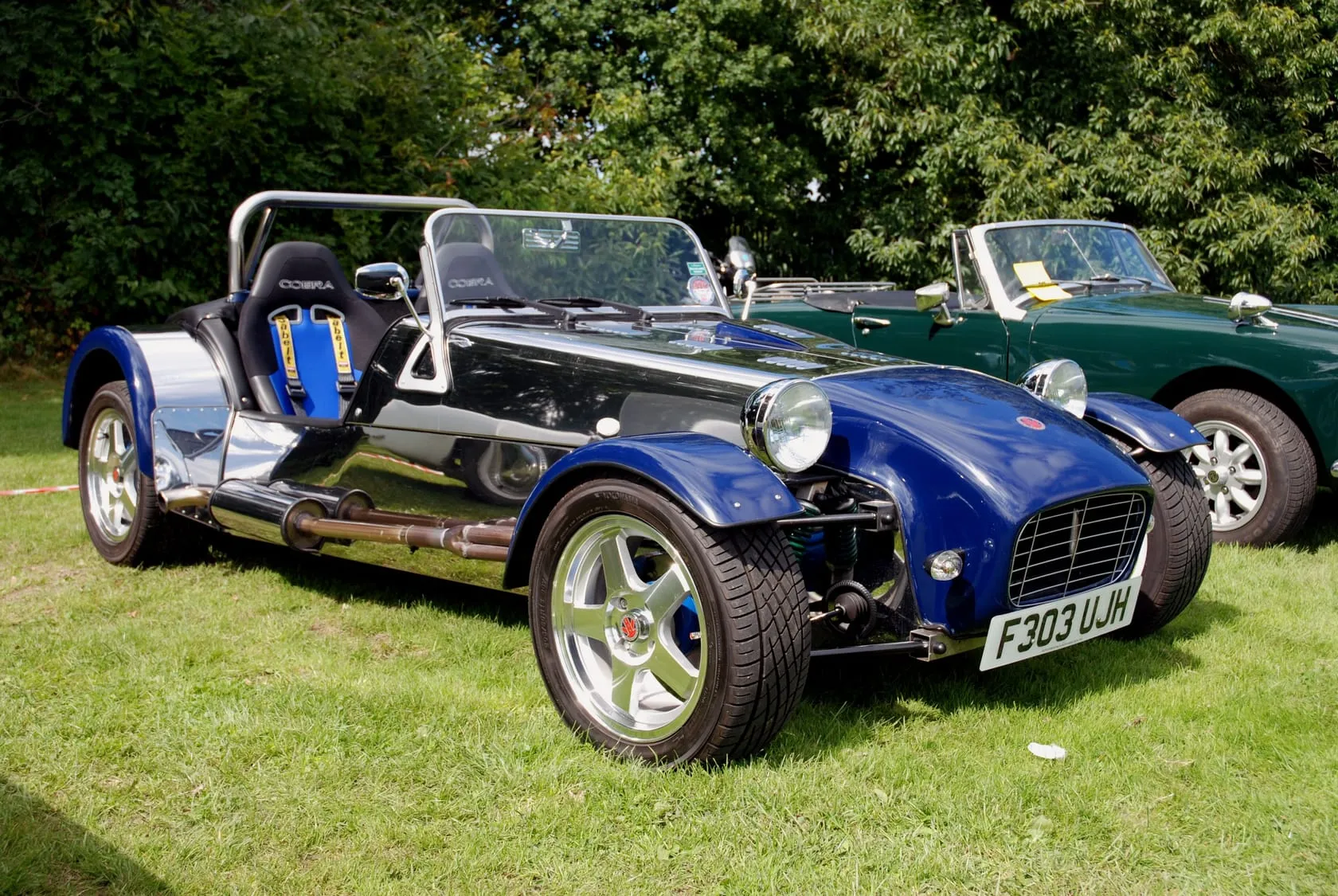
Robin Hood built the cheapest Lotus-Seven-style kit cars in Britain, famously a car on the road from one budget kit and a single scrap Ford donor, with an unusual folded stainless-steel construction. A guide to the models, the stainless monocoque story, the GBS succession, and the things to check before buying one.
Rootes Group
7 guides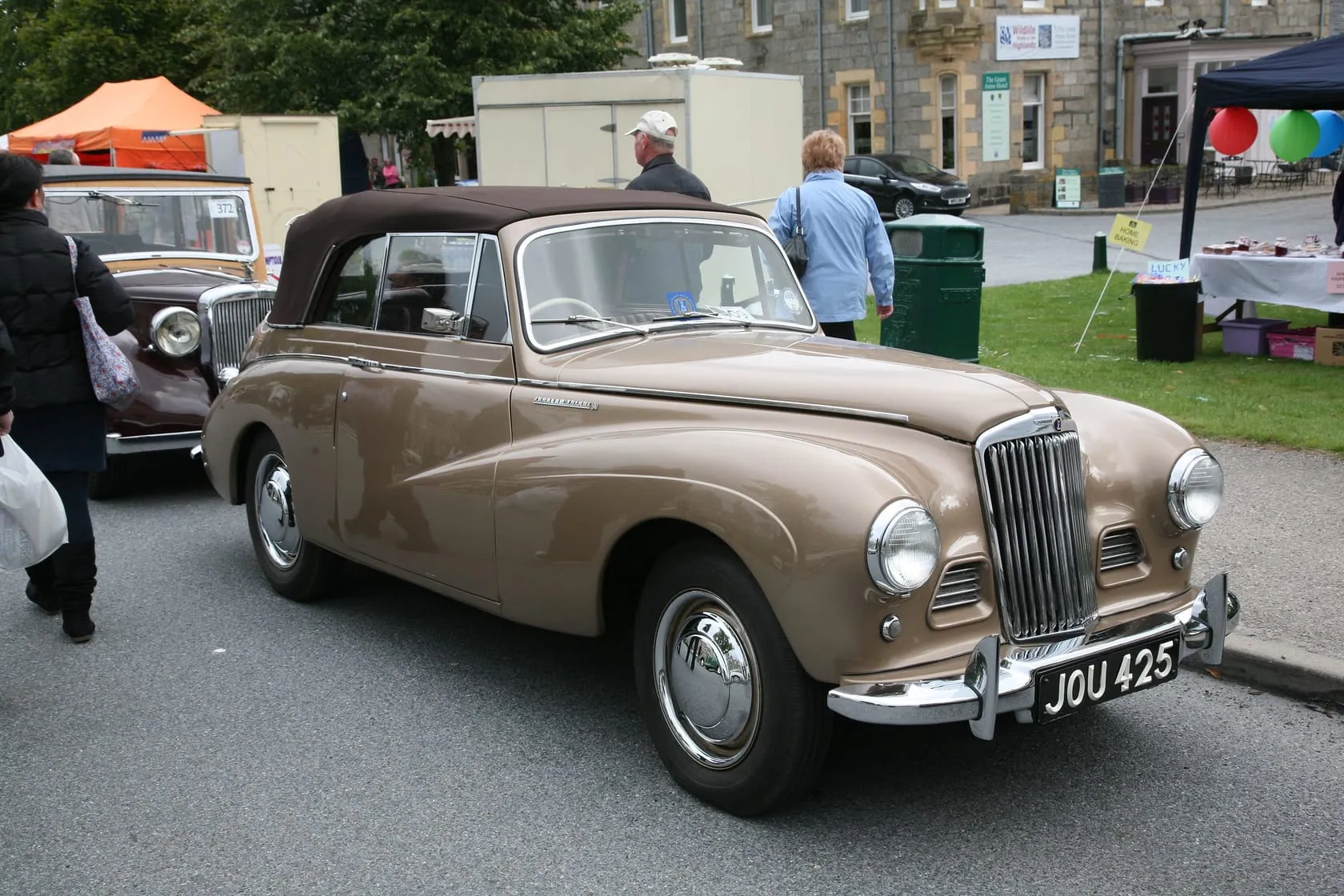
The Rootes Group was the family-run combine that built Hillman, Sunbeam, Humber, Singer and Commer vehicles from the late 1920s until Chrysler swallowed it in the 1960s. A guide to how two brothers from Kent assembled Britain's great badge-engineering empire, the pecking order of its marques, the classic Rootes cars worth knowing, and what each is like to own.
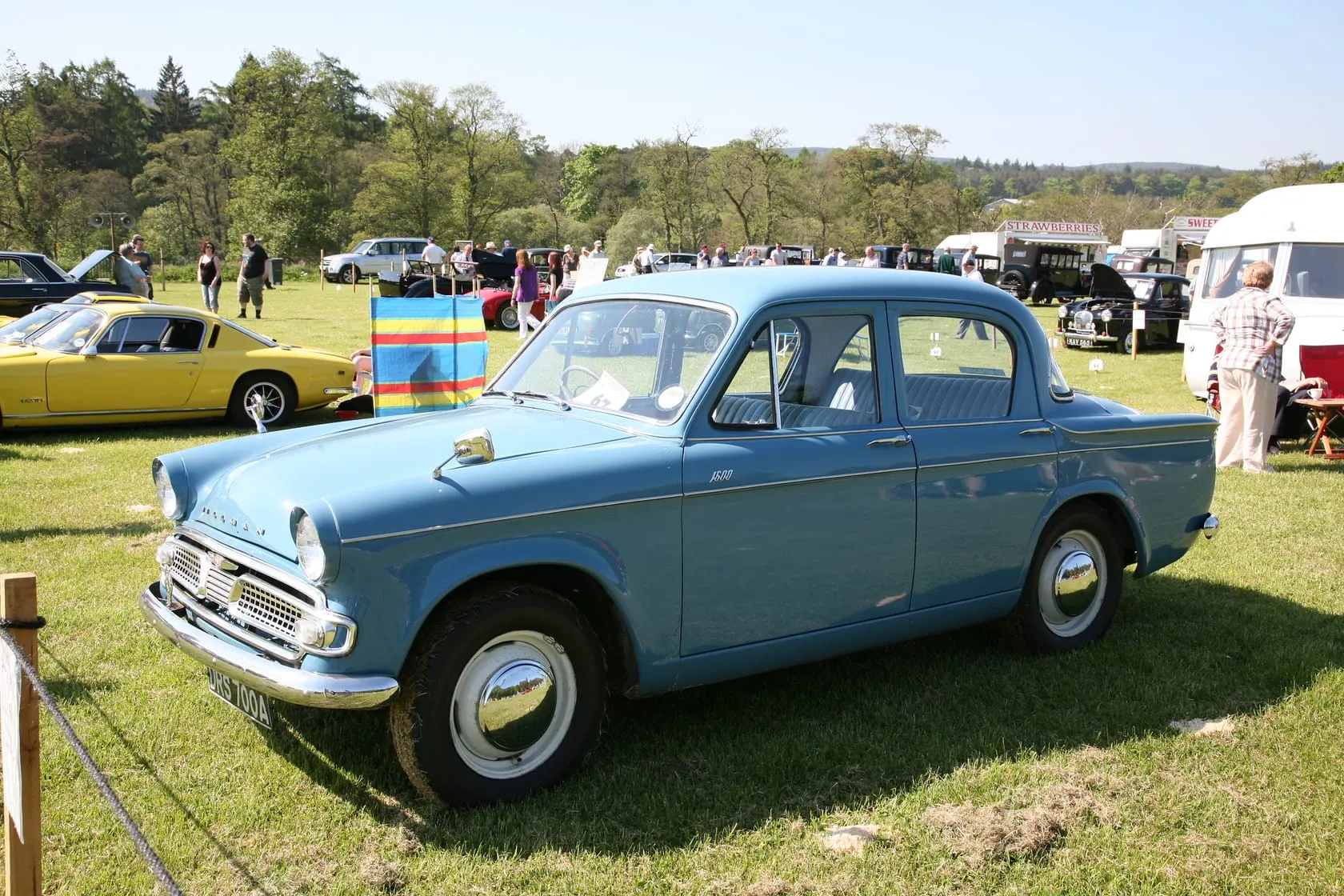
Nearly forty years of bread-and-butter family car, from the sidevalve saloons of the 1930s through the crisp Loewy-styled Audax Series cars to the last New Minx of 1970. A guide to the Minx generations, the Super Minx and the badge-engineered cousins, what to look for when buying, and what a Minx is worth today.
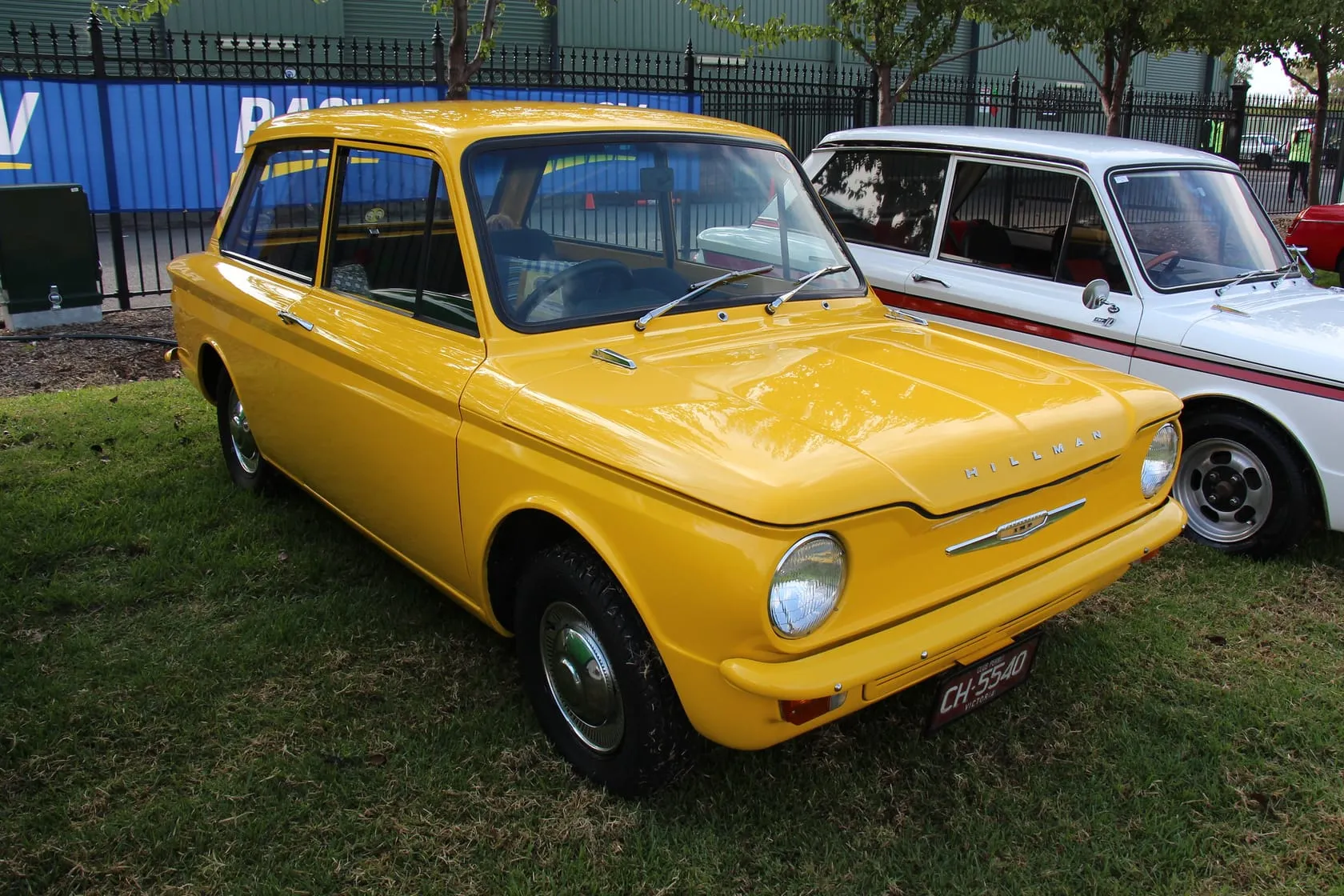
A rear-engined small saloon with an all-aluminium overhead-cam engine, built in a brand-new Scottish factory, the Imp was Rootes' brave answer to the Mini. A guide to why it was brilliant, why it struggled, the Sport, Stiletto and Chamois versions, its giant-killing motorsport record, and what an Imp costs today.
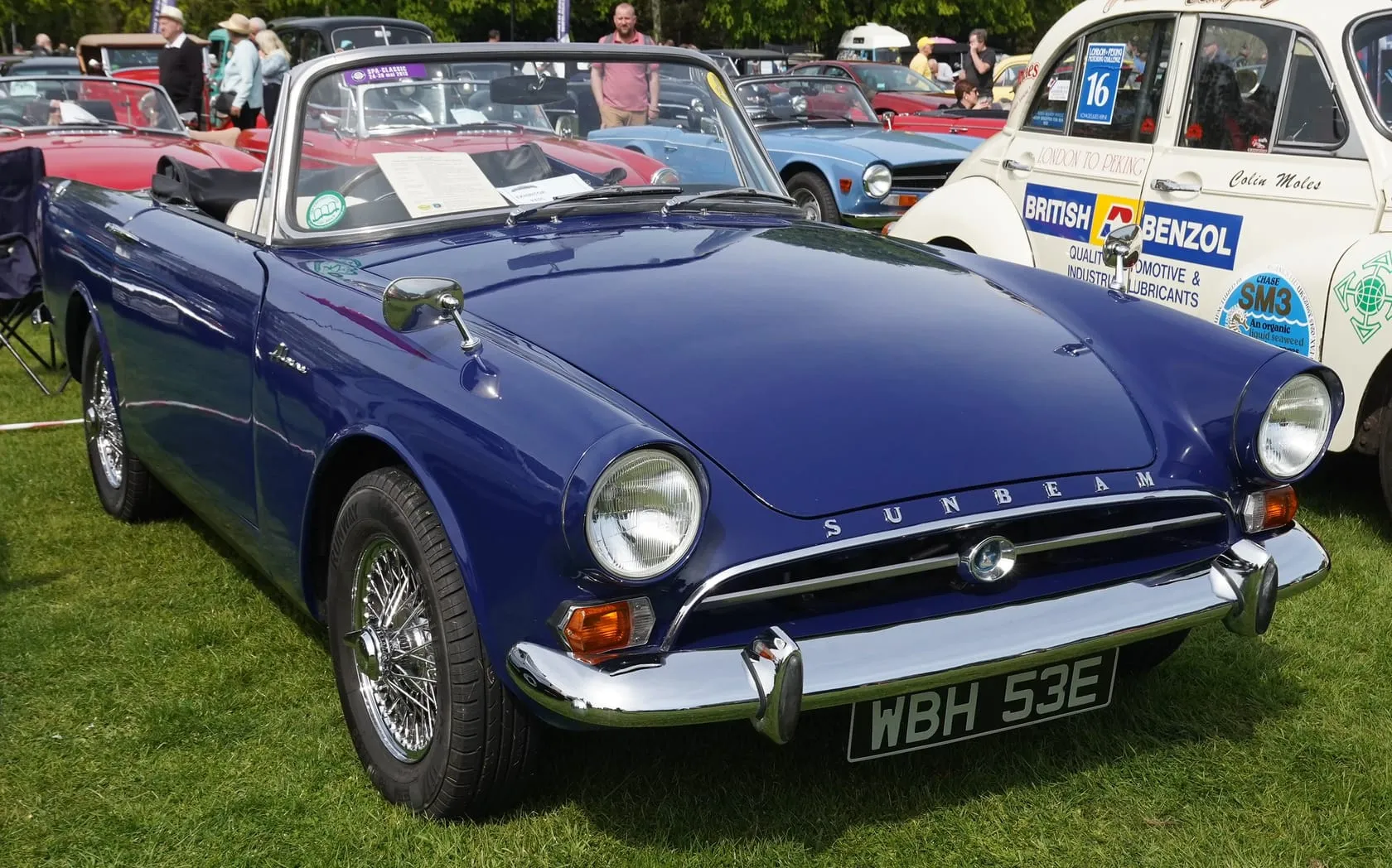
Comfortable, well-equipped and genuinely a sports car, the Alpine evolved through five Series from 1959 to 1968 and put James Bond behind its wheel before he ever drove an Aston. A guide to the Series I to V, the Harrington fastbacks, what to look for when buying, and what an Alpine is worth.
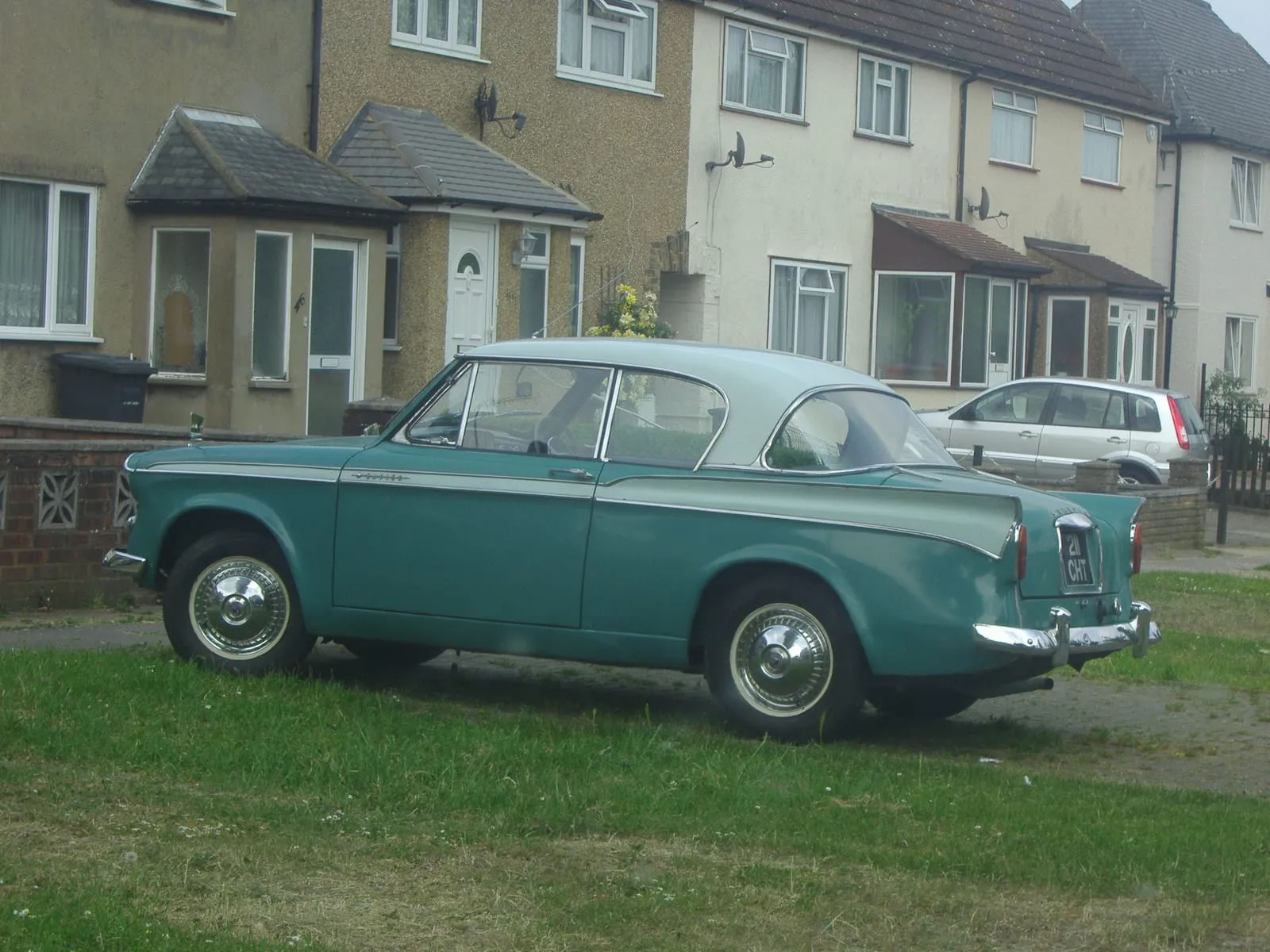
Two decades of sporting saloon-coupe, first as the rally-winning two-door Series cars of 1955 to 1967, then as the sleek fastback of 1967 to 1976 with the Holbay-tuned H120 at its head. A guide to both generations, the competition record, what to look for, and what a Rapier costs today.
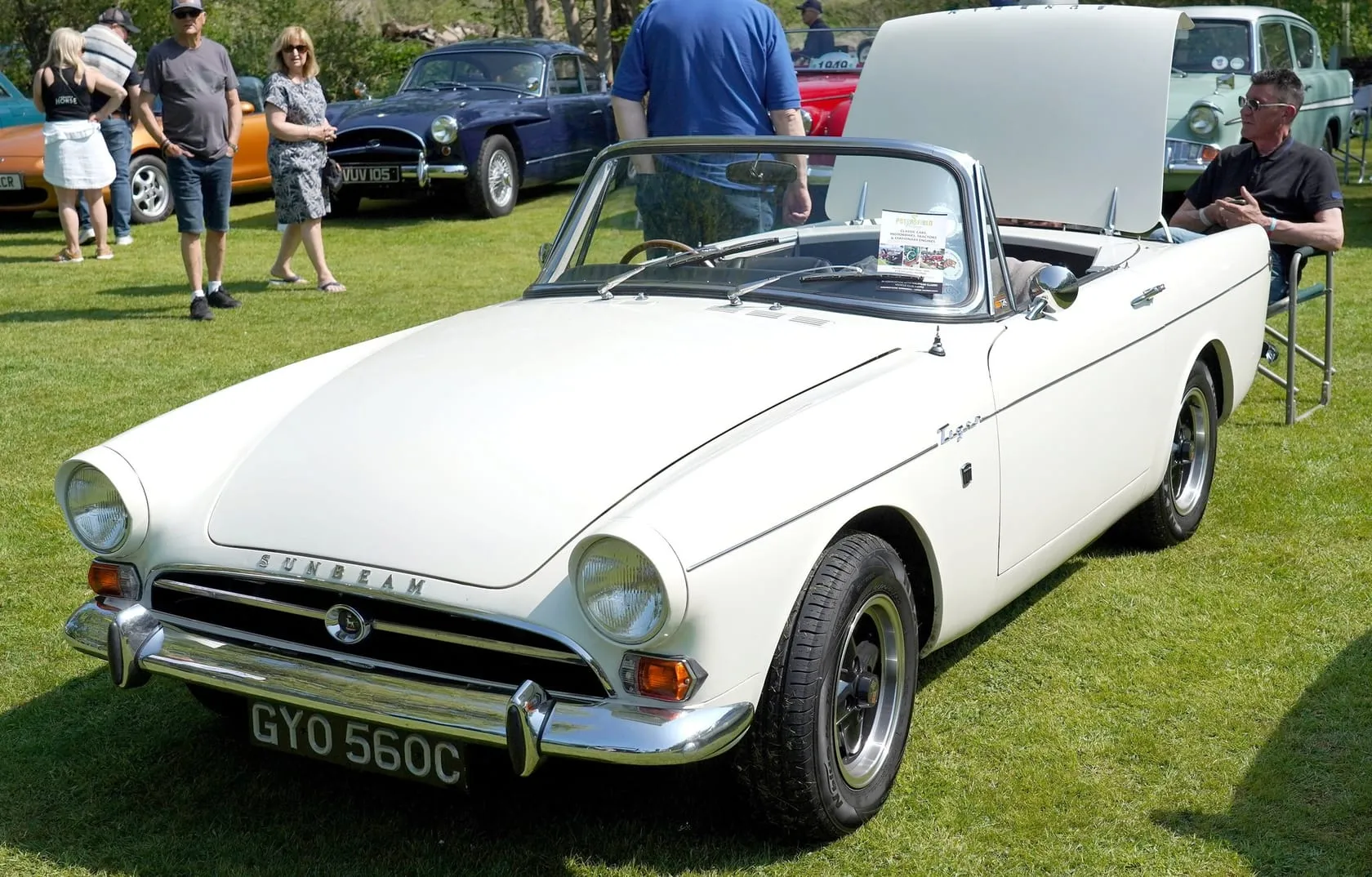
The Sunbeam Tiger dropped a Ford V8 into the Alpine's body, an idea developed with Carroll Shelby's workshop and built for Rootes by Jensen in West Bromwich. A guide to the Mk I and rare Mk II, how the Tiger differs from an Alpine, why authentication matters so much, and what genuine cars are worth.
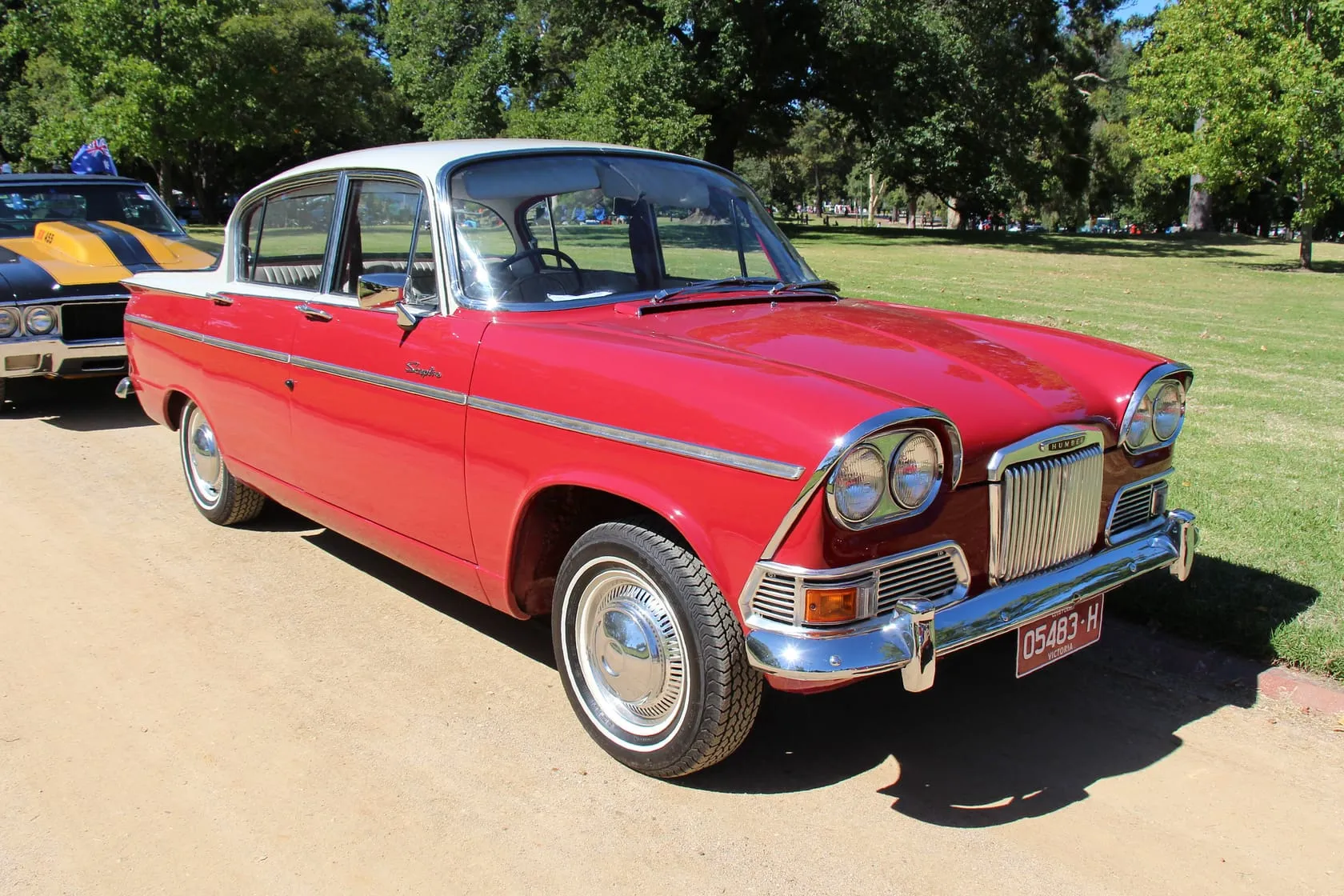
A wood-and-leather flagship built on humble family-car bones, the Sceptre ran through three marks from 1963 to 1976 and carried the Humber name into retirement. A guide to the Mk I, II and III, what made a Sceptre special, what to check when buying, and what one is worth today.
Reliant
7 guides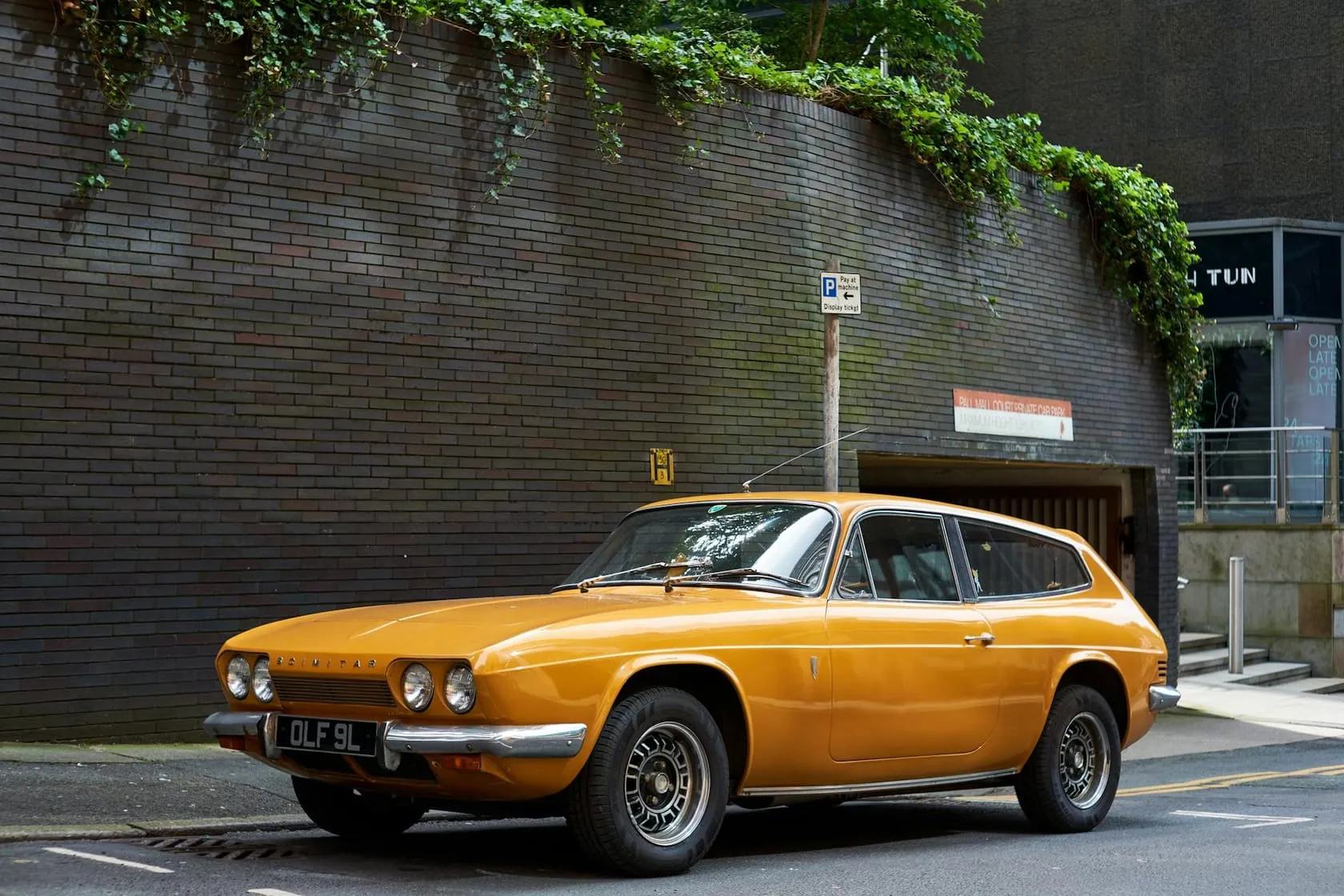
Reliant of Tamworth built three-wheelers for tradesmen, glassfibre sports cars for princesses and the most laughed-at, best-loved cars in Britain, all from a factory that was for years the biggest wholly British-owned carmaker after British Leyland. A guide to every classic Reliant we cover, from Regal and Robin to Scimitar and SS1, what each is like to own and what it is worth.
The Reliant Scimitar grew from a handsome Ford-powered glassfibre coupe into the GTE, the car that invented the sporting estate and counted Princess Anne among its most loyal owners. A guide to the Sabre before it, the GT, GTE and GTC, the Middlebridge revival, what to check when buying, and what a Scimitar is worth.
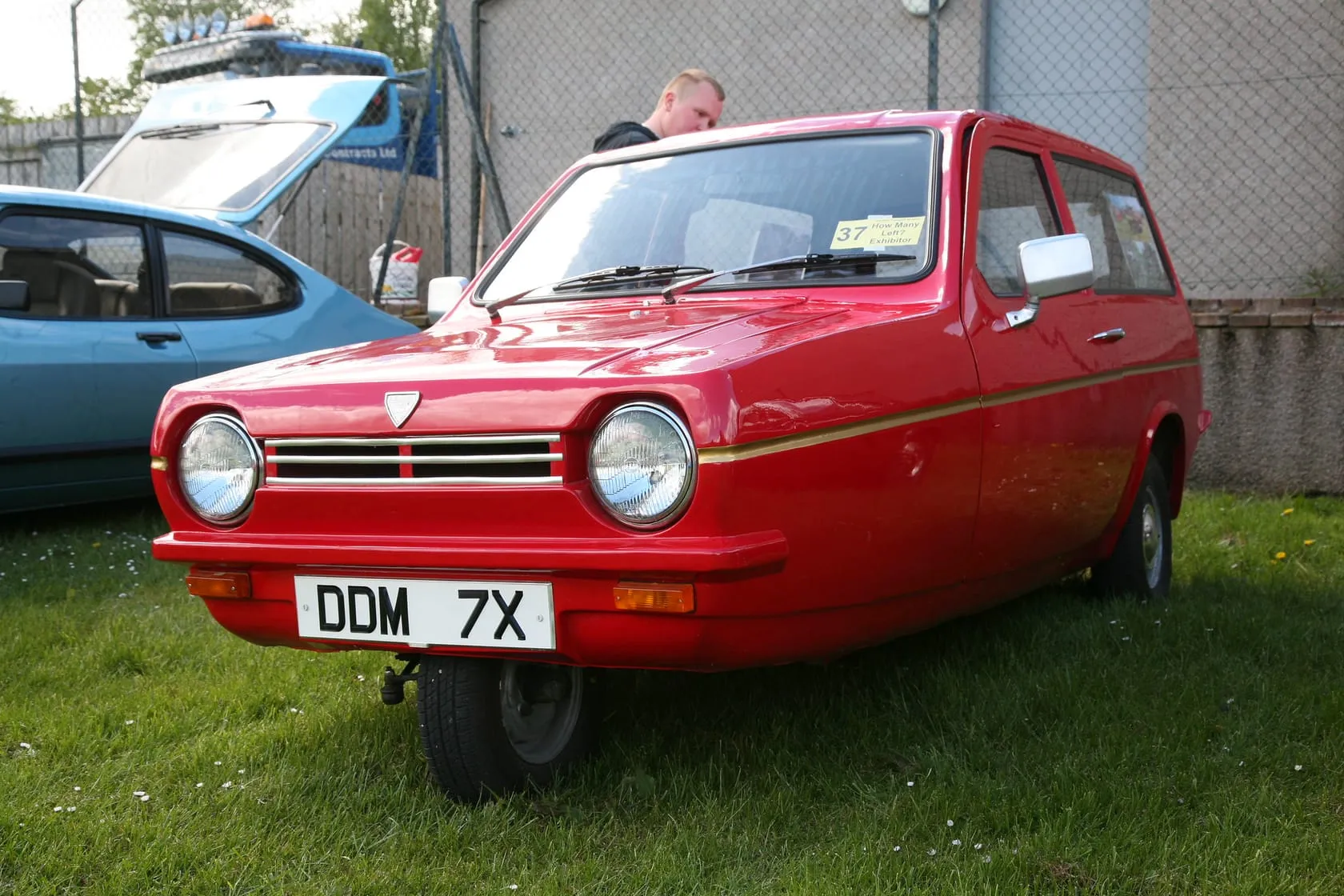
The Reliant Robin is the most joked-about car Britain ever made and one of its most misunderstood. A guide to the real Robin, the Ogle design, the alloy engine, the Rialto years and the final editions, whether they really tip over, why the Trotters' van is not a Robin, what to check when buying, and what one costs today.
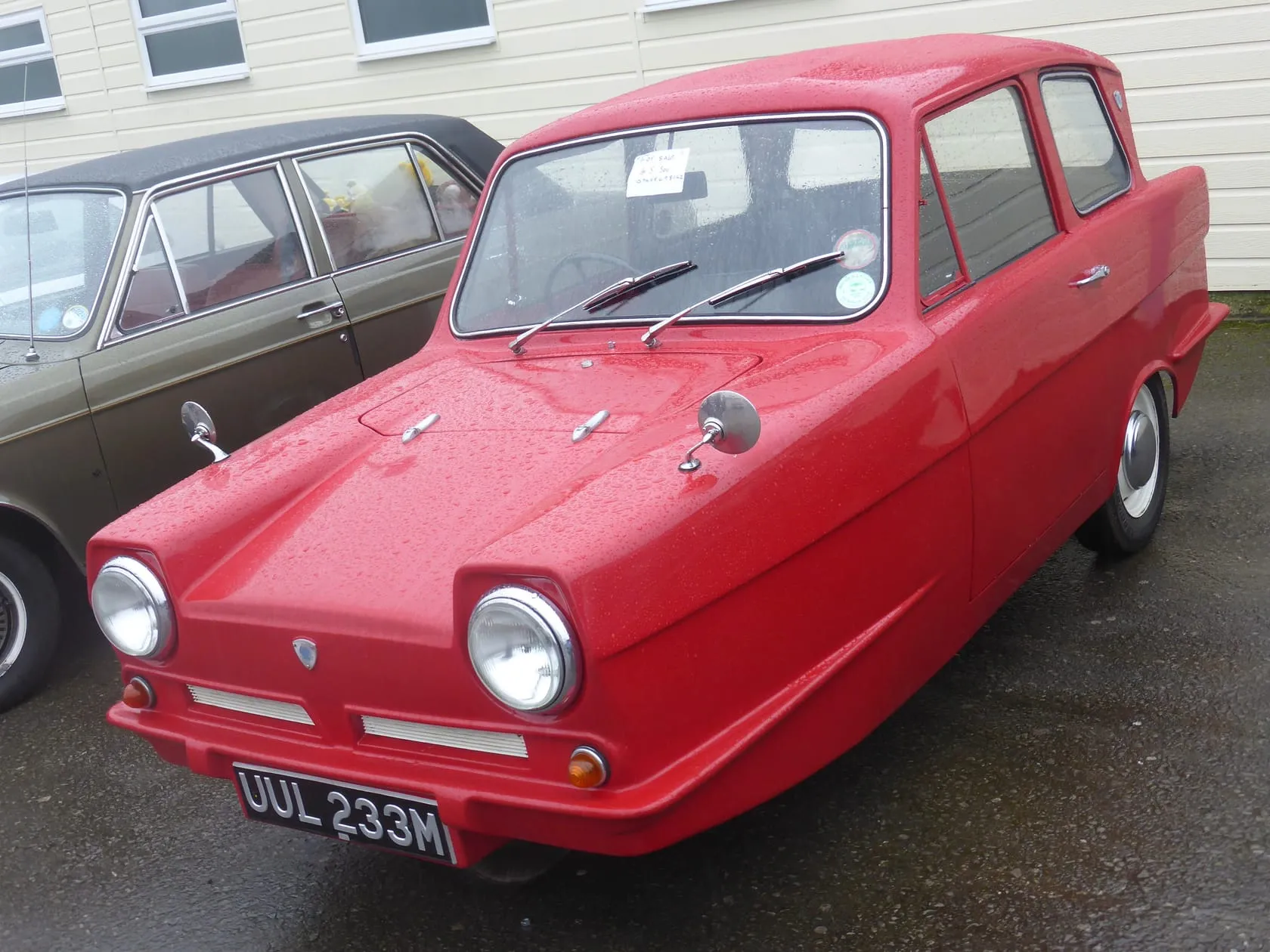
The Reliant Regal put post-war Britain's motorcyclists and tradesmen on three weather-proof wheels, and its Supervan became the most famous van in the country in Only Fools and Horses. A guide to the Regal's twenty years, the alloy-engined 3/25 and 3/30, the Supervan and the television fame, what to check, and what a Regal costs.
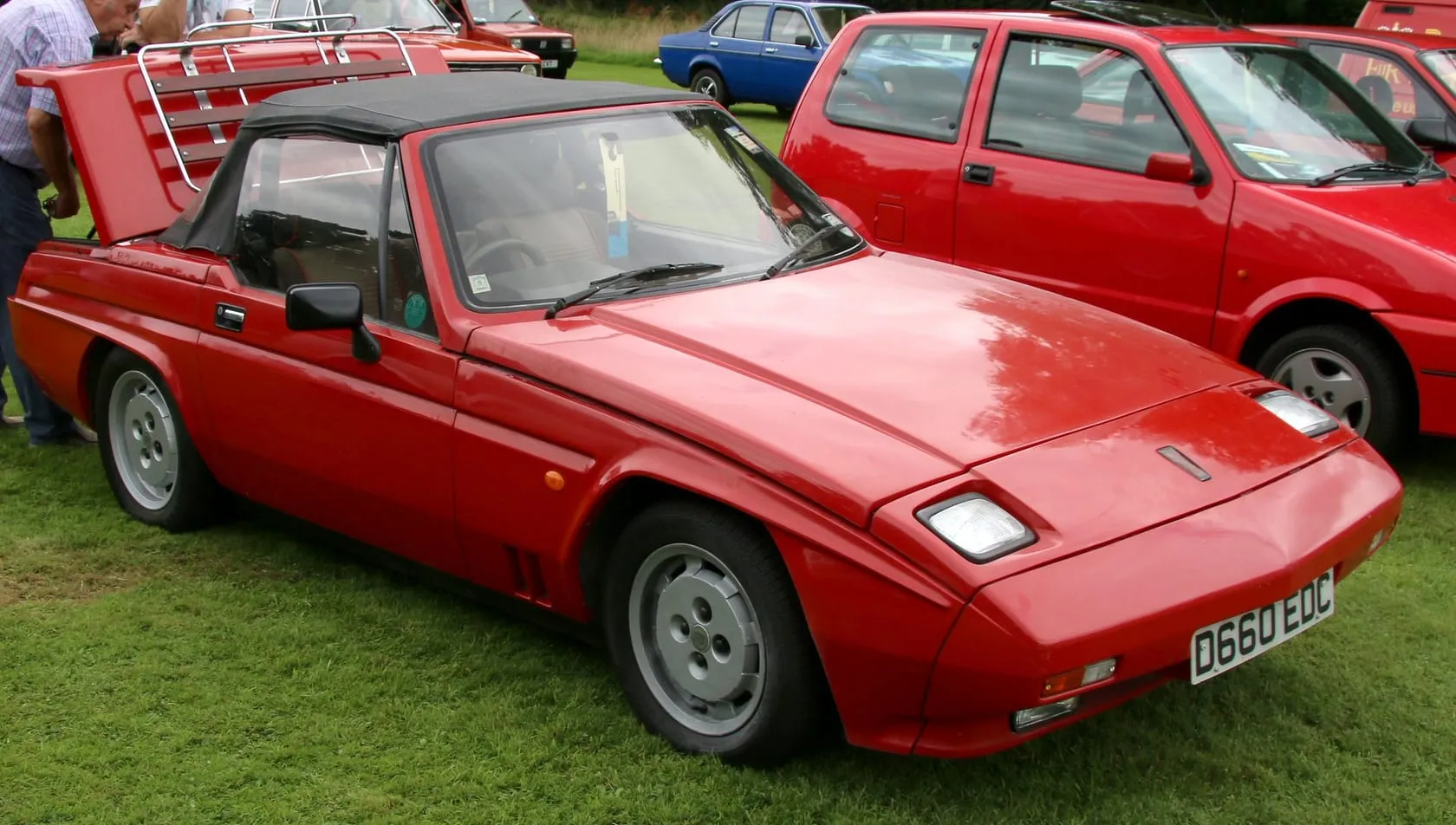
The Reliant Scimitar SS1 was the affordable British roadster of the 1980s, styled by Michelotti, built in glassfibre at Tamworth, and transformed by its Nissan-turbocharged 1800Ti version. A guide to the SS1, the restyled SST and Scimitar Sabre, why it never sold, what to check when buying, and why it remains a roadster bargain.
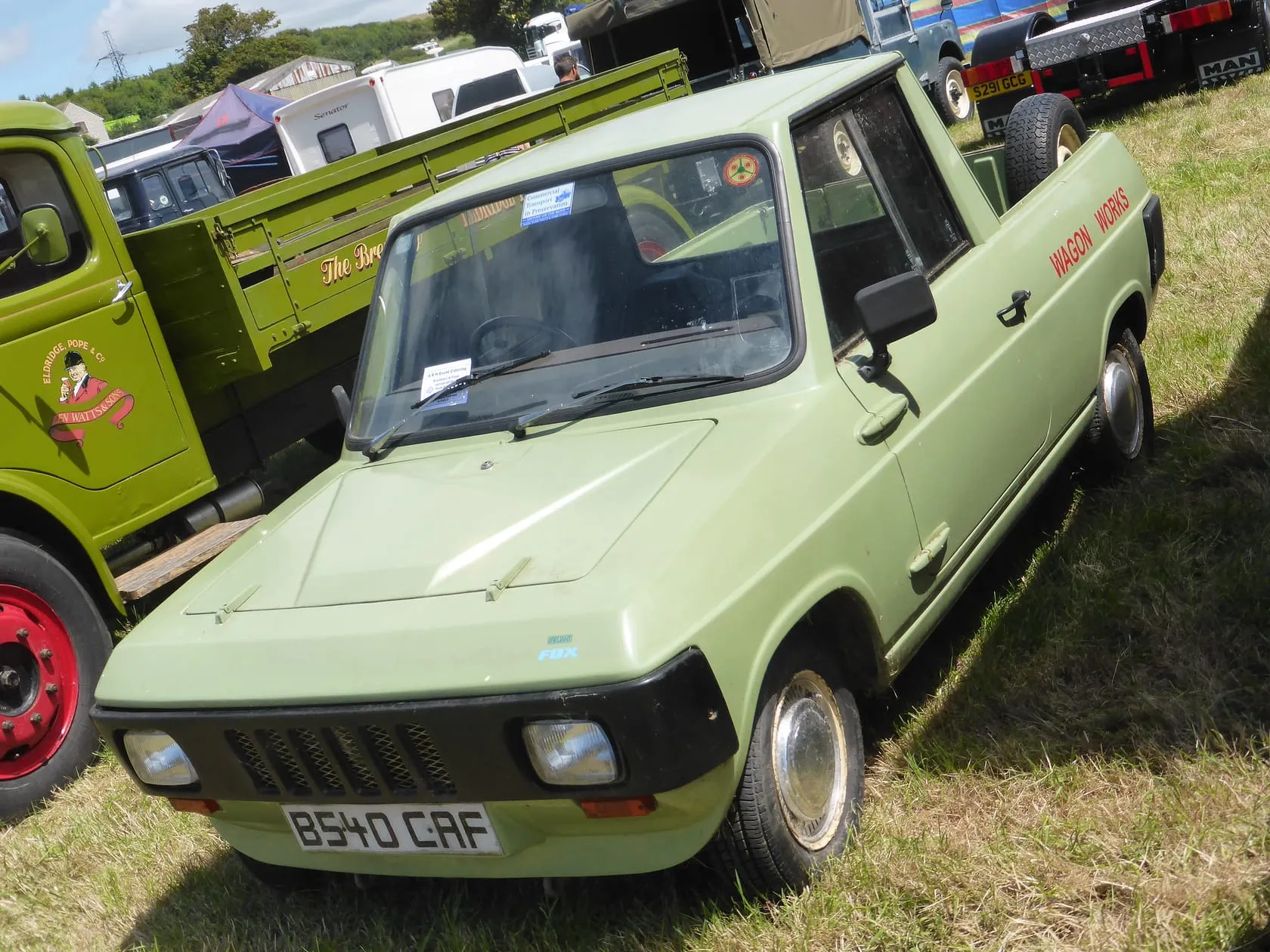
The Reliant Fox was a tiny glassfibre-bodied utility with a canvas back, developed for the Greek market and then built at Tamworth for Britain's smallholders and seaside councils. A guide to where the Fox came from, what it shares with the Kitten, why so few were built, what to check, and what this rare curiosity costs today.
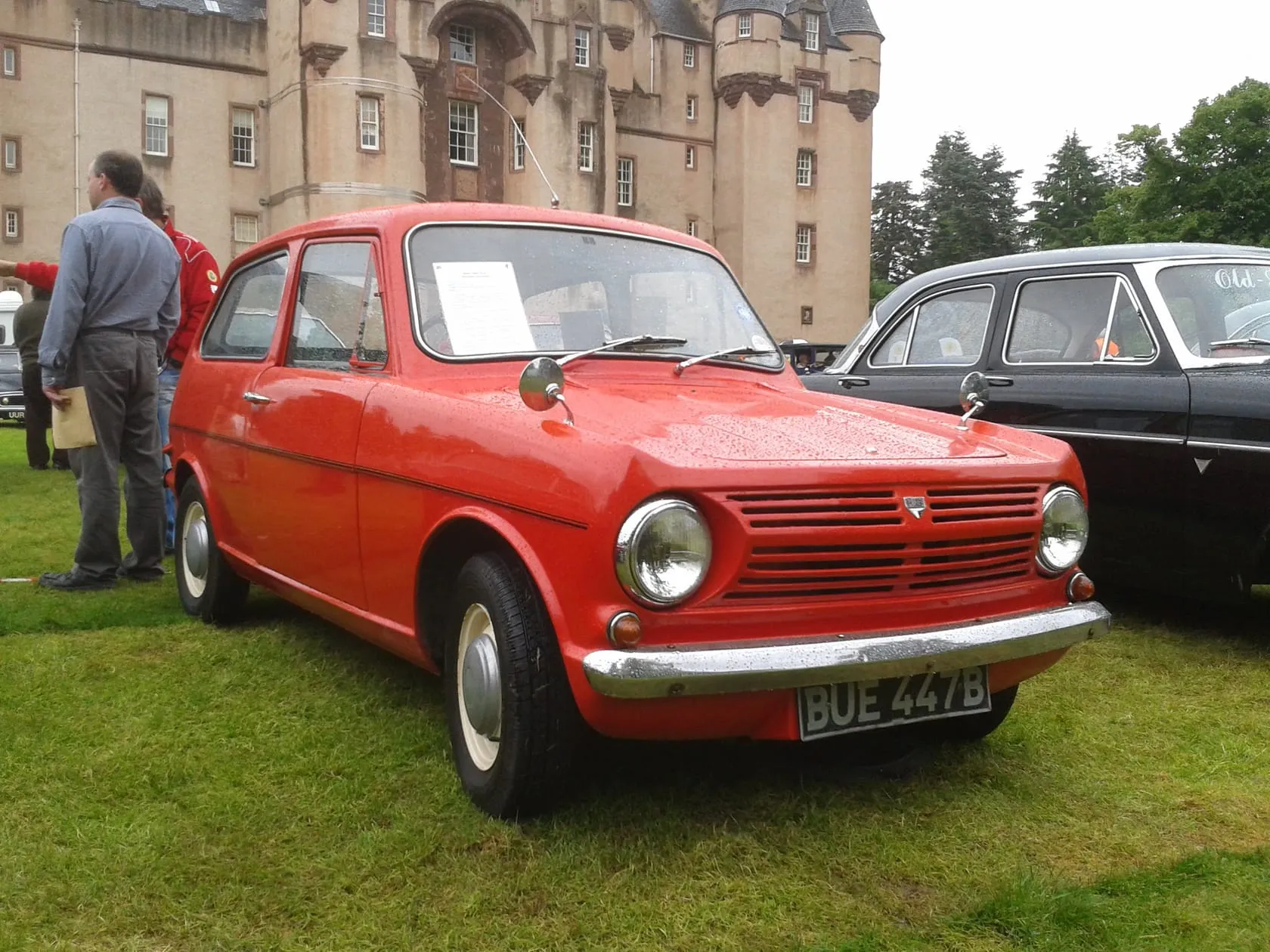
The Reliant Rebel was Tamworth's quiet experiment with a fourth wheel, a tough glassfibre small saloon and estate built in tiny numbers around the company's all-aluminium engine. A guide to why the Rebel existed, how it drove, the Kitten that continued the idea, what to check when buying, and what one costs today.
Vauxhall
7 guides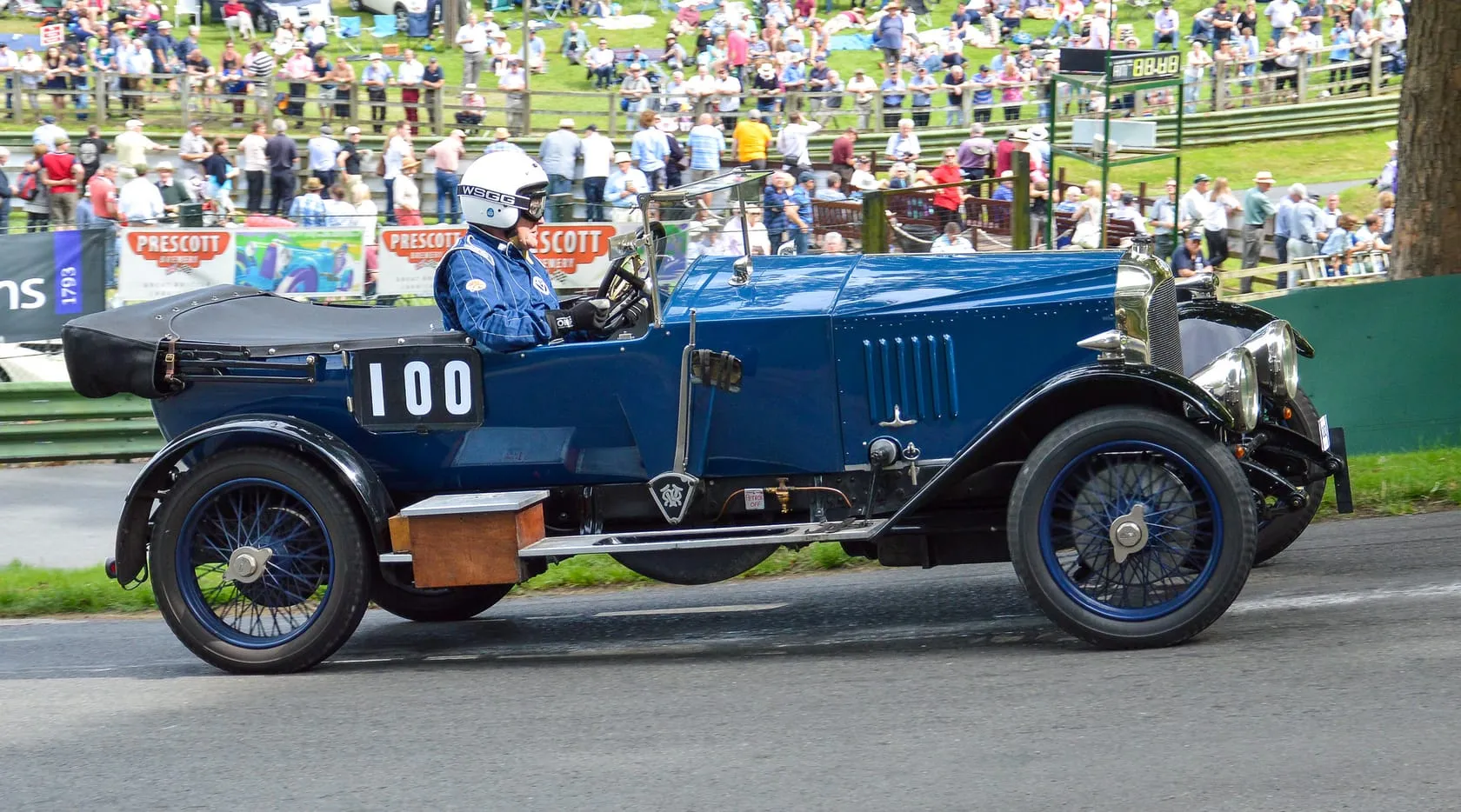
Vauxhall built pumps on the Thames before it built cars in Luton, wore a medieval griffin on its badge, and spent a century as Britain's other everyman marque under American ownership. A guide to where Vauxhall is from and who owns it, the sporting Edwardian glory years, and the classic Victors and Chevettes we cover.
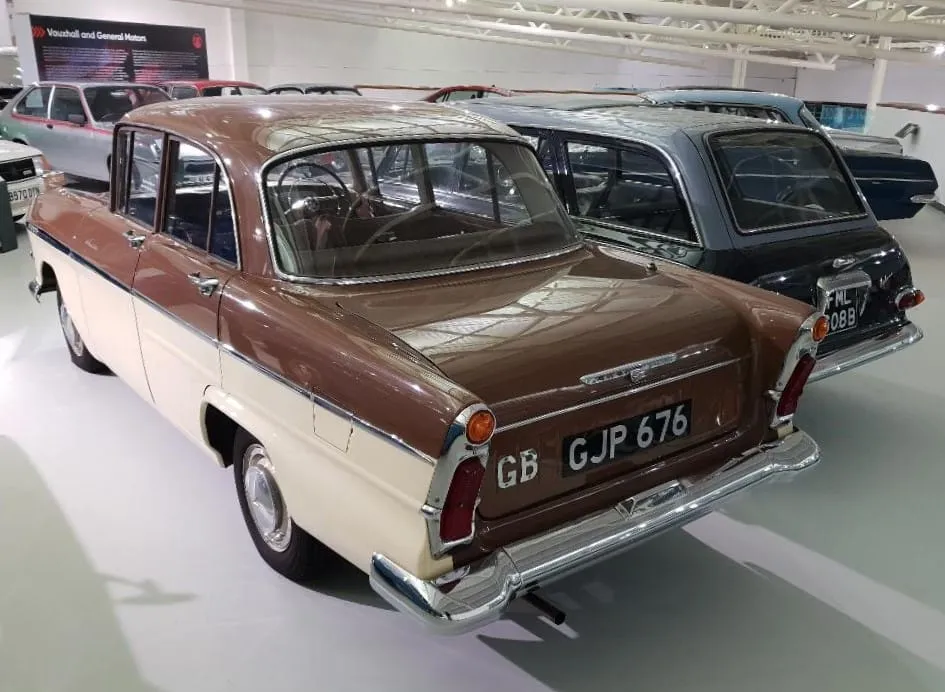
The Vauxhall Victor ran for nineteen years and five generations, from the wraparound-windscreen F-type to the slant-four FE estate. A guide to the lineage, what to look for, what they're worth, and why so few survived.
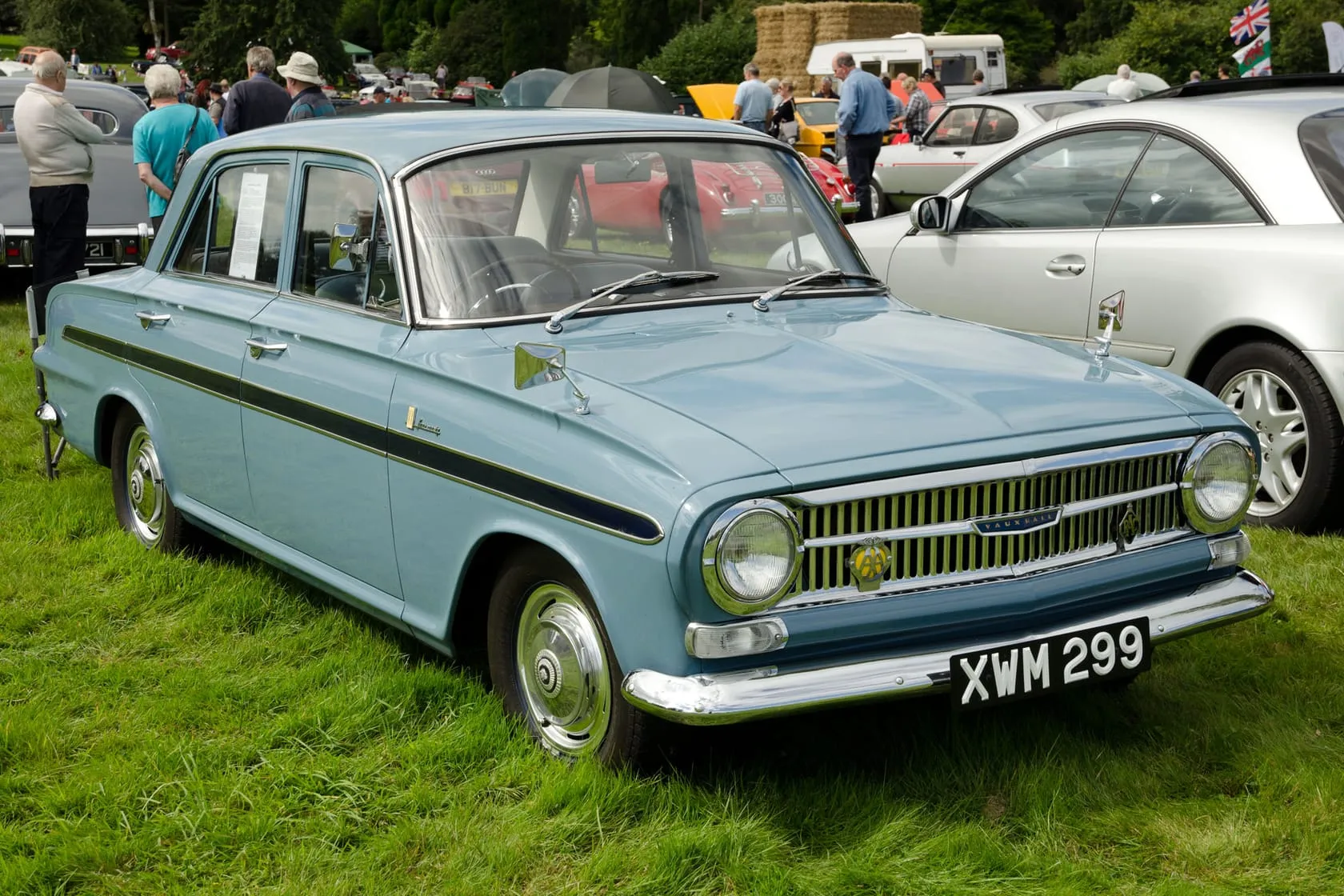
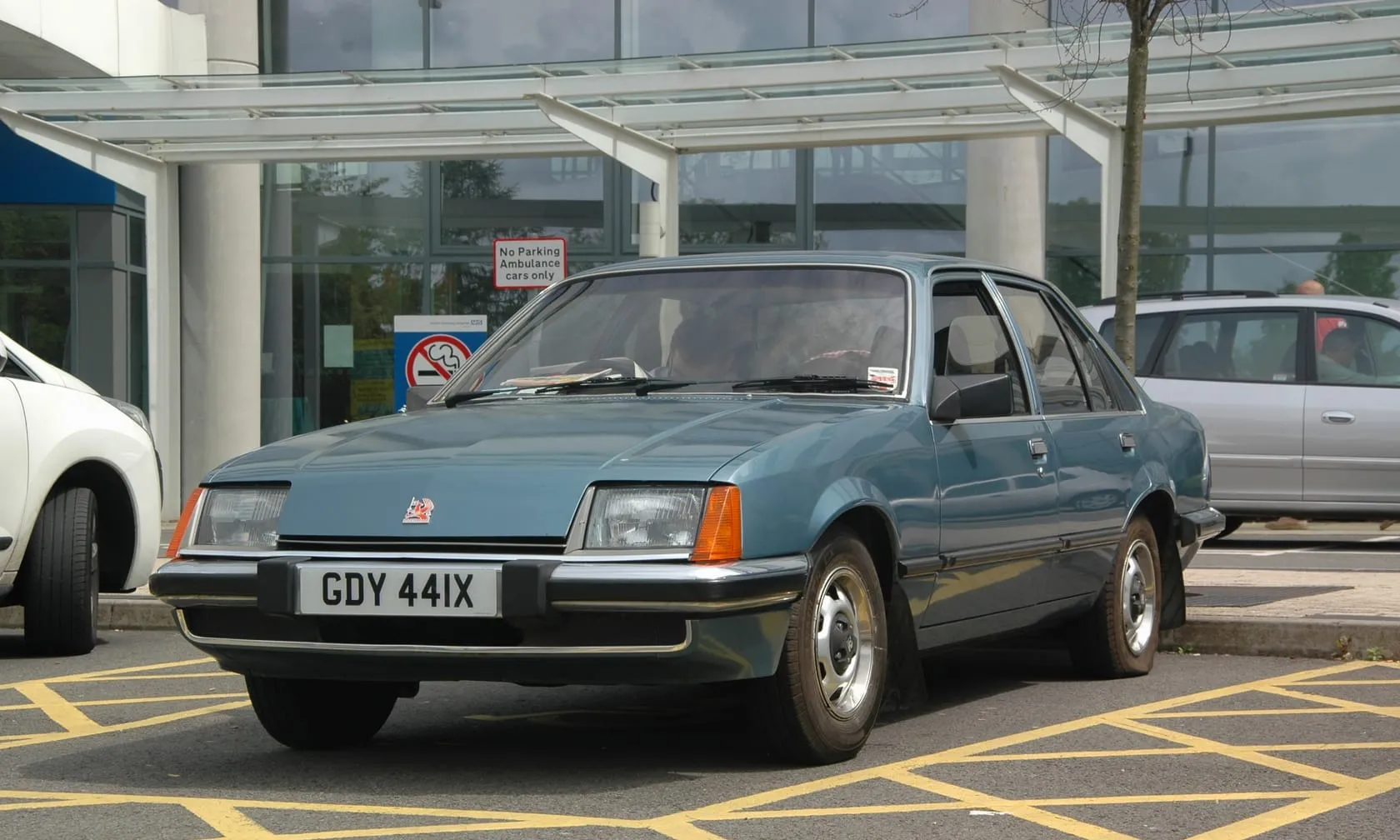
The Vauxhall Carlton was the marque's big saloon and estate for sixteen years, the Luton-assembled Mk1 of 1978 and the Rüsselsheim-built Mk2 of 1986 that won European Car of the Year and gave Britain the GSi 3000 24v and the Lotus Carlton. A guide to both generations, the engines, the Diplomat and CDX trims, what to check, and what the few survivors are worth.
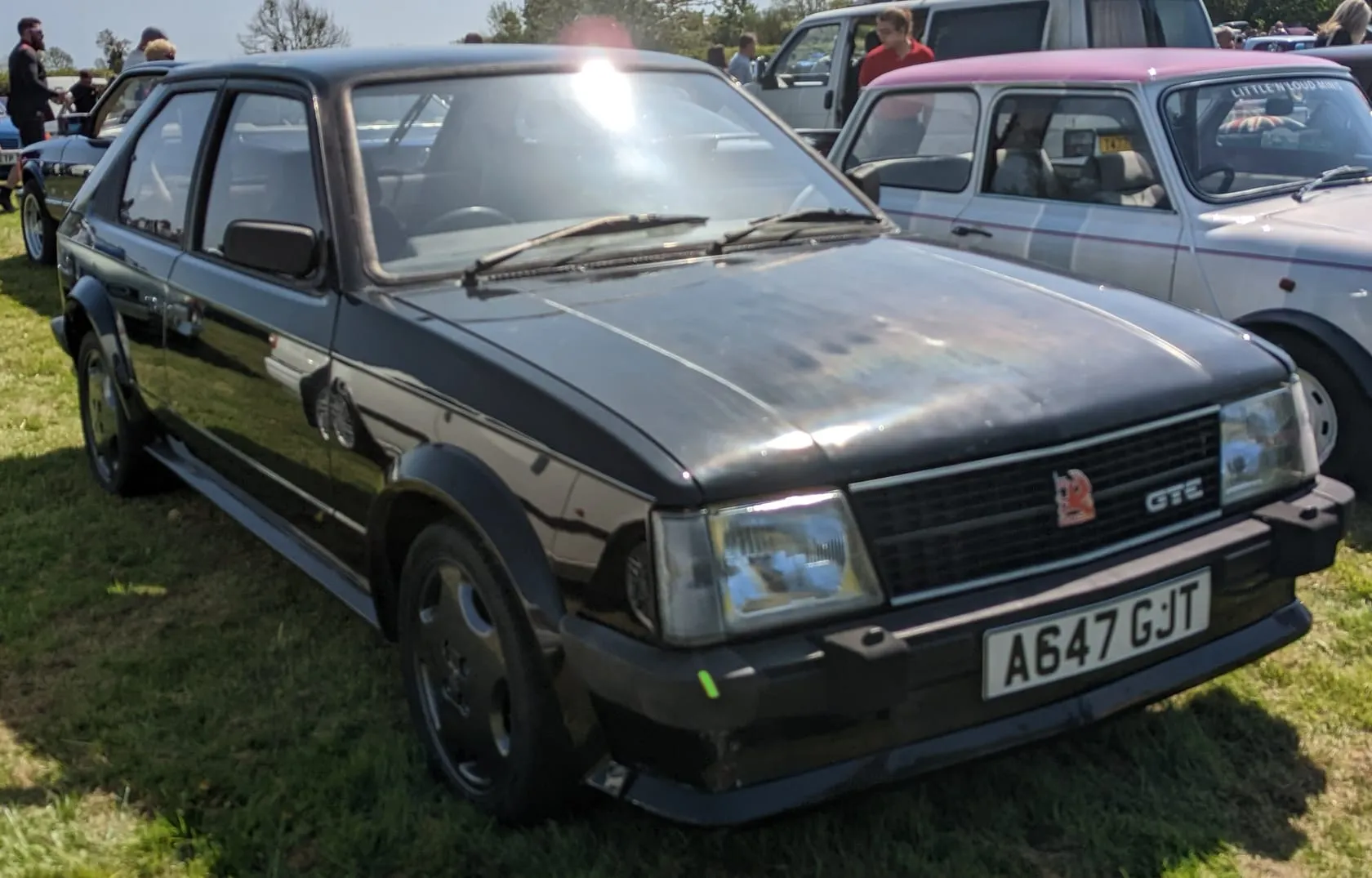
The Vauxhall Astra GTE was Luton's answer to the Golf GTI, the sharp-suited Mk1 of 1983 and the teardrop Mk2 that followed, ending with the 156 bhp 16v red-top of 1988. A guide to both generations, the digital dashboard, what survives after the Max Power years, what to check, and what the sale rooms now pay for the rarest of the 1980s hot hatchbacks.
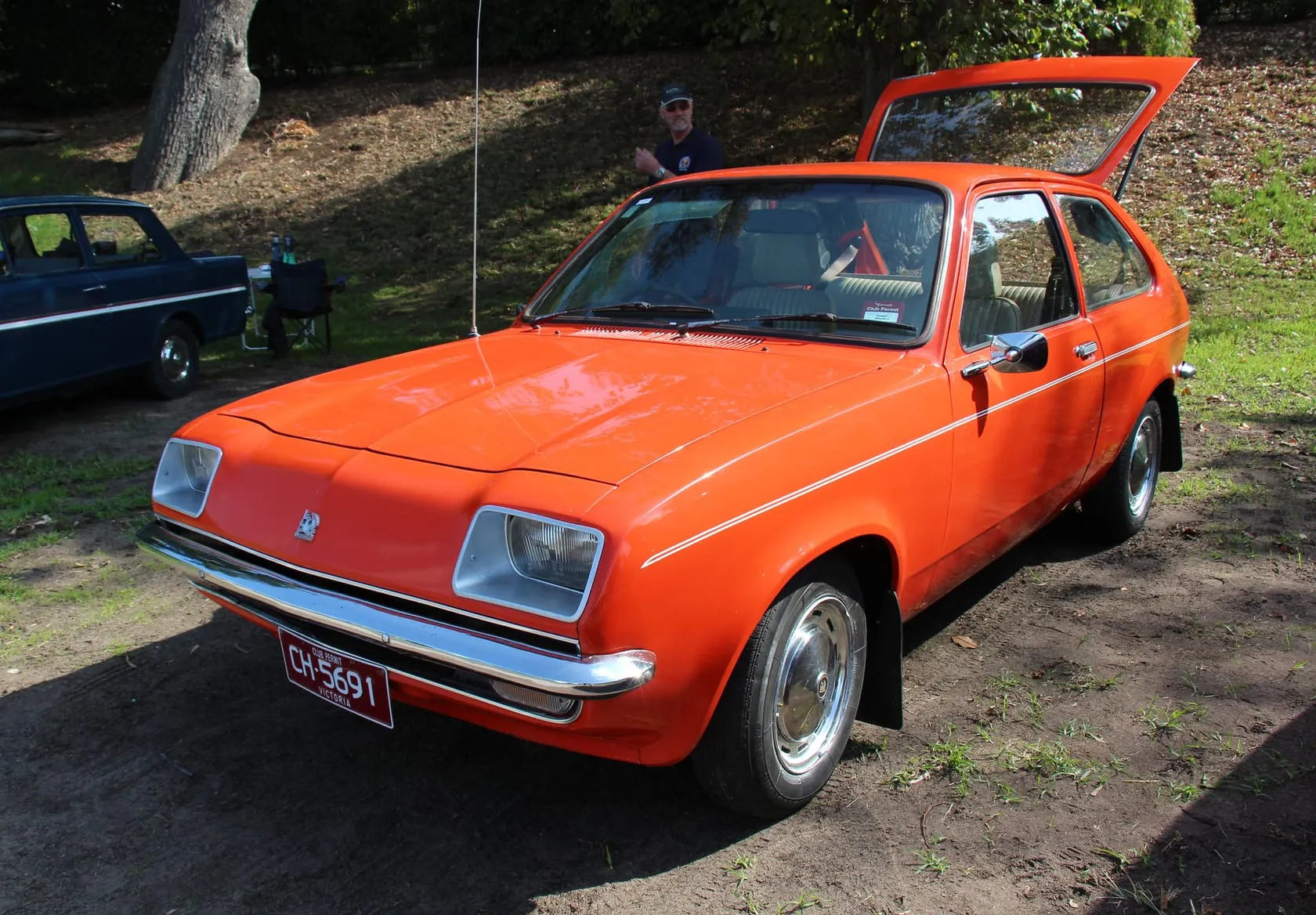
The Vauxhall Chevette was Britain's best-selling hatchback for parts of 1978, the rally homologation HS won the 1979 British Rally Championship, and almost all of them are now scrapped. A guide to the variants, the HS, what to look for, and what they're worth.
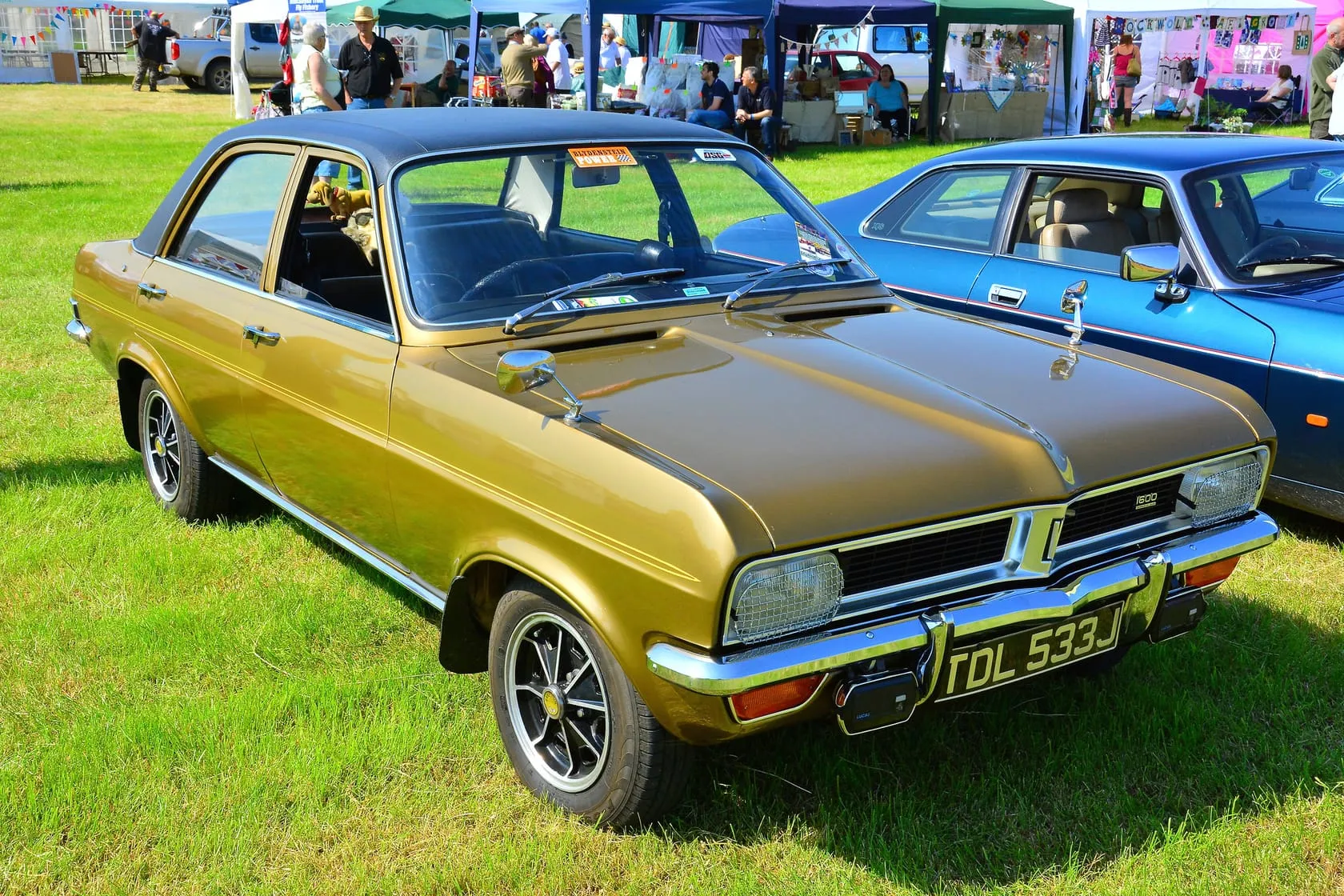
The classic Vauxhall Viva was Luton's answer to the small-Ford decades, three generations from the boxy HA to the coke-bottle HB and long-lived HC, over 1.5 million sold. A guide to HA, HB and HC, the Brabham and GT quick ones, how it differs from the 2015 city car, buying checks and values.
Microcars & Three-Wheelers
6 guides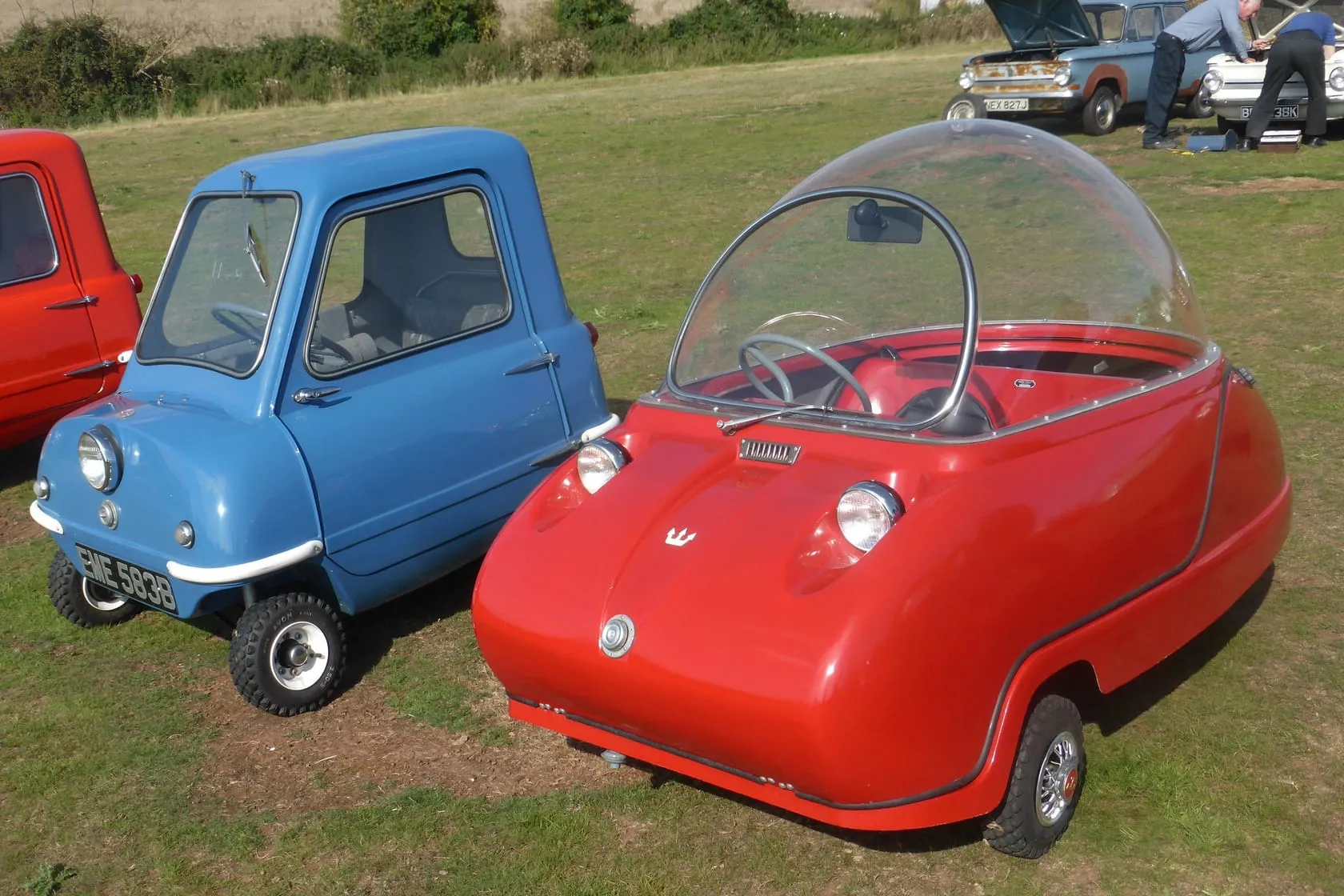
Britain built some of the smallest and strangest cars ever sold, from the Isle of Man's Peel P50 to Reliant's wedge-shaped Bond Bug. A guide to the bubble cars and three-wheelers, why Britain made so many, and why the survivors are now sought-after classics.
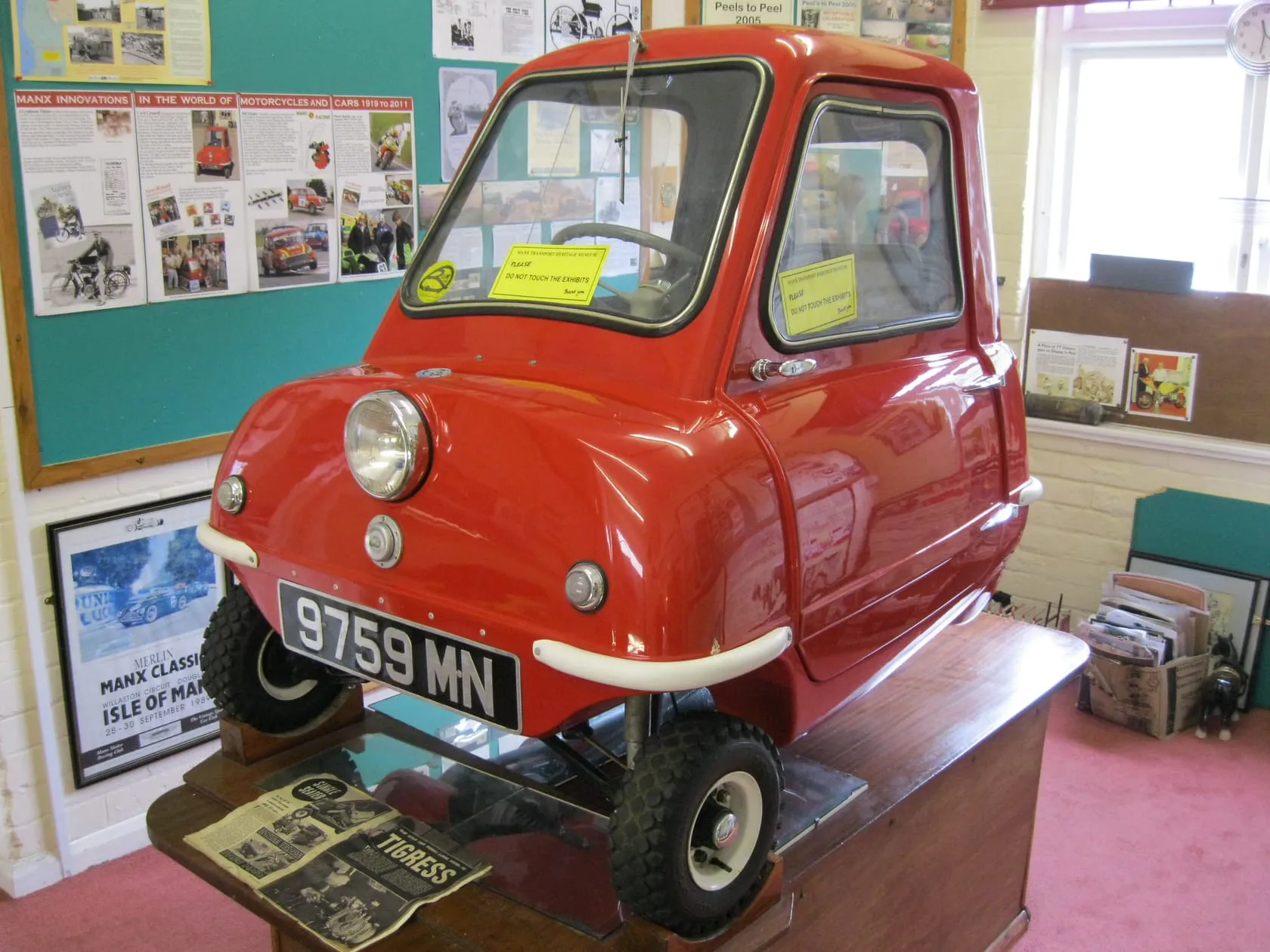
The Peel P50 is the smallest production car ever made, a single-seat three-wheeler built on the Isle of Man in the early 1960s with a 49cc engine and no reverse gear. Its history, what it is like to use, the modern revival, and why genuine originals are now five-figure collectors' cars.
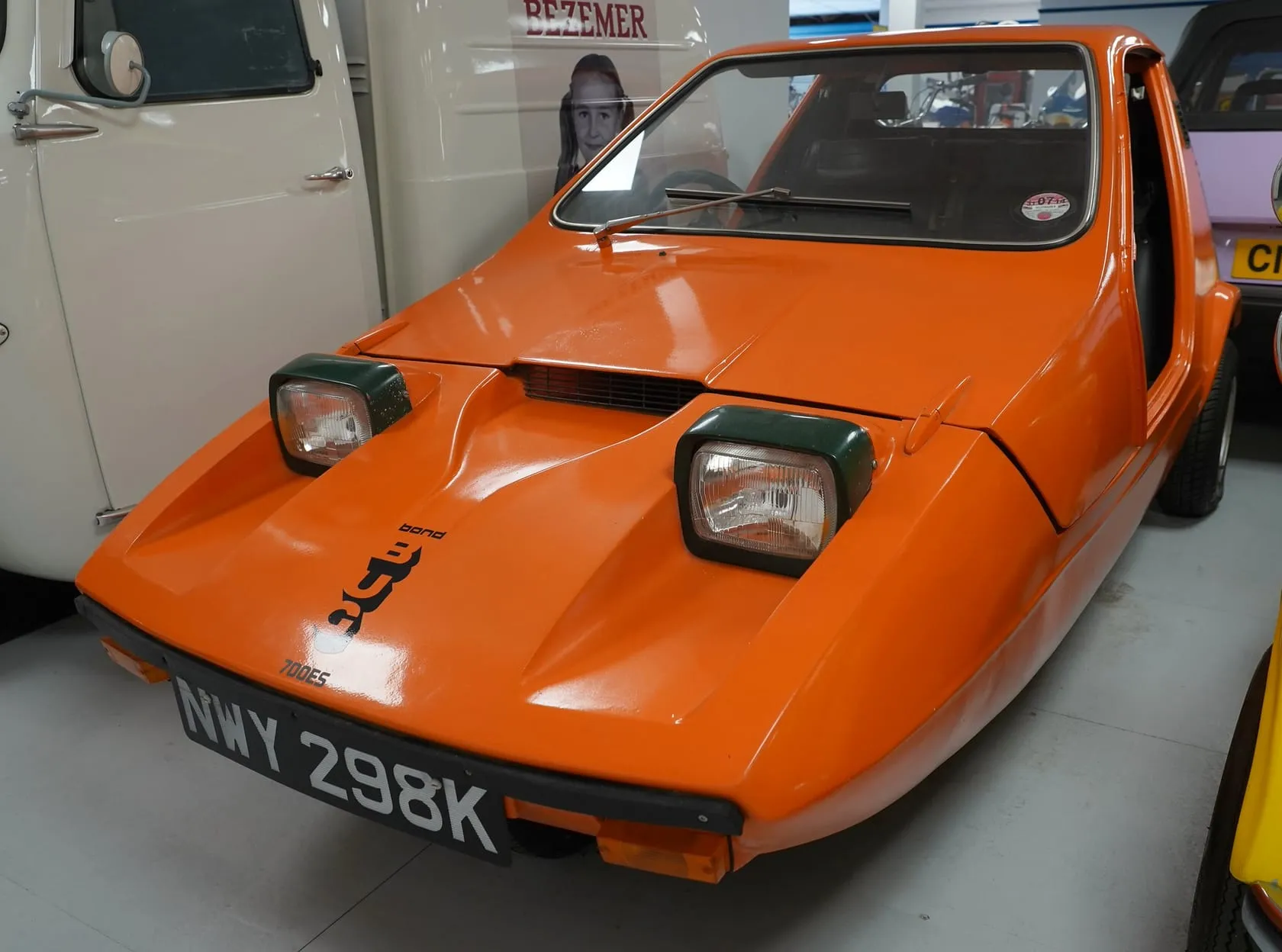
The Bond Bug is the tangerine, wedge-shaped three-wheeler Reliant built from 1970 to 1974, styled by Tom Karen of Ogle Design. Its origins, why a car this distinctive failed when new, its pop-culture afterlife, and what the survivors are worth today.
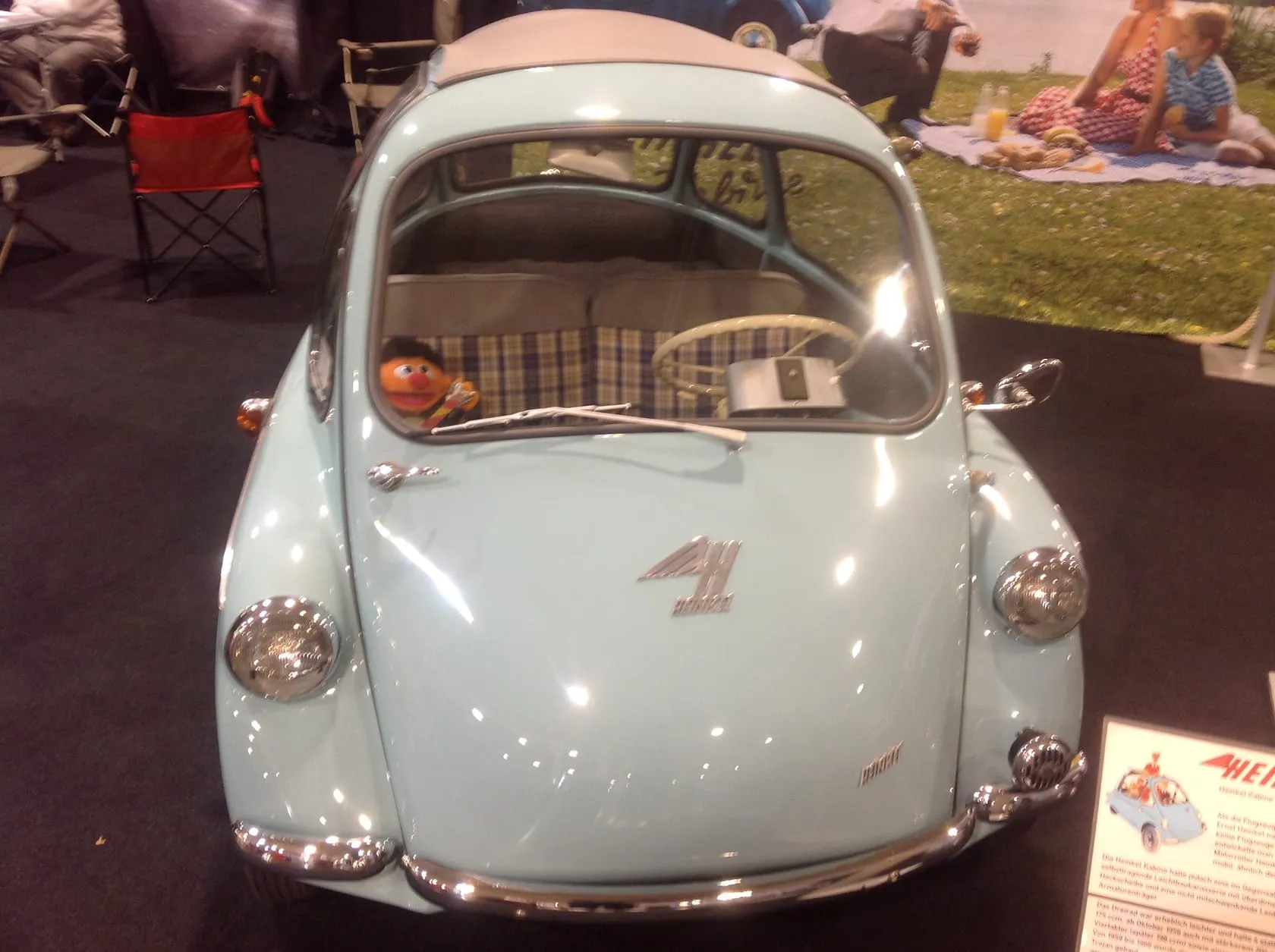
The Heinkel Kabine was the aircraft-maker's bubble car, lighter and nimbler than the rival Isetta, and from 1960 it became an honorary British classic as the Trojan 200, built under licence in Croydon. A guide to the Kabine and Trojan story, how it differs from an Isetta, what to check, and what one costs today.
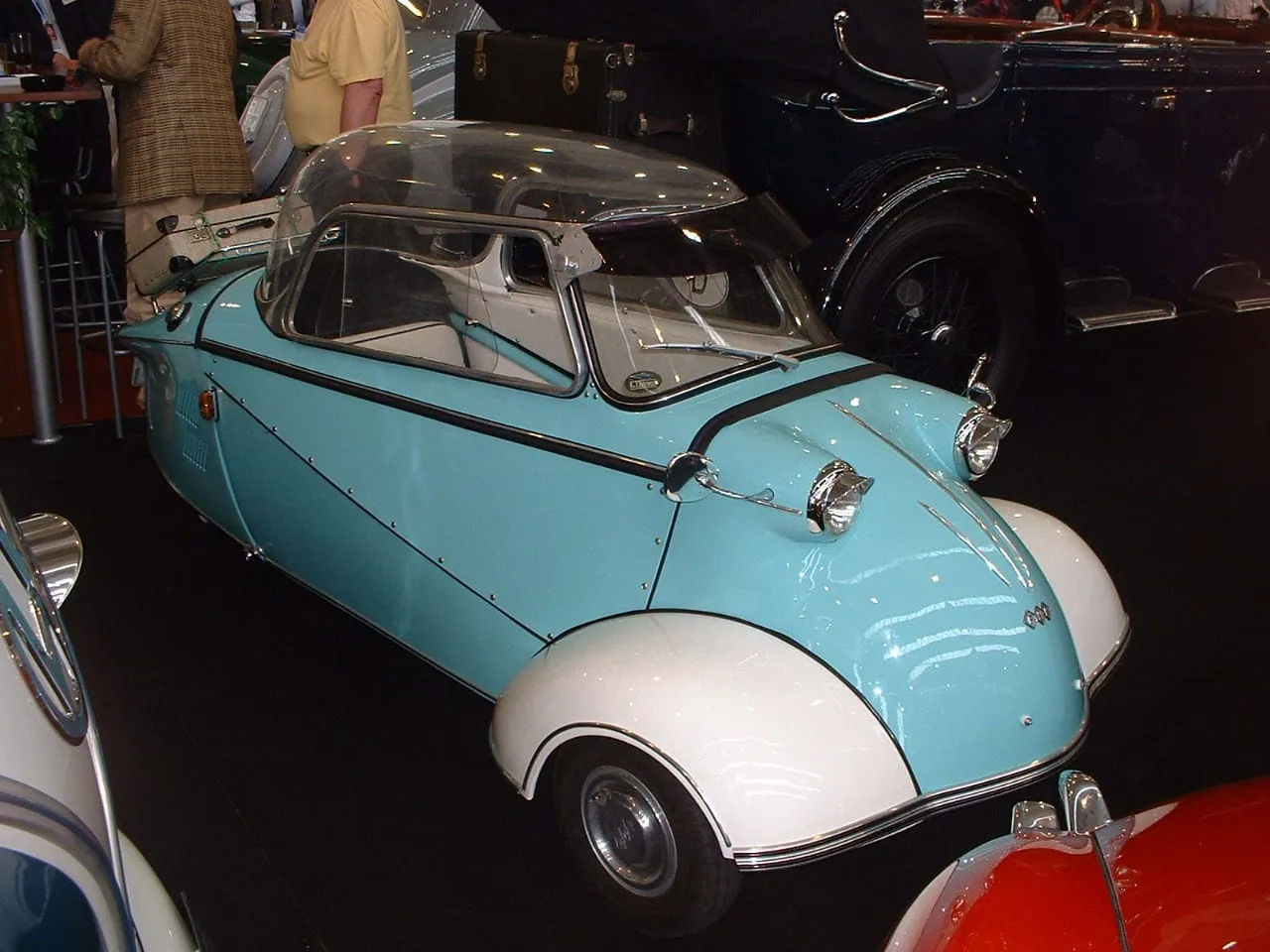
The Messerschmitt KR200 sat its two occupants in tandem under an aircraft-style bubble canopy, steered by handlebars and reversed by running its engine backwards. A guide to the Kabinenroller's story, the KR175 before it and the Tg500 Tiger above it, what to check when buying, and what one costs today.
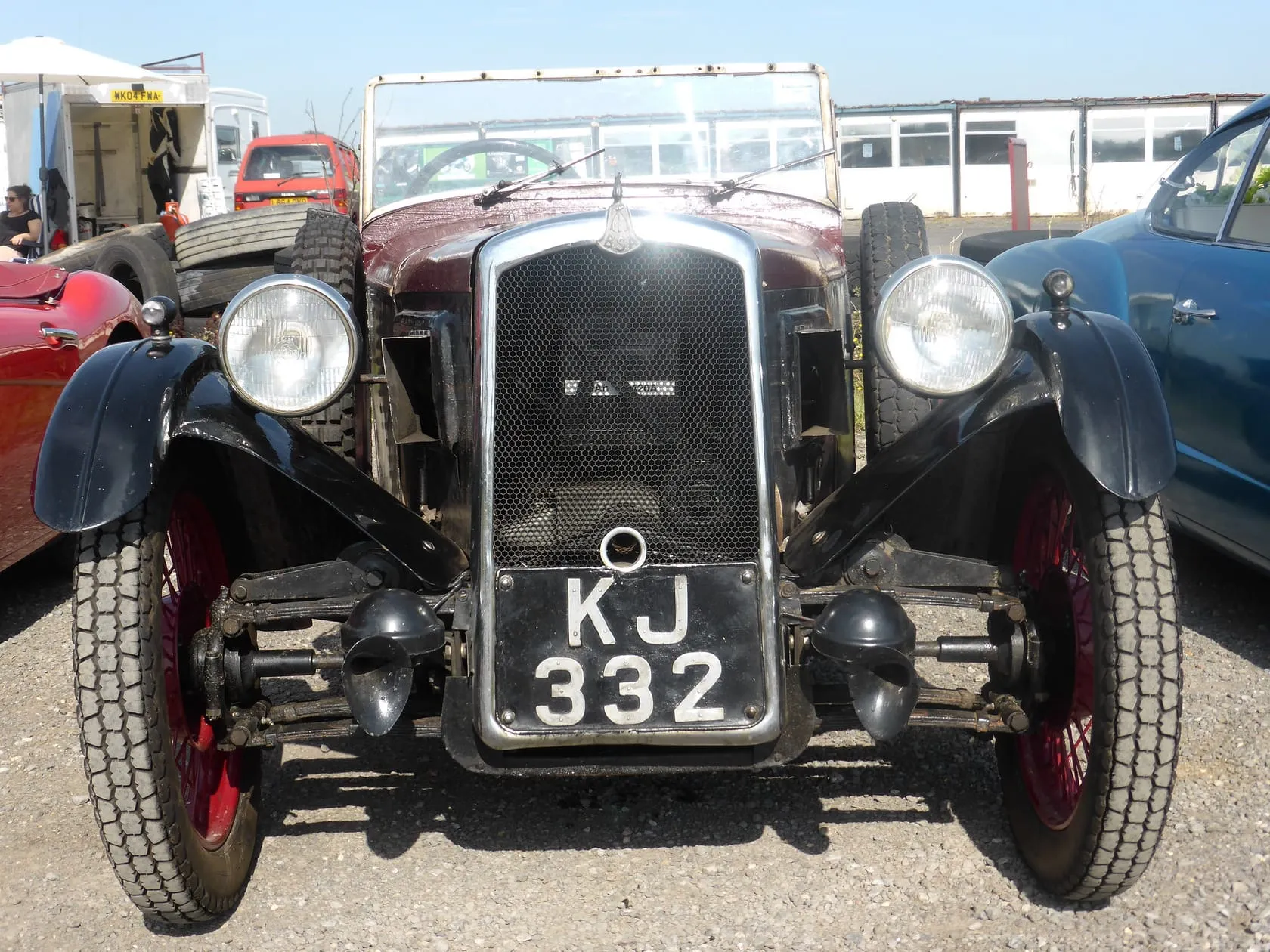
BSA's three-wheelers took on Morgan with a weapon nobody expected from a motorcycle firm, front-wheel drive, and sold in thousands on the strength of car comfort at motorcycle tax. A guide to the v-twin and four-cylinder cars, how they differ from a Morgan, the Scout that followed, and what one costs today.
Austin-Healey
6 guides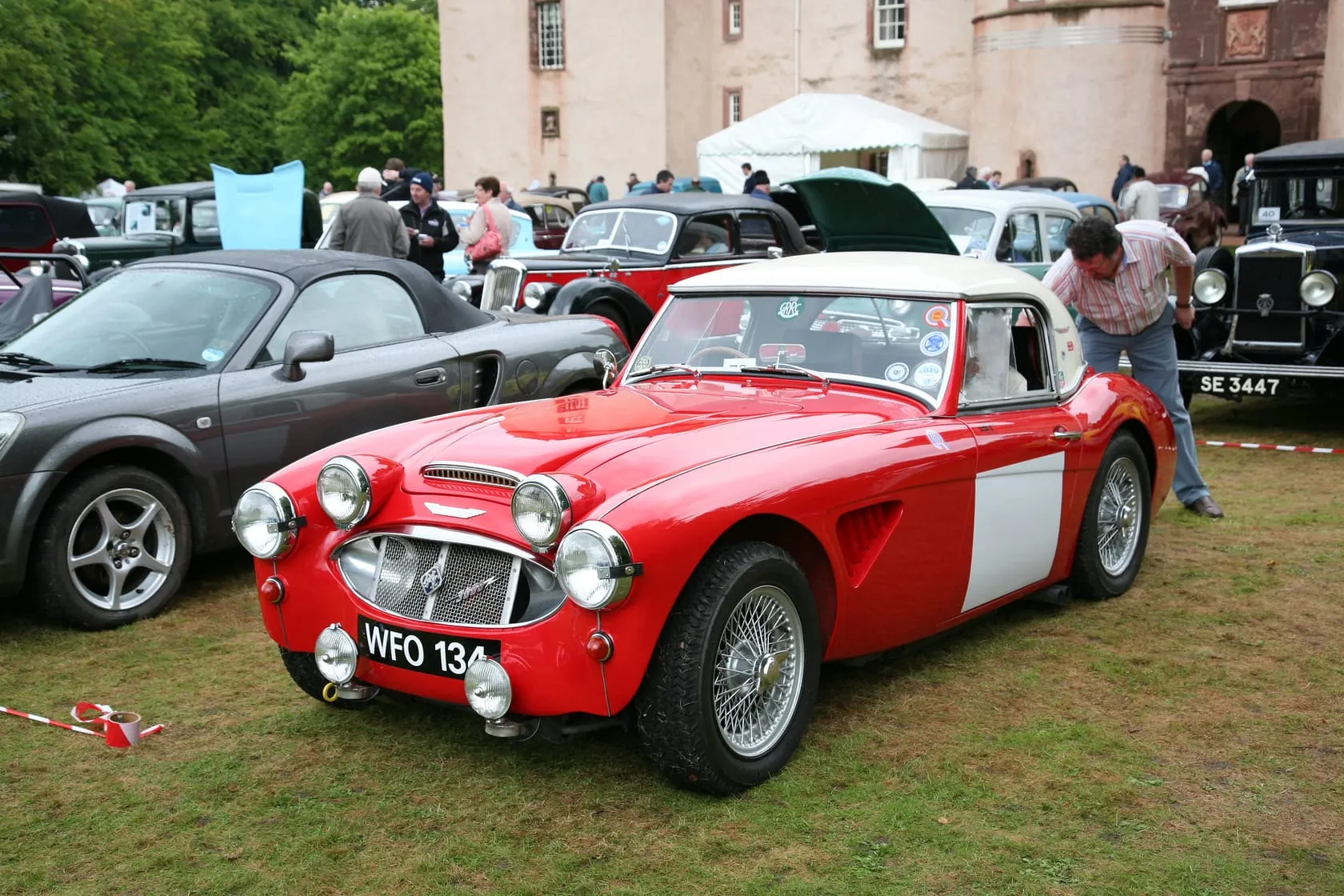
Austin-Healey built some of the most charismatic British sports cars of the 1950s and 60s, from the muscular, rally-winning Big Healey 3000 to the cheeky little Frogeye Sprite. A guide to the Austin-Healeys worth knowing, the Donald Healey and BMC partnership behind them, and why a good Healey is one of the most prized of all affordable classics.
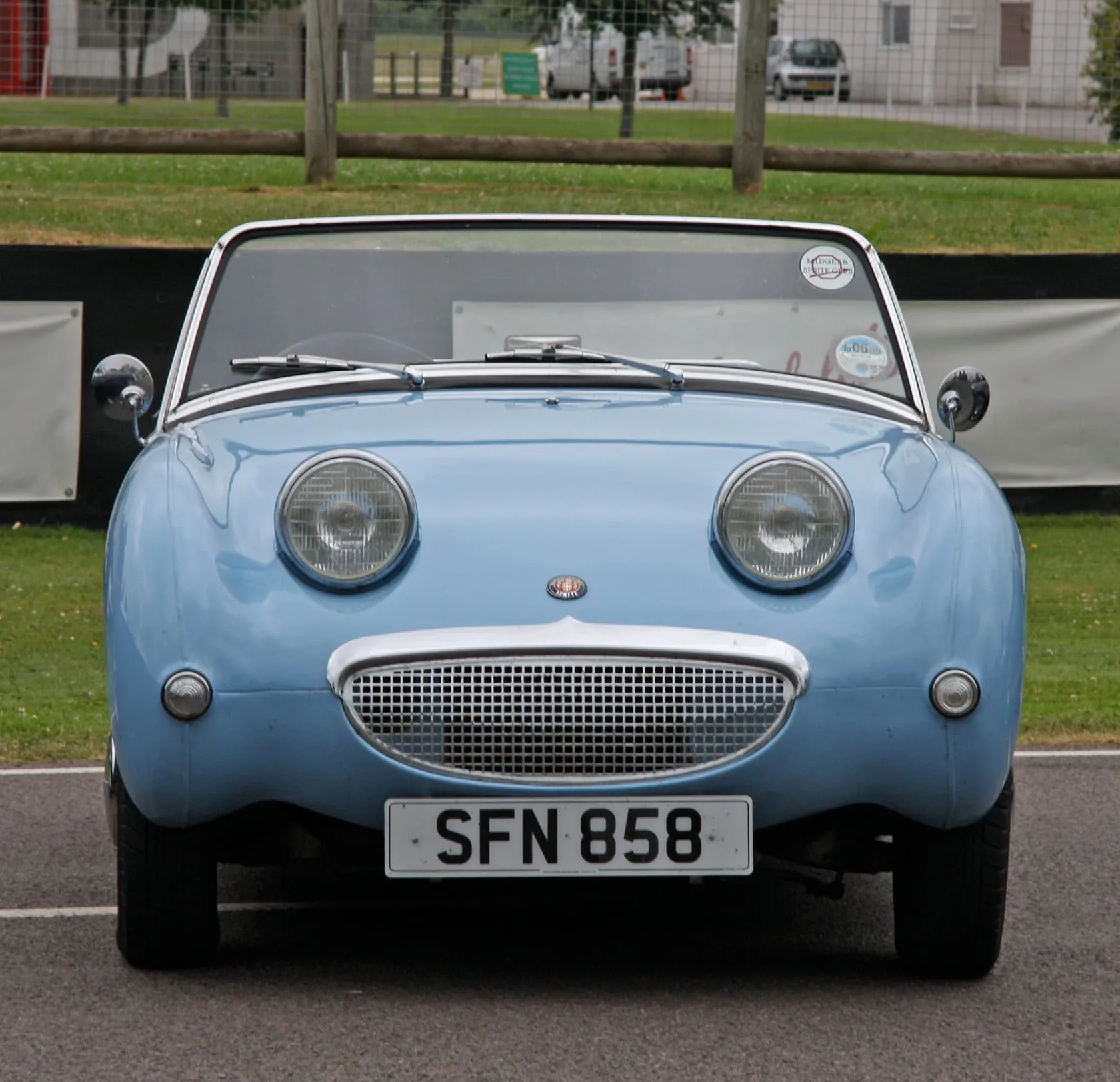
The Austin-Healey Sprite, and above all its bug-eyed first version the Frogeye, is one of the most loveable and affordable classic sports cars there is. A guide to the Frogeye Mk I, the later Spridget cars shared with the MG Midget, the Sebring racers, and what to check before buying one.
The Frogeye Sprite put real sports-car joy on sale for £669 with a face nobody has ever managed to dislike. A guide to the original Austin-Healey Sprite Mk I, why the headlamps sit on the bonnet, the Sebring racers, buying checks and values.
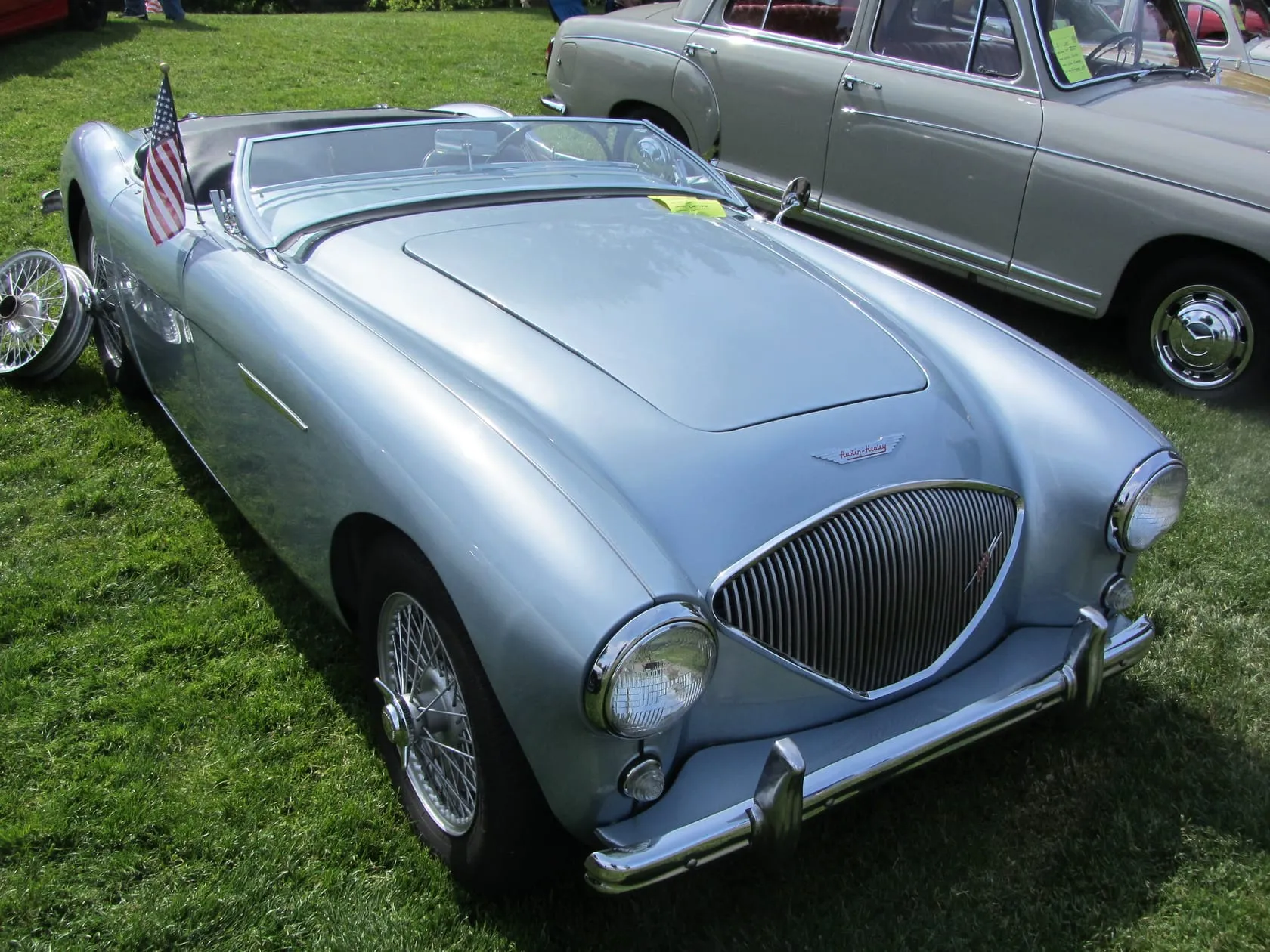
The Austin-Healey 100 is the car that started the marque, the original Big Healey, named for its 100 mph top speed. A guide to the four-cylinder 100/4 (BN1 and BN2), the high-performance 100M and the rare 100S, the six-cylinder 100-6, what one is like to own, and what to look for when buying.
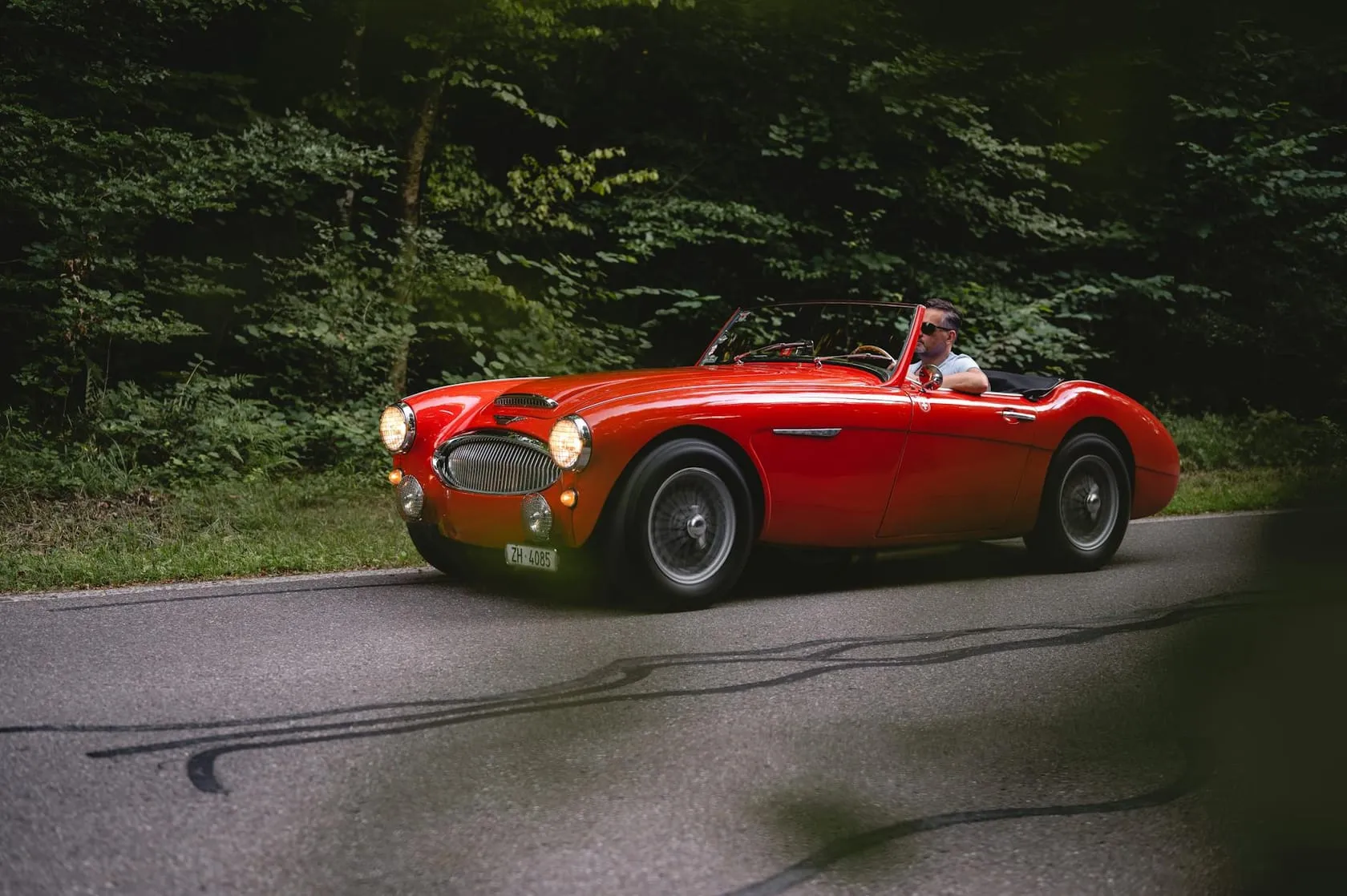
The Austin-Healey 3000, the "Big Healey", is the muscular six-cylinder sports car that defined the marque and built its rally reputation. A guide to the Mk I, II and III, the wind-up-window BJ7 and the prized Mk III BJ8, the works rally cars, and what to look for when buying.
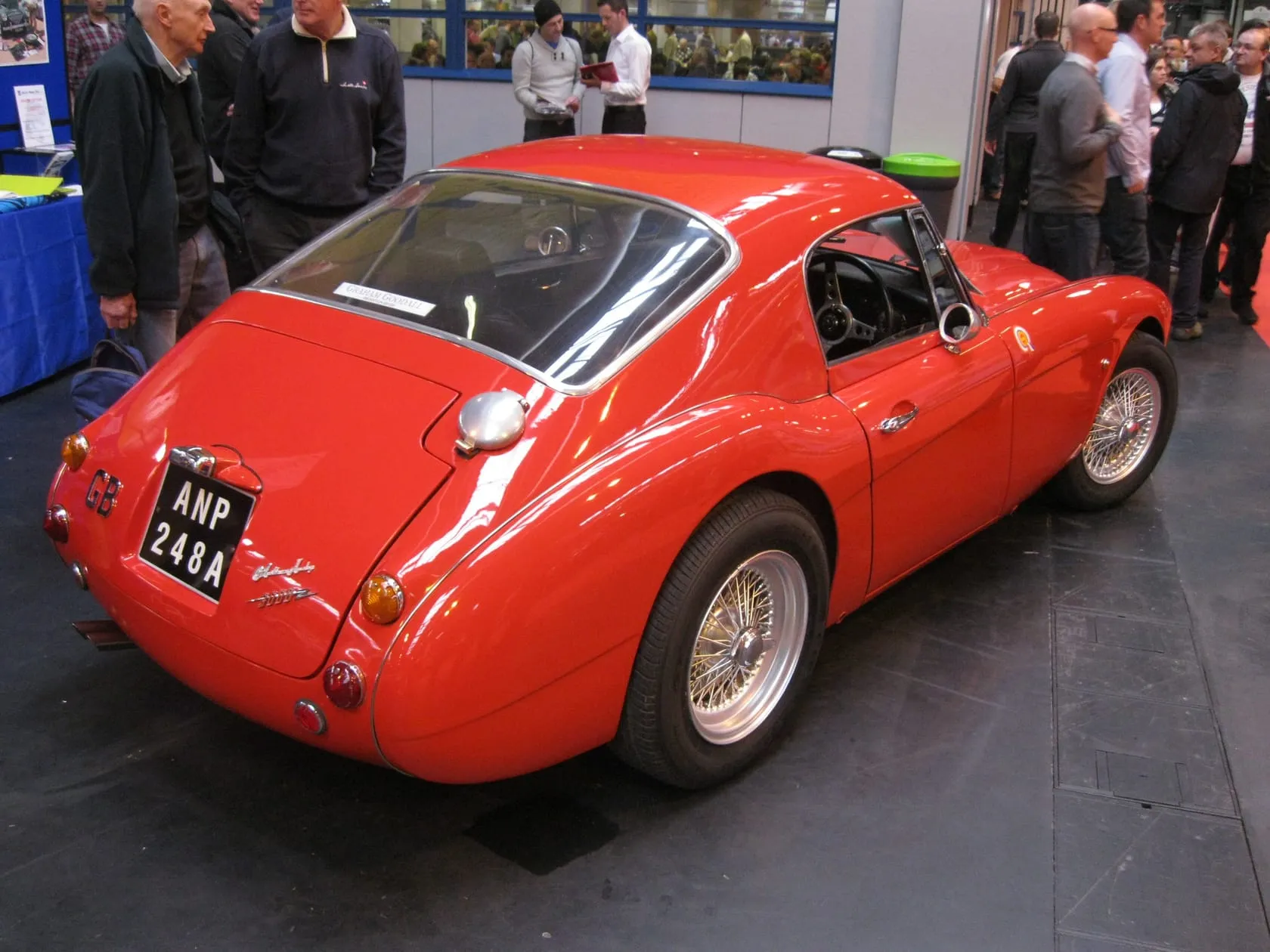
Classic Austin-Healeys are well served for parts, because they share their BMC mechanicals with MG and other BMC cars. A practical guide to parts availability, the Big Healey's chassis and aluminium-shroud restoration, the simpler Sprite, running costs, the clubs, and how the cars are insured.
Morris
6 guides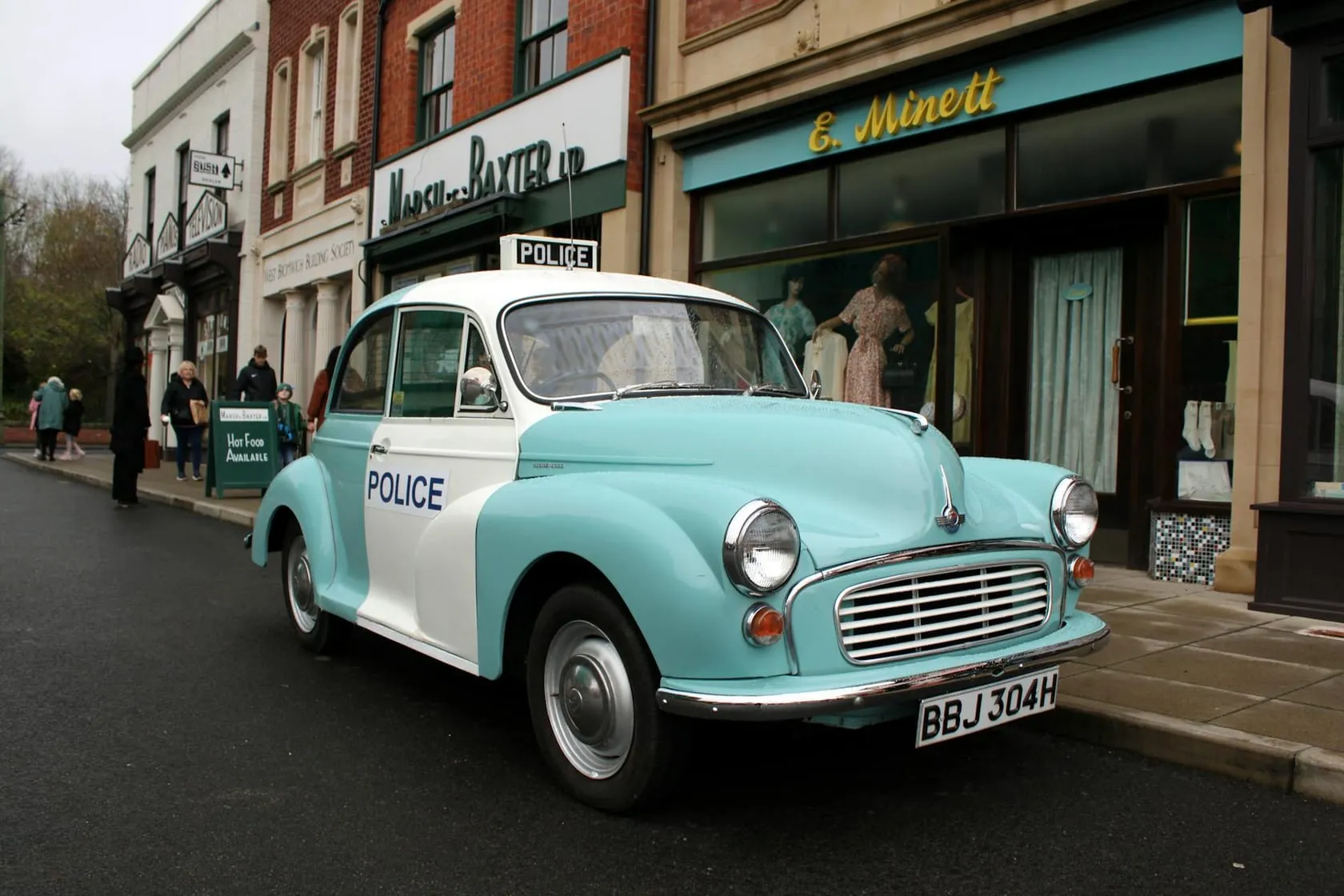
Morris built cars at Cowley from 1913, grew into Britain's biggest carmaker on the Bullnose and the Eight, gave the country the Minor, and gathered Riley, Wolseley and MG into the Nuffield empire along the way. A guide to the classic Morrises and Rileys we cover and what became of the marque.
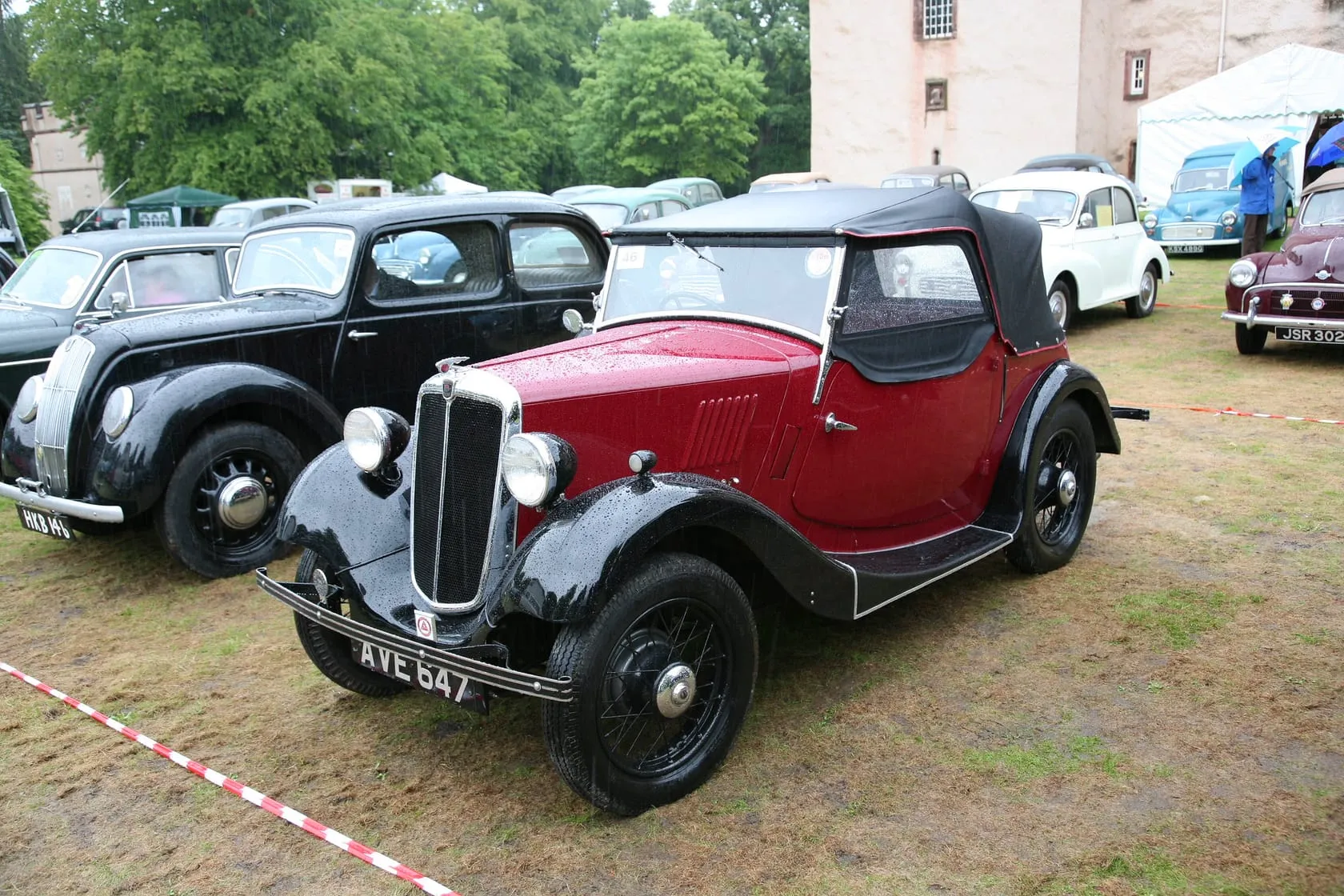
The Morris Eight was Cowley's answer to Ford's Model Y and became Britain's best-selling car of the late 1930s, running from the Series I to the post-war Series E. A guide to the series, the tourers and vans, what to check when buying, and what a Morris Eight costs today.
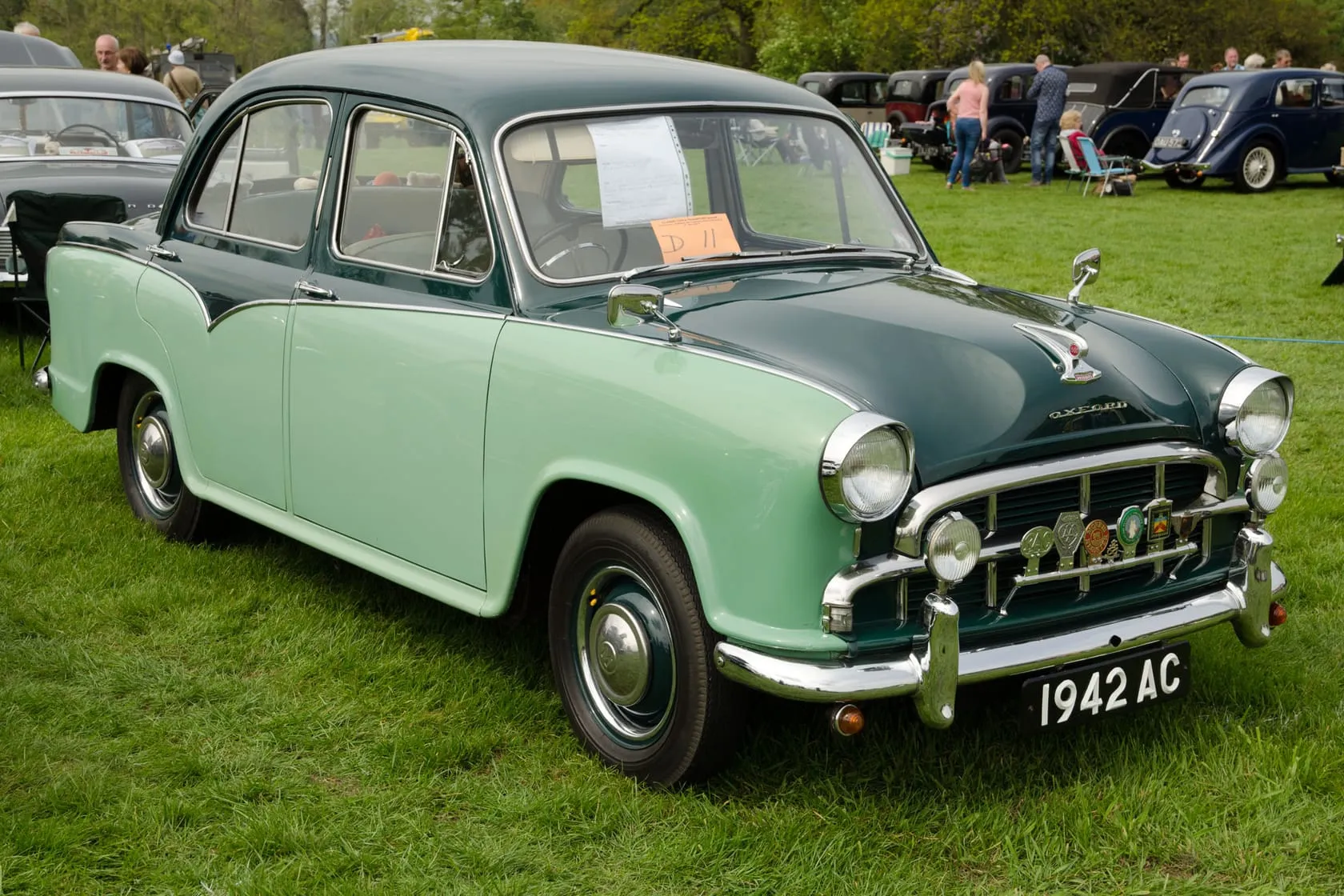
The Morris Oxford name spanned the whole life of its maker, from the 1913 Bullnose that founded the company to the Farina saloons that became India's Hindustan Ambassador. A guide to the Bullnose, the MO, the Series cars and the Farinas, what to look for when buying, and what an Oxford costs today.
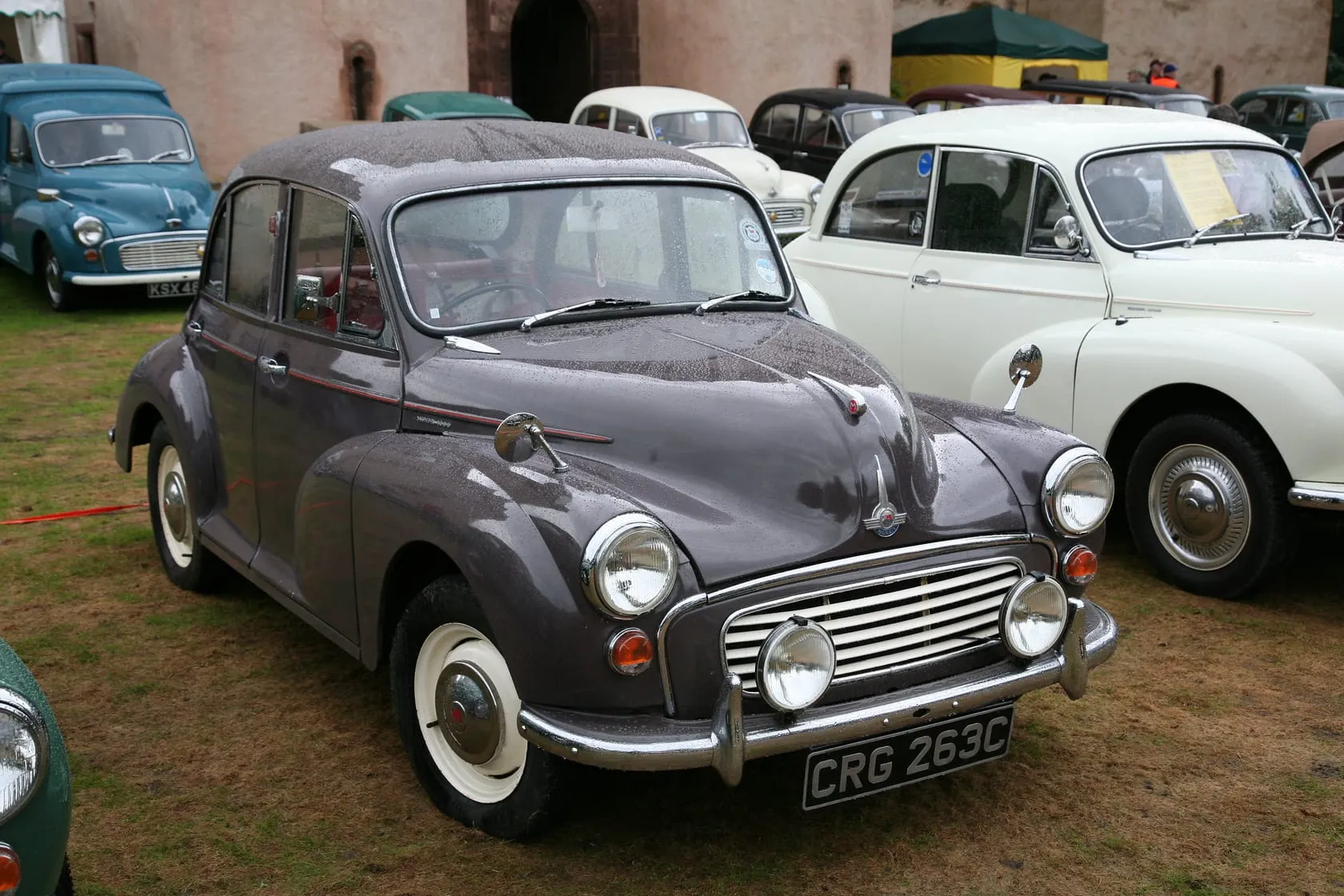
The Morris Minor was the first British car to sell a million, Issigonis's people's car built for twenty-three years as saloon, convertible, wood-framed Traveller and van. A guide to the Series MM, Series II and Minor 1000, the bodies decoded, why it remains the easiest classic to own, and what to check before buying one.
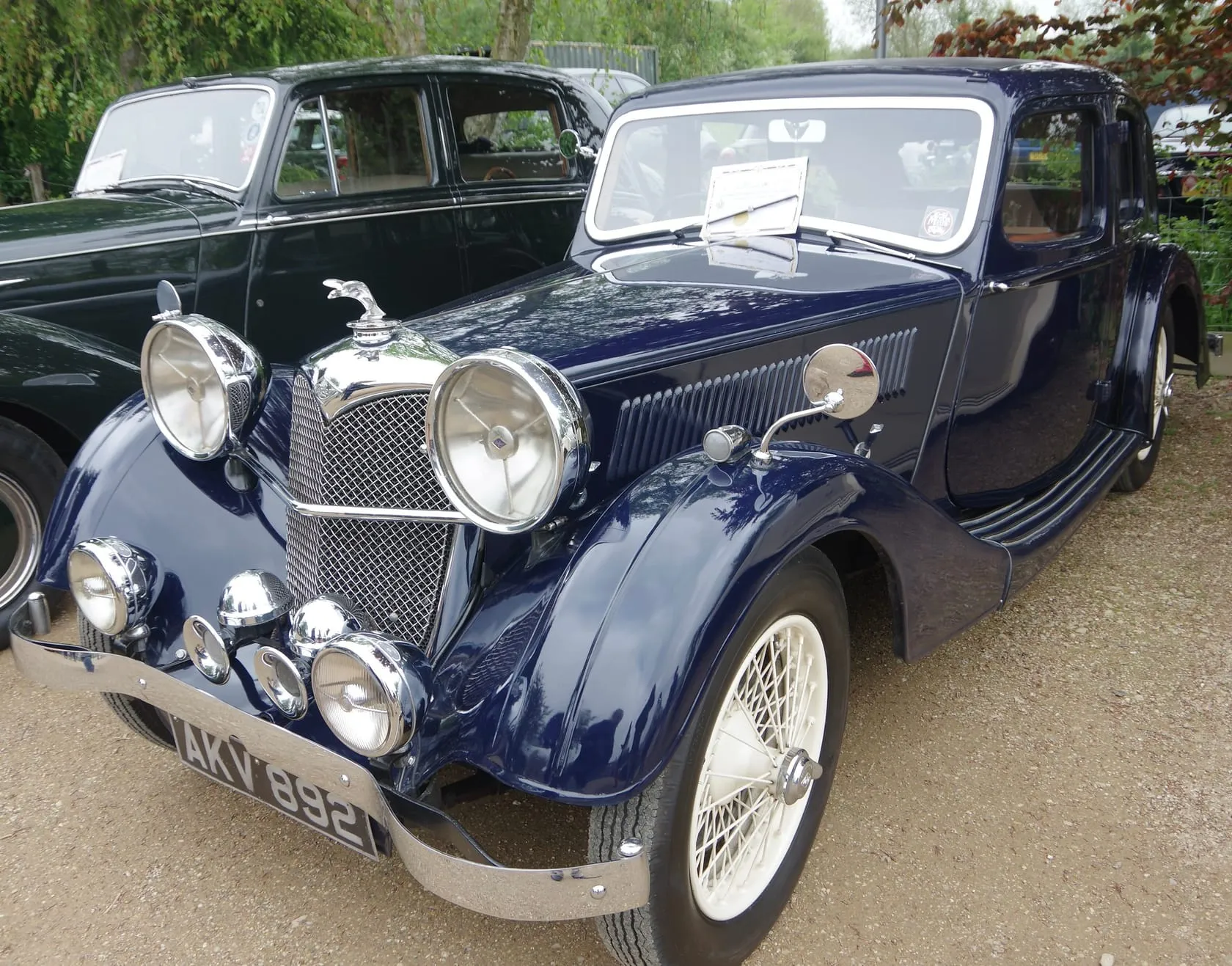
Riley used the Kestrel name twice, first on the streamlined fastback saloons of the 1930s with their twin-cam engines, then on the walnut-trimmed 1965 version of the BMC 1100/1300. A guide to both Kestrels, the sporting pre-war cars, the badge-engineered finale, and what each costs today.
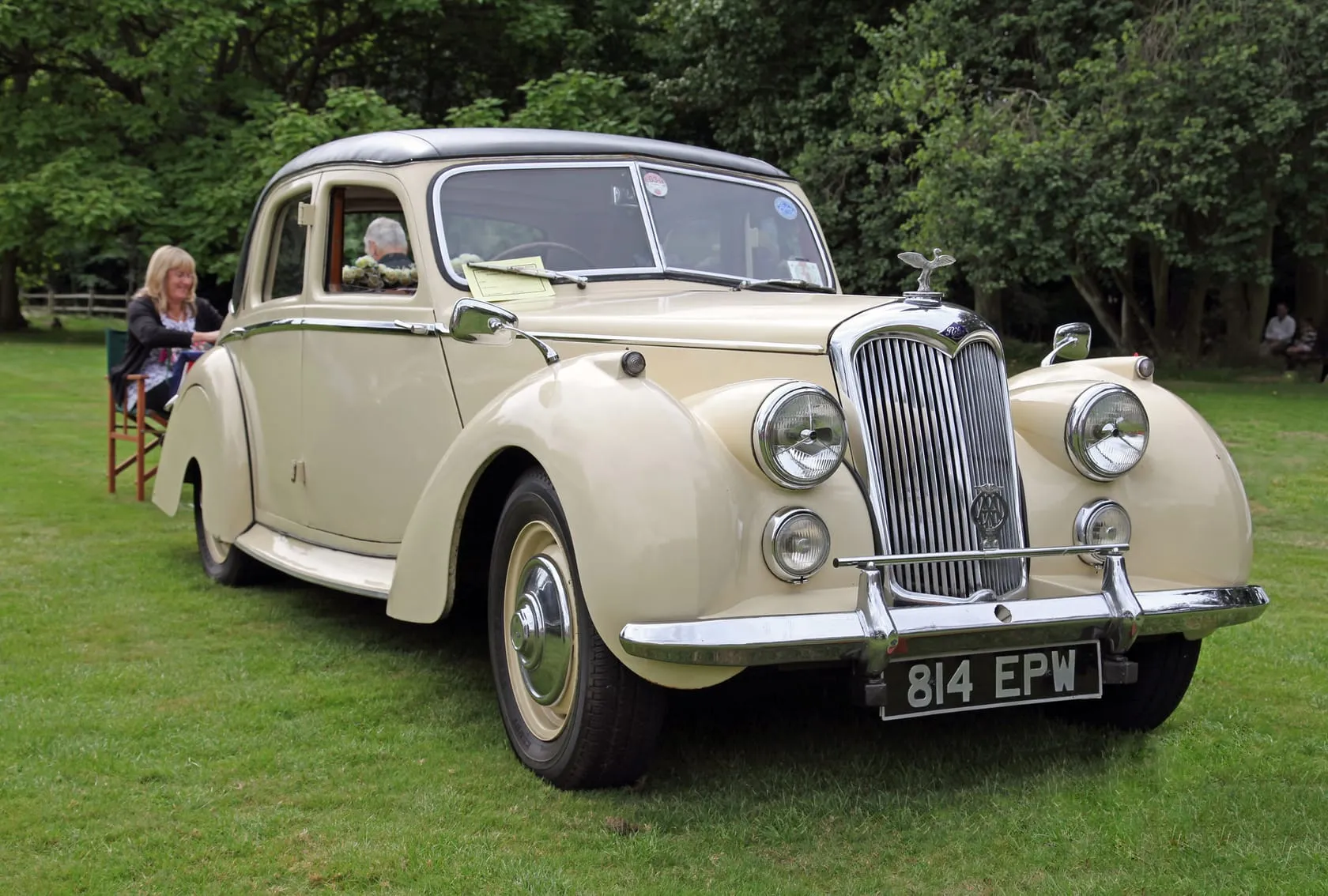
The Riley RM series, RMA to RMF, was the final flowering of the true Riley, a twin-cam sports saloon with torsion-bar suspension and coachbuilt elegance, plus the rare RMC roadster and RMD drophead. A guide to every RM model, how to tell them apart, buying checks and values.
Rover
6 guides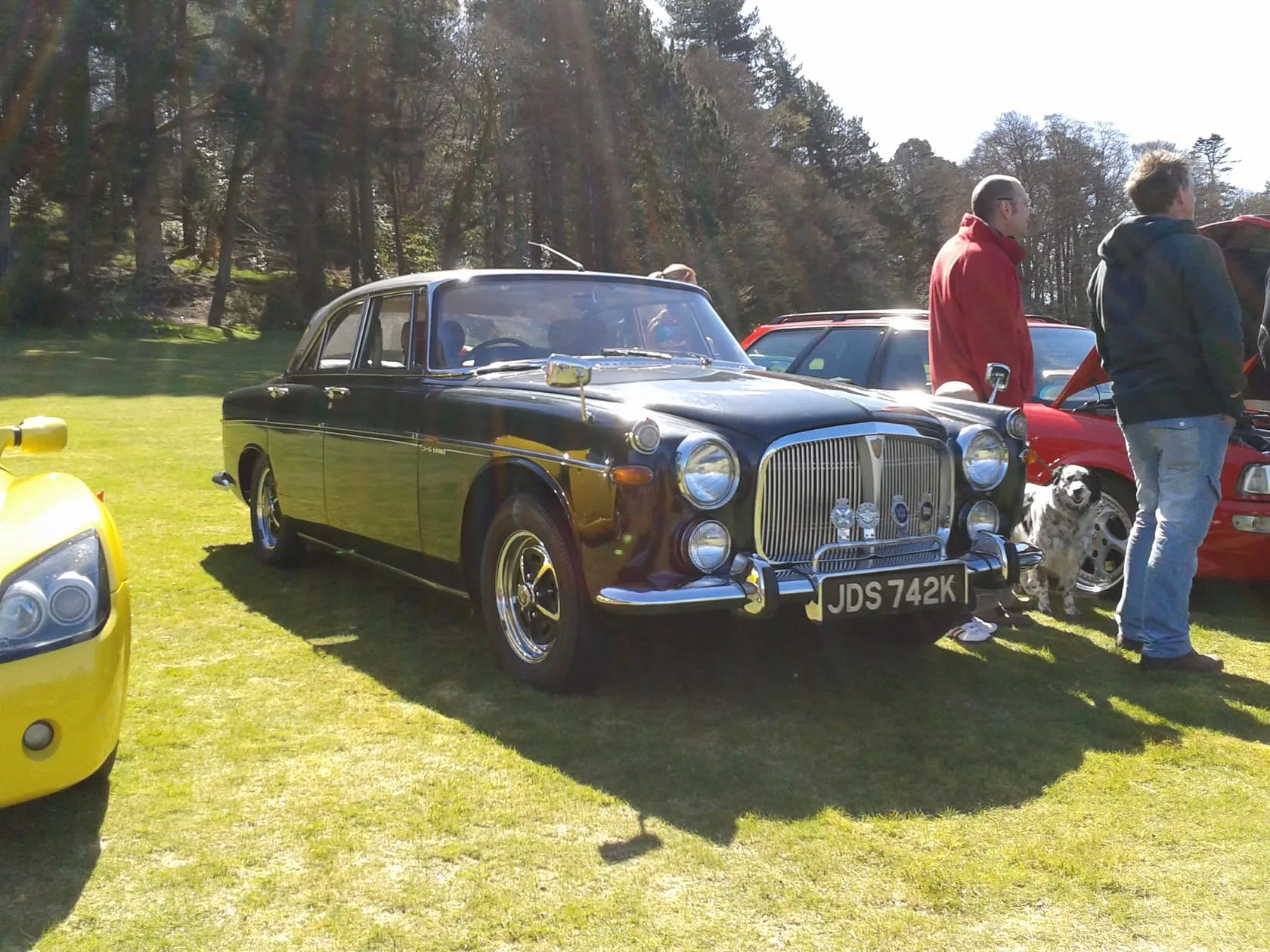
Rover built the cars the British establishment actually drove, from the dignified P4 to the Prime Ministers' P5B and the radical, twice-awarded P6 and SD1. A guide to the classic Rover cars we cover, the company that also created the Land Rover, and what its saloons are like to own now.
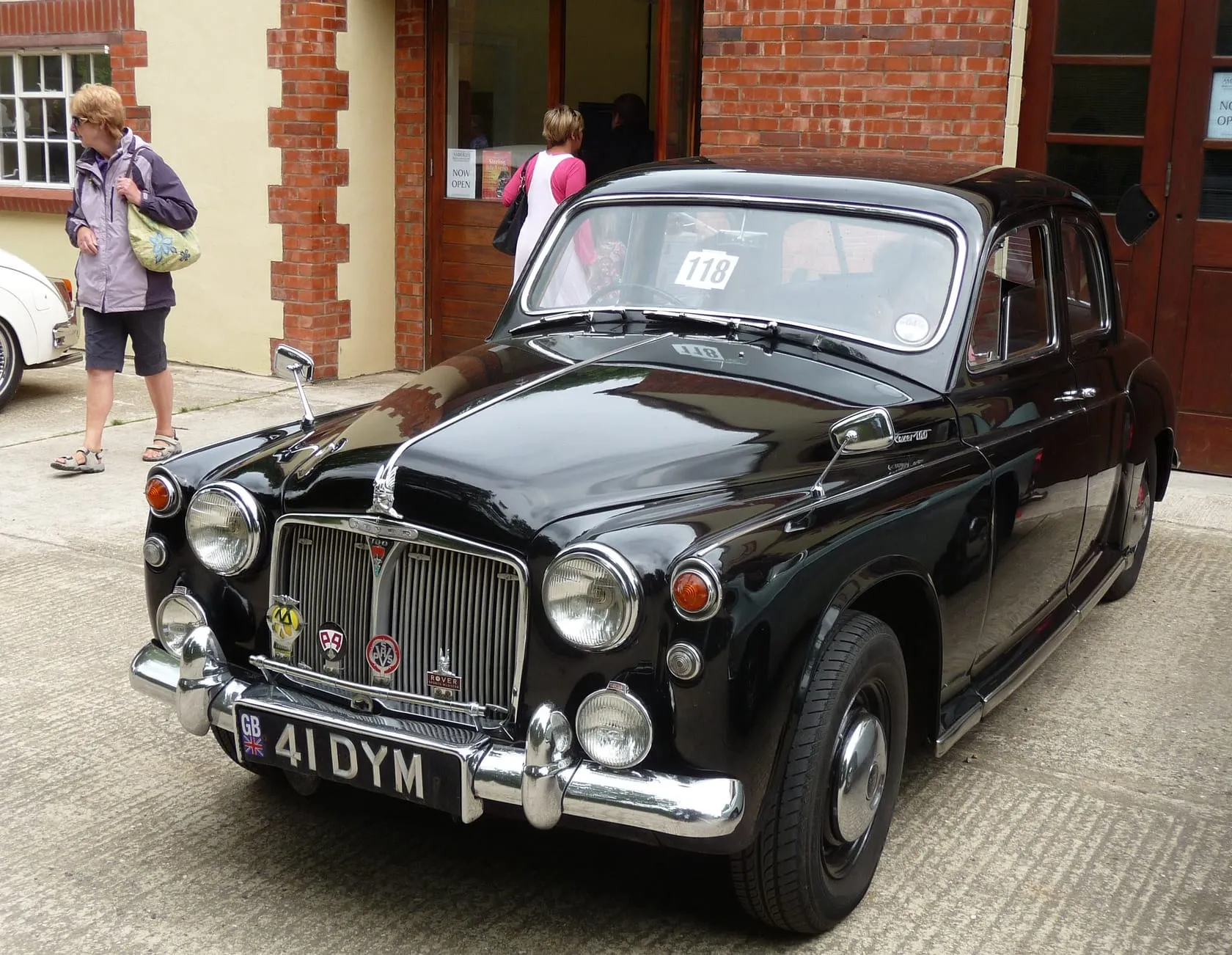
The Rover P4 was the dignified saloon Britain's professionals trusted for fourteen years, from the Cyclops-eyed 75 of 1949 through the 60, 90, 105 and the final 95 and 110. A guide to the Auntie Rovers, the numbers decoded, the gas-turbine connection, buying checks and values.
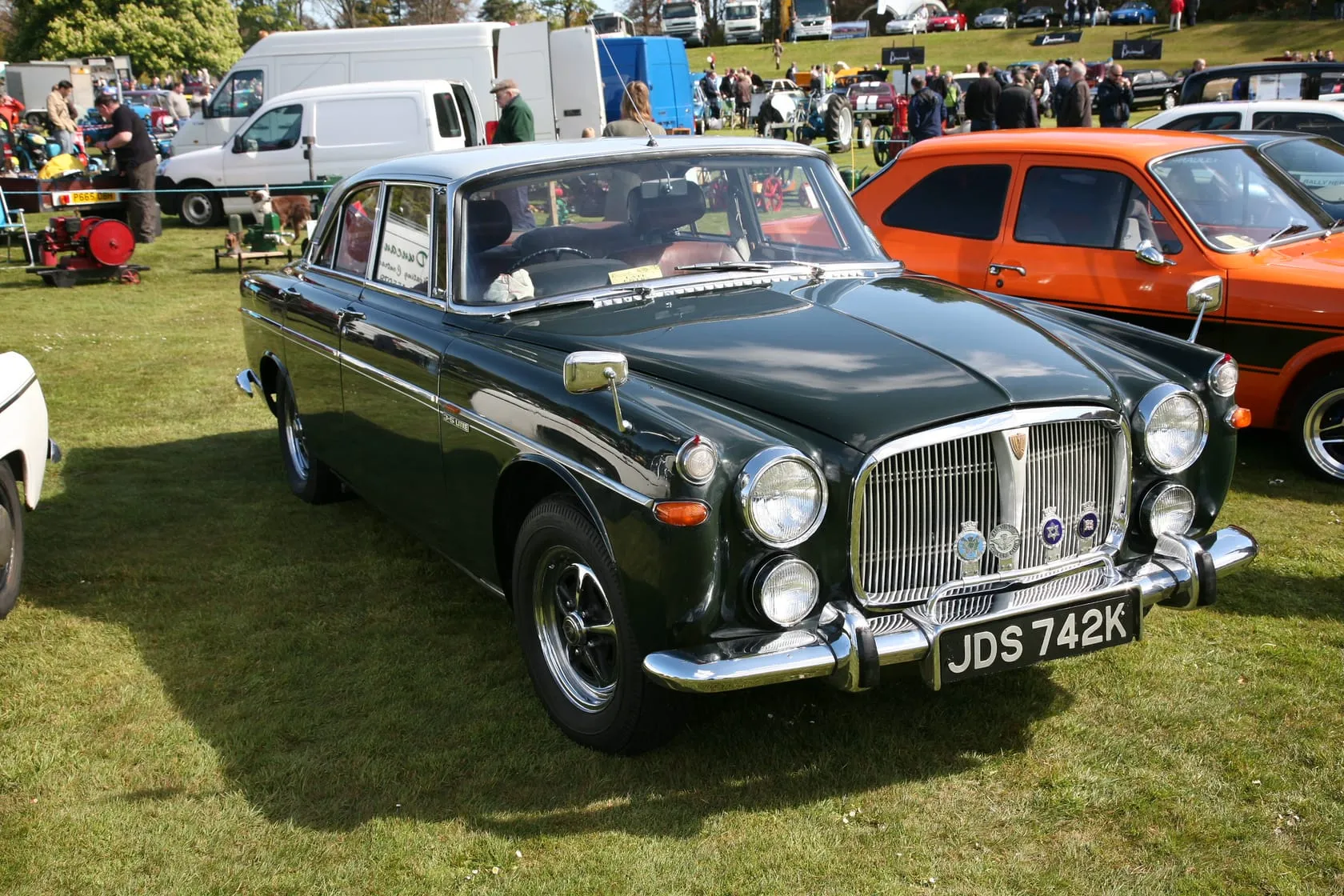
The Rover P5 was Britain's establishment car, the 3-Litre saloon and coupe that carried ministers and monarchs, transformed in 1967 by the Buick-derived V8 into the P5B. A guide to saloon and coupe, the state-fleet story, the V8's arrival, buying checks and values.
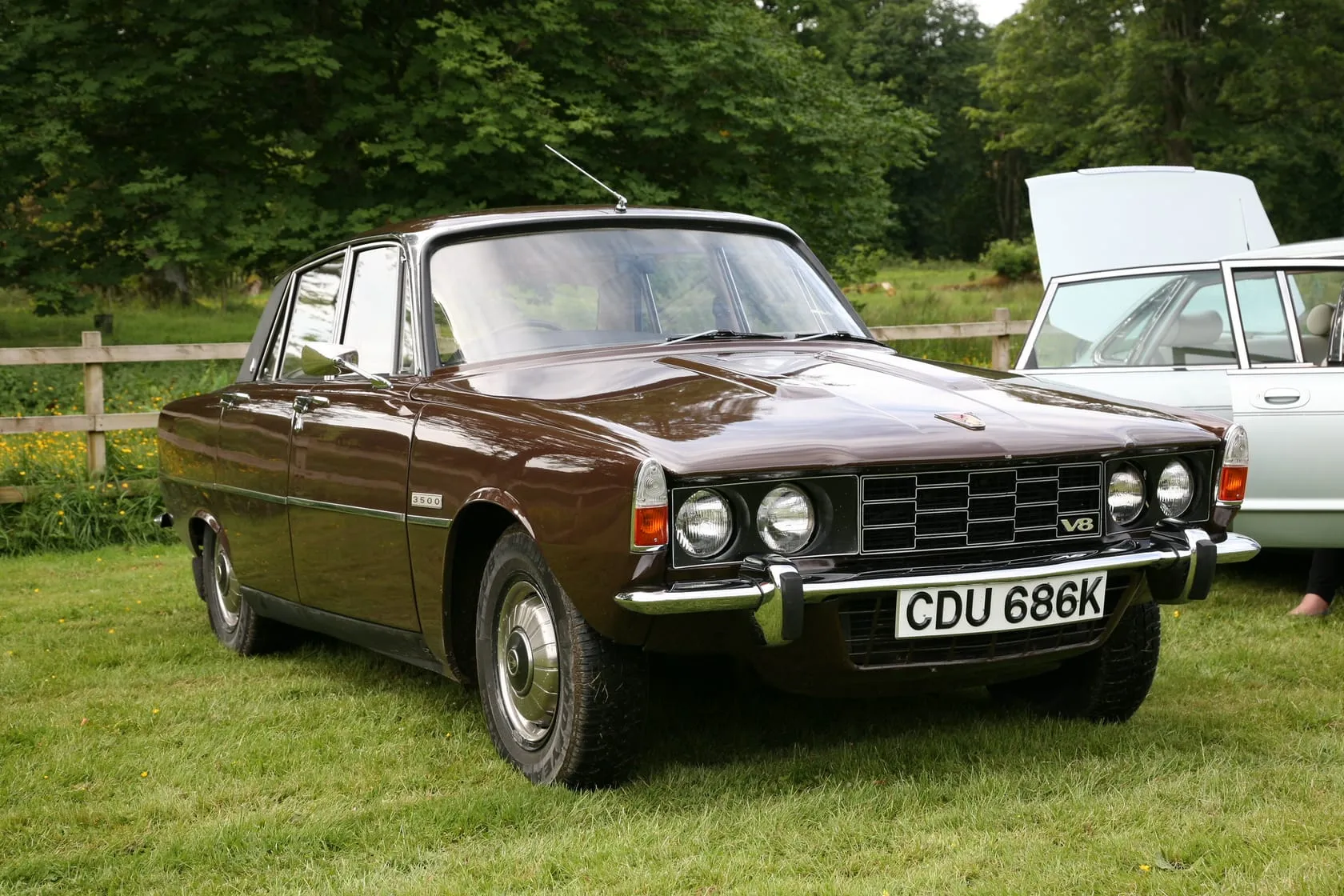
The Rover P6 rethought the executive saloon from its skeleton outward, won the first European Car of the Year award as the 2000, and gained the V8 to become the 3500. A guide to the base-unit engineering, 2000 to 3500S, what the advanced design asks of buyers, and values.
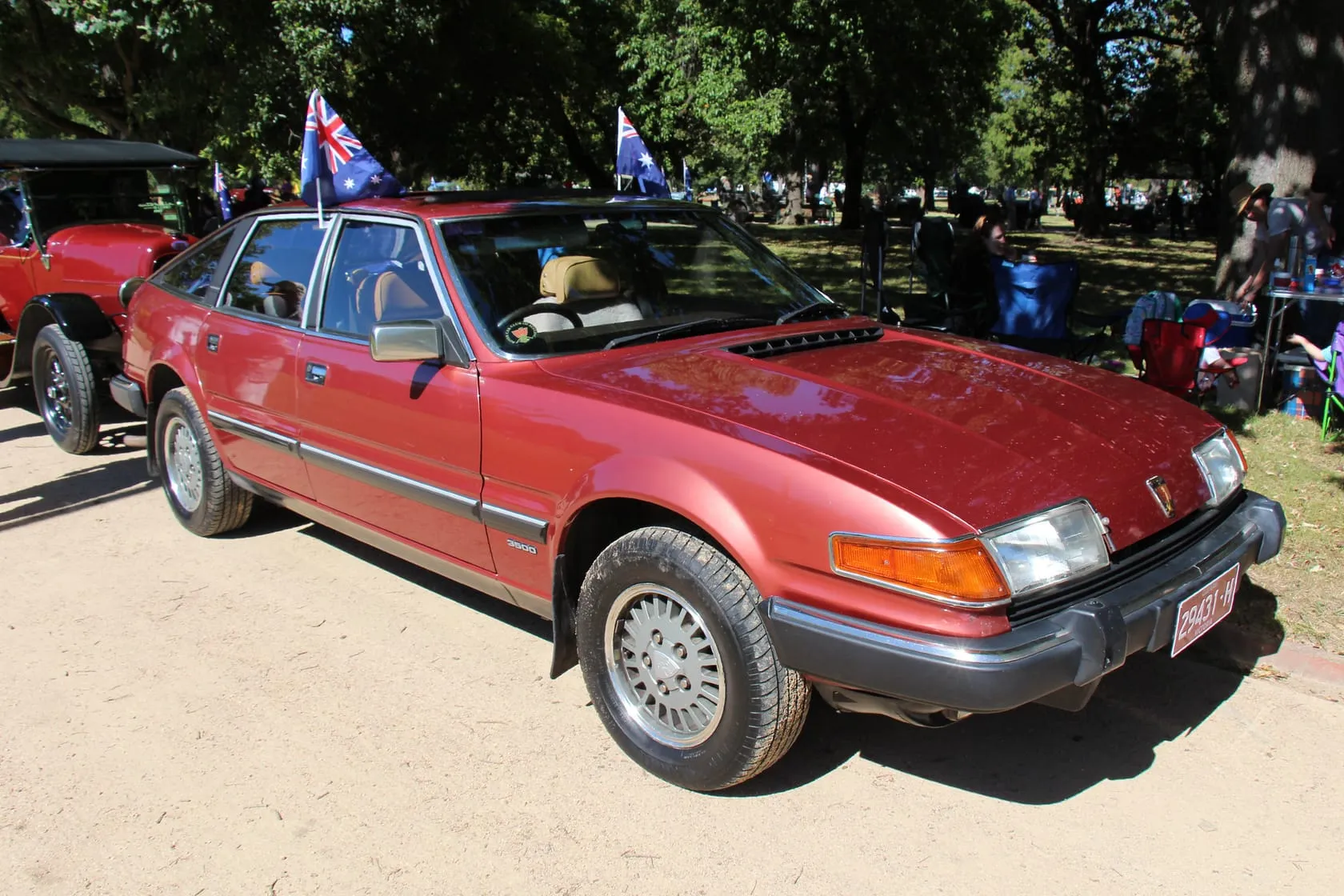
The Rover SD1 wrapped a V8 executive car in Ferrari-inspired fastback lines, won European Car of the Year, dominated motorway patrols and touring-car grids, and fought Leyland-era build quality all the way. A guide to 2000 to Vitesse, the racing record, buying checks and values.
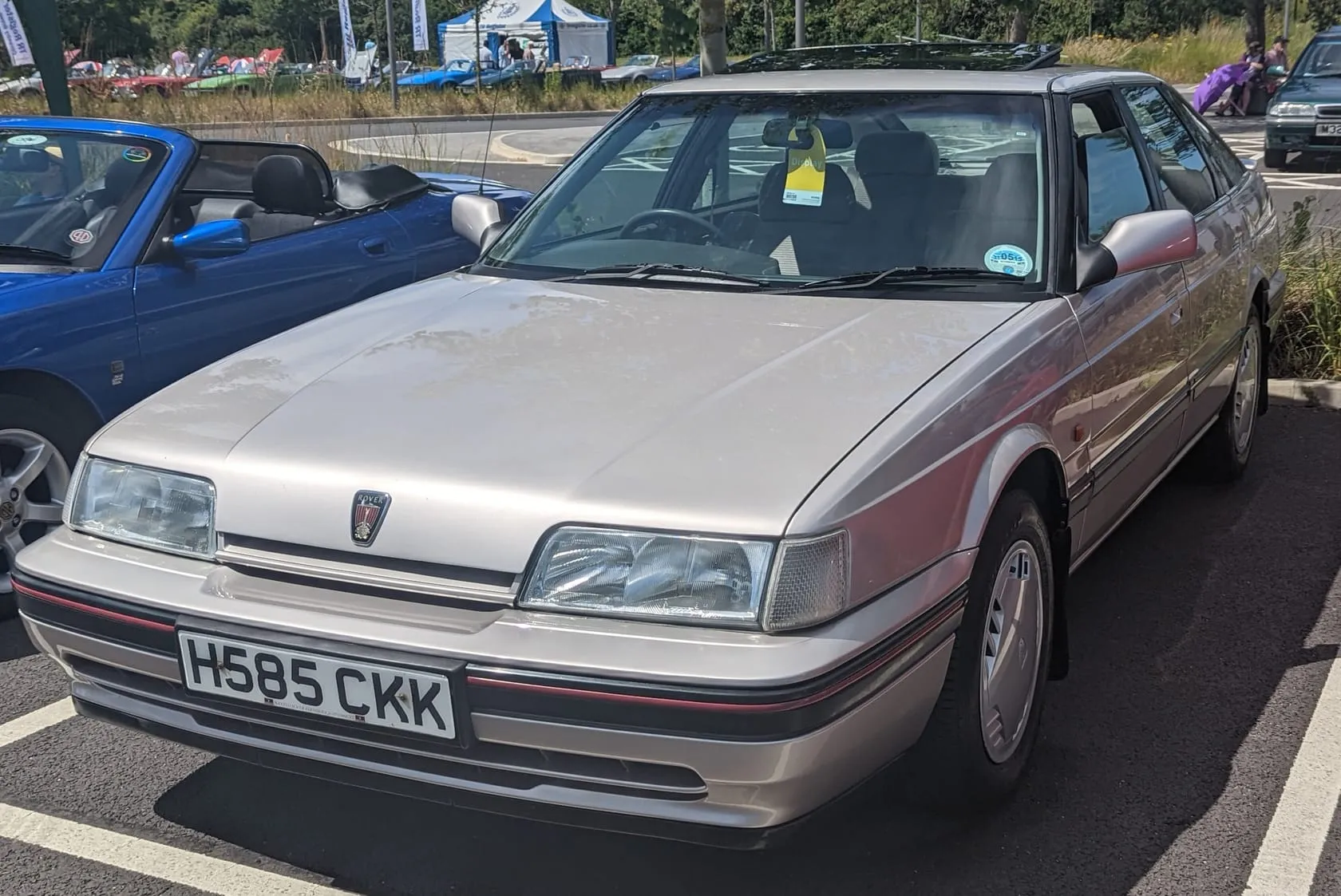
The Rover 800 was the Cowley-built executive car developed with Honda that replaced the SD1 in 1986, was reskinned as the R17 in 1991 and ran until the Rover 75 took over in 1999. A guide to the 820, 825 and 827, the Sterling and the Vitesse, the fastback and the coupé, the American Sterling disaster, what to check, and what the survivors are worth.
Jensen
5 guides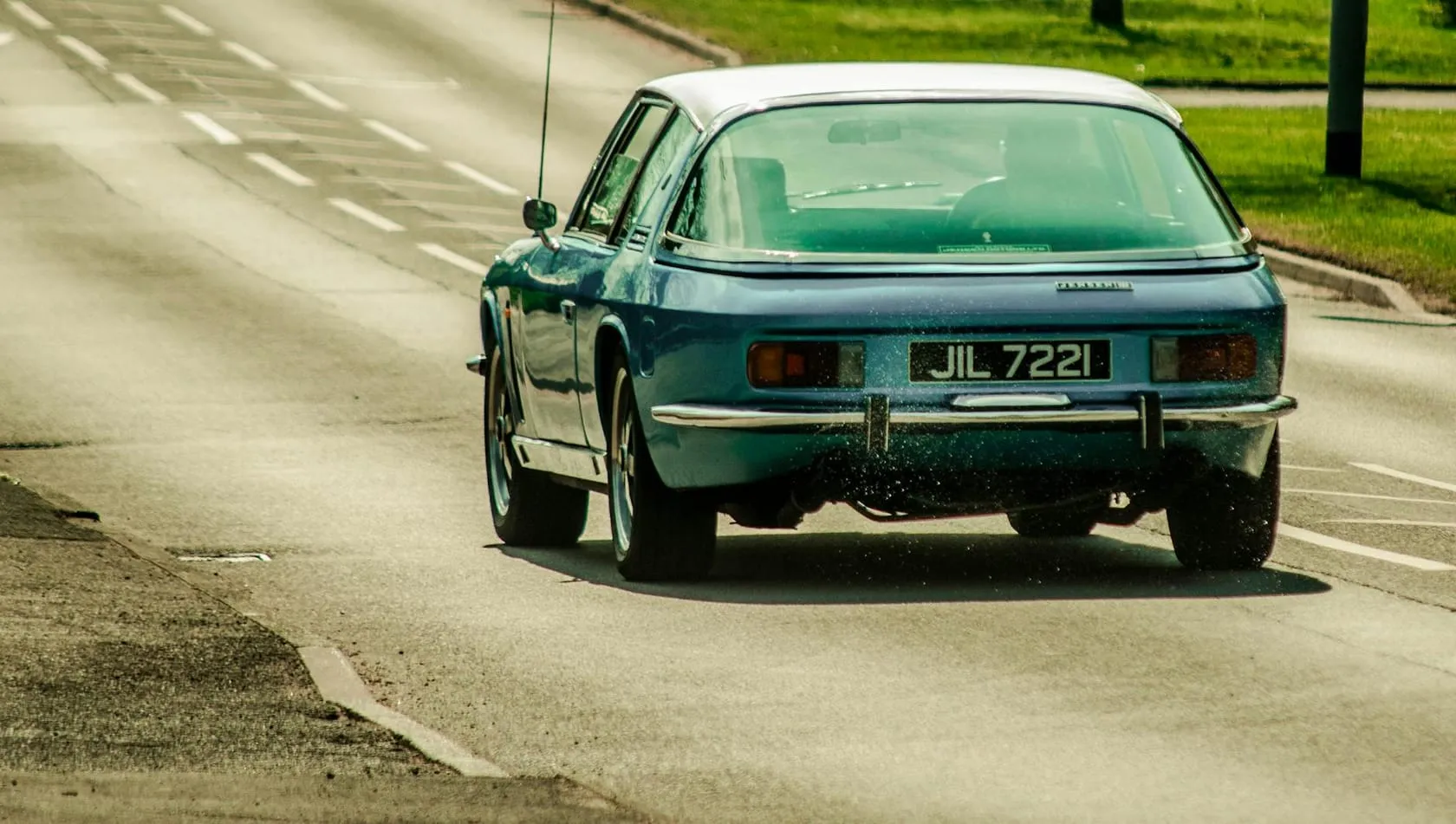
Jensen was a small West Bromwich firm that built some of Britain's most distinctive grand tourers, hand-finished bodies wrapped around big Chrysler V8s, from the fibreglass CV8 to the glass-tailed Interceptor, the four-wheel-drive FF and the affordable Jensen-Healey. A guide to the classic Jensens worth knowing, what each is like to own, and what they are worth.
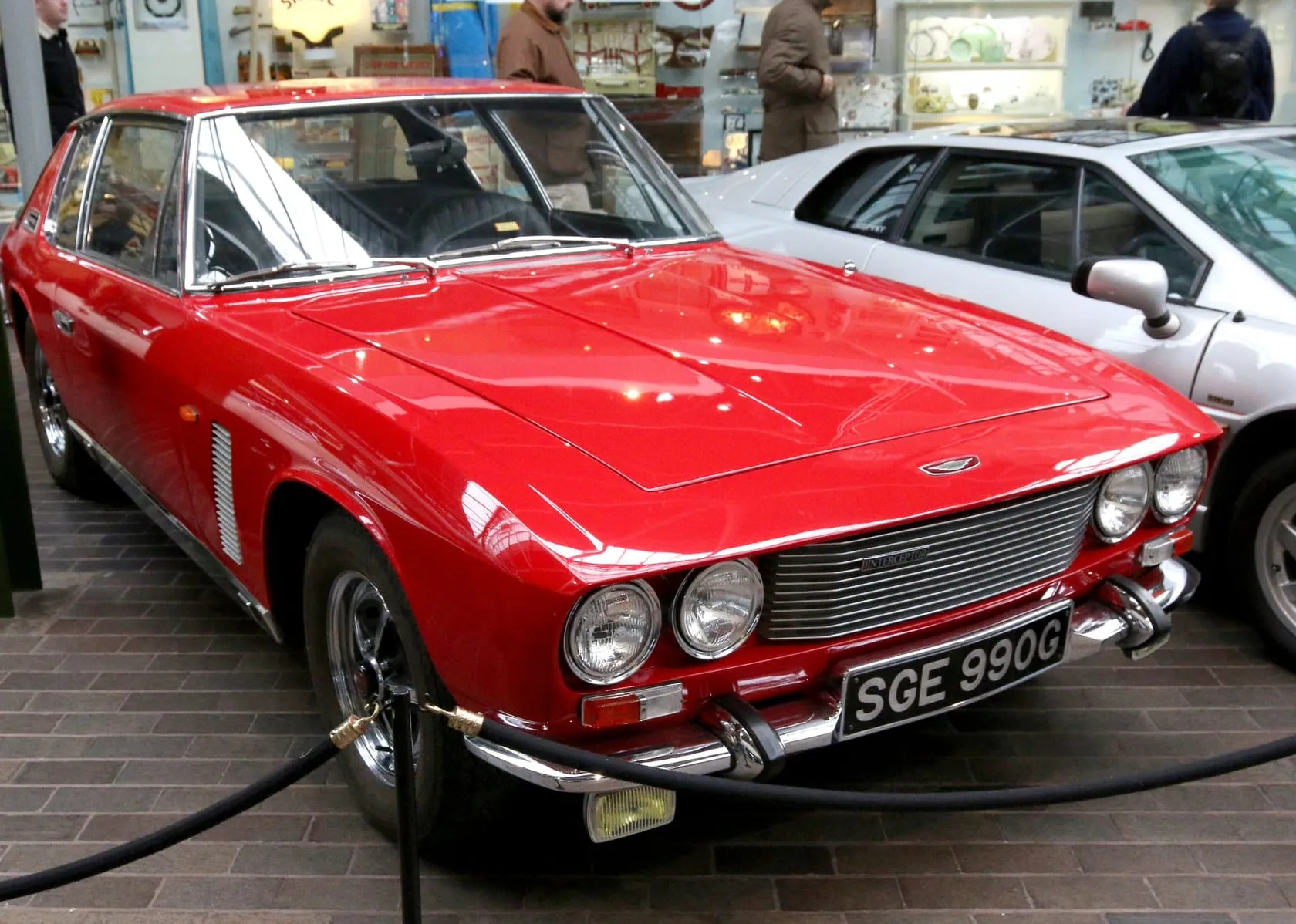
The Jensen Interceptor paired Italian styling and a hand-built West Bromwich body with a big Chrysler V8, and its wraparound glass hatch made it one of the most distinctive British grand tourers. A guide to the Mk I to Mk III, the SP and convertible, what to look for, and what they are worth.
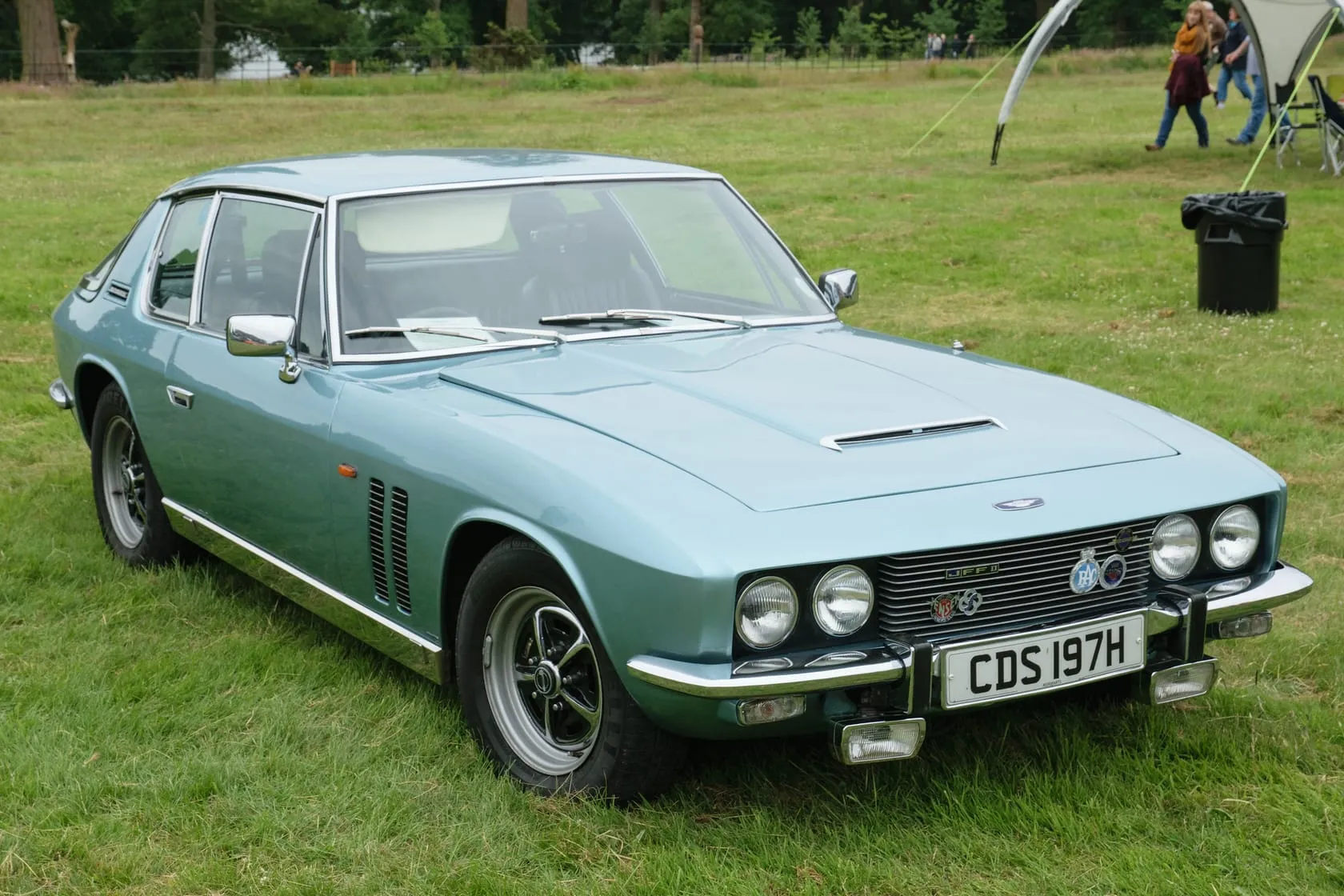
The Jensen FF was the four-wheel-drive sister of the Interceptor and a genuine engineering landmark, widely regarded as the first four-wheel-drive production car and the first fitted with anti-lock brakes. A guide to the Ferguson Formula system, how to tell an FF from an Interceptor, and what they are worth.
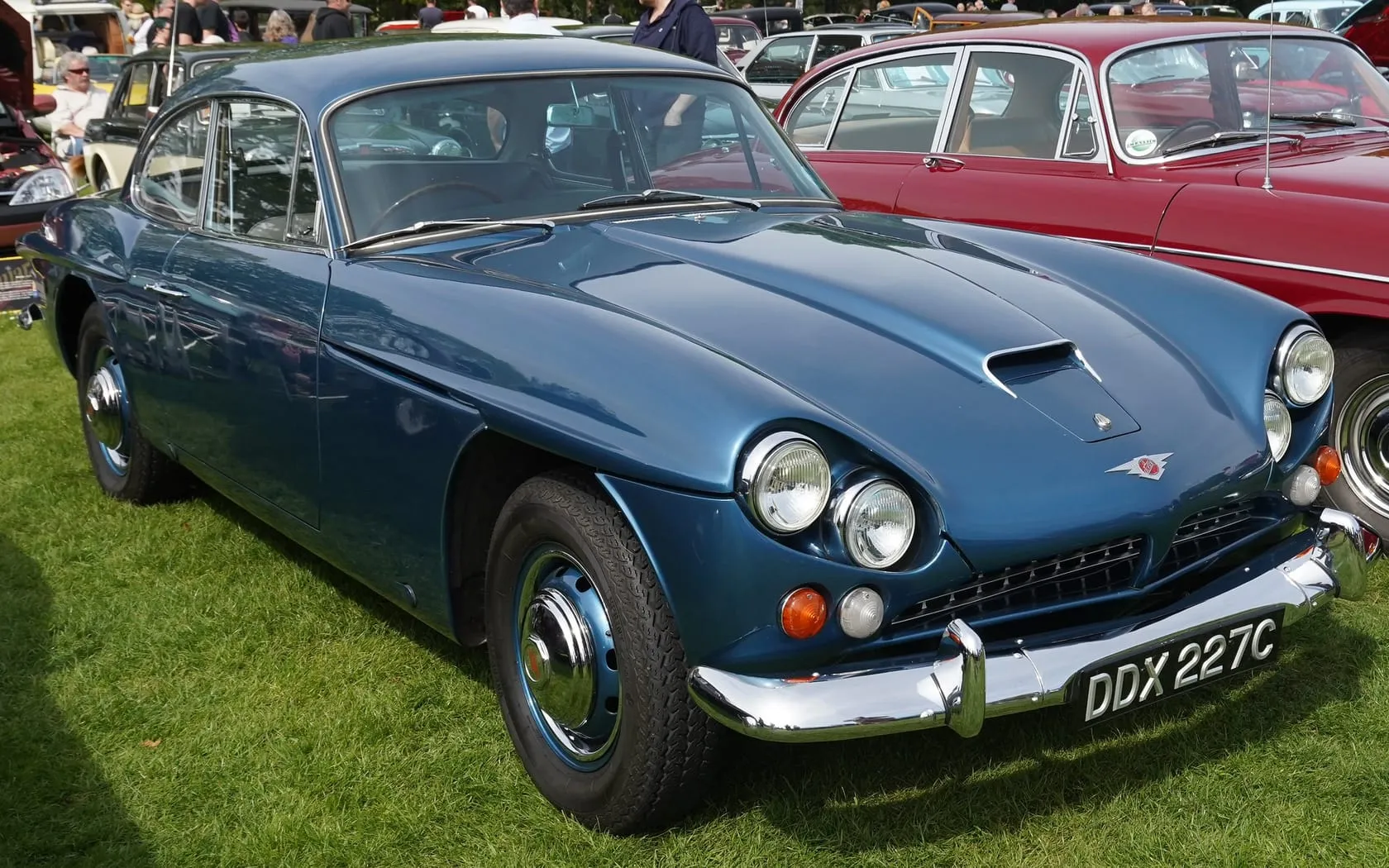
The Jensen CV8 was a fibreglass-bodied four-seat grand tourer with a big Chrysler V8 and a famously divisive slanted-headlamp face, and one of the fastest four-seaters of its day. A guide to the Mk I to Mk III, its place between the 541 and the Interceptor, and what they are worth.
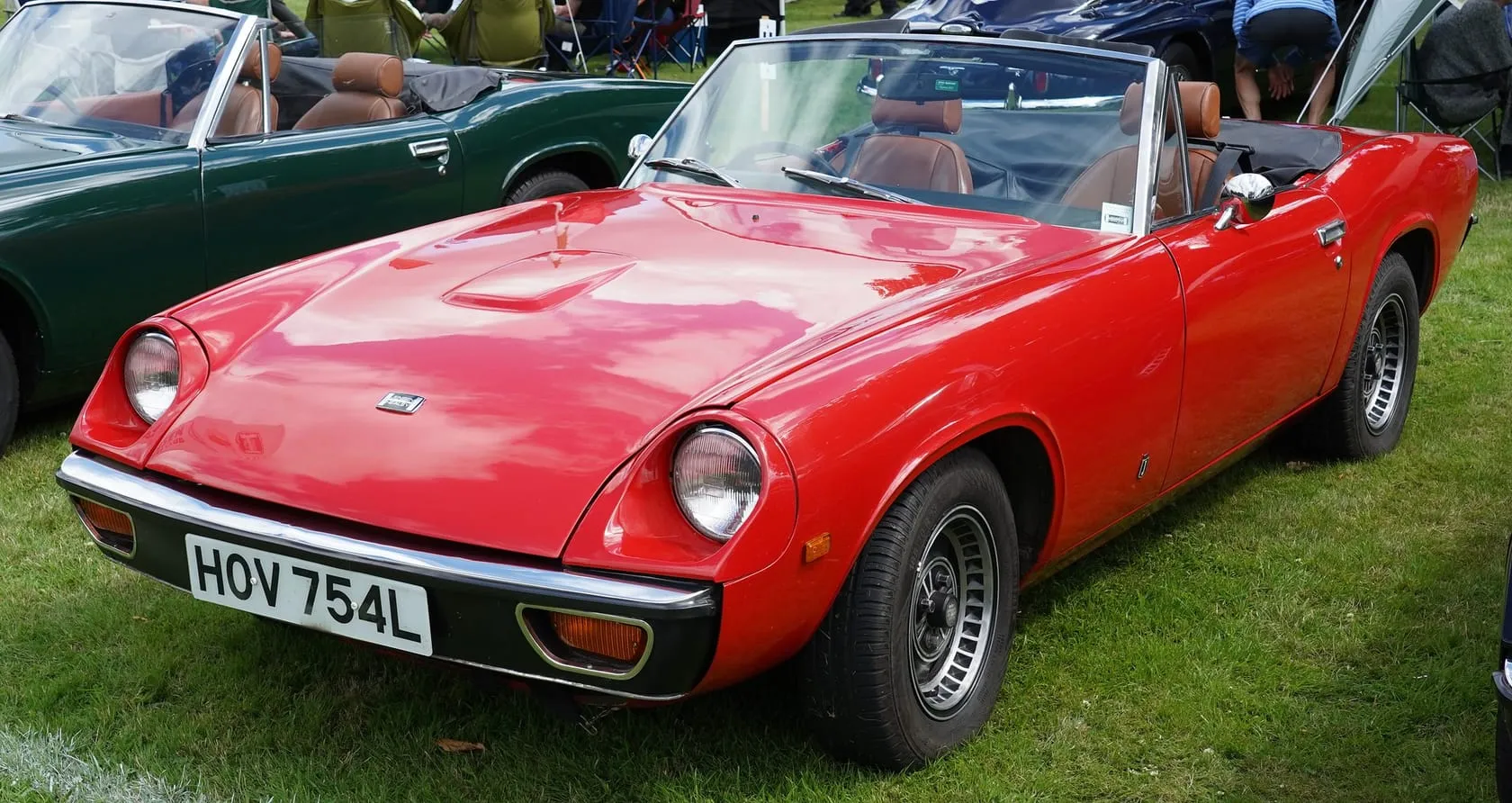
The Jensen-Healey was a two-seat sports car built with Donald Healey and powered by the first production Lotus engine, the affordable car Jensen hoped would sell in volume. A guide to the roadster and the Jensen GT, the famous engine troubles, what to look for, and what they are worth.
1970s Family Saloons
4 guides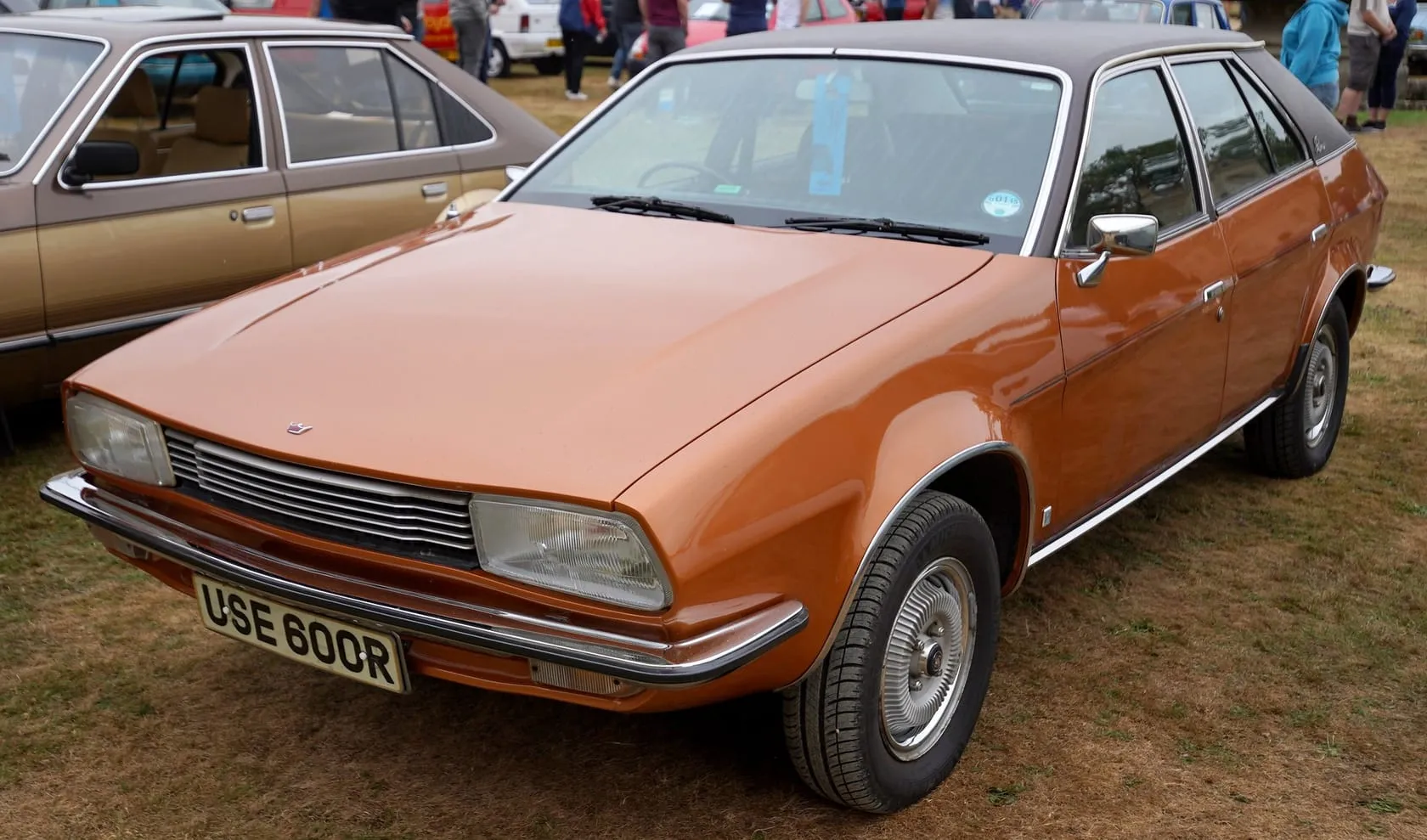
British Leyland was supposed to dominate the 1970s family-saloon market and instead spent the decade losing it. The Marina and Princess fell short of plan. The Vauxhall Victor, Chevette, and Hillman Avenger took the volume. A piece on the five cars that defined the segment and why each is now worth a second look as a cheap British classic.
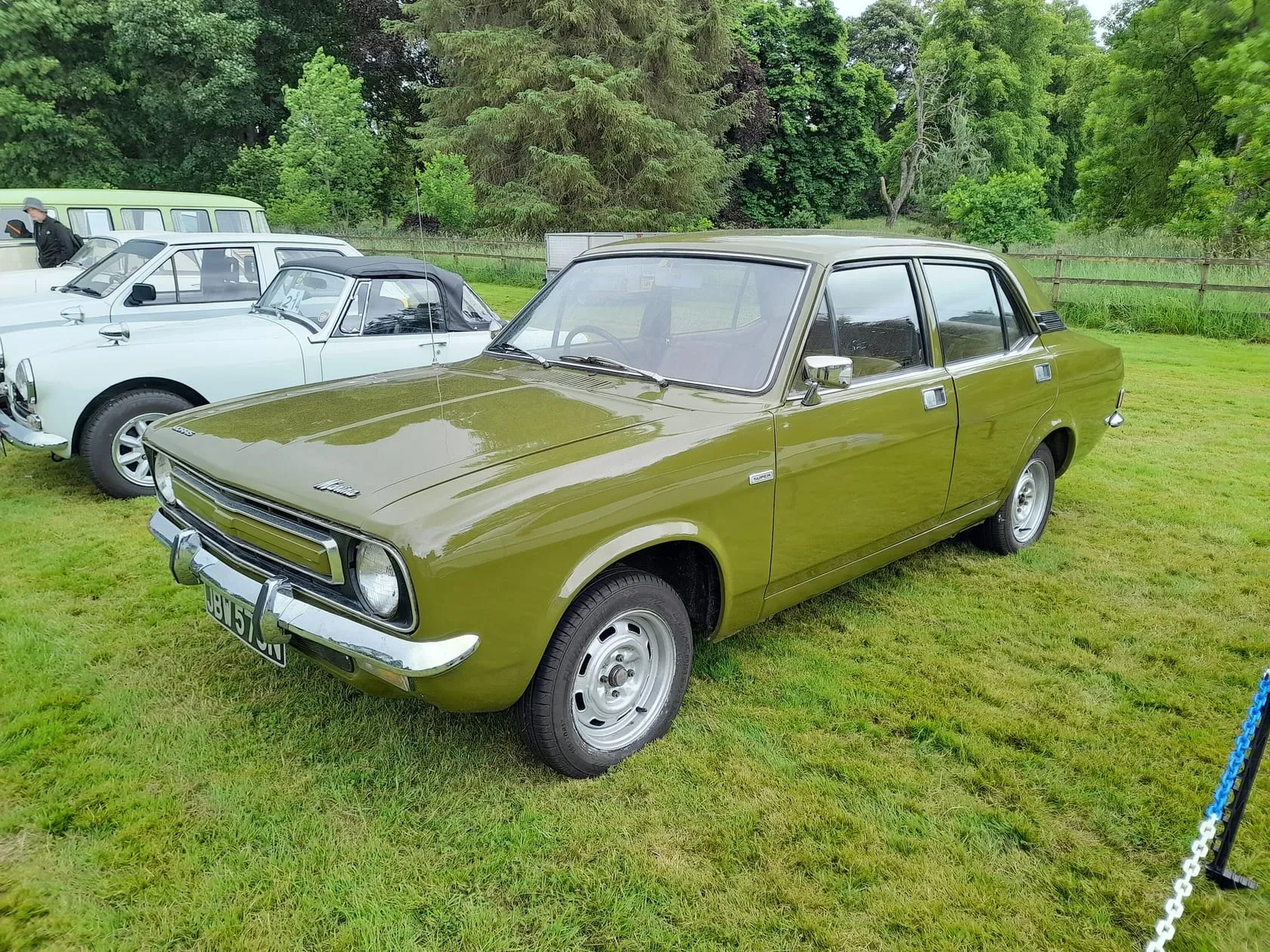
The Morris Marina sold over a million cars, finished last in nearly every road test, ran on a front suspension dating from 1948, and survived in such small numbers that finding a clean one today is a real search. A guide to the lineage, the Ital handover, what to look for, and what they're worth.
The Princess was Harris Mann's other wedge, a front-drive Hydragas-suspended family car that BL forgot to give a hatchback. A guide to the 18-22 launch confusion, the Princess 2, the Ambassador handover, what to look for, and what they're worth.
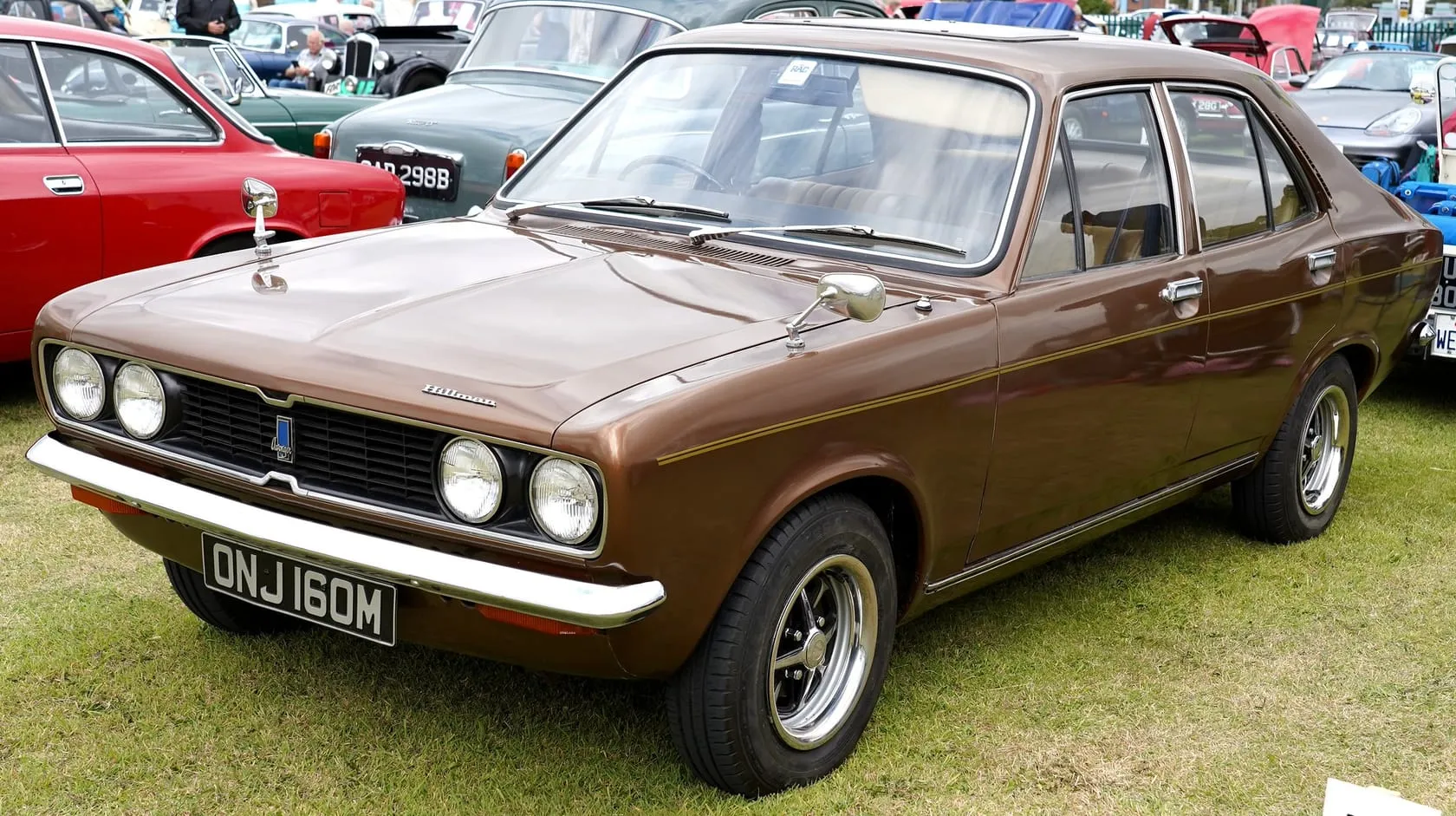
Rootes Group's last clean-sheet small saloon, sold as a Hillman, then a Chrysler, then a Talbot, with a yellow rally homologation Tiger in the middle of it. A guide to the lineage, the Tiger, what to look for, and what they're worth.
Classic Vans & Commercials
3 guides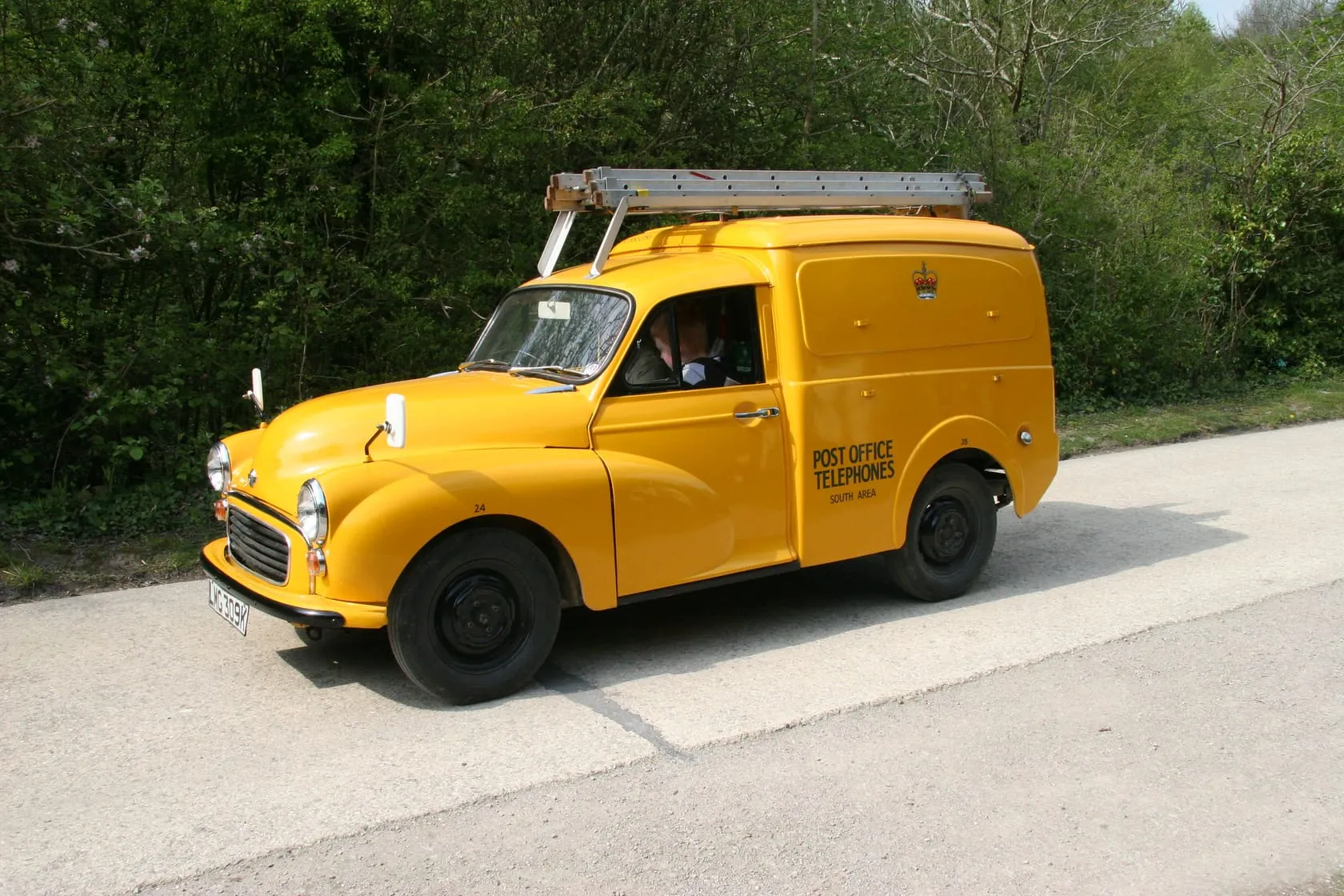
The vans that did Britain's everyday work are now among its most charming classics, from the Post Office Morris Minor van to the camper-converted Bedford CF. A guide to classic light commercials, why so few survive, and why the survivors are increasingly collectable.
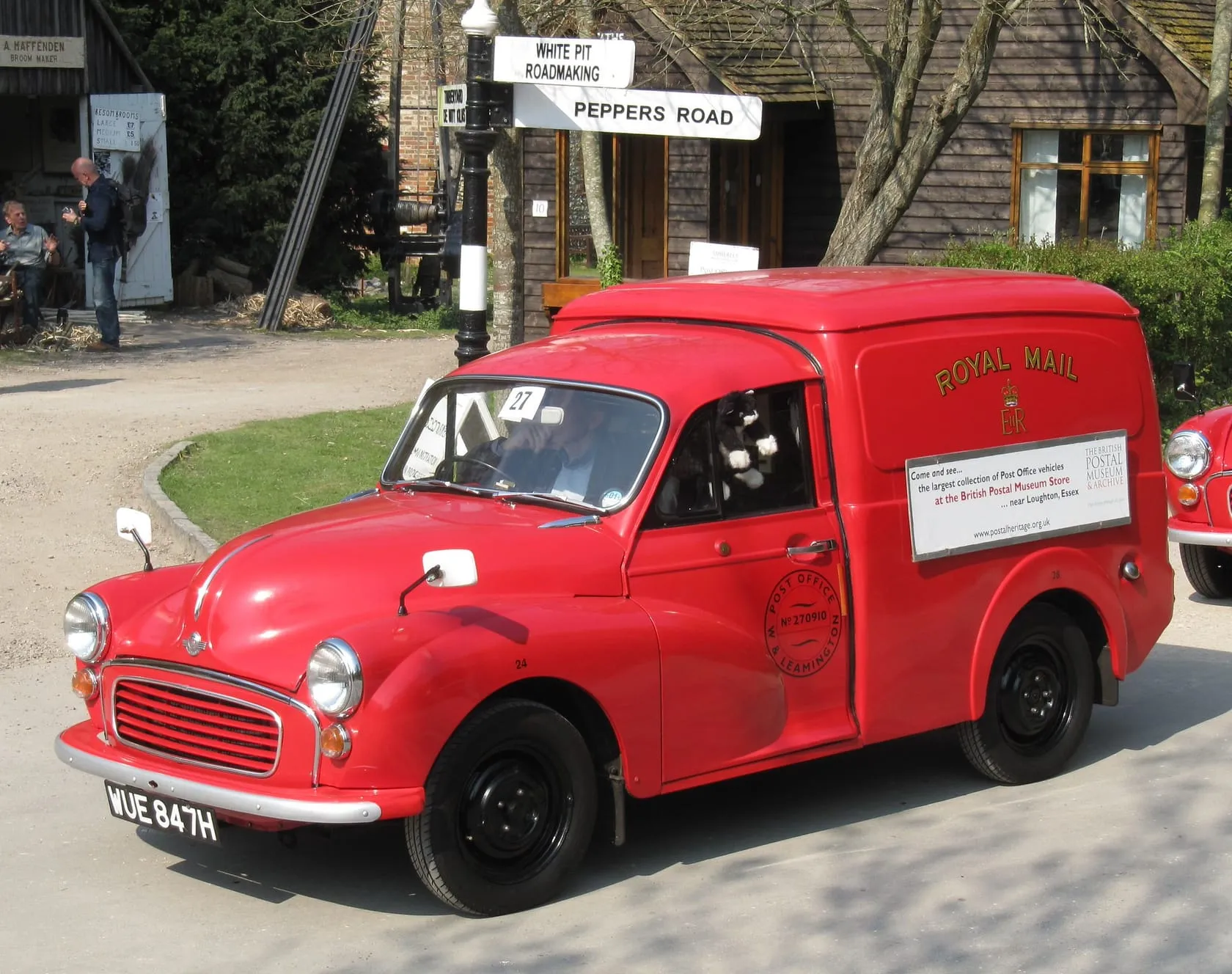
The Morris Minor van was the small delivery van of post-war Britain and the face of the Post Office fleet. Its history, the famous GPO vans with their rubber wings, the variants and engines, and what a clean original is worth today.
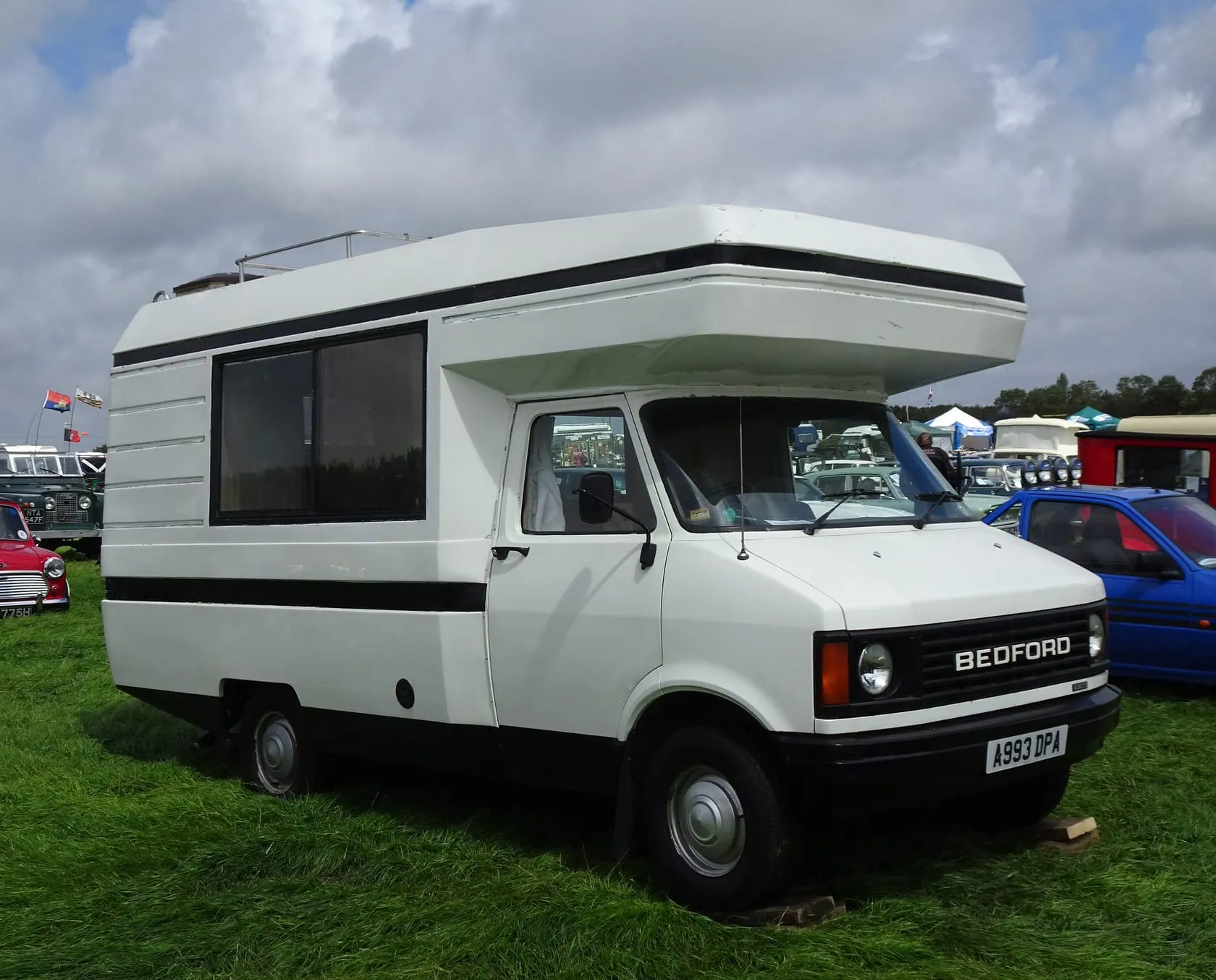
The Bedford CF was Britain's home-grown rival to the Ford Transit, built from 1969 to the late 1980s and the base for a generation of campers, ambulances, and ice-cream vans. Its history, the Vauxhall engines, the variants, and what surviving CFs are worth.
Morgan
2 guides Morgan has built sports cars in Malvern since 1910, ash frames and sliding pillars carried from the vintage age into the present, and its classic 4/4, Plus 4 and Plus 8 remain the most usable route into pre-war-flavoured motoring. A guide to the classic Morgans we cover and the family firm behind them.
The Morgan 4/4 stayed in production for eighty-two years, the longest run of any car nameplate anywhere, changing engines with the decades while the ash-framed car around them barely changed at all. A guide to the series, the Ford years, buying checks and values.
By decade
9 guidesThe British motor industry told as a timeline. Start with the overview, then dip into any decade.
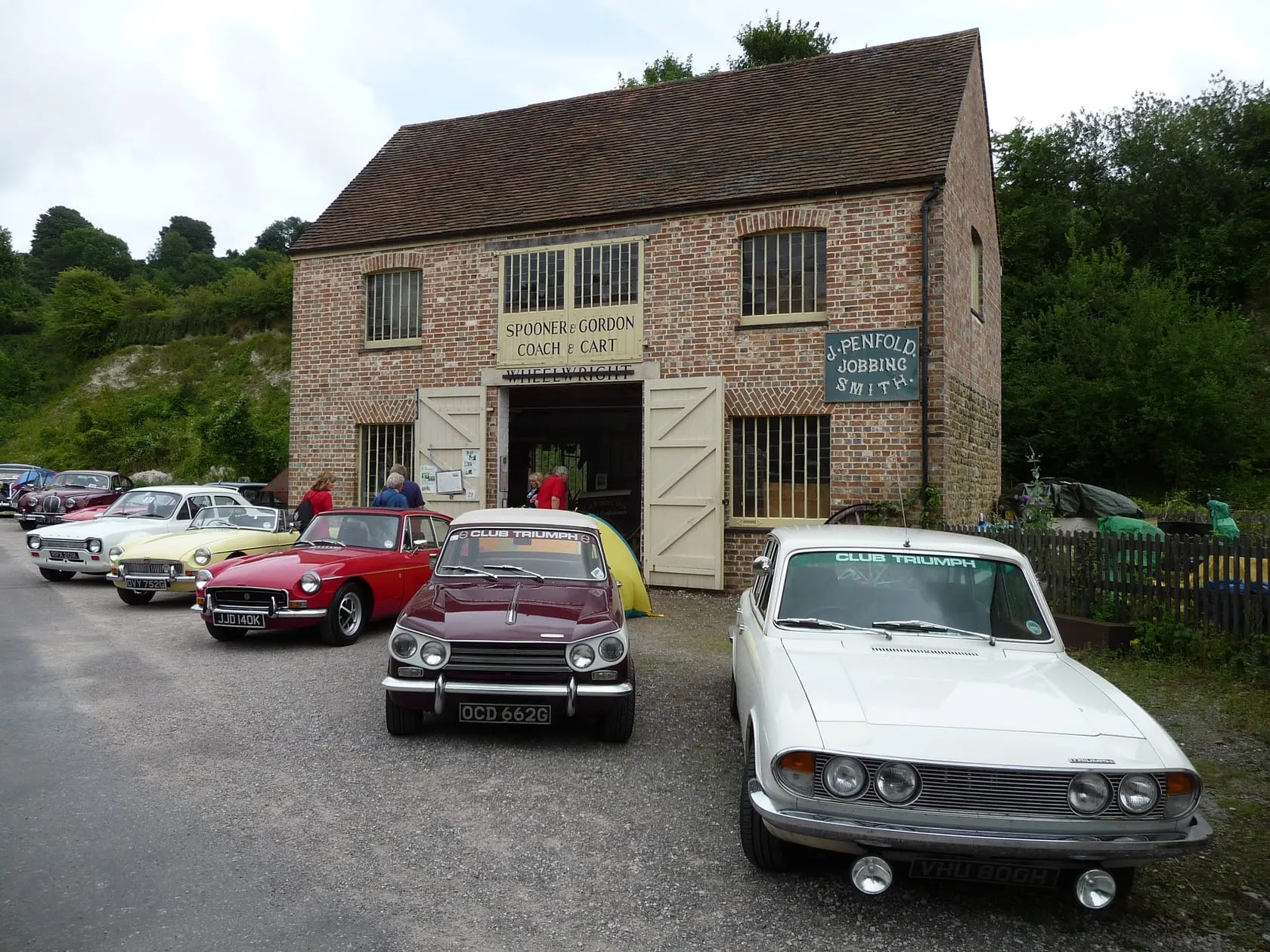
A decade-by-decade guide to the British classic cars that defined each era, from the vintage Bentleys and Austin Sevens of the 1920s and the pre-war MGs of the 1930s, through the post-war "Export or Die" launches and the swinging-sixties sports-car peak, to the McLaren F1 era of the 1990s.
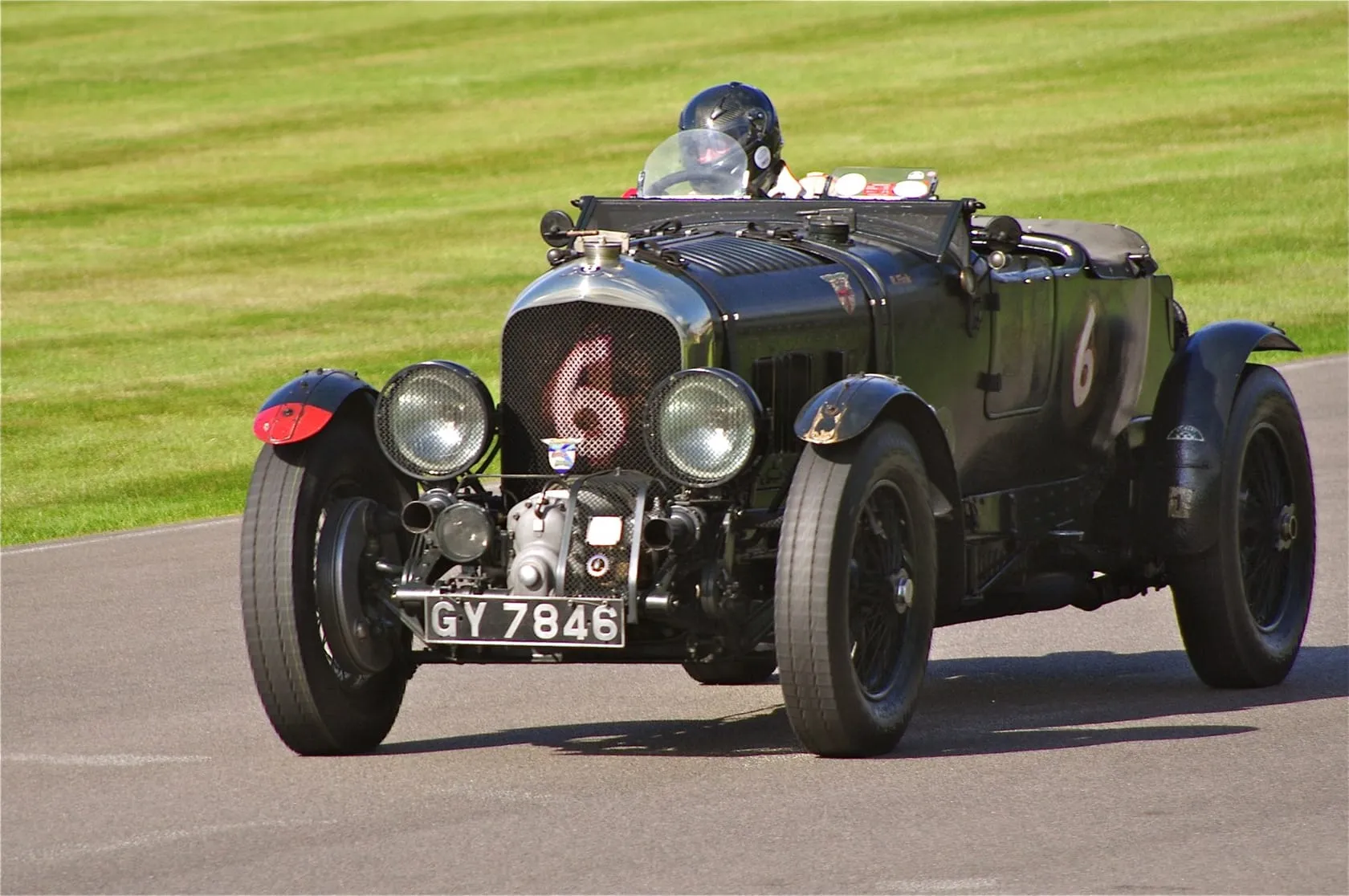
A guide to Britain's vintage years, from the Austin Seven that killed the cyclecar and the mass-produced Bullnose Morris to the Le Mans-winning Bentleys, the coachbuilt Rolls-Royces and the great vintage sports cars from Vauxhall, Alvis and Sunbeam.
The pre-war decade in full, from the Austin Seven that motorised the middle class and the first affordable MG sports cars to the birth of SS Jaguar, the £100 Ford, and the coachbuilt Rolls-Royce, Bentley and Lagonda, the years the car reached ordinary Britain before war stopped it in 1939.
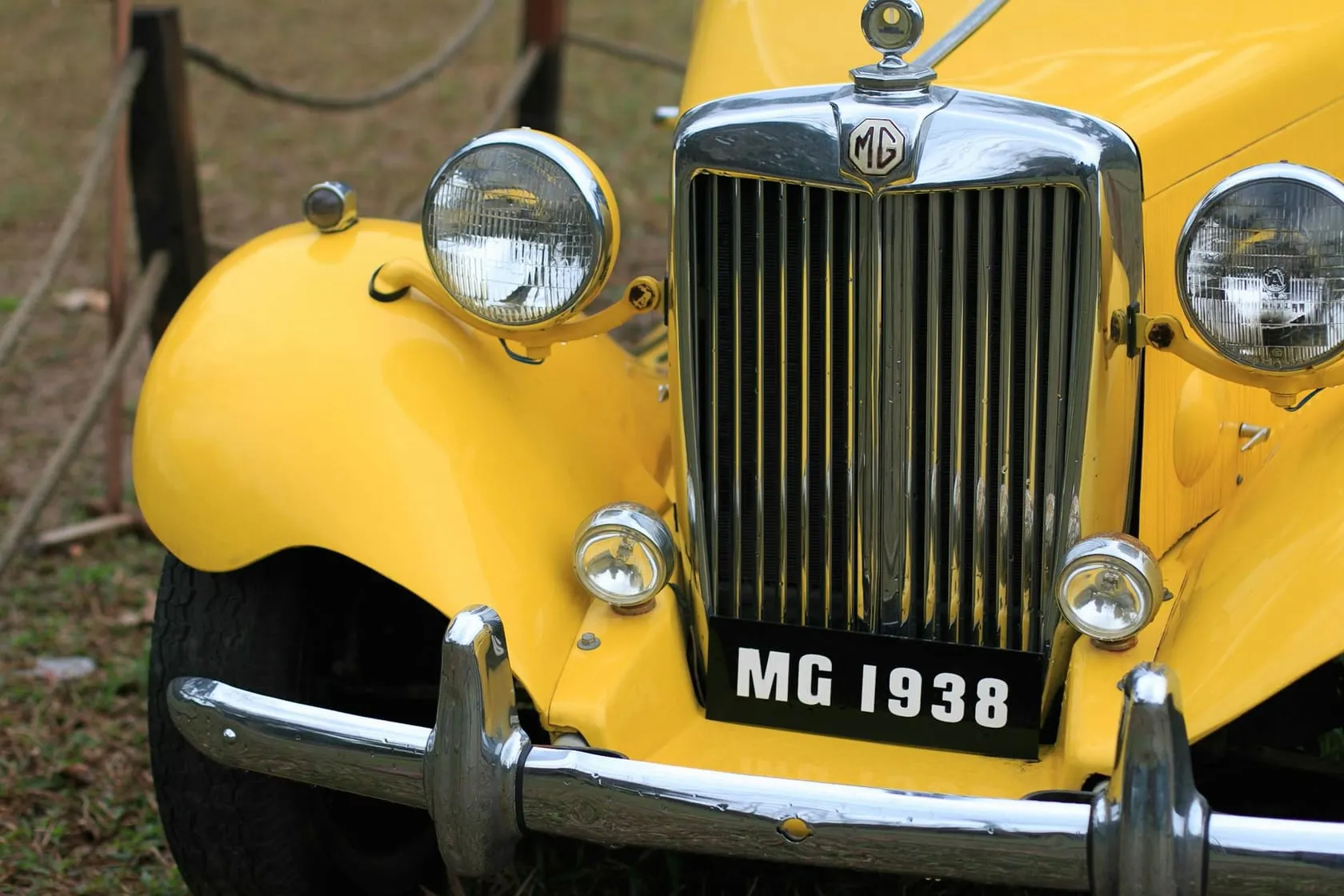
A decade split in two by the war, from the factories' switch to tanks and aero-engines and the 1945 restart, to the landmark launches of the MG TC, the Land Rover Series I, the Jaguar XK120, and the Bentley Mark VI under the "Export or Die" policy.
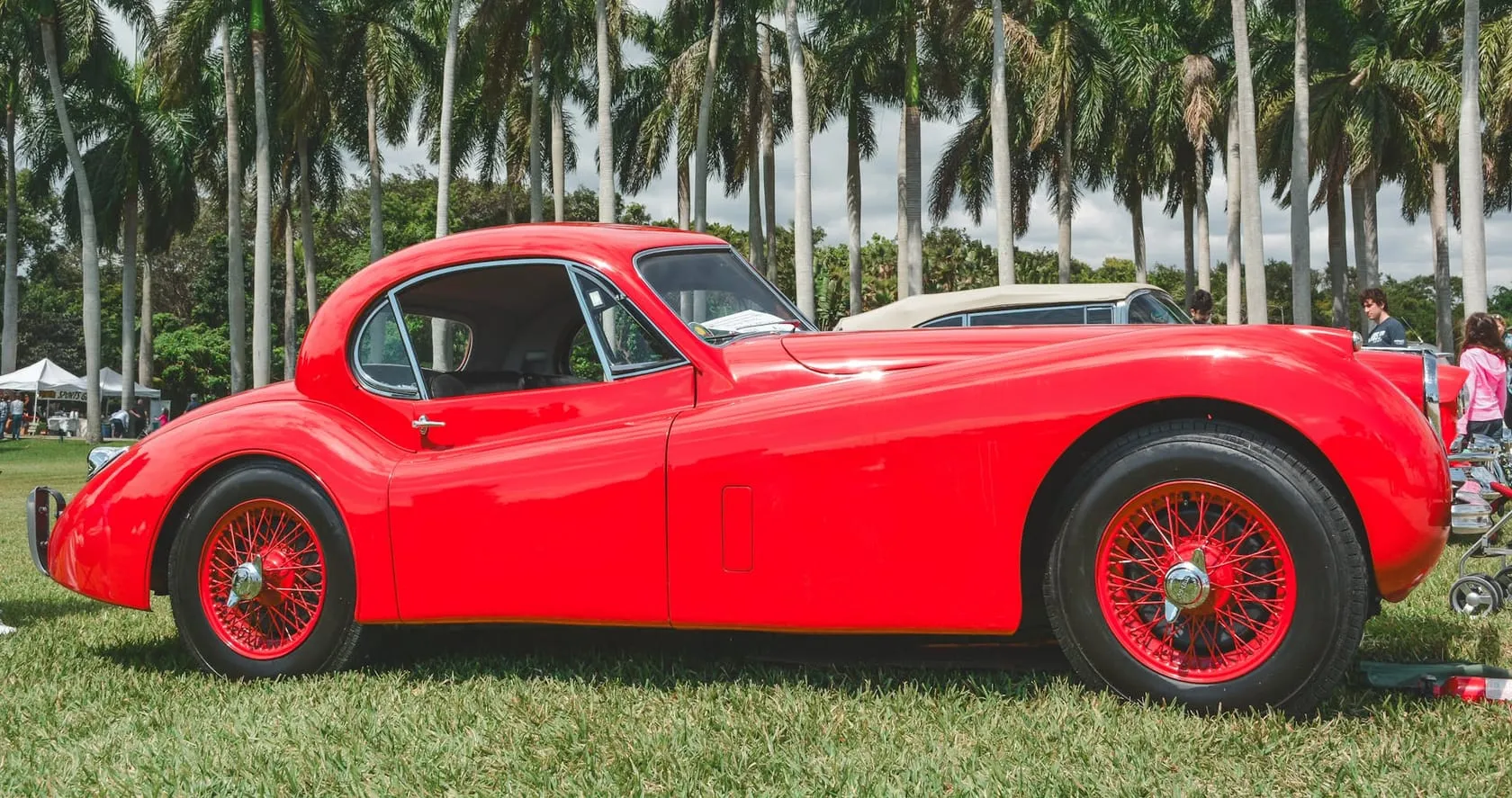
The decade British sports cars went mainstream, the British cars of the 1950s running from the Jaguar XK120 and the Austin-Healey 100 to the Bentley R-Type Continental, the Land Rover Series I, and the export drive that built the American market.
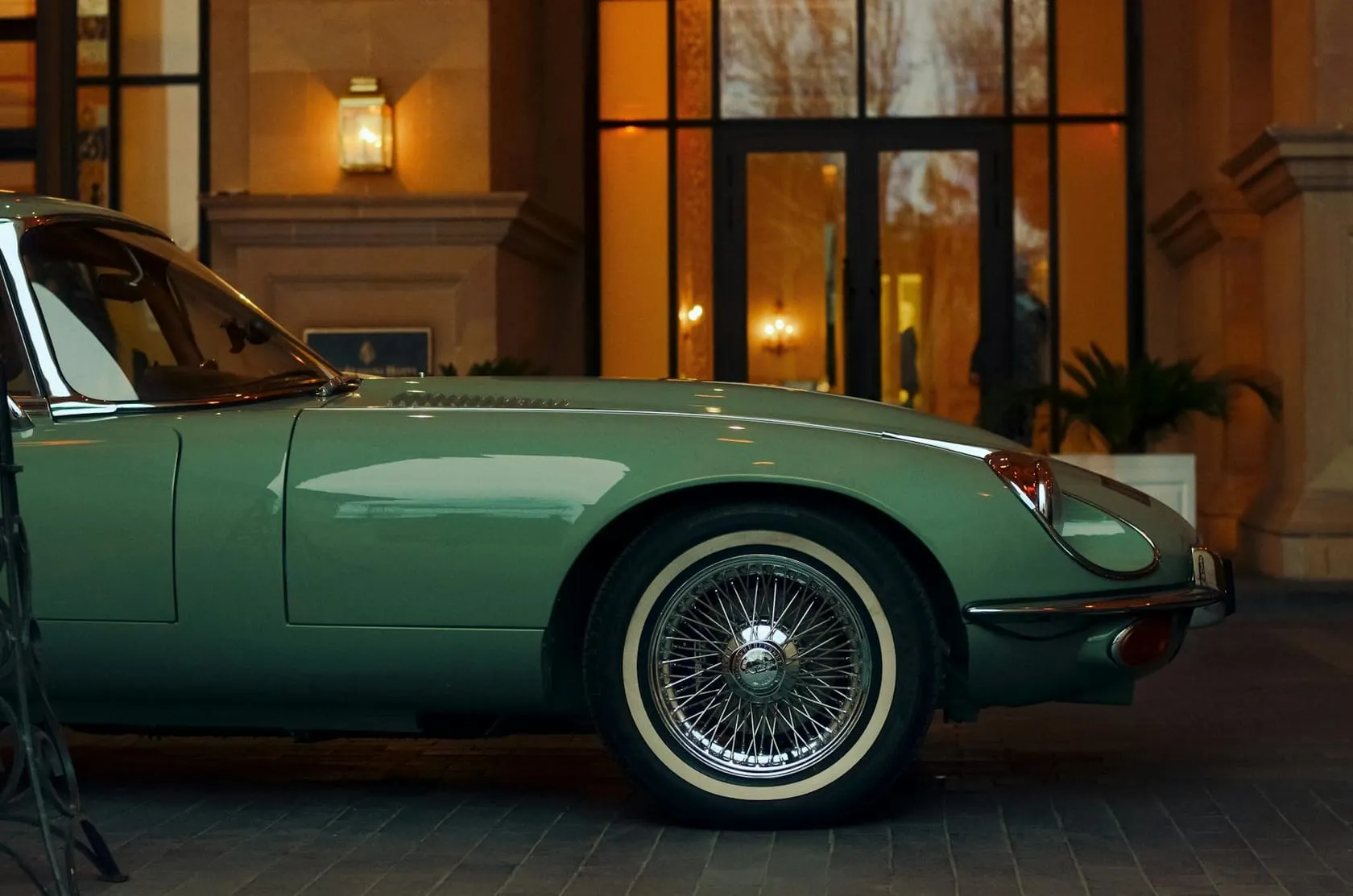
Britain's high-water mark as a car maker, the British cars of the 1960s running from the Mini and the E-Type to the Cortina, the DB5, and the export boom that briefly made it the world's sports-car factory.
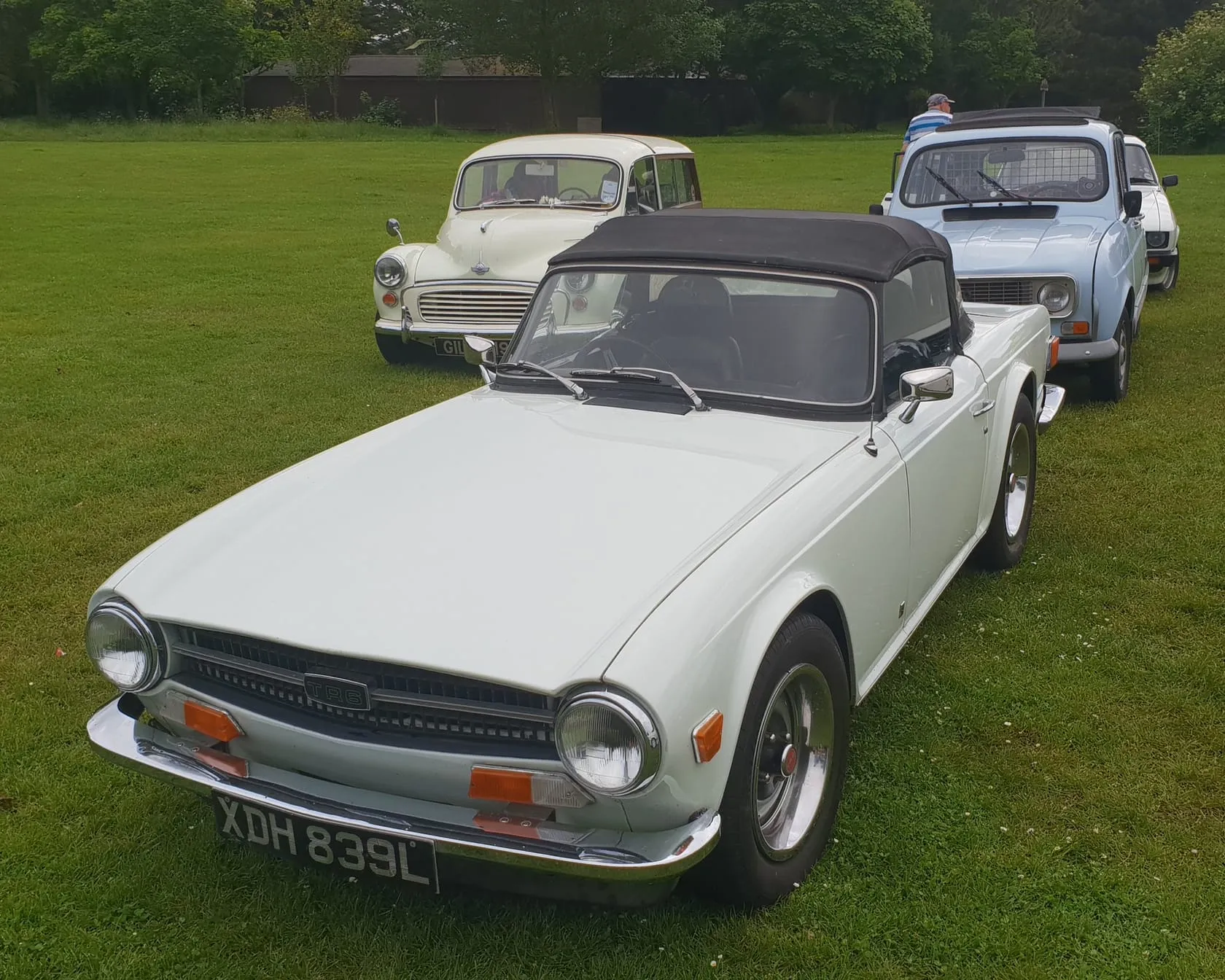
Brilliant machines and industrial chaos in equal measure, the British cars of the 1970s taking in the Capri and the XJS, the Stag, the SD1, and the cars British Leyland would rather forget.
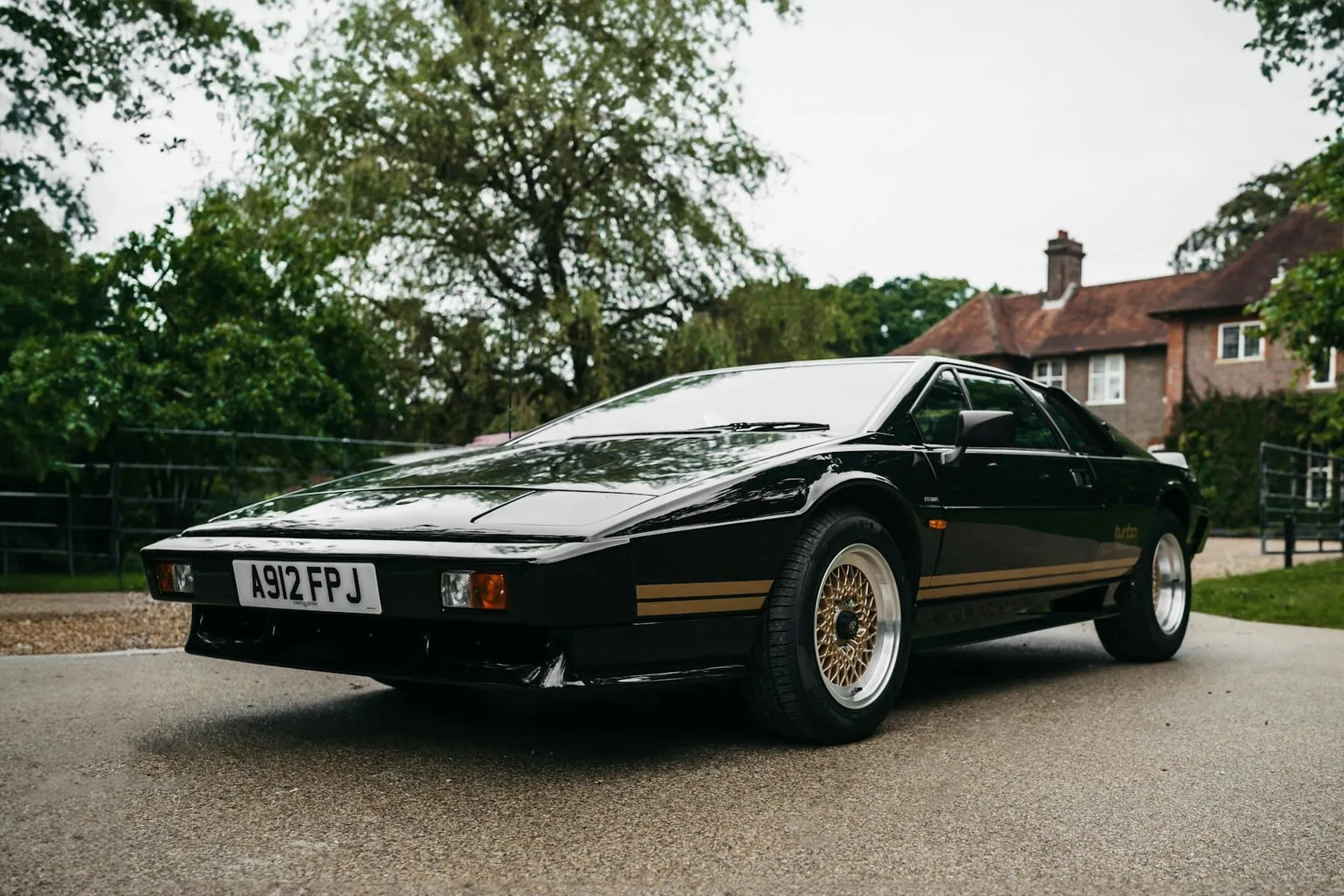
The turbo era and the birth of the hot hatch, the British cars of the 1980s running from the Sierra Cosworth and the Esprit Turbo to the Range Rover, the XJ40, and the performance cars that landed on everyone's neighbour's driveway.
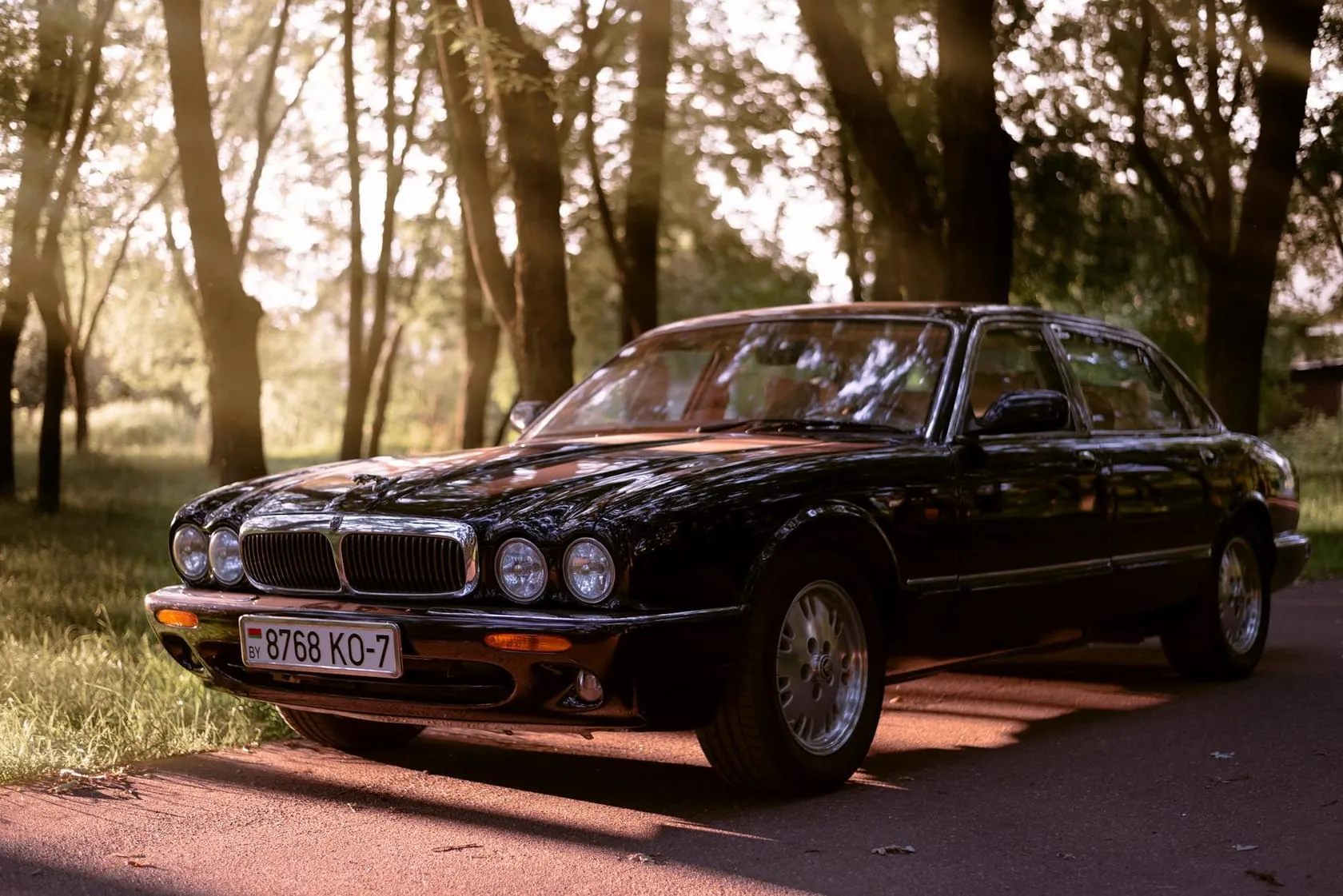
Supercars, hot saloons, and the slow end of an industry, the British cars of the 1990s spanning the McLaren F1 and the Escort Cosworth, the Lotus Elise, the TVR boom under Peter Wheeler, and the long decline of Rover Group.
Buying & owning
69 guidesThe practical side of keeping a classic on the road, plus the essays on what actually counts as a British classic.
Owning & Running
31 guides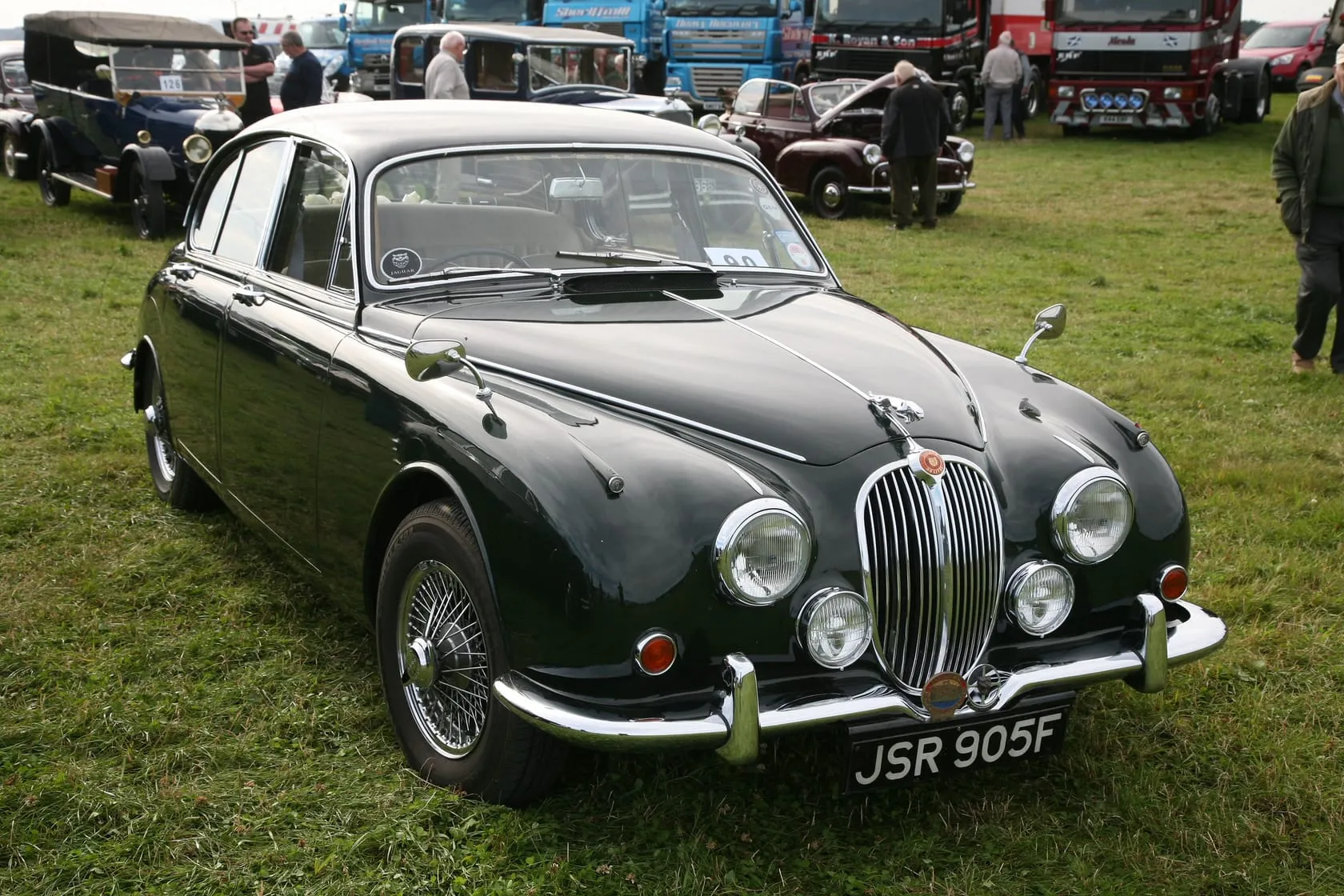
Buying the car is the easy part. This is the practical side of classic ownership in Britain, keeping it legal, keeping it on the road, and keeping it protected, covering number plates, road tax and historic status, low-emission zones, tyres, fuel, storage, and what it all costs.
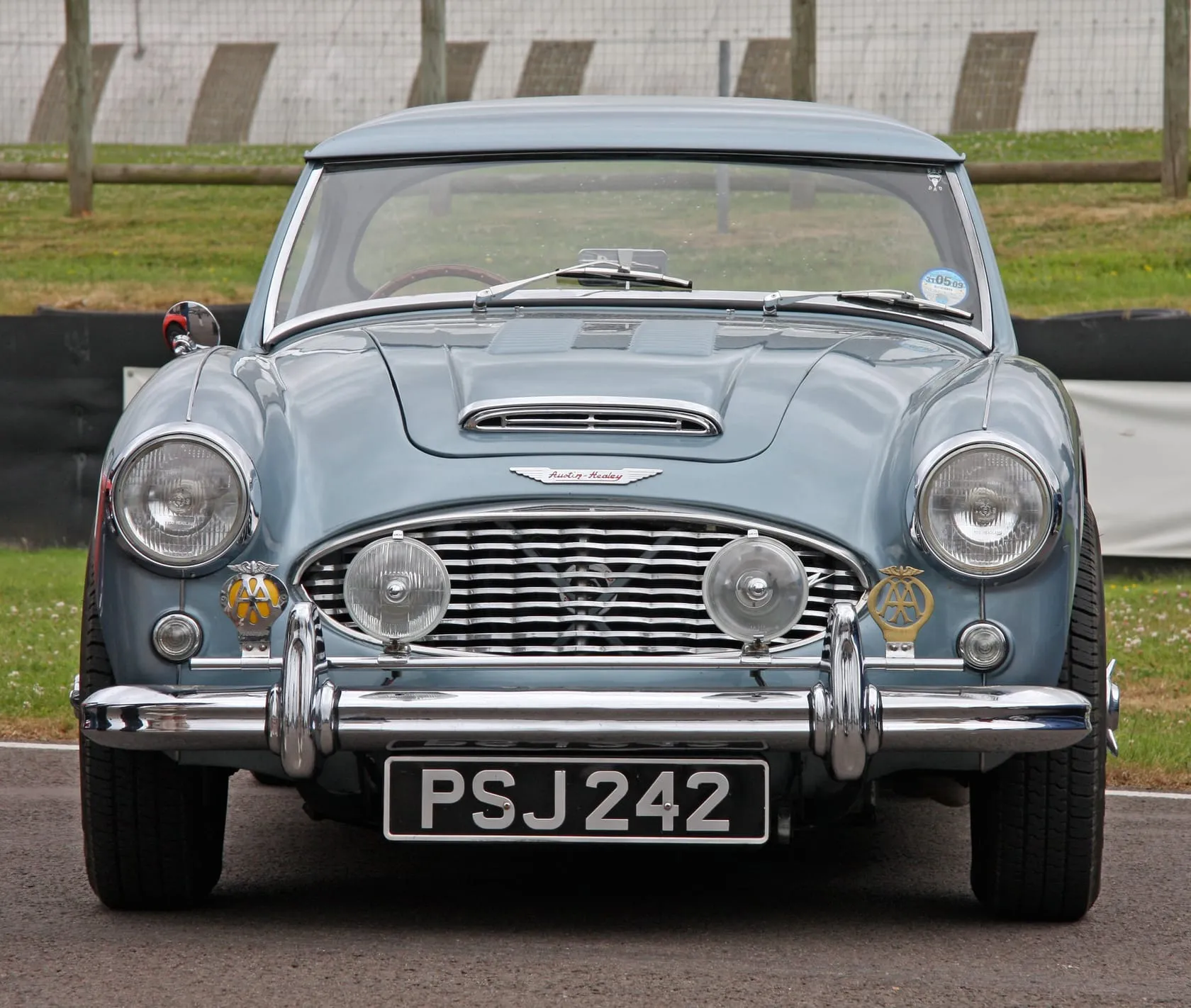
What number plates a classic car can legally wear in the UK. The black-and-silver eligibility rule (built before 1 January 1980, historic tax class), the British Standard every plate must meet, why show plates are not road-legal, pressed metal versus acrylic, and where to buy compliant plates.
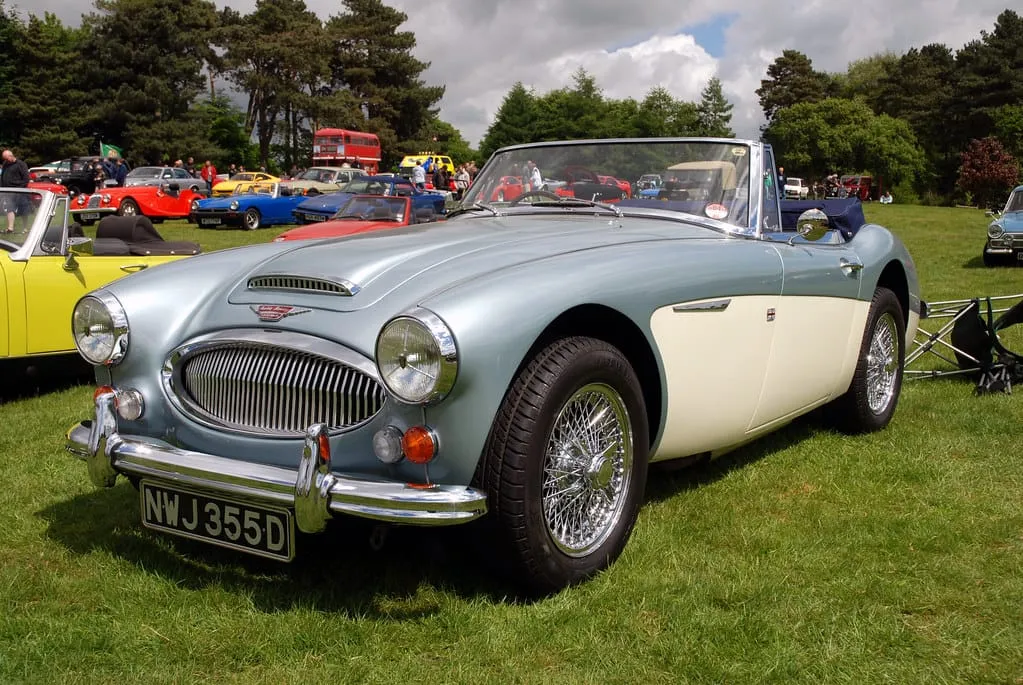
A practical guide to tyres for a classic car. Crossply versus radial, the UK law on mixing the two, getting the right period size and speed rating, why tyre age matters more than tread on a low-mileage classic, and where to buy proper classic tyres.
What it actually takes to bring a classic car into Britain. The fourteen-day notification, why a thirty-year-old car is taxed on a reduced value, the three tests it has to pass, DVLA registration on a V55/5, and whether it ends up with an age-related plate or a Q plate.
How a classic actually gets across an ocean. Roll-on roll-off against a container, what a non-runner forces, why you cannot pack spares in the boot, the preparation that stops a car being detained at the far end, and what transit insurance really covers.
What has to happen when a British classic leaves the country. The permanent export section of the V5C, what the buyer keeps and what DVLA takes, how the tax refund is triggered, the difference between permanent and temporary export, and the overseas-buyer scams worth knowing about.
How the American 25-year import rule actually works, why it runs from the build date rather than the model year, the three separate age clocks that catch people out, whether the 25% tariff applies, and which British cars cross the line in 2026.
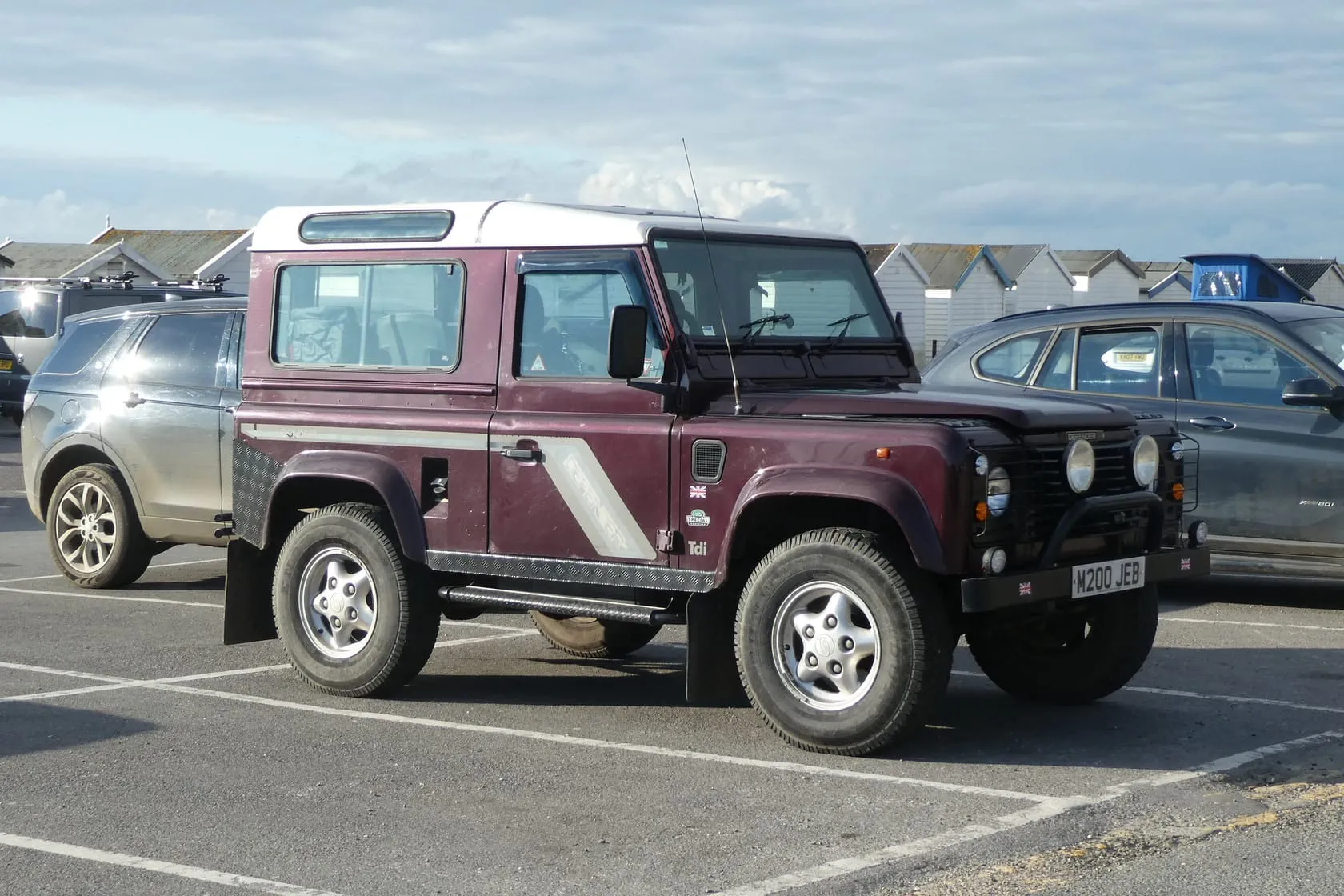
Why Defenders are worth more in America, when each one becomes legal to import, and the two things that quietly disqualify a car: a replacement chassis and a swapped engine. The rules as the American regulations actually word them.
The free checks that tell you whether a car still exists, what DVLA will and will not release about the current keeper, how far MOT records really go back, and where the factory build record for a British classic is held.
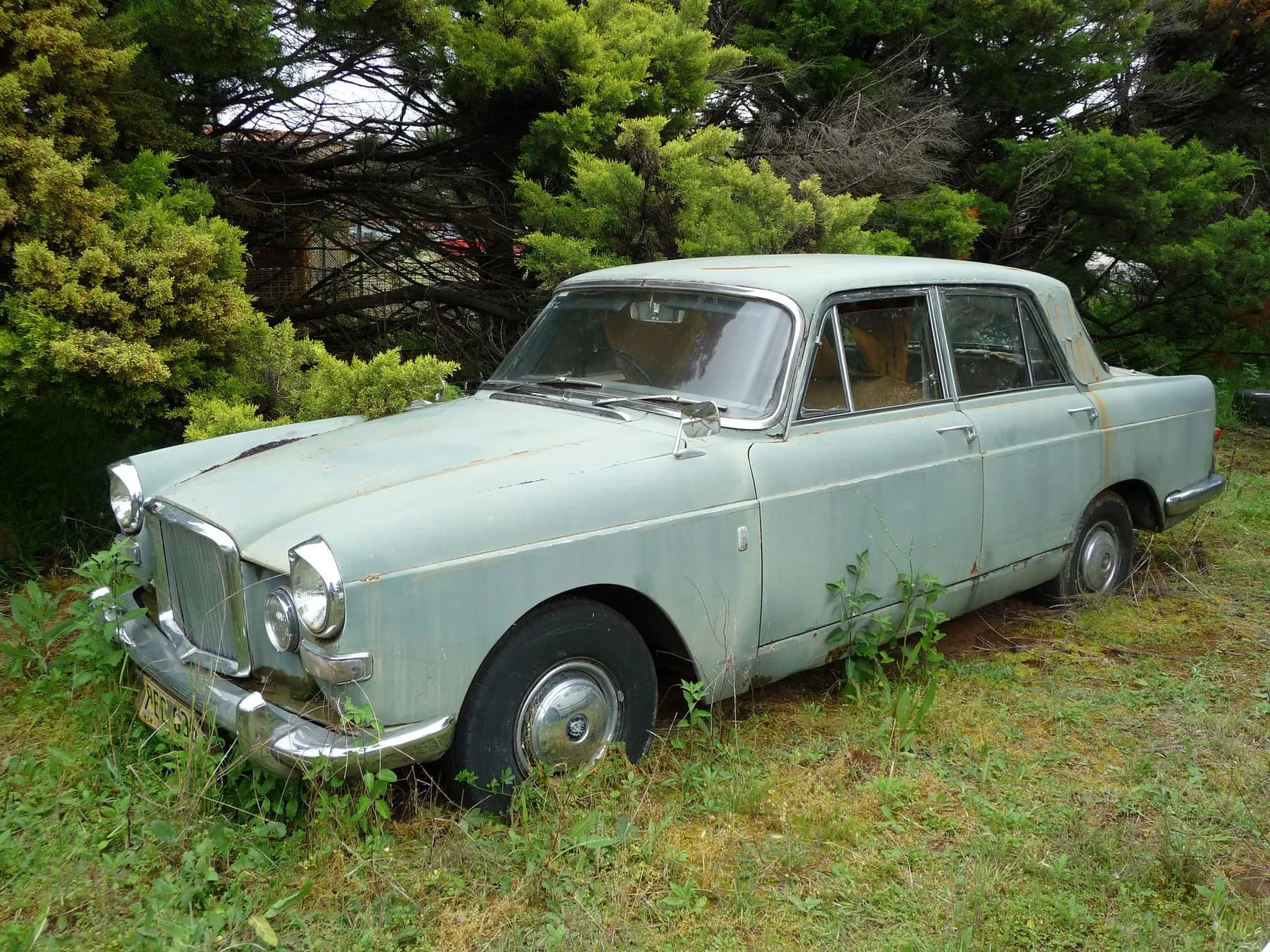
Where the line actually falls between rust that matters and rust that does not, in the words of the MOT inspection manual. What rust converters can and cannot do, why filler over a sill is not a repair, and whether underseal really fails a test.
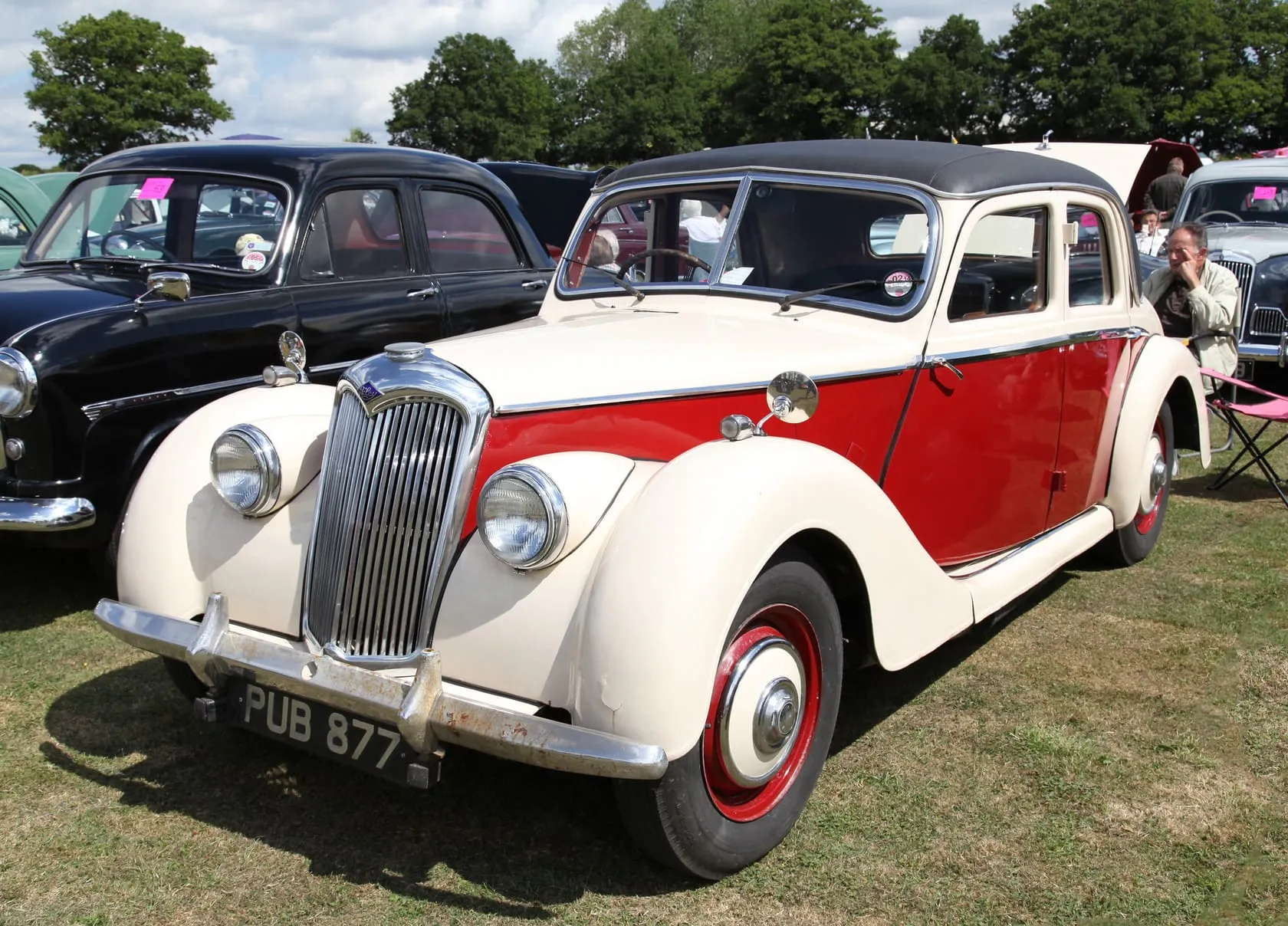
The two exemptions run on different clocks and are constantly confused. Vehicle tax works on a fixed annual cliff, MOT exemption rolls with each individual car, and a car can easily qualify for one and not the other. What the dates are now, and what changes in 2027.
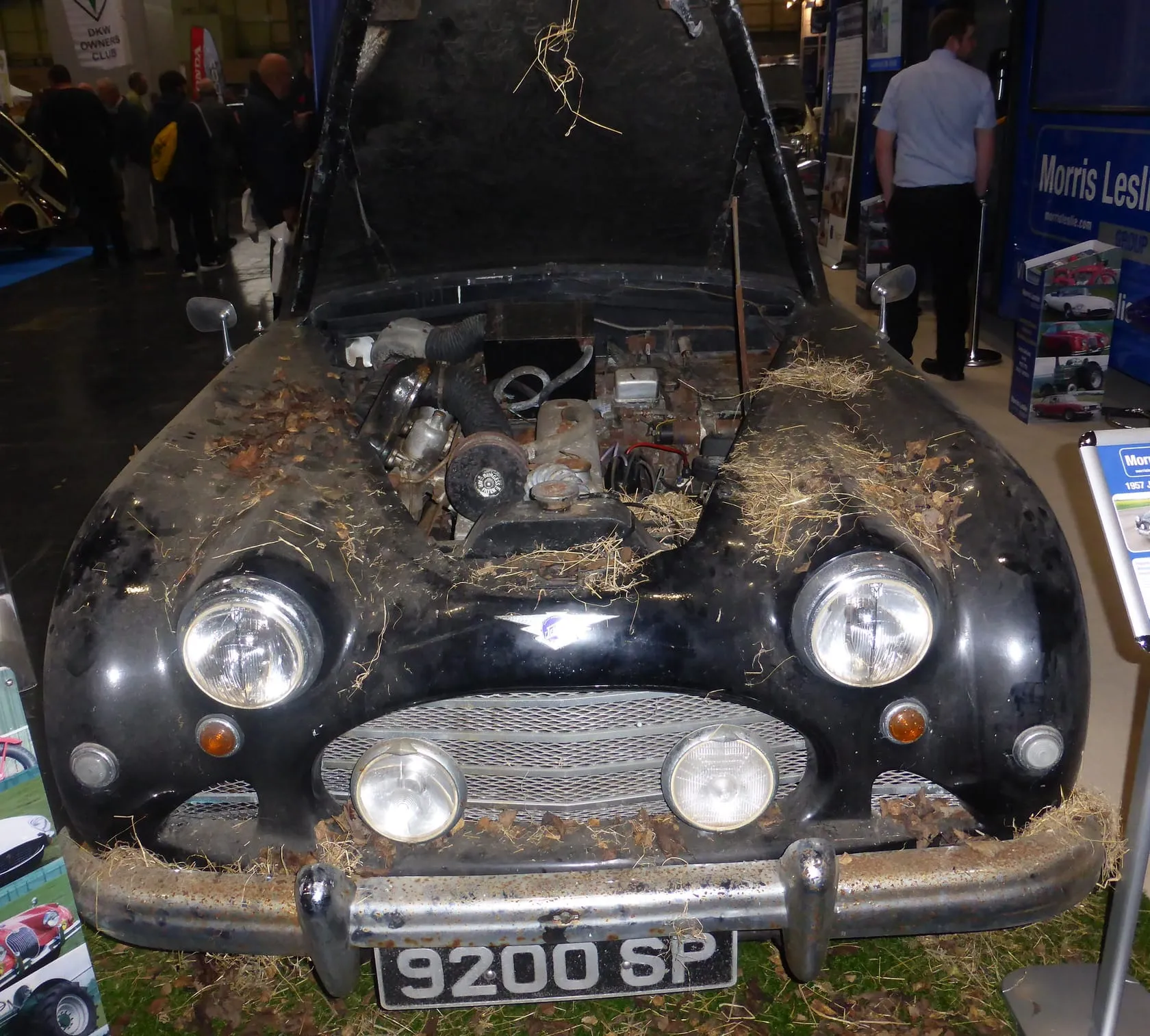
A car that has sat for a decade does not need starting, it needs assessing. What perishes while a classic stands still, why brakes come before ignition, the legal route from SORN back to the road, and when to admit it needs a trailer.
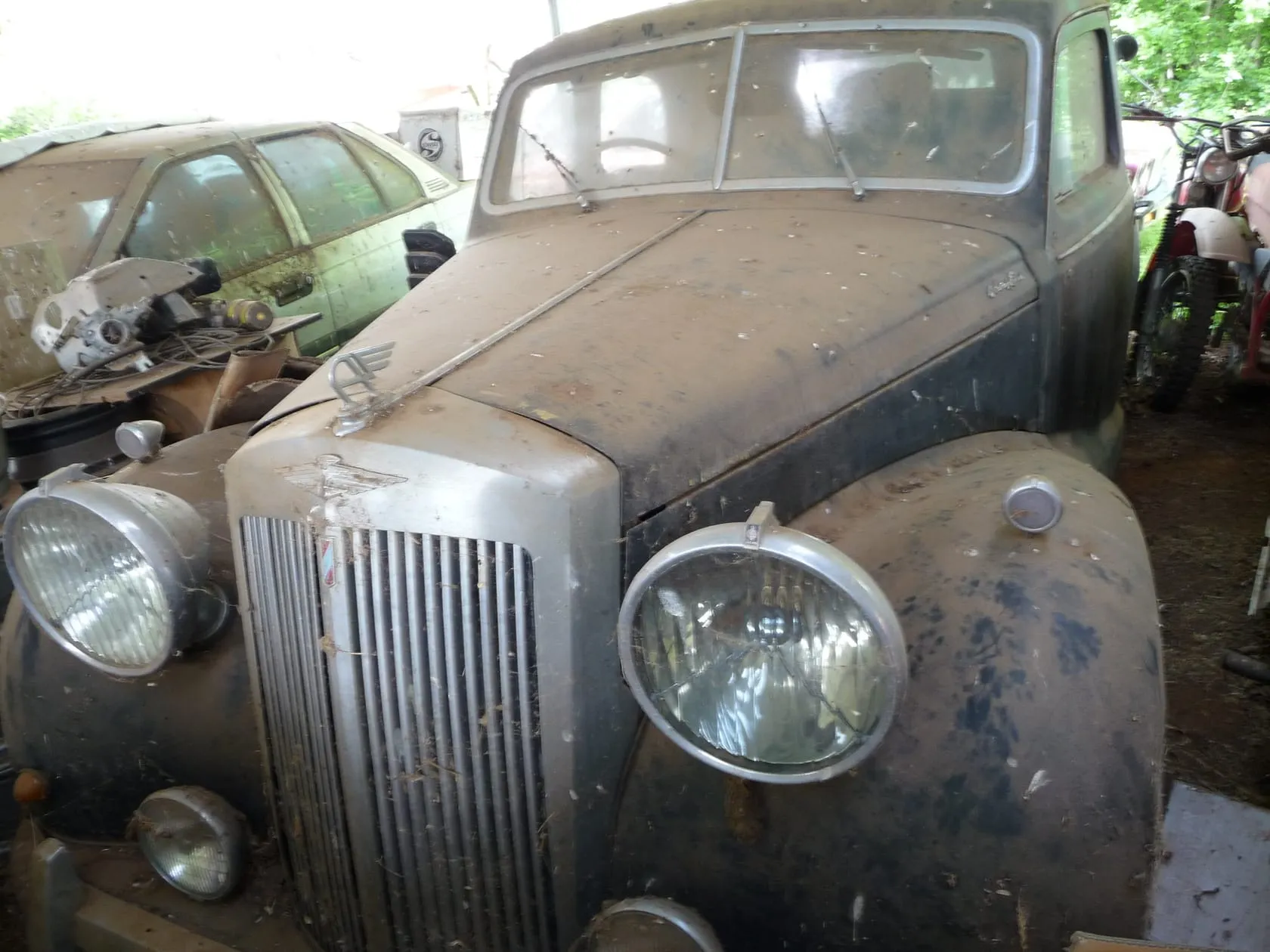
Why restoration bills reach numbers that horrify outsiders, where the money actually goes, and the practical protections that matter when handing a valuable car to a workshop for a year. Staged payments, written scope, and what happens if the business fails.
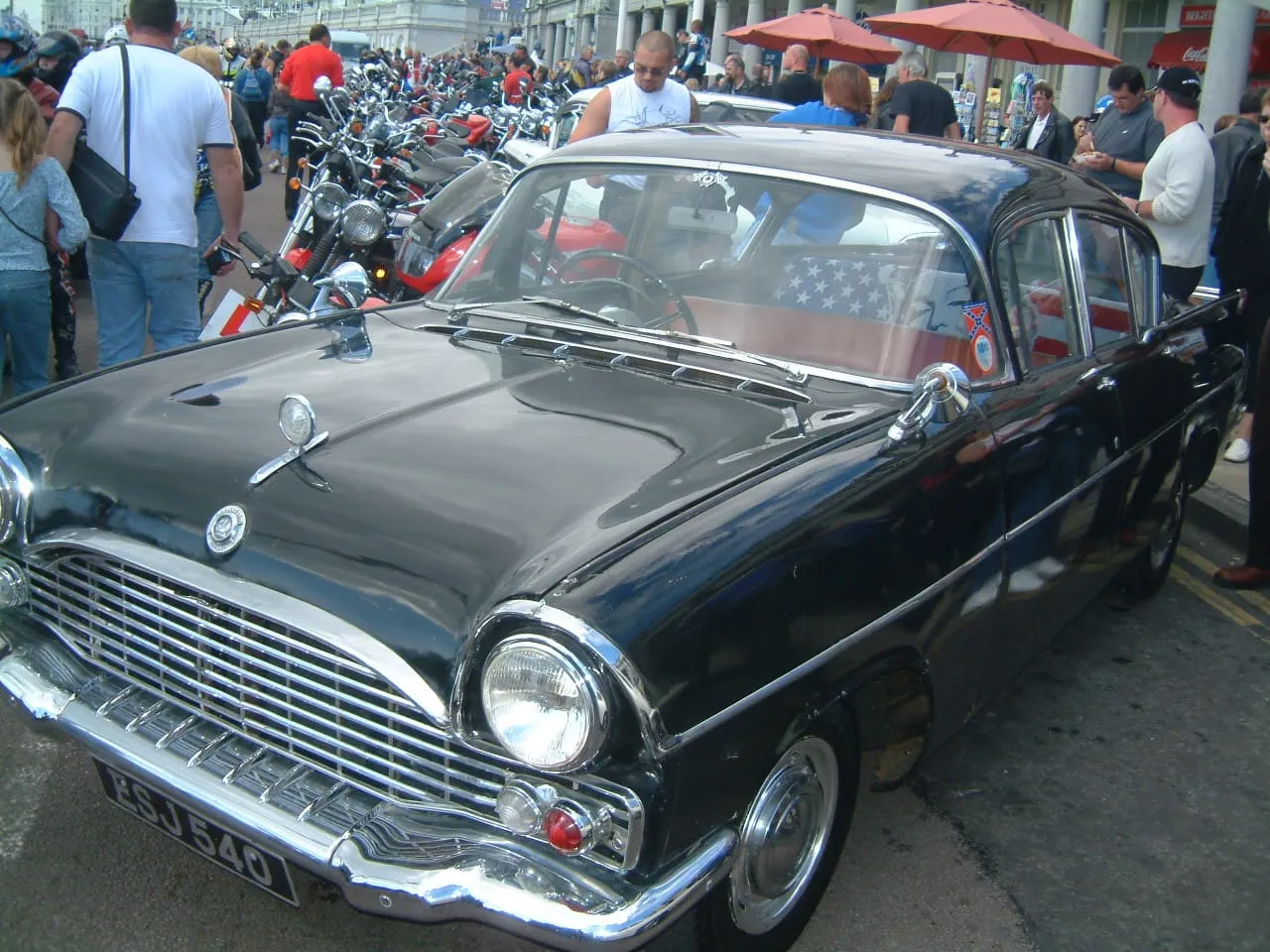
Why the hammer price is never the price, what Category S and N actually mean, why a clean-looking V5C proves less than buyers assume, and how to think about bidding on a car nobody has let you inspect.
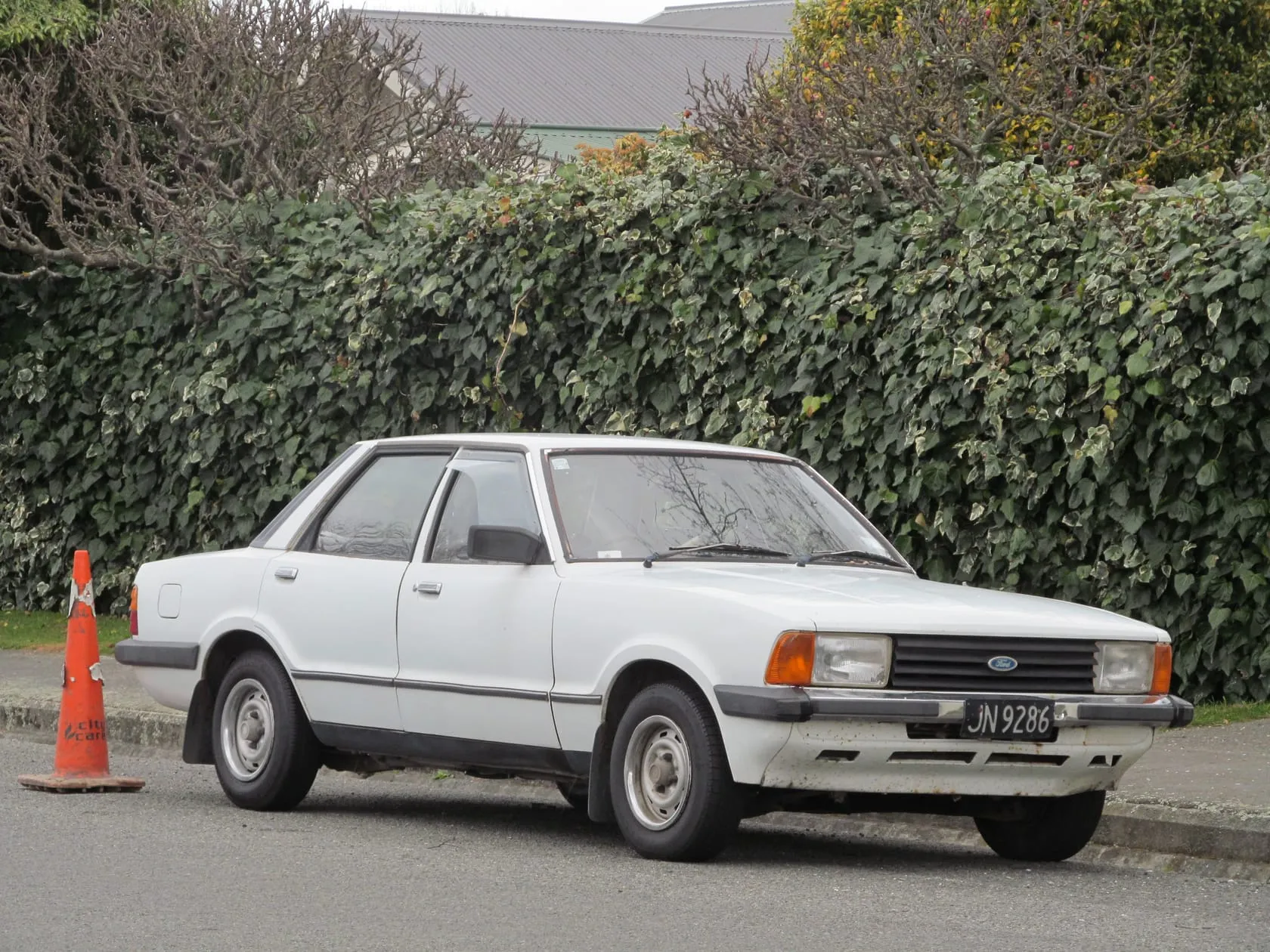
Ford's online build-data lookup has gone, and there is no Ford equivalent of a heritage certificate. What the car's own plate and chassis number can tell you, what DVLA holds, and the routes that still work for establishing what a Cortina, Escort or Capri originally was.
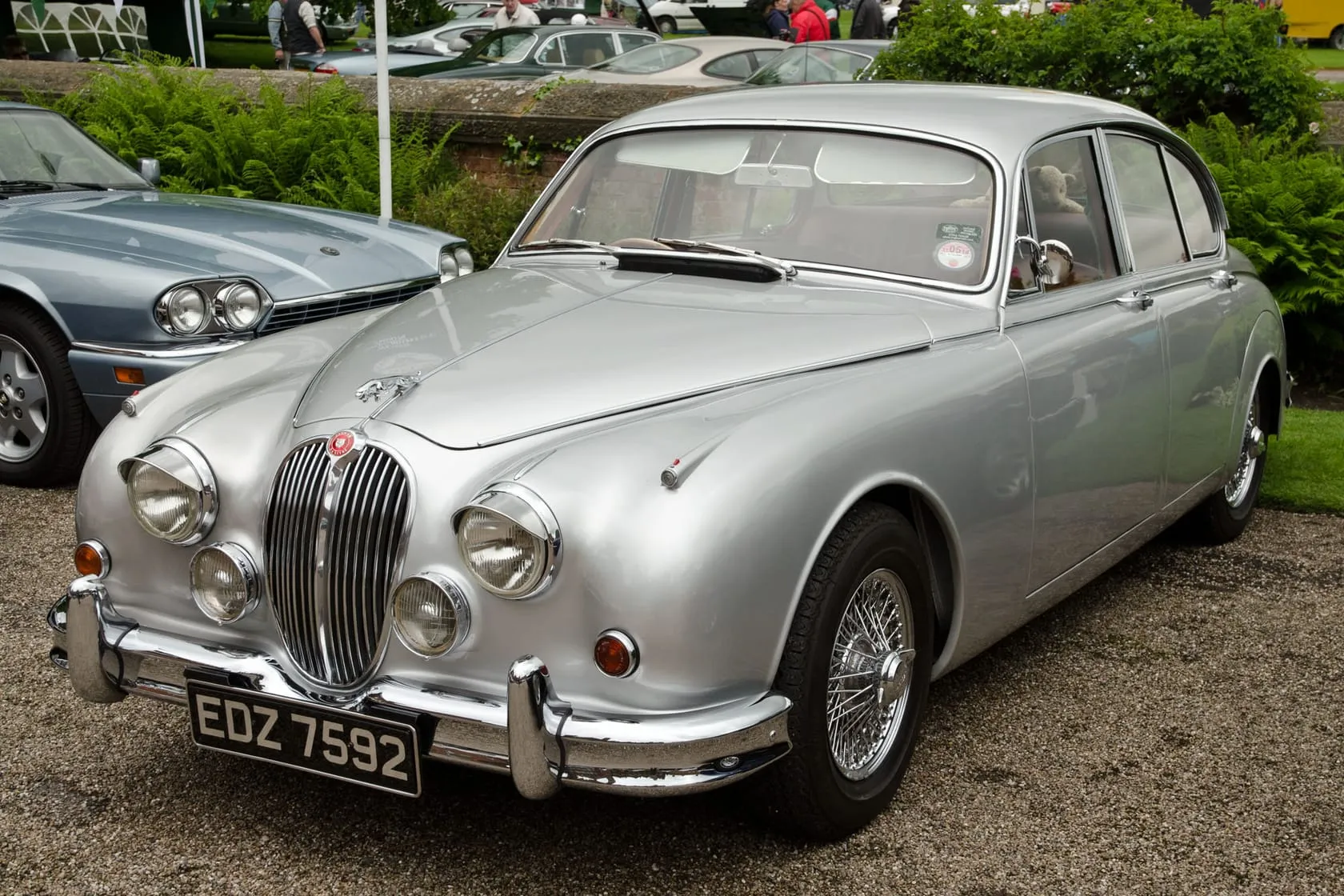
Most cars built before 1998 left the factory with no immobiliser at all, which is why a classic can be driven away in seconds. What the Thatcham categories really mean, why a tracker is not a defence, and the layered approach that makes a classic a poor target.
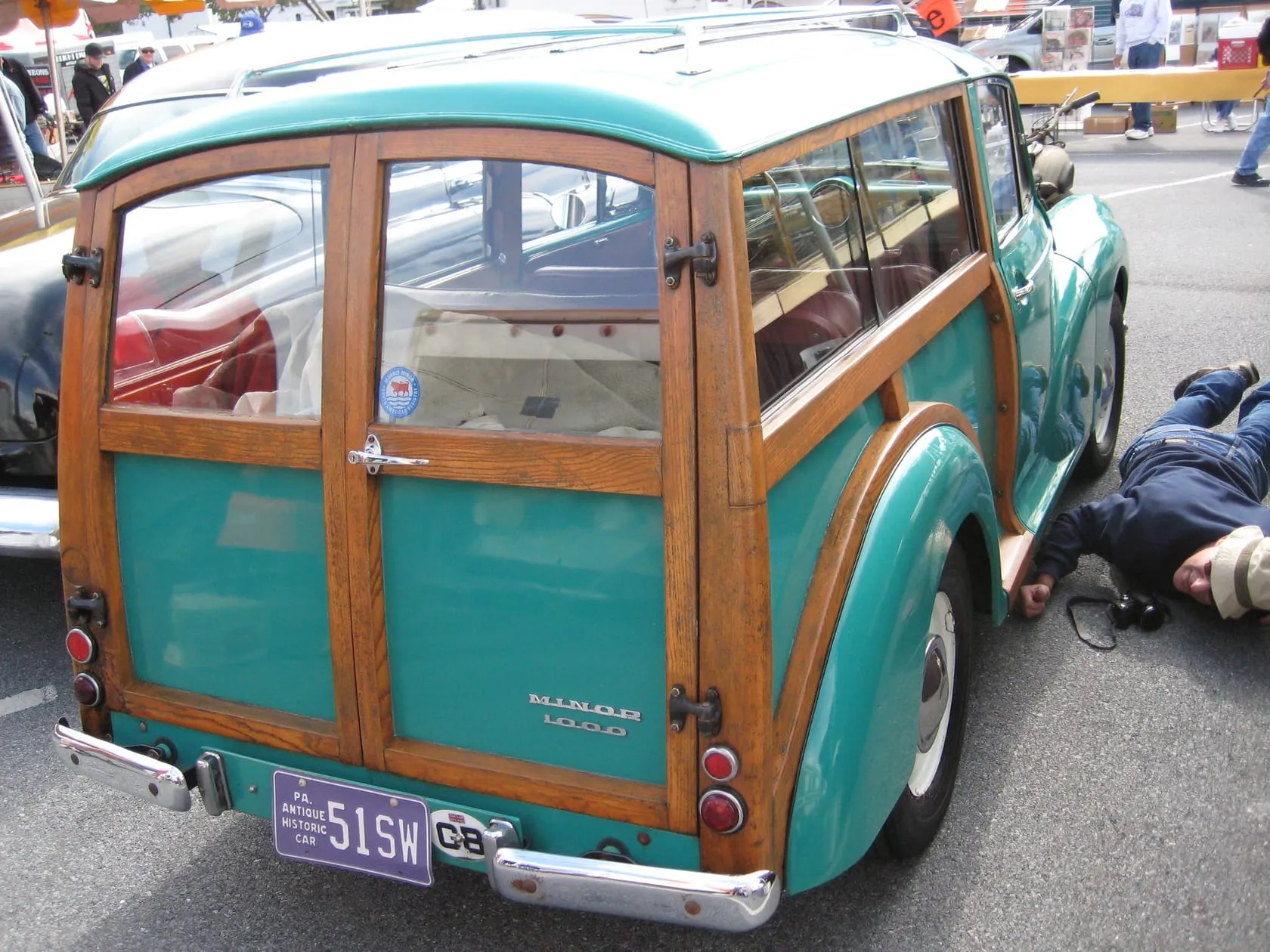
What actually has to happen when a classic passes to the next generation. The DVLA bereavement route, why the vehicle tax dies with the keeper, how the car is valued for inheritance tax, why there is no capital gains tax on it, and the honest questions behind keep or sell.
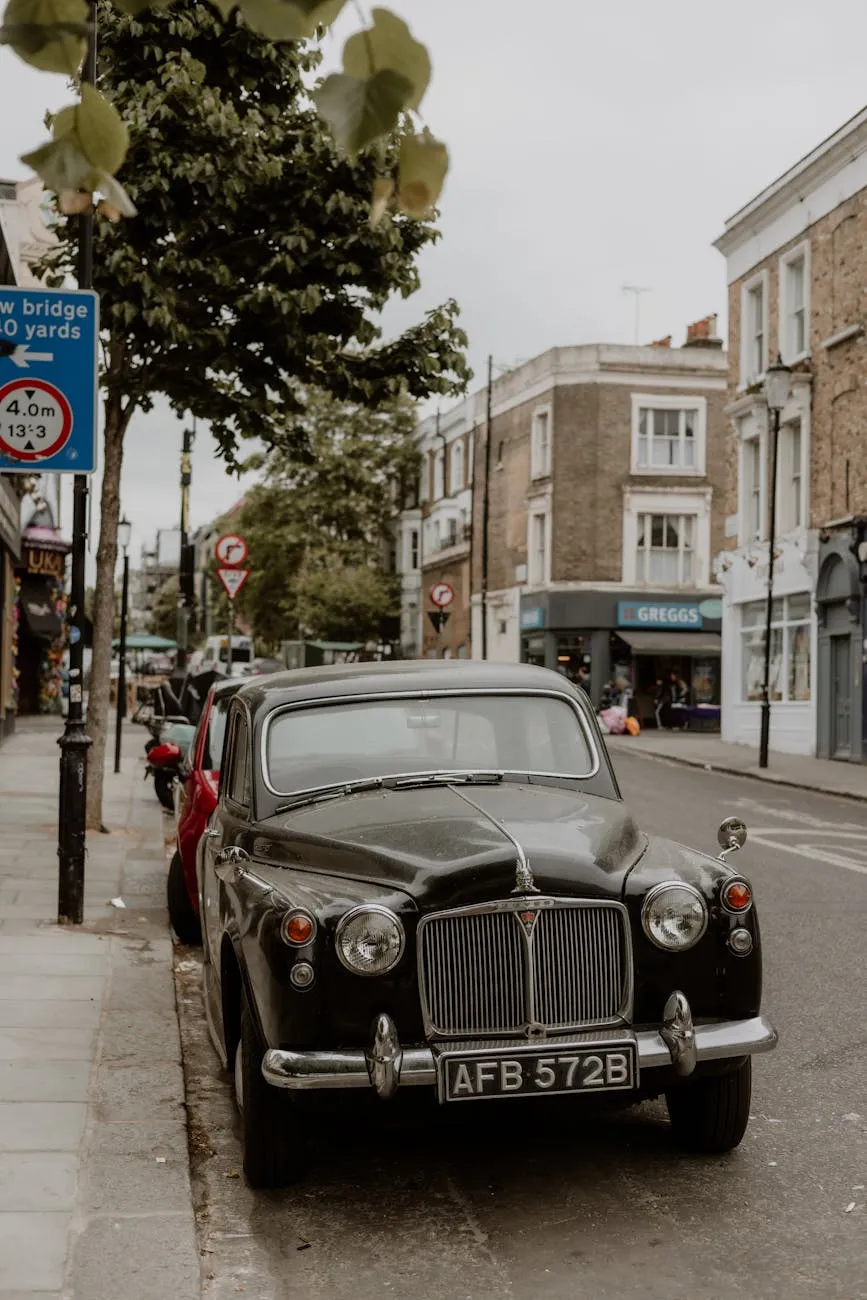
Which charging zones a classic can enter for nothing, which definition each one uses, why the London ULEZ exemption has two limbs and the Congestion Charge has none, and the difference between the English forty-year rule and Scotland's thirty-year one.
The barrier for most new owners is not information, it is tools, confidence and somewhere to practise. A starter toolkit that is actually enough, the jobs in the order to learn them, the safety rules professionals follow, and the two things that make a classic different from anything built since.
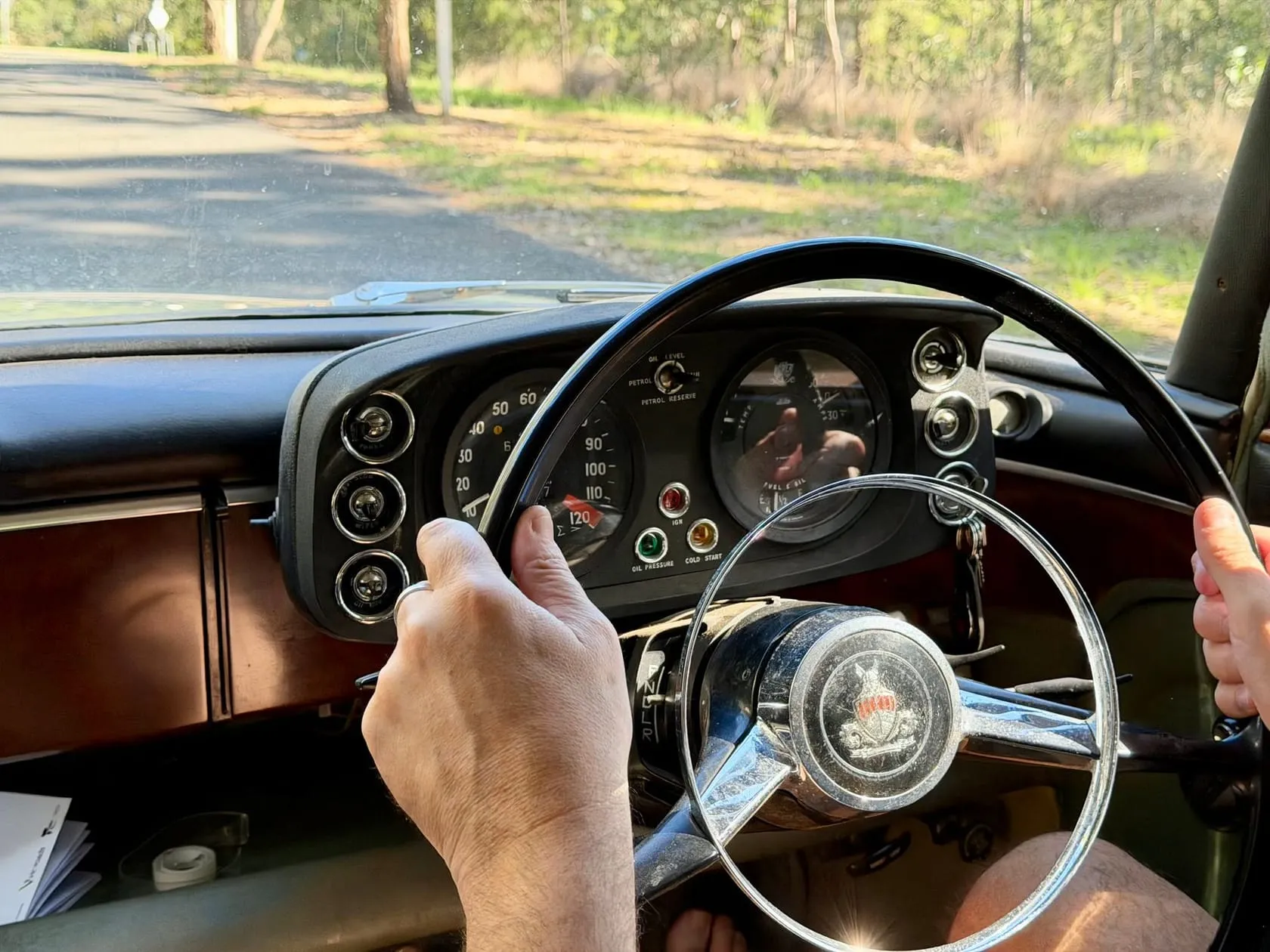
The road was far more dangerous when these cars were new, and the cars themselves are part of why. What the casualty statistics actually show, when seat belts became law in Britain, what a classic lacks by era, and what an owner can and cannot do about it.
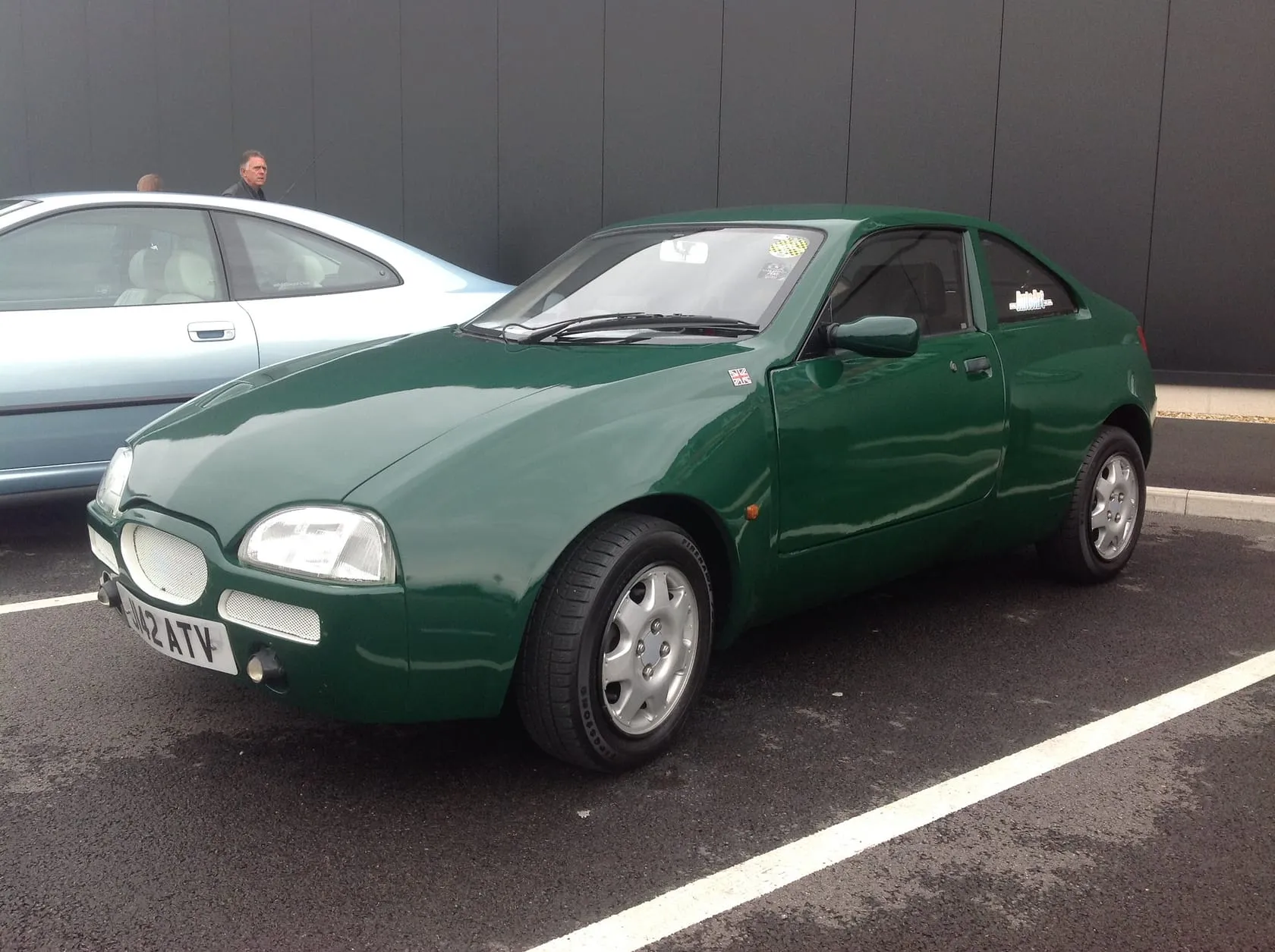
DVLA rewrote its rules for kit-built, kit-converted and modified vehicles in August 2025, and most guides have not caught up. What the IVA test is and costs, the eight-point system that decides whether you keep the donor's number, when a Q plate is unavoidable, and why a Q plate shuts the door on MOT exemption.
The trade valuation guides insurers use do not value cars over about twenty years old, which is why a classic on a market-value policy is a claim waiting to be argued. What the Financial Ombudsman expects, what the regulator found when it looked, what agreed value actually promises, and the evidence that sets it.
The licence rule changed in December 2021 and most people still quote the old one. What you can tow on a post-1997 licence, why the car's gross train weight bites before the 3,500kg cap, the speed limits and the motorway lane you cannot use, and the small rules that get trailers pulled over.
What a SORN does and does not do, why it no longer expires, how the tax refund works, the legal limit on petrol kept at home, and the short list of things that deteriorate in a car that is simply parked for five months.
The MOT manual fails LED bulbs in halogen headlamps on cars first used from April 1986 and explicitly does not on older cars. The date, the 2021 notice that set it, which lights an old car must have, and why electronic ignition changes nothing about the car's legal status.
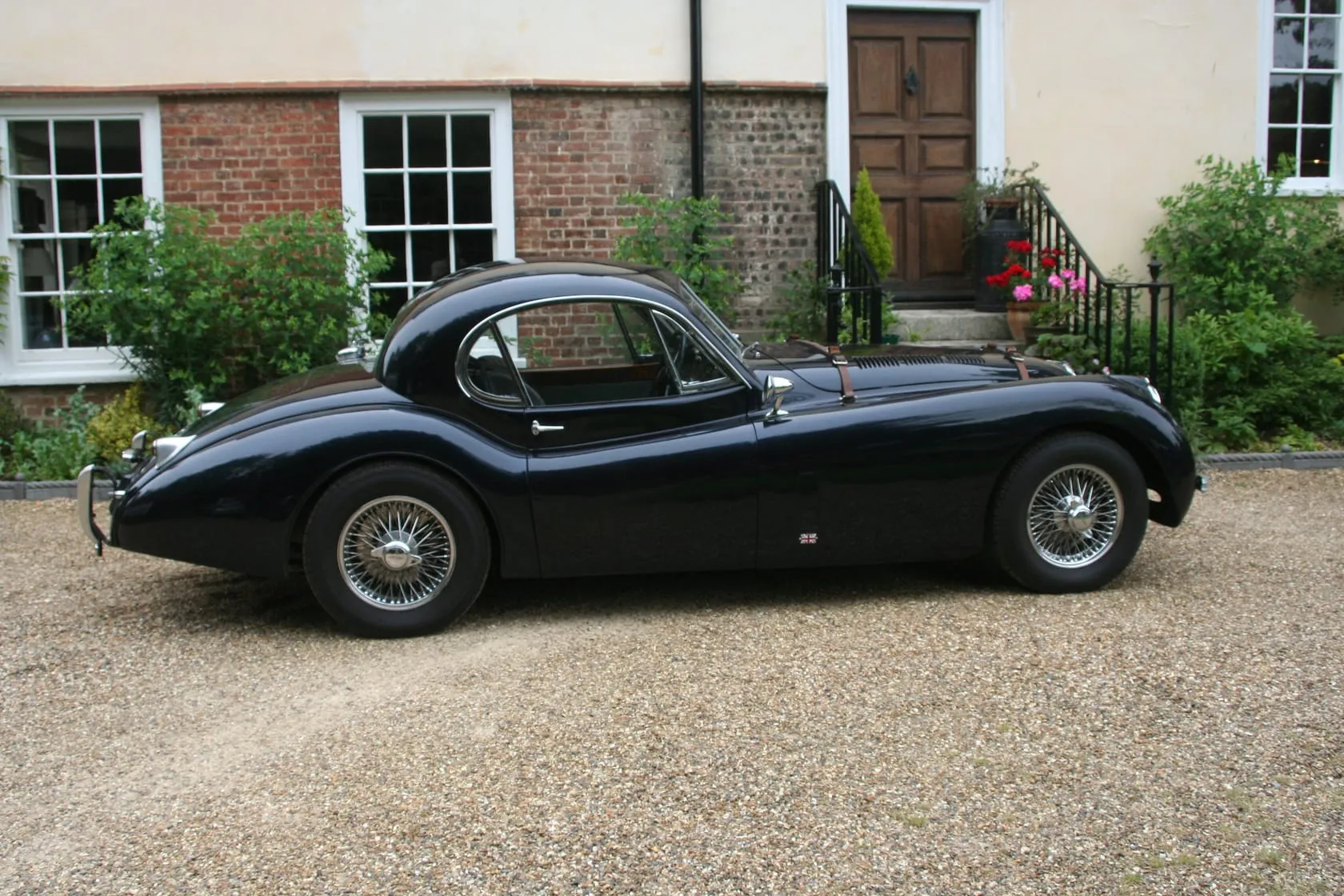
The factory build record for a British classic survives for some marques and not others, and it is held in four different places. Which archive covers your car, what a certificate actually records, what it costs, and the thing every archive says it does not prove.
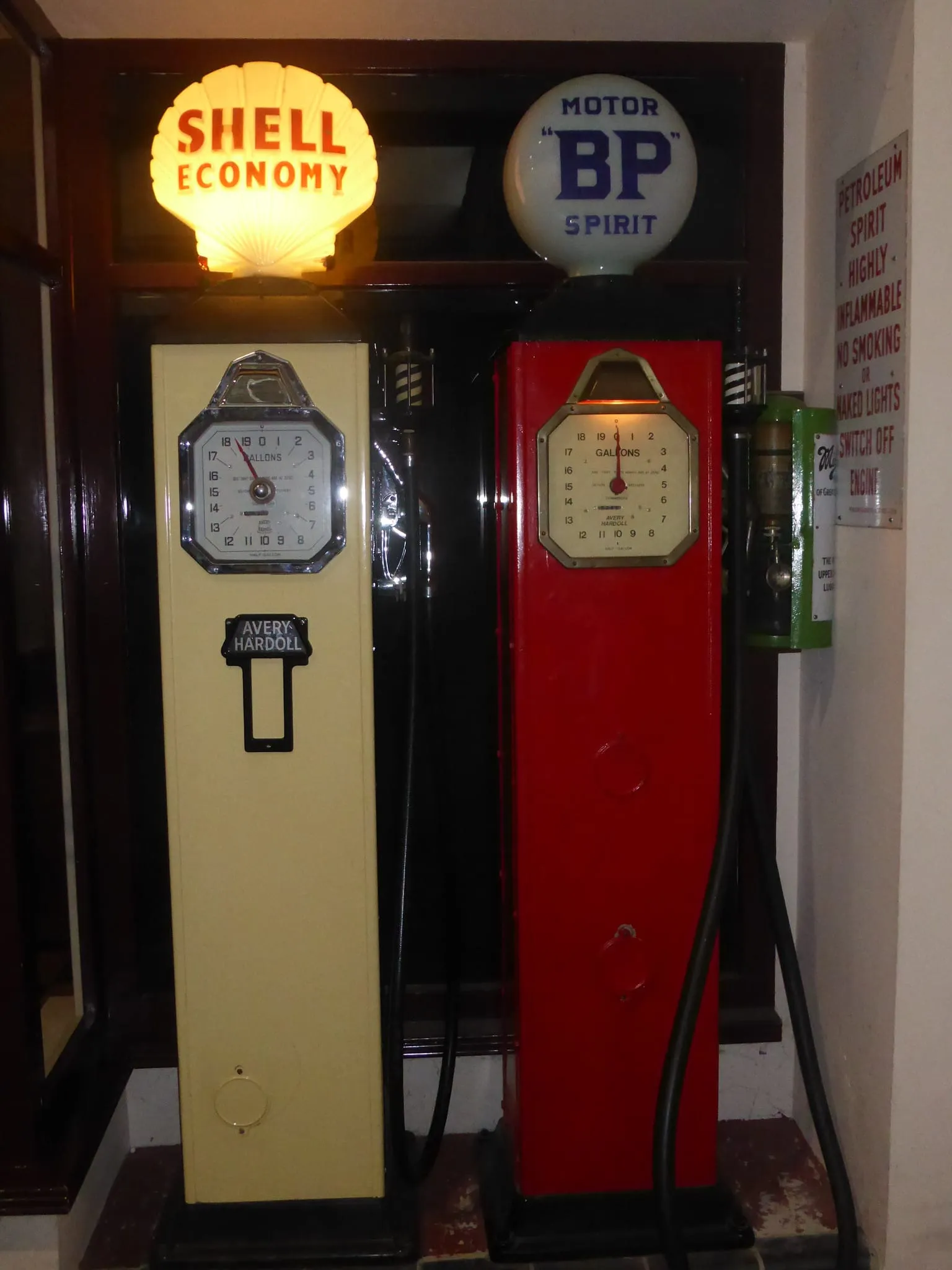
What changed in September 2021, the government's own hedged wording on older vehicles, why E5 super is still on the forecourt and how long that is guaranteed, what ethanol does to an old fuel system, and the additive the historic vehicle federation actually recommends.
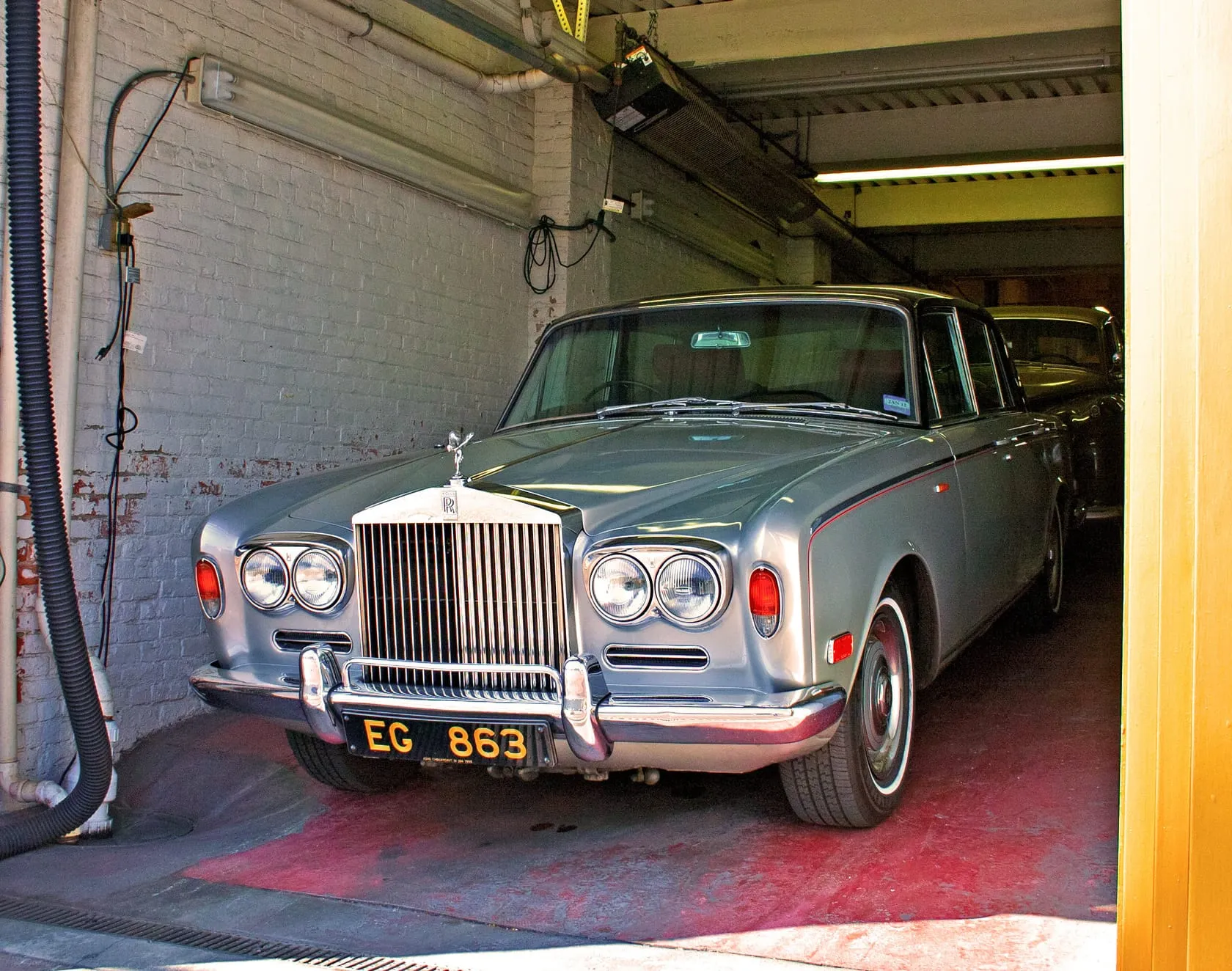
Sixty years of British registration formats, the year each letter means, which letters were never used and why, what a dateless mark tells you (nothing), and the one rule DVLA enforces on every transfer: a plate can never make a car look younger than it is.
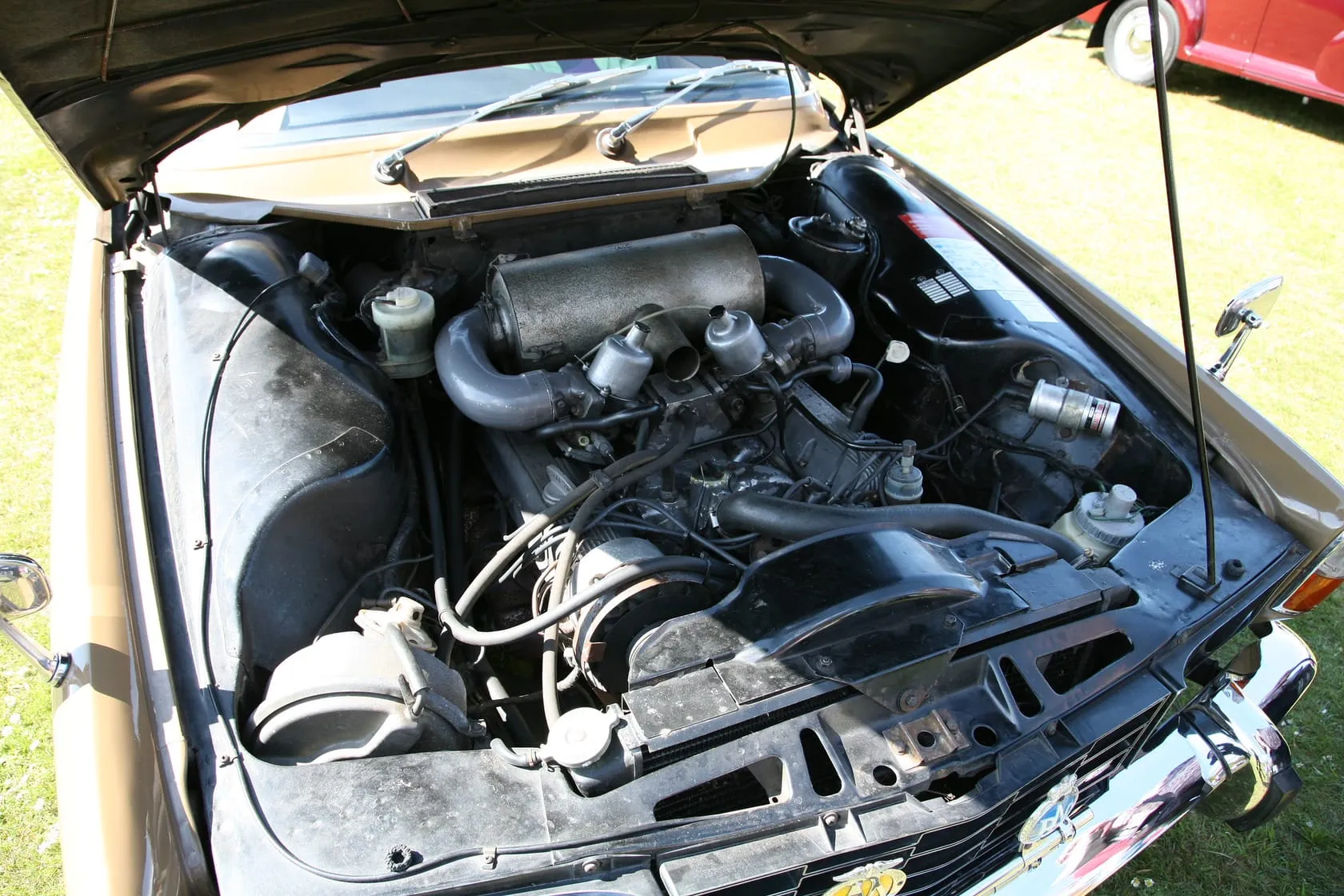
Four engine families powered a remarkable share of everything built in Britain for half a century. Where each came from, which cars it went into, what it is known for going wrong, and which of those faults are documented and which are workshop folklore.
A private seller is not a shop, and the law knows it. Which consumer protections fall away, which three rules still bind you, why selling an unroadworthy car is an offence whoever you are, the DVLA steps that end your liability, and the payment habits that keep the money.
What they sell for
29 guidesSold prices from public auction results, marque by marque and model by model: the median, the usual range and the year-by-year trend.
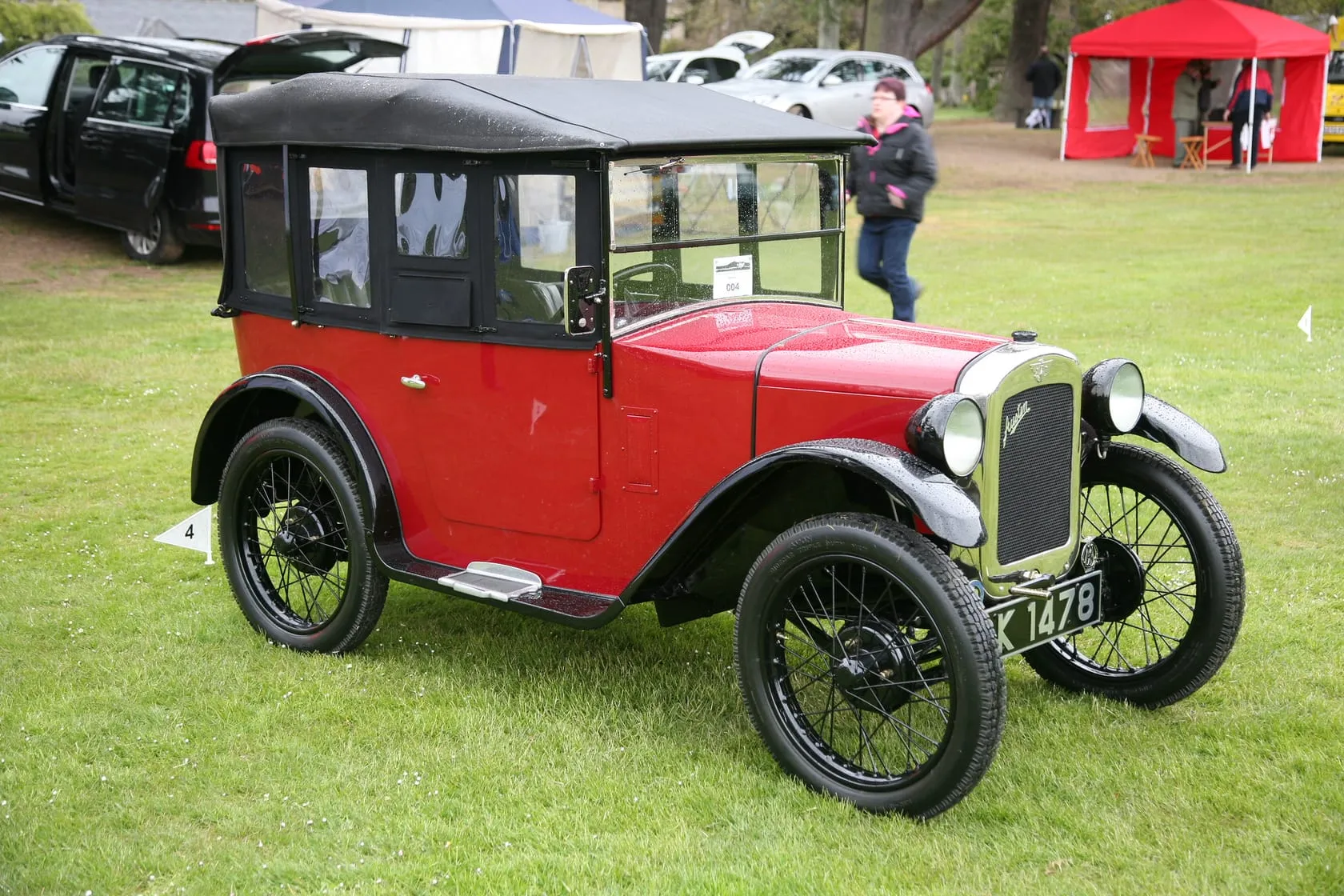
A 1920s Chummy tourer sells for more than double a 1930s Ruby saloon. Austin Seven prices from 533 recorded auction sales, what the Nippy, the Ulster, the Swallow and the specials make, and why the car that motorised Britain has lost half its value in real terms since 2018.
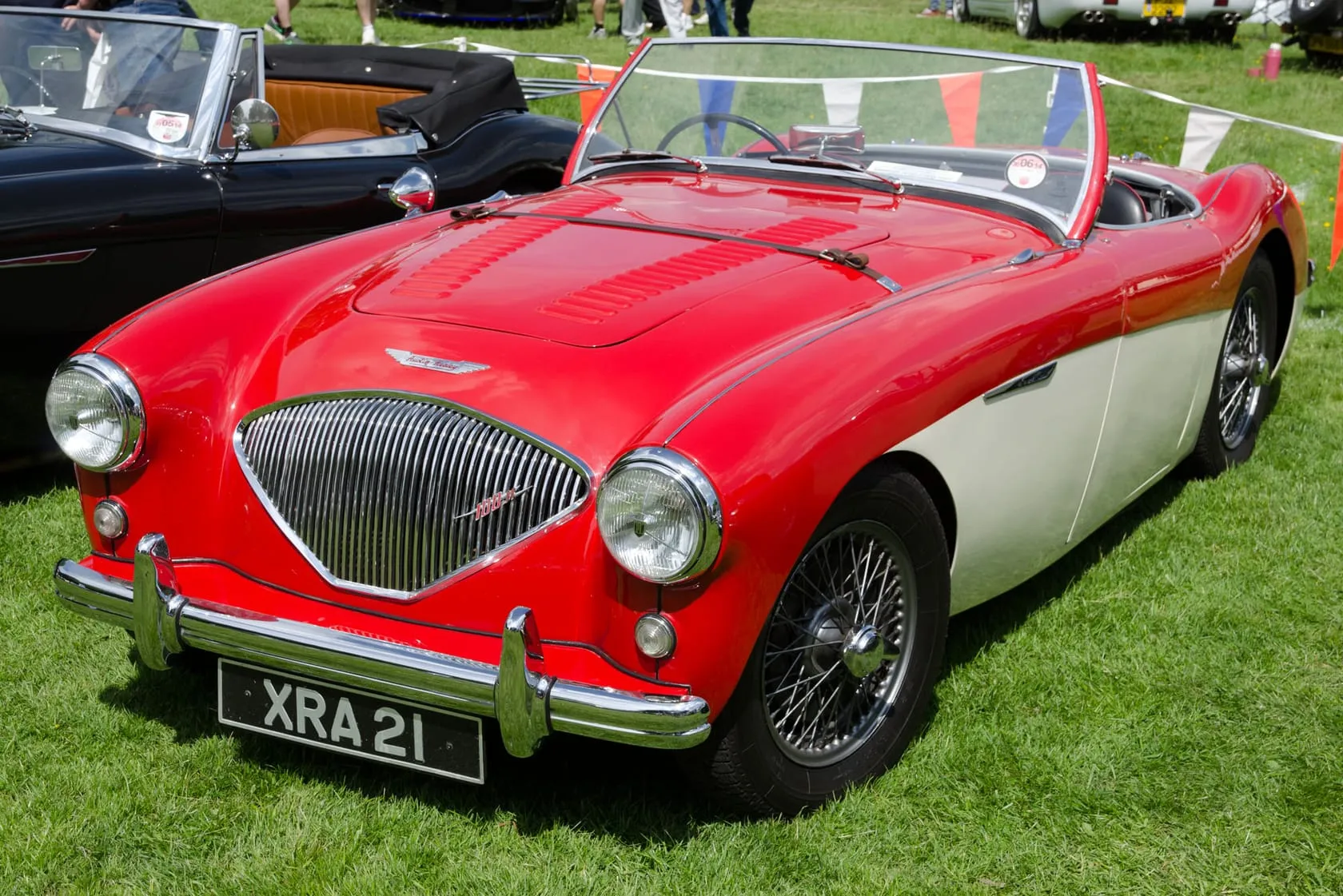
A factory 100M sells for more than double a standard car, and a 100S for half a million. Austin-Healey 100 prices across 618 recorded auction sales, what a BN1, a BN2 and a Le Mans car make, why the six-cylinder 100/6 is the cheapest Big Healey, and why the 100 has lost half its value in real terms since 2013.
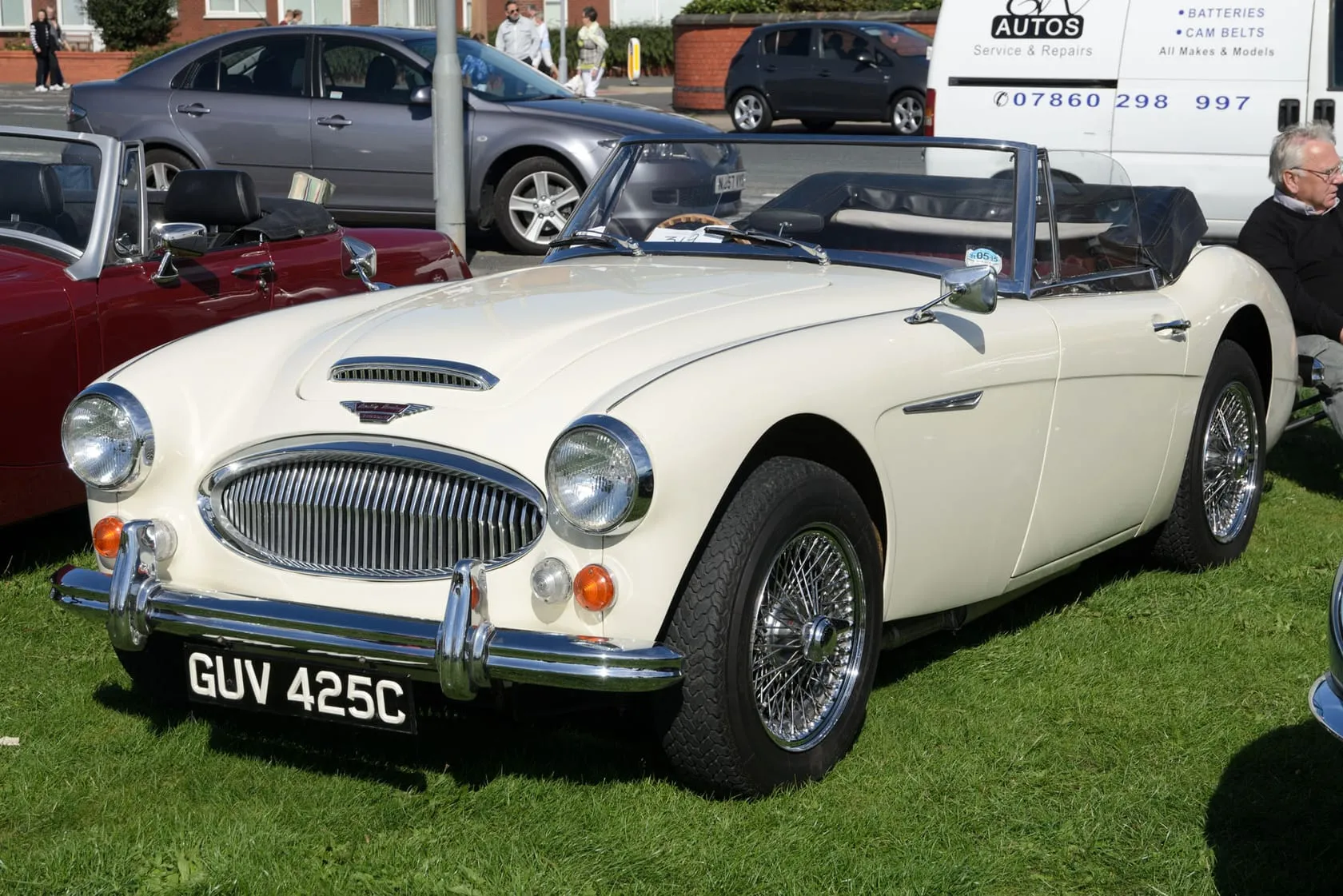
The Mk III BJ8 leads the table and the rare two-seaters beat it. Austin-Healey 3000 values from 1,184 recorded auction sales, what a works history is worth, what the chassis and the shut lines do to the price, and why the Big Healey has lost nearly half its value in real terms since 2013.
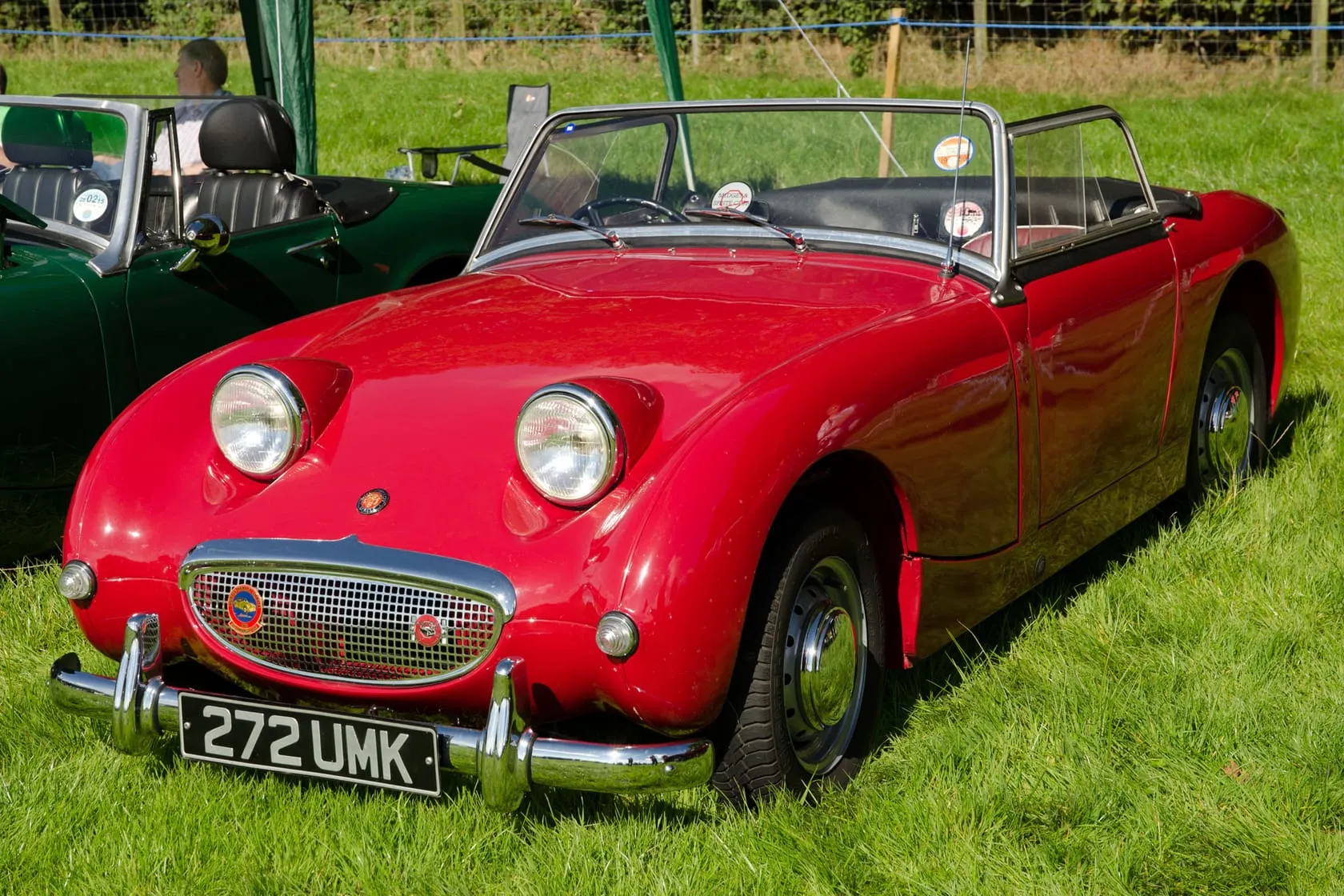
A Frogeye Mk I sells for more than double the Mk II, III and IV that followed. Sprite prices from 636 recorded auction sales, what a Sebring Sprite and its replicas make, how the Sprite compares with the MG Midget it shares everything with, and why Sprite values have fallen by a third in real terms since 2022.
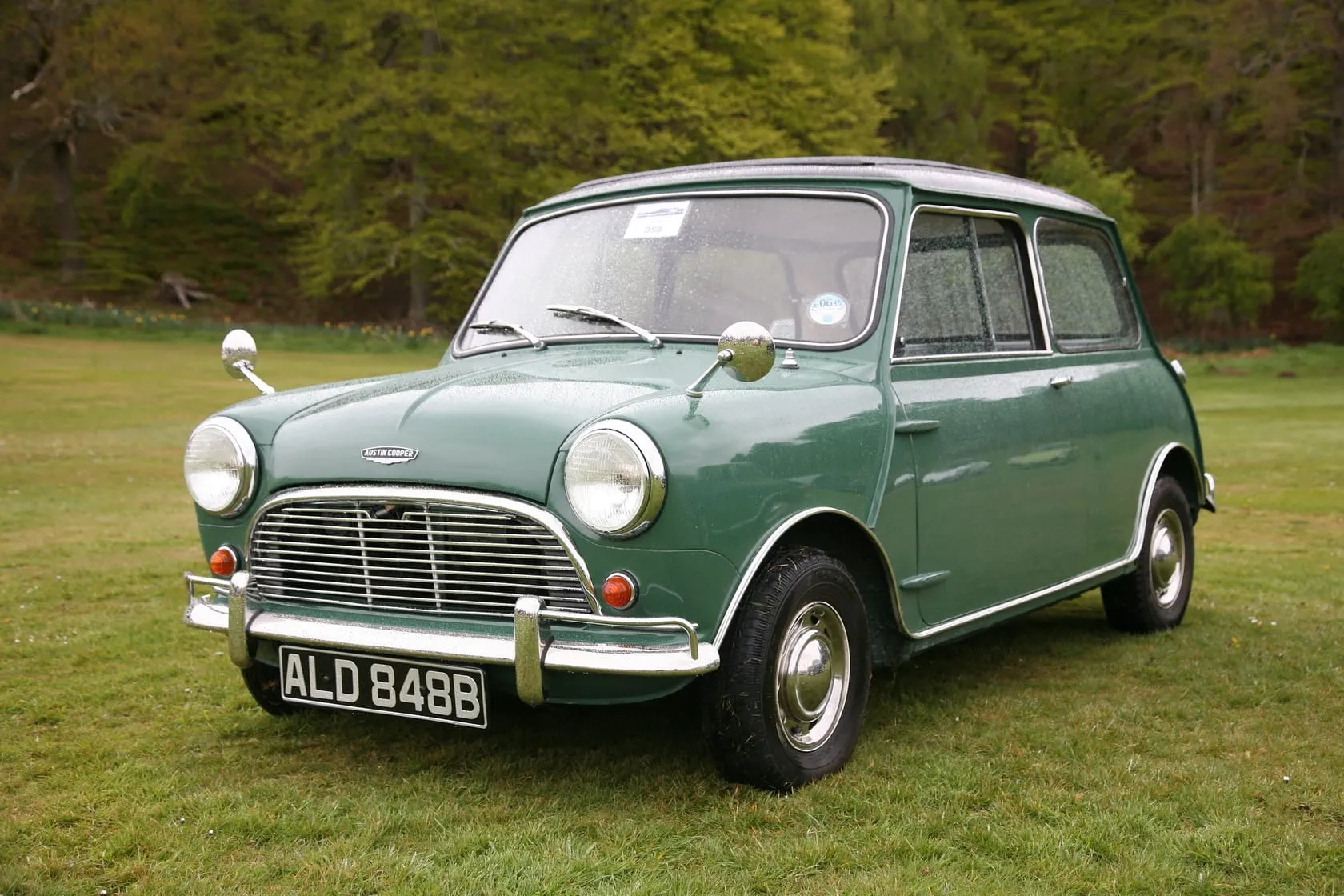
The median is a 1990s Rover Cooper price, not a 1960s car. Classic Mini Cooper values from 1,101 recorded auction sales, what a genuine 1960s Cooper S makes, the Mk I premium, what a replica sells for against the real thing, and why provenance matters more here than on any other small British car.
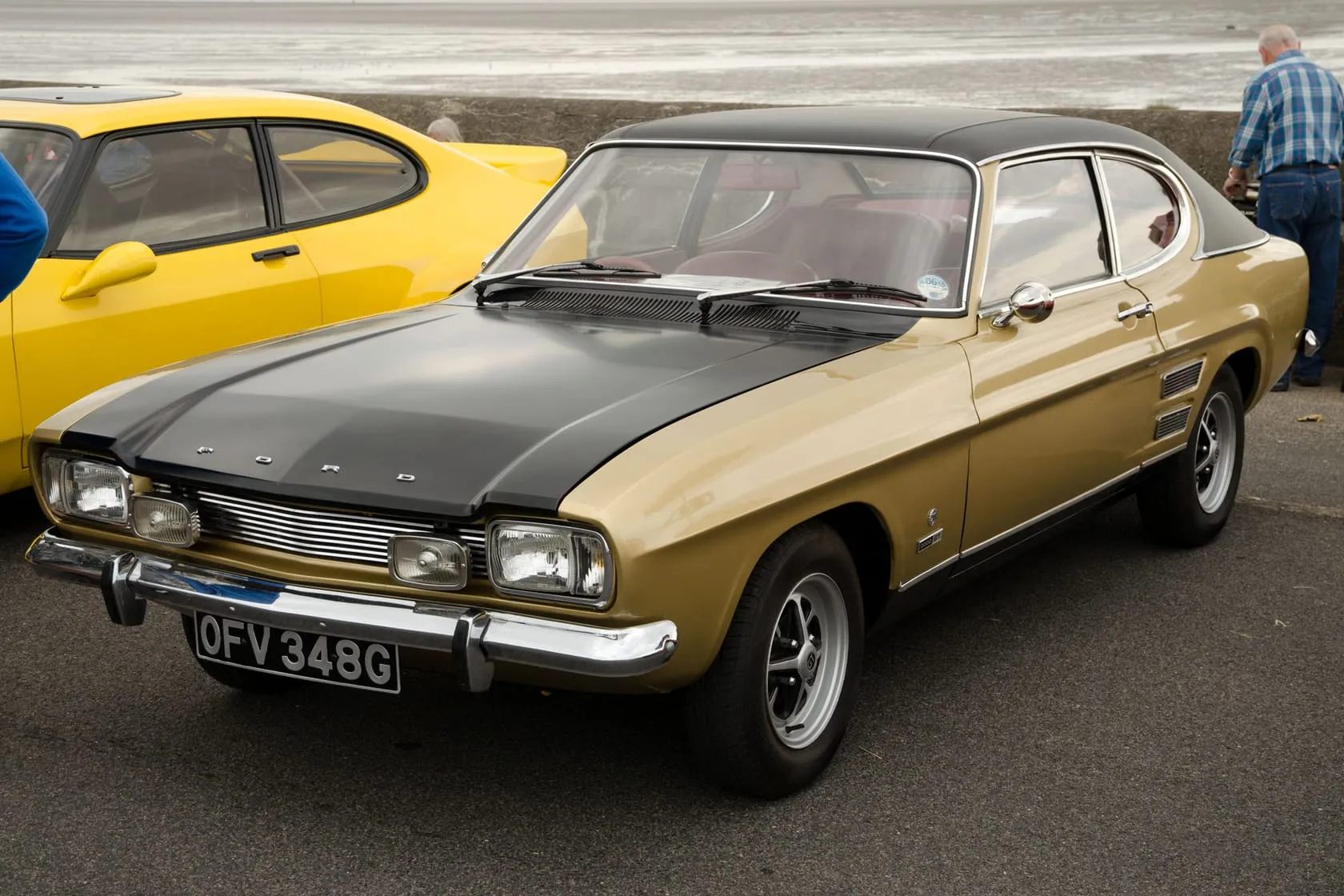
The 2.8 Injection, the 3.0 S and the 280 Brooklands sell for two to three times a four-cylinder car. Ford Capri prices from 566 recorded auction sales, what the Mk1 3000 and the RS3100 make, how the Capri compares with the Escort and Cortina, and why Capri values peaked in 2020.
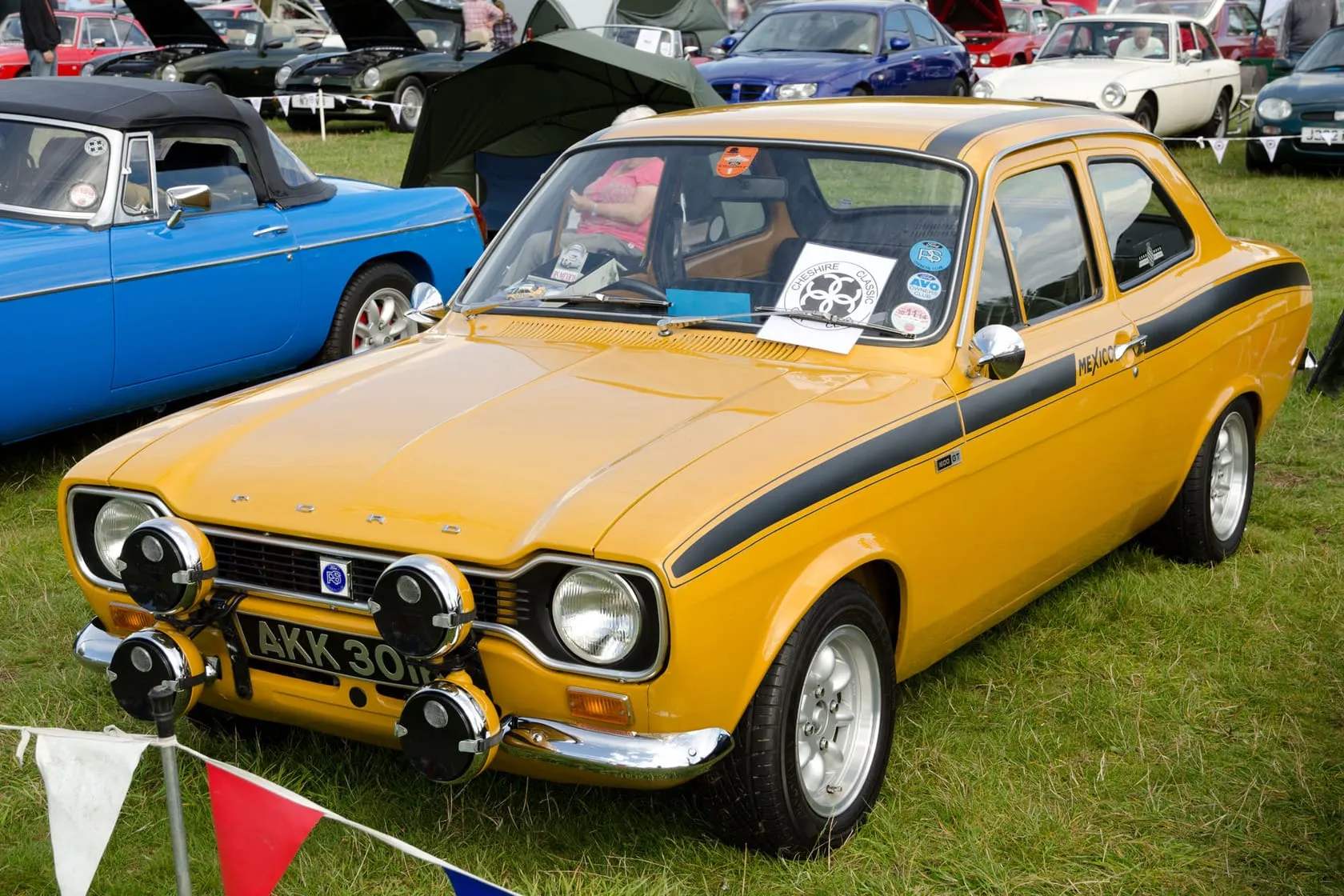
The family median means nothing across six generations. Ford Escort prices from 1,479 recorded auction sales, what the ordinary saloons, the Mk1 and Mk2 RS cars, the 1980s hot hatches and the RS Cosworth each make, what a genuine identity is worth against a replica, and why the figure swings from year to year.
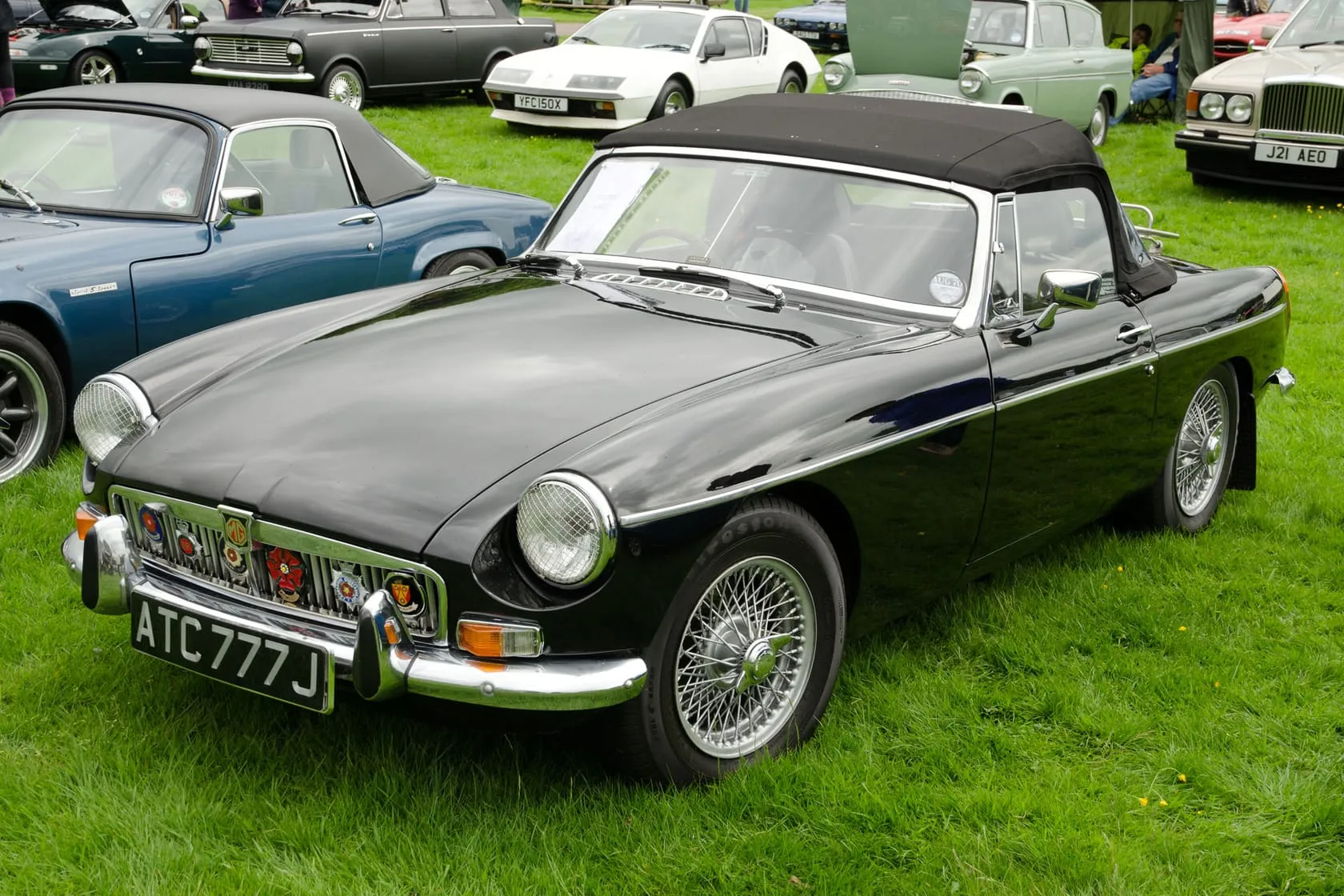
Chrome bumpers, a V8 conversion and a Heritage shell all move the number. MG MGB roadster prices from 1,831 recorded auction sales, the usual range, what each of those is worth in figures, and why the typical MGB has got cheaper in real terms since 2020.
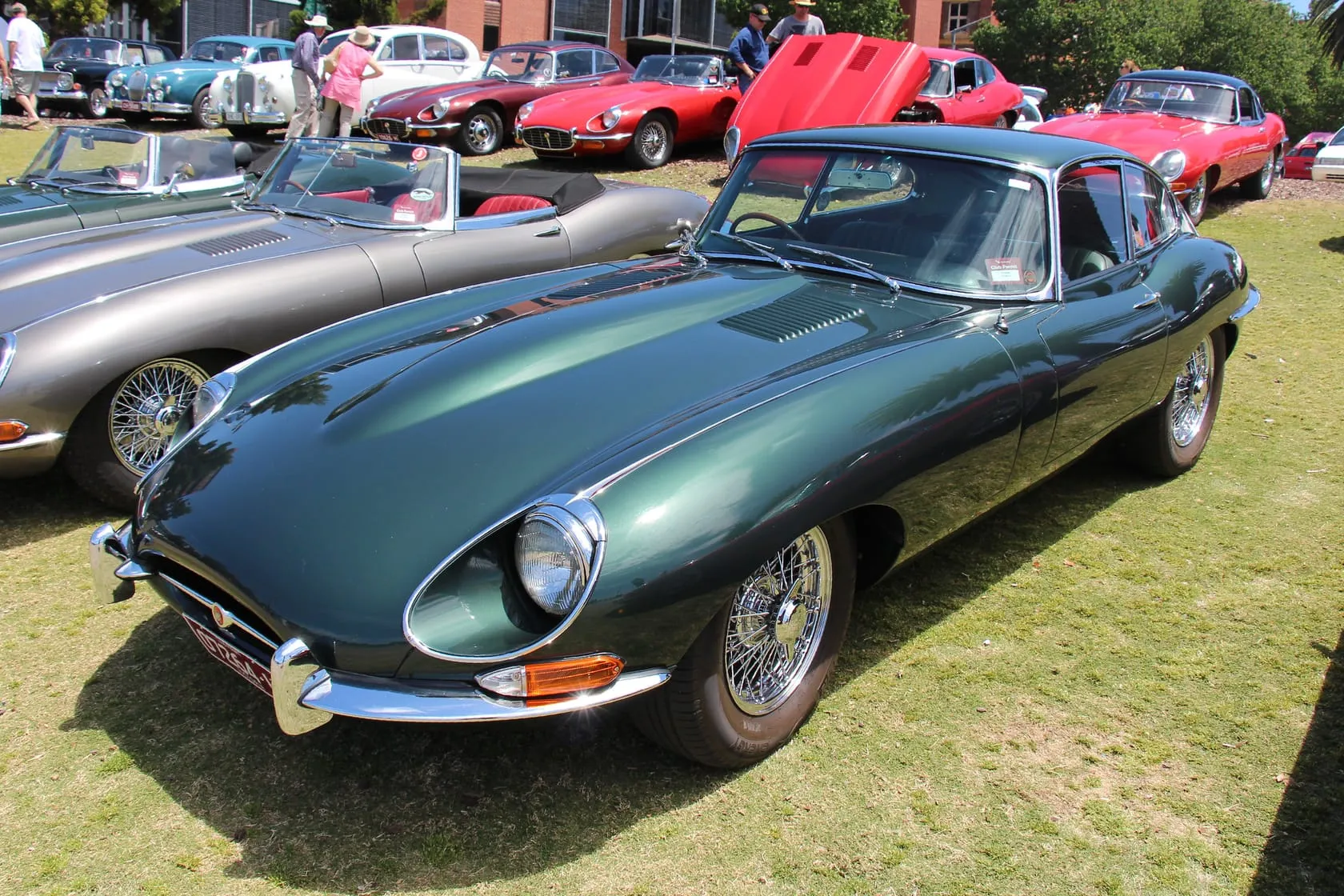
One order never changes, roadster over coupe over 2+2 and Series 1 over everything. Jaguar E-Type prices from 4,029 recorded auction sales, what a right-hand-drive car or a restoration does to the value, and why the E-Type is cheaper in real terms now than in 2010.
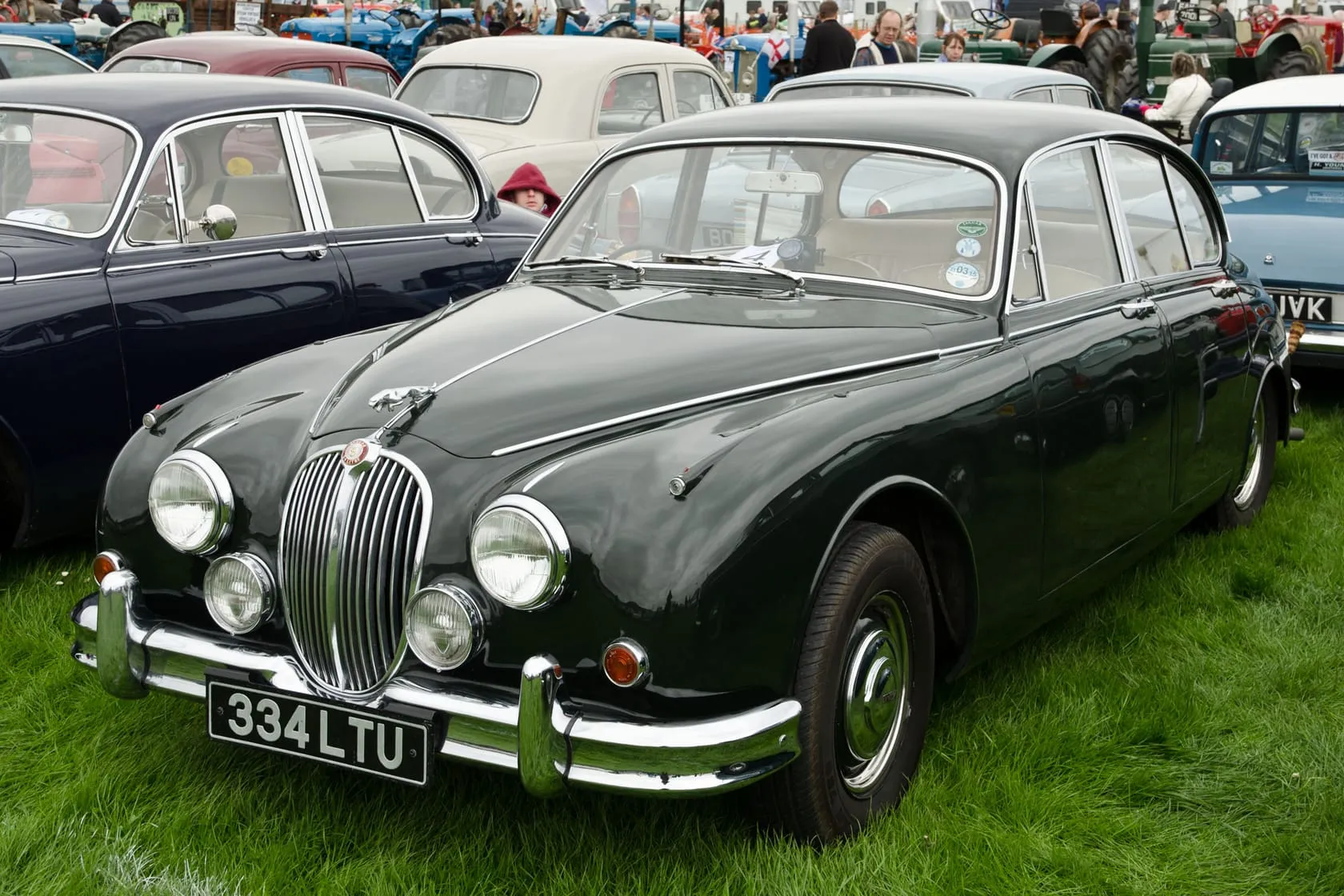
The 3.8 premium is a quarter, not double. Jaguar Mk2 prices from 867 recorded auction sales, what the 3.4 and 2.4 make, what the Coombs cars and the Vicarage and Beacham restomods sell for, and why the Mk2 is cheaper in real terms than it was fifteen years ago.
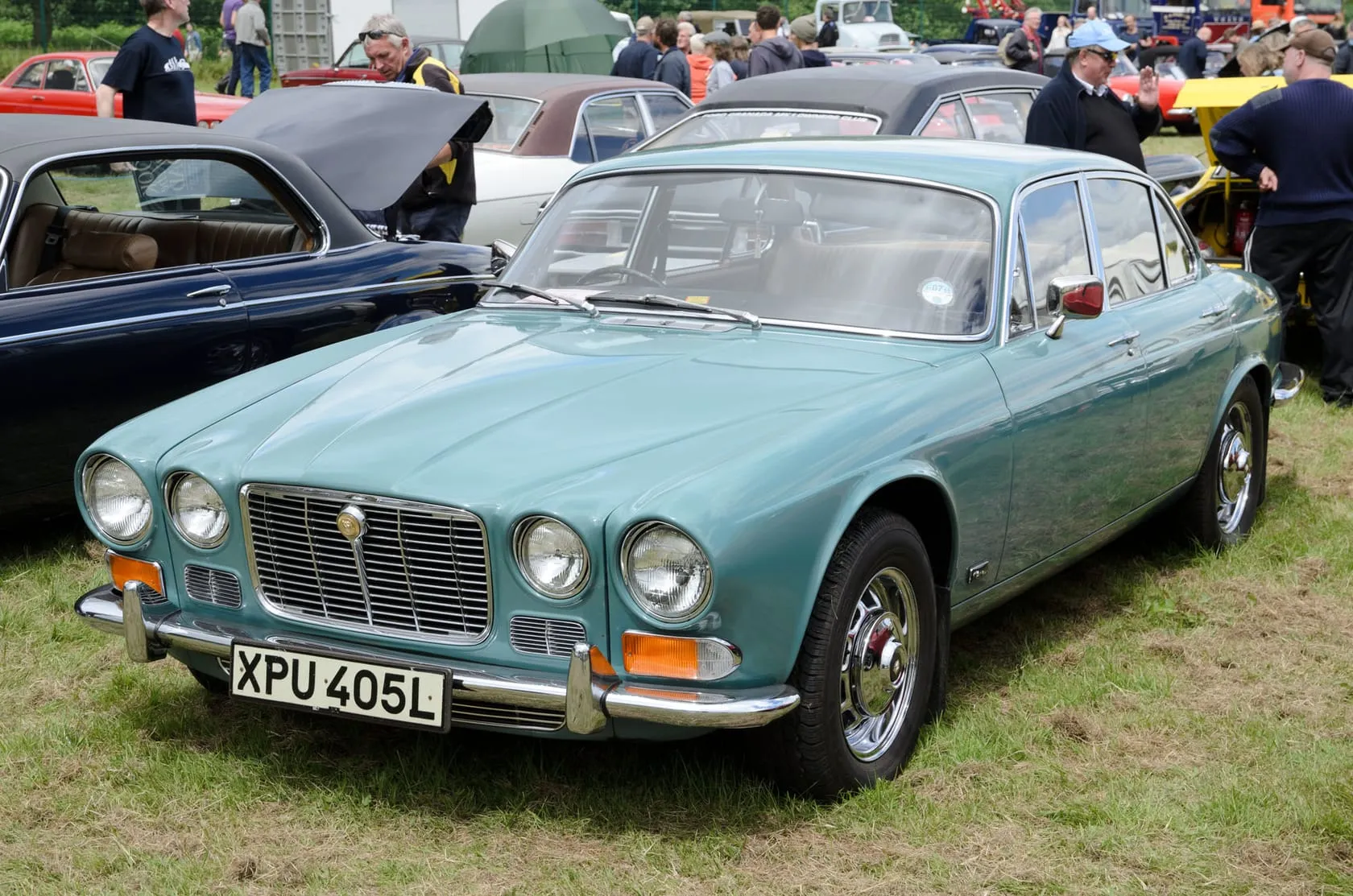
A sound Jaguar XJ saloon costs less than a Mini. Prices from 1,818 recorded auction sales across the 1968 to 2009 line, what an XJ6, XJ8, XJR, XJ12 and XJ-C each make, and why the family has lost half its money in real terms since 2022.
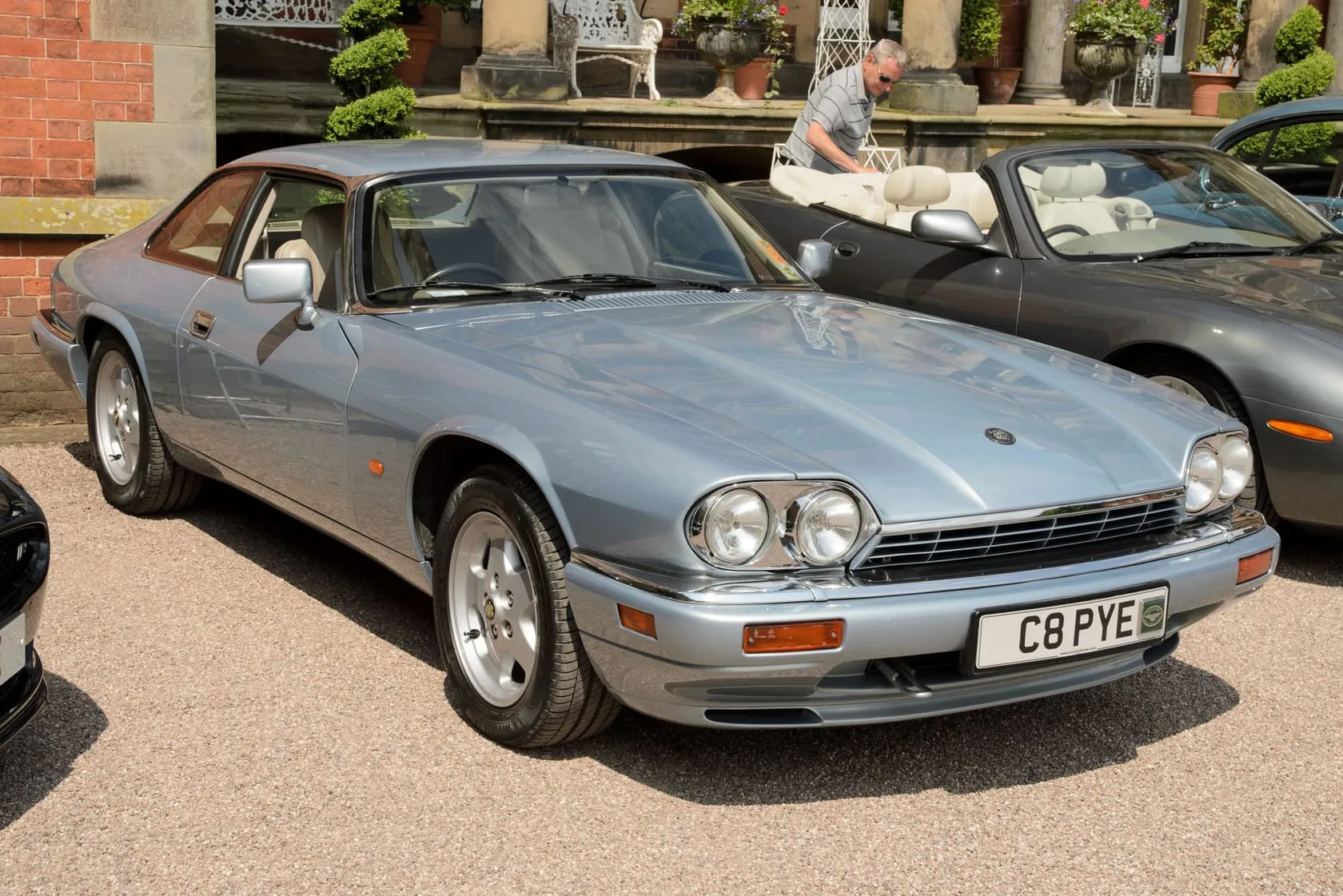
Cheaper in real terms than it was twenty years ago. Jaguar XJS values from 1,921 recorded auction sales, the convertible and V12 premiums, the run-out Celebration and the Lynx Eventer at the top, and what rust and a V12 plumbing job do to the price.
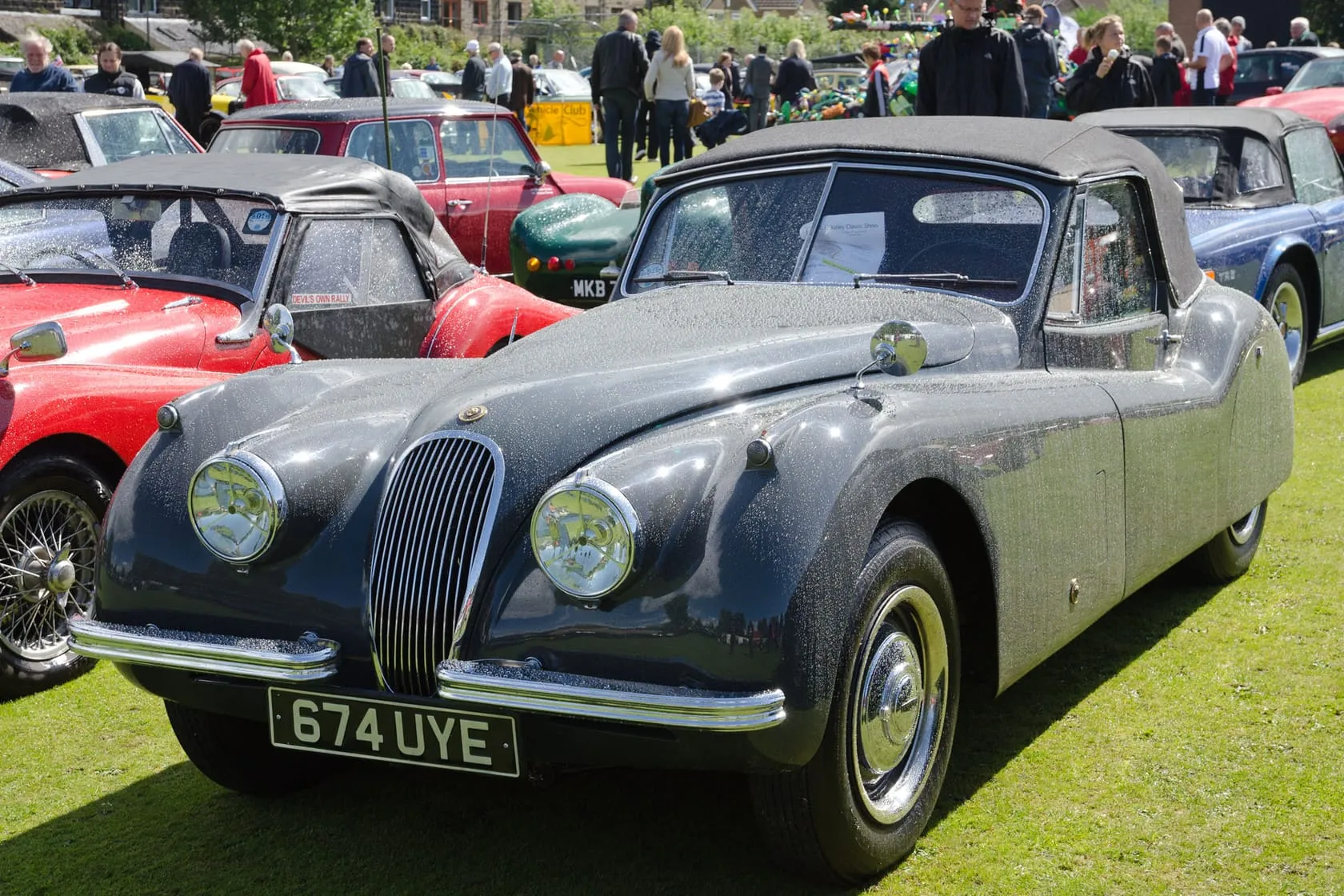
The 240 aluminium-bodied roadsters sell for nearly three times a steel car. Jaguar XK120 prices from 802 recorded auction sales, the roadster, drophead and fixed-head order, what competition history is worth, and why the XK120 has lost half its value in real terms since 2017.
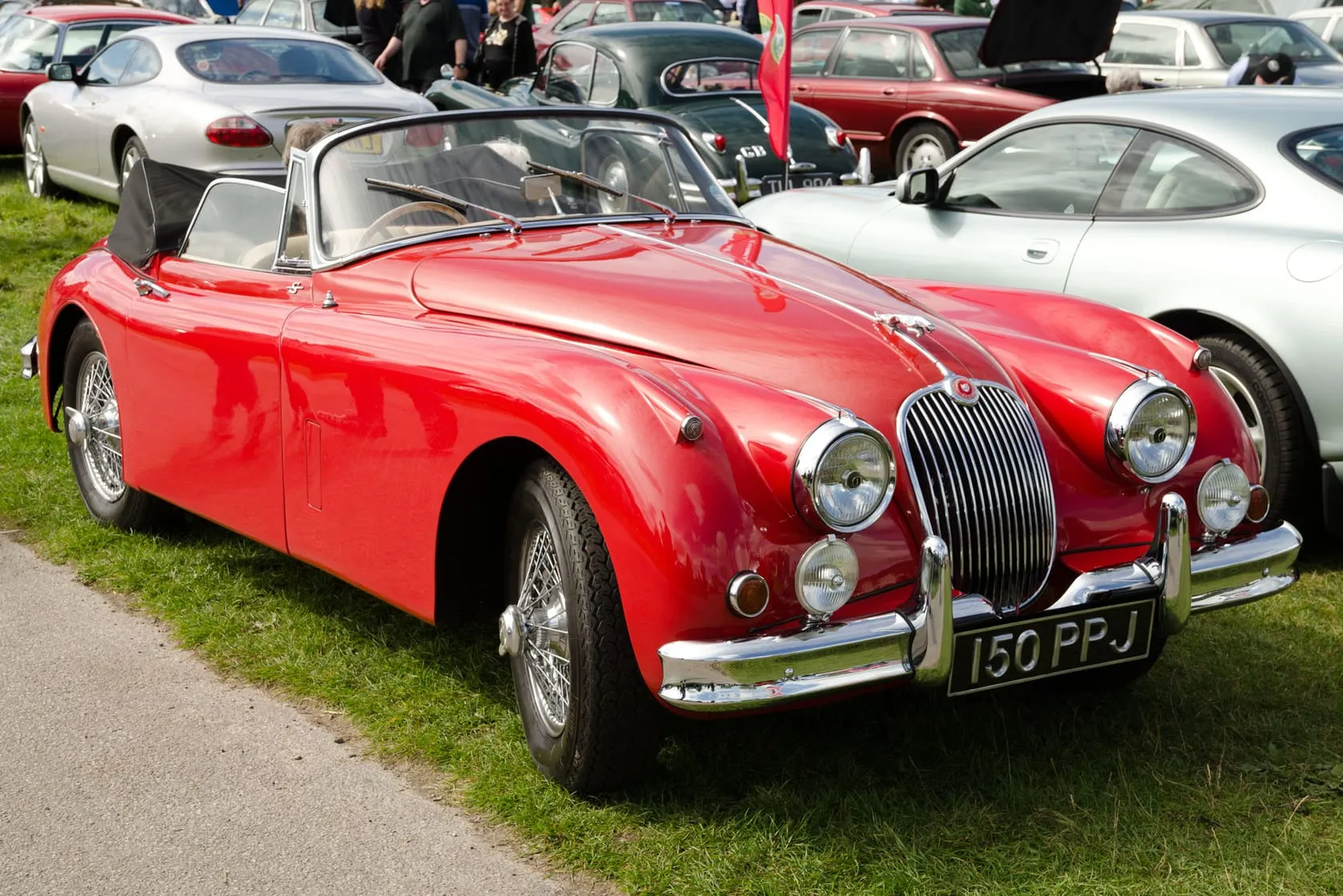
A 3.4 S roadster sells for two and a half times a 3.4 fixed-head. Jaguar XK150 prices from 628 recorded auction sales, what the 3.8 and the S badge add by body, how the XK150 compares with the XK120 and XK140, and why it has lost more than half its value in real terms since 2019.
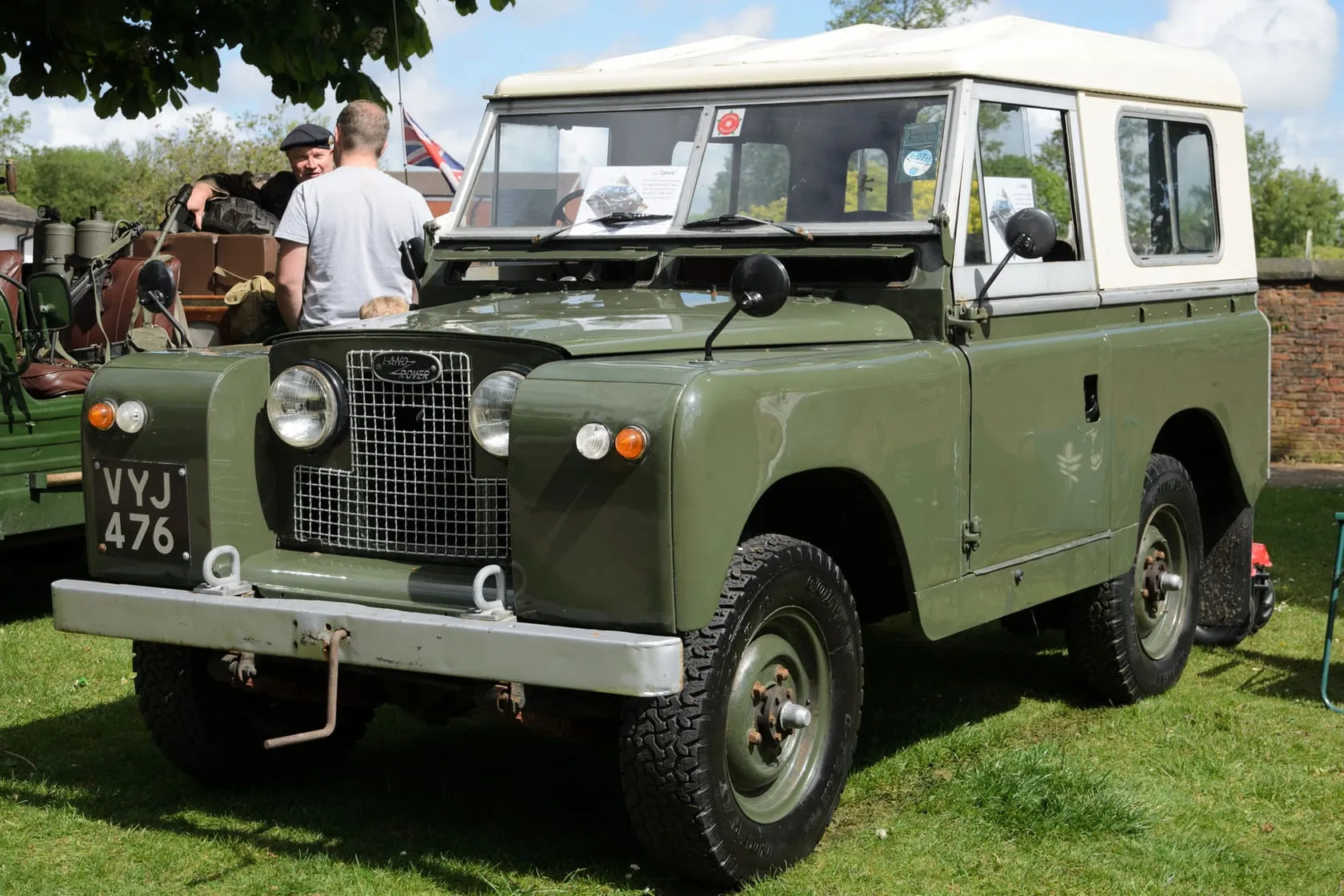
The IIA sells for more than the II, and the 109 for no more than the 88. Land Rover Series II and IIA values across 747 recorded auction sales, what station wagons, early cars and unrestored ones make, where the American bidders have taken the top of the market, and why the Series II has lost half its value in real terms since 2021.
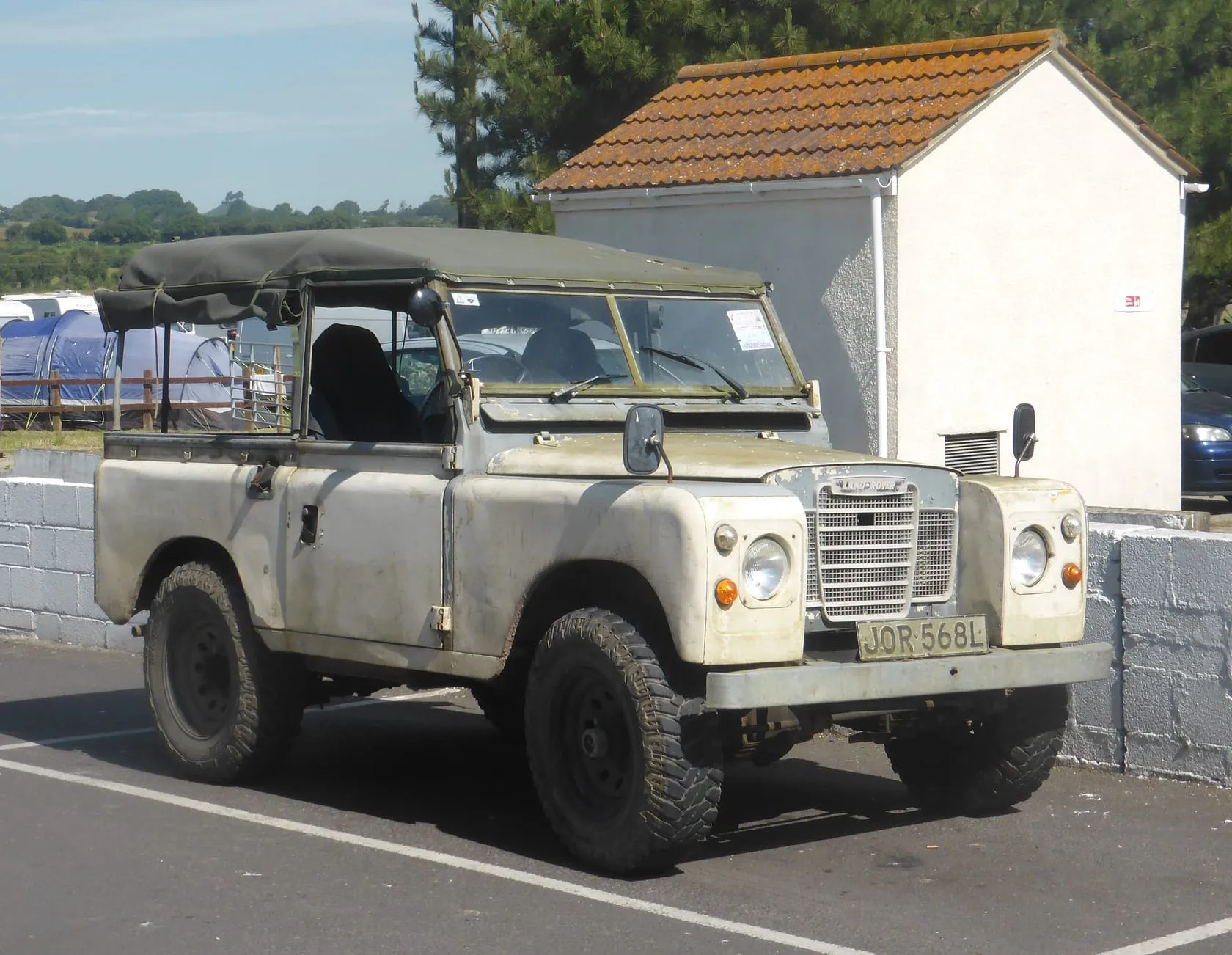
The most numerous Land Rover priced from 615 recorded auction sales. The median and the usual range, why the 88 and the 109 sell for the same money, what station wagons, the Stage 1 V8 and the ex-military cars make, how the Series III compares with the Series II and the Defender, and why the most numerous Land Rover rose latest and has fallen by a third in real terms since 2022.
Fifteen years standing still in cash is two-fifths gone in real terms. Lotus Elan prices from 498 recorded auction sales, why the Sprint sells for a third more than the earlier two-seaters and the +2 for a third less, what a 26R racer and the Emma Peel car made, and where the front-drive M100 sits.
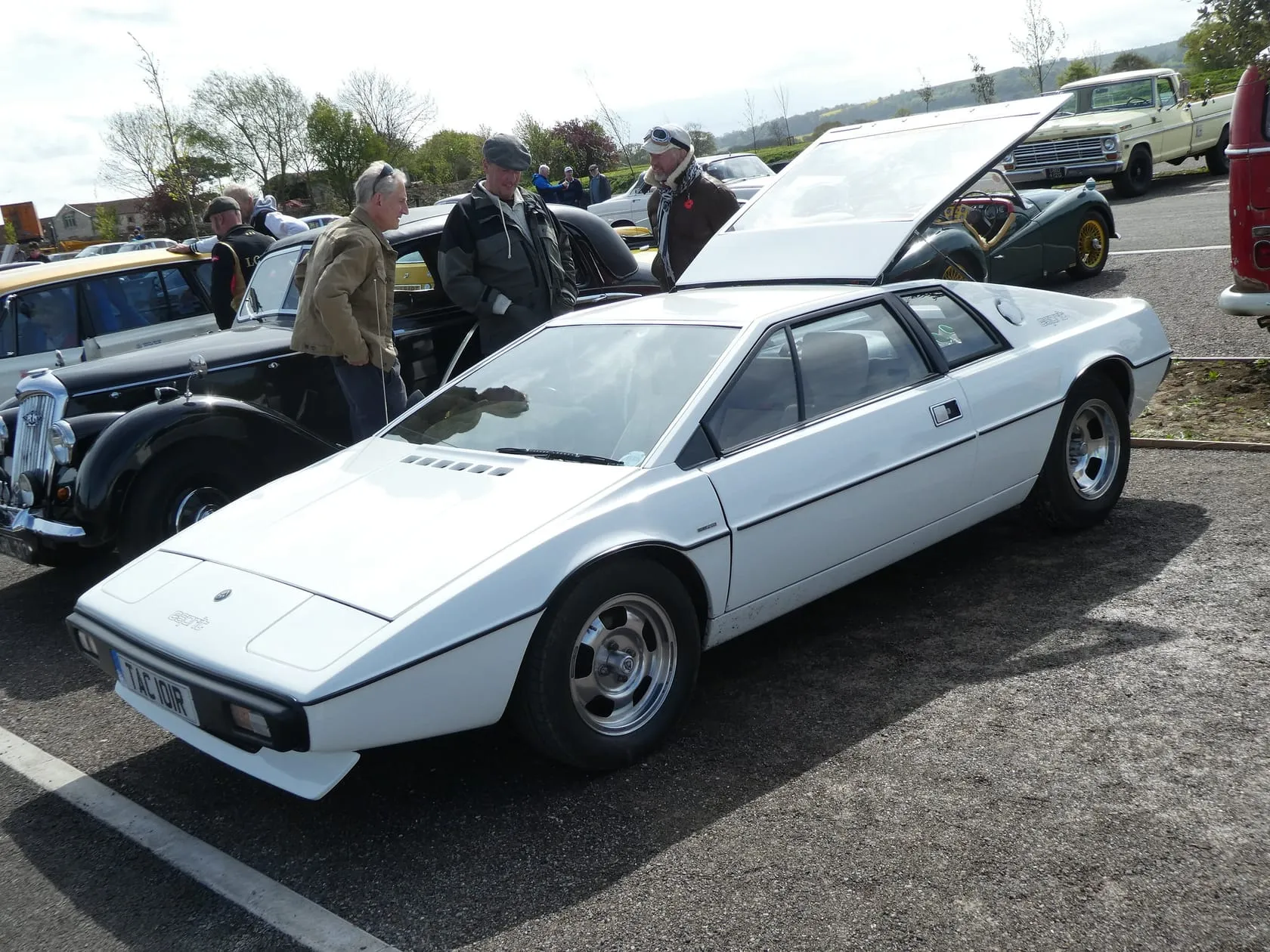
The one British classic here that has doubled in real terms since 2014. Lotus Esprit values from 507 recorded auction sales, why the S4 V8 leads the table and the Stevens-era X180 sits at the bottom, what a Giugiaro S1 makes against an S2 and an S3 Turbo, and what the JPS, the Final Edition and the Bond cars have done.
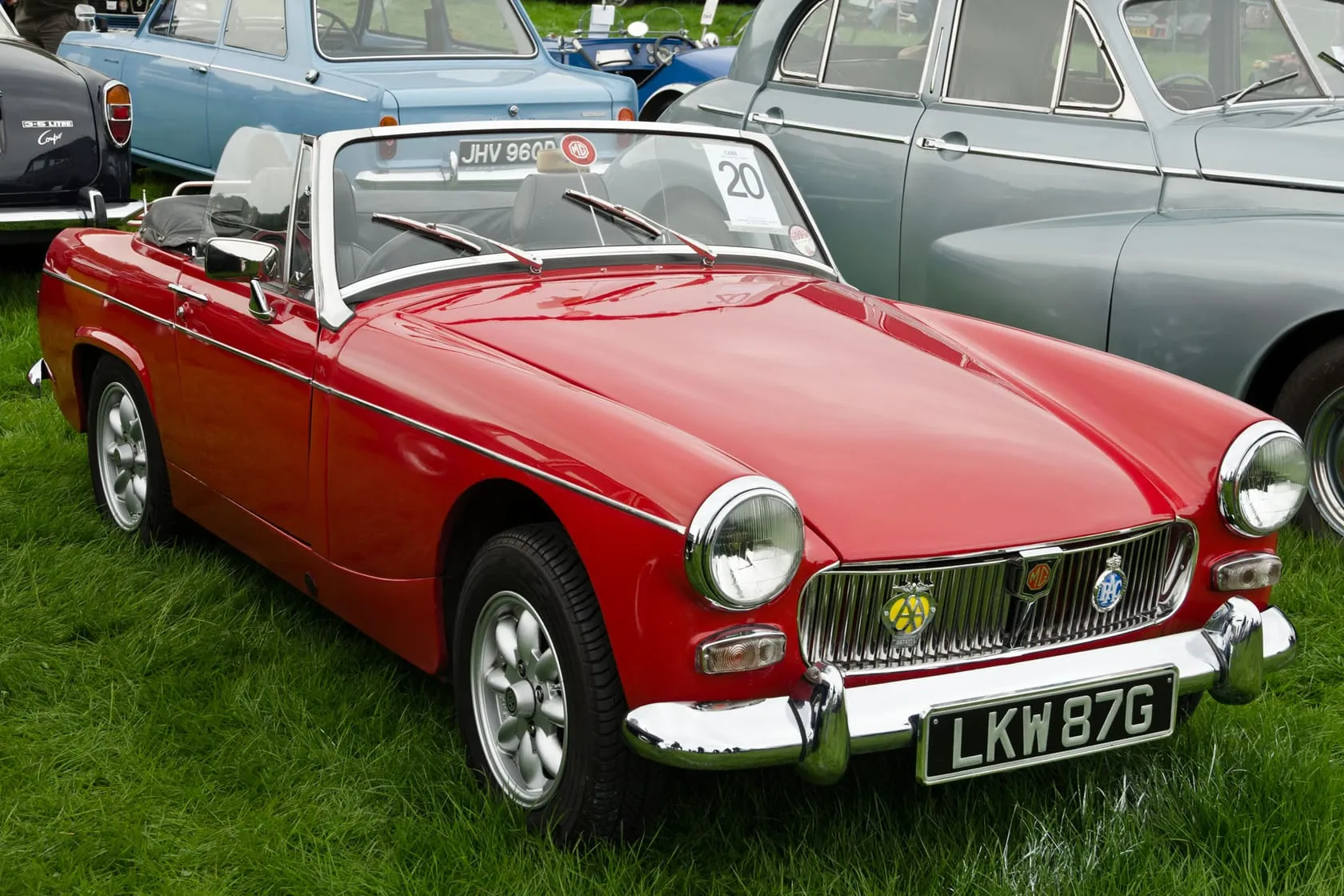
The chrome-bumper Mk III sells for more than the rubber-bumper 1500, and the early cars more still. MG Midget values from 693 recorded auction sales, what the Sprite badge does to the same car, what moves a Midget price, and why it is cheaper in real terms today than in 2014.
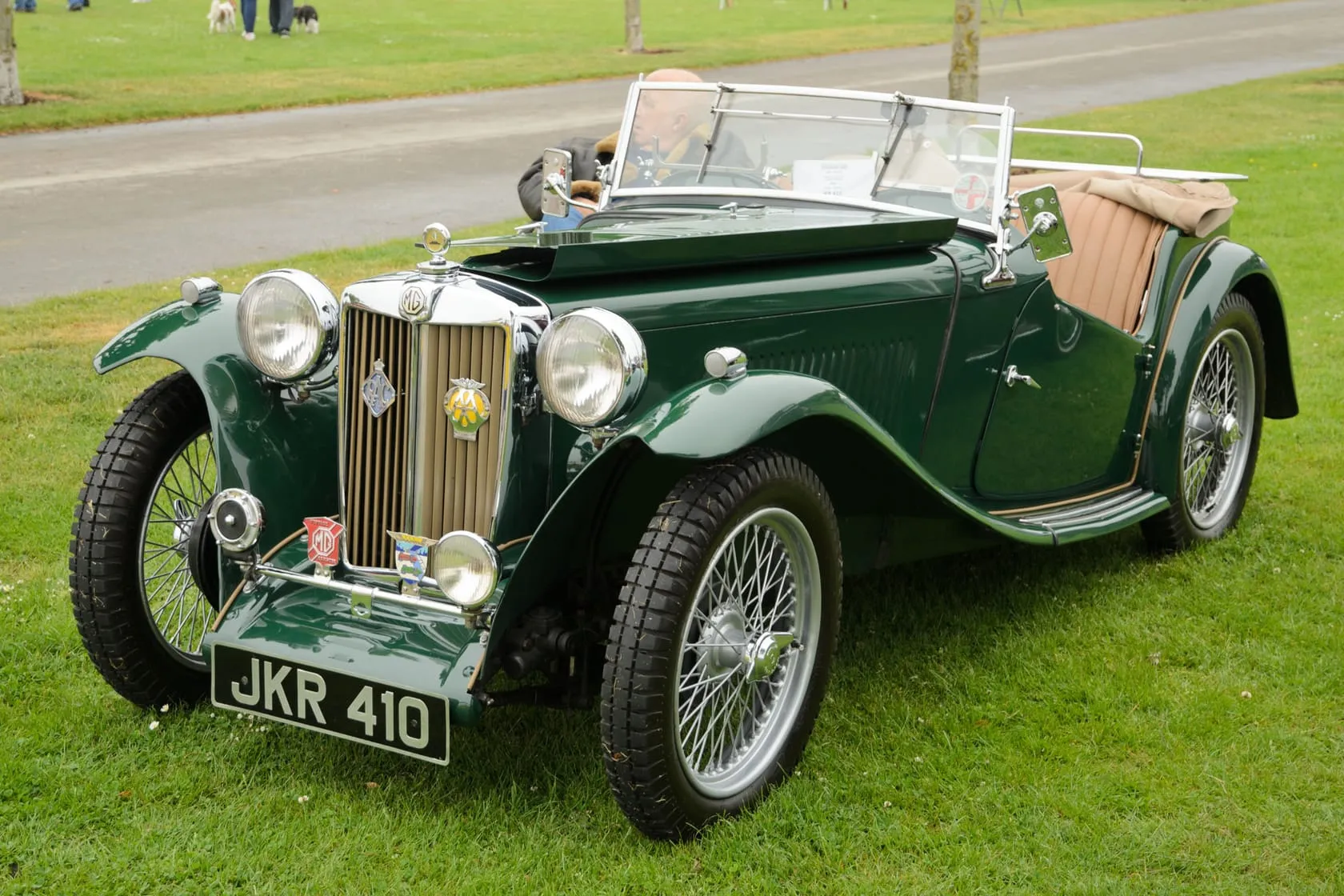
Three letters set the price order, TC above TF above TD. MG T-type values across 1,451 recorded auction sales, what the pre-war TA and TB and the Tickford dropheads make, what the ash frame does to the figure, and why the T-Series has lost half its worth in real terms since 2016.
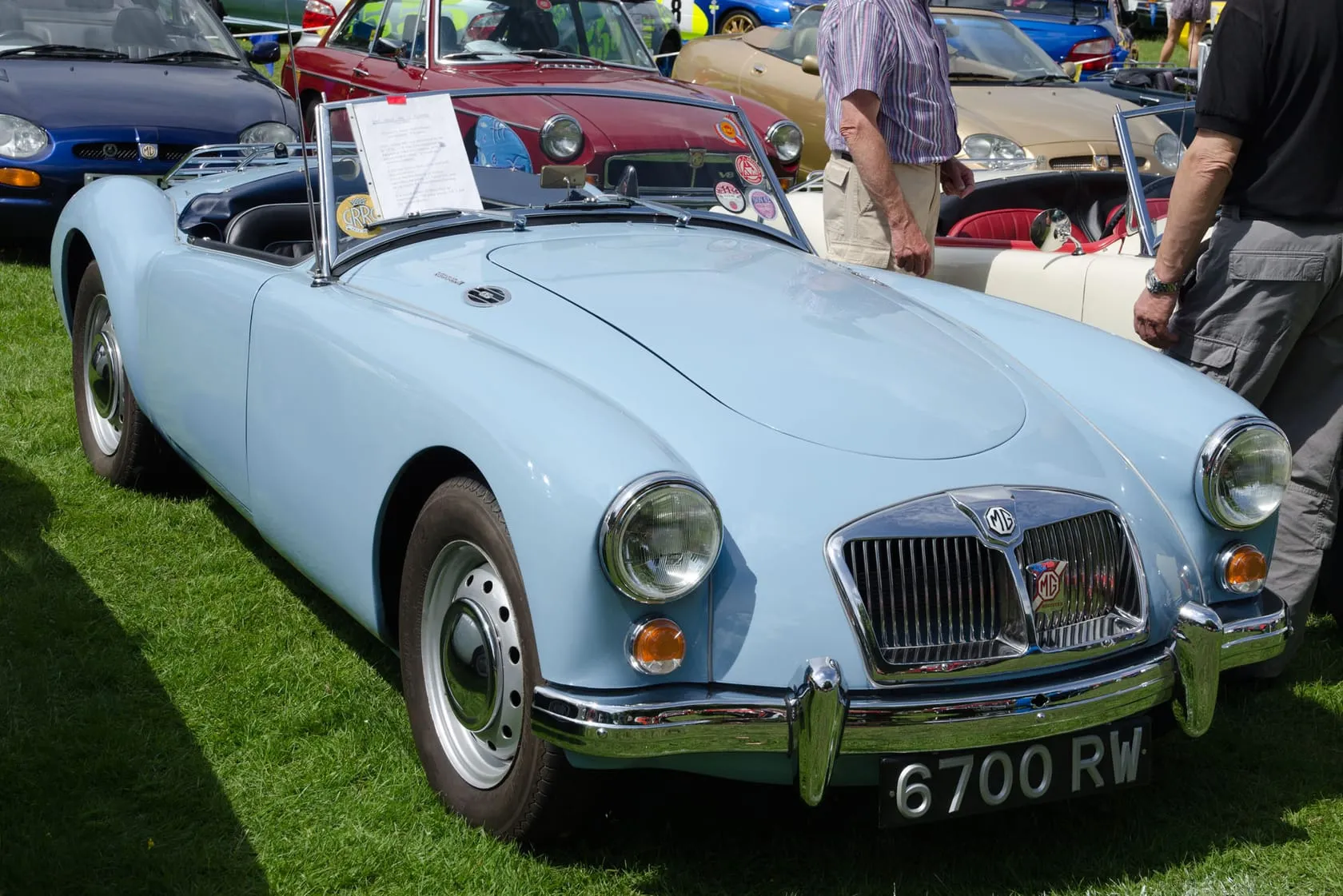
The 1500, 1600 and Mk II sell for almost the same money. MGA prices across 890 recorded auction sales, what the Twin Cam makes, the coupe discount, what a right-hand-drive car is worth in a record dominated by exports, and why MGA values have halved in real terms since 2016.
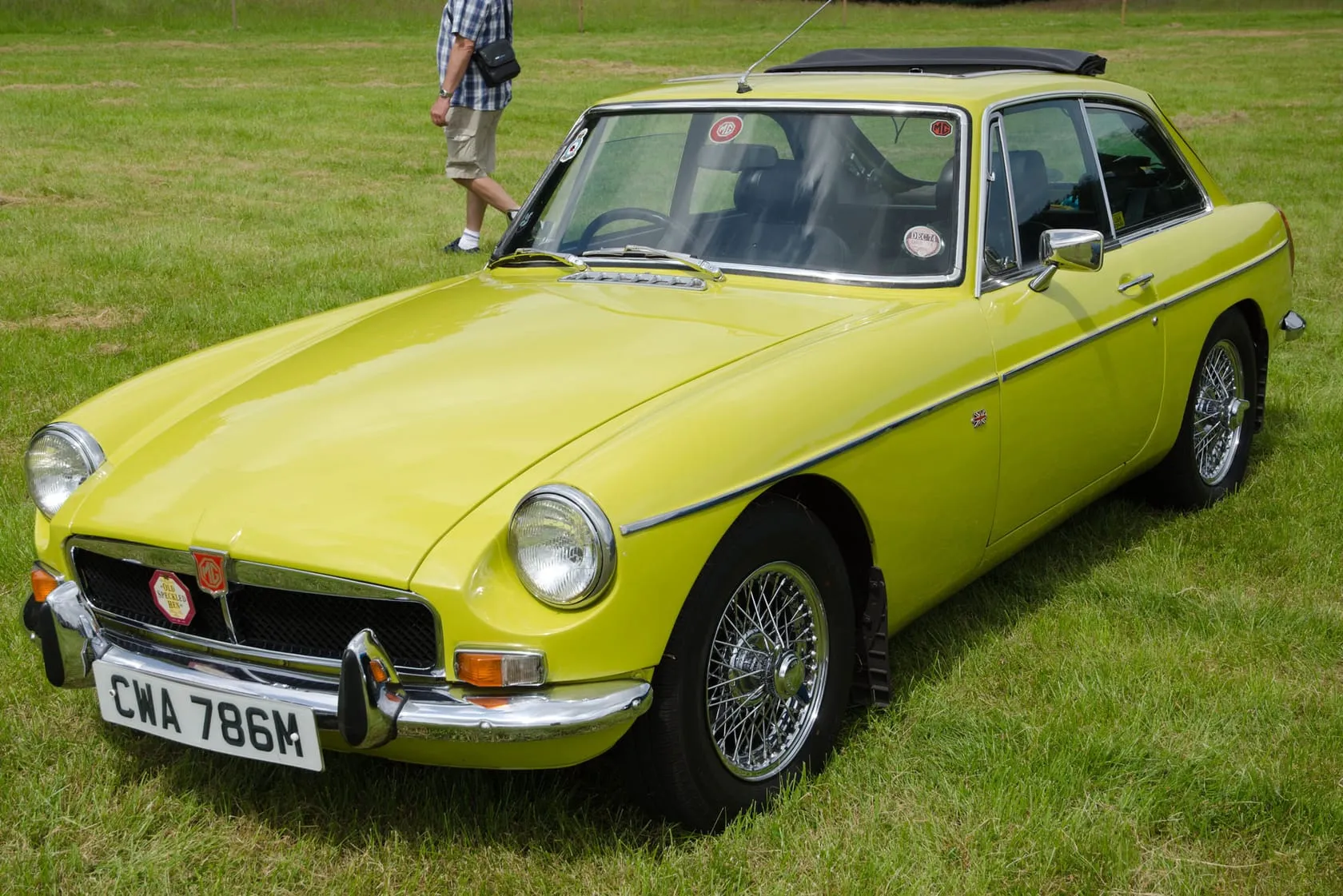
The cheapest sound classic sports car money can buy. MGB GT values from 992 recorded auction sales, why the coupe sells for a quarter less than the roadster, what the GT V8 makes, and why the Jubilee and Limited Edition carry no premium at all.
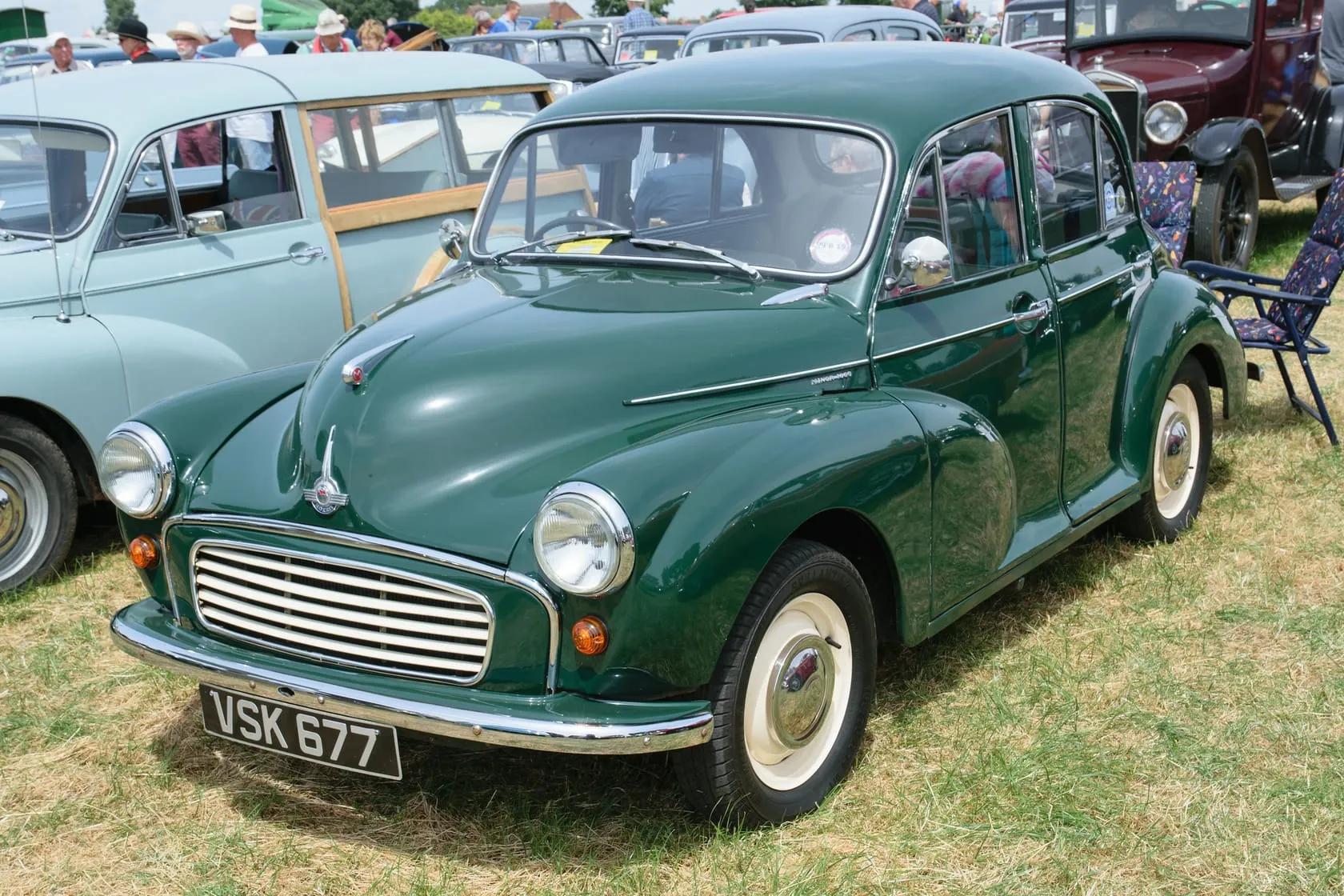
The one classic whose value has hardly moved in twenty years. Morris Minor prices across 948 recorded auction sales, why a Traveller sells for double a saloon, what the convertibles and the Minor Million make, and what the sills and the wood do to the figure.
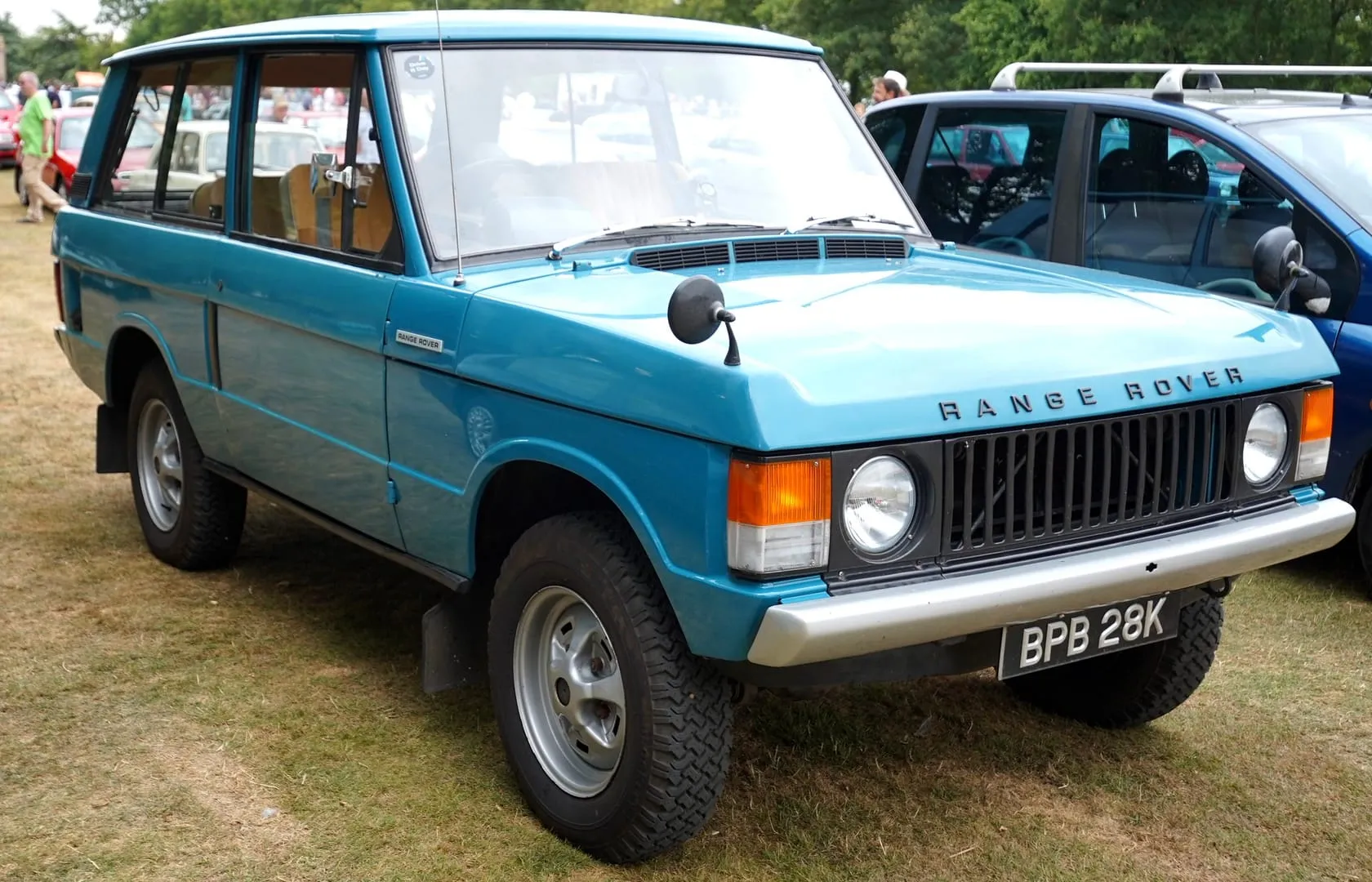
The 1970s two-door Suffix cars sell for double the late Vogues. Range Rover Classic prices from 987 recorded auction sales, what the American-market County cars make, what the chassis and the tailgate do to the value, and why the market has eased since its 2021 peak.
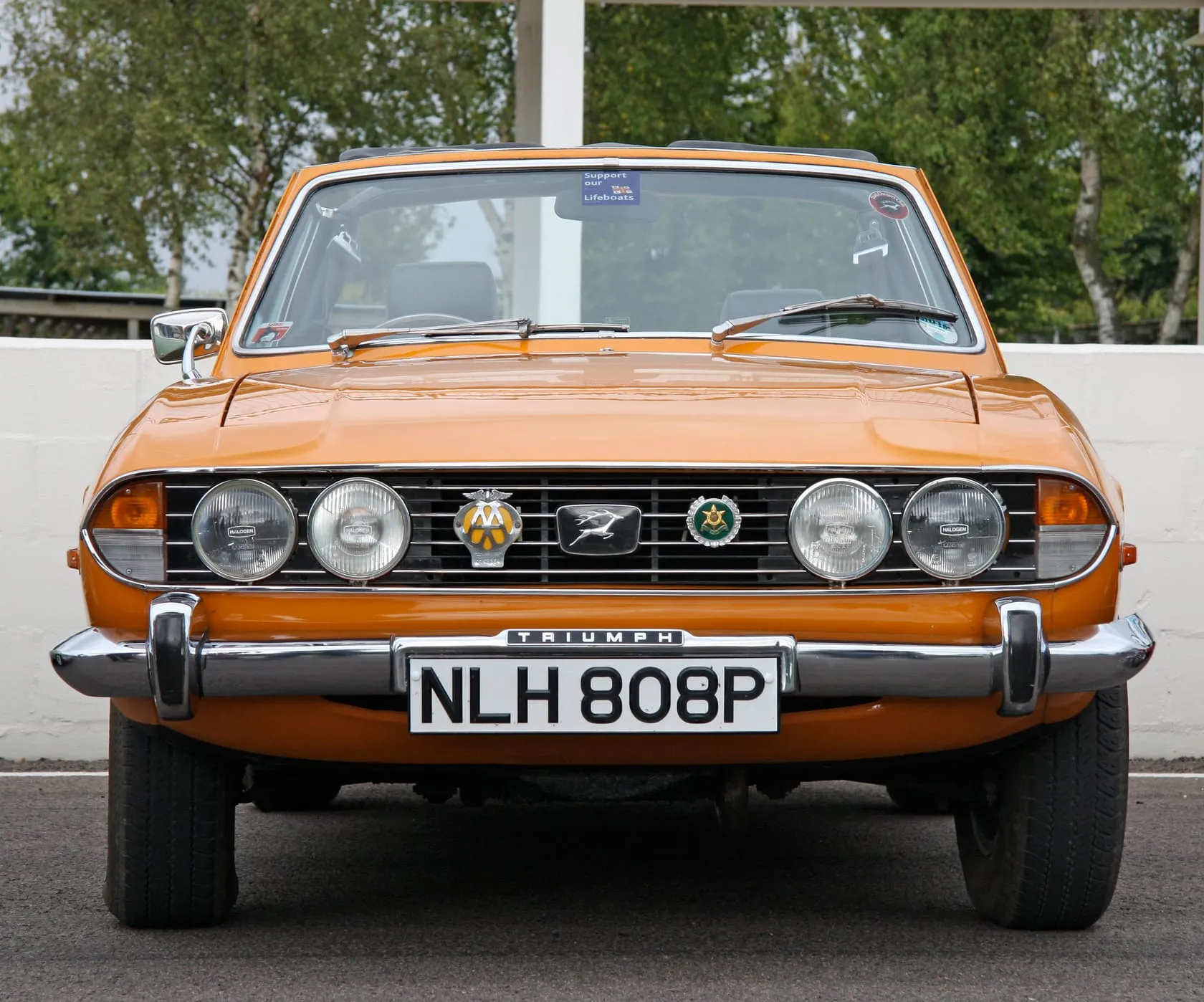
An original Triumph V8 against a Rover engine swap is the question this record answers. Triumph Stag prices from 530 recorded auction sales, why the Mk2 sells above the Mk1 and a manual no more than an automatic, what the hardtop and the history add, and why the Stag has lost nearly half its value in real terms since 2018.
The late TR3B sells for more than the TR3A, and the early small-mouth car for a little less. Triumph TR3 values across 490 recorded auction sales, what the works cars made, how the TR3 compares with the TR2, TR4 and MGA, and why it is cheaper in real terms than it was fifteen years ago.
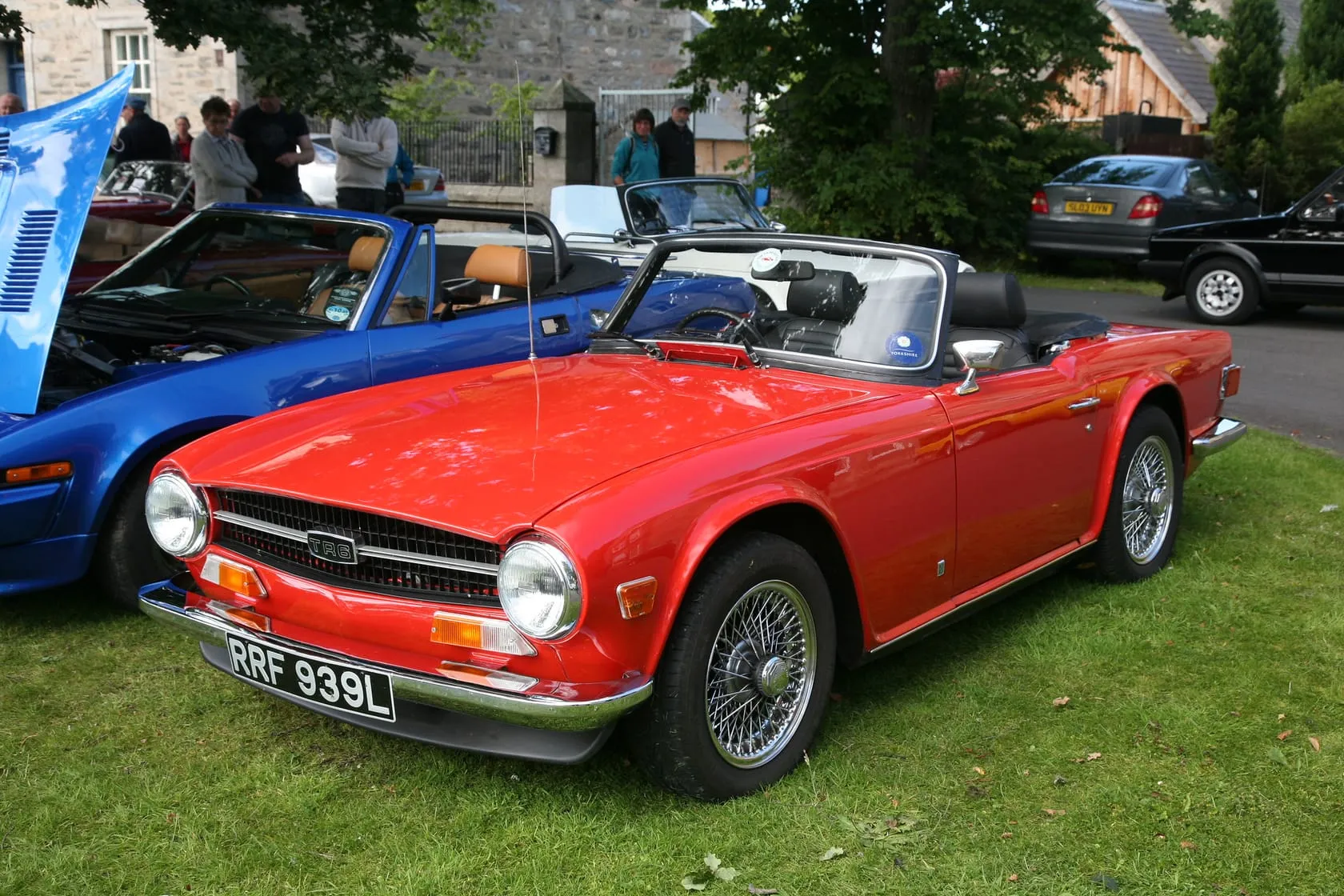
A home-market fuel-injection car sells above the American carburettor cars that dominate the record. Triumph TR6 values from 1,280 recorded auction sales, what the chassis and the Lucas system do to the price, and why the TR6 has given back a third of its pandemic gains.
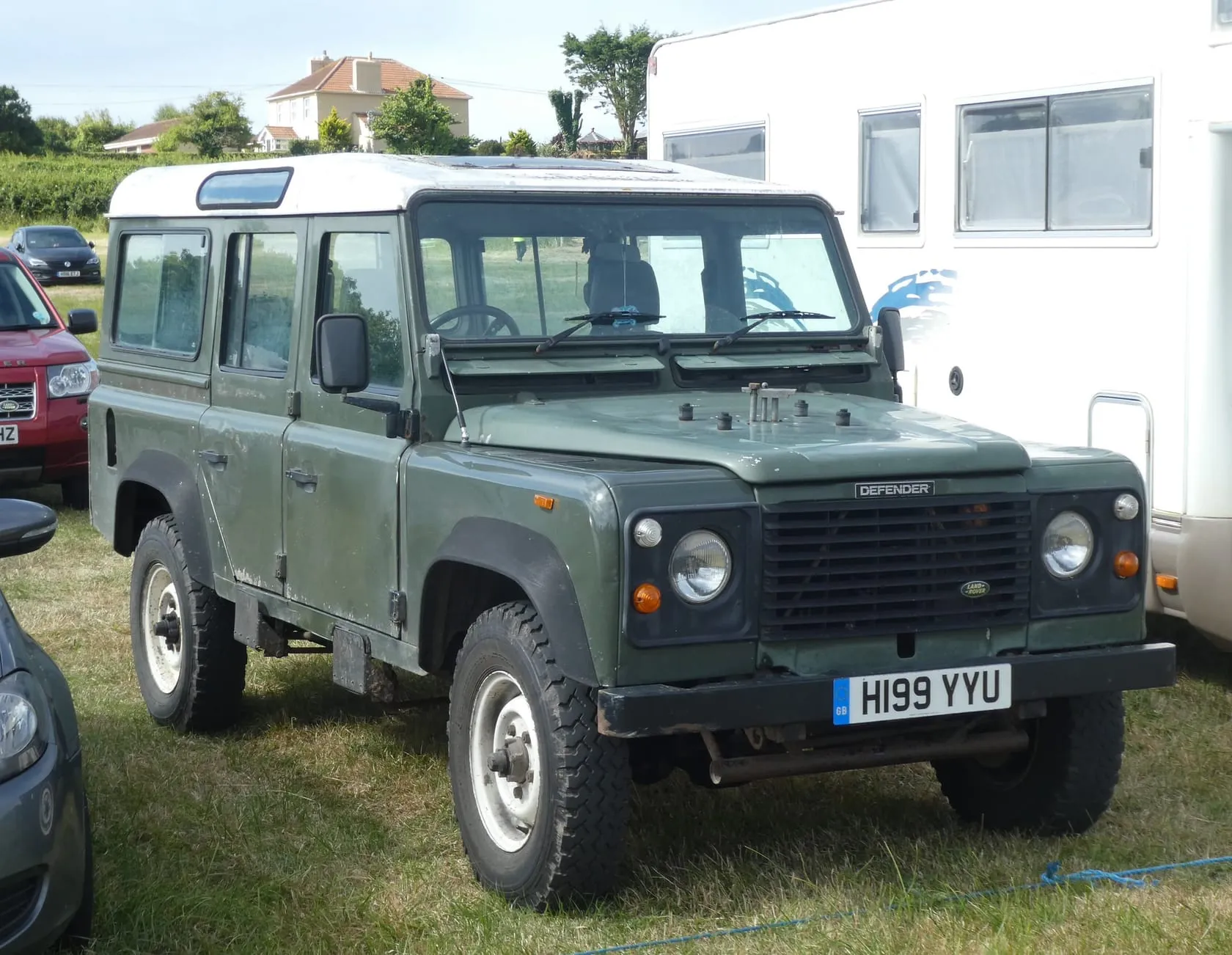
The 110 sells for £12,000 more than the 90, and a 1990s Tdi for more than a later Td5. Classic Land Rover Defender prices from 3,557 recorded auction sales, the American premium, what a galvanised chassis is worth, and why the median has fallen by a third in real terms since the pandemic.
Guides & explainers
9 guides The records held by British cars, with the verified numbers behind each one. The smallest production car ever made, the fastest, the longest-lived and the most expensive at auction.
Britain's best-selling cars ranked by the real production and sales figures, from the Mini's 5.38 million down, with the awkward Ford question answered along the way.
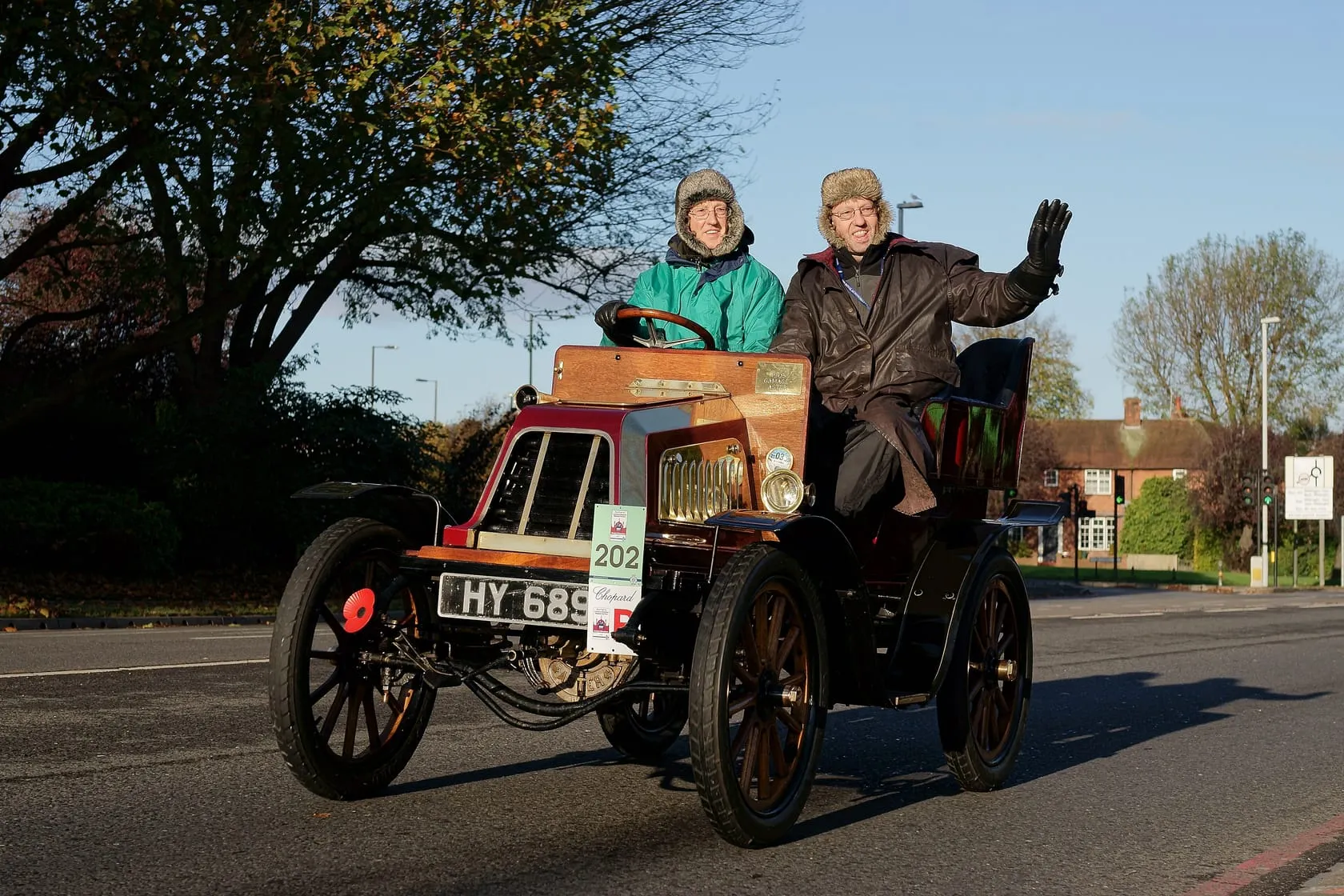
The landmark British motoring firsts on one page, each with a date. The first British car, the first speeding fine, the first motorway, and the first through the sound barrier.
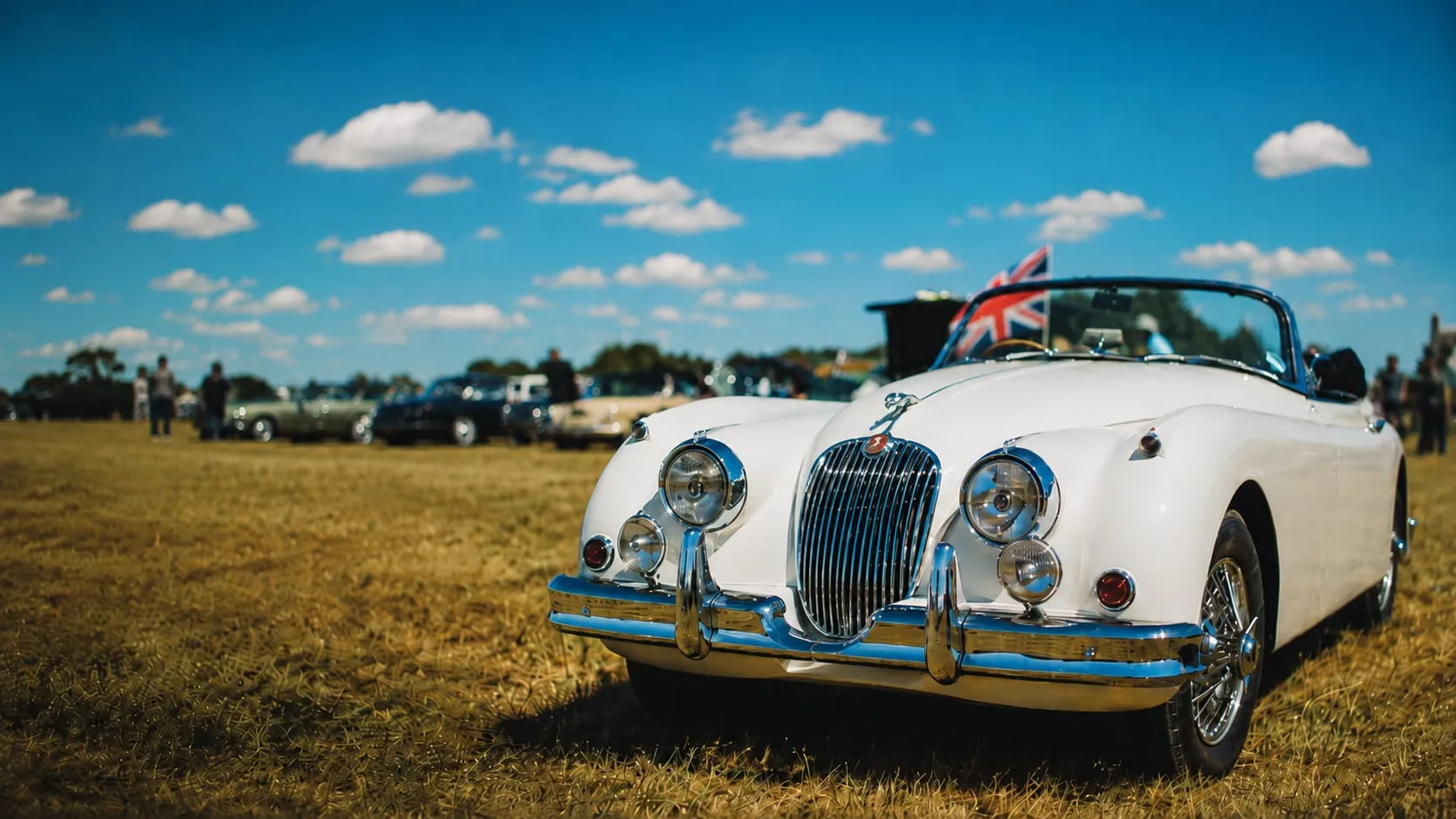
We took 621,935 auction results, found every British classic with enough sales to measure fairly, and compared its inflation-adjusted price change since the late 1990s with the stock market, gold and cash. Most classics rose in cash terms; barely half beat inflation; gold beat every one of them.
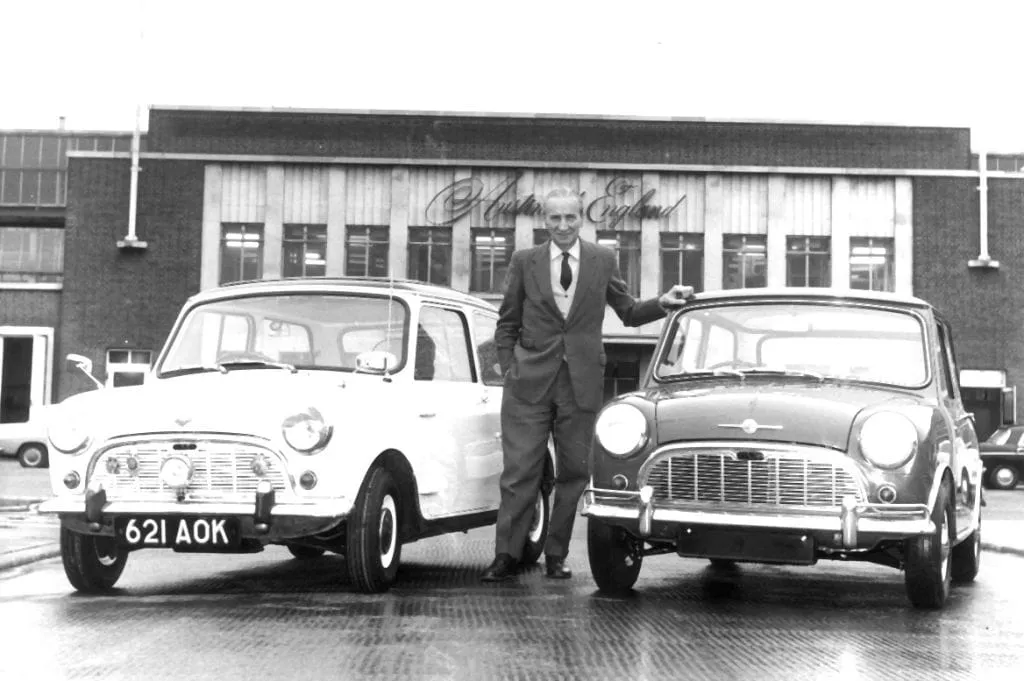
The life and cars of Sir Alec Issigonis, the engineer who designed the Morris Minor and the 1959 Mini, pioneered the transverse-engine front-wheel-drive layout, and was knighted for reshaping the small car.
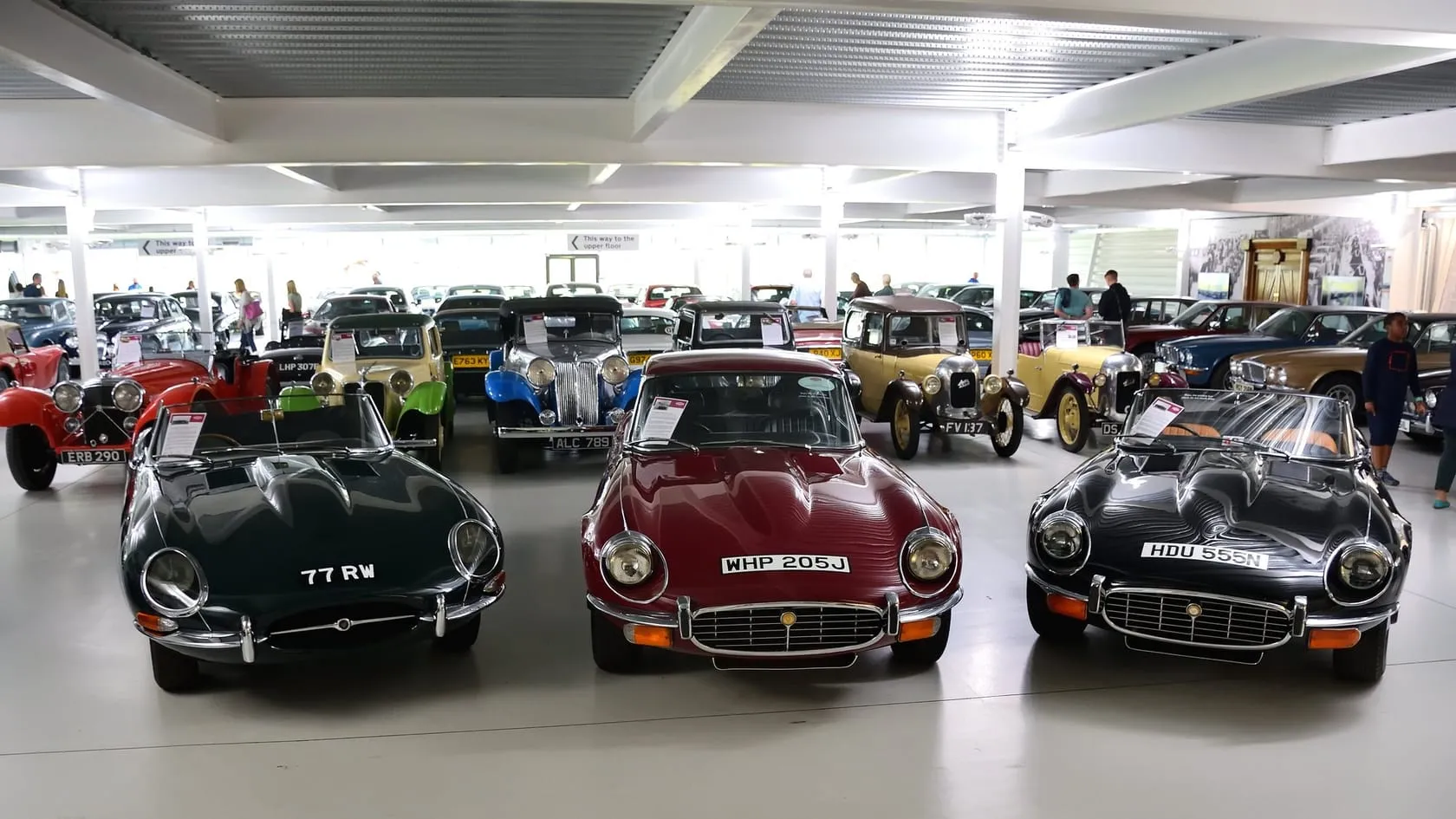
A guide to the best classic car museums in the UK, from the British Motor Museum at Gaydon and Beaulieu to Haynes, Brooklands and Coventry. Where to see British classics, what each collection is known for, and how to plan a visit.
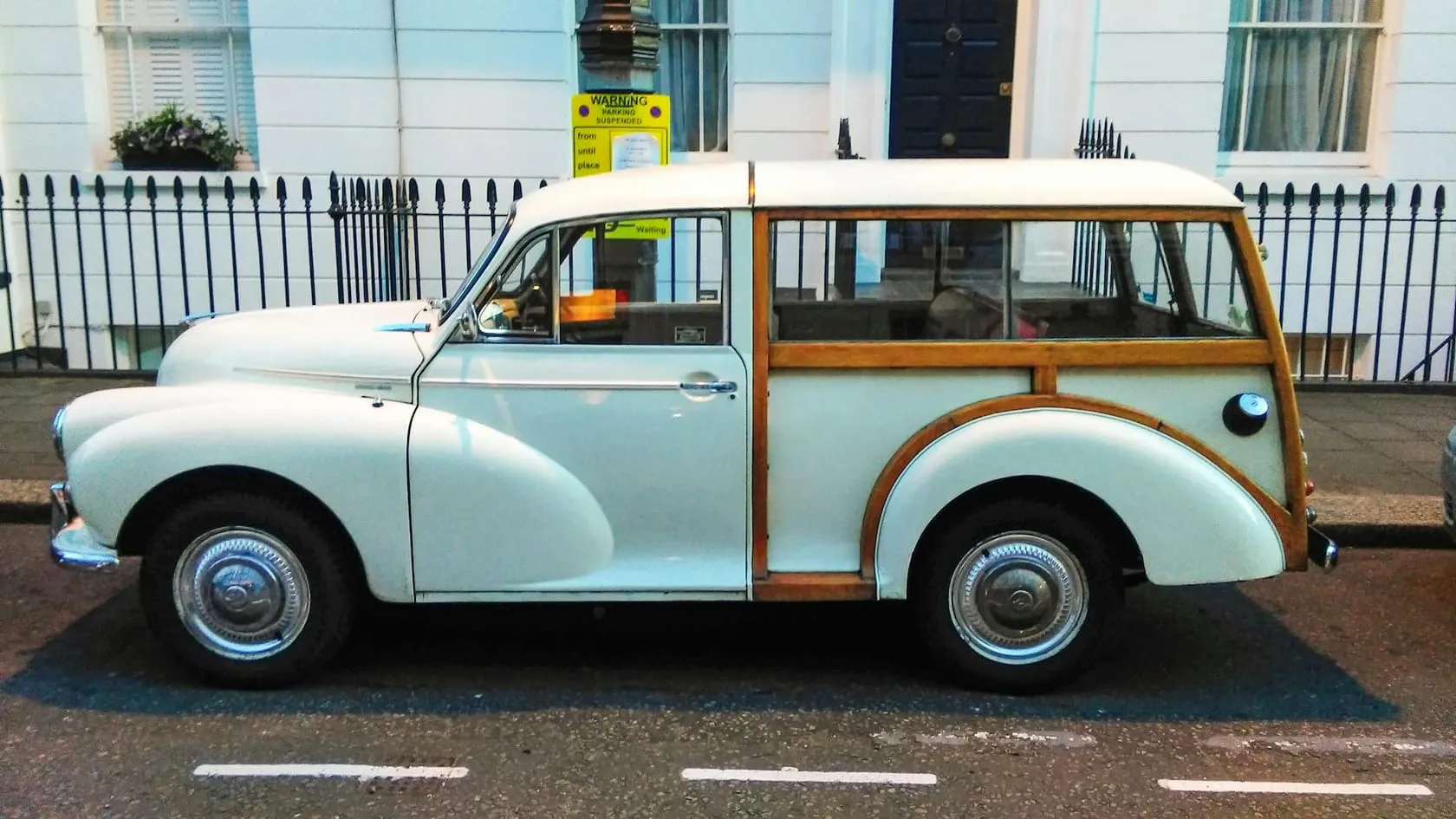
A working reference for the parallel vocabularies British and American motoring have used for the same components, tools, and concepts. With the cases where the translation isn't quite straight.
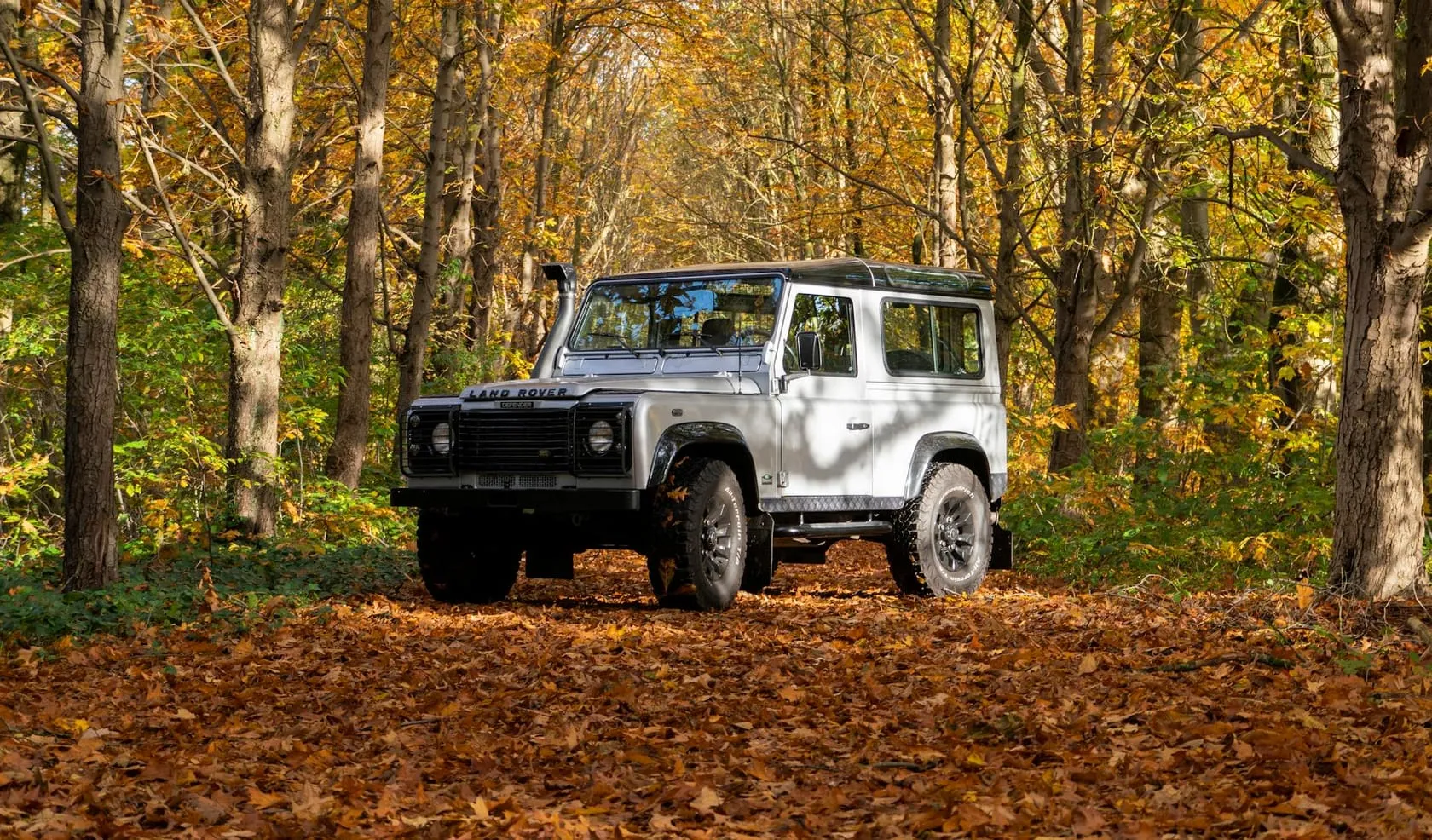
There is no single age. Road tax and the MOT both use forty years but run on different clocks, customs and Scotland use thirty, London uses 1973, and the market, the clubs and the owner keep their own time. Every answer, and which one applies to your car.
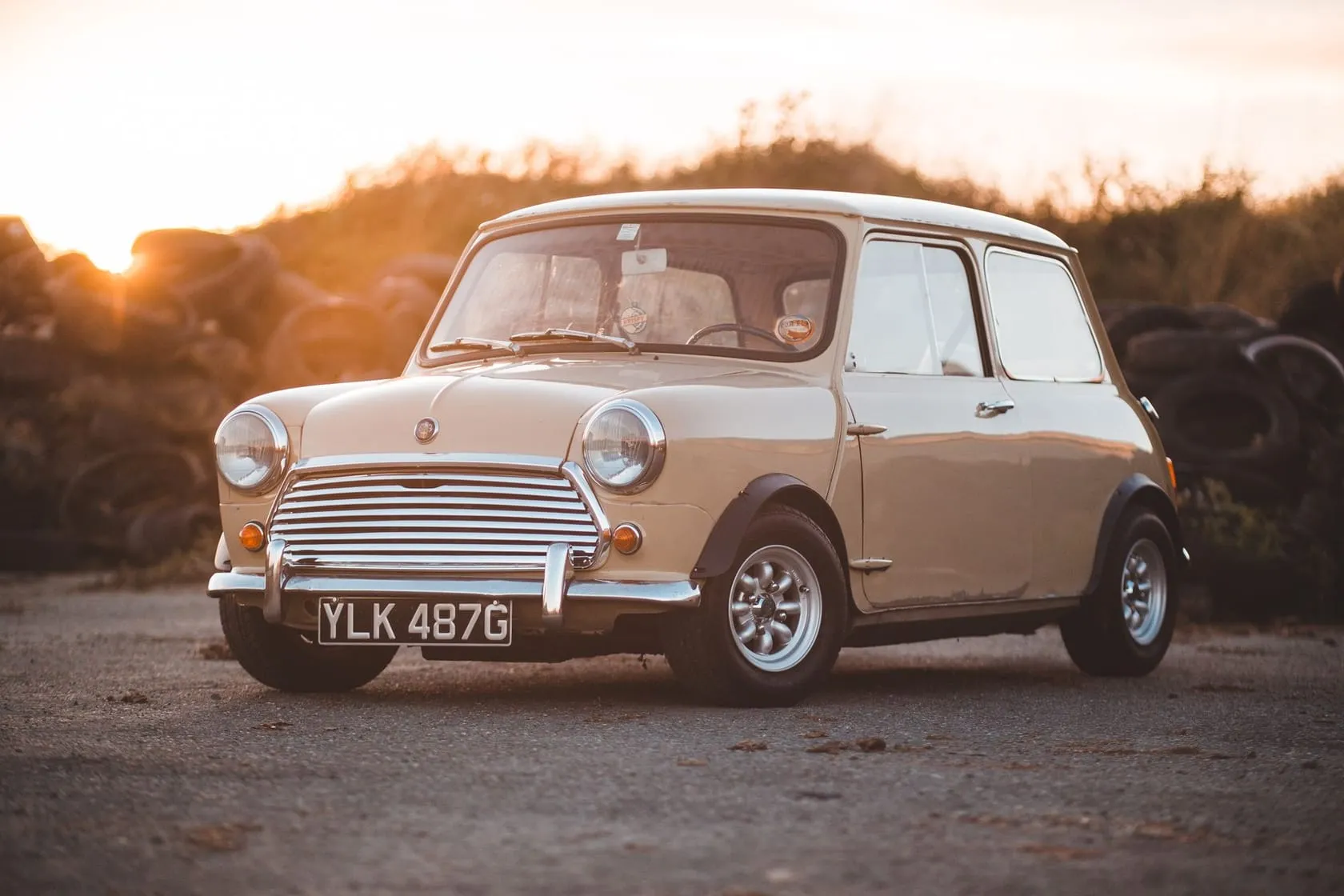
The site's scope reference. Which marques and which cars count as British classics, the edge cases, and what we don't cover. The companion essay on when a car becomes a classic answers the temporal question separately.
Reference
18 guidesShort, plain-English entries on the paperwork, the jargon and the rules.
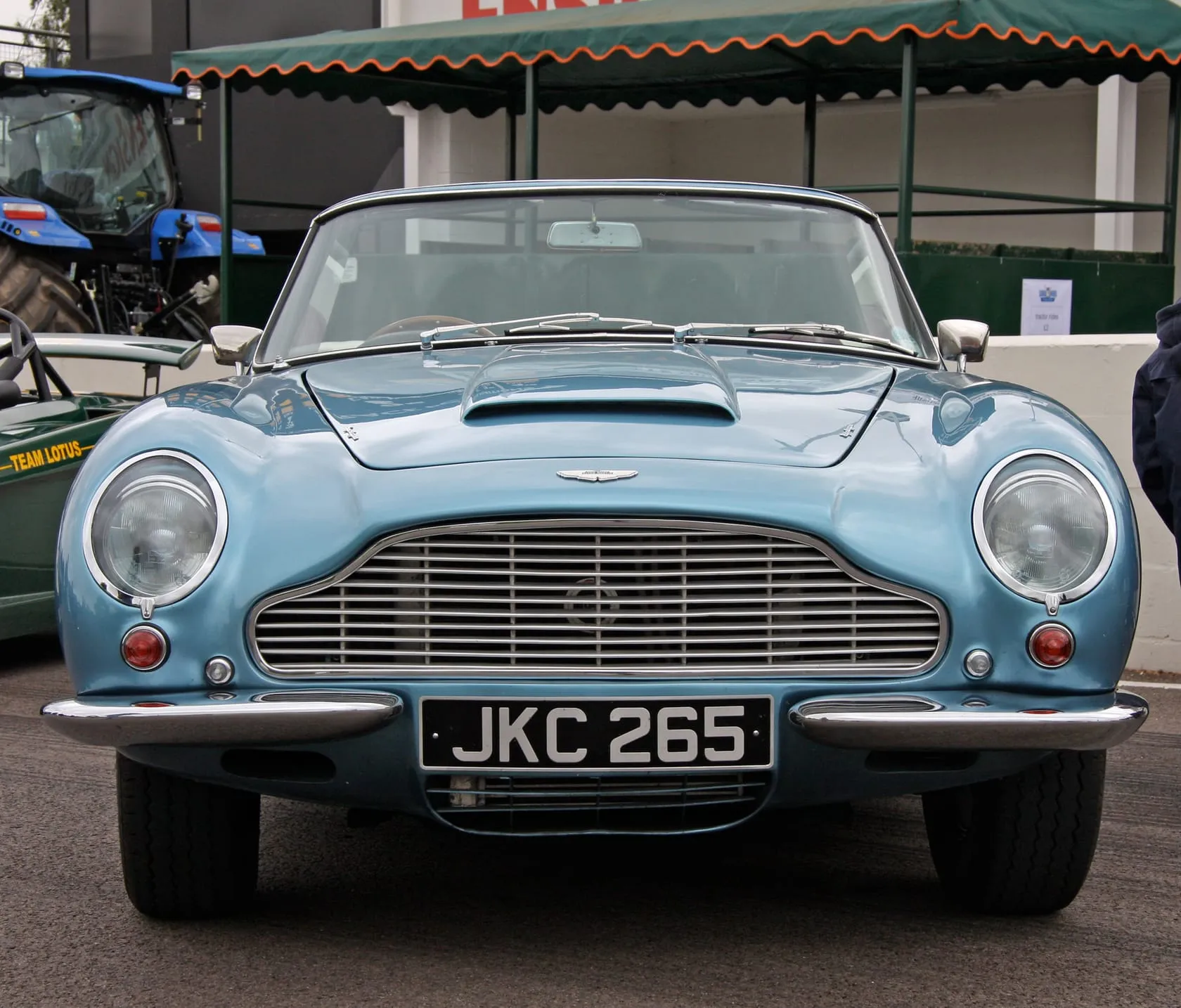
A reference glossary of British classic car terms covering DVLA paperwork, the 40-year rule, insurance categories, storage standards, and condition grading.
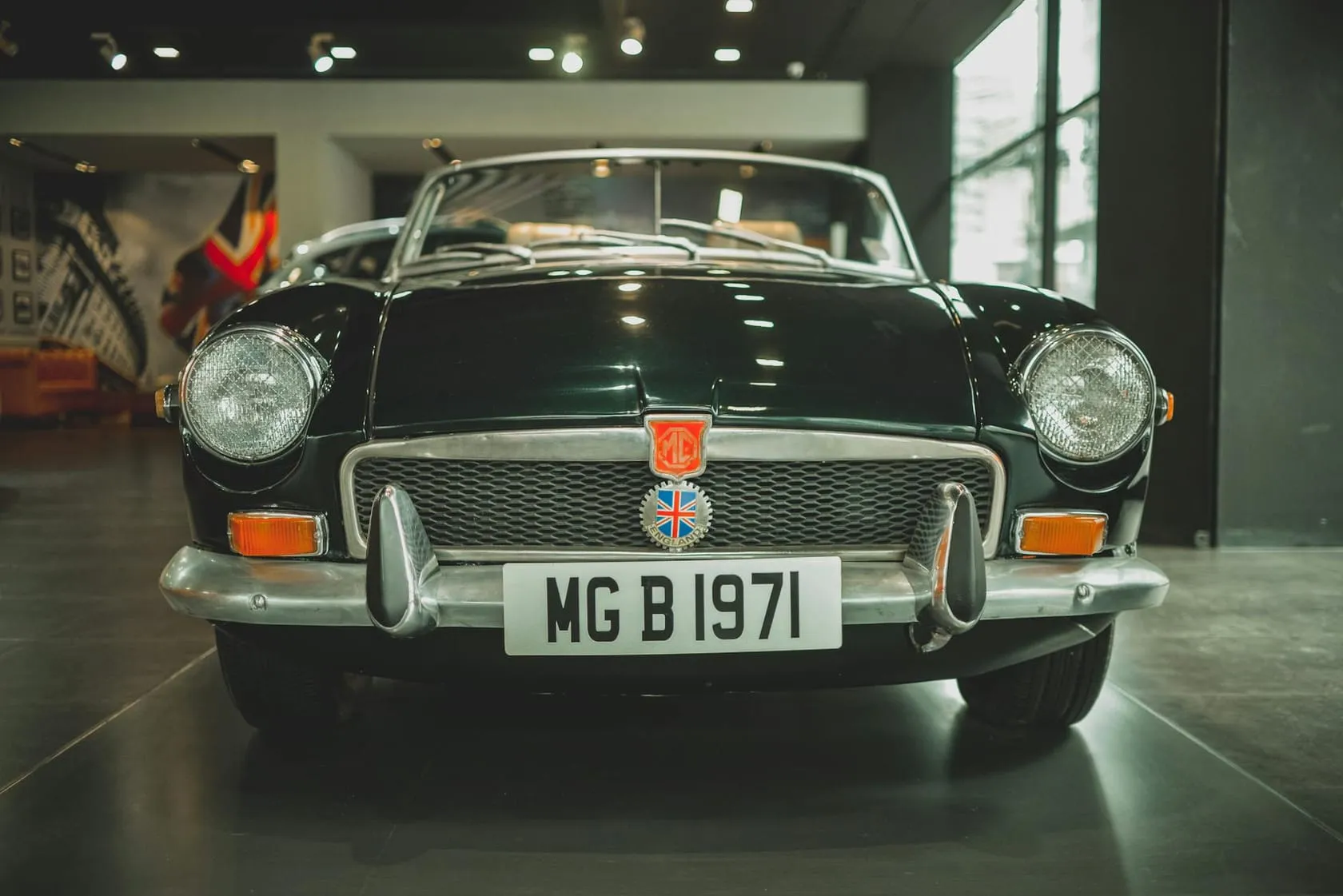
The rolling cut-off for historic vehicle status: each 1 April, road-tax exemption extends to cars built more than forty years before that 1 January, while MOT exemption arrives on each car's own fortieth anniversary.
The official DVLA tax class that qualifying classic cars sit in, and what it changes about owning the car.
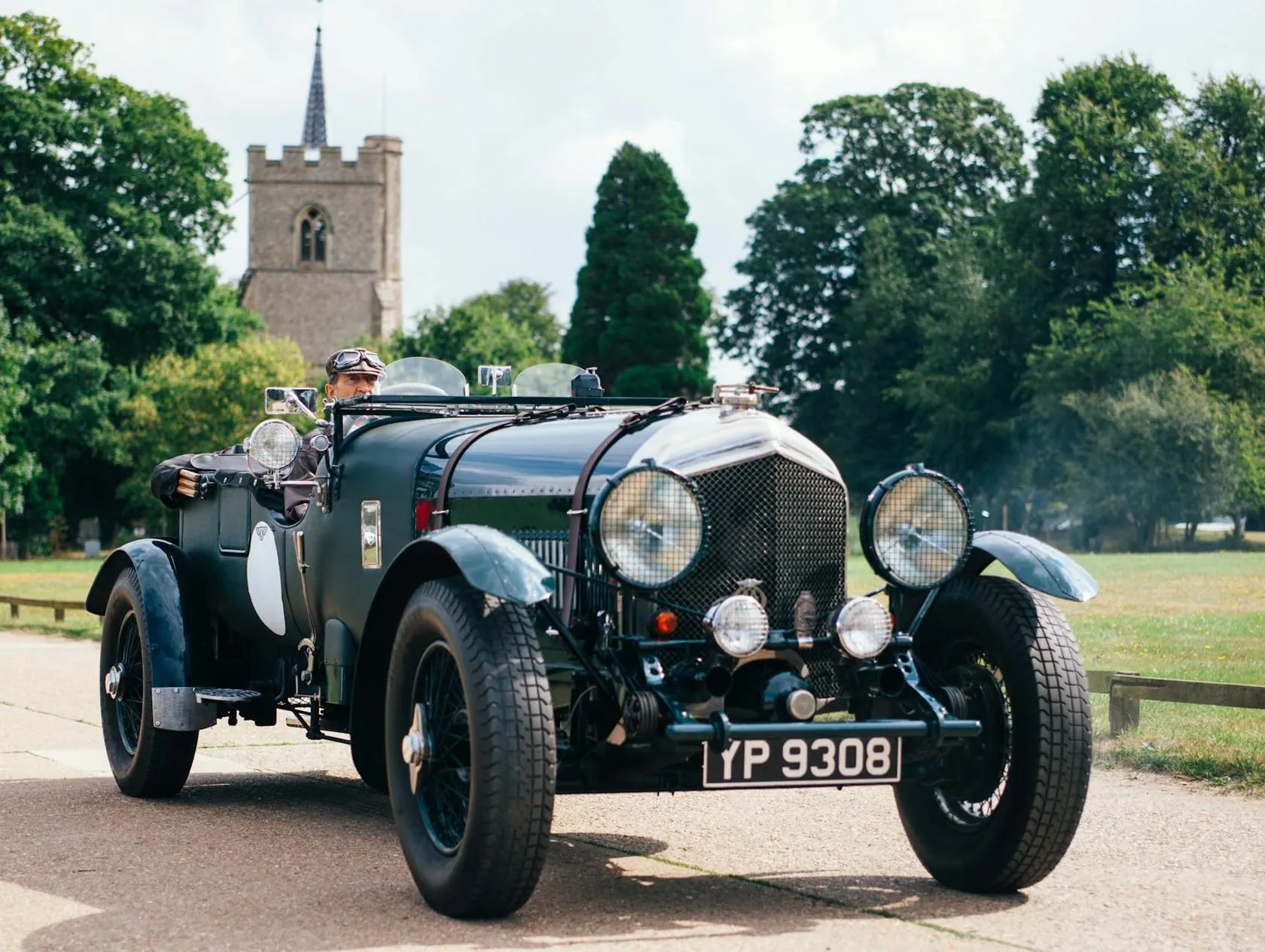
The registration certificate that underpins almost every classic-car transaction, with each section recording a specific piece of vehicle data.
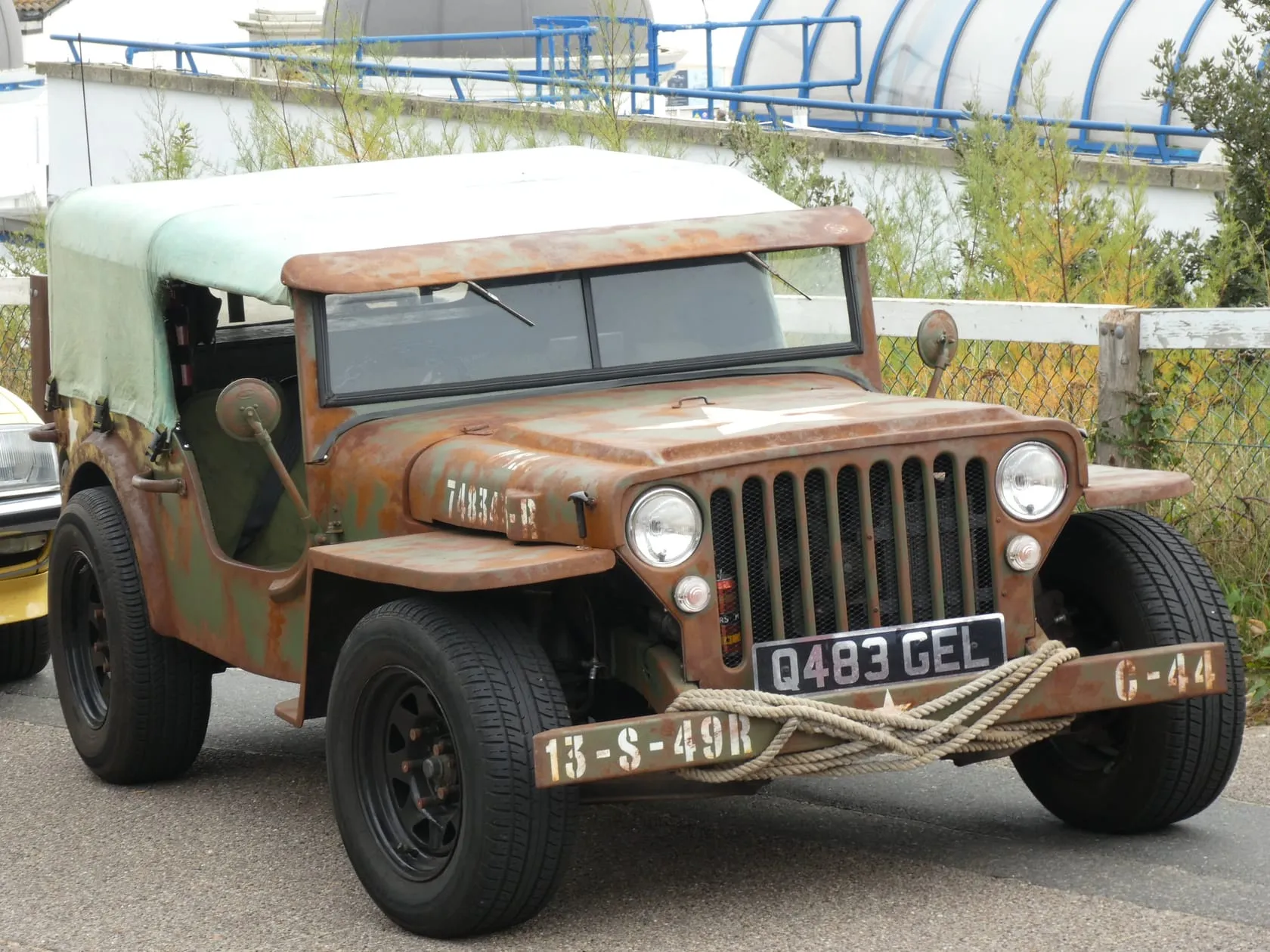
The Q-prefix registration the DVLA issues when a car's original identity has been lost or rebuilt, and the circumstances where owners want to avoid it.
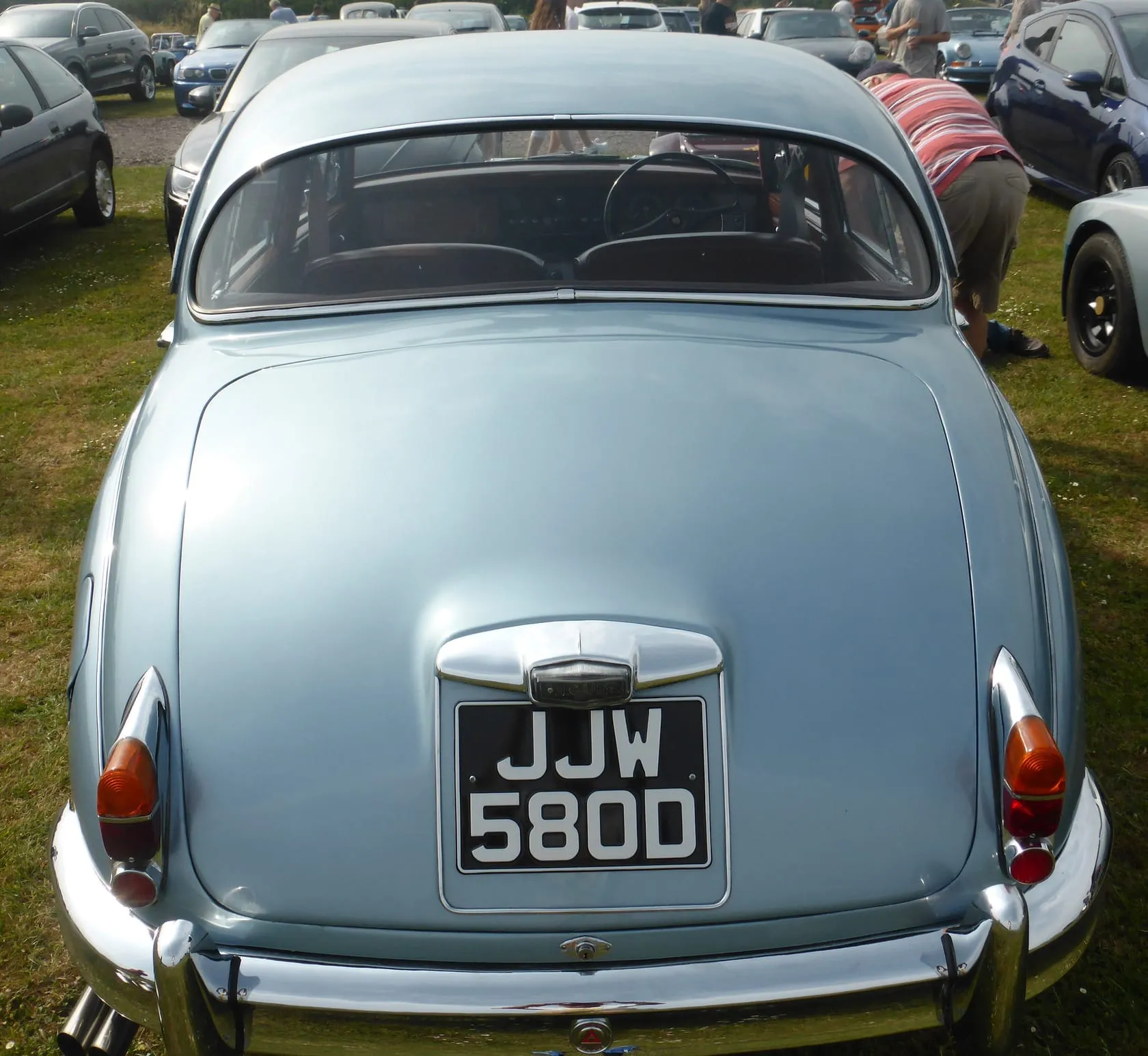
The older-style registration marks issued for imports and substantial restorations, with the evidence the DVLA needs to assign one.
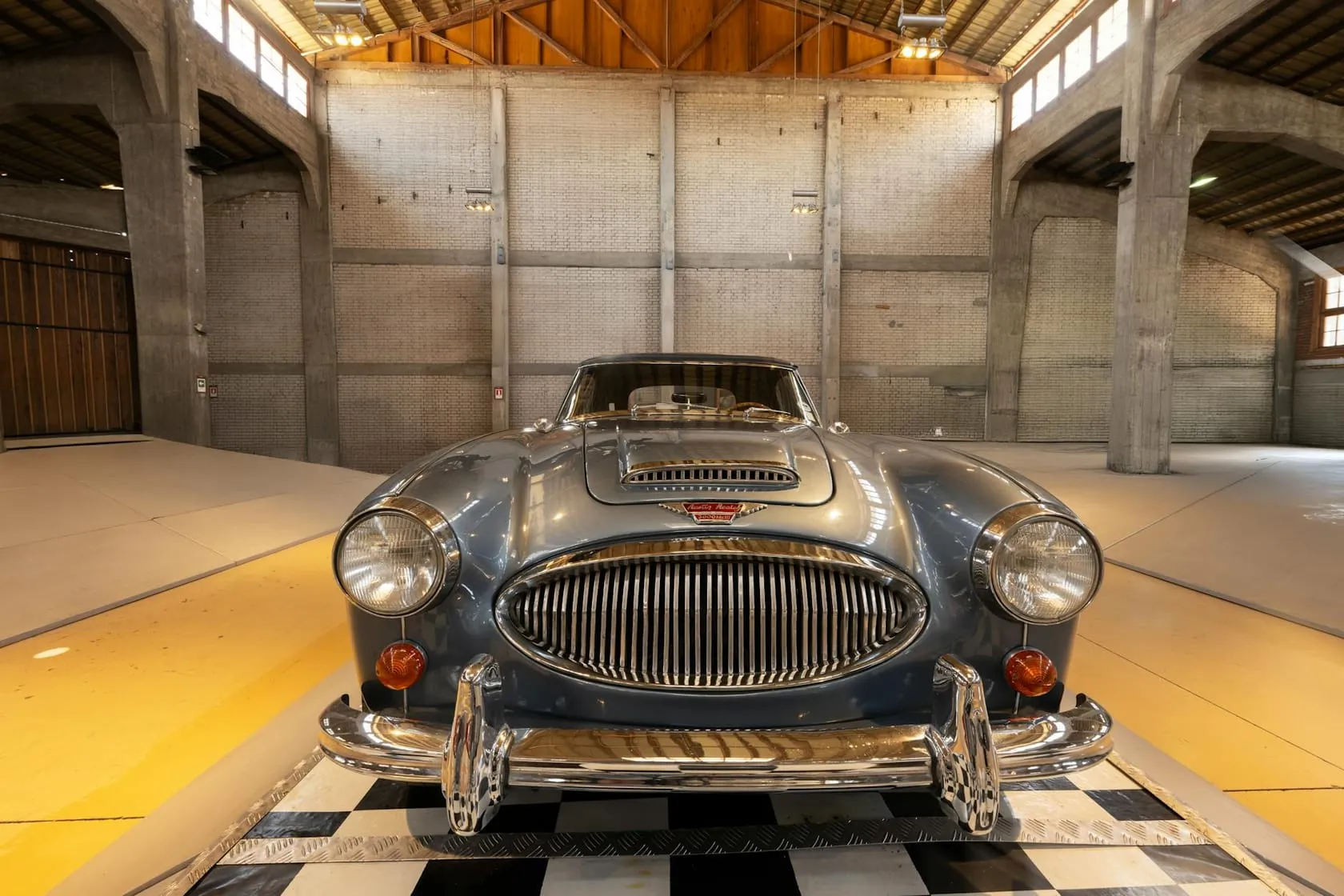
The trade body whose Gold / Silver / Bronze ratings specialist insurers and owners both care about when choosing a storage facility.
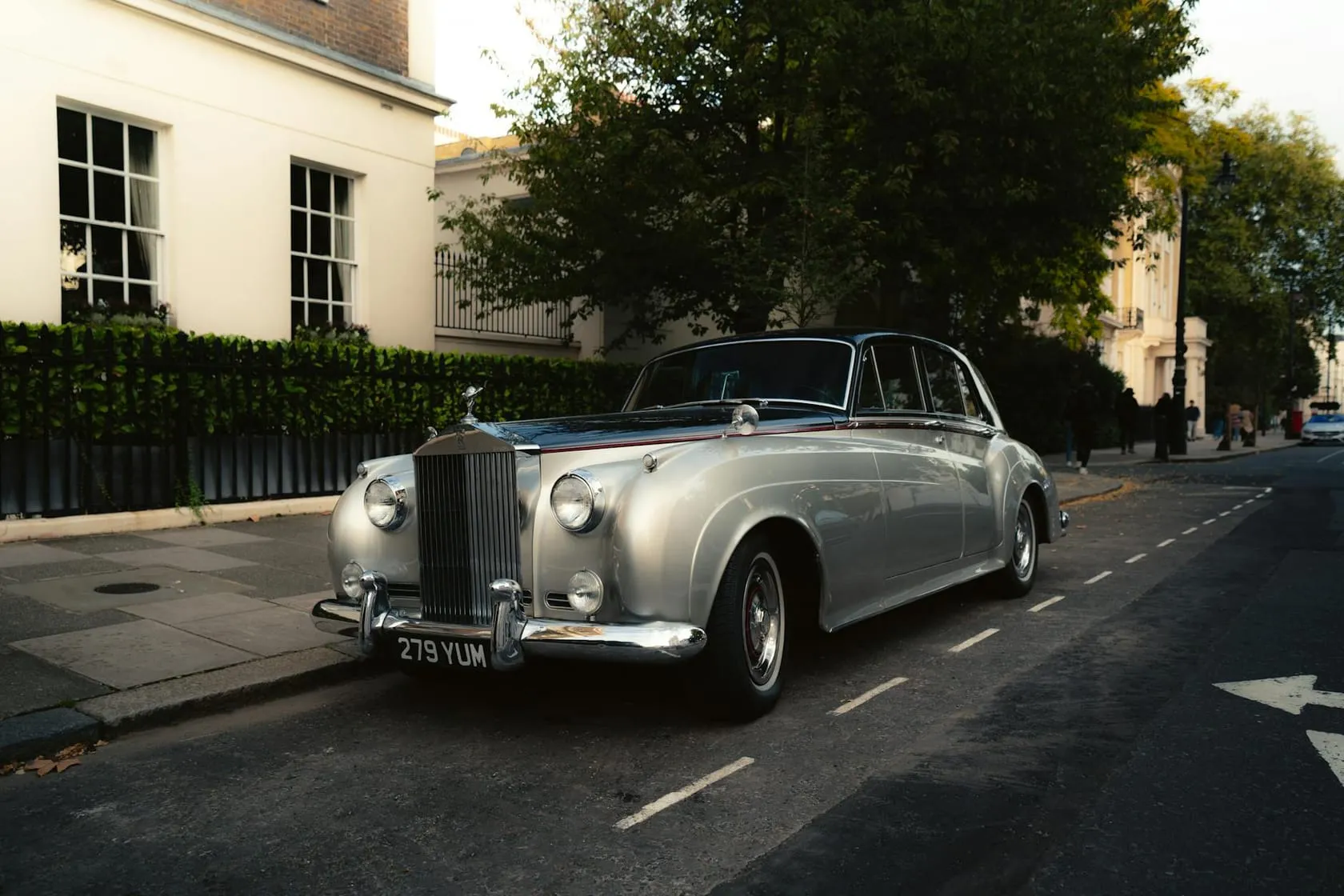
Cover where you and the insurer agree the car's value upfront, so any total-loss claim pays out that figure rather than a depreciated market value.
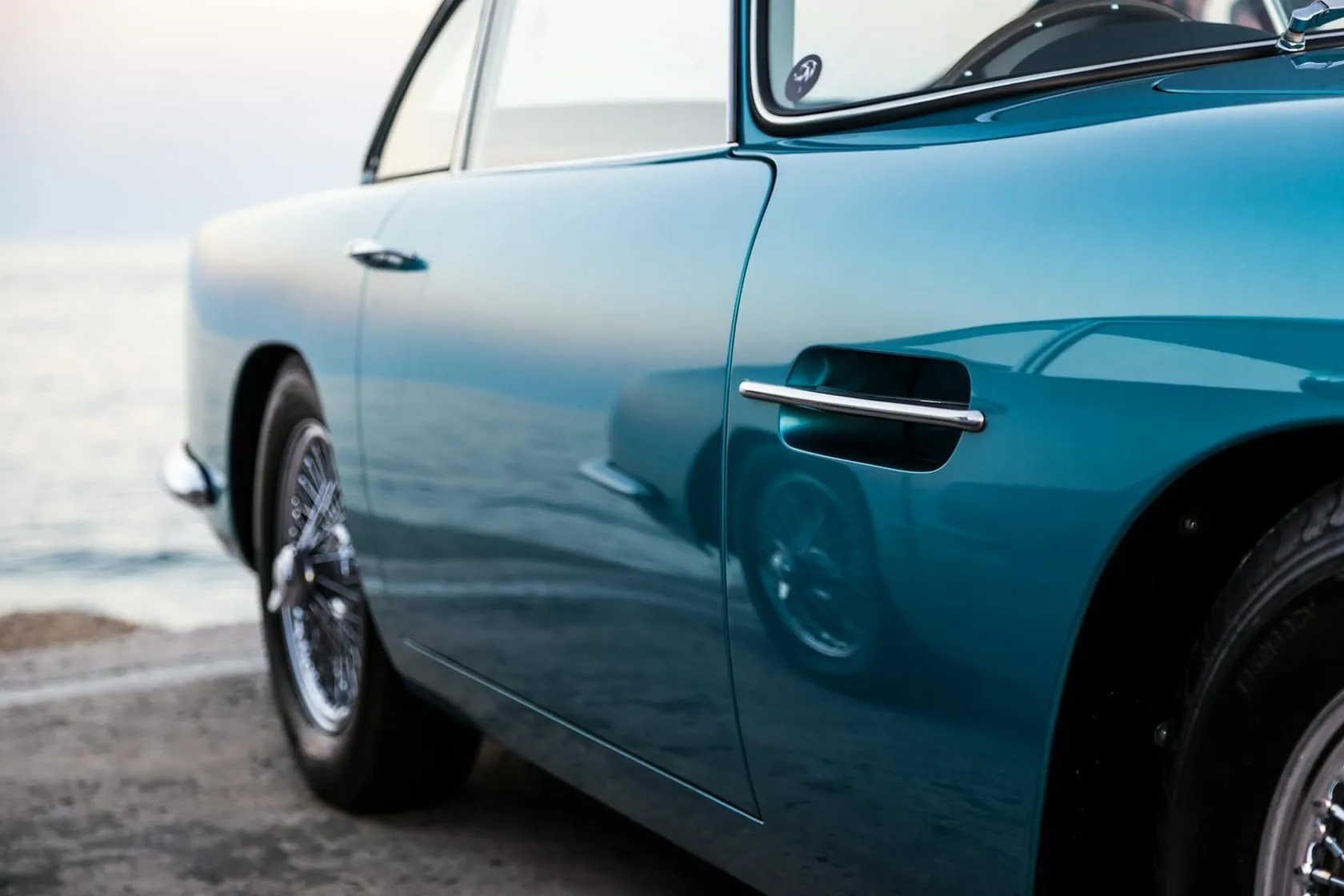
The top of the standard four-grade condition scale, the scales different valuation systems use, and how concours-grade examples sit at the top end of values.
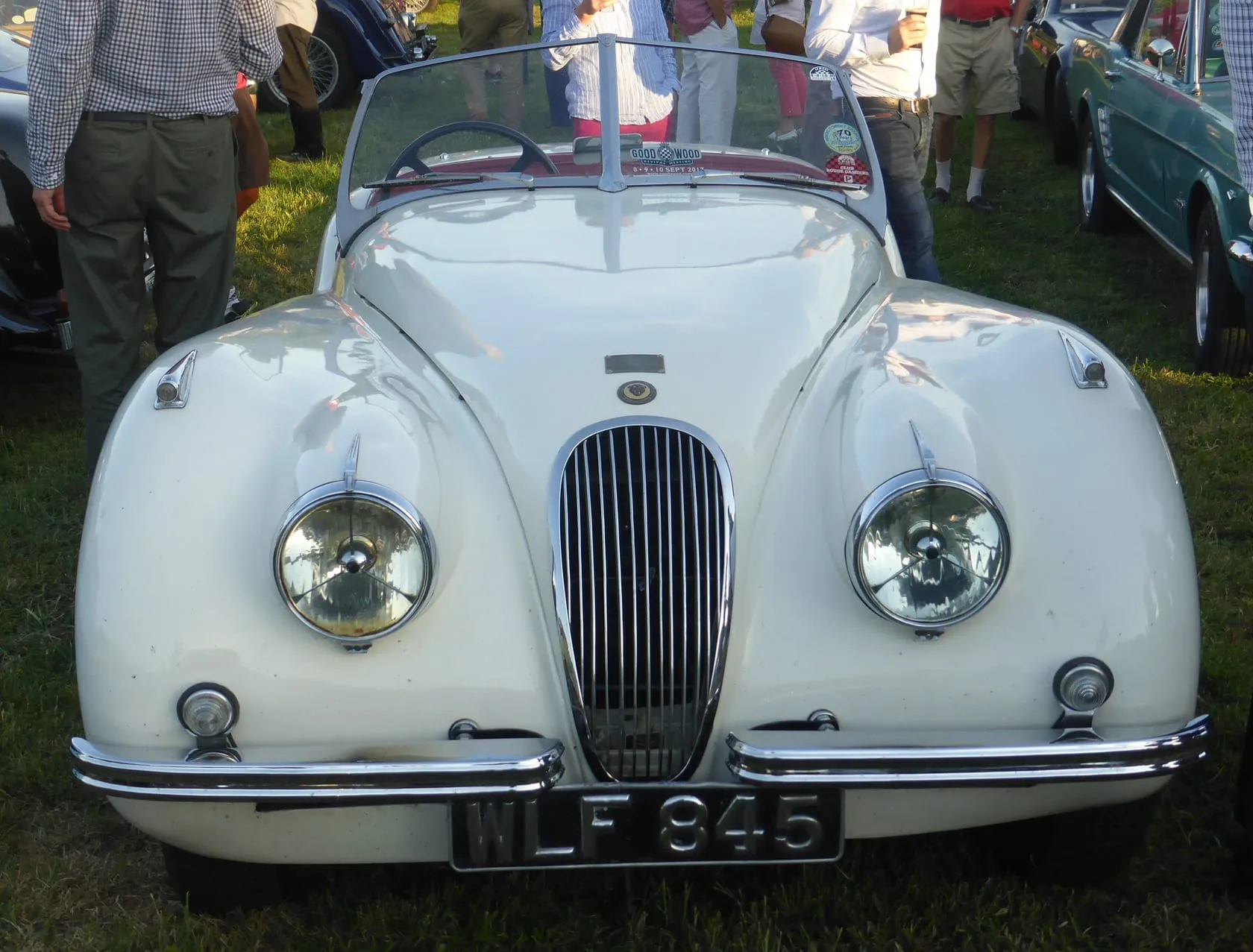
The post-war policy backed by steel rationing that produced the late-1940s landmark launches and built the American market for British sports cars.
The 1968-to-1999 industrial arc, from the merger that created it through nationalisation and privatisation to the BMW breakup, that owned most of the volume British car industry.
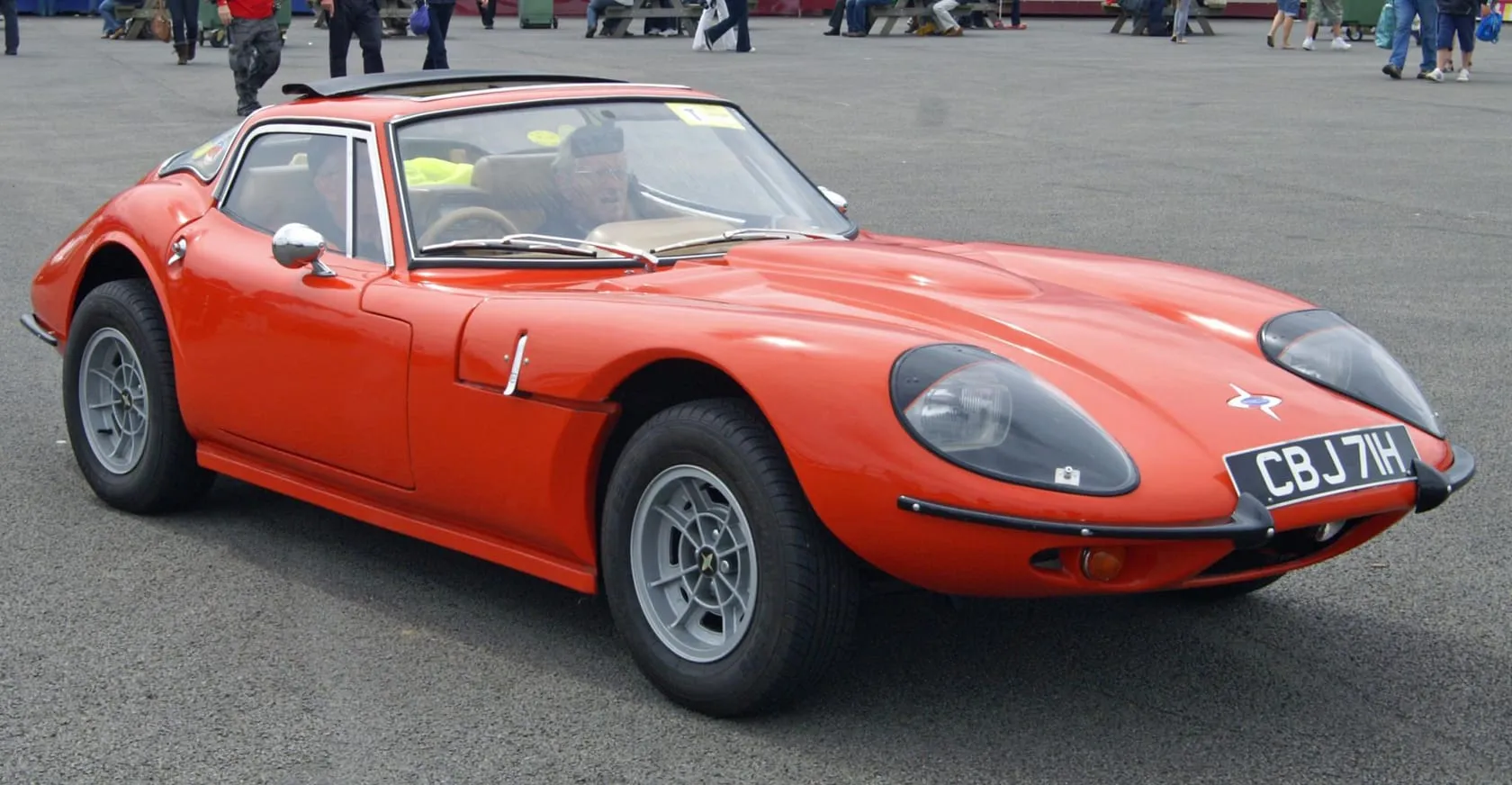
A roofline that slopes in one unbroken line to the tail, the shape behind cars from the Ford Capri to the MGB GT, and how it differs from a notchback and a hatchback.
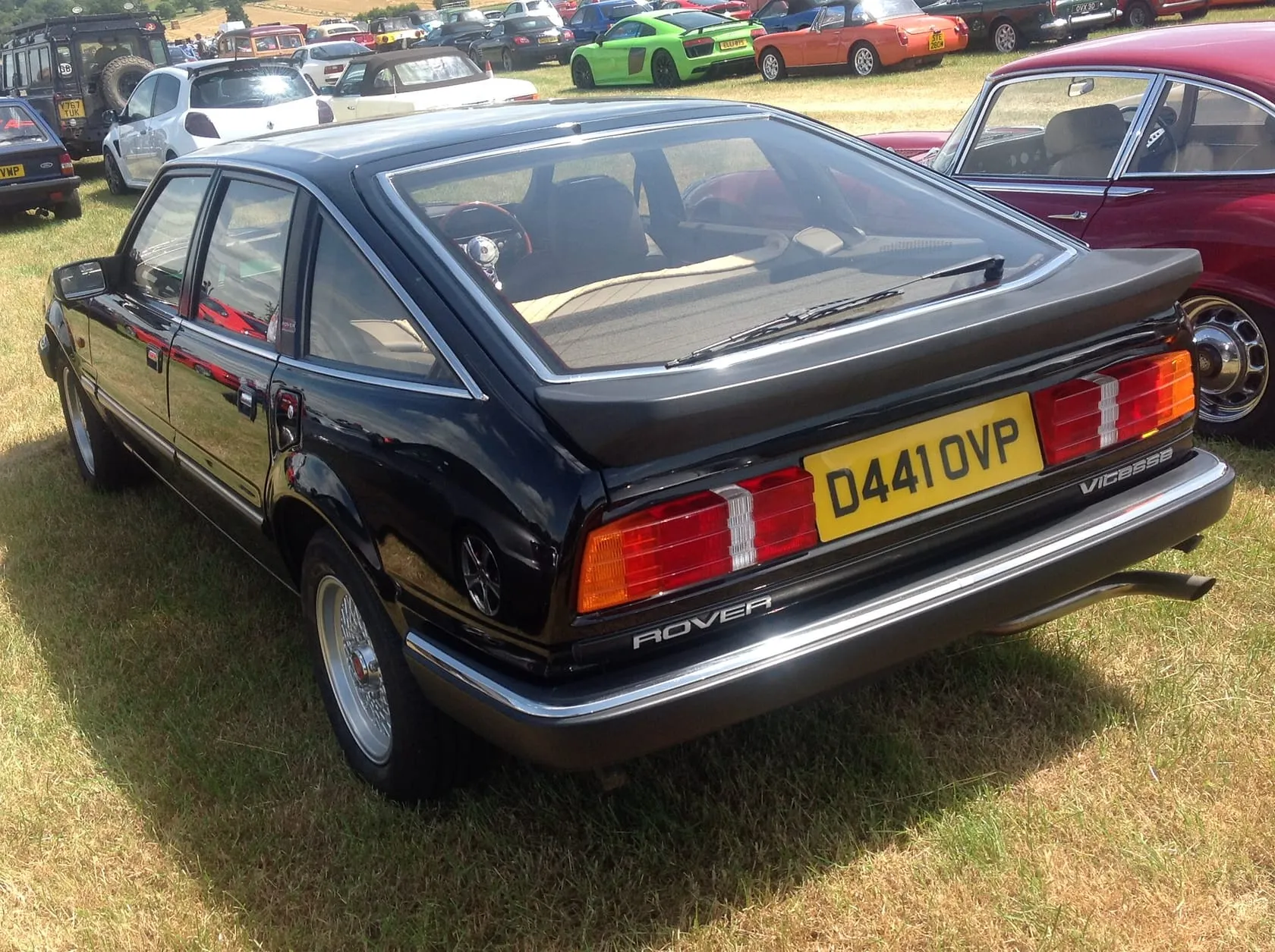
A fastback profile with a tailgate that lifts the rear glass up with it, and how it sits between a fixed-roof fastback and an ordinary hatchback.
The coachbuilt two-door sporting estate, where the name comes from, and the British examples from the DB5 shooting brake to the Scimitar GTE.
The sideways-mounted engine that made compact front-wheel drive possible, and how the Mini turned it into the template for the small car.
Alex Moulton's interconnected fluid-and-rubber suspension that kept BMC cars riding level, and the Hydragas system that followed it.

The Edinburgh privateer team that ran Jaguars to back-to-back Le Mans wins in 1956 and 1957.
A classic restored in looks but modernised underneath, how it differs from a faithful restoration, and the value and originality trade-off.
No guides match “”.
Try a shorter word, or search the whole site.