Mini parts and specialists: keeping a classic Mini on the road
The classic Mini is one of the best-supported classics in the world, with almost every part remanufactured, from a service kit to a complete bodyshell. A practical guide to Mini parts availability, panels and bodywork, mechanical and trim parts, and the club and specialist network that keeps these cars running.
Part of: Classic Mini, the British car that reinvented the small car (1959–2000)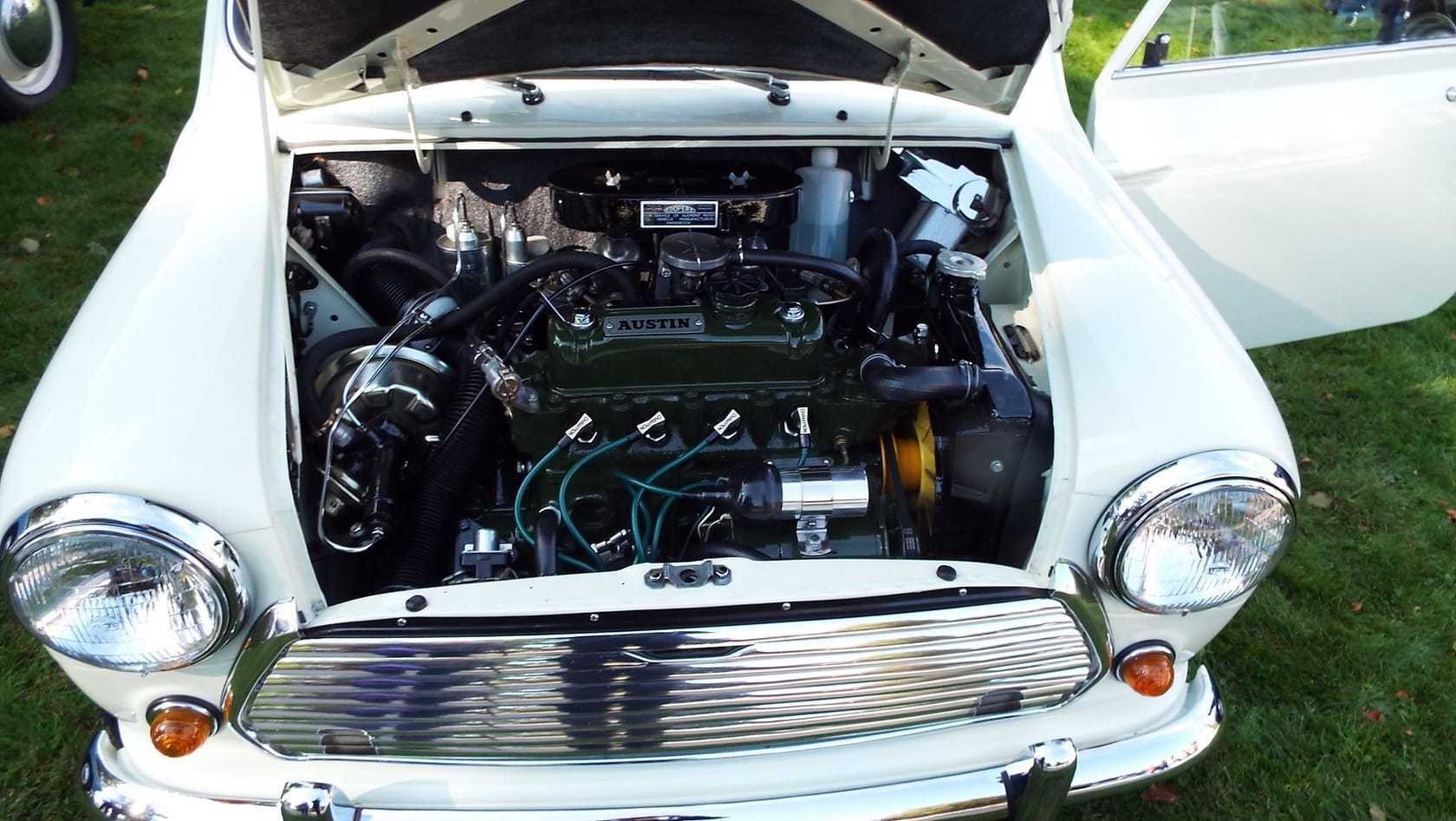
The models
One of the great joys of classic Mini ownership is how easy these cars are to keep on the road. More than five million were built, the car stayed in production until 2000, and the result is a parts and specialist network that few classics can match. Almost everything you could ever need is available, and this guide covers what that means in practice.
The best-supported classic there is
Because the Mini was made in such vast numbers for so long, and because it has been a popular classic for decades, the trade that supports it is enormous. Service items, mechanical components, body panels, trim, even complete bodyshells are remanufactured and readily available, and the knowledge base around the car is deep and generous. For a new owner, that means a Mini is one of the least daunting classics to take on: parts are a phone call away, and someone has solved every problem before.

Body and panels
Rust is the Mini’s weakness, but the parts side of fixing it could hardly be better. Repair panels for every rot spot, the sills, floors, A-panels, front wings, valances and boot floor, are widely available and affordable, and brand-new Heritage bodyshells have been produced for those wanting to start afresh. The limiting factor on a rusty Mini is never the panels; it is the skilled labour to fit them properly, so a sound original body is still worth paying for even though almost anything can be replaced. The new shells are built on original-style tooling, so even a terminally rotten car can, in principle, be reborn, an option almost no other classic enjoys at this price.

Mechanical and consumables
The A-series engine, the gearbox-in-sump transmission and the running gear are simple, tough and shared across millions of cars and several models, so mechanical and service parts are cheap and plentiful. Routine consumables, clutches, brakes, suspension components and engine rebuild parts are all easy to source, and the engine responds well to tuning if you want more performance. Keeping a Mini serviced is genuinely inexpensive.

Trim and interior
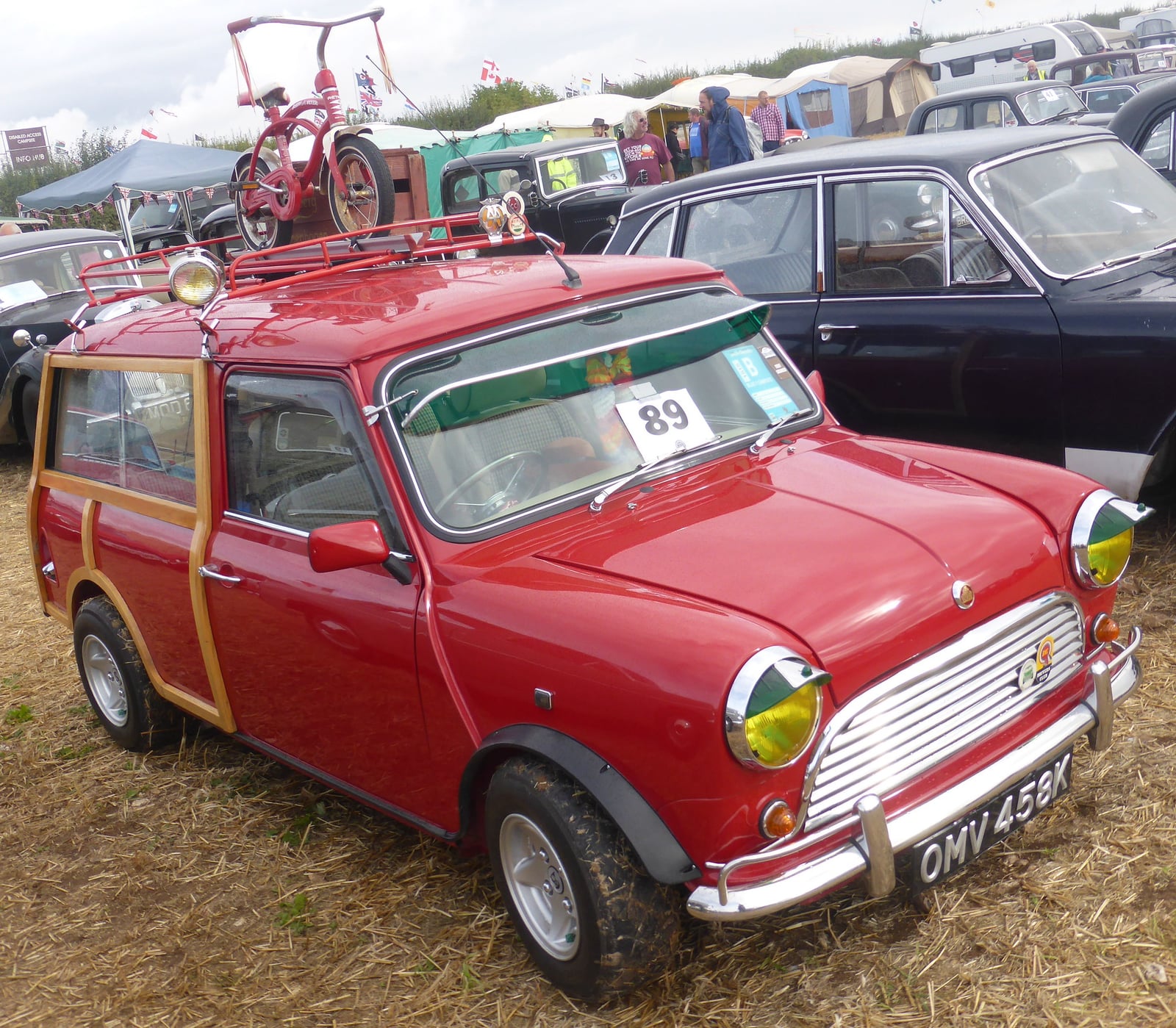
Interior and trim parts are well covered too, from seats and carpets to the correct switches, badges and brightwork for most models. The more specialised items, the woody trim on a Traveller, the wood dashboard of an Elf or Hornet, or correct Cooper details, take more hunting and cost more, but even these are generally findable through the specialists and the clubs. Originality of trim adds value, so correct parts are worth seeking out.

The club and specialist network
The Mini’s specialists and owners’ clubs are among the strongest of any classic, covering routine parts, rare components, restoration and, importantly, authentication. For the Cooper and Cooper S in particular, the club registers are the recognised route to verifying a genuine car, which matters enormously to value. Joining a club is one of the best things a new owner can do, for the parts contacts, the technical help and the community alike.

Keeping costs down
The cheapest Mini to own is a sound one, because rust is where the money goes. Beyond that, the secret is the same as with any classic: keep on top of maintenance, fix small problems before they grow, and use the huge parts supply and club knowledge to do as much as you can yourself. Buy from the established names and keep the receipts, since a documented history of work helps resale almost as much as originality does. Done that way, a Mini is one of the most affordable classics to run. For choosing the right car in the first place, see our Mini buying guide.
More photos
Frequently asked questions
Are classic Mini parts easy to get?
Can you still buy a new bodyshell for a classic Mini?
Are classic Mini parts expensive?
Where do you get classic Mini parts?
What are the weak points to budget for on a classic Mini?
Related across themes

More from Mini


Recently added

British car records: the smallest, the fastest, the dearest

Morgan 4/4: the longest-running car name in the world (1936–2018)

Selling a classic car privately: what the law asks of you, what it does not, and how not to get stung
