Ownership
-
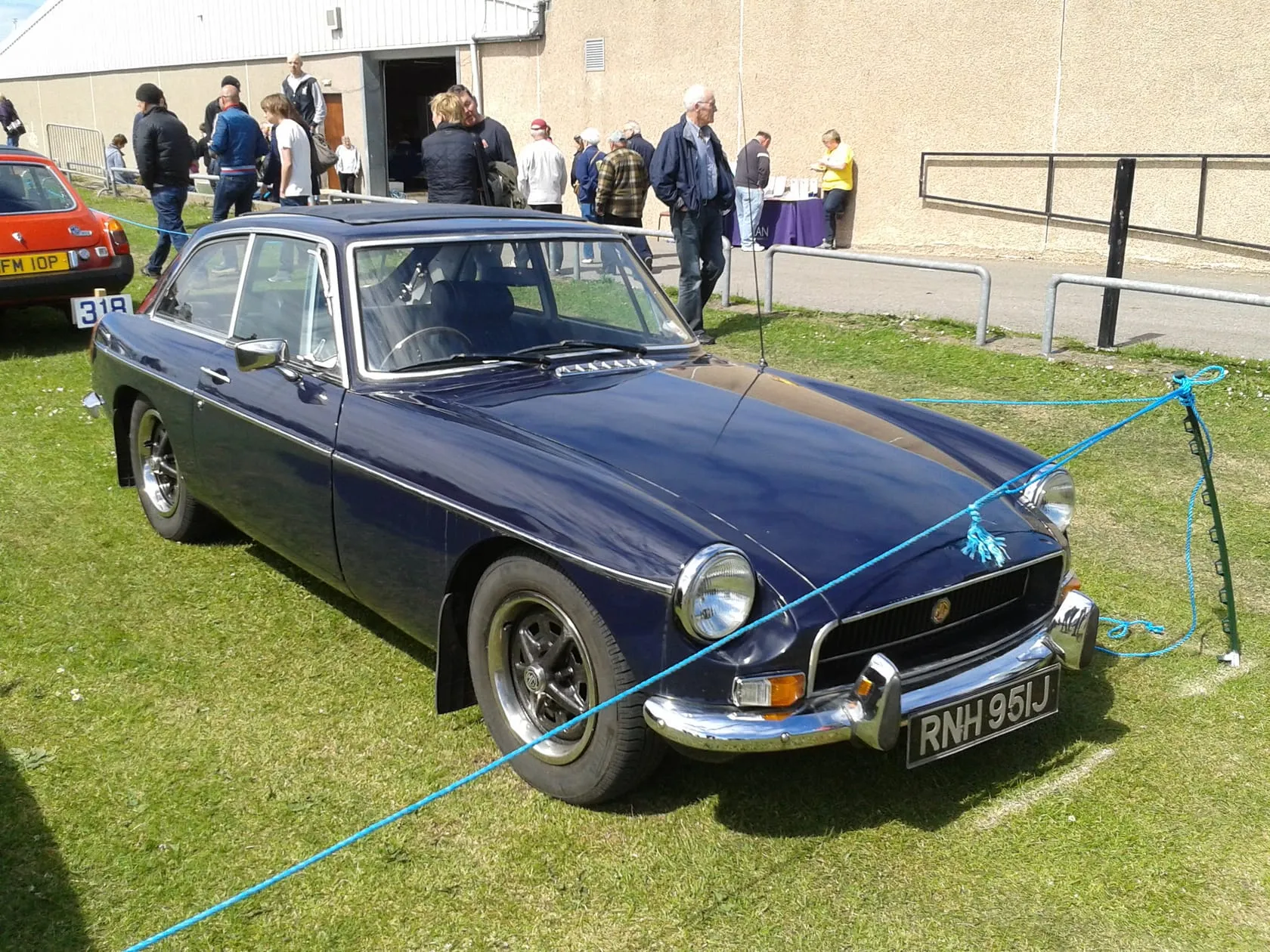 Selling a classic car privately: what the law asks of you, what it does not, and how not to get stung
A private seller is not a shop, and the law knows it. Which consumer protections fall away, which three rules still bind you, why selling an unroadworthy car is an offence whoever you are, the DVLA steps that end your liability, and the payment habits that keep the money.
-
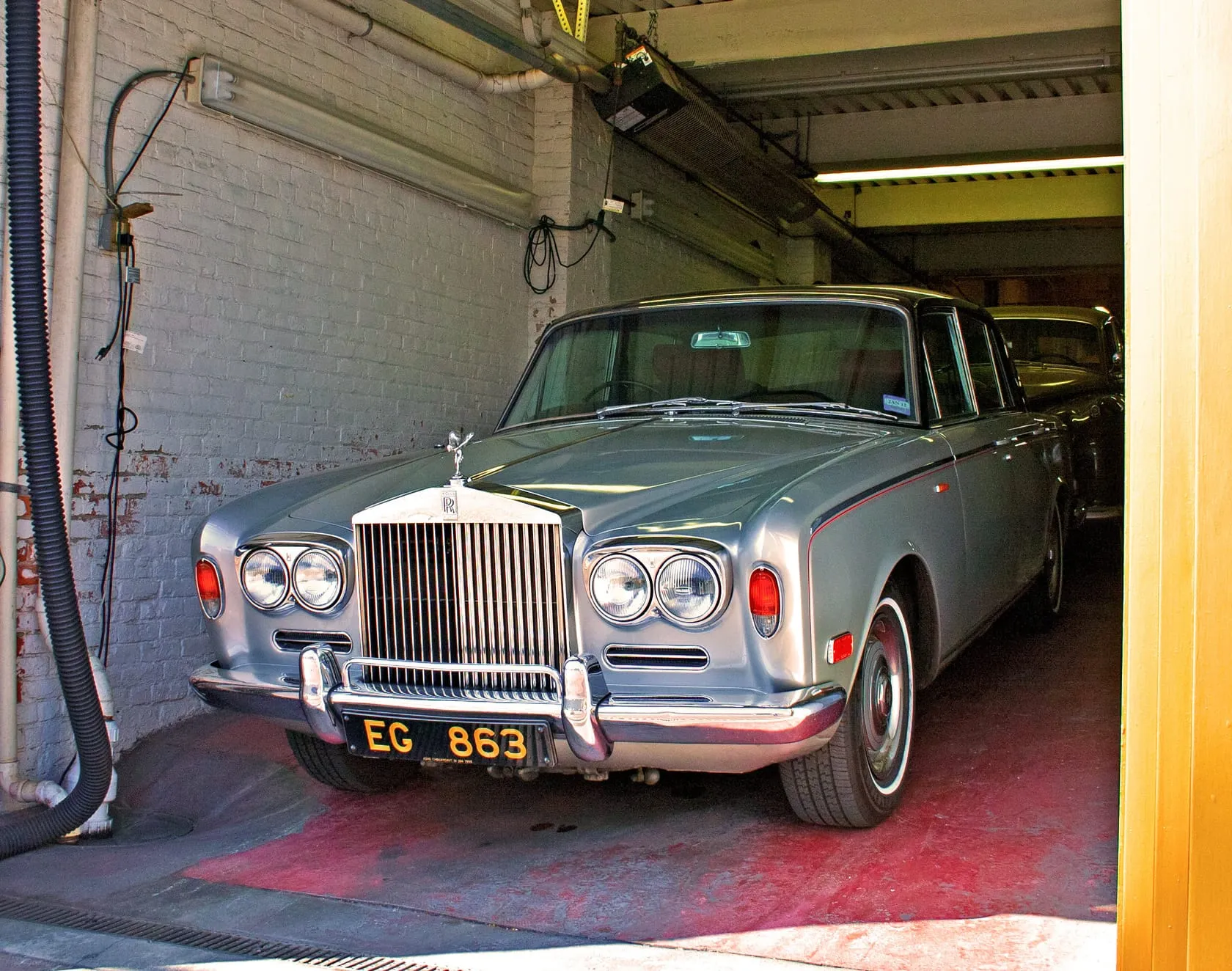 Dating a car from its number plate: suffix, prefix, current and dateless, and the rule you cannot break
Sixty years of British registration formats, the year each letter means, which letters were never used and why, what a dateless mark tells you (nothing), and the one rule DVLA enforces on every transfer: a plate can never make a car look younger than it is.
-
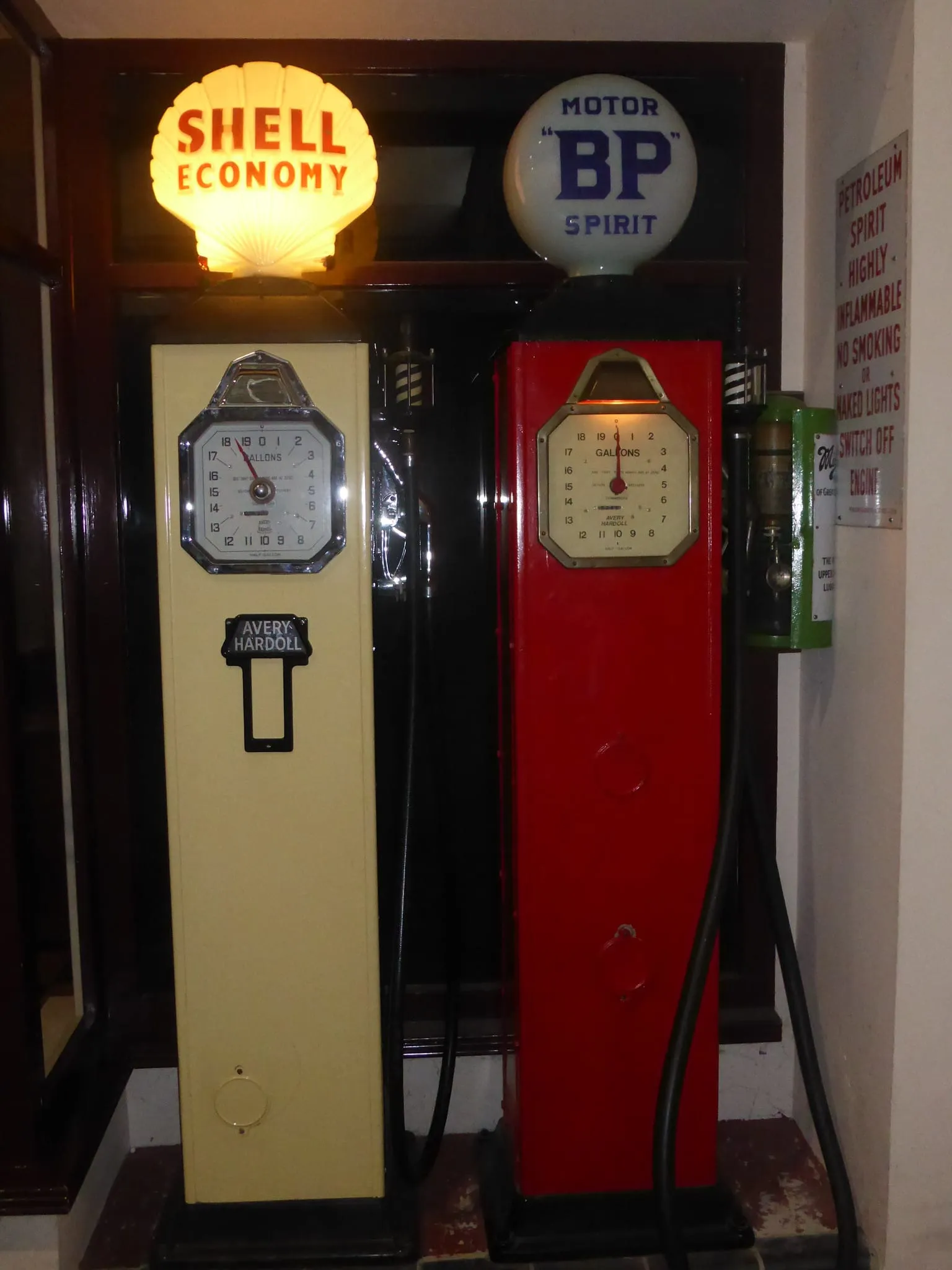 E10 petrol and classic cars: what the government actually says, and what the clubs add
What changed in September 2021, the government's own hedged wording on older vehicles, why E5 super is still on the forecourt and how long that is guaranteed, what ethanol does to an old fuel system, and the additive the historic vehicle federation actually recommends.
-
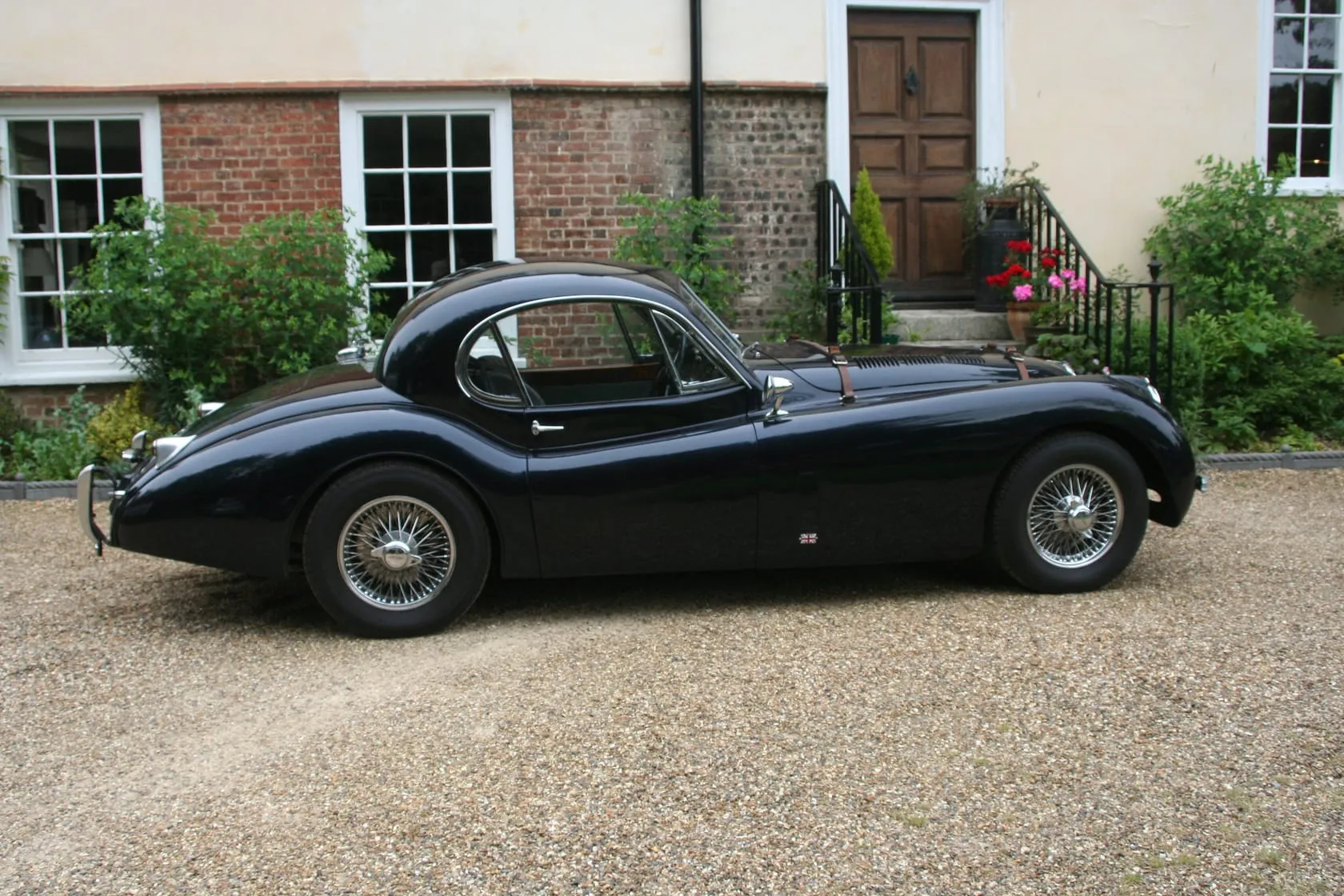 Heritage certificates: which marques have factory records, what they show, and what they cannot prove
The factory build record for a British classic survives for some marques and not others, and it is held in four different places. Which archive covers your car, what a certificate actually records, what it costs, and the thing every archive says it does not prove.
-
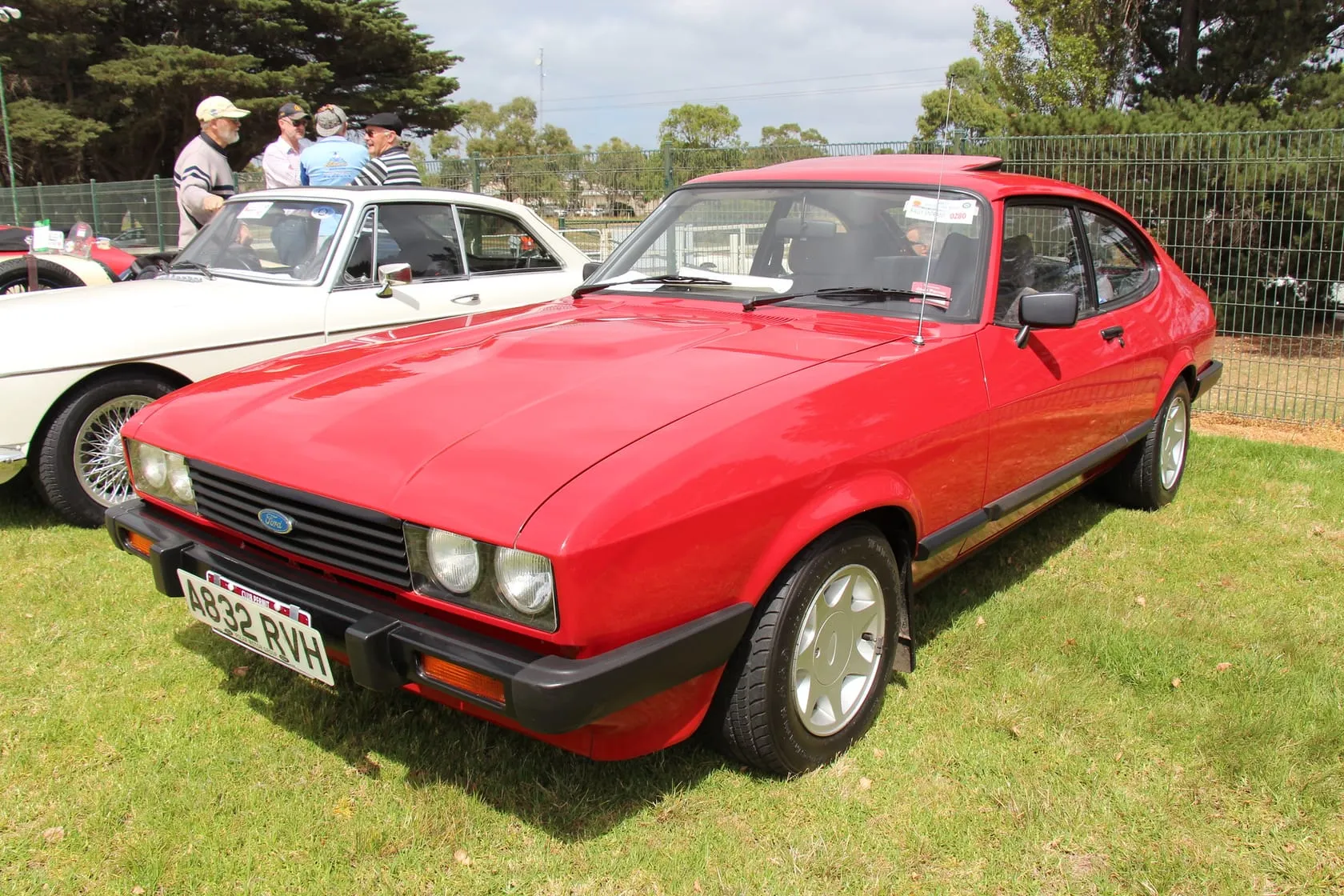 LED headlamps and electronic ignition on a classic: what is legal, what is not, and why 1986 matters
The MOT manual fails LED bulbs in halogen headlamps on cars first used from April 1986 and explicitly does not on older cars. The date, the 2021 notice that set it, which lights an old car must have, and why electronic ignition changes nothing about the car's legal status.
-
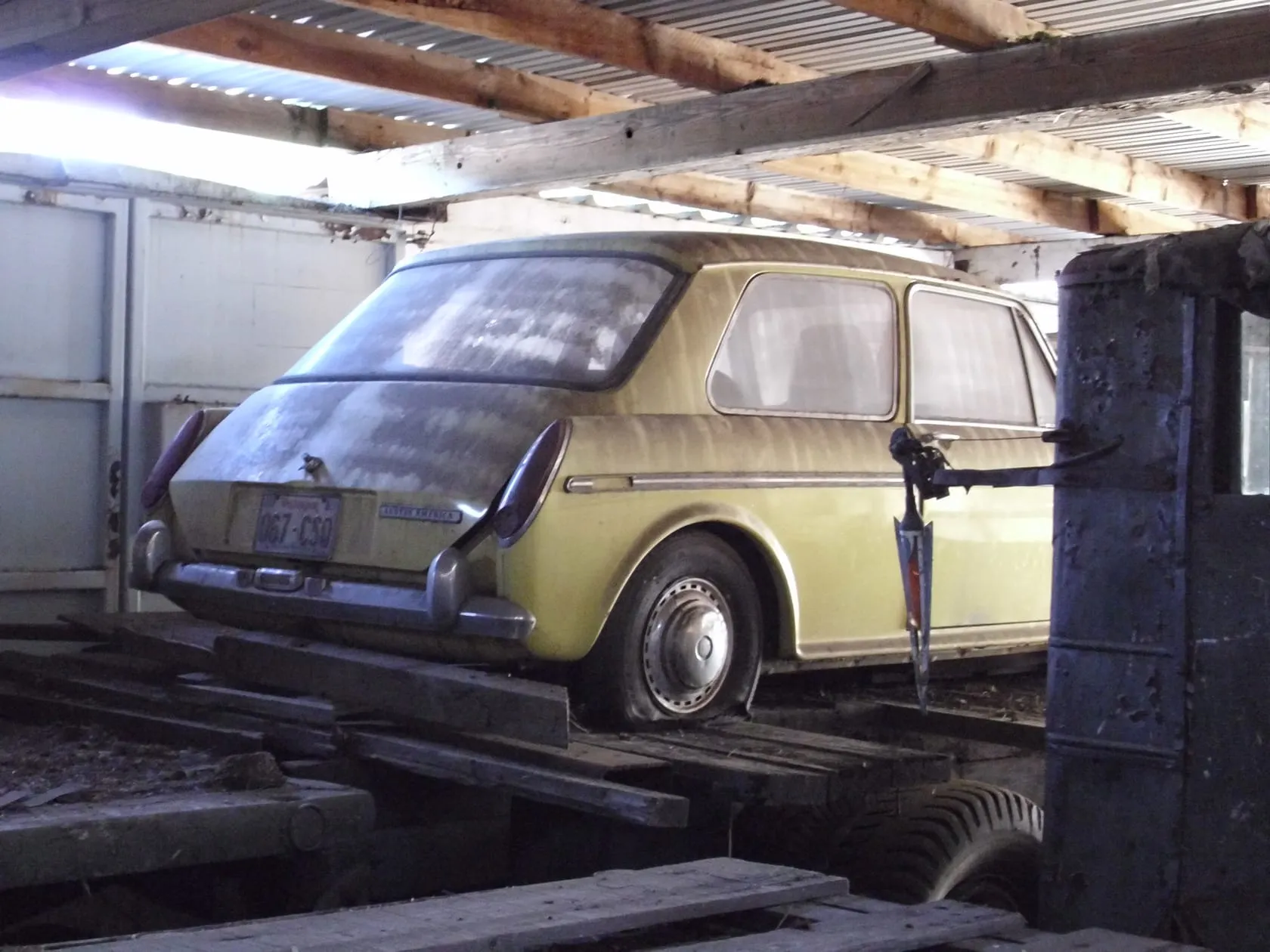 Laying up a classic for winter: SORN, insurance, fuel, and what actually rots
What a SORN does and does not do, why it no longer expires, how the tax refund works, the legal limit on petrol kept at home, and the short list of things that deteriorate in a car that is simply parked for five months.
-
 Towing a classic car on a trailer: licence, weights, speed limits and the plate
The licence rule changed in December 2021 and most people still quote the old one. What you can tow on a post-1997 licence, why the car's gross train weight bites before the 3,500kg cap, the speed limits and the motorway lane you cannot use, and the small rules that get trailers pulled over.
-
 Agreed value insurance for a classic: what the Ombudsman says, and why market value fails old cars
The trade valuation guides insurers use do not value cars over about twenty years old, which is why a classic on a market-value policy is a claim waiting to be argued. What the Financial Ombudsman expects, what the regulator found when it looked, what agreed value actually promises, and the evidence that sets it.
-
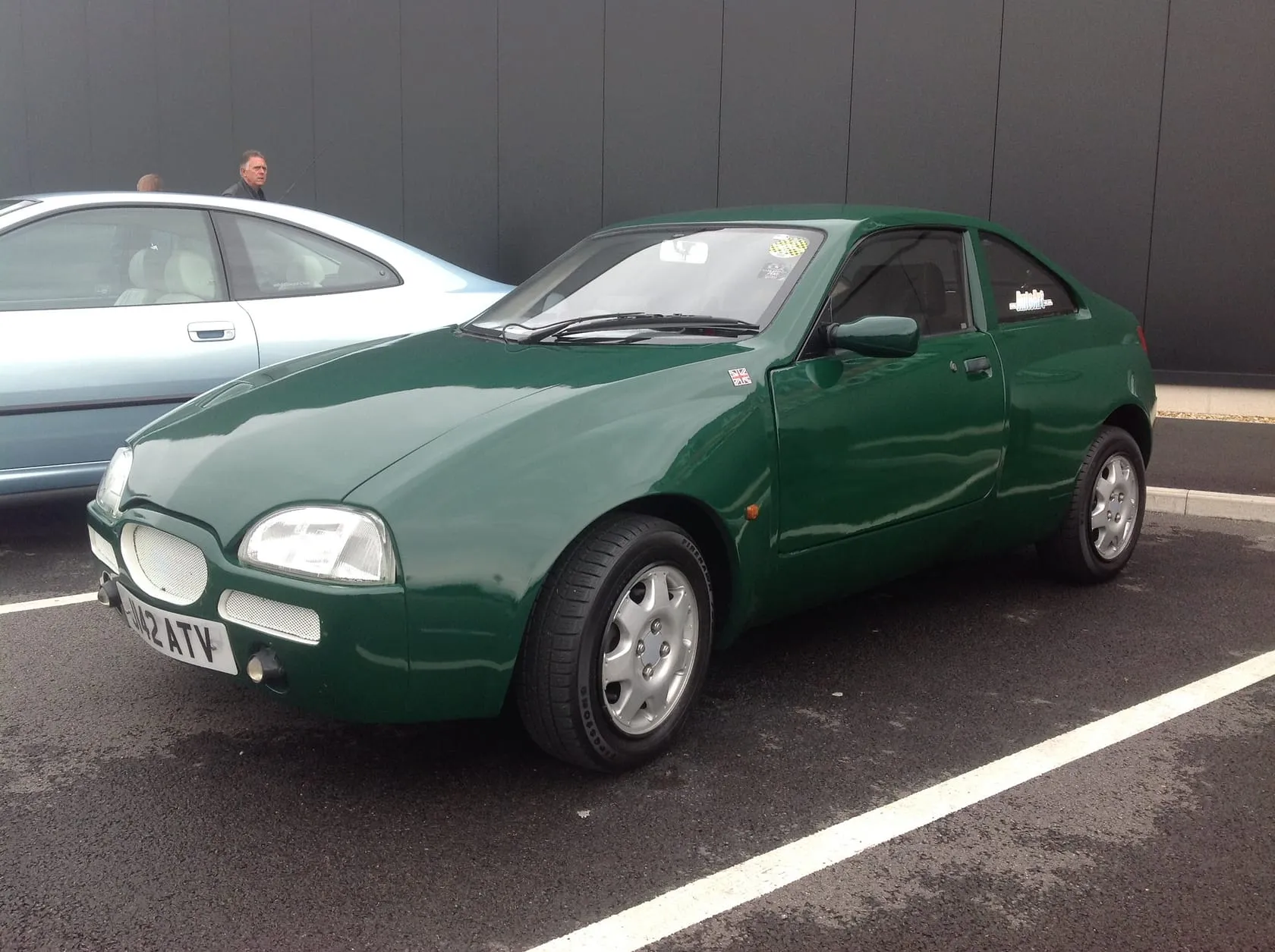 Registering a kit car in the UK: IVA, the new DVLA rules and which plate you get
DVLA rewrote its rules for kit-built, kit-converted and modified vehicles in August 2025, and most guides have not caught up. What the IVA test is and costs, the eight-point system that decides whether you keep the donor's number, when a Q plate is unavoidable, and why a Q plate shuts the door on MOT exemption.
-
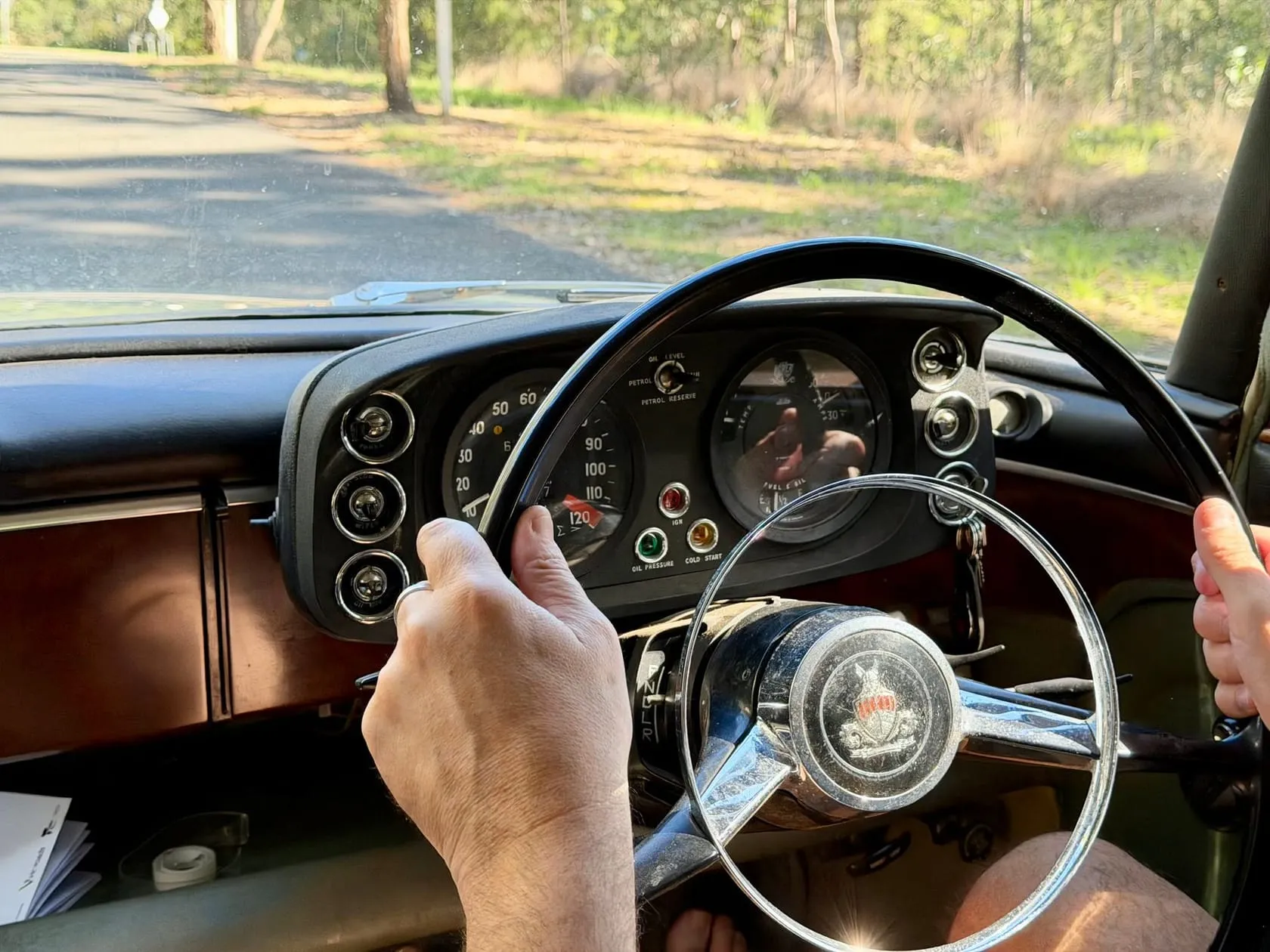 How safe is a classic car in modern traffic? The numbers, the belts, and the honest answer
The road was far more dangerous when these cars were new, and the cars themselves are part of why. What the casualty statistics actually show, when seat belts became law in Britain, what a classic lacks by era, and what an owner can and cannot do about it.
-
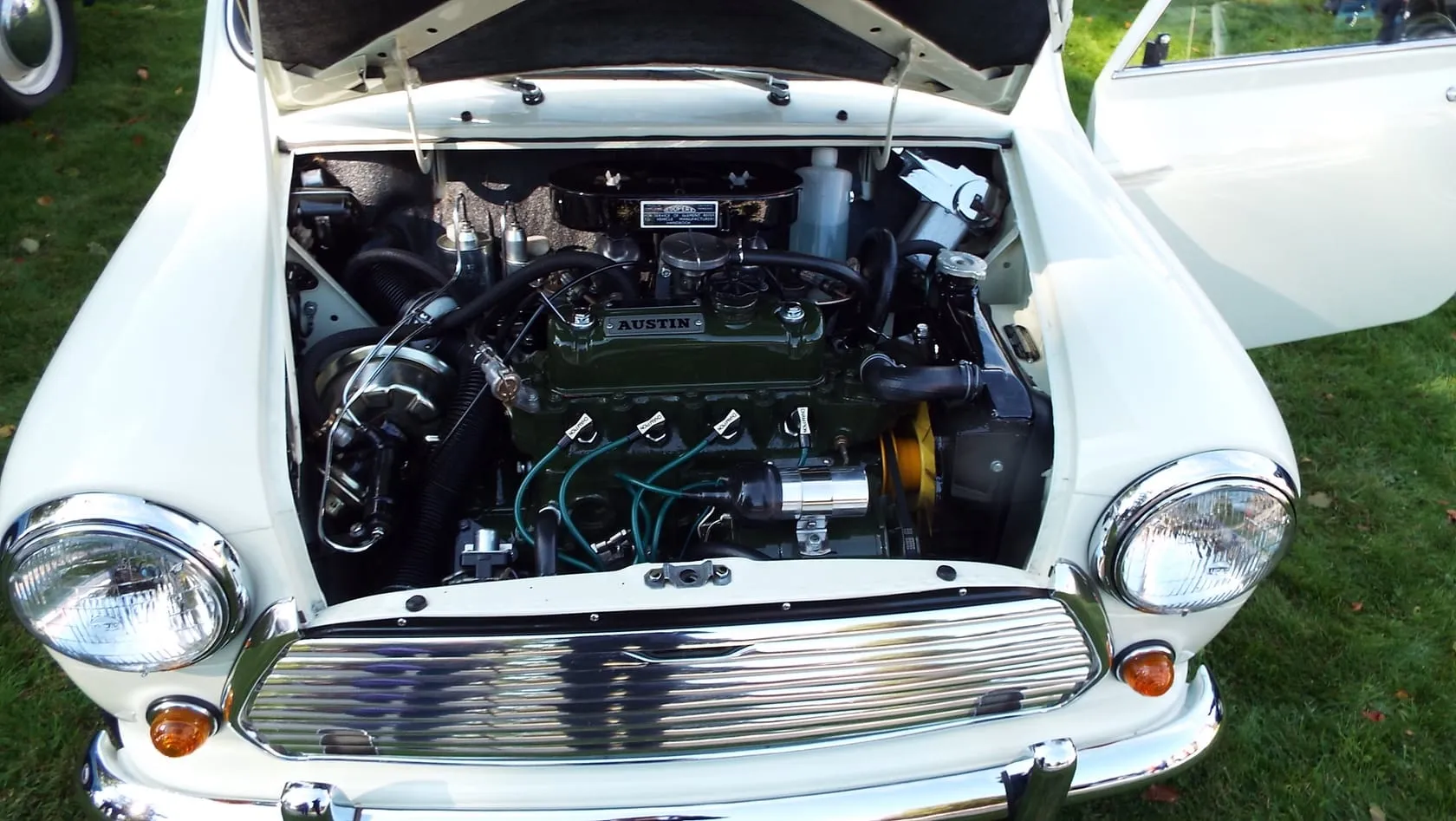 Classic car maintenance for beginners: the tools, the first jobs, and the ones to leave alone
The barrier for most new owners is not information, it is tools, confidence and somewhere to practise. A starter toolkit that is actually enough, the jobs in the order to learn them, the safety rules professionals follow, and the two things that make a classic different from anything built since.
-
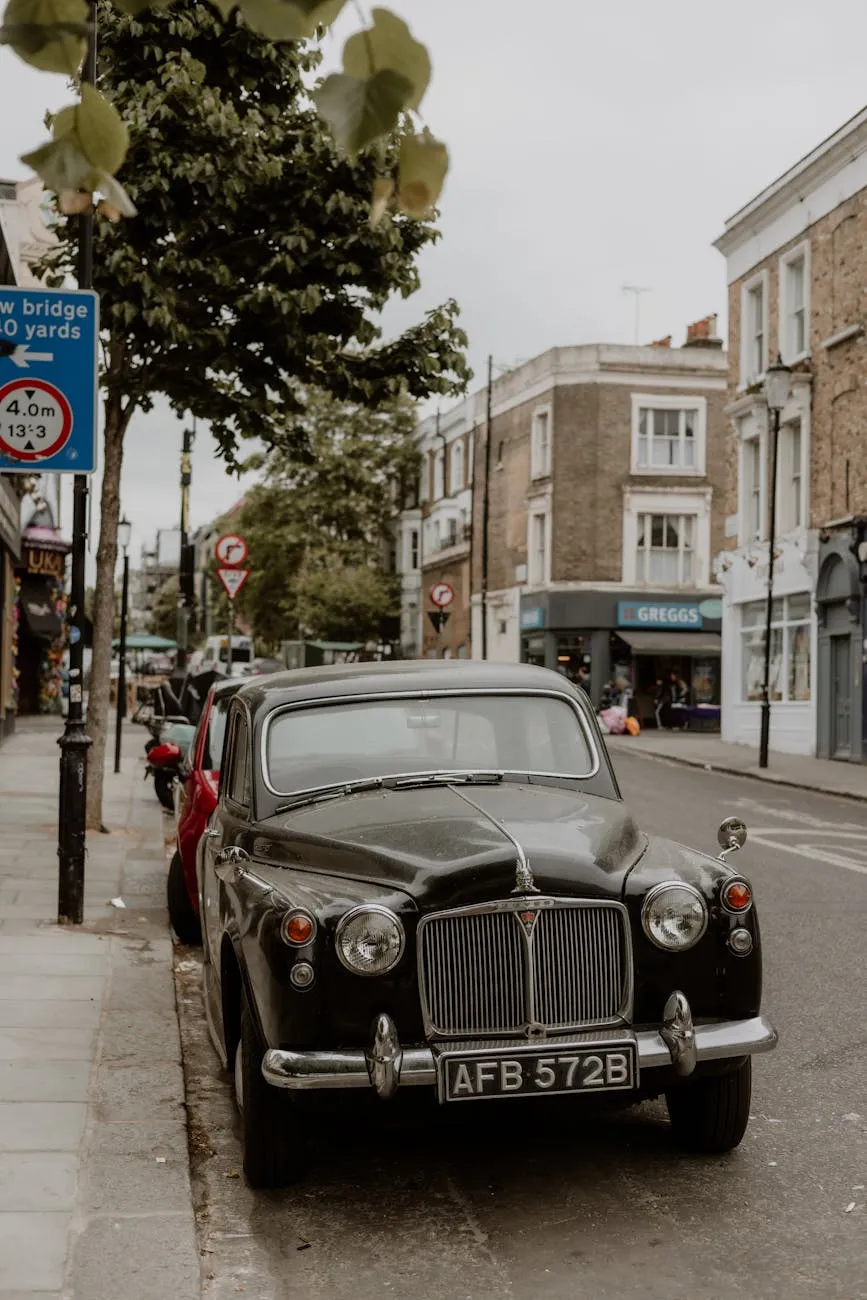 Daily driving a classic: ULEZ, clean air zones and what the exemptions really cover
Which charging zones a classic can enter for nothing, which definition each one uses, why the London ULEZ exemption has two limbs and the Congestion Charge has none, and the difference between the English forty-year rule and Scotland's thirty-year one.
-
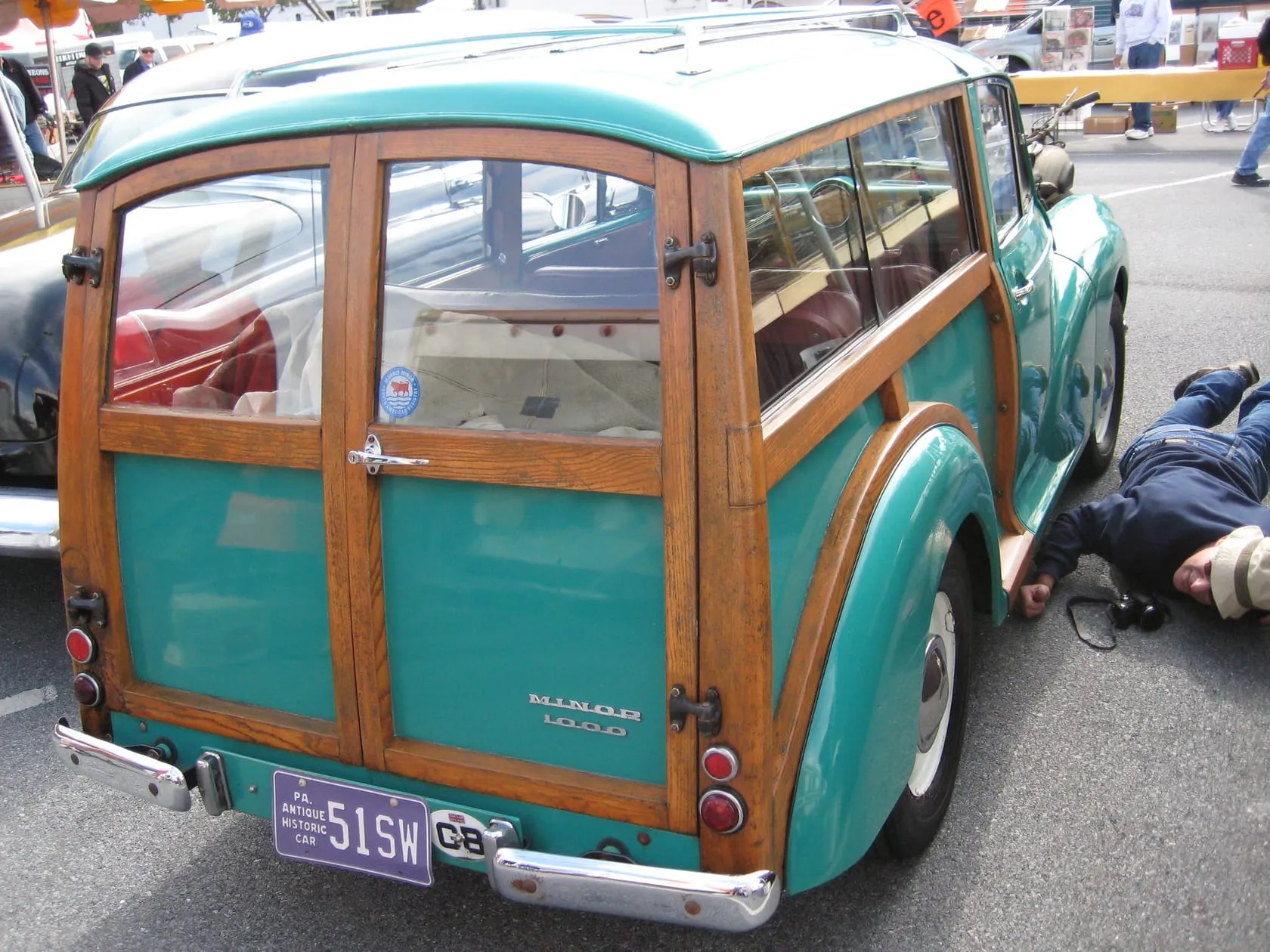 Inheriting a classic car: DVLA, tax, insurance and whether to keep it
What actually has to happen when a classic passes to the next generation. The DVLA bereavement route, why the vehicle tax dies with the keeper, how the car is valued for inheritance tax, why there is no capital gains tax on it, and the honest questions behind keep or sell.
-
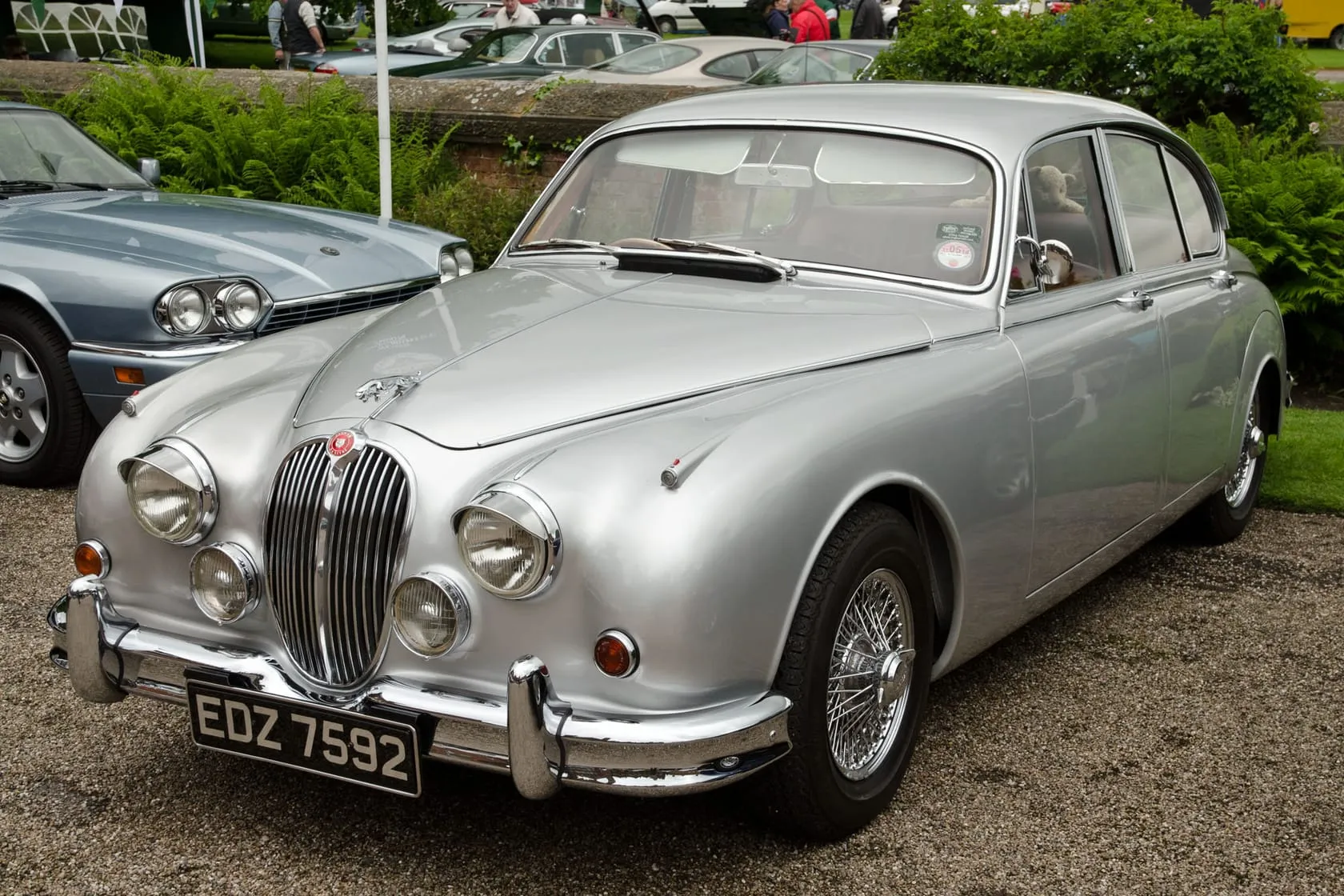 Classic car security: why older cars are easy to steal and what actually stops it
Most cars built before 1998 left the factory with no immobiliser at all, which is why a classic can be driven away in seconds. What the Thatcham categories really mean, why a tracker is not a defence, and the layered approach that makes a classic a poor target.
-
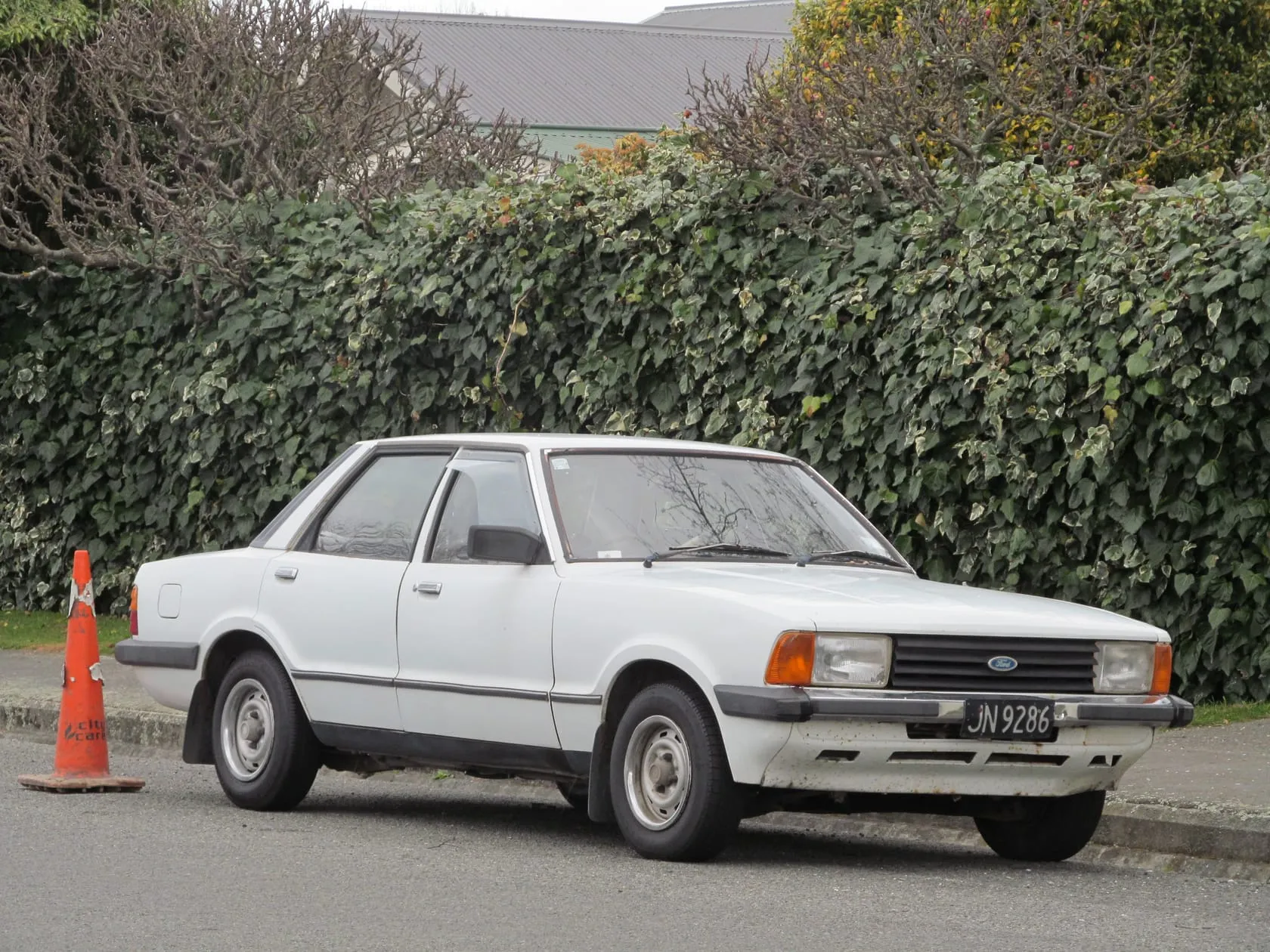 Identifying and dating a classic Ford: plates, chassis numbers and life after ETIS
Ford's online build-data lookup has gone, and there is no Ford equivalent of a heritage certificate. What the car's own plate and chassis number can tell you, what DVLA holds, and the routes that still work for establishing what a Cortina, Escort or Capri originally was.
-
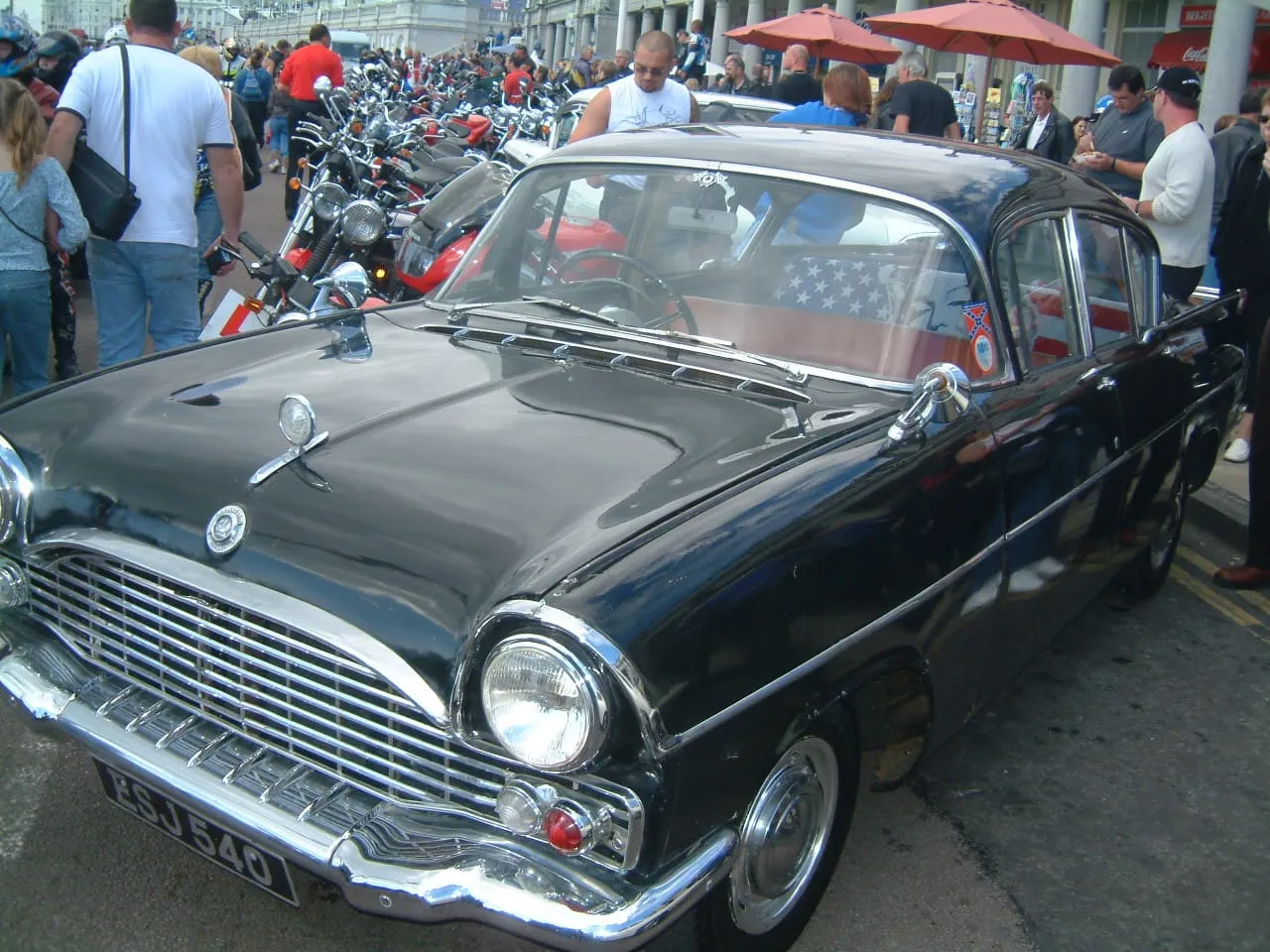 Buying a classic at auction: fees, write-off categories and what the catalogue does not say
Why the hammer price is never the price, what Category S and N actually mean, why a clean-looking V5C proves less than buyers assume, and how to think about bidding on a car nobody has let you inspect.
-
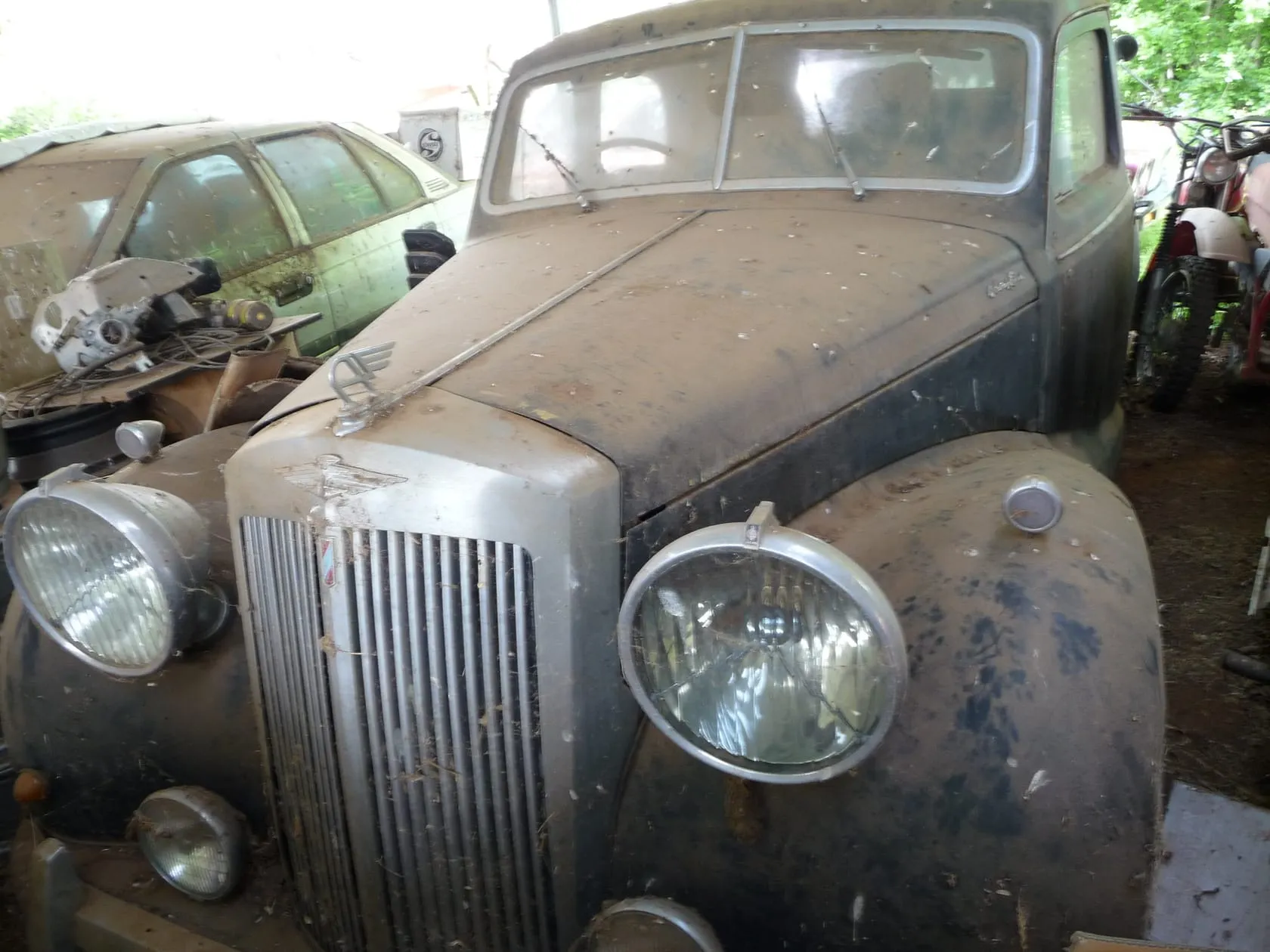 What a classic car restoration really costs, and how to choose a restorer
Why restoration bills reach numbers that horrify outsiders, where the money actually goes, and the practical protections that matter when handing a valuable car to a workshop for a year. Staged payments, written scope, and what happens if the business fails.
-
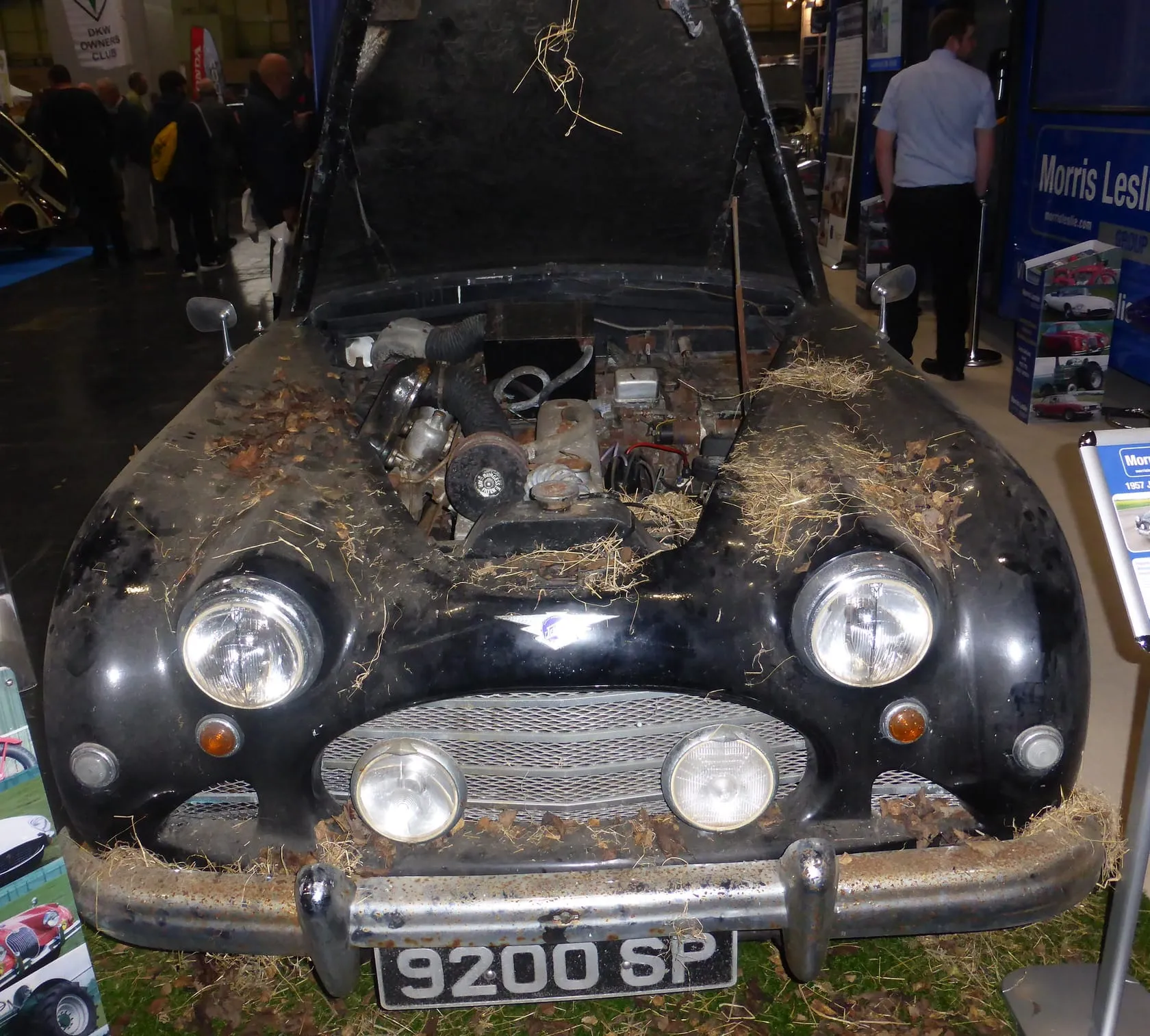 Recommissioning a classic after years in storage: the order that avoids damage
A car that has sat for a decade does not need starting, it needs assessing. What perishes while a classic stands still, why brakes come before ignition, the legal route from SORN back to the road, and when to admit it needs a trailer.
-
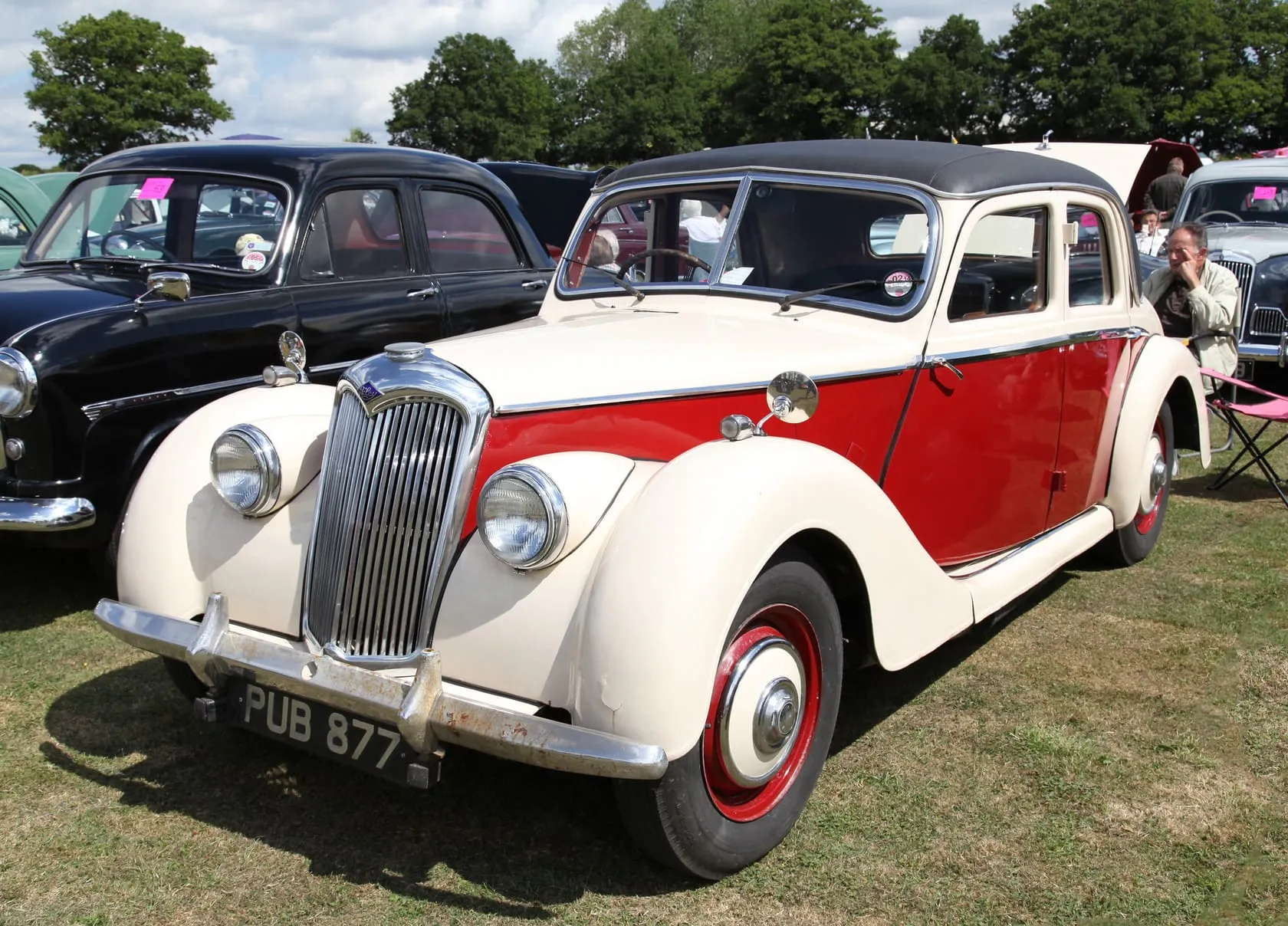 Classic car tax and MOT exemption: two different forty-year rules
The two exemptions run on different clocks and are constantly confused. Vehicle tax works on a fixed annual cliff, MOT exemption rolls with each individual car, and a car can easily qualify for one and not the other. What the dates are now, and what changes in 2027.
-
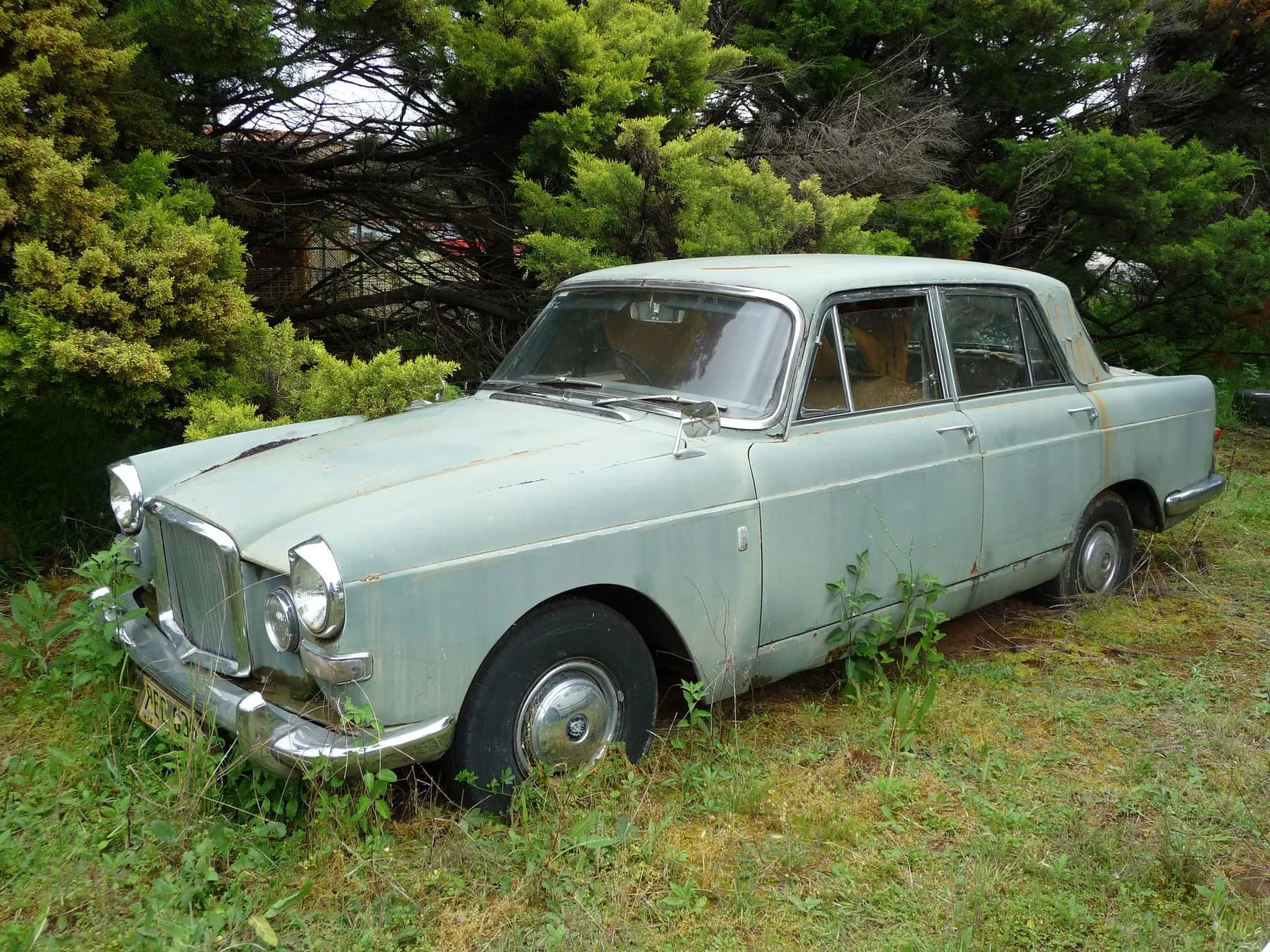 Rust on a classic car: what fails an MOT, what converters do, and how to stop it
Where the line actually falls between rust that matters and rust that does not, in the words of the MOT inspection manual. What rust converters can and cannot do, why filler over a sill is not a repair, and whether underseal really fails a test.
-
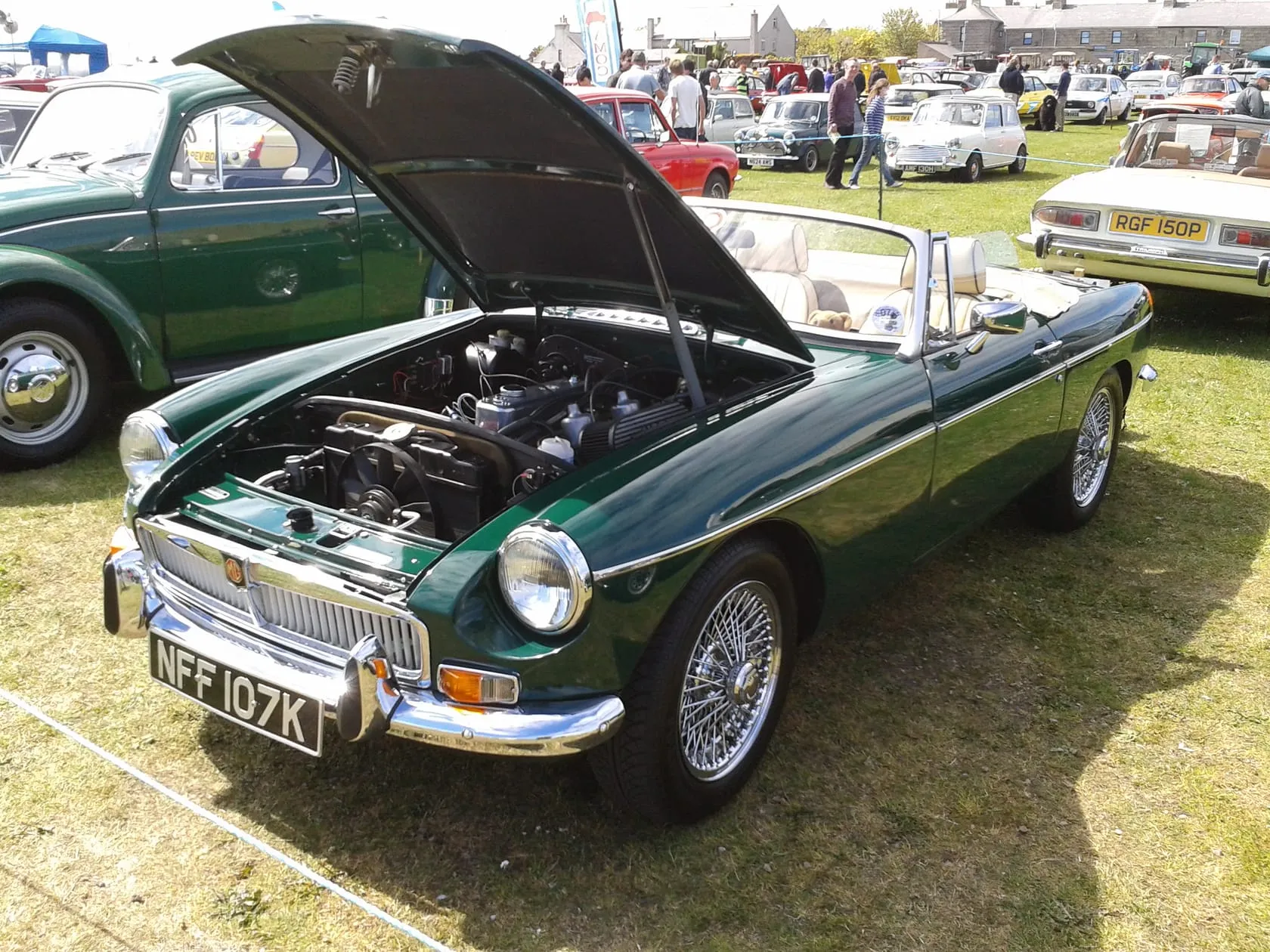 How to find your old car: tracing a car you used to own
The free checks that tell you whether a car still exists, what DVLA will and will not release about the current keeper, how far MOT records really go back, and where the factory build record for a British classic is held.
-
 Exporting a Land Rover Defender to the USA: age, chassis swaps and engine swaps
Why Defenders are worth more in America, when each one becomes legal to import, and the two things that quietly disqualify a car: a replacement chassis and a swapped engine. The rules as the American regulations actually word them.
-
 The 25-year rule: which British classics America can import in 2026
How the American 25-year import rule actually works, why it runs from the build date rather than the model year, the three separate age clocks that catch people out, whether the 25% tariff applies, and which British cars cross the line in 2026.
-
 Exporting a classic car from the UK: paperwork, tax refunds and overseas buyers
What has to happen when a British classic leaves the country. The permanent export section of the V5C, what the buyer keeps and what DVLA takes, how the tax refund is triggered, the difference between permanent and temporary export, and the overseas-buyer scams worth knowing about.
-
 Shipping a classic car overseas: choosing a method and preparing the car
How a classic actually gets across an ocean. Roll-on roll-off against a container, what a non-runner forces, why you cannot pack spares in the boot, the preparation that stops a car being detained at the far end, and what transit insurance really covers.
- Import car insurance for a classic: agreed value and the gap before registration
The insurance problems that only imports have. Covering a car that has landed but has no British registration, why agreed value matters more when there is no UK history to argue from, what evidence insurers ask for, and what the law actually requires.
-
 Importing a classic car into the UK: tax, paperwork and registration
What it actually takes to bring a classic car into Britain. The fourteen-day notification, why a thirty-year-old car is taxed on a reduced value, the three tests it has to pass, DVLA registration on a V55/5, and whether it ends up with an age-related plate or a Q plate.
- Mini parts and specialists: keeping a classic Mini on the road
The classic Mini is one of the best-supported classics in the world, with almost every part remanufactured, from a service kit to a complete bodyshell. A practical guide to Mini parts availability, panels and bodywork, mechanical and trim parts, and the club and specialist network that keeps these cars running.
-
 Owning and running a classic tractor: the practical guide
A practical, plain-English guide to owning a classic or vintage tractor in Britain. How to register an old tractor with the DVLA, the historic tax class and the forty-year rule, why tractors are MOT exempt, the licence and rules for driving one on the road, the red-diesel question that catches people out, and what to look for when buying and running one.
-
 Classic car number plates: black-and-silver eligibility and the UK rules
What number plates a classic car can legally wear in the UK. The black-and-silver eligibility rule (built before 1 January 1980, historic tax class), the British Standard every plate must meet, why show plates are not road-legal, pressed metal versus acrylic, and where to buy compliant plates.
-
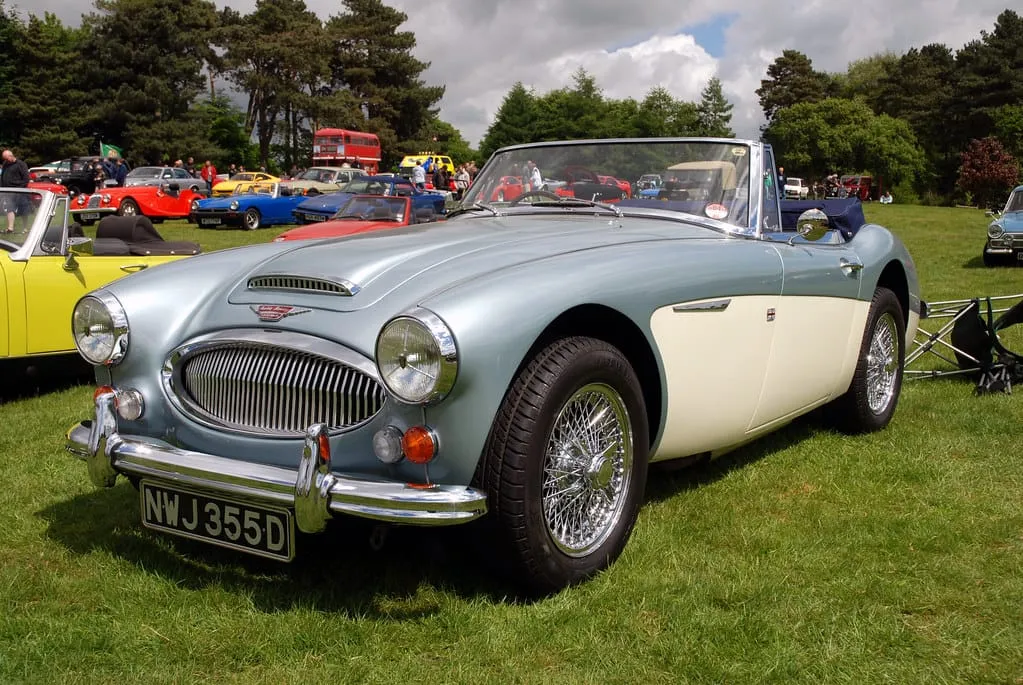 Classic car tyres: crossply or radial, the law on mixing, and what to fit
A practical guide to tyres for a classic car. Crossply versus radial, the UK law on mixing the two, getting the right period size and speed rating, why tyre age matters more than tread on a low-mileage classic, and where to buy proper classic tyres.
-
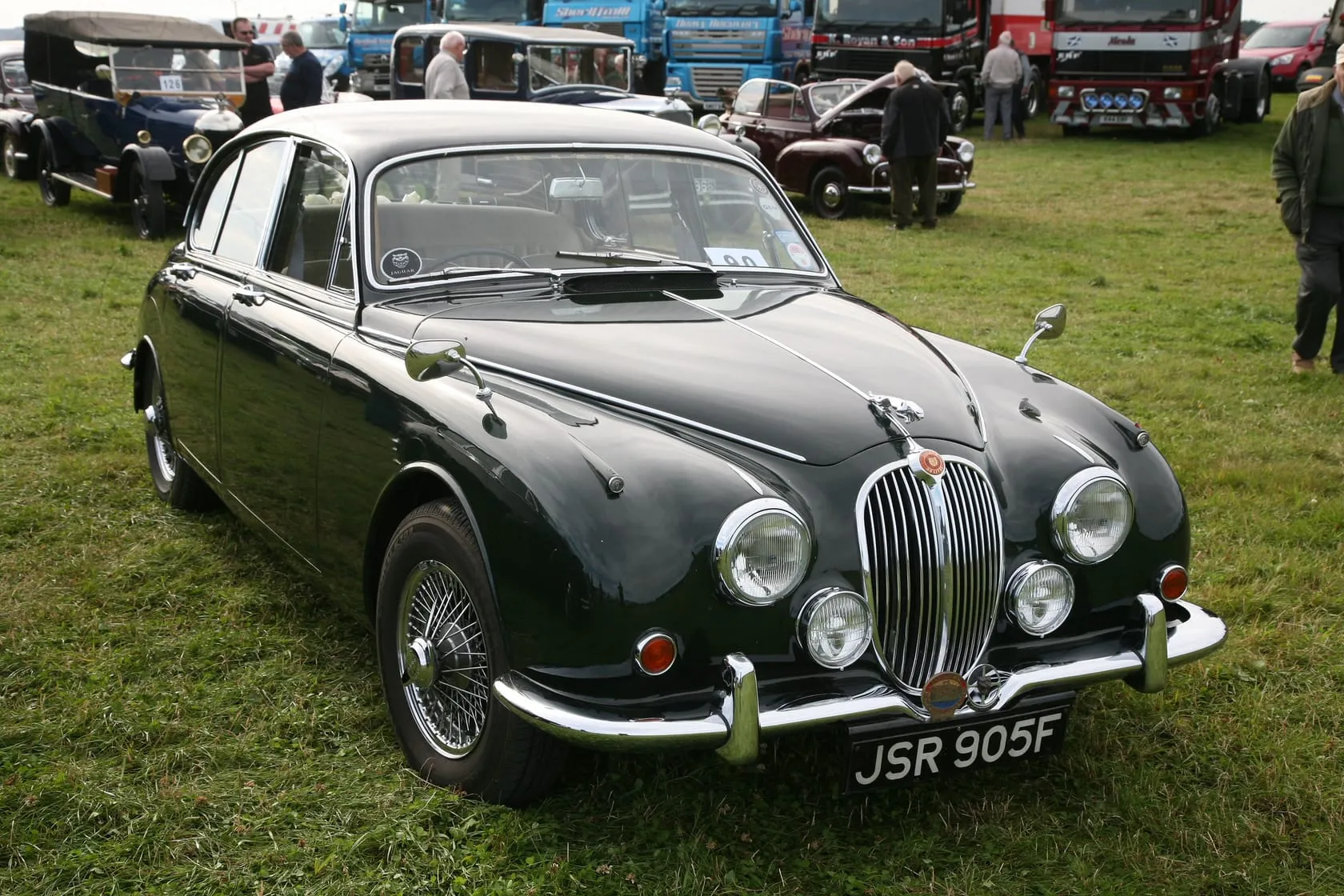 Owning and running a classic car in the UK: the practical guide
Buying the car is the easy part. This is the practical side of classic ownership in Britain, keeping it legal, keeping it on the road, and keeping it protected, covering number plates, road tax and historic status, low-emission zones, tyres, fuel, storage, and what it all costs.
-
 When does a car become a classic?
There is no single age. Road tax and the MOT both use forty years but run on different clocks, customs and Scotland use thirty, London uses 1973, and the market, the clubs and the owner keep their own time. Every answer, and which one applies to your car.