Land Rover Series III: the most numerous of them all (1971–1985)
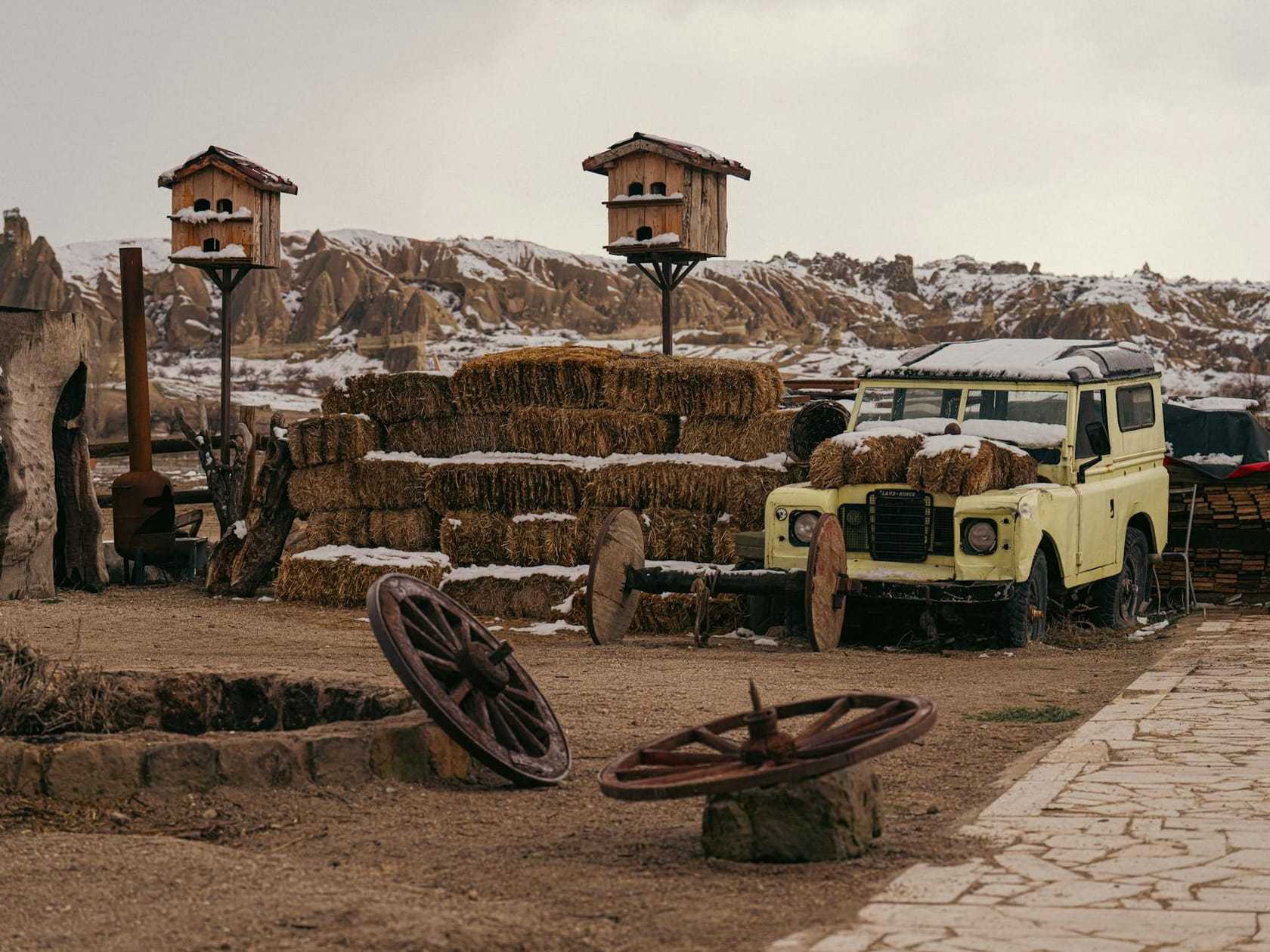
The Land Rover Series III was the most numerous Series of all, recognised by its plastic grille and the first all-synchromesh gearbox. A guide to the 88 and 109 inch cars, the engines including the Stage 1 V8, the Lightweight, what to look for when buying, and why it is the most affordable way into a Series Land Rover.
Built 1971–1985
At a glance
- Years
- 1971–1985
- Body styles
- Soft-top, pickup, hard-top and station wagon; 88 and 109in; plus Lightweight and Stage 1 V8
- Drivetrain
- Selectable four-wheel drive, two-speed transfer box
- Engines
- 2.25 petrol and diesel, 2.6 six-cylinder, 3.5 V8 (Stage 1)
- Power
- Around 62 to 91 bhp; more from the Stage 1 V8
- Top speed
- Around 65 to 72 mph
- Production
- Around 440,000, the most numerous Series; the millionth Land Rover was built in 1976
- Assembly
- Solihull, Warwickshire
- Values
- Project around £3,000-£5,000, usable £6,000-£12,000, excellent £15,000-£20,000; Stage 1 V8 higher
- Construction
- Separate steel chassis, aluminium-alloy body
- Quick way to tell
- The plastic grille and the dash with instruments in front of the driver
The models
More Land Rover Series IIIs were built than any other Series, which is why it is the one you are most likely to meet. Produced from 1971 to 1985, it was an update of the Series IIA rather than a fresh design, but it brought the changes that made the old Land Rover easier to live with, and as the best-supported Series it is the most affordable way into one.
It is the last of the leaf-sprung Land Rover Series cars, the bridge to the coil-sprung Defender that replaced it, and a tough, honest classic that is still a common sight at work and at shows.
The Series III in brief
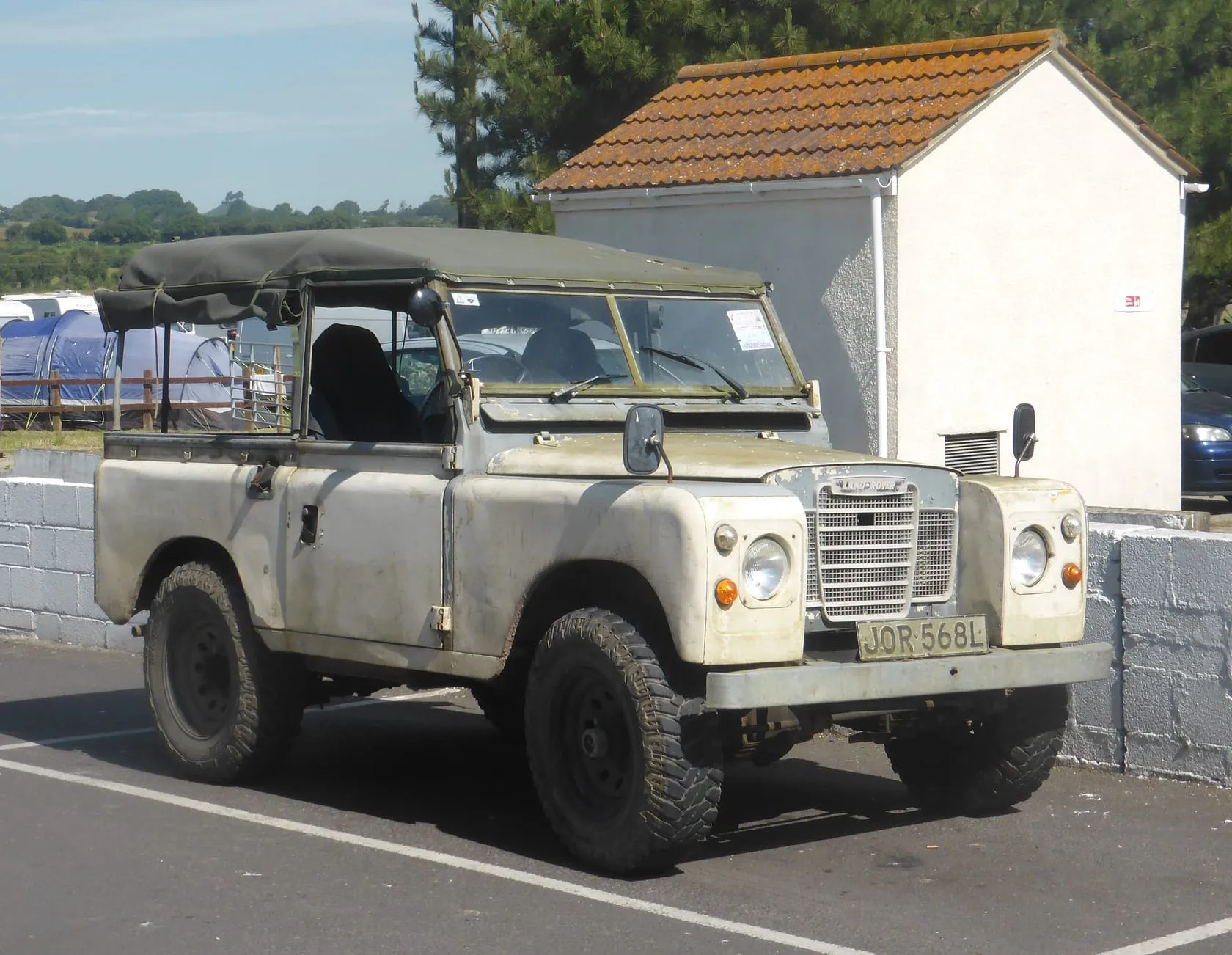
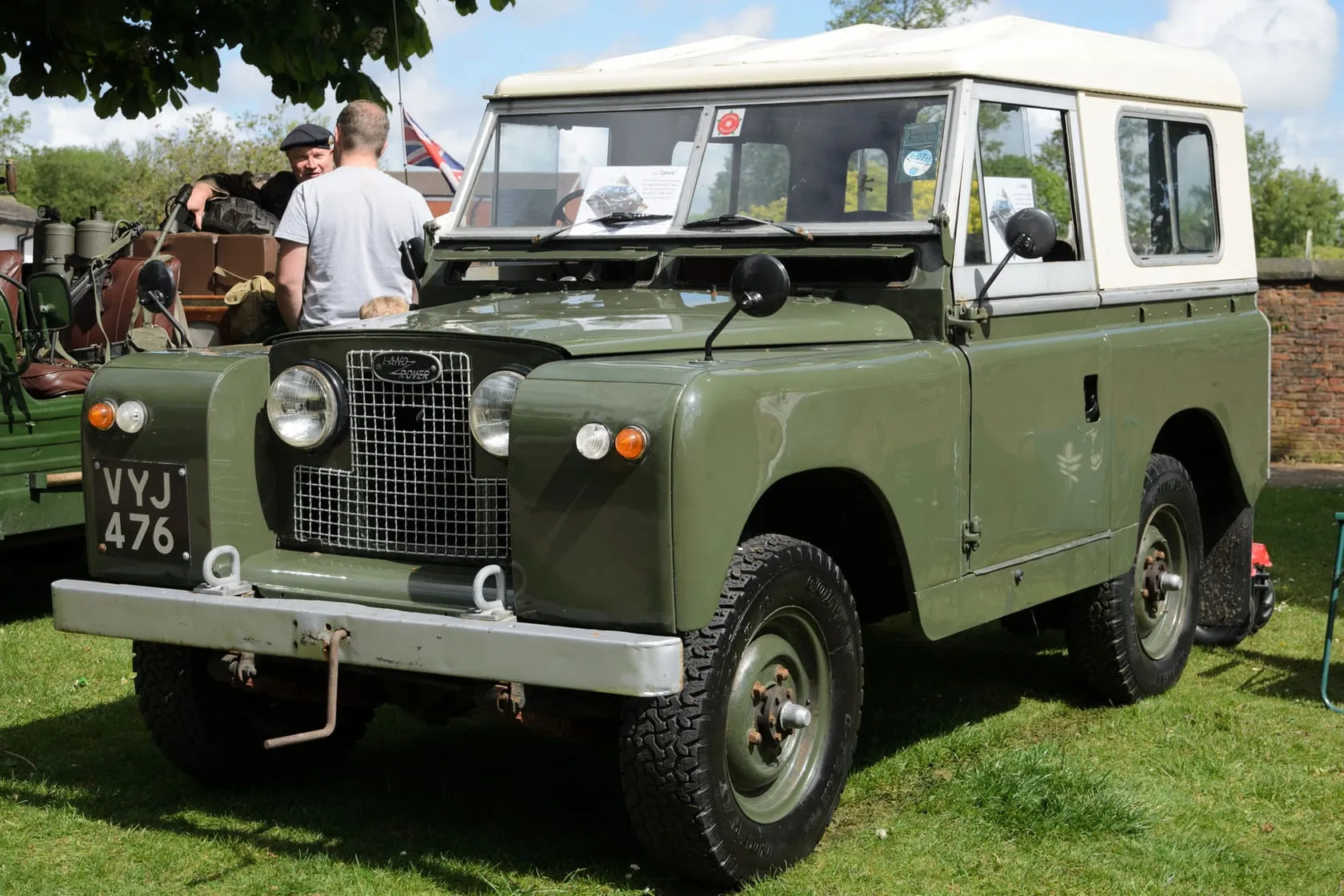
The Series III arrived in 1971 looking much like the IIA but with several useful improvements. The quickest way to spot one is the moulded plastic grille, which replaced the metal grille of every earlier car, and the revised dashboard, which finally moved the instruments from a central binnacle to in front of the driver. The most important change was under the hand: a fully synchromesh four-speed gearbox, the first Series with synchromesh on all forward gears, which makes it markedly easier to drive than the earlier cars. As before it was sold in two wheelbases, the short 88in and the long 109in, and the trade still describes the cars that way: a Series III 88 is the nimble one most buyers want, the Series III 109 the load-carrier, with specialist bodies from fire appliances to ambulances built on both. It was the Land Rover at the height of its production: around 440,000 were built, and the millionth Land Rover of all rolled out of Solihull during this run, in 1976.

Engines, the V8 and the Lightweight
The Series III continued with the familiar 2.25-litre petrol and diesel fours and the 2.6-litre six in the long-wheelbase cars, with later examples gaining a stronger five-bearing crankshaft for smoother, more durable running. The landmark addition came in 1979 with the Stage 1 V8, a long-wheelbase car fitted with the 3.5-litre Rover V8 detuned from the Range Rover, Land Rover’s first V8 utility model and a pointer to the cars that would follow. Alongside the civilian range sat the military Lightweight, a stripped, air-portable version built for the armed forces, now a sought-after curiosity in its own right. Towards the end of its life the Series III also gained more comfortable, better-trimmed County station wagons, with cloth seats and sound insulation, a nod to the more car-like Land Rovers to come, and a reminder that by the early 1980s the utilitarian original was nearing the end of a remarkable thirty-five-year run.

What it is like to own
The Series III offers the full old-Land-Rover experience, upright, slow and endlessly capable, but with the rough edges slightly smoothed. The synchromesh gearbox makes town driving far less of a workout than in a IIA, and the dash is easier to read, while the mechanicals remain as simple and repairable as ever. It is still no quick or quiet way to travel, but it is the most usable of the Series cars and just as rewarding to maintain at home. For many owners that combination is exactly the point: the Series III is old enough to feel like a genuine piece of history but late enough and numerous enough to live with as a weekend vehicle, and you are never far from a club, a specialist or the part you need.

Buying guide: what to look for
As with every Land Rover, the body is aluminium and safe, but the steel beneath rots. Check the chassis carefully, the outriggers, spring hangers and rear crossmember above all, and the steel bulkhead and footwells, which are the expensive repairs. Galvanic corrosion at the joints between aluminium and steel is common, and some owners report that the later cars used thinner, less corrosion-resistant panels once original alloy stocks ran down, so inspect bodywork as well as structure. Mechanically, check the 2.25 engine for oil-burning, the gearbox synchros for wear, and the swivels for leaks, and on a Stage 1 V8 confirm the engine is correct and original.

The cheapest Series Land Rover, and where it sits
Because it is so numerous, the Series III is the cheapest entry to a Series Land Rover, with the Stage 1 V8, good County station wagons and the Lightweight above the ordinary cars and a sound chassis worth far more than fresh paint. The full record, 615 recorded sales by wheelbase, why the 88 and the 109 sell for the same money, and why the Series III rose later than any other Land Rover and is falling first, is on the page covering Land Rover Series III values.
For the period it belongs to, see British classic cars of the 1970s and 1980s.

Owners’ clubs and parts
The Series III enjoys the best parts supply of any Series, simply because so many were made and so much is shared, and the club and specialist network is deep. For the practical detail of running and restoring one, see our guide to Land Rover parts and restoration.

The Series III timeline
- 1971Launched as an update of the IIA: moulded plastic grille, instruments moved in front of the driver, and a fully synchromesh four-speed gearbox.
- 1976The millionth Land Rover rolls out of Solihull during the Series III run.
- 1979The Stage 1 V8 puts the Range Rover's detuned 3.5 V8 into the long-wheelbase car, Land Rover's first V8 utility.
- Early 1980sCounty station wagons add cloth seats and sound insulation, a nod to the car-like Land Rovers to come.
- 1985Production ends at around 440,000; the coil-sprung One Ten and Ninety take over.
Buying checklist: the Series III in front of you
The steel
- Chassis outriggers, spring hangers and the rear crossmember above all
- The steel bulkhead and footwells, the expensive repairs
- Galvanic corrosion at the aluminium-to-steel joints
- Inspect the bodywork too, since later panels were thinner and less corrosion-resistant
Mechanical
- Check the 2.25 for oil-burning
- Gearbox synchros for wear, since they are the model's selling point
- Swivels for leaks
- On a Stage 1 V8, confirm the engine is correct and original
Which one
- The 88 is the nimble one most buyers want; the 109 is the load-carrier
- Stage 1 V8s, good County wagons and the military Lightweight sit above the ordinary cars
- Fire appliances, ambulances and specialist bodies exist on both wheelbases
- A sound chassis is worth far more than cosmetic charm at every level
Related
The Series III is the last of the leaf-sprung Land Rover Series cars, following the Series I and Series II and IIA and giving way to the coil-sprung Defender. For the wider period, see British classic cars of the 1970s and 1980s.
More photos



Frequently asked questions
What is the difference between the Series III and the earlier Land Rovers?
What is the Land Rover Stage 1 V8?
Is the Series III a good classic to buy?
Related across themes
More from Land Rover


Recently added

British car records: the smallest, the fastest, the dearest

Morgan 4/4: the longest-running car name in the world (1936–2018)

Selling a classic car privately: what the law asks of you, what it does not, and how not to get stung
