Austin Ten: the quiet best-seller of the 1930s (1932–1947)
The Austin Ten was Longbridge's family car for the 1930s and quietly out-sold everything else Austin made, running from the 1932 Ten-Four through the Lichfield, Sherborne and Cambridge to the wartime Tilly and the post-war GS1. A guide to the variants, the war years, buying checks and values.
Built 1932–1947 100 recorded sales
At a glance
- Years
- 1932–1947
- Body styles
- Saloons, cabriolets, tourers, vans and the wartime Tilly utility
- Drivetrain
- Front engine, rear-wheel drive
- Engines
- 1125cc side-valve four
- Power
- Around 21 bhp to 32 bhp
- Top speed
- Around 55-60 mph
- Trim levels
- Ten-Four, Lichfield, Sherborne, Cambridge, Conway, GS1
- Production
- Around 290,000 across all versions
- Assembly
- Longbridge, Birmingham
- Designer
- Austin drawing office under Herbert Austin
- Values
- Usable from around £3,500; good cars £5,500-£10,000
- The record
- Austin's best-selling car of the 1930s, ahead of even the Seven
- The war work
- The Tilly utility version served on every British front
The models
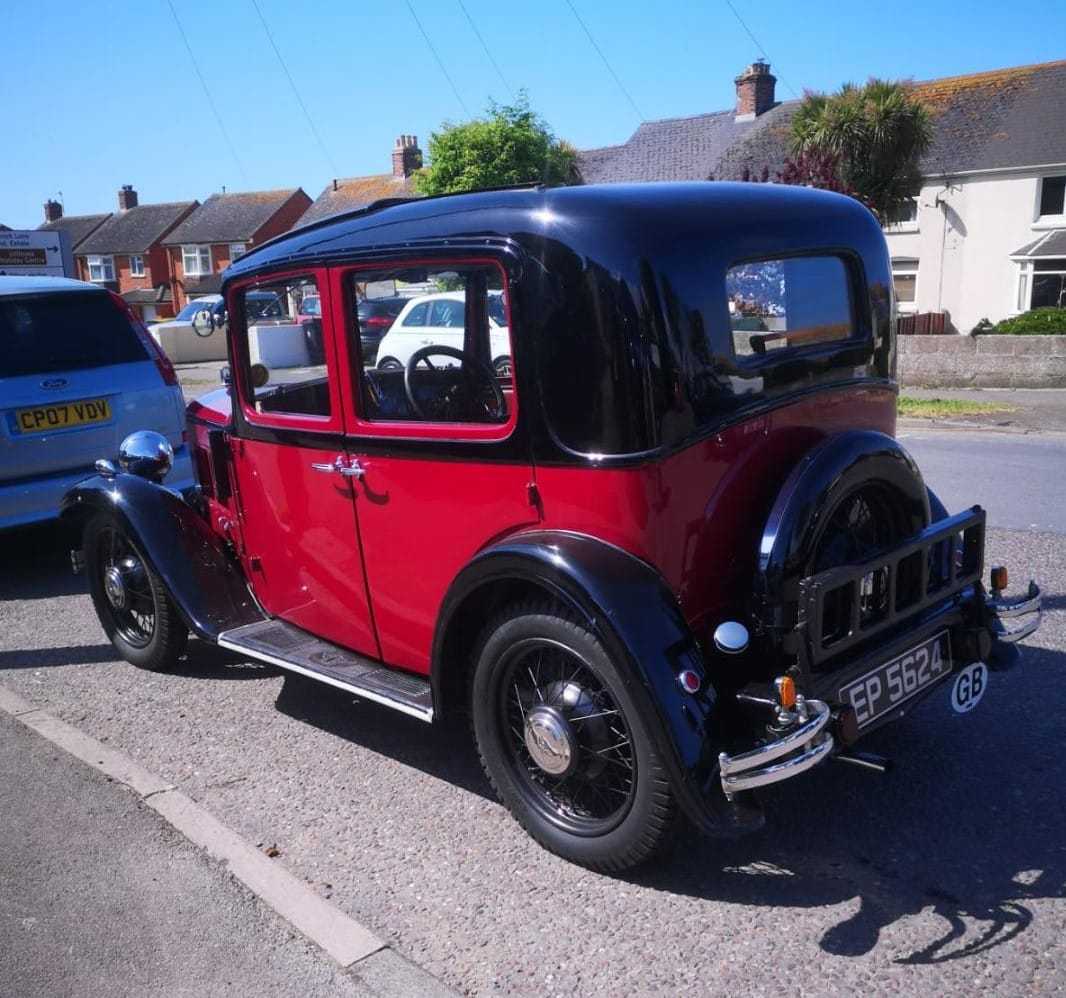
Ask which Austin sold best in the 1930s and everyone answers the Seven; the correct answer is the Austin Ten. Launched in April 1932, the middle child of the Longbridge range quietly out-sold its famous little sibling year after year, put around 290,000 families on the road, and then went to war in Tilly utility dress on every British front. It has spent ninety years being underestimated, which is precisely what makes it such good value now.
The car in the middle
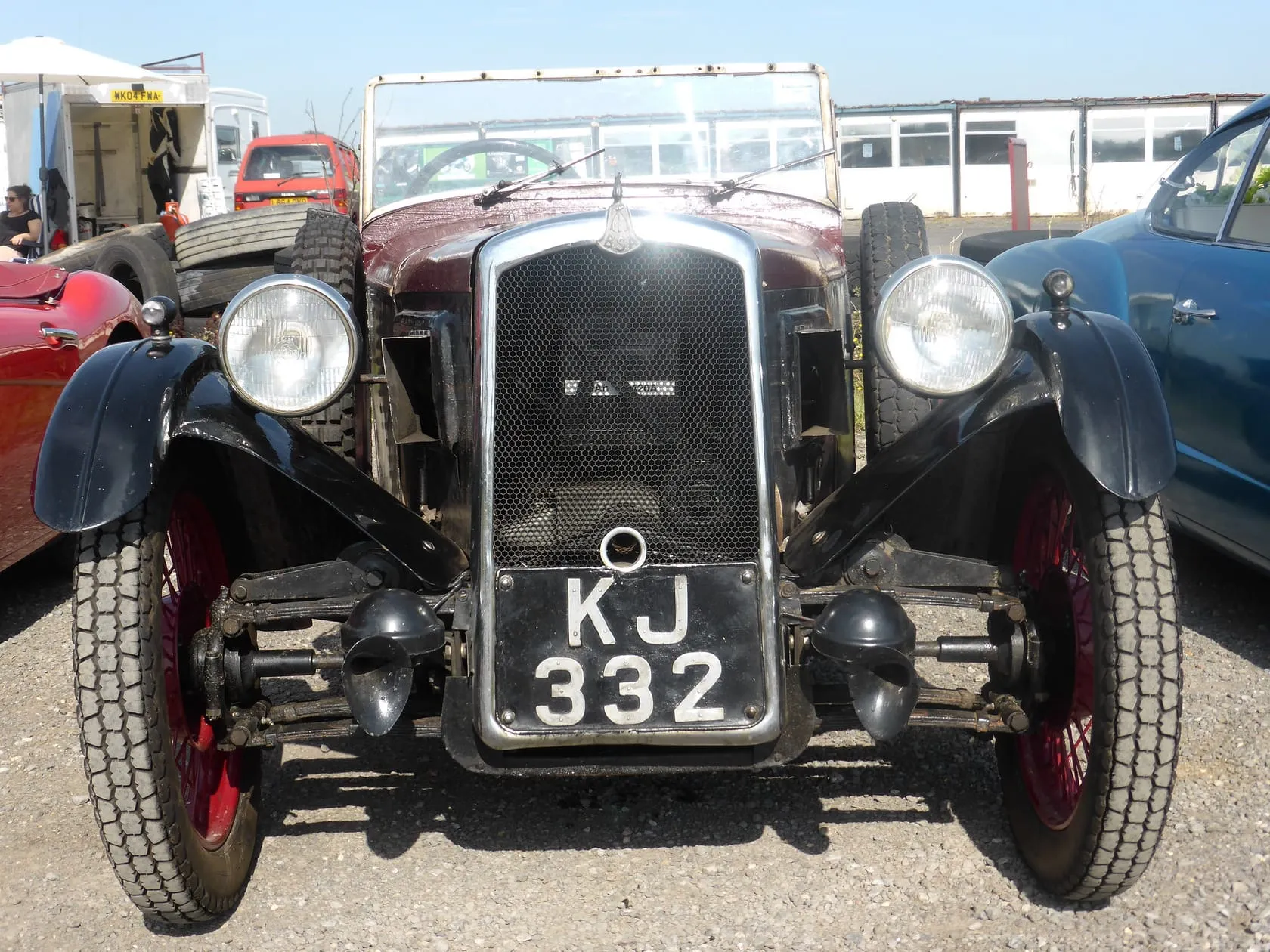
The Ten-Four of 1932 answered a simple market truth: plenty of families had outgrown the Austin Seven but could not stretch to the solid, heavy Twelve. An 1125cc side-valve four in a conventional, well-trimmed small saloon hit the gap exactly, and Austin’s reputation for sturdiness did the rest. Through the mid-1930s the Ten was consistently the company’s best-selling line, the default family car of semi-detached Britain, priced against the rival Morris Ten and Hillman Minx and out-lasting both in public affection.

Lichfields, Sherbornes and Cambridges
Austin’s town-and-county naming gives the Ten’s evolution its charm. The original Ten-Four grew into the Lichfield of 1934 with its sloping tail, the Sherborne refined the theme, open-topped Conway and Colwyn cabriolets served the fresh-air minority, and the 1937 Cambridge brought the sleeker, faired-in look of the late-decade Austins. Vans carried the tradesman’s version of the badge. Mechanical change was deliberately gentle throughout, Girling brakes here, a stronger back axle there, because the formula was selling: keep it simple, keep it sturdy, keep it affordable.

The Ten at war
When war came, the Ten enlisted. The “Tilly” light utility, a Ten saloon front half with a pick-up rear and canvas tilt, served with all arms from Normandy to Burma as the British Army’s light runabout, and civilian-pattern saloons in service drab carried officers and officials at home. Wartime production kept the model alive through 1945, and a lightly updated GS1 saloon resumed civilian sales until 1947, when the A40 Devon and Dorset took over the slot. The military connection now gives the Ten a second collector audience: a documented Tilly is a fixture of military-vehicle rallies and often worth more than the smartest civilian saloon.

Rivals and relatives
The Ten’s decade was crowded, and the company it kept explains its success. Morris fielded its own Ten and later the Morris Eight below it, Hillman’s Minx chased the same driveways, and Ford undercut everyone on price while trailing on trim and brakes. The Austin’s pitch was solid respectability: not the cheapest, never the fastest, but the one your father trusted. Within Longbridge it bridged the Seven and the Twelve, borrowed its body language from both, and handed its market on to the A40 Devon in 1947. Many families ran a Seven, graduated to a Ten, and stayed with the badge for thirty years, which is precisely what Herbert Austin’s naming-by-horsepower range was designed to achieve.

What an Austin Ten is like to drive
The Ten drives exactly as its buyers wanted: softly sprung, unhurried and dependable. The side-valve four pulls from walking pace in top gear, cruises contentedly at 40 to 45 mph and reaches its high fifties given room; the four-speed change (synchromesh arriving through the mid-1930s) is friendly by pre-war standards, and the brakes need the usual period anticipation. Against an equivalent Seven it feels notably more grown-up, quieter, more stable and more comfortable over distance, which is exactly the gap it was built to fill.

Buying an Austin Ten today
Inspection is classic pre-war work. The steel body over a separate chassis rots along the sills, door bottoms and rear wings, and the fabric roof insert wants checking for concealed water damage; chassis themselves rarely give trouble. The engine is famously unstressed, rebuildable at home, and supported by the Austin Ten Drivers Club, whose spares scheme and records are the model’s great ownership asset; establishing a car’s body style and originality through the club before purchase is the single best buying move. Cabriolets carry conversion risks worth verifying, and Tillies bring the military-vehicle provenance questions of any ex-service machine.

Values and where the Ten sits
Prices remain gentle: usable cars from around £3,500, good saloons £5,500 to £10,000, cabriolets and genuine Tillies beyond. That is Seven money or less for a roomier, more usable pre-war car, and the market’s neglect of the Ten looks increasingly like the hobby’s oversight rather than the car’s failing. It sits at the heart of the 1930s story, the decade when British motoring became ordinary, and few cars tell that story with more honesty.

More photos


Key dates for the Austin Ten
- 1932The Ten-Four hits the gap between the Seven and the heavy Twelve: an 1,125cc side-valve four in a conventional, well-trimmed small saloon.
- 1934The Lichfield adds the sloping tail; Conway and Colwyn cabriolets serve the fresh-air minority.
- 1937The Cambridge brings the sleeker, faired-in late-decade look; synchromesh arrives through the mid-1930s.
- 1939The Tilly light utility enlists, serving with all arms from Normandy to Burma.
- 1945The lightly updated GS1 resumes civilian sales.
- 1947The A40 Devon and Dorset take over the slot, after around 290,000 Tens of all versions.
Before you buy an Austin Ten
Body and chassis
- Sills, door bottoms and rear wings on the steel body
- The fabric roof insert, for concealed water damage
- The separate chassis itself rarely gives trouble
- Classic pre-war inspection: unhurried, with a torch
Identity
- Establish body style and originality through the club before purchase
- Cabriolets carry conversion risks worth verifying
- A documented Tilly brings military-vehicle provenance questions and often outprices the smartest saloon
- Town-and-county names, Lichfield to Cambridge, date the car at a glance
Mechanical
- The engine is famously unstressed and rebuildable at home
- The club spares scheme covers the running gear
- Synchromesh arrived mid-decade, so early boxes ask more technique
- 40 to 45 mph is the contented cruise, and the car is honest about it
What the Austin Ten sells for at auction
In 2025 the median Austin Ten sold for £5,462 across 8 sales, 7% down on 2024. In real terms, typical Austin Ten prices were down about 38% over the five years to 2025, once inflation is accounted for.
| Variant | Sold | Typical range | Median |
|---|---|---|---|
| 10 | 41 | £3,041 - £6,900 | £5,376 |
| 10/4 | 29 | £3,938 - £8,700 | £5,376 |
| 10 Cambridge | 11 | £2,099 - £4,482 | £3,335 |
| 10/4 Lichfield | 7 | £4,602 - £5,920 | £5,000 |
| 10 Lichfield | 5 | £1,792 - £4,200 | £3,360 |
Show the year-by-year mediansHide the year-by-year medians
| Year | Sold | Median | In 2025 money |
|---|---|---|---|
| 2026 (so far) | 11 | £4,600 | |
| 2025 | 8 | £5,462 | £5,462 |
| 2024 | 11 | £5,900 | £6,126 |
| 2023 | 15 | £5,600 | £6,009 |
| 2022 | 5 | £5,376 | £6,157 |
| 2021 | 6 | £4,040 | £4,996 |
| 2020 | 7 | £6,975 | £8,839 |
| 2019 | 7 | £8,008 | £10,251 |
| 2018 | 7 | £4,558 | £5,934 |
| 2017 | 3 | £5,101 | £6,795 |
- £6,55010
- £1,60010
- £21,37510 Melbourne
- £3,65010/4 Lichfield
- £1,16010
Reasonable evidence. 100 recorded sales: enough for the range to mean something, though a few unusual cars can still move a single year's median. Based on 100 sold results from public classic car auctions (2004 to 10 August 2026). Sold prices, not asking prices, and not a valuation: condition, history and specification vary from car to car. Inflation-adjusted figures use the ONS CPIH index, in 2025 money.
Frequently asked questions
What is an Austin Ten?
Why do Austin Tens have names like Lichfield, Sherborne and Cambridge?
What is an Austin Tilly?
How fast is an Austin Ten?
How much is an Austin Ten worth?
What is the most expensive Austin Ten ever sold at auction?
How often does an Austin Ten come up for sale?
Related across themes
More from Austin


Recently added

British car records: the smallest, the fastest, the dearest

Morgan 4/4: the longest-running car name in the world (1936–2018)

Selling a classic car privately: what the law asks of you, what it does not, and how not to get stung
