Austin-Healey 3000: the Big Healey (1959–1967)
The Austin-Healey 3000, the "Big Healey", is the muscular six-cylinder sports car that defined the marque and built its rally reputation. A guide to the Mk I, II and III, the wind-up-window BJ7 and the prized Mk III BJ8, the works rally cars, and what to look for when buying.
Built 1959–1967
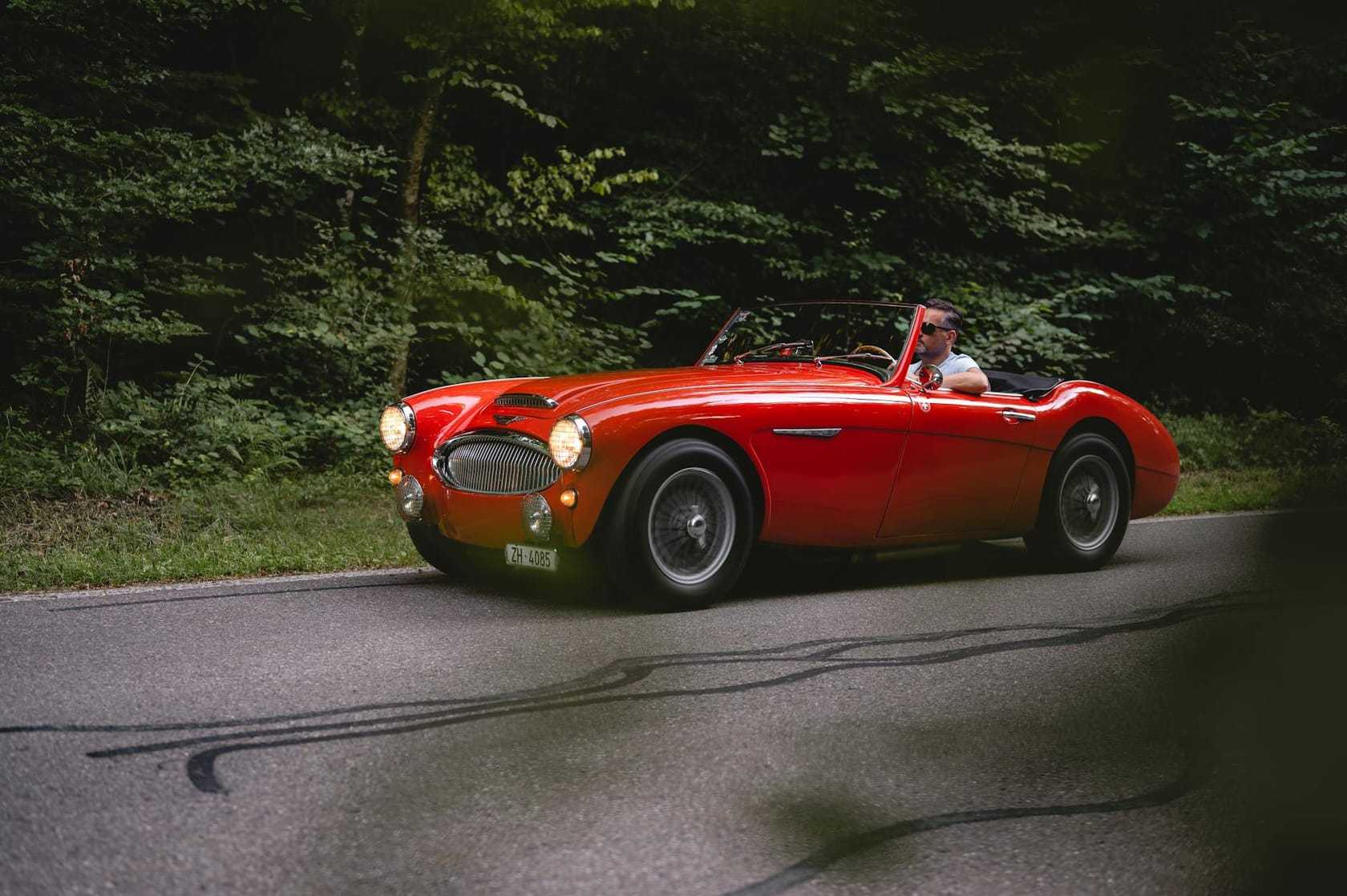
At a glance
- Years
- 1959–1967
- Body styles
- Two-seater and 2+2 roadster; 2+2 convertible from 1962
- Drivetrain
- Front engine, rear-wheel drive, overdrive
- Engines
- 2912cc BMC C-series straight-six
- Power
- Around 124 bhp (Mk I) to about 148 bhp (Mk III)
- Top speed
- Around 115 to 120 mph
- Production
- About 42,900 built, the great majority exported to the United States
- Assembly
- Bodies by Jensen of West Bromwich; final assembly at Abingdon
- Values
- Mk III project from the low five figures, good around £33,000, excellent to £46,000 and concours far higher; works competition cars into six figures
- Construction
- Separate chassis, with aluminium shrouds over a steel body
- The collector's one
- The Mk III (BJ8): most powerful, walnut dash, the most valuable Big Healey
The models
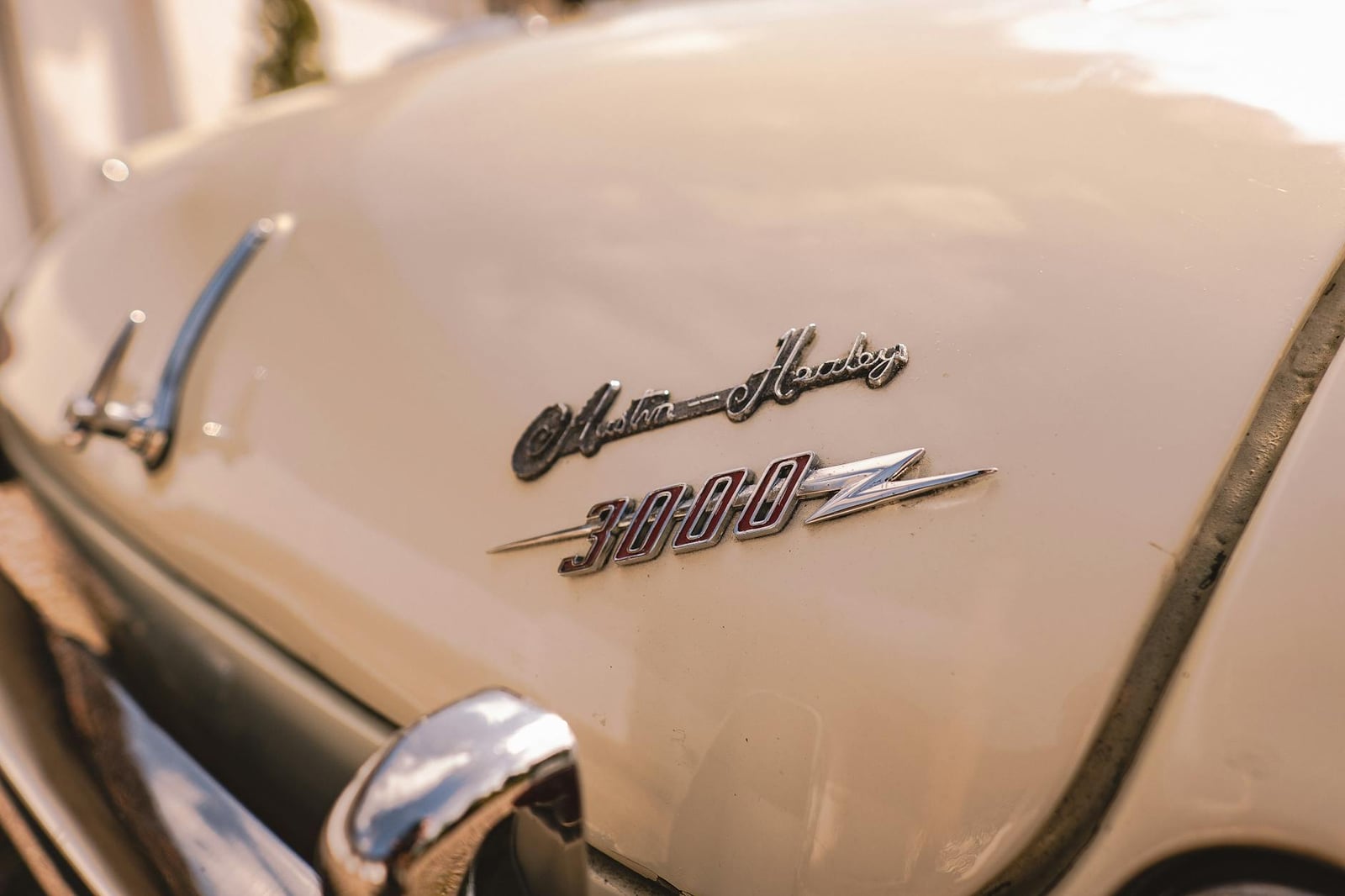
The Austin-Healey 3000 is the car most people mean by a “Big Healey”: a muscular, torquey six-cylinder roadster with a rorty exhaust note, a serious rally record and a look that has aged better than almost anything of its era. Built from 1959 to 1967, it is the definitive Austin-Healey and one of the great British sports cars.
It is the flagship of the Austin-Healey range, the six-cylinder big brother to the little Sprite, and the direct descendant of the four-cylinder 100 that started the marque.
The Big Healey arrives
The 3000 replaced the 100-6 in July 1959, and the headline was the engine: a 2,912cc development of BMC’s C-series straight-six, which gave the model its name. Just as important, front disc brakes were now fitted, taming a fast car that had outgrown its old drums. It came as the two-seater BN7 and the 2+2 BT7, the more practical 2+2 selling in far greater numbers. Bodies were built by Jensen of West Bromwich and the cars assembled at Abingdon, the home of MG.

Mk I to Mk III
The 3000 developed steadily over three marks. The Mk I (1959–61) used twin SU carburettors and around 124 bhp. The Mk II (1961–63) raised power, at first with a troublesome set of three carburettors that was quietly dropped in late 1962 in favour of two, which is why a genuine triple-carb Mk II is a rare and sought-after thing today. The big comfort change came with the BJ7 convertible of 1962, often called the Mk IIA, which finally brought wind-up windows, a wrap-around screen and a proper folding hood in place of the old removable side-screens.
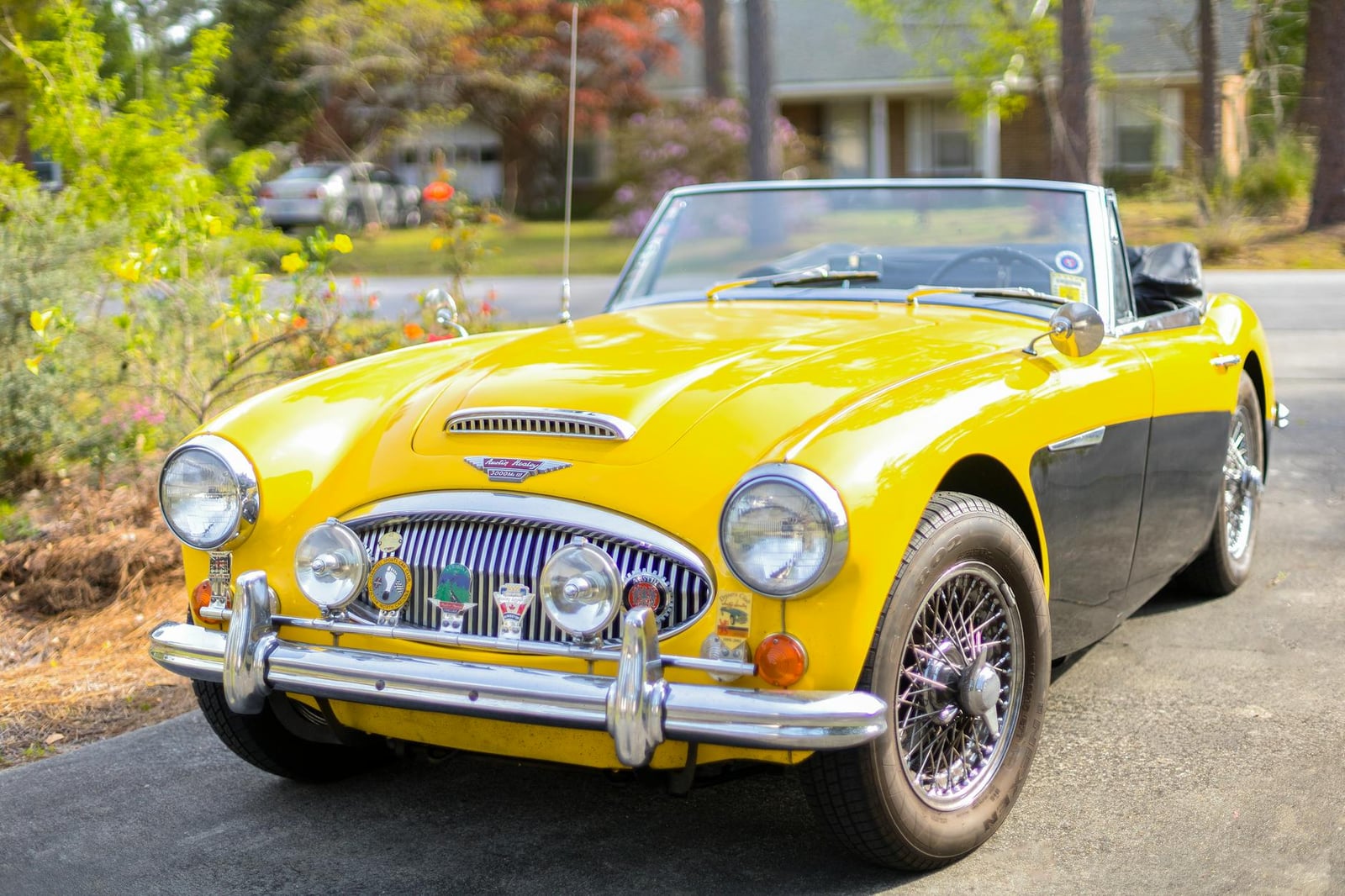
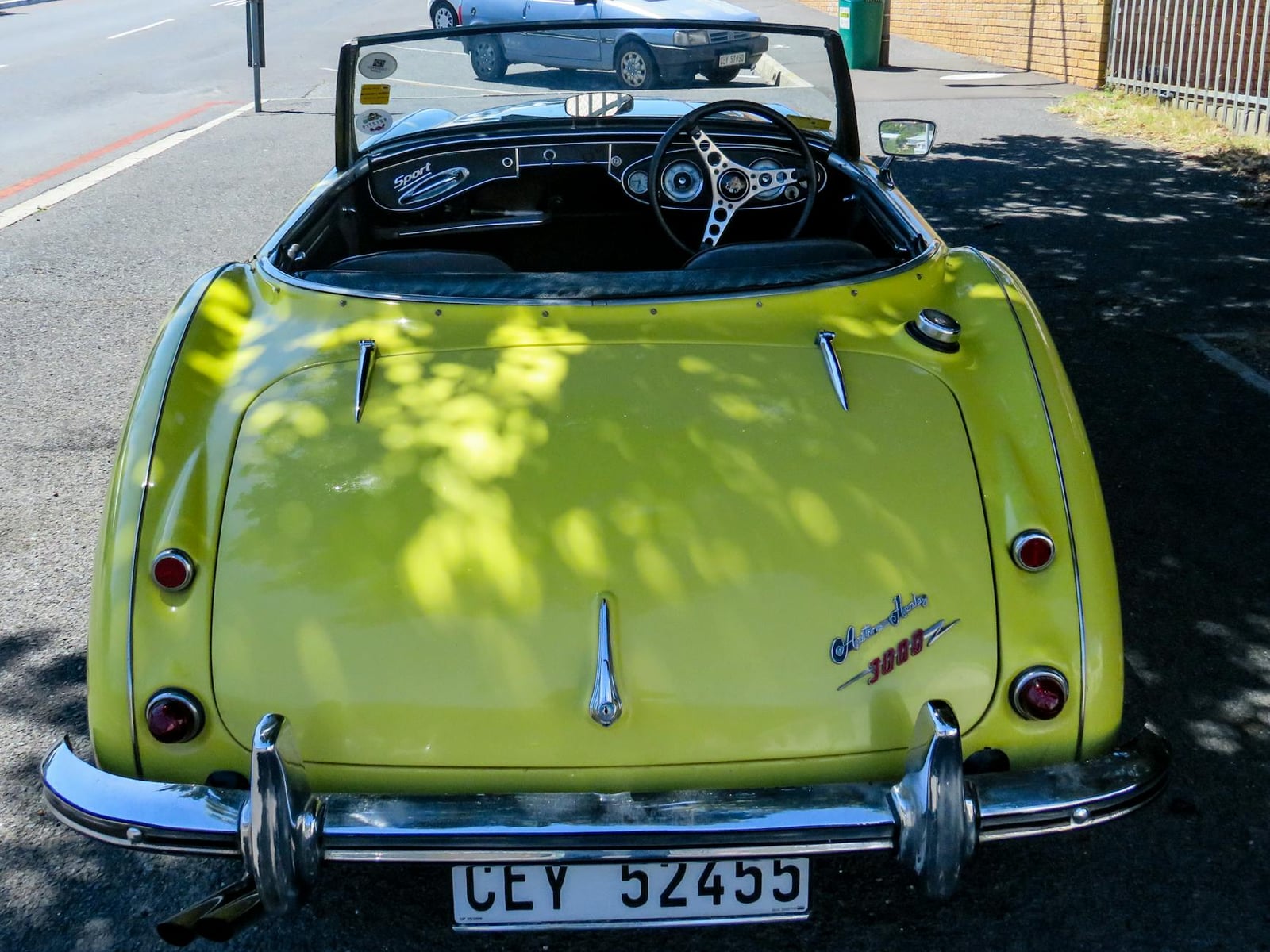
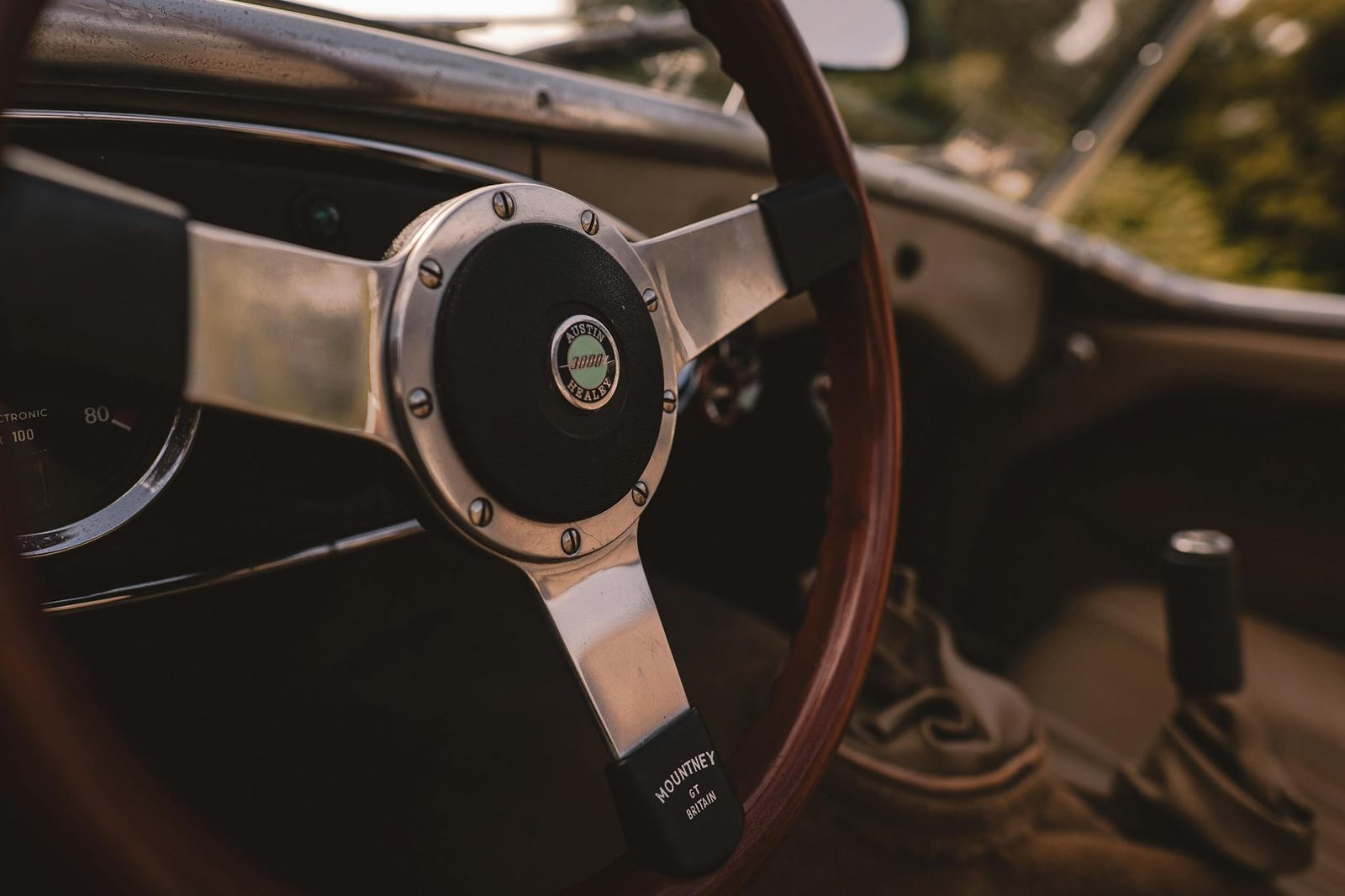
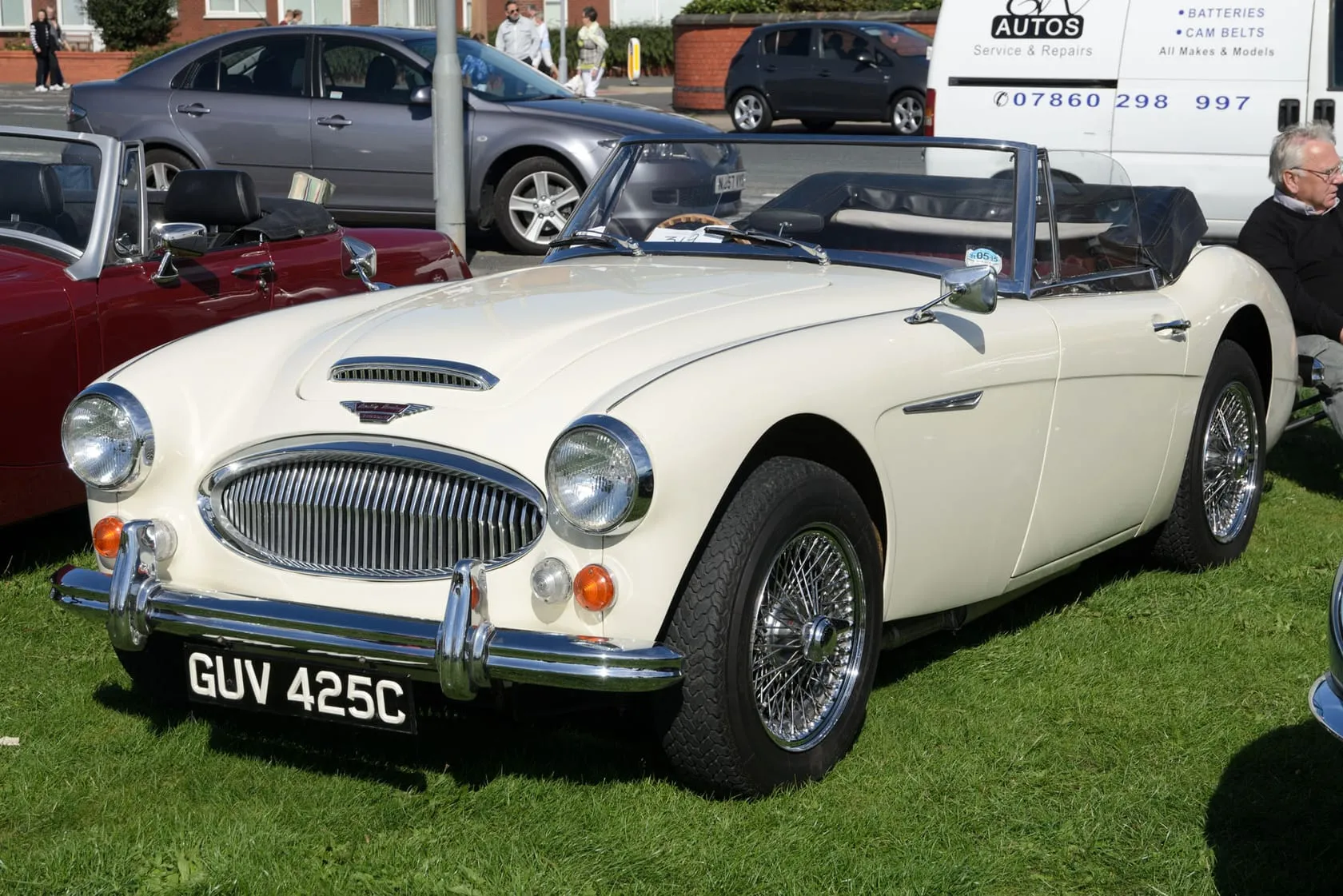
The Mk III (BJ8) of 1963 is the one to know. With around 148 bhp, a walnut-veneer dashboard and servo-assisted brakes, it was the most powerful and most refined Big Healey, and it is the most valuable today. Later “Phase 2” cars even gained a revised chassis and a tucked-away exhaust to address the model’s notoriously low ground clearance. The Mk III was a 2+2 only; there was no two-seater version.

A works rally car
Part of the 3000’s enduring appeal is its competition record. BMC’s Abingdon competitions department campaigned the Big Healey hard through the early 1960s, and it was a genuine front-runner despite its size and that low ground clearance. The standout result came in 1960, when Pat Moss and Ann Wisdom won the gruelling Liège-Rome-Liège marathon outright, the first all-woman crew to win a major international rally, and the Morley brothers took Alpine Rally honours. That heritage is why a car with genuine works or period competition history sells for a large multiple of an ordinary one, and why provenance must be checked carefully.

What it is like to own
The Big Healey is a big-hearted, old-school sports car: heavy, fast in a straight line, wonderfully torquey, and loud in the best way. It is not a delicate device, and that is the charm. The trade-offs are real, though, the cockpit gets very hot (the exhaust runs close to the passenger side), the low build means it grounds easily, and the steering and lever-arm dampers need to be in good order or the handling suffers. Driven and maintained properly, it is one of the most charismatic classics you can own, which is exactly why values have stayed strong.

Buying guide: what to look for
The 3000 has a separate chassis and a steel body with aluminium shrouds, and rust is the main enemy in both. Check the chassis rails, which corrode from the inside out, and the outriggers that support the sills, where mud packs in and eats chassis and body alike. Inspect the footwells, the boot floor and the spring mounts, the sills, and the lower few inches of the car generally. Look for impact damage to the underside and exhaust from the low ground clearance, and for hidden electrolytic corrosion where the aluminium shrouds meet the steel wings. Mechanically, confirm the overdrive engages promptly, listen for a tired gearbox, and check the worm-and-peg steering and the dampers, which wear and spoil the car if neglected.

The Big Healey’s place in the market
The Mk III BJ8 leads the range: a project starts in the low five figures, a good car sits around £33,000, an excellent one in the mid-forties, and the finest concours examples well beyond £80,000. The Mk I and Mk II generally sit a little below the Mk III, with the rare triple-carb Mk II and the early two-seaters the exceptions, and genuine competition cars are in a different league. As ever, condition, originality and history drive the price far more than the mark alone. The full record, 1,184 recorded sales by mark and body, the two-seater premium and a decade of falling real-terms prices, is on the page covering Austin-Healey 3000 values.
The 3000 belongs to the 1950s and 1960s, and qualifies as a historic vehicle like any forty-year-old classic. When it was finally dropped, the MGC was conceived in part to fill the gap it left.

Owners’ clubs and parts
The Big Healey is well supported by active clubs and a deep specialist network, and parts supply is good, helped by the BMC mechanicals it shares with the wider range. For the practical side of ownership, see our guide to Austin-Healey parts, specialists and restoration.

3000: what changed and when
- July 1959The 3000 replaces the 100-6 with a 2,912cc C-series six and front disc brakes, as the two-seater BN7 and the far more numerous 2+2 BT7.
- 1961The Mk II raises power with a troublesome triple-carburettor set-up.
- Late 1962The triple carbs are quietly dropped for two, making a genuine triple-carb Mk II a rare thing; the BJ7 convertible brings wind-up windows and a proper folding hood.
- 1963The Mk III BJ8 arrives with around 148 bhp, a walnut dashboard and servo brakes, the most powerful and refined Big Healey.
- 1964Phase 2 cars gain a revised chassis and tucked-away exhaust to address the ground-clearance complaints.
- 1967Production ends at about 42,900 cars, the great majority exported to the United States.
What to check on a 3000
Structure
- Chassis rails, which corrode from the inside out
- The outriggers supporting the sills, where mud packs in and eats chassis and body alike
- Footwells, boot floor, spring mounts and sills
- Electrolytic corrosion where the aluminium shrouds meet the steel wings
Mechanical
- Confirm the overdrive engages promptly
- Listen for a tired gearbox
- The worm-and-peg steering and the dampers wear and spoil the car if neglected
- Check the underside and exhaust for the impact damage the low build invites
Which mark
- The Mk III BJ8 is the most powerful, most refined and most valuable
- A genuine triple-carburettor Mk II is rare and sought-after, and needs verifying
- Two-seater BN7s carry a premium over the 2+2s
- Genuine works competition cars are in a different league entirely
Related
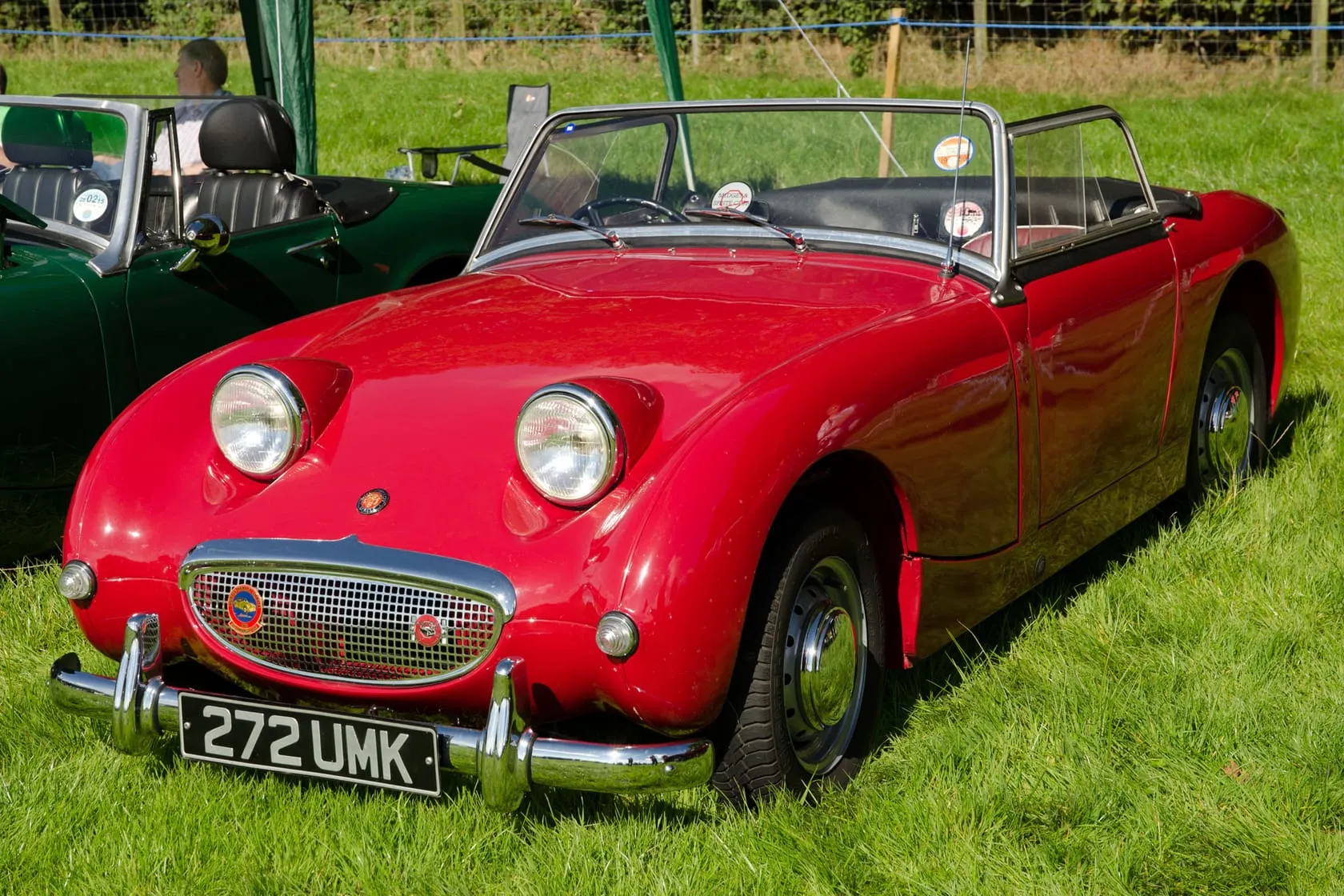
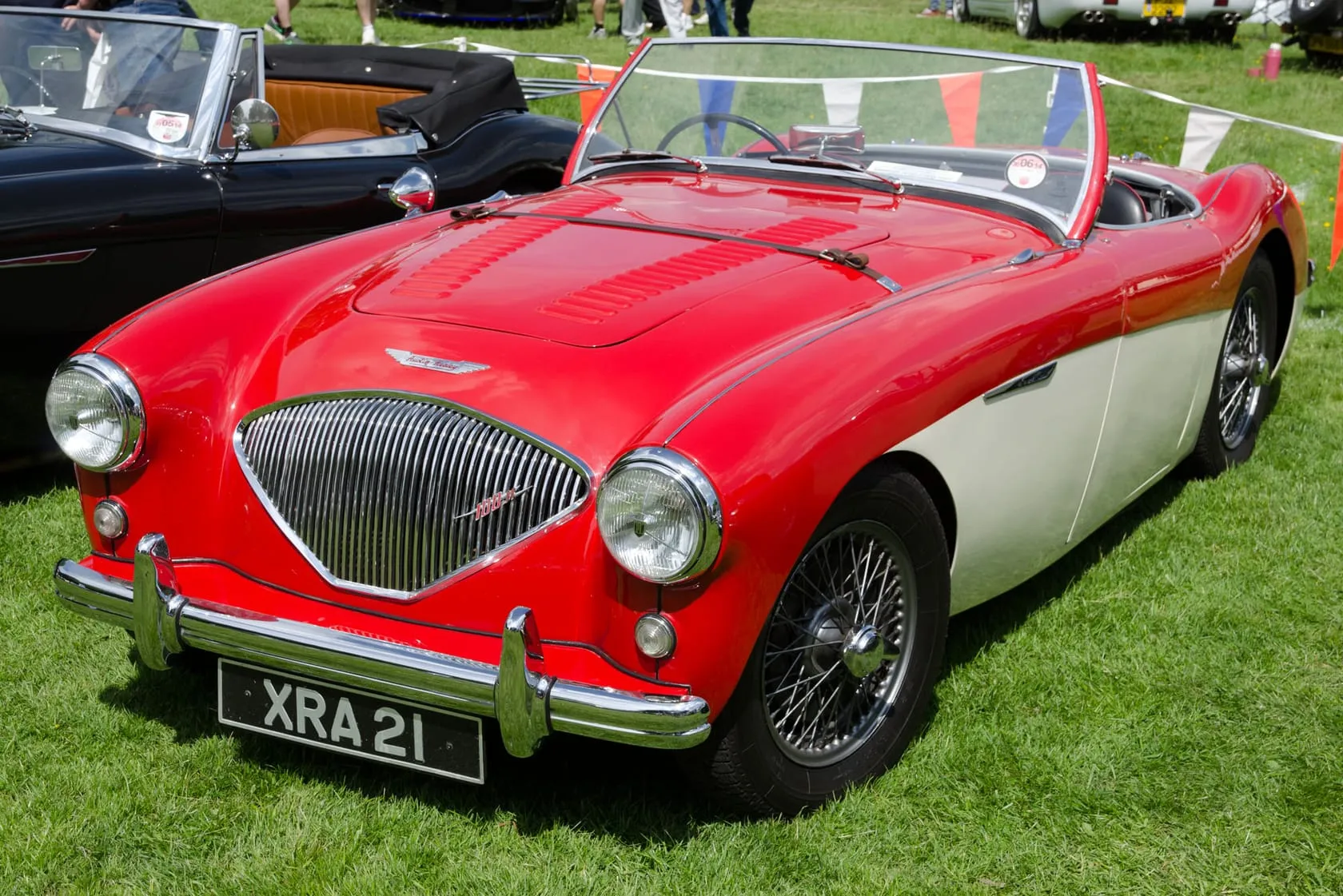
The 3000 is the flagship of the Austin-Healey range, the six-cylinder big brother to the Austin-Healey Sprite and the successor to the Austin-Healey 100. For the wider period, see British classic cars of the 1950s and the 1960s.
More photos
Frequently asked questions
What is the difference between the Austin-Healey 3000 Mk I, II and III?
Is the Austin-Healey 3000 the same as the Jensen-Healey?
Why did the Austin-Healey 3000 stop production in 1967?
Related across themes
More from Austin-Healey


Recently added

British car records: the smallest, the fastest, the dearest

Morgan 4/4: the longest-running car name in the world (1936–2018)

Selling a classic car privately: what the law asks of you, what it does not, and how not to get stung
