Triumph TR2: the cheap 100 mph sports car that started the line (1953–1955)
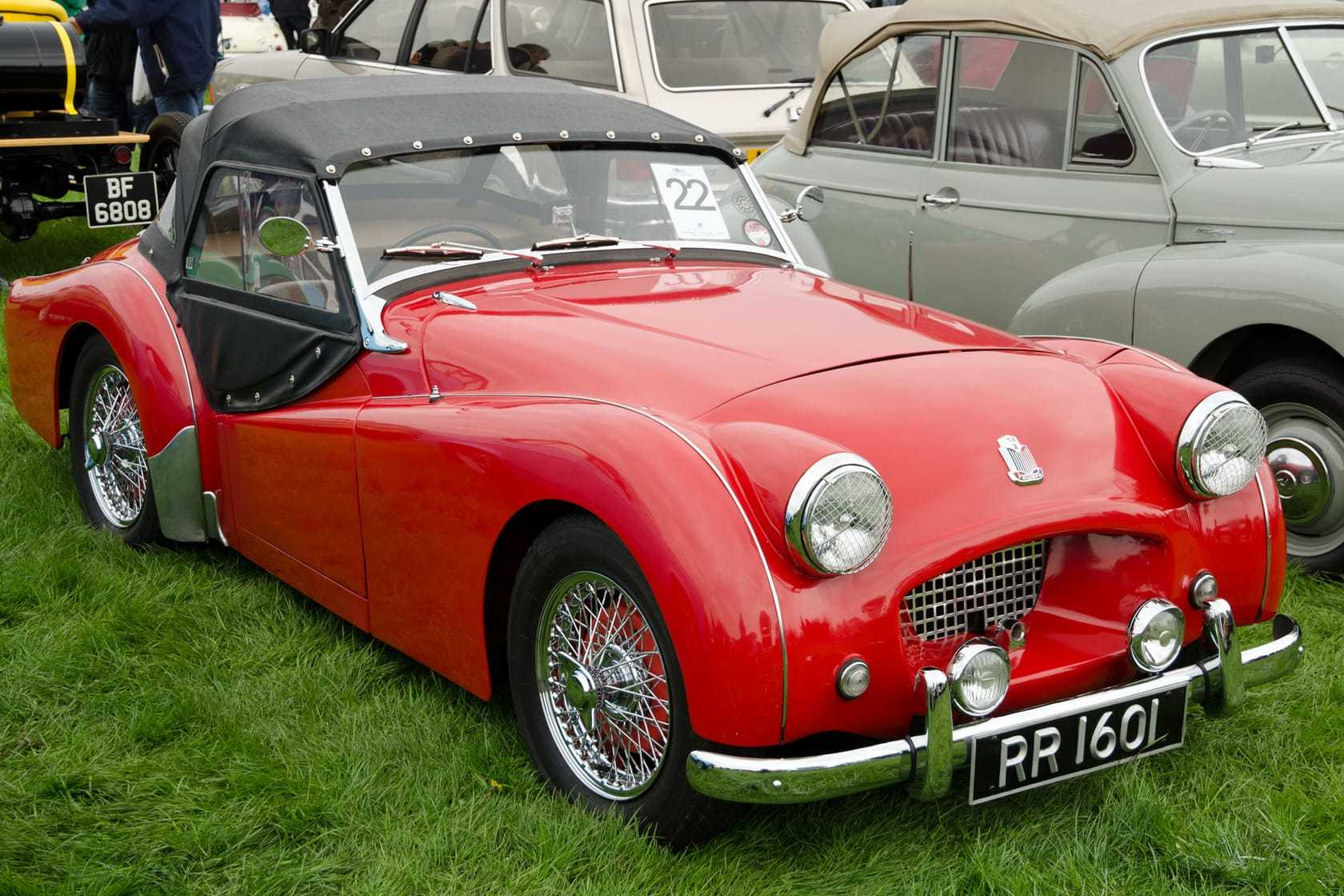
The Triumph TR2 launched the TR sports-car line in 1953 and made its name on a single claim, that it was the cheapest production car of its day able to top 100 mph. A rugged, basic, separate-chassis roadster with a torquey Standard four, it is now the rarest and most vintage-feeling of the side-screen TRs. A guide to the long-door and short-door cars, owning one, and values.
Built 1953–1955 75 recorded sales
At a glance
- Years
- 1953–1955
- Body styles
- Two-door open sports car (roadster)
- Drivetrain
- Front engine, rear-wheel drive
- Engines
- 1991cc Standard wet-liner straight-four
- Power
- 90 bhp
- Top speed
- Around 107 mph
- Trim levels
- Long-door cars (1953–54), short-door cars (1954–55)
- Production
- 8,636 built
- Assembly
- Canley, Coventry
- Designer
- Walter Belgrove (Standard-Triumph)
- Values
- Project around £15,000-£25,000; good £28,000-£40,000; excellent £42,000-£58,000 (the earliest long-door cars command the most)
- The claim
- The cheapest production car of its day able to exceed 100 mph
- Place in the line
- The original TR, the car that launched the whole line
The models
Every Triumph TR descends from this car. The TR2 launched the line in 1953 and made its reputation on a single, irresistible claim: it was the cheapest production car you could buy that would do 100 mph. For a young buyer in the 1950s, that was the whole pitch, and it worked.
Rugged, simple and quick for the money, the TR2 set the formula that every side-screen Triumph would follow, and it is now the rarest and most vintage-feeling of them all, the starting point of the whole story that runs through the TR3 and on to the TR6.
The cheapest 100 mph car
The TR2’s headline was speed for the money. Its 1,991cc Standard wet-liner four, lifted from the Vanguard saloon and tuned with twin SU carburettors, made 90 bhp, and in the right form the car would top 107 mph. At its price that made it the cheapest production car of its day able to exceed the magic 100 mph, a figure Triumph proved with record runs on the Jabbeke highway in Belgium.
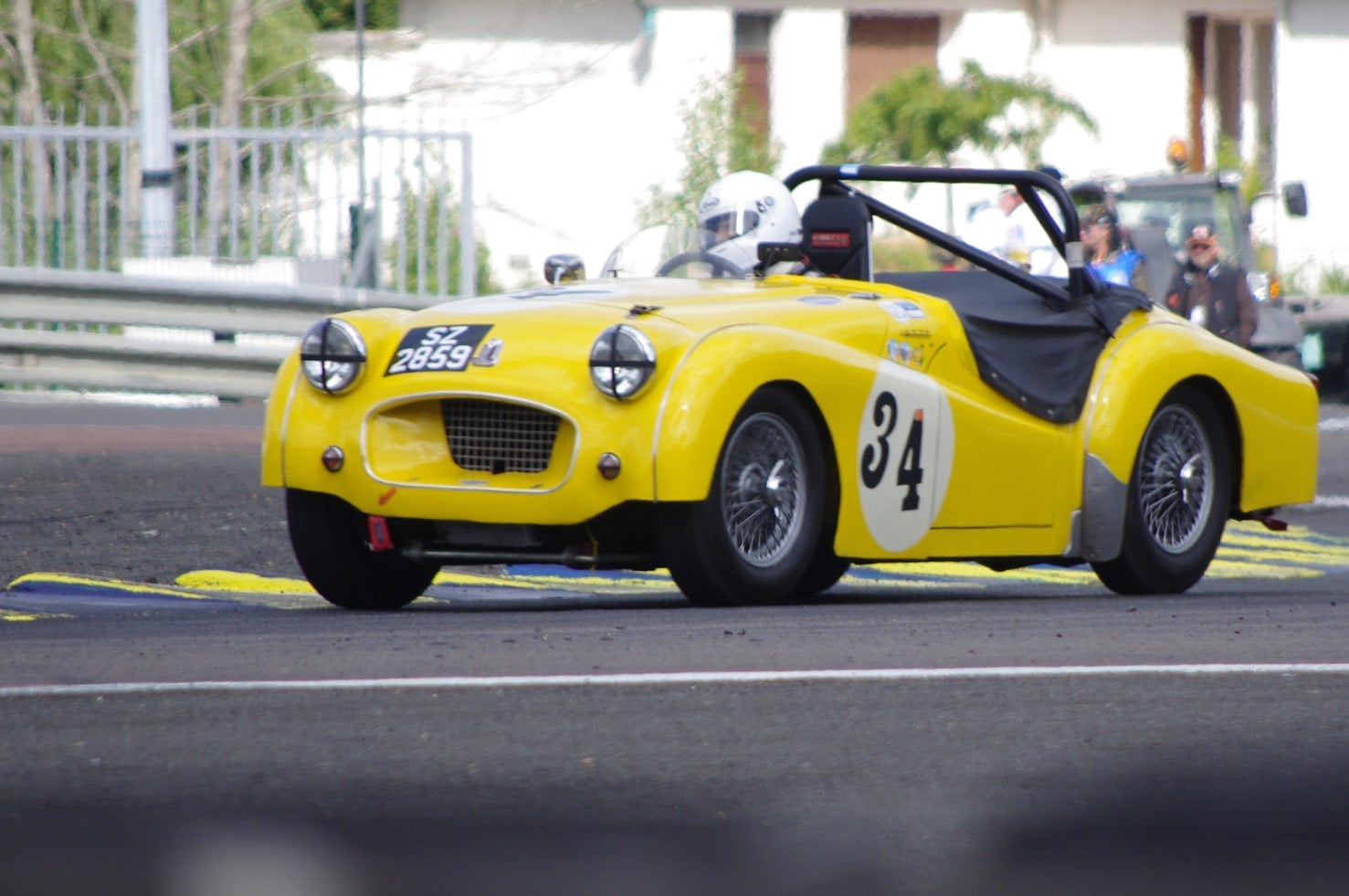
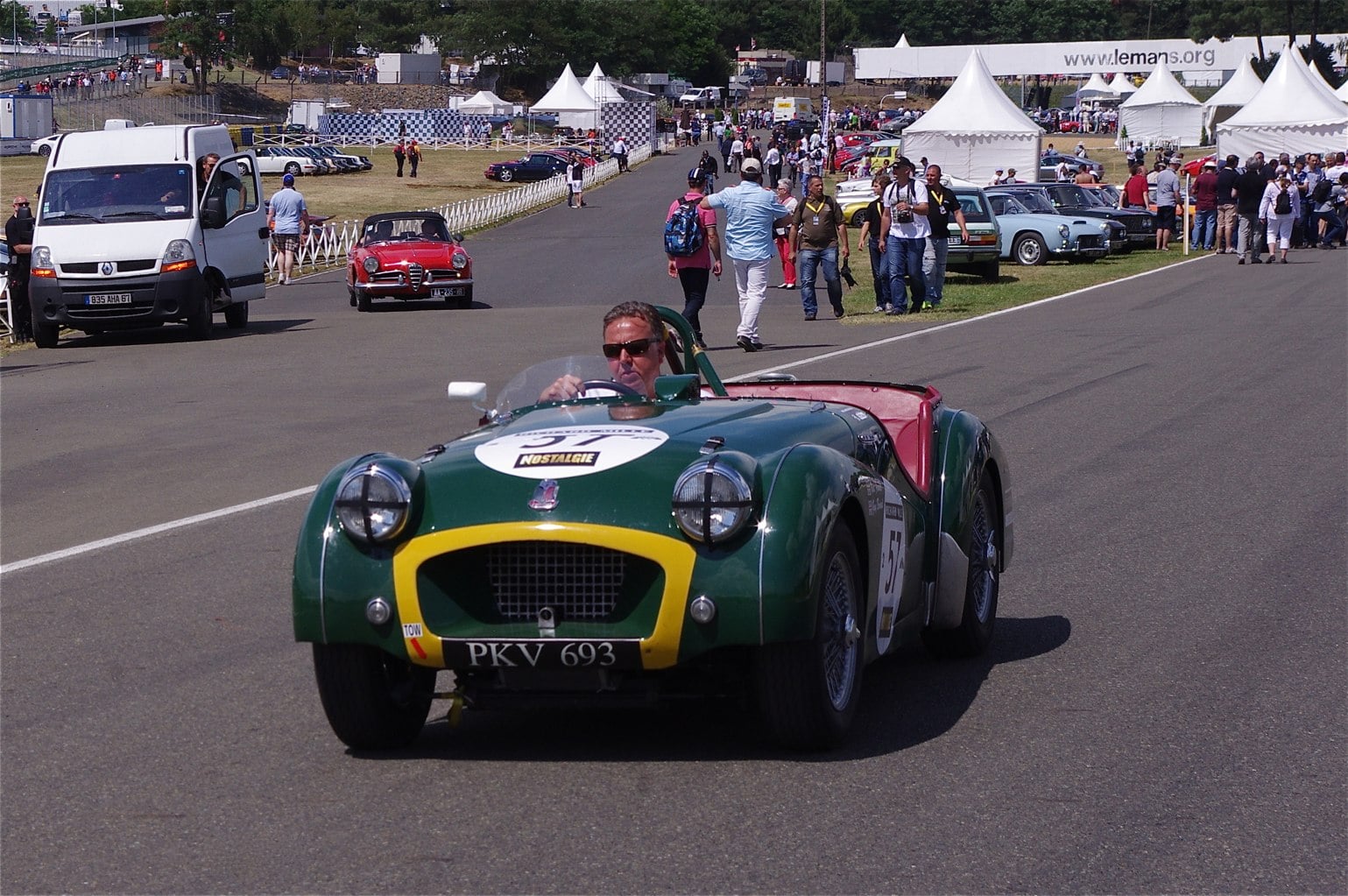
Triumph made the point unmissable in May 1953, sending a lightly streamlined TR2 to the Jabbeke motorway in Belgium, where test driver Ken Richardson recorded almost 125 mph, an enormous number for a 2-litre car at the price. Buyers got the message, and so did competitors: a TR2 won the RAC Rally outright in 1954, and privateers raced and rallied them everywhere from club events to Le Mans.
That value-for-money performance, in a light, simple, separate-chassis roadster, is what made the TR2 a hit, particularly in the United States, where most were sold. It funded the cars that followed and established Triumph as a serious sports-car maker almost overnight.

Long doors and short doors
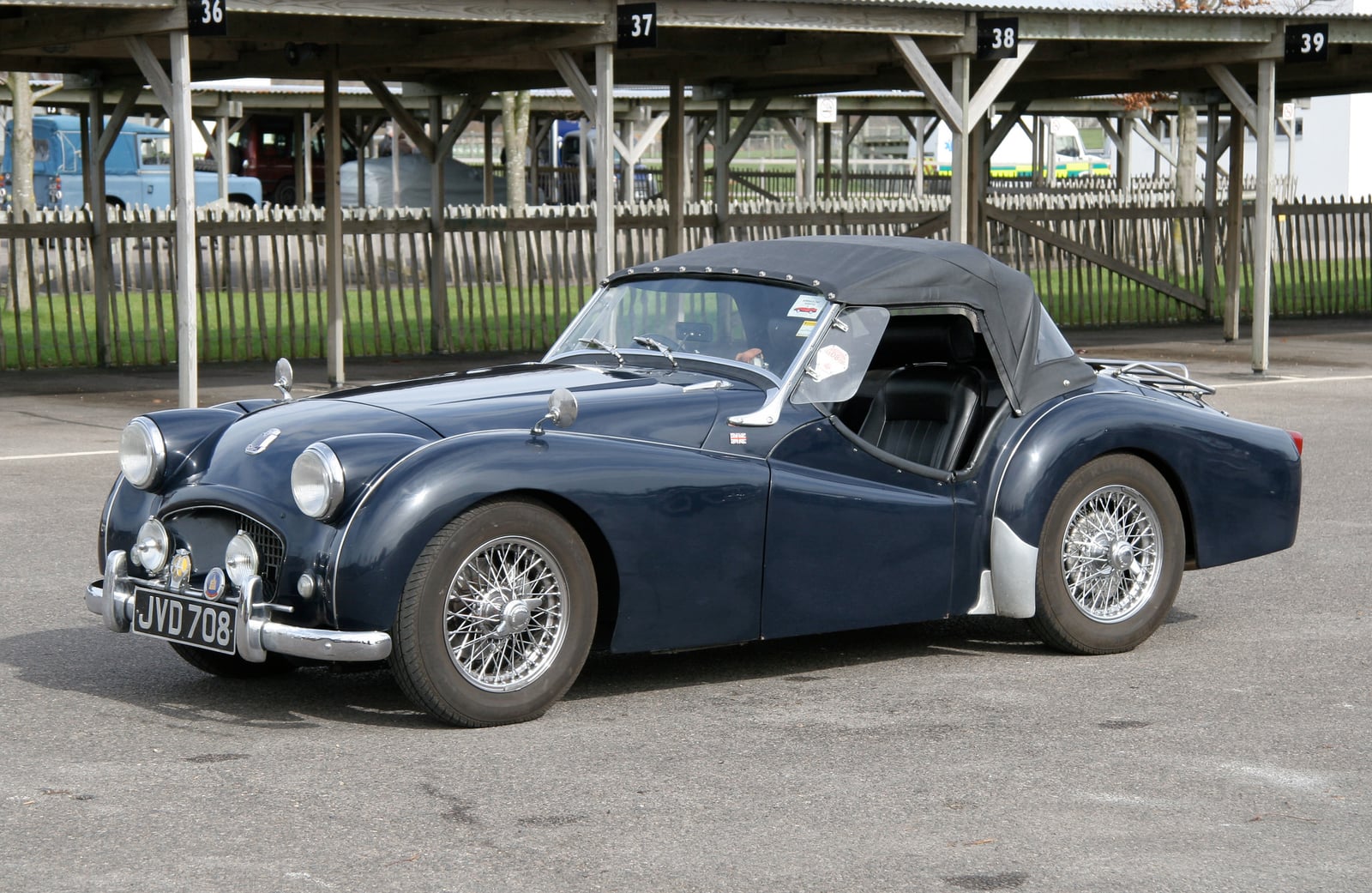
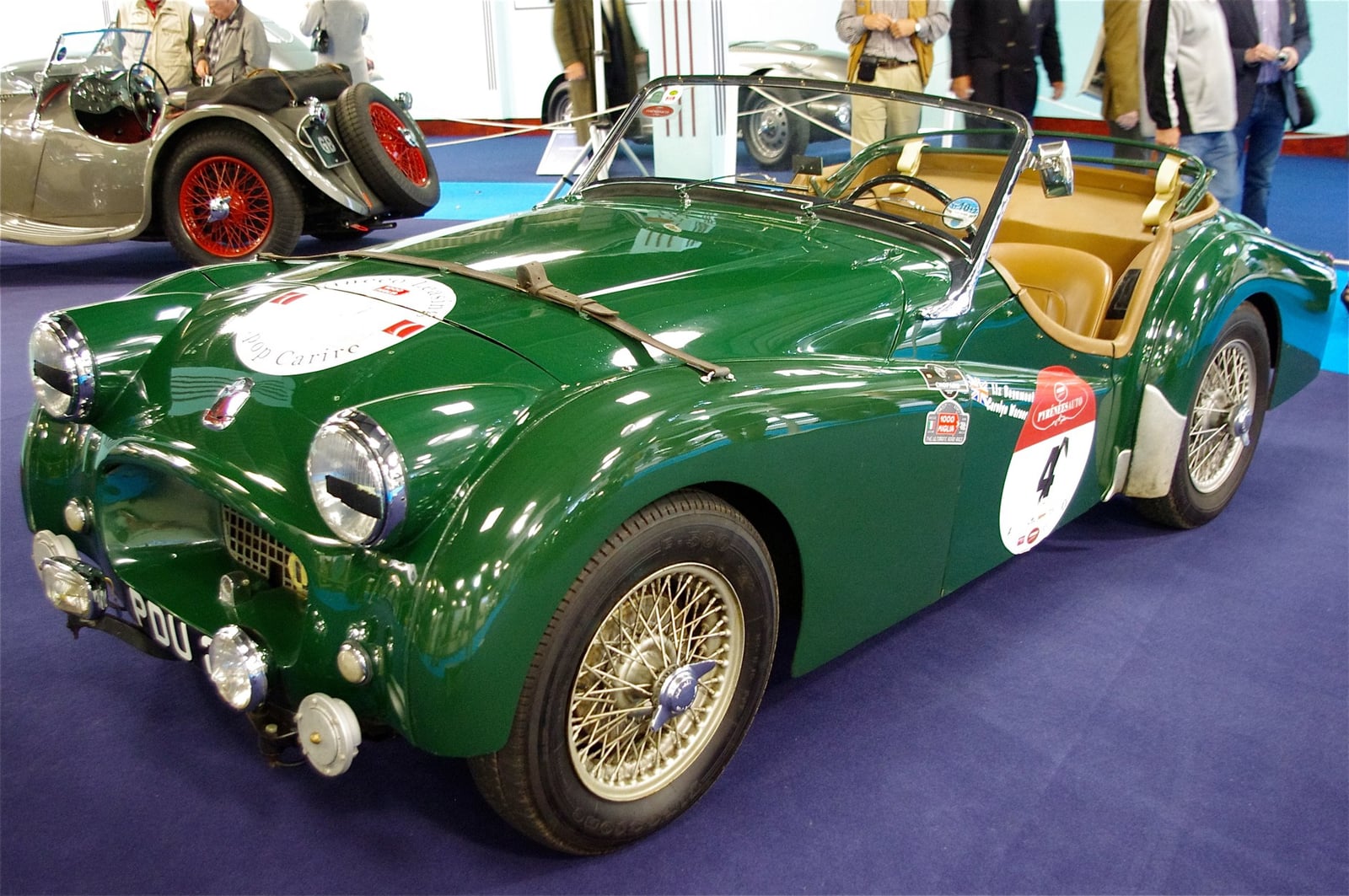
The TR2 changed in one obvious way during its short life, and it is the quickest way to date a car. The earliest examples, from 1953, had door skins that ran all the way down to the bottom of the body. Owners kept grounding them on high kerbs, so from October 1954 the factory shortened the doors and fitted a sill panel beneath, creating the short-door car.
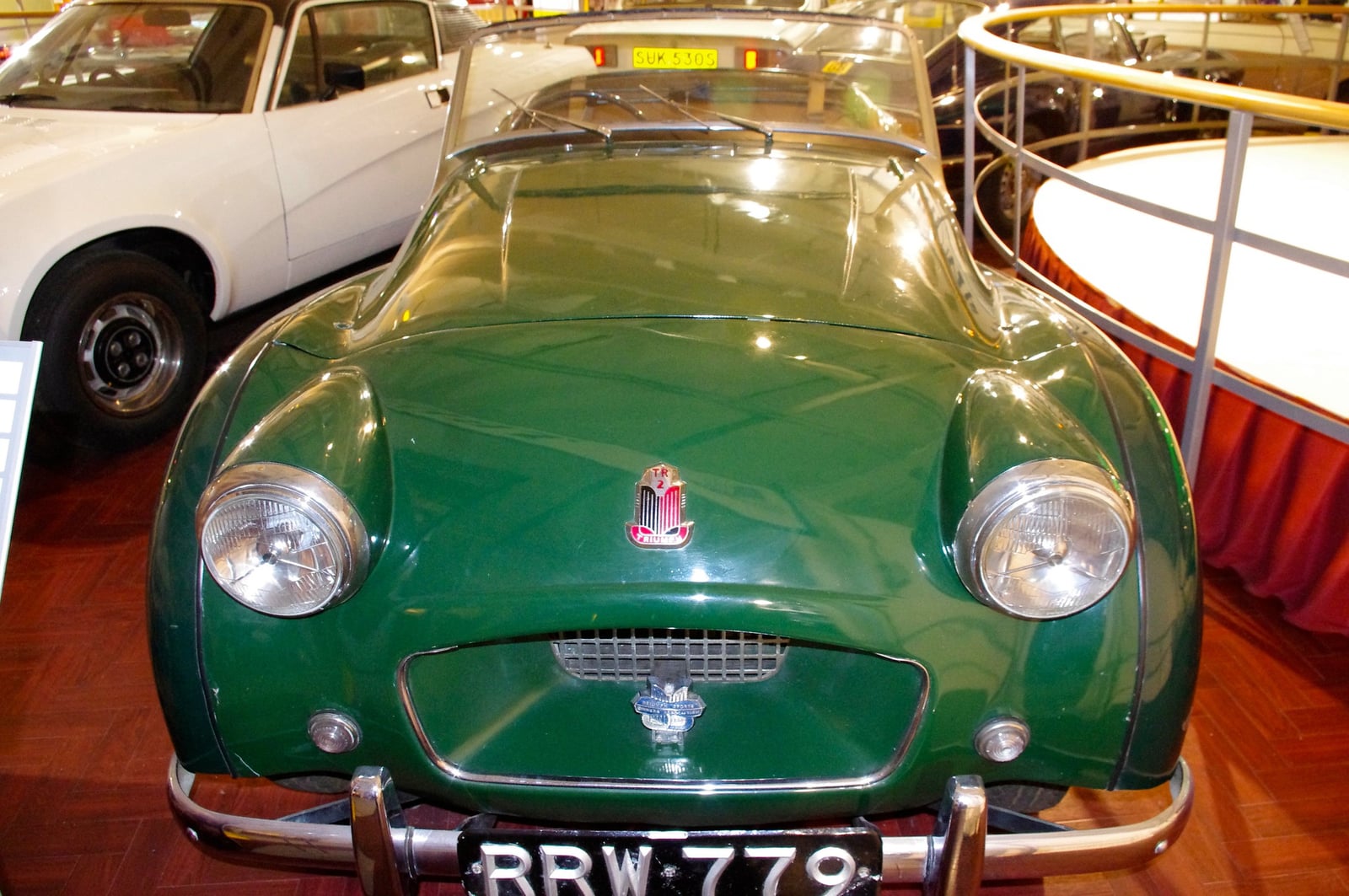
Both share the small, recessed grille, the look later enthusiasts call the small mouth. The long-door cars are the earliest and rarest, and command a premium for it; the short-door cars are slightly more practical and more numerous. Either way, total production was only 8,636, which makes any genuine TR2 a scarce car today.

What it is like to drive
The TR2 is the most basic and the most characterful of the TRs. The engine is gutsy and flexible, happy to pull from low revs, and the car feels light and eager. It is also unmistakably a car of the early 1950s: side-screens clip into the cutaway doors, the ride is firm, the cockpit is snug, and the earliest cars have drum brakes all round, since the front discs that would define the TR3 arrived later. The reward is a pure, unfiltered, mechanical driving experience that feels genuinely vintage in a way the later TRs do not. It is also, by sports-car standards, frugal: the unstressed engine was famous in period for bettering 30 mpg driven sensibly, part of the same value-for-money story as the purchase price.
Buying guide: what to look for
As with every TR, the separate chassis comes first, because a corroded one means a body-off restoration. Check the rails, especially towards the rear and around the suspension mounts. On the body, inspect the floors, inner and outer sills, the lower wings and the boot floor.
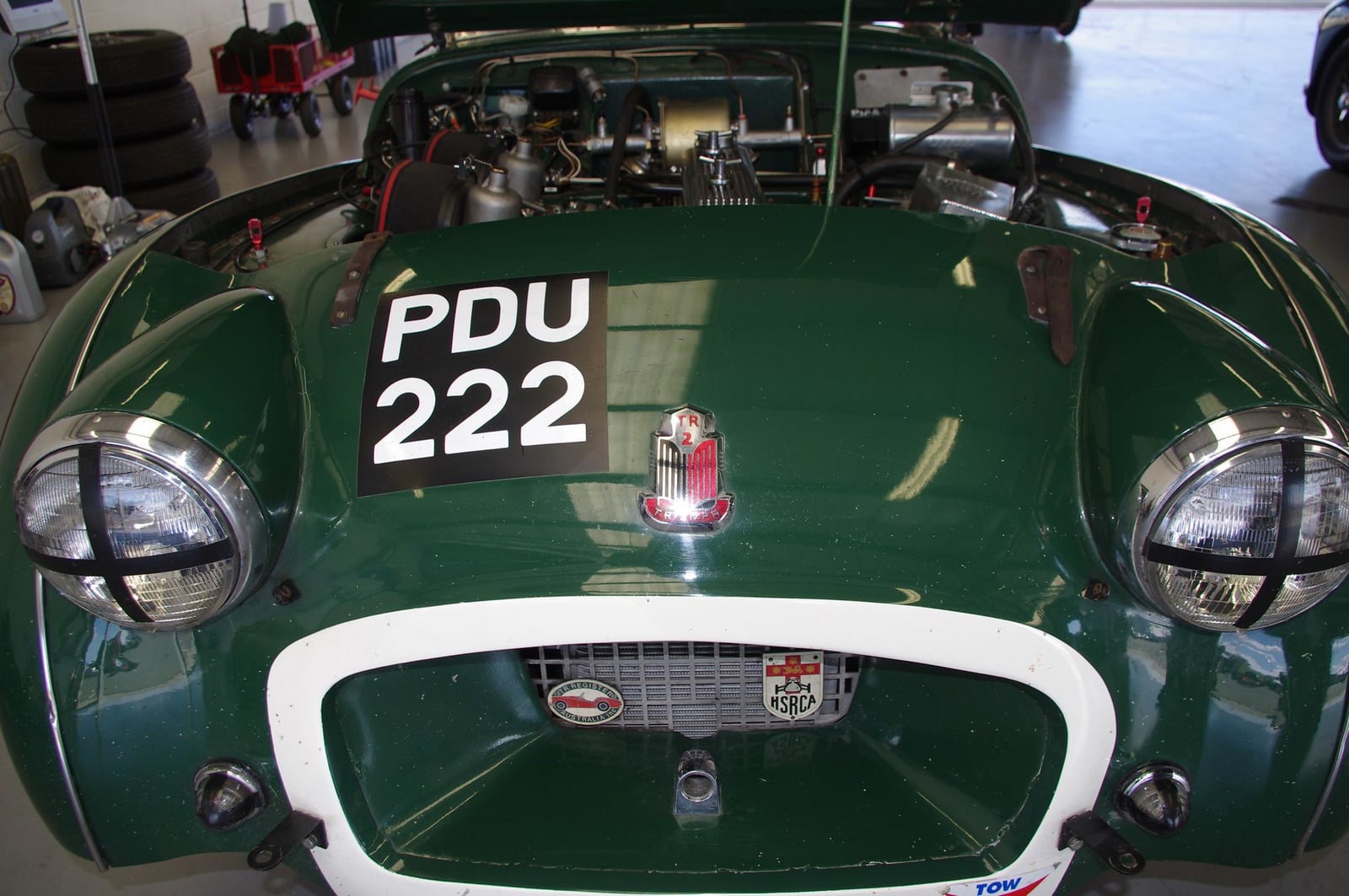
The four-cylinder engine is durable and simple, and parts supply across the side-screen TRs is excellent, so mechanical condition is rarely a dealbreaker. The greater concern on a car of this rarity is originality and correctness: matching numbers, the right details for a long-door or short-door car, and honest history all add significantly to value. A genuine, well-documented TR2 is a sound and rising classic.

Current value and where it sits
As the oldest and rarest of the side-screen TRs, the TR2 sits at the foundation of the range in both senses. A project runs £15,000 to £25,000, a usable car £28,000 to £40,000 and an excellent example £42,000 to £58,000, with the earliest long-door cars worth the most, and good ones are firmly sought-after.
Owners’ clubs and parts
The TR Register and the TR Drivers’ Club both have dedicated followings for the earliest cars and deep knowledge of the differences between long-door and short-door TR2s. Parts supply for the side-screen TRs is among the best of any British classic, which keeps even a car this old genuinely usable.
More photos


The TR2 timeline
- May 1953A lightly streamlined TR2 records almost 125 mph on the Jabbeke motorway with Ken Richardson driving, an enormous figure for a 2-litre car at the price.
- 1953Production begins with long-door cars whose skins run to the bottom of the body, on a 1,991cc Standard wet-liner four making 90 bhp.
- 1954A TR2 wins the RAC Rally outright; privateers race and rally them from club events to Le Mans.
- Oct 1954The doors are shortened and a sill panel fitted beneath, after owners kept grounding the long ones on high kerbs.
- 1955Production ends at 8,636 cars; the TR3 follows.
What to check on a TR2
Chassis, first
- The rails, especially towards the rear and around the suspension mounts
- A corroded chassis means a body-off restoration
- Chassis sections are available, but the labour is not
- Every TR shares this discipline; the TR2 simply has the scarcest supply of good cars
Body
- Floors, inner and outer sills
- Lower wings and the boot floor
- Long-door cars have no sill panel, so the door bottoms are the tell
- Both long and short-door cars share the small recessed grille
Identity and specification
- Long-door cars from 1953 to October 1954 are the earliest, rarest, and command a premium
- Short-door cars are slightly more practical and more numerous
- Drum brakes all round are correct on this model; front discs belong to the TR3
- 8,636 built in total, so provenance is worth establishing on any car
What the TR2 sells for at auction
In real terms, typical TR2 prices were down about 47% over the five years to 2025, once inflation is accounted for.
Show the year-by-year mediansHide the year-by-year medians
| Year | Sold | Median | In 2025 money |
|---|---|---|---|
| 2026 (so far) | 4 | £8,604 | |
| 2025 | 6 | £14,920 | £14,920 |
| 2024 | 6 | £19,312 | £20,054 |
| 2023 | 12 | £16,470 | £17,674 |
| 2022 | 4 | £23,228 | £26,601 |
| 2021 | 4 | £24,813 | £30,683 |
| 2020 | 7 | £22,422 | £28,414 |
| 2019 | 7 | £24,552 | £31,430 |
| 2018 | 8 | £18,843 | £24,531 |
| 2016 | 3 | £22,792 | £31,142 |
- £9,000TR2
- £19,766TR2
- £6,500TR2
- £8,208TR2
- £10,969TR2
Reasonable evidence. 75 recorded sales: enough for the range to mean something, though a few unusual cars can still move a single year's median. Based on 75 sold results from public classic car auctions (2004 to 10 August 2026). Sold prices, not asking prices, and not a valuation: condition, history and specification vary from car to car. Inflation-adjusted figures use the ONS CPIH index, in 2025 money.
Frequently asked questions
What was special about the Triumph TR2?
What is the difference between a long-door and a short-door TR2?
How much is a Triumph TR2 worth?
Is a Triumph TR2 a usable classic?
What is the most expensive TR2 ever sold at auction?
How often does a TR2 come up for sale?
Related across themes
More from Triumph


Recently added

British car records: the smallest, the fastest, the dearest

Morgan 4/4: the longest-running car name in the world (1936–2018)

Selling a classic car privately: what the law asks of you, what it does not, and how not to get stung
