What a classic Rootes Group sells for at auction
The median, the usual range and the way prices have moved, from 1,739 recorded Rootes Group sales at public auction since 1998: which models make the most, which come up most often, and what each of them sells for.
Part of: Rootes Group, the full marque guide1,739 Rootes Groups have sold at public auction since 1998, at a median of £11,200; the middle half of them made between £4,980 and £30,375. The sale rooms see about 167 a year and 72% of the cars offered find a buyer. The Alpine (1959 - 1968) is the one that comes up most often, with 229 sales on record at a median of £9,407. The highest result is £868,530, paid for a Tourist Trophy Race Car in August 2024.
In 2025 the median classic Rootes Group sold for £9,140 across 180 sales, 8% up on 2024. In real terms, typical classic Rootes Group prices were down about 57% over the five years to 2025, once inflation is accounted for.
Show the year-by-year medians Hide the year-by-year medians
| Year | Sold | Median | In 2025 money |
|---|---|---|---|
| 2026 (so far) | 128 | £7,306 | |
| 2025 | 180 | £9,140 | £9,140 |
| 2024 | 176 | £8,450 | £8,774 |
| 2023 | 160 | £9,410 | £10,098 |
| 2022 | 160 | £11,378 | £13,030 |
| 2021 | 157 | £10,920 | £13,503 |
| 2020 | 96 | £16,896 | £21,410 |
| 2019 | 95 | £18,000 | £23,043 |
| 2018 | 83 | £12,689 | £16,520 |
| 2017 | 59 | £12,073 | £16,082 |
| 2016 | 78 | £10,930 | £14,935 |
| 2015 | 61 | £19,209 | £26,508 |
| 2014 | 39 | £20,833 | £28,865 |
| 2013 | 39 | £21,375 | £30,038 |
| 2012 | 47 | £13,800 | £19,838 |
| 2011 | 34 | £13,800 | £20,346 |
| 2010 | 27 | £14,950 | £22,898 |
| 2009 | 30 | £8,156 | £12,805 |
| 2008 | 15 | £8,855 | £14,176 |
| 2007 | 16 | £9,502 | £15,742 |
| 2006 | 8 | £8,719 | £14,782 |
| 2005 | 27 | £5,750 | £9,994 |
| 2004 | 16 | £9,706 | £17,216 |
| 1999 | 3 | £10,324 | £19,624 |
Which Rootes Group models make the most
Not every Rootes Group is priced alike. The Tiger Mk IA sits at the top of the marque, with a median of £45,981 across 71 sales and most of them between £34,030 and £57,418. The Super Minx sits at the bottom at a median of £3,024, so the dearest Rootes Group model typically makes about 15 times what the cheapest does.
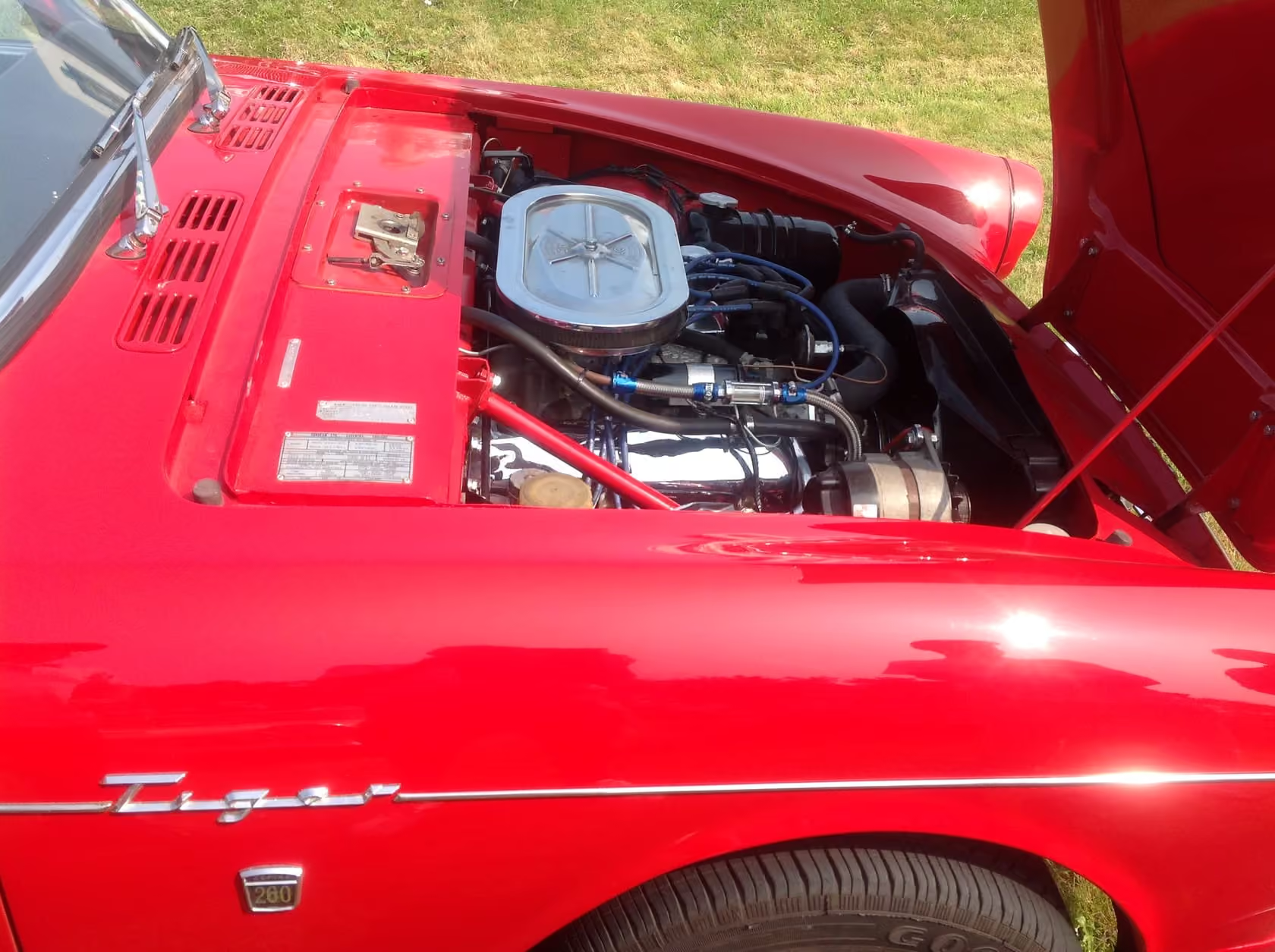 Tiger Mk IA£45,981 median, usually £34,030 to £57,418
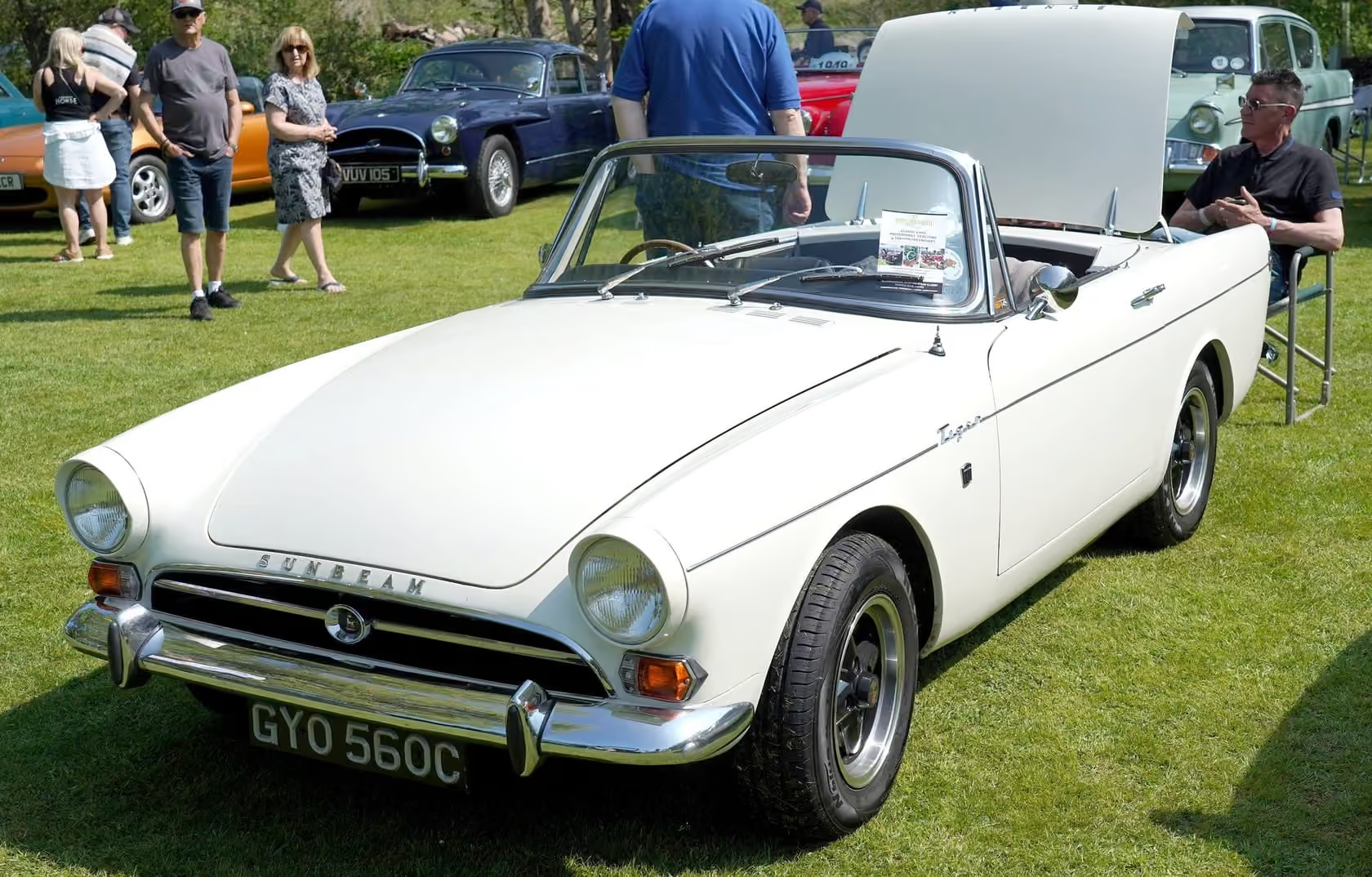 Tiger Mk I£42,658 median, usually £32,358 to £53,816
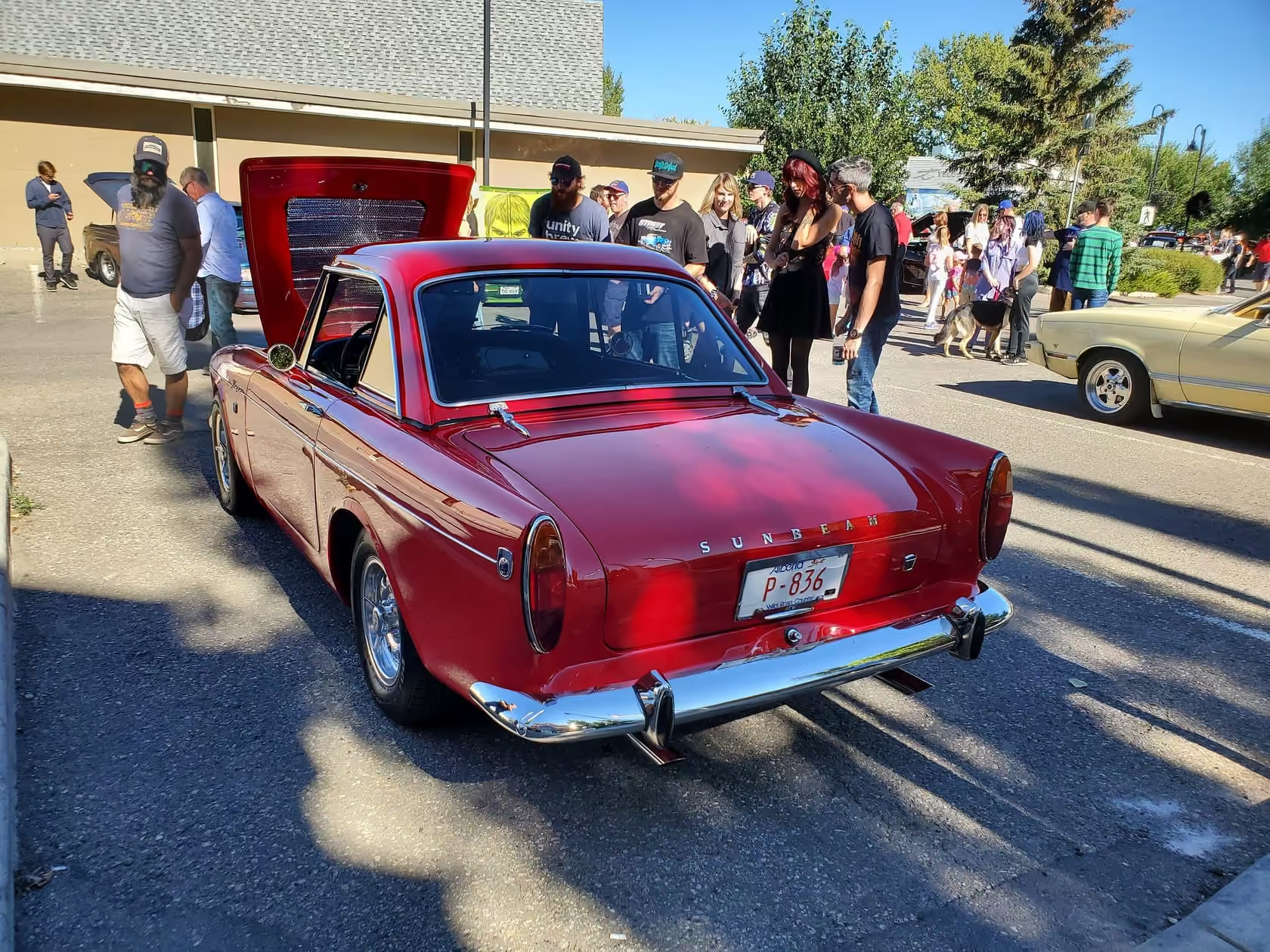 Tiger£39,471 median, usually £23,811 to £51,283
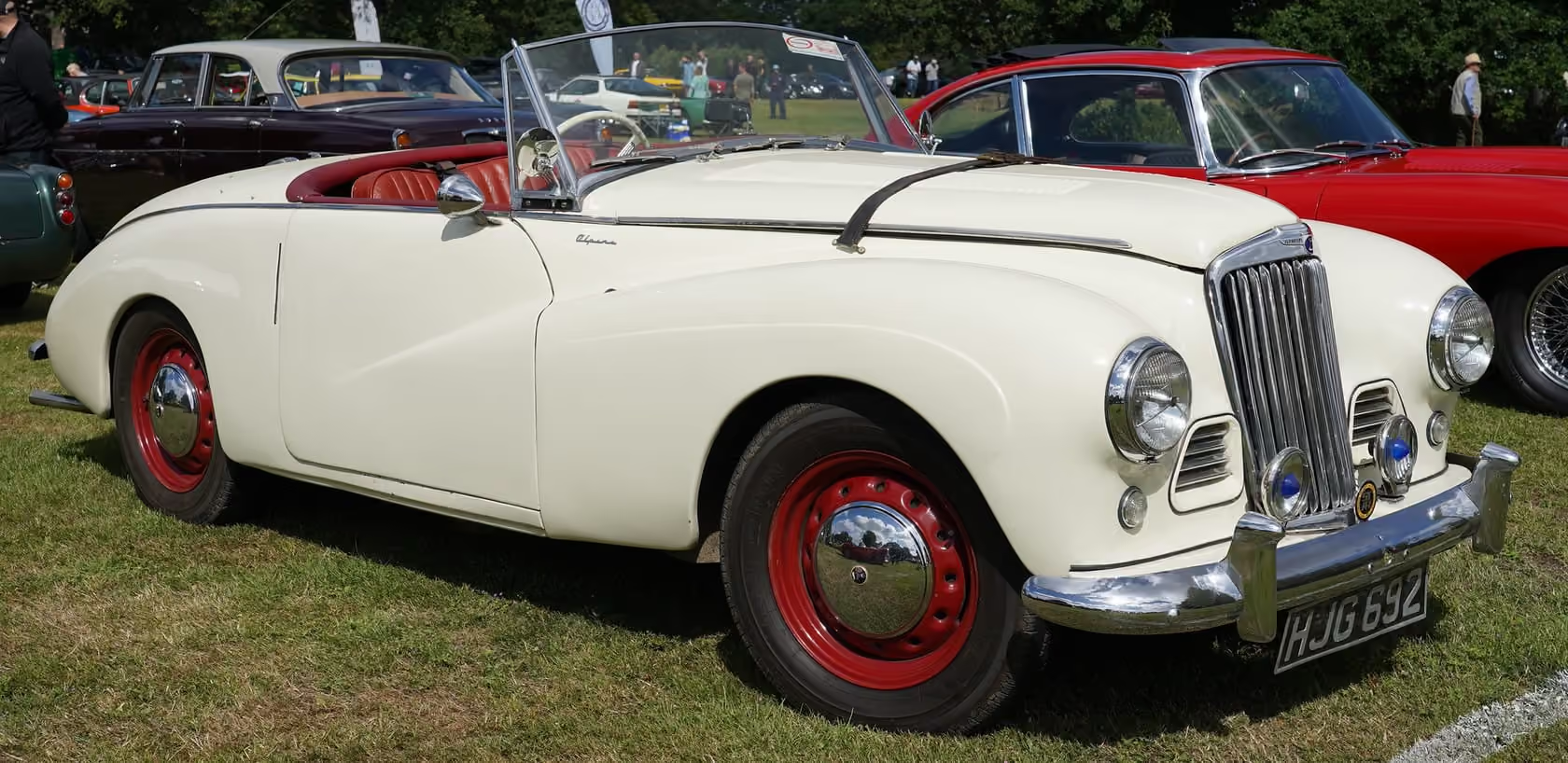 Alpine (1953 - 1955)£33,750 median, usually £18,200 to £49,684
- Lotus£23,638 median, usually £16,688 to £33,042
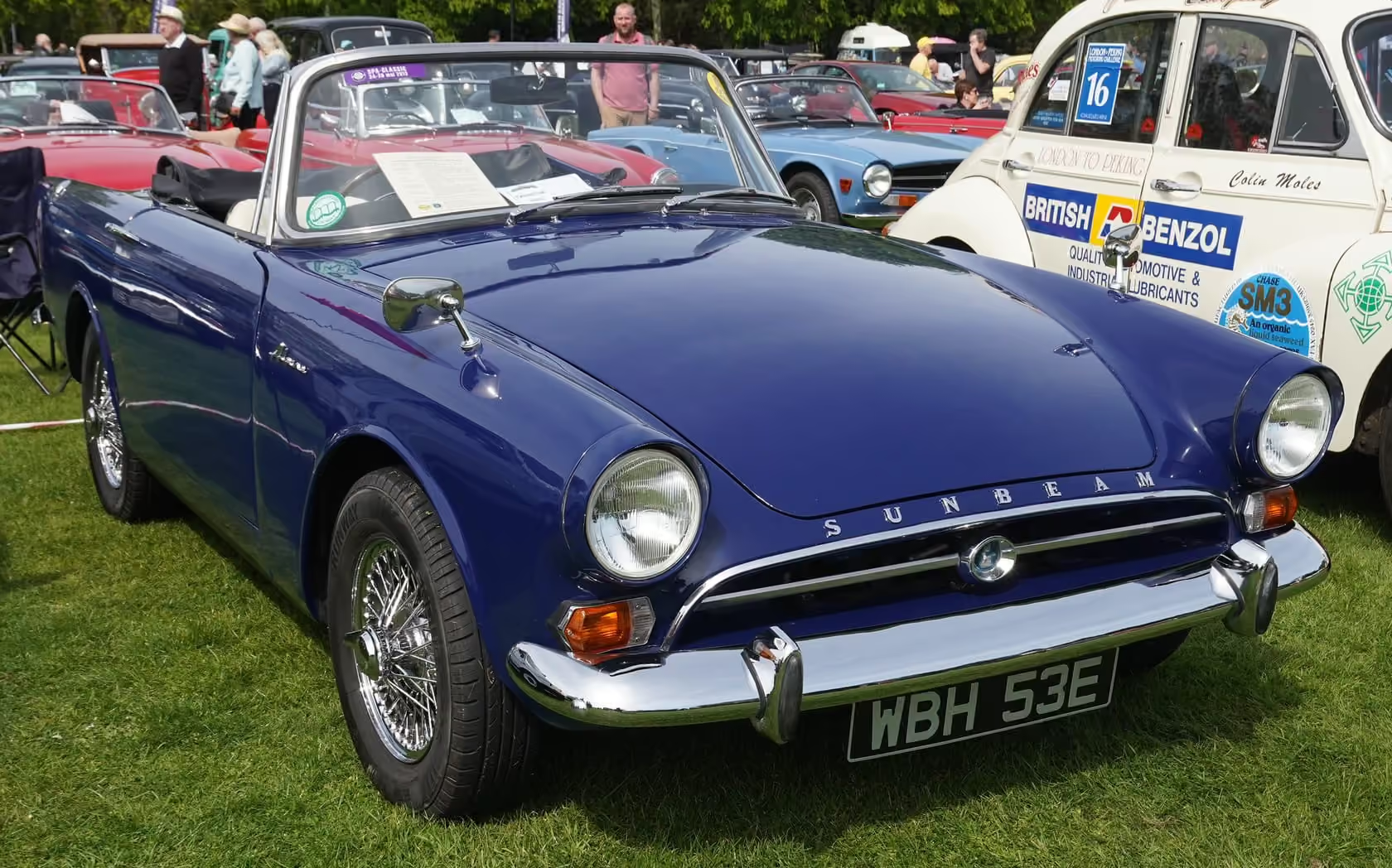 Alpine (1959 - 1968)£9,407 median, usually £6,000 to £12,375
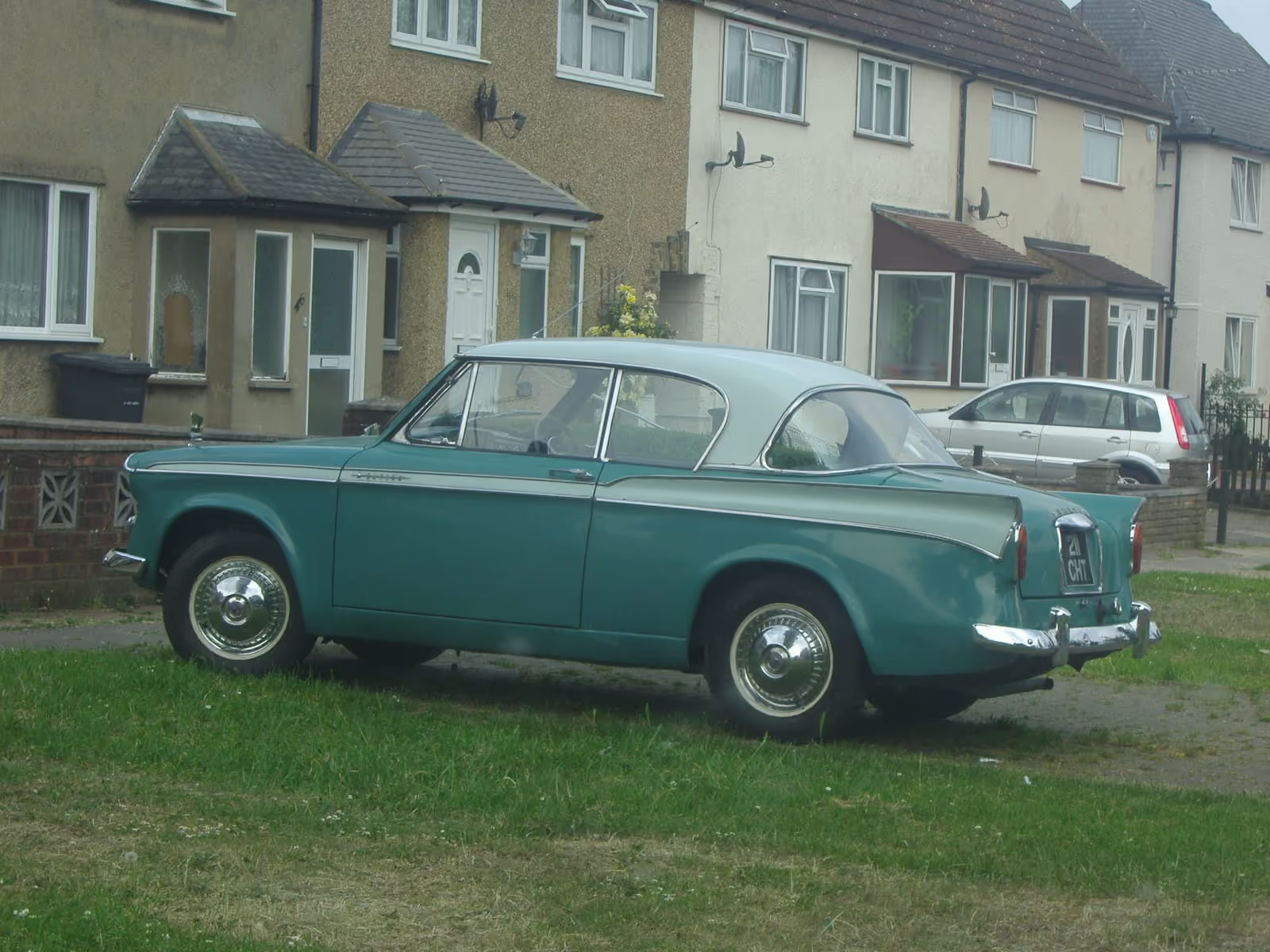 Rapier£6,666 median, usually £4,692 to £8,393
- Super Snipe£6,225 median, usually £2,575 to £8,850
- 90£4,872 median, usually £3,000 to £9,100
- Gazelle£3,400 median, usually £1,865 to £4,434
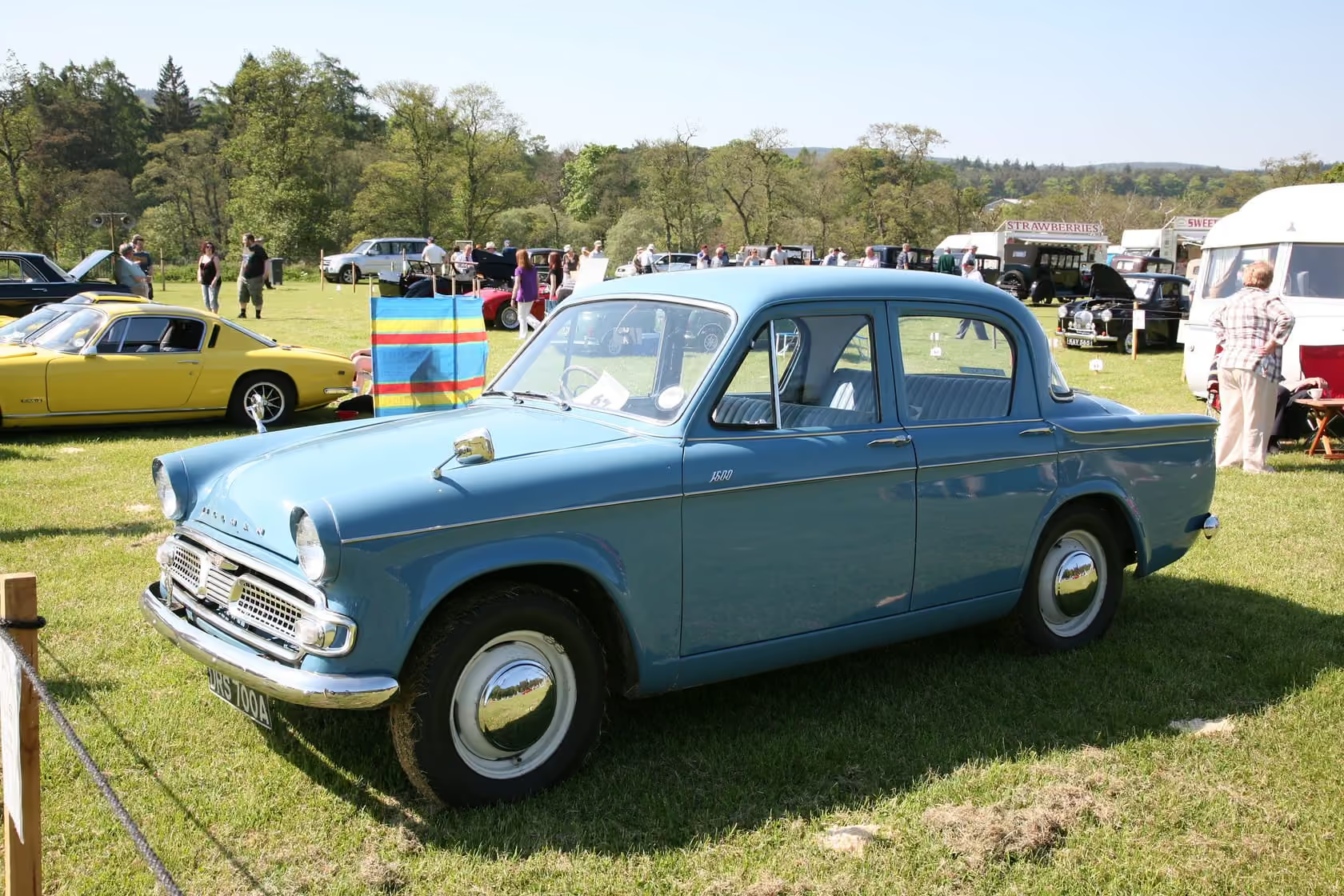 Minx£3,267 median, usually £1,746 to £5,600
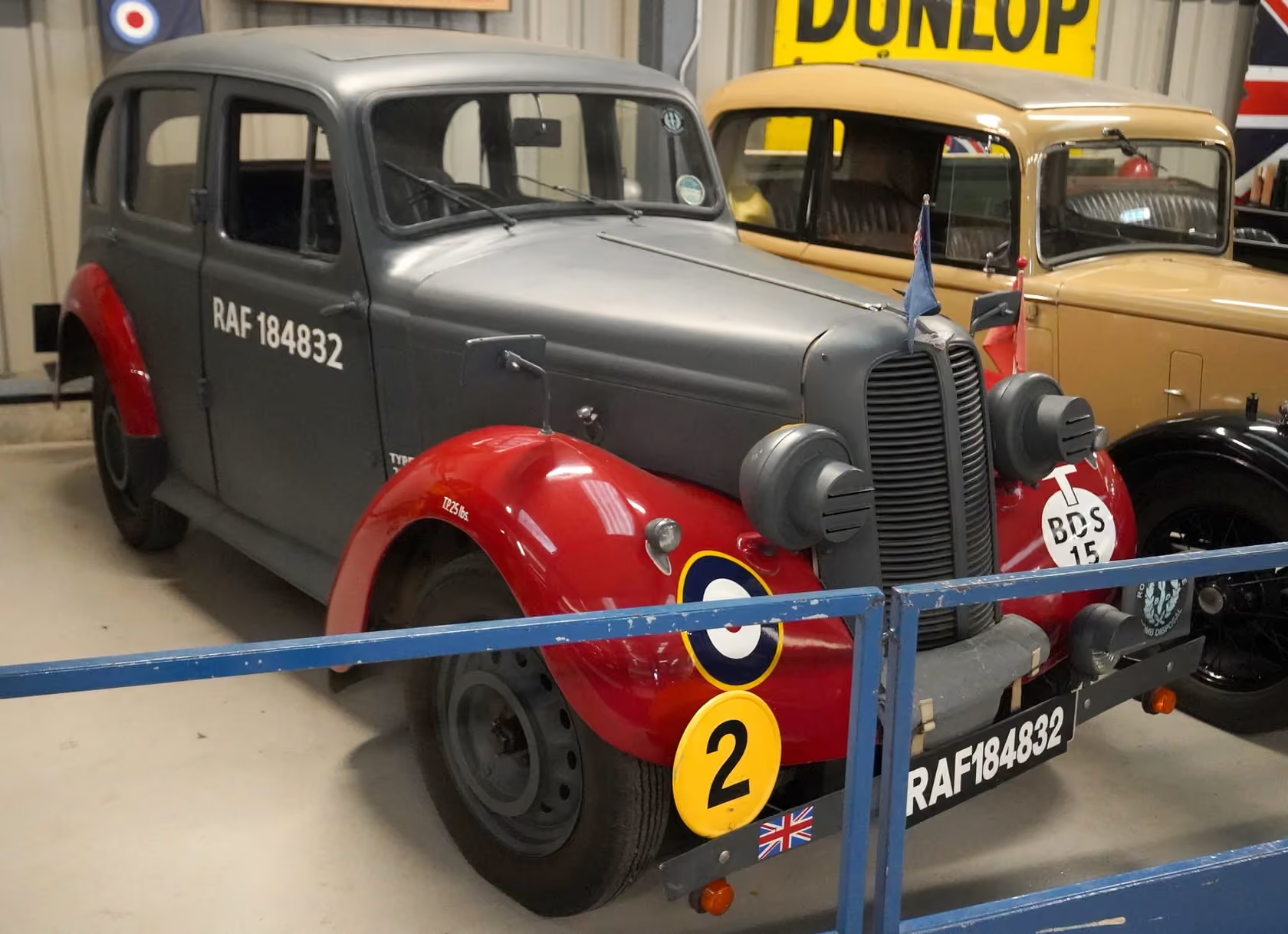 Super Minx£3,024 median, usually £1,905 to £4,665
The busiest Rootes Group models in the sale rooms
| Model | Sales | Usual range | Median |
|---|---|---|---|
| Alpine (1959 - 1968) | 229 | £6,000 to £12,375 | £9,407 |
| Tiger Mk I | 208 | £32,358 to £53,816 | £42,658 |
| Minx | 82 | £1,746 to £5,600 | £3,267 |
| Tiger | 74 | £23,811 to £51,283 | £39,471 |
| Tiger Mk IA | 71 | £34,030 to £57,418 | £45,981 |
| Alpine (1953 - 1955) | 55 | £18,200 to £49,684 | £33,750 |
| 90 | 53 | £3,000 to £9,100 | £4,872 |
| Super Snipe | 50 | £2,575 to £8,850 | £6,225 |
| Rapier | 43 | £4,692 to £8,393 | £6,666 |
| Lotus | 40 | £16,688 to £33,042 | £23,638 |
| Super Minx | 35 | £1,905 to £4,665 | £3,024 |
| Gazelle | 31 | £1,865 to £4,434 | £3,400 |
Plus 768 rarer variants with too few sales for a row of their own.
The latest Rootes Group sales
- £11,760 Mk III
- £2,500 Gazelle
- £3,304 Vogue
- £11,424 Lotus
- £5,344 Hunter
Frequently asked questions
How much does a classic Rootes Group sell for?
Which Rootes Group is worth the most at auction?
What is the cheapest way into a classic Rootes Group?
Are classic Rootes Group prices rising?
What is the most expensive classic Rootes Group ever sold at auction?
How often does a classic Rootes Group come up for sale?
Before you buy or sell
- Buying a classic at auction
Why the hammer price is never the price, what Category S and N actually mean, why a clean-looking V5C proves less than buyers assume, and how to think about bidding on a car nobody has let you inspect.
- Selling a classic privately
A private seller is not a shop, and the law knows it. Which consumer protections fall away, which three rules still bind you, why selling an unroadworthy car is an offence whoever you are, the DVLA steps that end your liability, and the payment habits that keep the money.
- Agreed value insurance
The trade valuation guides insurers use do not value cars over about twenty years old, which is why a classic on a market-value policy is a claim waiting to be argued. What the Financial Ombudsman expects, what the regulator found when it looked, what agreed value actually promises, and the evidence that sets it.
- What a restoration really costs
Why restoration bills reach numbers that horrify outsiders, where the money actually goes, and the practical protections that matter when handing a valuable car to a workshop for a year. Staged payments, written scope, and what happens if the business fails.
Strong evidence. 1,739 recorded sales and a dozen or more a year: the median and the range are well founded. Sold prices from public classic car auction results (1998 to 10 August 2026), not asking prices and not a valuation: a concours car and a project both sit inside these ranges, and condition, history and specification move any one car well outside them. Inflation-adjusted figures use the ONS CPIH index, in 2025 money. How to read these figures.